On Mokhovaya Street, steps from the Kremlin walls, Doctor Zhivago sets a stage for Russian dining that draws as much from literary atmosphere as from the kitchen. The room positions itself within Moscow's mid-to-upper tier of heritage-inflected restaurants, where the surrounding cultural weight of the city centre does real work on the overall experience. A reservation here is as much about place as it is about plate.
Pearl is the En Primeur Club membership app — saves, bookings, and concierge access live there. Same editors, same standards.
- Address
- Mokhovaya St, 15с1, Moscow, Russia, 125009
- Phone
- +74999220100
- Website
- drzhivago.ru
- Directions
- Get directions
 Saves & bookings on Pearl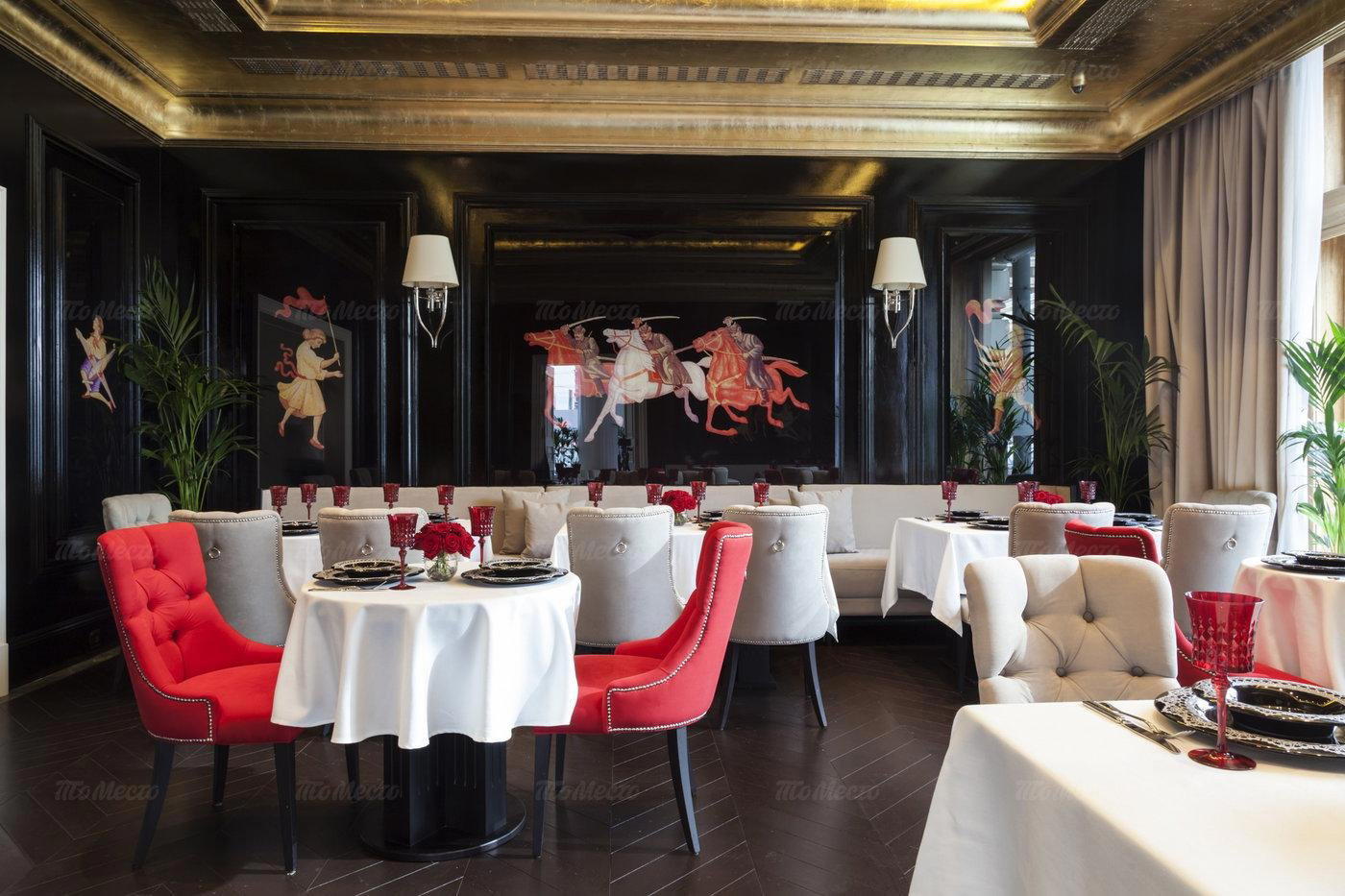
Where the Kremlin Casts a Long Shadow
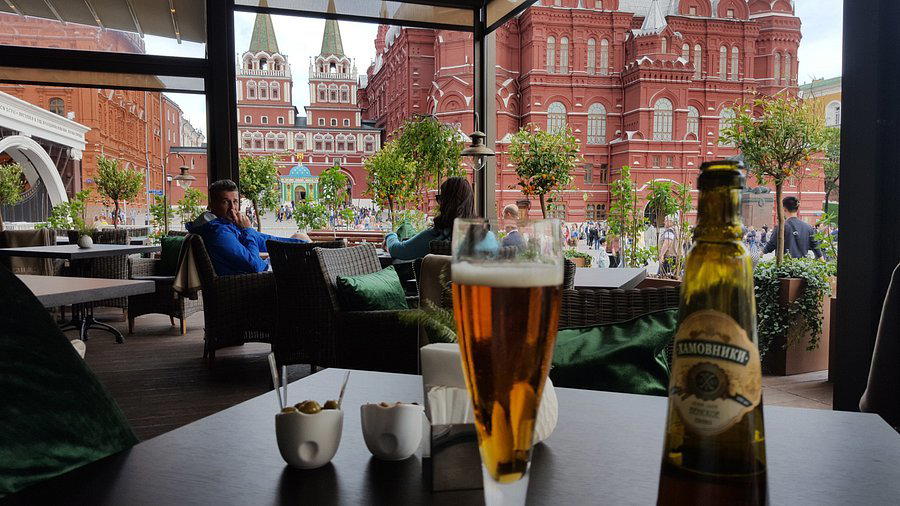
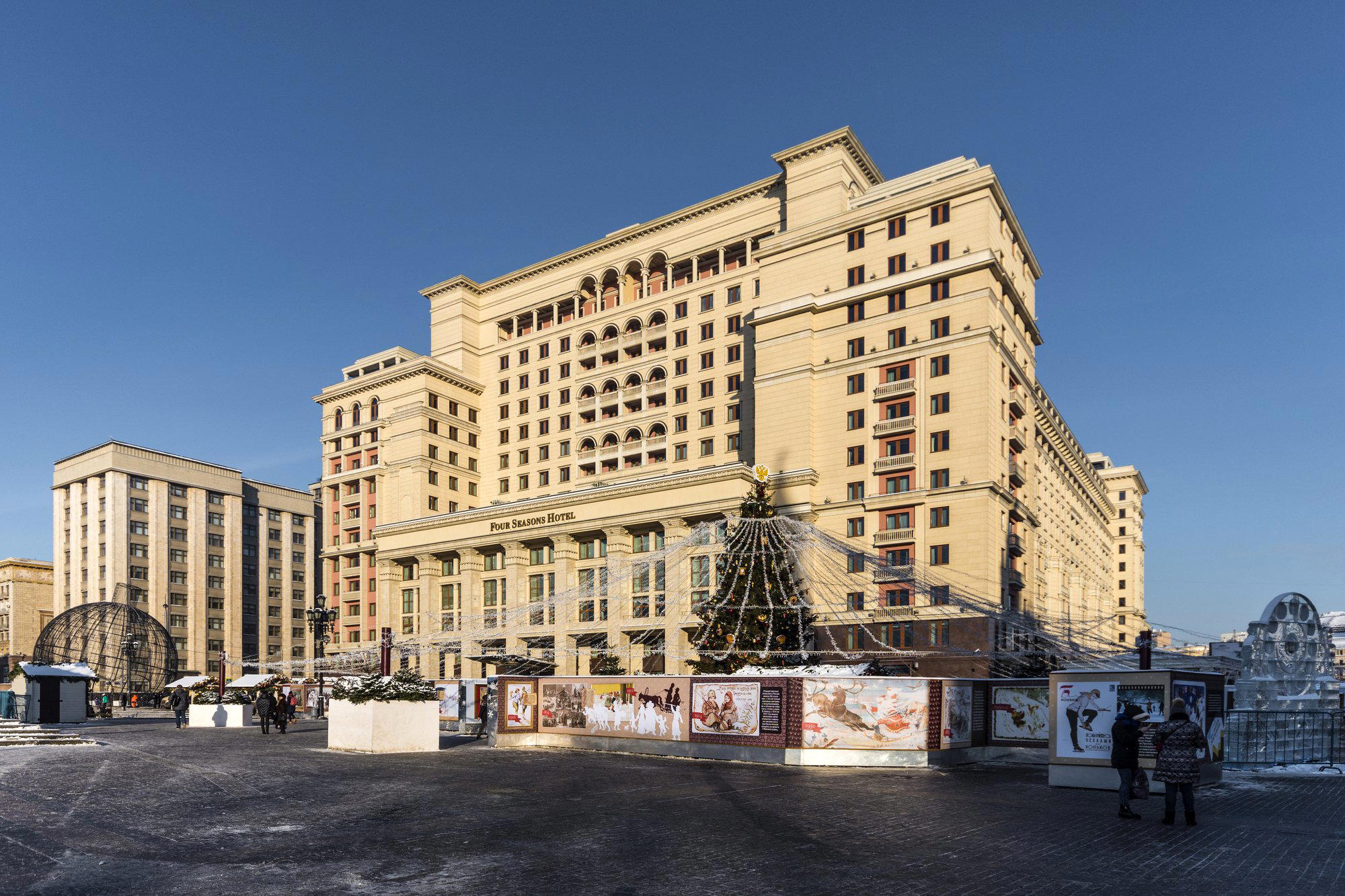
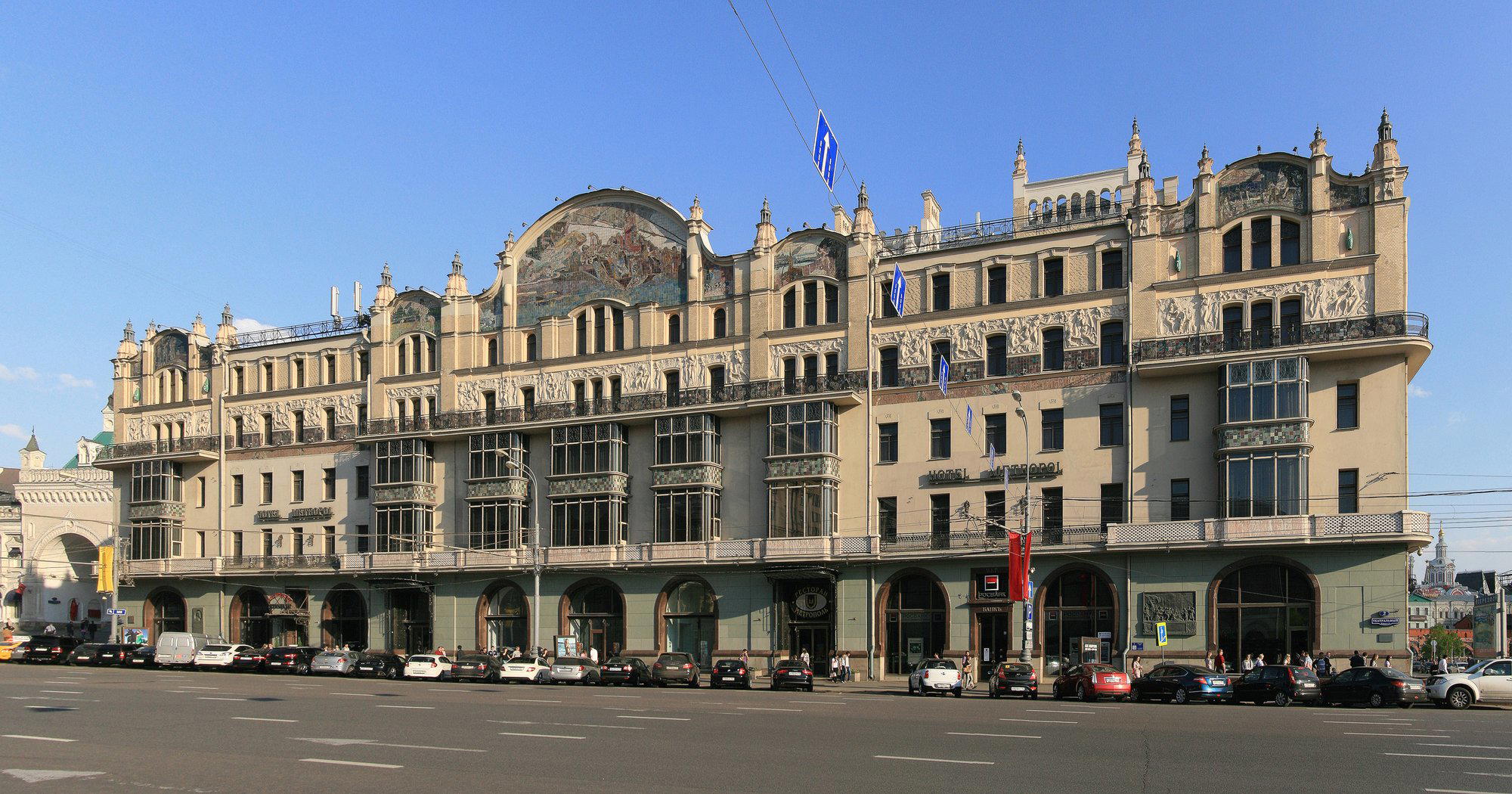
Mokhovaya Street occupies a particular position in Moscow's geography: it runs along the western edge of the Alexander Garden, with the Kremlin's stone towers visible at close range and the Manezhnaya Square opening up just steps away. Few dining addresses in the city carry this kind of accumulated civic weight before a guest has even crossed the threshold. Doctor Zhivago sits on that street, at Mokhovaya St, 15с1, and the physical setting does significant work in shaping what kind of meal a diner expects. In cities where literary nostalgia and national identity fold into one another, and Moscow is emphatically one of those cities, a name borrowed from Pasternak signals an intention to position Russian heritage at the centre of the experience, not as background decoration.
Moscow's central dining scene has bifurcated over the past decade. On one side sits a cluster of internationally oriented modern European rooms, represented by places like Twins Garden and Accenti, which draw on technique and sourcing borrowed from Western Europe. On the other sits a smaller but increasingly serious cohort committed to Russian culinary identity, ranging from White Rabbit's high-concept modern approach to more classically rooted rooms. Doctor Zhivago positions itself in this second current, using the aesthetic language of Soviet-era nostalgia and pre-revolutionary Russian culture as a design and conceptual framework. That choice has a specific audience: visitors who want the city to feel like itself, and Muscovites who find satisfaction in a kind of dining that looks inward rather than westward.
The Arc of a Meal
The experience at this address is best understood as a progression rather than a single statement. Russian meals at their most traditional are structured around a slow accumulation: cold appetisers, zakuski, give way to soups, which give way to mains, with the overall pace dictated as much by conversation as by hunger. That rhythm, which has almost disappeared from fast-casual and even some mid-range Moscow dining rooms, is the backbone of a meal here. It demands a different kind of attention from the diner: less the focused intensity of a Tokyo omakase counter, more the sustained ease of a long European lunch.
The first stage of that progression, the cold table, is where the Russian kitchen makes its clearest argument. Pickled vegetables, cured fish, spreads of various kinds, these dishes function as a vocabulary lesson in a culinary tradition that has preserved techniques largely unchanged across generations. Comparing this approach with the direction taken by Varvary, which applies more contemporary interpretive pressure to similar raw materials, illustrates the choice Moscow diners currently face: tradition held close versus tradition interrogated. Doctor Zhivago leans toward the former.
Moving into the warmer courses, the meal gains weight. Soups in the Russian canon are not transitional, they are structural, carrying as much flavour and cultural specificity as the main. This is a kitchen where that hierarchy is respected. The final savoury courses extend the logic: proteins treated with the kind of directness that defines Russian home cooking at its most confident, without unnecessary elaboration. For international visitors accustomed to menus that flatten national cuisines into globally legible formats, this represents a different set of pleasures. For comparable multi-course experiences built around distinct national culinary logic, Lazy Bear in San Francisco and Le Bernardin in New York each demonstrate how a kitchen's commitment to a specific tradition creates its own coherence, even when the traditions in question could not be further apart.
Locating the Room in Moscow's Mid-Tier
Within Moscow's restaurant hierarchy, the central neighbourhood around the Kremlin and the Manezh tends to attract rooms that play to tourist expectations, political occasion dining, or genuine heritage ambition. The restaurant sits closer to the third category than the first two, which separates it from the more openly touristic options along the same corridor. The comparison set here is more meaningfully Aist, which occupies a similar price band and cultural register in Patriarch's Ponds, or White Rabbit, which operates at a higher price point and with greater international recognition but shares the commitment to Russian identity as primary frame. Compared with the progressive New Russian rooms that have attracted international press attention over the past several years, the restaurant is less experimental but also less demanding, it asks for engagement with a tradition rather than with a chef's thesis.
For those mapping a broader Russian dining itinerary, the country's restaurant culture extends well beyond Moscow's ring road. COCOCO Bistro in Saint Petersburg and Birch in St. Petersburg each take a more contemporary approach to similar source material, while Bourgeois Bohemians in Sankt-Peterburg occupies its own distinct niche. Regional kitchens elsewhere, Alanskaya Kukhnya in Krasnodar, Baran-Rapan in Sochi, SEASONS in Kaliningrad, demonstrate just how much diversity exists within a culinary tradition that international audiences often treat as monolithic. The restaurant, anchored in Moscow's centre, represents one fixed point in that wider geography. Our full Moscow restaurants guide maps this terrain in more detail.
Planning a Visit
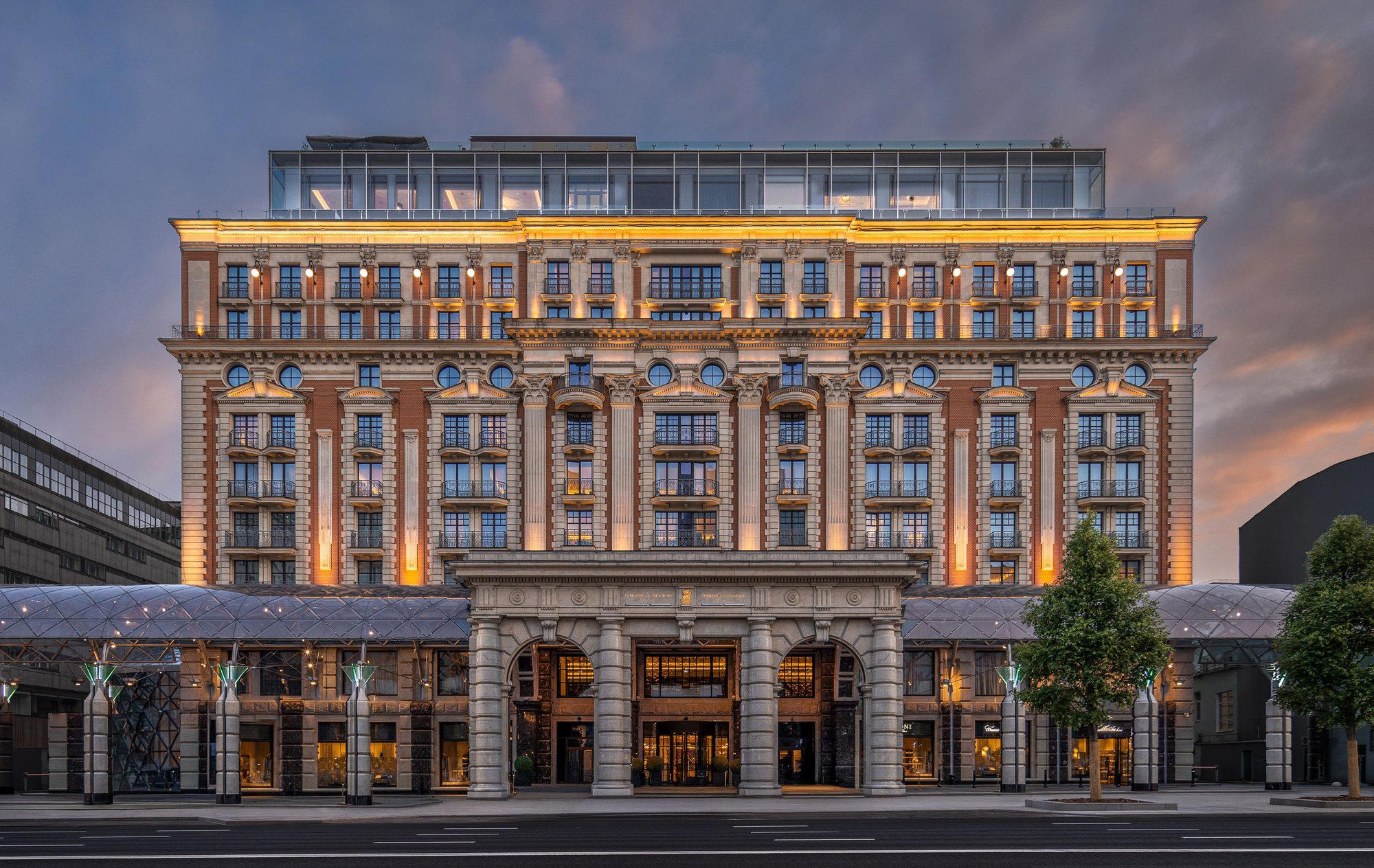
Mokhovaya Street 15 places the restaurant within easy reach of the central metro lines, with Biblioteka imeni Lenina and Okhotny Ryad stations both within a short walk. The address makes this a logical choice before or after an afternoon at the Kremlin museums or the Tretyakov Gallery's newer branch at Lavrushinsky Lane. Given the pace that a multi-course Russian meal requires, plan for at least two hours if you intend to move through the full progression, an early evening reservation allows time to complete the courses before the later dinner crowd arrives. Booking is essential. The restaurant is open 24 hours daily, and the average spend is about $40 per person. Dress expectations at this address align with the central Moscow norm for mid-to-upper-tier dining: smart casual as a baseline, with the room's literary-heritage aesthetic rewarding guests who treat the occasion with some deliberateness.
Credentials Lens
Comparable venues nearby, for context on price, style, and recognition.
| Venue | Cuisine | Price | Notes |
|---|---|---|---|
| Doctor ZhivagoThis venue — the venue you are viewing | Modern Russian with Soviet Heritage | $$$ | Not listed |
| Kazbek | Authentic Georgian | $$ | Presnensky |
| Ц.Д.Л. - TS.D.L. | Modern Russian | $$$ | Presnensky |
| Kazbek (Казбек) | Georgian | $$$ | Пресненский |
| Accenti | Italian Seafood Trattoria | $$$ | Ostozhenka-Golden Mile |
| Wine Religion | Mediterranean European Gastropub | $$$ | Western Administrative Okrug (ZAO), Michurinskiy Prospekt |
At a Glance
- Elegant
- Classic
- Well Known
- Sophisticated
- Date Night
- Business Dinner
- Group Dining
- Celebration
- Special Occasion
- Historic Building
- Design Destination
- Hotel Restaurant
- Panoramic View
- Terrace
- Extensive Wine List
- Craft Cocktails
- Beer Program
- Street Scene
Current opening hours
- Monday
- Open 24 hours
- Tuesday
- Open 24 hours
- Wednesday
- Open 24 hours
- Thursday
- Open 24 hours
- Friday
- Open 24 hours
- Saturday
- Open 24 hours
- Sunday
- Open 24 hours
Hours can change for holidays and private events. Last verified .
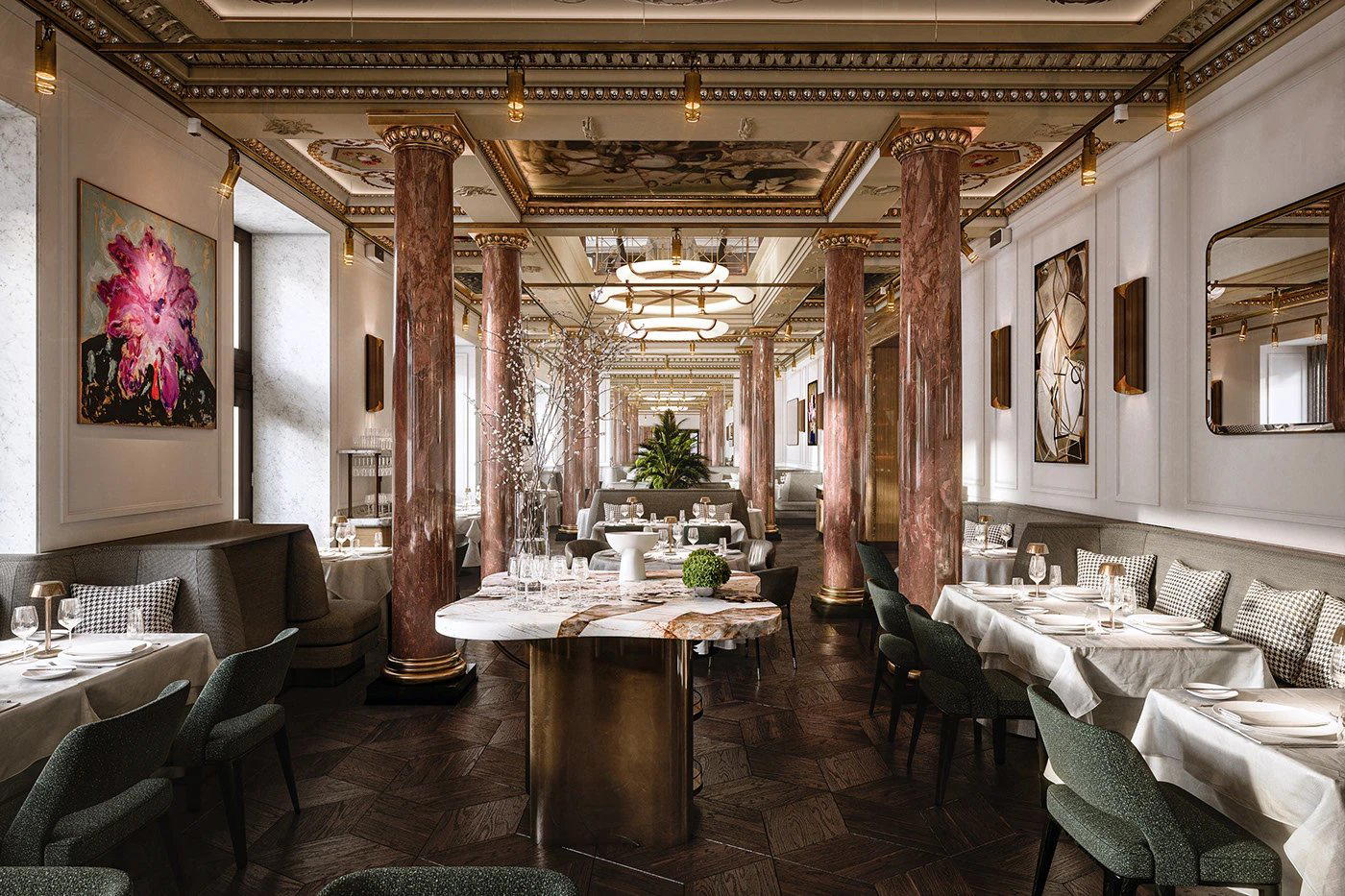
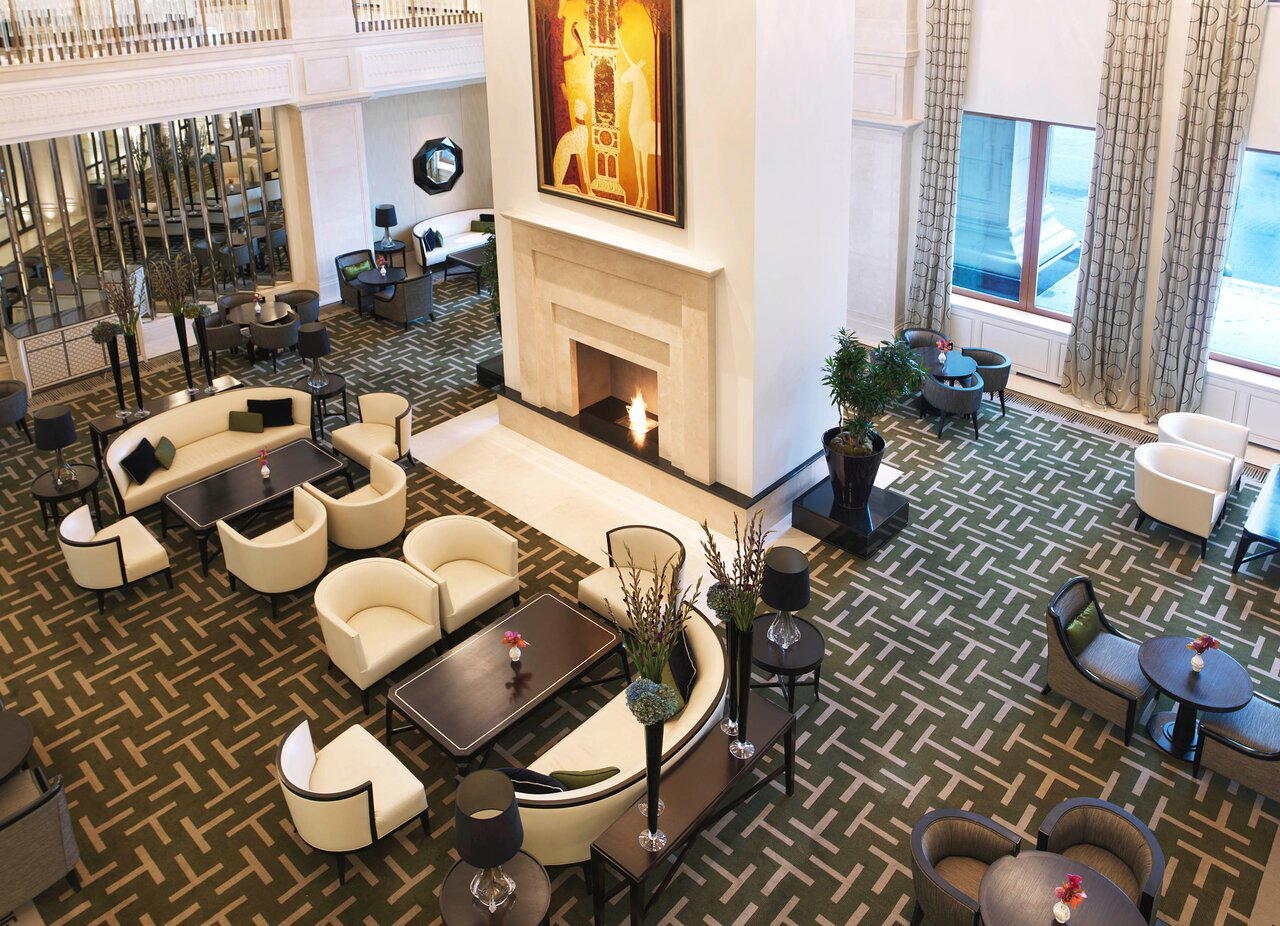
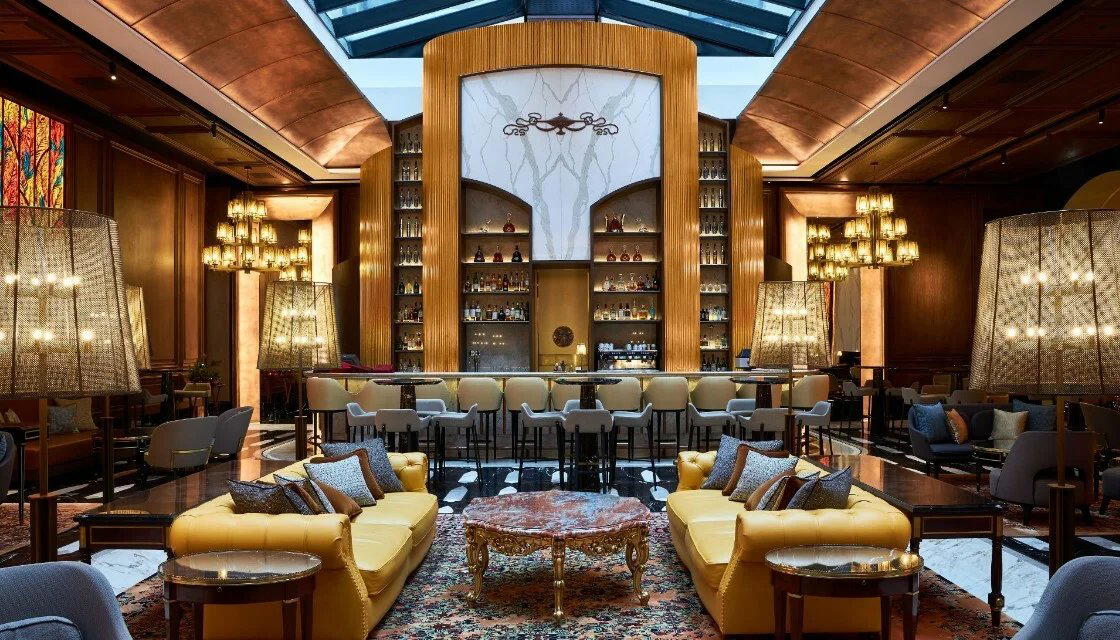
Elegant white hall adorned with paintings by renowned Soviet artists like Malevich and Petrov-Vodkin, crowned by a well-known Ruby Star on the gold ceiling, creating an atmosphere of aristocratic refinement and historical grandeur.