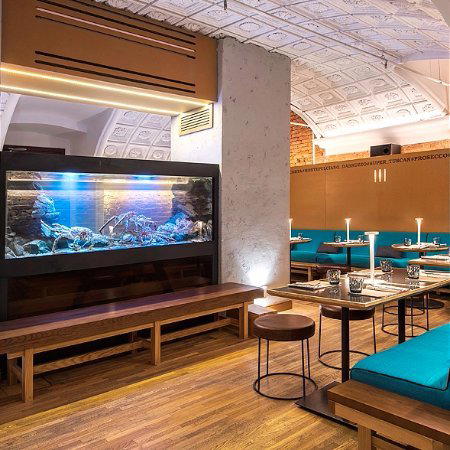
Probka occupies a address on Tsvetnoy Boulevard in central Moscow, placing it within one of the city's more considered dining corridors. Where many Moscow restaurants lean into theatrical scale or high-concept Russian revivalism, Probka operates at a quieter register, a space where the physical environment does the talking before a dish arrives. Positioned alongside peers like Twins Garden and White Rabbit, it represents a strand of Moscow dining that prioritises room quality over spectacle.
 Discover on Pearl
Pearl is the En Primeur Club membership app — saves, bookings, and concierge access live there. Same editors, same standards.
- Address
- Tsvetnoy Blvd, 2, Moscow, Russia, 127051
- Phone
- +74959959045
- Website
- probka.org
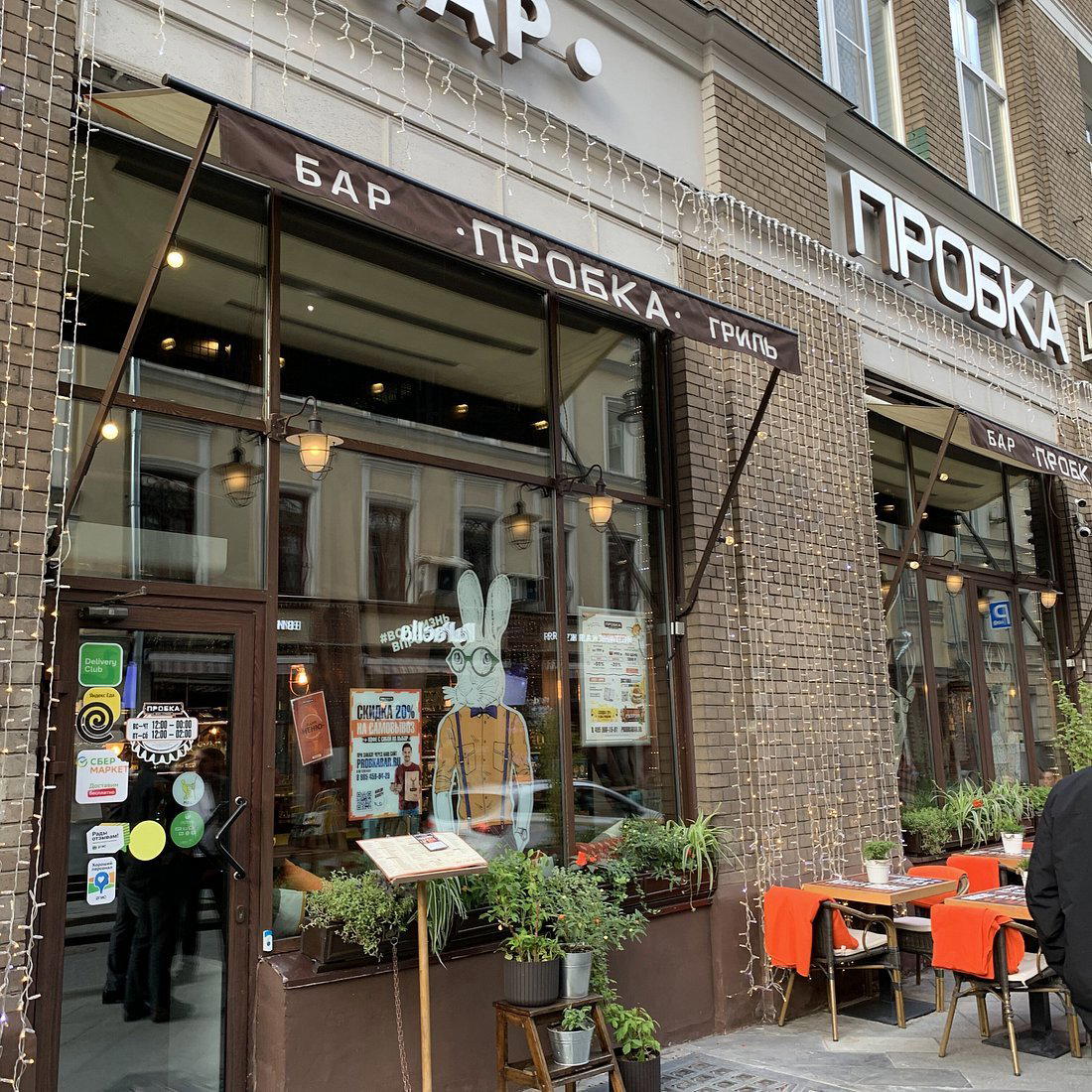
A Room That Sets Its Own Terms
On Tsvetnoy Boulevard, where the old circus building anchors one end of the street and a succession of mid-century facades lines the approach, the physical container of a restaurant carries weight before a guest is seated. Moscow's central dining corridors have developed a particular grammar over the past decade: spaces either lean into maximalist grandeur, the high-ceilinged Soviet palatial register, or they work against it, choosing restraint as a counterstatement. Probka, at number 2 on the boulevard, sits in that second camp. The address alone signals an intention to occupy the neighbourhood on its own terms rather than borrow from the street's more theatrical neighbours.
Interior architecture in Moscow's upper-middle dining tier has shifted considerably since the mid-2010s. The generation of restaurants that opened during that period often imported European bistro minimalism wholesale, applying it without particular local logic. The more considered rooms that followed took longer to develop, they thought harder about materials, about what a Moscow room should feel like in winter and summer both, about how light behaves differently on a January afternoon versus a June evening.
Where Tsvetnoy Boulevard Places This Restaurant
Tsvetnoy Boulevard runs through a part of central Moscow that has become more intentionally curated over time. The area sits north of Tverskaya, close enough to the Garden Ring to draw diners from across the centre, but with a neighbourhood character distinct from the high-traffic restaurant zones around Red Square or Patriarch's Ponds. The boulevard's tree-lined median, functional even through Russian winter, gives the approach a decompression quality that some of the city's more aggressively central dining addresses lack.
Within Moscow's broader restaurant geography, this positioning matters. Restaurants on Tsvetnoy attract a different pace of diner than those around Bolshaya Nikitskaya or in the cluster near Chistye Prudy. The walk from the nearest metro takes guests through the boulevard itself, which functions as a kind of ante-room to the meal. For those arriving from further afield, the logistics are direct: Tsvetnoy Bulvar station on the Circle Line puts the address within a short walk, and the neighbourhood is navigable without a car, which is not something every Moscow dining destination can claim.
The Moscow Design Moment and Where Probka Fits
Moscow's premium restaurant design has split into recognisable camps. At one end sit the theatrical set-piece rooms: White Rabbit, with its glass dome and panoramic city position, built around a visual statement as much as a culinary one. At the other sit rooms where the architecture works more quietly, where seating arrangements prioritise conversation distance, where materials age interestingly rather than photograph cleanly on opening night. Twins Garden has developed a reputation that crosses both categories, its greenhouse aesthetic functioning as a design gesture that also frames a serious culinary program.
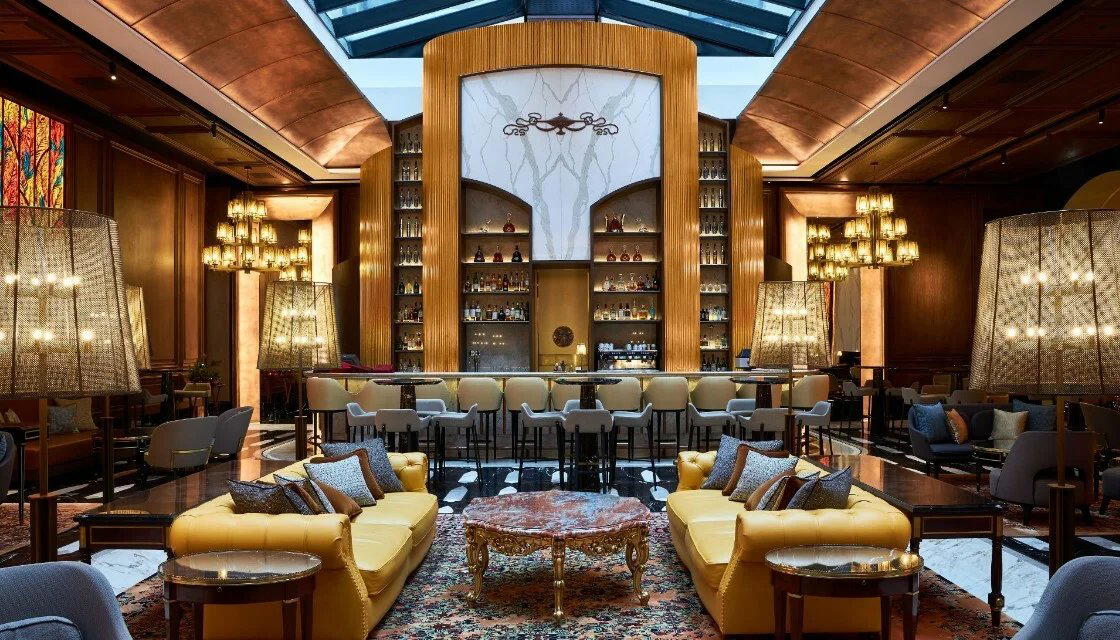
Probka occupies a position in this spectrum that resists easy categorisation. The Tsvetnoy Boulevard address does not announce itself with the visual drama of a rooftop or a listed building conversion. What the space does instead is create a room that reads differently at different times of day and different seasons, a quality that tends to reward repeat visits more than single-occasion dining. This is the kind of room that reveals itself slowly, which in Moscow's competitive restaurant market represents a considered bet on a loyal rather than viral audience.
Comparable approaches to space and atmosphere can be found among restaurants like Varvary, which has built its reputation partly on environment as much as on its Russian cuisine positioning, and Accenti, which occupies its own distinct design register among the city's Italian-influenced addresses. Aist similarly demonstrates how a thoughtfully composed interior can anchor a restaurant's identity across menu changes and chef transitions.
Russian Dining Culture and the Room's Role in It
Russian dining tradition has always assigned significant weight to the physical environment of a meal. The Soviet-era stolovaya and the grand pre-revolutionary restaurant both operated on the premise that the room was part of the offering, that eating was a social and spatial event, not merely a nutritional transaction. Contemporary Moscow restaurants inherit this expectation even when they reject its aesthetic vocabulary. A room that does not hold its guests, that does not create a sense of occasion through architecture and light and material, tends to underperform in this market regardless of what arrives on the plate.
This cultural context gives design-led venues on the Tsvetnoy corridor a particular advantage. The boulevard's residential and cultural mix, the circus, the covered market, the older apartment buildings, means guests arrive with a certain openness to the neighbourhood, rather than the transactional urgency of a business-district lunch crowd. That audience composition tends to support the kind of atmosphere a slower, more considered room produces.
Across Russia's broader dining scene, this design-forward sensibility appears in different regional registers. 1913 in Saint Petersburg anchors its identity in pre-revolutionary architectural memory. Kukhterin in Tomsk and Dzhani Restorani in Nizhny Novgorod show how design intelligence has spread into second and third-tier cities. Alanskaya Kukhnya in Krasnodar demonstrates how regional cuisine programs use spatial design to reinforce culinary identity. Even internationally, the relationship between room quality and restaurant reputation is well-documented: the design programs at venues like Le Bernardin in New York and Atomix show how interior architecture functions as a trust signal before the first course.
Further afield within Russia, Lev I Ptichka in Saint Petersburg, Grisha in Omsk, Khmeli Suneli in Yekaterinburg, Made in China in Saint Petersburg, Burger Records in Novosibirsk, and Konditerskaya Kuzina in Syktyvkar collectively illustrate how widely design has become part of the restaurant conversation across the country's geography.
Planning a Visit
Probka's address at Tsvetnoy Blvd, 2 puts it on one of central Moscow's more accessible routes. Tsvetnoy Bulvar metro station on the Circle Line is the natural arrival point. The boulevard itself is pedestrian-friendly enough that the walk from the station serves as a useful transition between the pace of the city and the pace of a meal. As with most of Moscow's more focused dining addresses, advance planning is advisable, rooms of this character tend to fill through repeat guests and word of mouth rather than high-volume walk-in traffic. Specific hours, booking methods, and current pricing are best confirmed directly with the venue, as operational details in the Moscow market shift frequently.
At a Glance
Comparable venues nearby, for context on price, style, and recognition.
| Venue | Cuisine | Price | Notes |
|---|---|---|---|
| ProbkaThis venue — the venue you are viewing | $$ | ||
| Balzi Rossi | Presnensky, Modern Italian Mediterranean | $$$ | |
| Pizzeria Vesuvio | $$ | North-Eastern (SVAO), Neapolitan Pizza | |
| Butler | $$$ | Patriarch Ponds, Contemporary Sicilian Italian | |
| Bistrot | $$ | Khamovniki, Italian Bistro (Tuscany-inspired) | |
| LOONA | Tverskoy, Modern Italian | $$$ |
At a Glance
- Lively
- Elegant
- Modern
- Date Night
- Business Dinner
- Group Dining
- Casual Hangout
- Open Kitchen
- Extensive Wine List
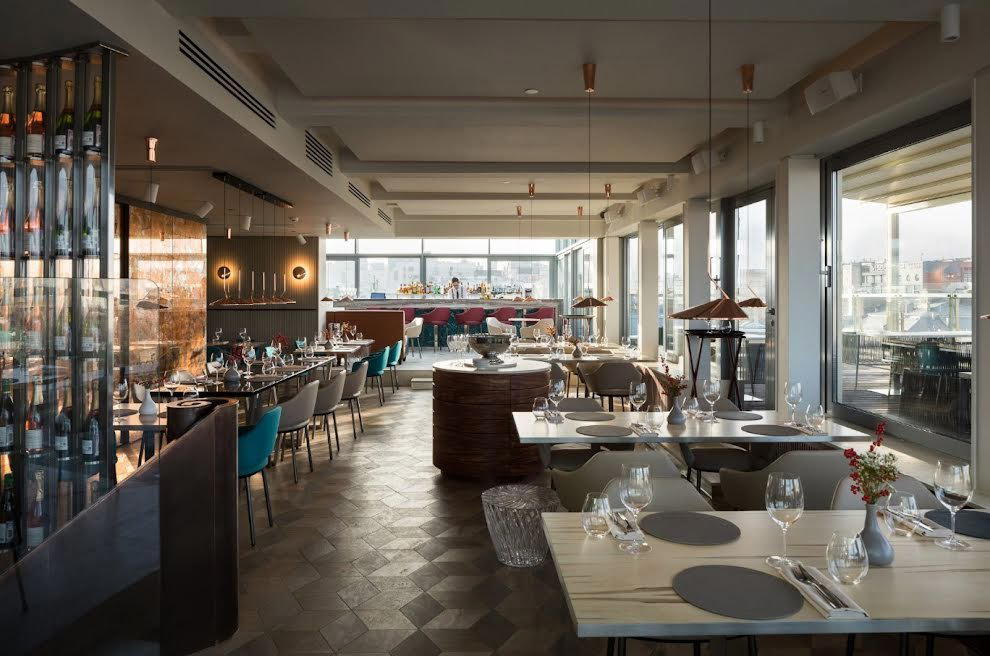
Bright dining hall with lively open kitchen, celebrity-signed plates on walls, and urban contemporary Italian atmosphere.