
Tabelog 100 #91
Our verdict
Kitagawa occupies the third floor of a Ginza building on 2-chome, placing it inside one of Tokyo's most concentrated corridors of serious dining. The address alone signals a particular tier of expectation. What follows is a considered dining experience that fits within Ginza's long tradition of counter-format restaurants where restraint in decor amplifies focus on the plate.

Pearl is the En Primeur Club membership app, where members save venues, book tables and use the concierge.
The menu
What to order
- Aburadoshi oil-cooked tsukuri
- Tempura
- Kakiage clay-pot rice
Ginza's Third Floor and What It Signals
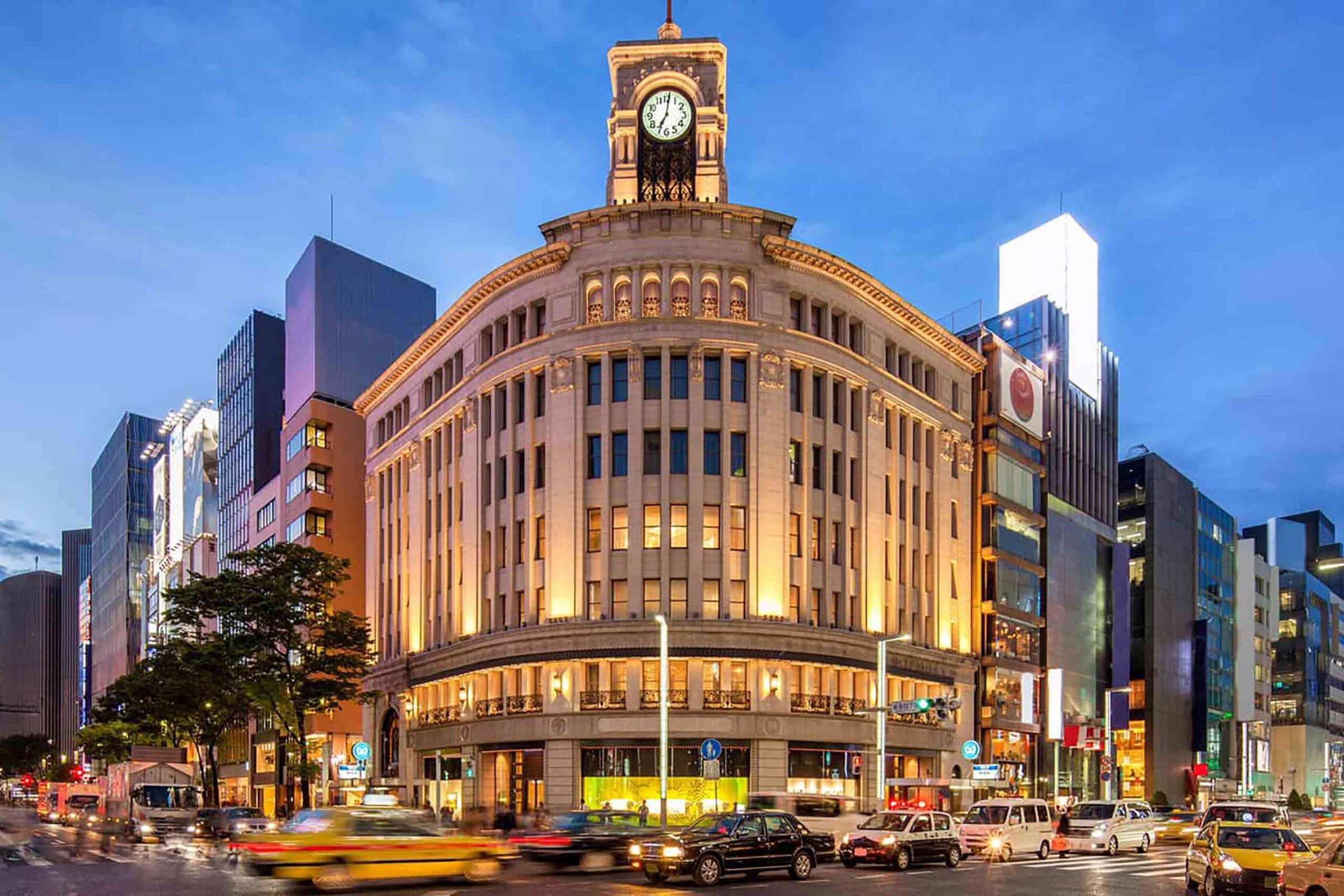
In Tokyo's Ginza district, the floor a restaurant occupies is rarely an accident. Street-level spaces carry foot-traffic logic; upper floors, particularly third and above, operate on a different premise entirely. They require intention from the guest, a deliberate ride in an elevator, a choice made before arrival. Kitagawa sits on the third floor of a building on 2-chome, the stretch of Ginza where the density of serious counters and long-standing dining rooms is among the highest in the city. That positioning places it in immediate conversation with neighbours that have spent decades earning reputations. For the visitor arriving for the first time, the ascent is a small ritual that frames what comes next.
Ginza has long functioned as Tokyo's pressure-testing ground for fine dining. Harutaka, operating at the ¥¥¥¥ tier, represents the area's omakase sushi ceiling, where rice temperature and nigiri interval matter as much as fish sourcing. RyuGin holds its kaiseki position across town in Roppongi, but its standard set the benchmark that Ginza-adjacent restaurants are measured against. Inside this context, Kitagawa occupies a specific address in one of Tokyo's most scrutinised dining postcodes. The neighbourhood does not forgive generic execution.
The Sensory Register of a Ginza Dining Room
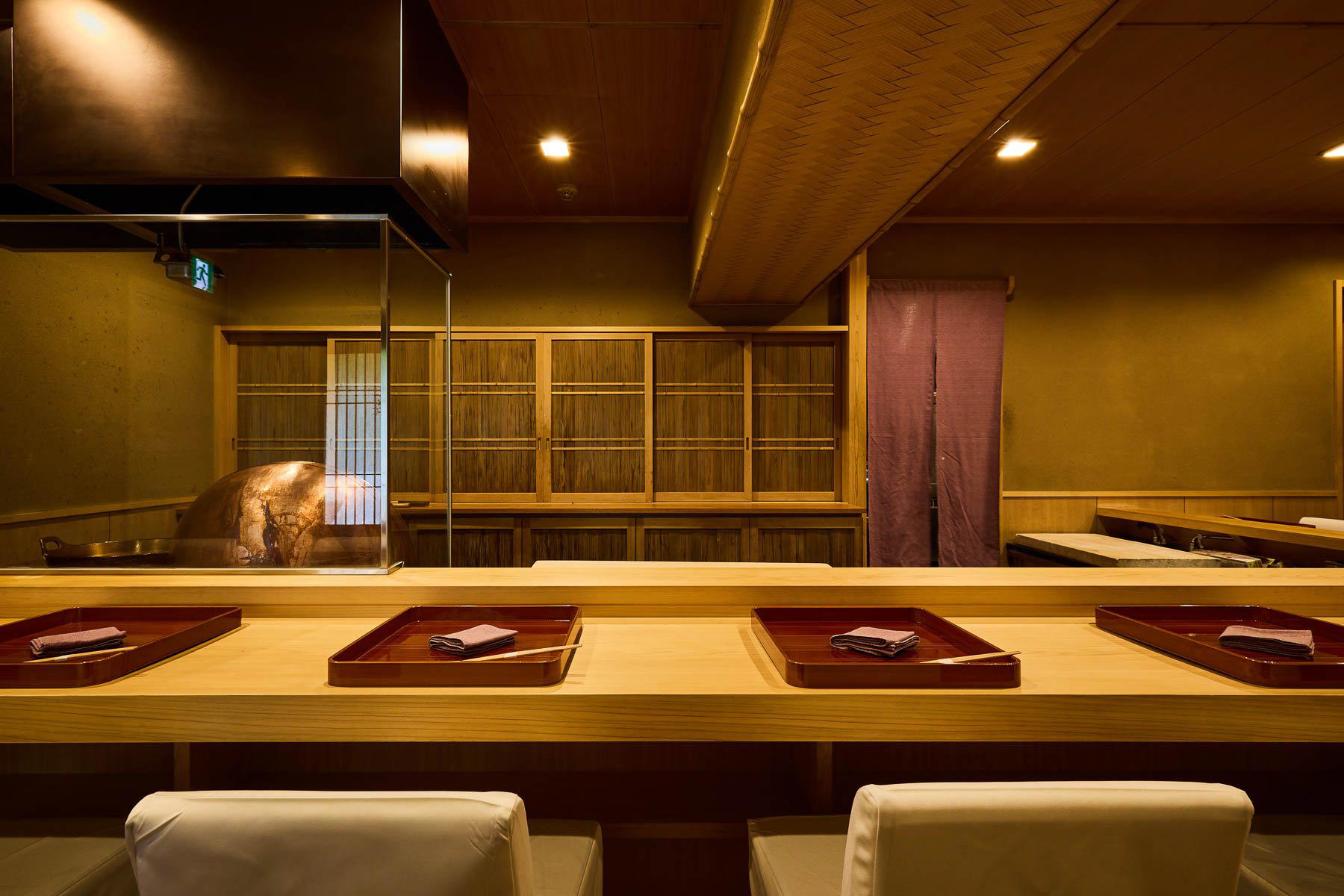
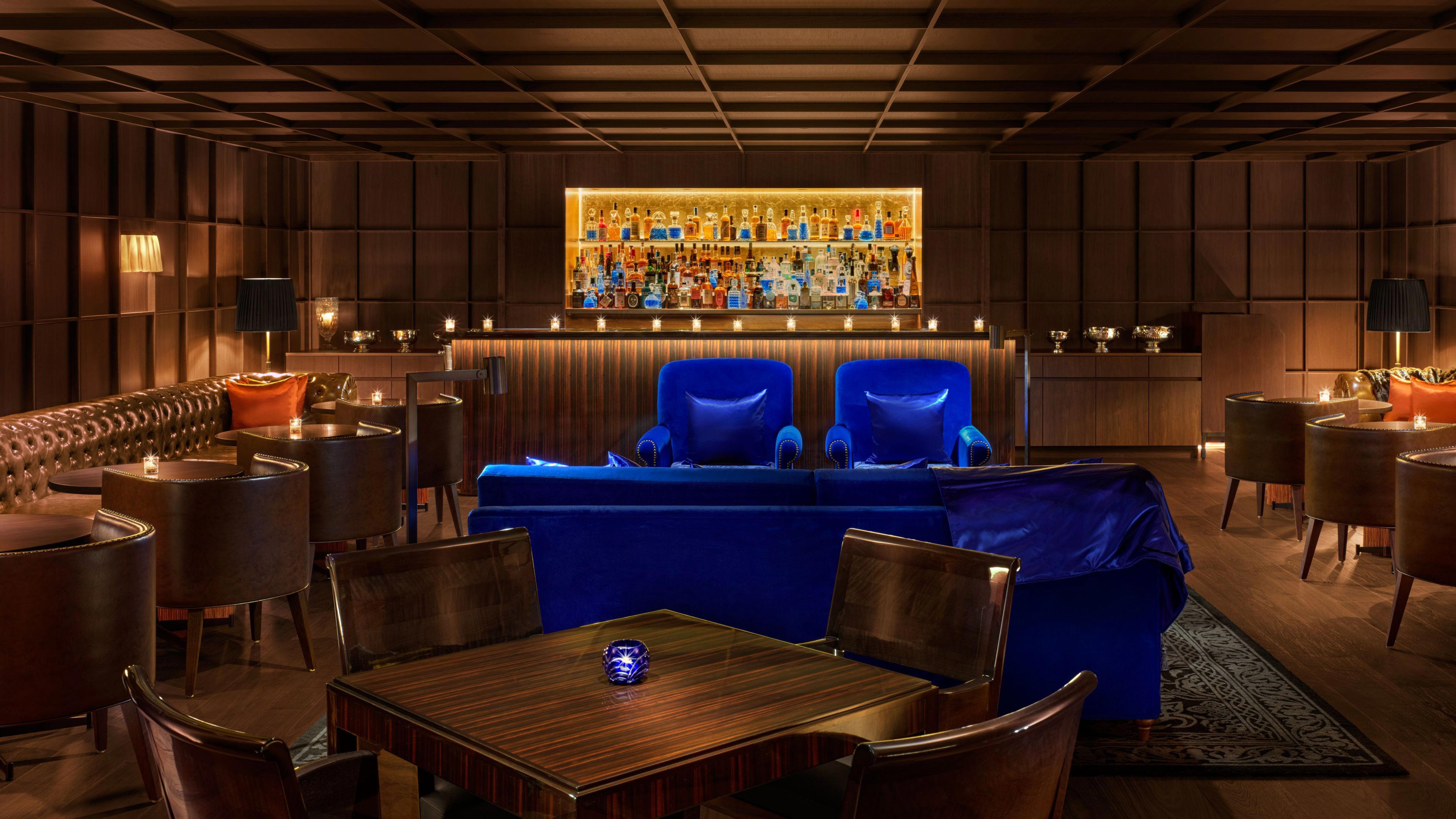
Counter-format dining in Ginza operates through controlled sensory compression. The rooms are typically small, the lighting calibrated low enough to remove distraction without sacrificing the ability to examine what arrives on the plate. Sound design is rarely discussed but consistently considered: the ambient noise floor stays low, conversation stays contained, and the sounds that carry are kitchen sounds, the controlled kind, a knife through something firm, the near-silent placement of ceramics. These details are not incidental. They are the architecture of attention.
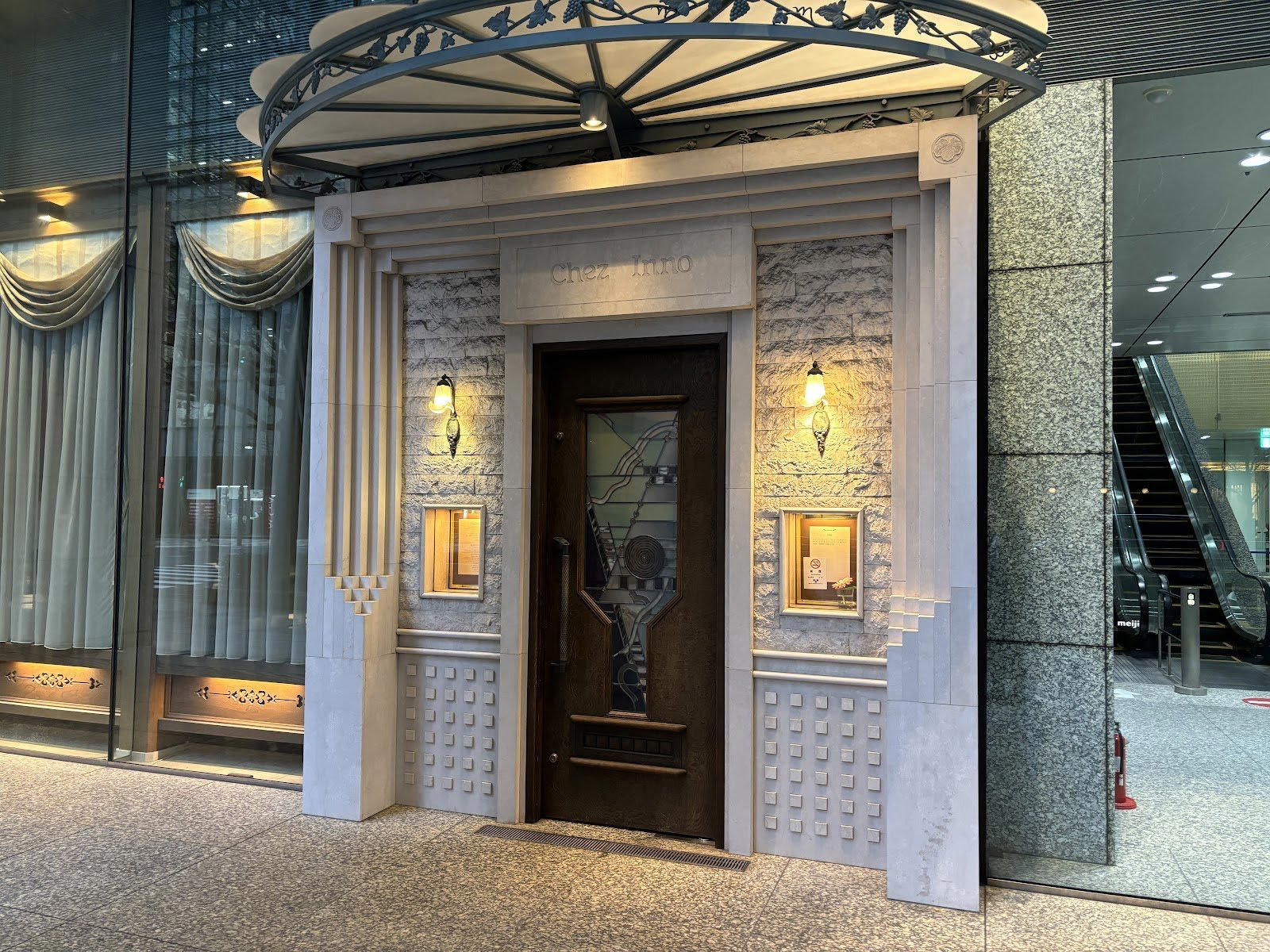
The address at 2-chome-10-11 in Chuo City places Kitagawa on a block where this sensory grammar is well established. Ginza's dining rooms in this zone tend toward spare interiors where material quality does the communicating: a particular wood grain, a ceramic glaze that catches the light at a specific angle, linen that has weight. The experience of sitting down is already an editorial act before a single dish appears. That is the Ginza convention, and the restaurants that hold their positions here understand it.
Contrast this with the more expressive format that venues like L'Effervescence deploy in Nishi-Azabu, where French technique meets a room designed for a different kind of theatrical atmosphere, or with Crony's approach to innovative French cooking in a setting that leans into a looser, more contemporary register. Ginza restraint is its own distinct mode.
Tokyo's Fine Dining Geography and Where Kitagawa Fits
Tokyo's restaurant geography has consolidated around a set of well-defined nodes. Ginza and its immediate surrounds, Roppongi, Nishi-Azabu, Minami-Aoyama, and Nihonbashi each carry a distinct character that shapes what kind of restaurant succeeds there. Ginza attracts a clientele that skews toward established preference rather than novelty-seeking, which means the dominant formats here, counter sushi, traditional kaiseki, and long-standing French rooms, have survived because they match the expectations of repeat visitors who know what they are looking for.
Sézanne, Daniel Calvert's French room inside the Four Seasons at Marunouchi, demonstrates one way Tokyo's top tier has absorbed international technique with genuine authority. Its position in the city's critical conversation is instructive: even international formats, when executed at sufficient depth, earn permanent standing in Tokyo's dining hierarchy. Kitagawa, positioned in Ginza rather than a hotel environment, operates within a different competitive logic, one where the address carries its own history and where the room's relationship to the street-level city is part of the identity.
Beyond Tokyo, Japan's fine dining conversation extends across a network of serious rooms that reward attention. HAJIME in Osaka and Gion Sasaki in Kyoto anchor the Kansai pole of that conversation, while Goh in Fukuoka represents the growing southern tier. Nationally, the range now extends to rooms like 一本杉 川島 in Nanao and akordu in Nara, which approach Japanese fine dining from angles that challenge the Tokyo-centric frame. Kitagawa's Ginza location puts it at the centre of that national conversation rather than at its edges.
Booking and Practical Approach
Counter restaurants in Ginza at this level of address and format typically operate on reservation-only systems with lead times that extend weeks in advance, particularly for prime evening slots. The conventions of the neighbourhood apply: communication is most reliably handled through the restaurant directly or through concierge channels at major Tokyo hotels, where established relationships can accelerate access. Visitors should plan ahead accordingly.
For those building a broader Japan itinerary, the sensory discipline that defines Ginza counter dining recurs in different registers across the country. 夕佳亭山乃 in Sapporo and 湖畔荘 in Takashima each extend that tradition into regional contexts. 鶴羽屋 in Nishikawa Machi and Birdland in Sakai point toward the range available to a traveller willing to move beyond the capital. Bistro Ange in Toyohashi rounds out the picture of serious regional French work that has taken root across Japan's secondary cities.
For international comparison, the controlled-environment counter format that Ginza deploys finds partial analogues in rooms like Le Bernardin in New York City, where decades of sustained execution have created a similar expectation set, or Atomix in New York City, which adapts Korean fine dining into a similarly disciplined tasting format. The through-line is intentionality: restaurants at this level are defined by what they choose to remove as much as by what they include.
Know Before You Go
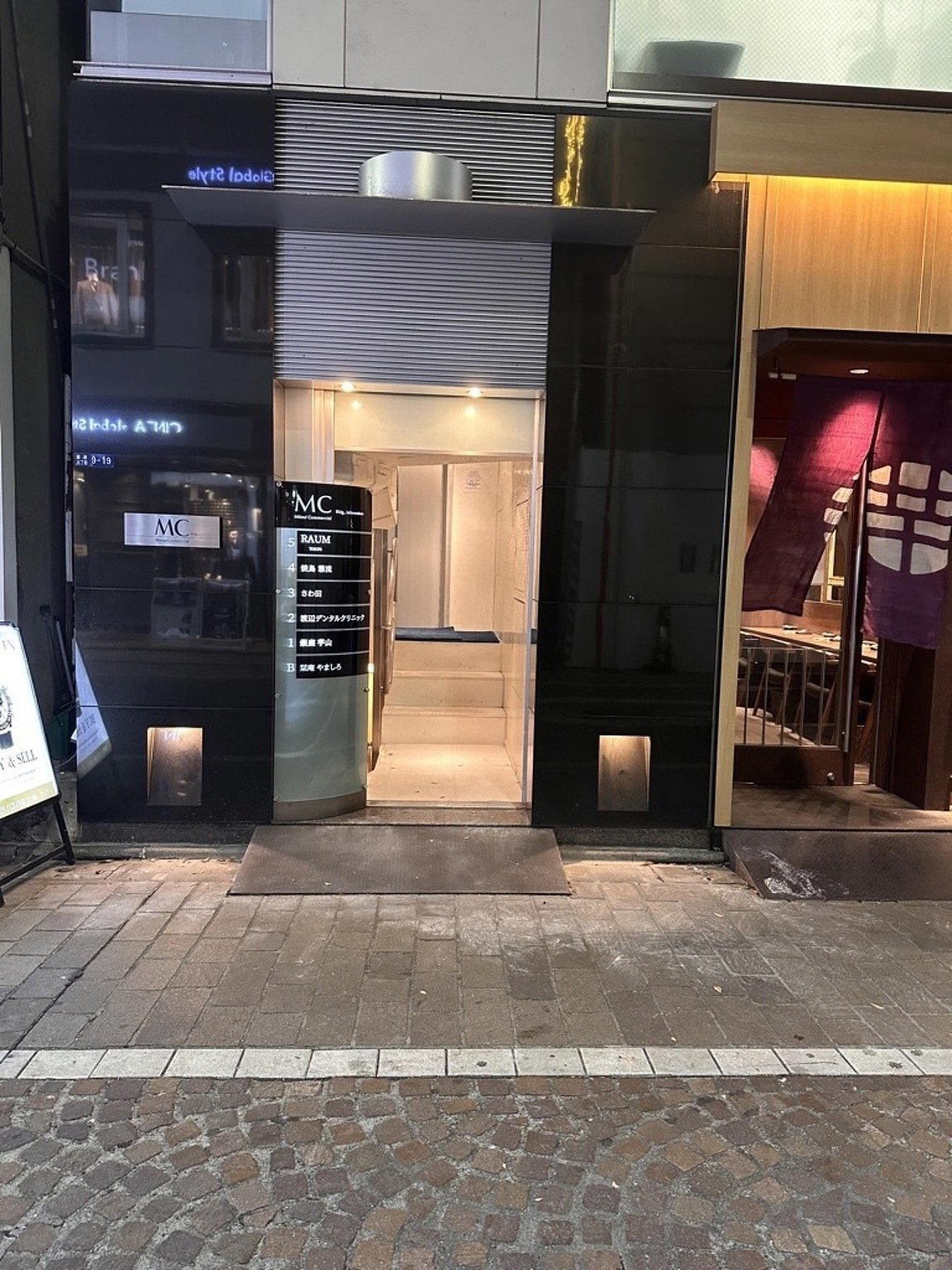
- Address: 3F, 2-10-11 Ginza, Chuo City, Tokyo 104-0061, Japan
- District: Ginza 2-chome, Central Tokyo
- Booking: Reservation required; contact directly or via hotel concierge
- Nearest Station: Ginza Station (Tokyo Metro Ginza, Marunouchi, Hibiya Lines)
- Format: Counter dining, Ginza fine dining tier
- Price Range: ¥¥¥¥ tier
Fast Comparison
Comparable venues nearby, for context on price, style, and recognition.
| Venue | Cuisine | Price | Awards | Notes |
|---|---|---|---|---|
| KitagawaThis venue (the venue you are viewing) | Modern Japanese Kappo | $200–300 | Tabelog 100 #91 | Not listed |
| 焼肉 いぶさな | Heritage Wagyu Yakiniku | $500+ | Not listed | Shibuya (Yoyogi/Sendagaya) |
| Ginza Ichibun | Traditional Edomae Sushi Omakase | $150–200 | Tabelog 100 #54 | Chūō |
| Sushi Tanji | Traditional Edo-style Omakase Sushi | $150–200 | Not listed | Minato |
| Roku Roku | Edo-mae Sushi & Kaiseki | $50–100 | Not listed | Minato |
| Kawasaki | Seasonal Japanese Kaiseki / Omakase | $150–200 | Tabelog 100 #57 | Minato |
Recognition history
Dated appearances from independent guides and award organizations, with the underlying list record or original source where available.
Tabelog 100 #91
Tabelog
Full recognition history (3 entries)
Tabelog Silver #58
Tabelog
Tabelog Bronze
Tabelog
Continue exploring
More in Tokyo
Restaurants in Tokyo
All restaurants in Tokyo →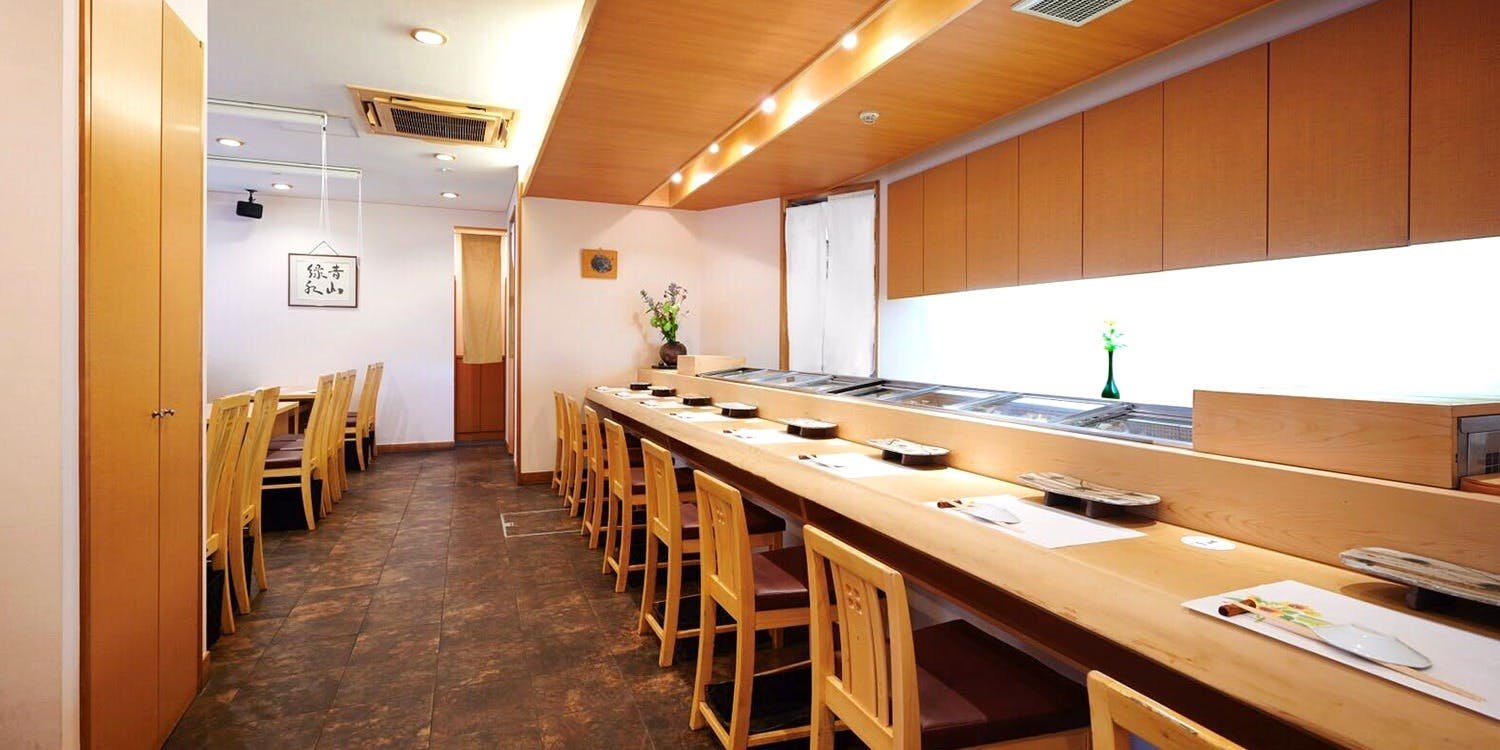


Details
- Intimate
- Elegant
- Sophisticated
- Modern
- Special Occasion
- Date Night
- Business Dinner
- Chefs Counter
- Open Kitchen
- Sake Program
- Tasting Menu
- Counter Dining
- Sake
- Allergy Accommodating
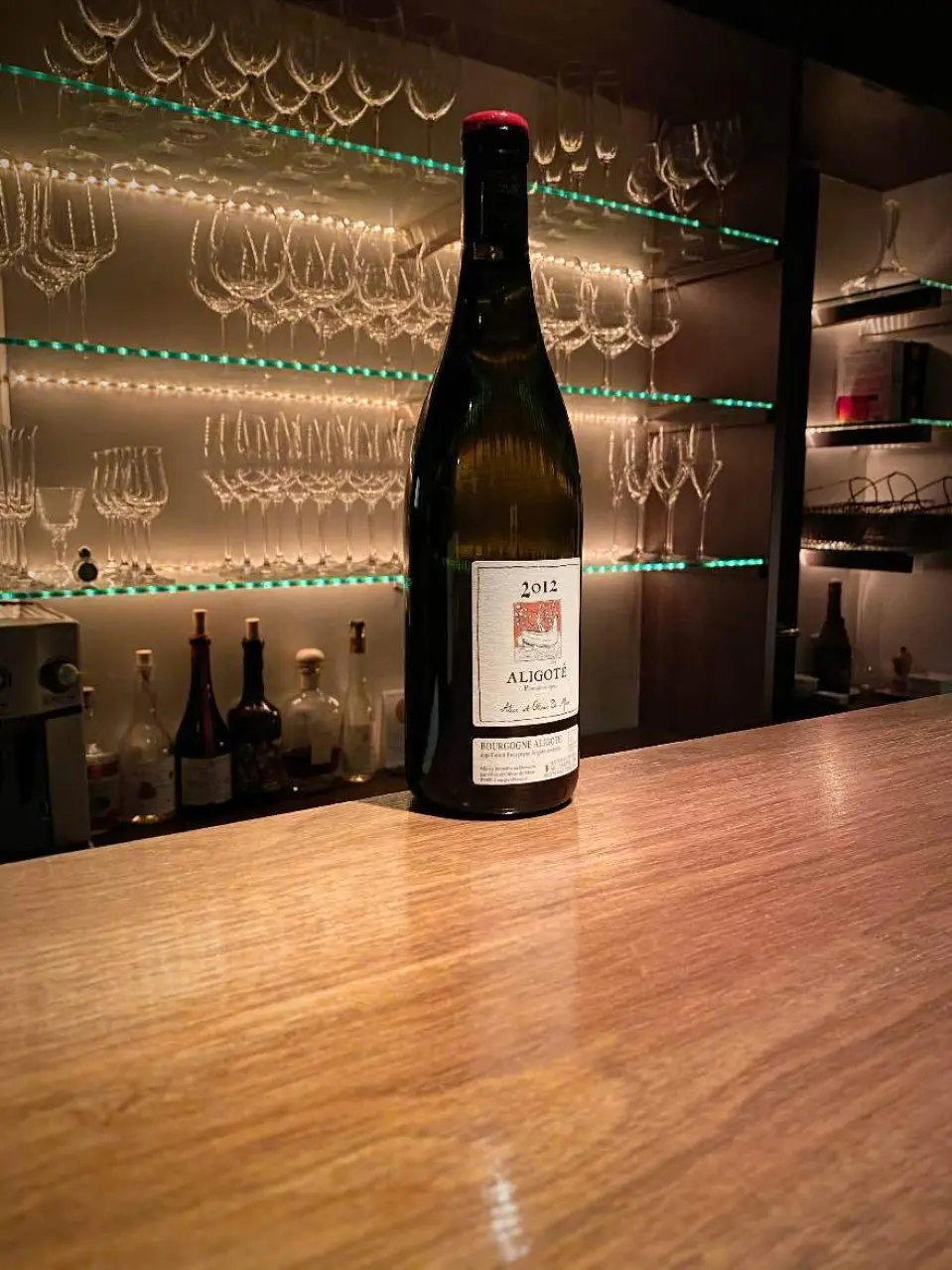
Intimate white wood L-shaped counter with theatrical precision and warm hospitality, creating a refined yet joyful dining atmosphere.