
Ginza Ichibun sits in the tighter, counter-led tier of Ginza sushi, where reputation depends less on spectacle than on repeat recognition and disciplined format. Its selection for Tabelog Sushi TOKYO “Tabelog 100” in 2025 and 2022 places it among Tokyo sushi rooms judged by local diners with unusually high category fluency.
Pearl is the En Primeur Club membership app — saves, bookings, and concierge access live there. Same editors, same standards.
- Address
- Japan, 〒104-0061 Tokyo, Chuo City, Ginza, 2 Chome−13−19 銀座アルカビル 一階
- Phone
- +81 3-6260-6644
- Website
- ginzaichibun.com
 Saves & bookings on Pearl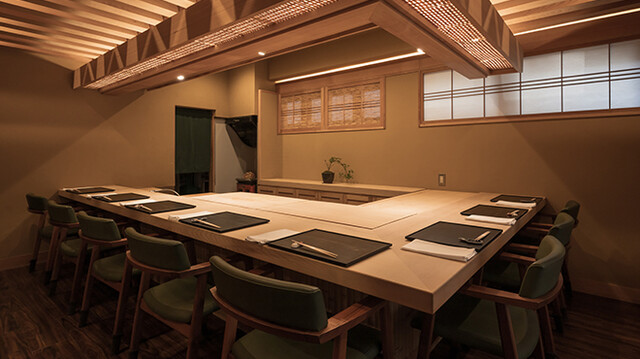
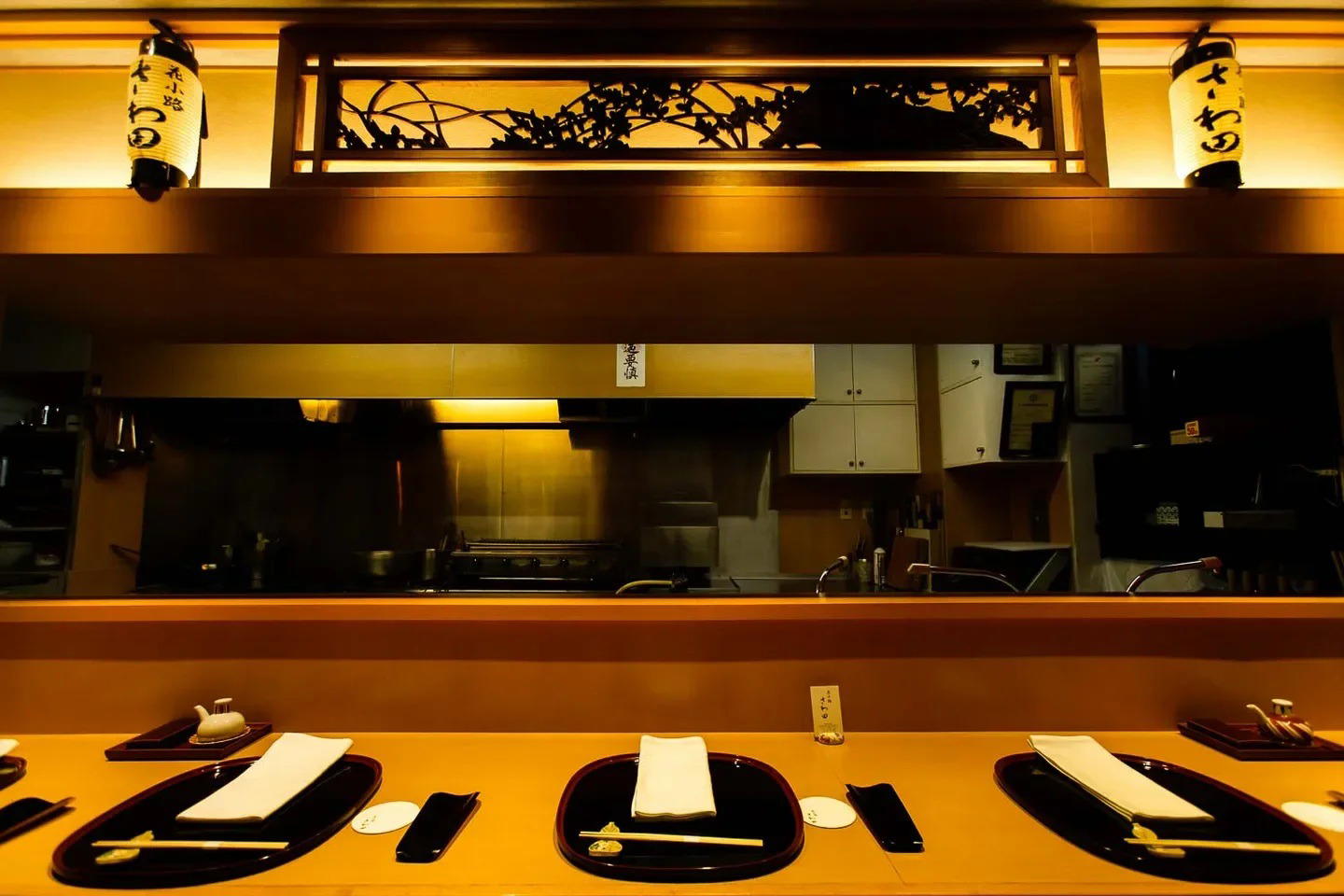
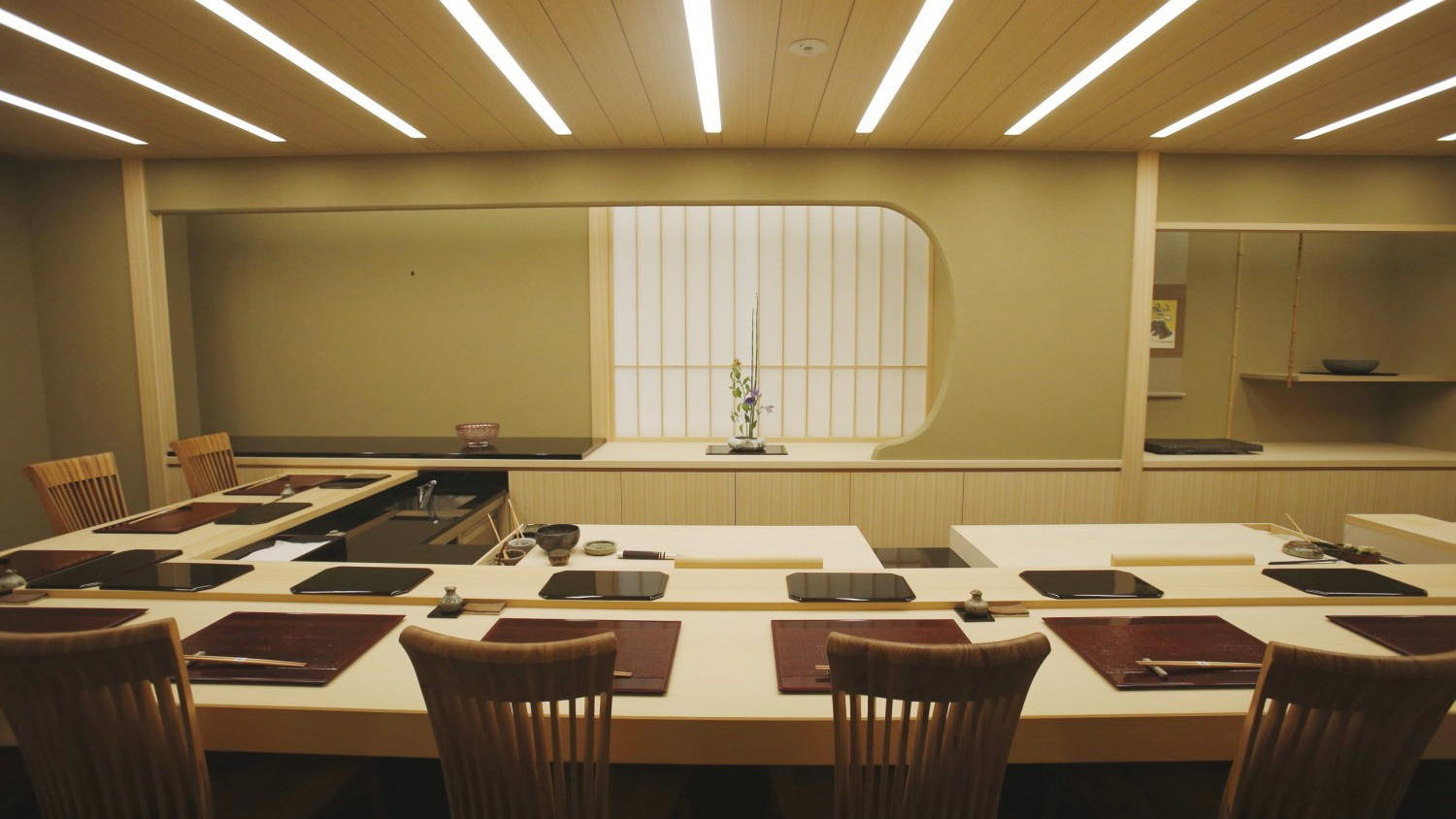
Ginza rewards restraint and punishes vagueness. On the district’s eastern side, nearer Shintomicho and Higashi-Ginza than the department-store glare of Chuo-dori, sushi counters feel more residential in tempo: smaller rooms, fixed-course pacing, and guests who read details rather than decoration. Ginza Ichibun fits that register. The room is counter-only, compressing the meal into a narrow exchange between fish, rice, timing, and attention.
Tokyo sushi is a crowded prestige category, but recognition from Japanese diner-led platforms still carries weight because the audience is deep, local, and repeat-oriented. Selection for Tabelog Sushi TOKYO “Tabelog 100” in both 2025 and 2022 places this counter in a field where marginal differences matter: rice temperature, seasoning, sourcing discipline, pacing, and the confidence to avoid theatre. Ginza Ichibun is not competing with casual sushi bars or hotel sushi lounges; it sits in the small-counter, omakase-led bracket judged by sequence and consistency.
A nine-seat Ginza counter in the serious omakase bracket
The modern Ginza sushi economy has split into tiers. At one end are trophy counters priced for international collectors and regulars with deep reservation access. At another are accessible neighbourhood sushi rooms trading on warmth, speed, and value. Between them is a middle-high tier often more interesting for experienced travellers: counters with serious recognition, few seats, and prices below the city’s highest sushi tariffs. Ginza Ichibun sits in that zone, with a dinner range of JPY 20,000 to JPY 29,999 and a nine-seat, counter-only setup.
That size changes the meal. A nine-seat counter leaves little anonymity; timing becomes craft, and service rhythm must hold across the full course rather than scattered tables. It also explains why online reservation discipline matters. Small counters cannot absorb casual cancellations like larger restaurants, and Ginza’s serious sushi rooms increasingly treat booking as part of the dining contract.
The cuisine is listed simply as sushi, but the public description points to a seasonal omakase course and particular attention to fish. That matters. Tokyo sushi at this level is rarely about novelty; it rewards controlled sequence: seasonal neta, rice calibrated to the chef’s style, and a beverage program that can follow lean white fish and richer pieces without flattening the meal. Drinks listed include sake, shochu, and wine, aligning the counter with Ginza’s move away from sake-only orthodoxy without turning it into a pairing-driven dining room.
Recognition here signals local credibility, not tourist theatre
Tabelog’s Hyakumeiten lists are not decorative badges for travellers; they read category depth in a city where formal guidebooks capture only part of the story. A Tabelog score of 3.72 is meaningful in Japan’s rating culture, where numbers cluster tightly and diners grade with restraint. The 2025 Sushi TOKYO selection, alongside the 2022 selection, gives the restaurant a reputation marker relevant for visitors wanting a serious Ginza sushi counter without relying only on Michelin shorthand.
Ginza makes that distinction important. The district is thick with counters that look similar from outside: discreet signage, narrow entrances, polished wood, fixed-course service. The difference is not always visible before dinner. Awards and category lists help separate restaurants that have sustained local attention from rooms that merely occupy an expensive address. Here, repeated Tabelog selection gives the counter a verifiable place inside Tokyo’s sushi conversation.
Neighbourhood comparison sharpens the point. Ginza Ibuki occupies a nearby premium Japanese dining lane with a lower dinner band of JPY 15,000 to JPY 19,999, while Soba Sasuga offers a soba-centered experience with a different rhythm and lower lunch entry point. Kobiki Cho Yuzukamiya, with its much more modest price band, belongs to another category. Ginza is not one dining market but a grid of micro-markets, where sushi, soba, kappo, ramen, and Chinese fine dining carry separate expectations. The restaurant’s pricing and recognition place it clearly in the serious sushi-counter lane rather than the broader casual Ginza dinner circuit.
How to read it against Tokyo's wider dining map
For travellers building a Tokyo dining itinerary, this is a precision choice, not an all-purpose recommendation. It suits diners who want a compact, counter-led sushi evening in Ginza and value Japanese recognition systems as much as international awards. It is less suited to groups wanting private rooms, celebratory add-ons, or flexible à la carte. The venue’s notes rule out private rooms and private use, and the course format is the point, not a limitation.
Tokyo’s restaurant culture runs from specialist counters to genre-bending cafés, curry shops, yakitori rooms, and regional Japanese formats. Readers comparing sushi with other casual or mid-range Tokyo options can scan . 鮪と炭火焼き うお炭 秋葉原店, 12/10 Shinjuku ten, 124. KAGURAZAKA (Yakitori), 2D Cafe, and 3 Chome no Curry Ya San. For a wider city sweep, use Our full Tokyo restaurants guide, then pair dinner planning with Our full Tokyo hotels guide, Our full Tokyo bars guide, Our full Tokyo wineries guide, and Our full Tokyo experiences guide.
Japan’s dining map also rewards looking beyond Tokyo when calibrating price, format, and category. A sukiyaki-led meal such as -Grilled beef Sukiyaki- KAMAKURA TANUKIAN 鎌倉 たぬき庵 in Kamakura asks for a different appetite than a Ginza sushi counter;.cafe in Osaka.know in Kumamoto, (Shoku) Vietnam in Kawasaki, [Curry Senmon Ten] Maruyama Kyoju. in Sapporo, and [ki:] in Kyoto show how specialized formats travel across regions. Outside Japan, Jōdo Saké Bar in Los Angeles and Onigiri Time in Pasadena underline a separate point: Japanese food abroad often translates categories, while Ginza counters protect the original grammar.
The editorial case for the restaurant is narrow and strong: a recognized Ginza sushi counter with a disciplined seat count, serious local validation, and a price band below Tokyo’s extreme sushi tier while still firmly special-occasion. That combination is where many informed travellers should be looking.
The Short List
Comparable venues at a similar level for quick context.
| Venue | Cuisine | Price | Notes |
|---|---|---|---|
| Ginza IchibunThis venue — the venue you are viewing | Chūō, Traditional Edomae Sushi Omakase | $$$$ | Not listed |
| Torioka | Not listed | $$$$ | Azabudai, Minato Ward, Premium Yakitori Omakase |
| 日本料理 明寂 | Not listed | $$$$ | Nishi-Azabu, Modern seasonal kaiseki (Japanese fine dining) |
| 寿司 健 | Ginza, High-End Edo-Mae Sushi Omakase | $$$$ | Not listed |
| USHIGORO S. GINZA | Not listed | $$$$ | Chūō, Luxury Yakiniku (Japanese BBQ) |
| Hicho Kurata | Chiyoda, High-End Yakitori Omakase | $$$$ | Not listed |
Recognition history
Dated appearances from independent guides and award organizations, with the underlying list record or original source where available.
Tabelog 100 #54 · No. 54
Tabelog · Tabelog 100 - Sushi - TOKYO - 2025




At a Glance
- Intimate
- Cozy
- Classic
- Elegant
- Date Night
- Special Occasion
- Business Dinner
- Solo
- Chefs Counter
- Standalone
- Sake Program
- Beer Program
- Extensive Wine List
- Sustainable Seafood
Current opening hours
- Monday
- 6–10:30 PM
- Tuesday
- 6–10:30 PM
- Wednesday
- Closed
- Thursday
- 6–10:30 PM
- Friday
- 6–10:30 PM
- Saturday
- 6–10:30 PM
- Sunday
- 6–10:30 PM
Hours can change for holidays and private events. Last verified .
A small, quietly tucked-away counter-only space with a warm, personal feel from the husband-and-wife team, classic Ginza refinement, and a relaxed, unhurried atmosphere suited to focused omakase dining.