Kawasemi

Tabelog 100 #65
Our verdict
Kawasemi serves traditional Japanese eel izakaya dishes at 5 Chome-1-19 Odori, with a sake program and leisurely pacing.

Pearl is the En Primeur Club membership app, where members save venues, book tables and use the concierge.
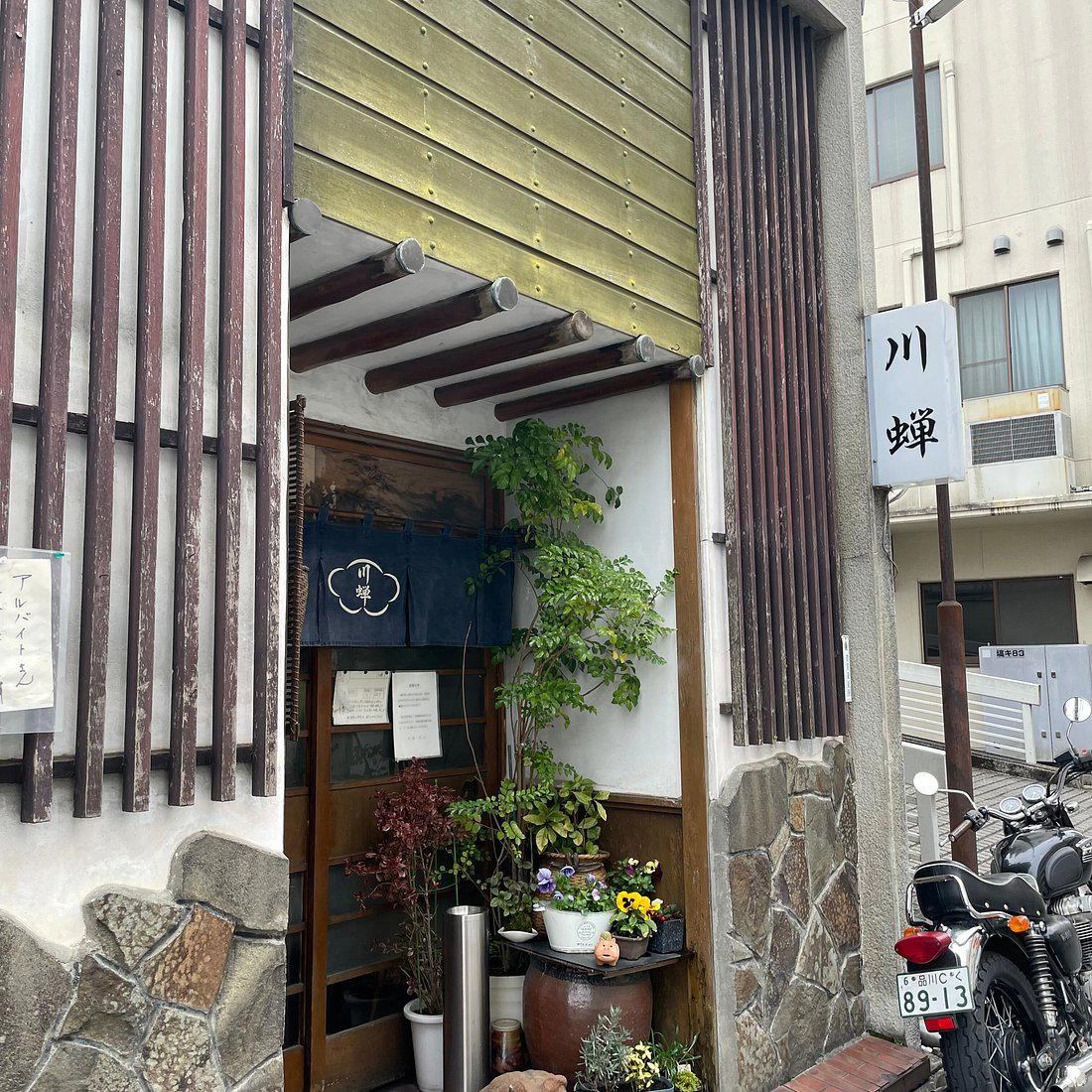
Odori, Utsunomiya: Where Tochigi's Larder Meets the Table
The address on Odori places Kawasemi at one of Utsunomiya's more composed central streets, away from the gyoza-strip bustle that defines the city's tourist identity. What you find in this part of the prefecture is a dining culture that runs deeper than dumplings: Tochigi produces some of Kanto's most quietly respected agricultural output, from Nasuno beef and strawberries to domestic poultry and river fish, and the restaurants that draw serious attention here tend to be the ones that treat that larder seriously. Kawasemi occupies that position in the Utsunomiya conversation.
Tochigi's Sourcing Advantage
Few prefectures within easy rail distance of Tokyo can claim the agricultural range that Tochigi does. The Nasu highlands yield beef raised at lower densities than the more commercially marketed Wagyu appellations. The Kinugawa and Naka river systems have historically supported freshwater fish that appear rarely on Tokyo menus. Strawberry cultivation, which Tochigi has led nationally for decades, points to a general soil and climate profile that also supports root vegetables and dairy with unusual consistency. For a restaurant that treats provenance as a structural concern rather than a menu annotation, the prefecture offers material that is genuinely difficult to replicate in an urban sourcing context. Kawasemi's location in central Utsunomiya, the prefectural capital and the distribution hub for this produce, positions it at a natural intersection between that rural output and the table.
This is the broader pattern among the more considered restaurants operating outside Japan's three major metropolitan areas: when a venue is embedded in a productive agricultural region and builds its menu around what that region actually yields, the result is something distinct from the cuisine of cities that must import everything. Comparable logic applies at Gion Sasaki in Kyoto, where proximity to the Kyoto vegetable tradition shapes the kitchen's seasonal register, and at akordu in Nara, which frames Yamato vegetables as a primary subject. In each case, the sourcing geography is not incidental to the dining experience, it is the editorial premise of the menu.
Utsunomiya's Restaurant Tier Above the Gyoza Strip
Utsunomiya's public identity is organised almost entirely around gyoza, a shorthand that obscures a broader restaurant community operating at considerably higher ambition. The city functions as Tochigi's commercial and administrative centre, which means it sustains a professional class with the appetite and budget for more considered dining. That demand has produced a cluster of restaurants working in French, Japanese, and hybrid formats that would hold their own in secondary cities with stronger culinary reputations. Otowa Restaurant operates in a French register and draws attention from beyond the prefecture. Masashi represents another point in the city's more serious dining tier. アクア・イン・ボッカ extends the range toward Italian idioms. Kawasemi sits within this cohort, a restaurant whose address and operating register signal that it is not oriented toward the tourist circuit that begins and ends at the gyoza districts.
For broader context on how these venues relate to each other and to the city's dining geography, our full Utsunomiya restaurants guide maps the scene in detail.
The Provincial Fine Dining Model in Japan
Japan's restaurant culture outside Tokyo, Osaka, and Kyoto tends to be discussed in terms of absence, what the regional cities lack relative to the capital. That framing misses what is structurally interesting about venues like Kawasemi. Provincial fine dining in Japan frequently achieves a sourcing intimacy that metropolitan restaurants cannot replicate at scale. A chef in Utsunomiya who builds supplier relationships with Nasu ranchers or Kinugawa fishermen is working with a logistical proximity that a Tokyo kitchen, even a well-funded one, cannot easily match. The tradeoff is visibility: provincial venues rarely accumulate the award tallies or media coverage of their Tokyo peers, even when the quality of the raw material and the precision of the cooking are directly comparable.
This dynamic plays out across the country. Goh in Fukuoka demonstrates how a city outside the primary media axis can sustain a restaurant operating at a level that sits comfortably against the Tokyo tier. HAJIME in Osaka and Harutaka in Tokyo illustrate what happens when metropolitan concentration and award recognition align. Regional venues often operate with comparable culinary seriousness but without the validation infrastructure. Kawasemi belongs to the provincial model where the sourcing geography does a significant part of the editorial work that awards and press would otherwise perform.
Further afield, the pattern recurs: 一本木 能川製 in Nanao, 夕仙山乃 in Sapporo, 湖畔荘庵 in Takashima, and 鷹羽屋 in Nishikawa Machi each reflect how deeply embedded regional restaurants use their geography as a sourcing foundation rather than a marketing claim. For a different reading of sourcing-led ambition in international contexts, Le Bernardin in New York City and Atomix in New York City show how explicit sourcing programs operate at the top of a market where provenance is both a quality signal and a competitive differentiator. Birdland in Sakai, Bistro Ange in Toyohashi, and Blue Ocean Steak in Nakagami District round out a picture of how mid-size Japanese cities support restaurants that operate well above the casual tier.
Planning a Visit
Kawasemi is located at 5 Chome-1-19 Odori, Utsunomiya, Tochigi, a central address that is walkable from Utsunomiya Station, which connects to Tokyo via the Tohoku Shinkansen in approximately 50 minutes. That rail link makes Utsunomiya a practical day-trip or overnight destination from the capital, and the city's more serious restaurants are clustered close enough to the station that combining two or three in a single visit is logistically direct. As with most restaurants in this segment of Japanese dining, advance reservation is advisable; the category operates on limited covers and does not buffer against no-shows the way larger operations can. Booking by phone or through a local concierge service is the standard approach for restaurants at this level in cities where English-language online booking infrastructure is not always in place. Contact details and current hours should be confirmed directly before travel, as this information changes seasonally.
Frequently asked questions
Is Kawasemi okay with children?
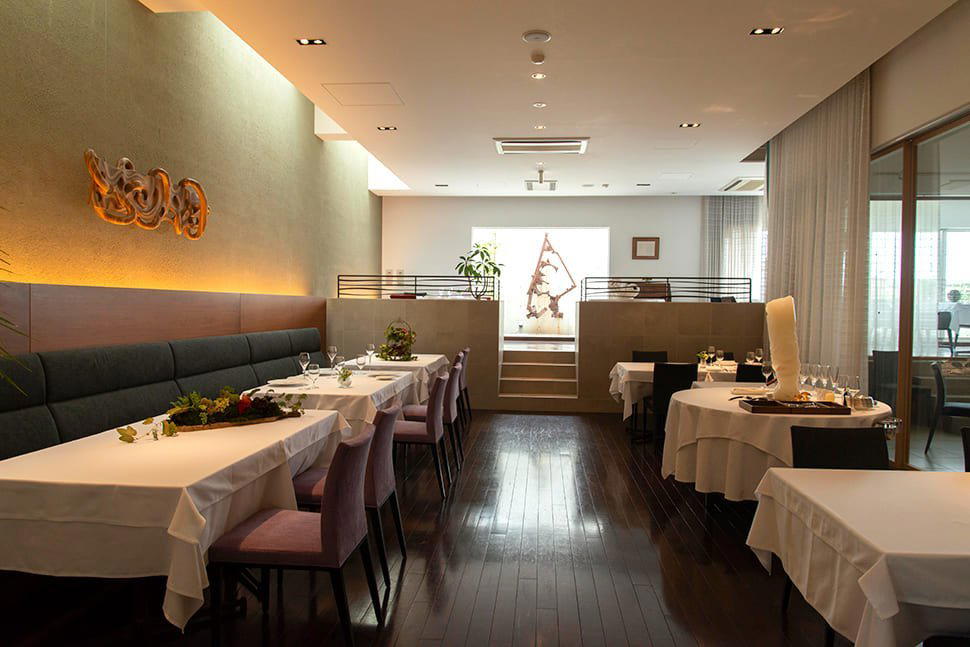
Kawasemi sits on Odori in central Utsunomiya at a formality register oriented toward adult diners and business meals. The setting is not a family-casual operation. Families travelling with young children would be better served by Utsunomiya's gyoza district, which accommodates a broader range of dining styles without the same expectations around pace and quiet.
What kind of setting is Kawasemi?
Kawasemi is on Odori at 5 Chome-1-19, one of Utsunomiya's more composed central addresses, away from the concentrated gyoza-strip activity the city is publicly known for. That location signals a restaurant operating in the tier above the city's most visible dining identity. Utsunomiya connects directly to Tokyo via Shinkansen, so Kawasemi is accessible for a day trip or overnight visit from the capital.
How does Kawasemi compare to dining in Tokyo, and is it worth the Shinkansen trip from the capital?
Utsunomiya is roughly 50 minutes from Tokyo on the Tohoku Shinkansen, which makes Kawasemi on Odori a realistic half-day commitment rather than a major excursion. The case for the trip is not replication of what Tokyo offers but access to Tochigi's specific agricultural range, Nasu beef and river fish that rarely appear on Tokyo menus at source. Japan's provincial fine dining model rewards visitors who engage with regional identity rather than benchmark against the capital.
What should I order at Kawasemi?
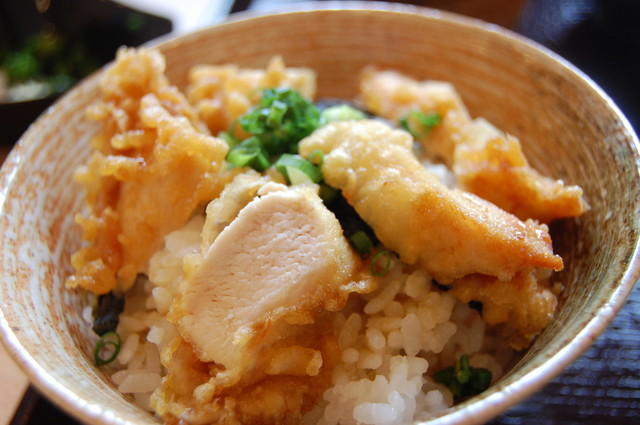
Tochigi prefecture has documented strengths in Nasu beef, freshwater fish, and strawberry cultivation, all available within the prefecture's own agricultural range. The most grounded approach is to follow seasonal and regional items that reflect what Tochigi actually produces rather than defaulting to dishes available anywhere in Japan. Ask what is current from the kitchen rather than arriving with a fixed dish in mind.
In Context: Similar Options
Comparable venues nearby, for context on price, style, and recognition.
| Venue | Cuisine | Price | Awards | Notes |
|---|---|---|---|---|
| KawasemiThis venue (the venue you are viewing) | Traditional Japanese Eel Izakaya | $50–100 | Tabelog 100 #65 | Not listed |
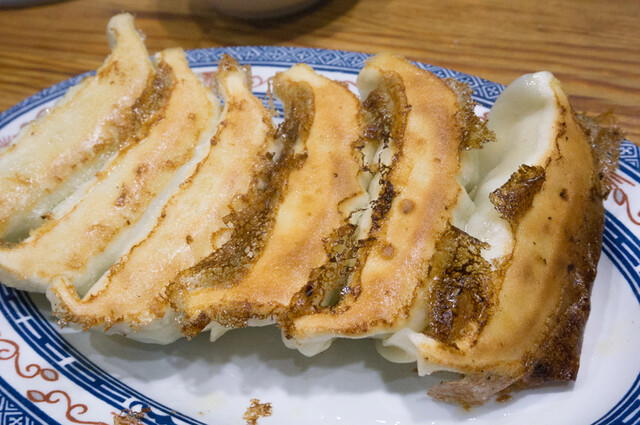
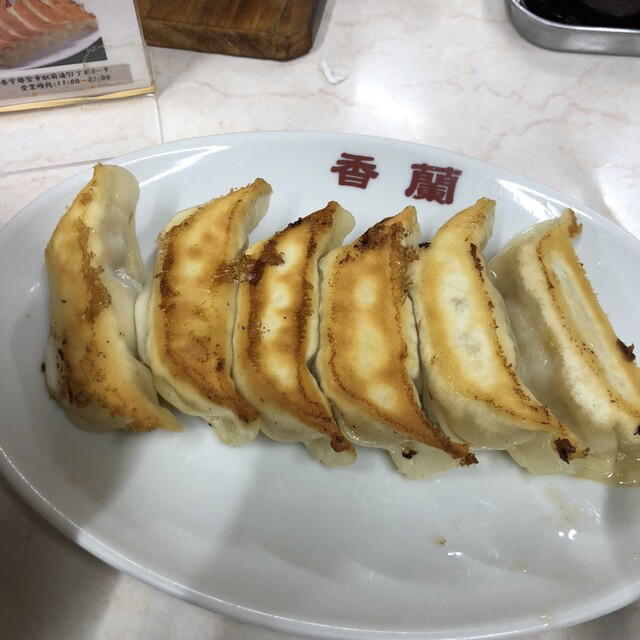
| Koran | Traditional Utsunomiya gyoza specialist | $10–20 | Tabelog 100 #88 | near Utsunomiya Station (west side) |
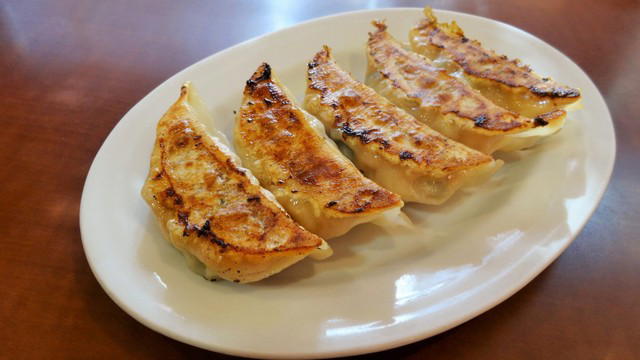
| Masashi (正嗣 駒生店) | Utsunomiya Gyoza Specialist | $10–20 | Not listed | Komanu |
| Horumon Ya Tsubotei | Japanese horumon & yakiniku | $30–50 | Tabelog 100 #2 | Higashi Shukugo |
| Utsunomiya Minmin Honten | Traditional Utsunomiya gyoza shop | $10–20 | Tabelog 100 #28 | Babadori |
| Tonkatsu Hiyama | Specialist Tonkatsu & Hotpot House | $20–30 | Tabelog 100 #52 | Wakamatsubara |
Recognition history
Dated appearances from independent guides and award organizations, with the underlying list record or original source where available.
Tabelog 100 #65 · No. 65
Tabelog · Tabelog 100 - Unagi - 2024
Continue exploring
More in Utsunomiya
Details
- Classic
- Cozy
- Special Occasion
- Standalone
- Sake Program
- A La Carte
Current opening hours
- Monday
- 11:30 AM–1:30 PM, 5–9 PM
- Tuesday
- 11:30 AM–1:30 PM, 5–9 PM
- Wednesday
- 11:30 AM–1:30 PM, 5–9 PM
- Thursday
- 11:30 AM–1:30 PM, 5–9 PM
- Friday
- 11:30 AM–1:30 PM, 5–9 PM
- Saturday
- 5–9 PM
- Sunday
- Closed
Hours can change for holidays and private events. Last verified .
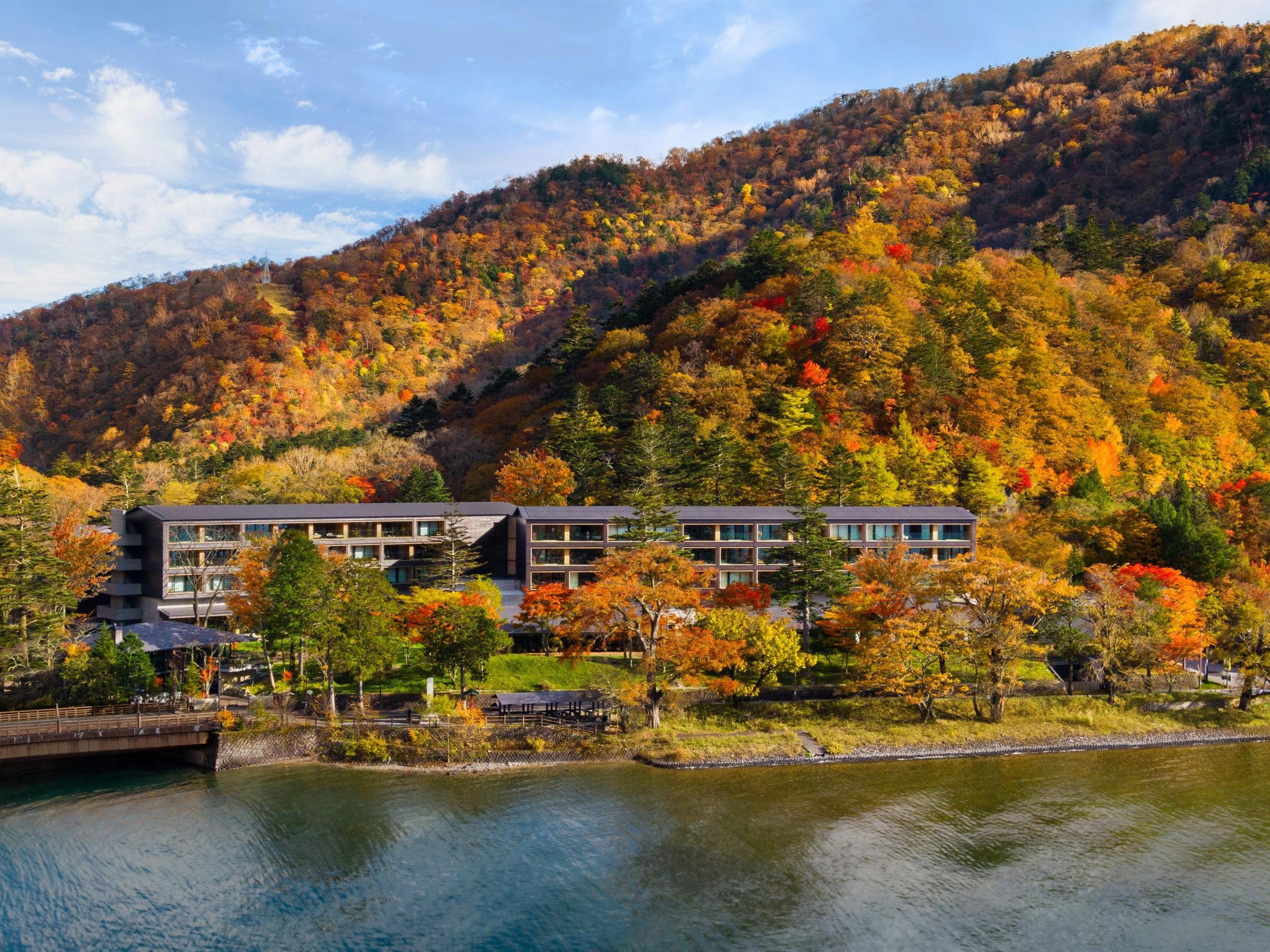
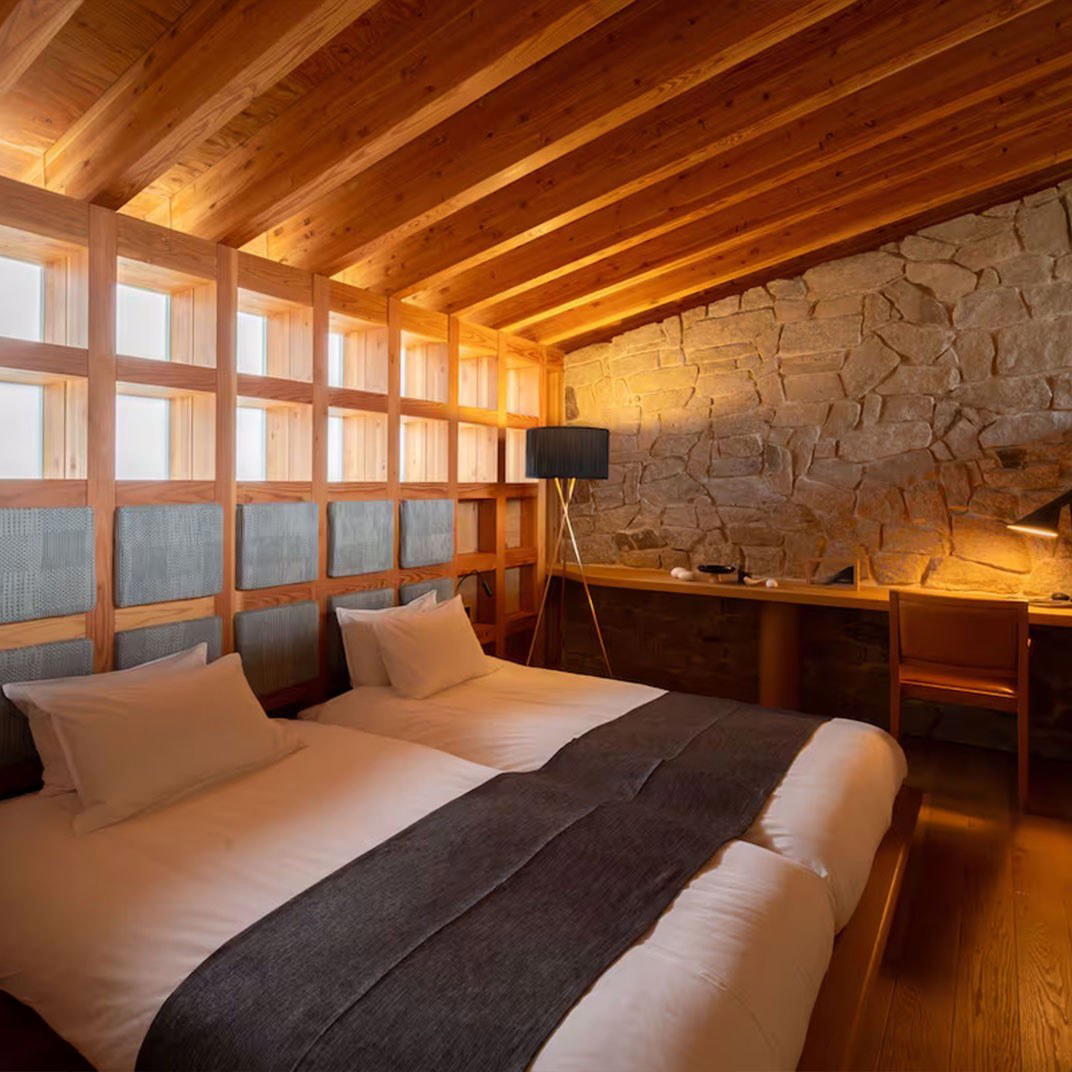
Cozy hideout house restaurant with traditional Japanese atmosphere.