
Tabelog 100 #19
Our verdict
まつむら sits in Ashikaga's Yurakucho district, a city better known for its wisteria gardens than its dining scene. What the restaurant lacks in international profile it compensates for with deep roots in Tochigi's agricultural heartland, drawing on local producers whose output rarely reaches Tokyo tables. For travellers who reach Ashikaga by rail from the capital, it represents a considered stop rather than a detour.

Pearl is the En Primeur Club membership app, where members save venues, book tables and use the concierge.
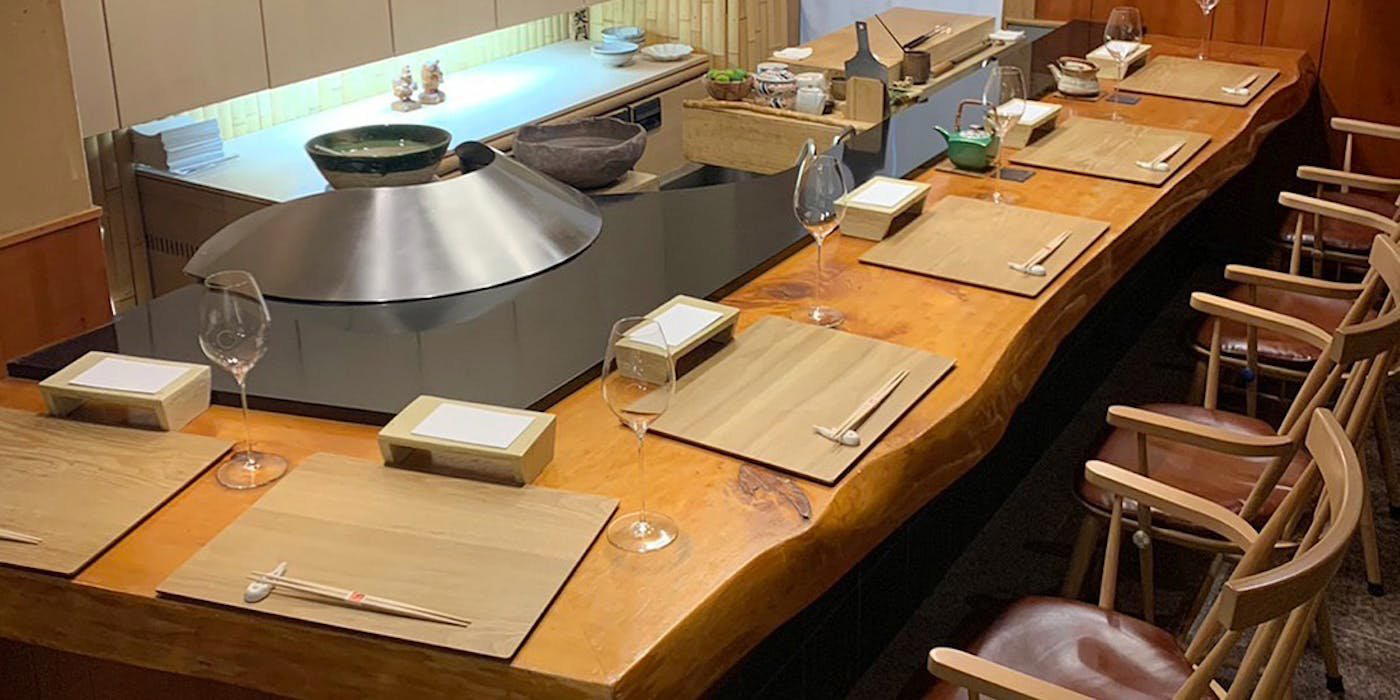
Ashikaga's Quiet Culinary Geography
Tochigi Prefecture sits close enough to Tokyo to supply the capital's high-end restaurants with produce, yet far enough that its own dining scene remains largely self-contained. Ashikaga, the prefecture's oldest city and a former textile hub, receives visitors primarily for the Ashikaga Flower Park's wisteria displays each spring, not for its restaurants. That asymmetry matters. When a city's tourism is seasonal and spectacle-driven, its dining establishments tend to orient toward local regulars rather than international food tourism, which produces a different kind of cooking, grounded in agricultural relationships rather than reputation management.
まつむら, addressed at 834-27 Yurakucho in central Ashikaga, occupies this context. The Yurakucho neighbourhood carries a low residential register, this is not a restaurant row but a lived-in district of the sort that, in Japanese cities, frequently houses the establishments most embedded in local supply chains and daily rhythms. Arriving on foot from Ashikaga Station, the city's relative quietness relative to Nikko or Utsunomiya becomes apparent: fewer visitors, fewer concessions to tourist expectations, more of the infrastructure that serves people who actually live here.
What Tochigi's Agricultural Position Means for the Plate
The ingredient-sourcing dimension of dining in this part of Kanto deserves more attention than it typically receives. Tochigi is a serious agricultural prefecture: it ranks nationally in strawberry production, has established dairy operations around Nasu, and grows a range of vegetables across the Kanto Plain's northern edge. The prefecture's proximity to Tokyo has made it an effective supplier to the capital's high-ticket restaurants, including the sort of kaiseki and French-Japanese operations that Gion Sasaki in Kyoto and HAJIME in Osaka model at the national level, but local restaurants in Ashikaga itself can access the same agricultural network at shorter logistical distances.
This matters in a specific way. In cities where top-tier dining has consolidated, like Tokyo, where Harutaka operates within a dense ecosystem of premium suppliers competing for the same produce, the sourcing story is often about scarcity and allocation. In Ashikaga, the story is simpler and arguably more direct: regional producers supply regional kitchens because the relationship is practical and longstanding. That kind of embedded sourcing tends to produce less theatrical but more consistent ingredient quality, vegetables at the right stage rather than shipped in peak condition, proteins from operations the kitchen knows by name.
Japan's broader dining culture supports this reading. Across the country's regional cities, from Goh in Fukuoka drawing on Kyushu's fisheries and farms, to akordu in Nara working within that city's distinctive agricultural and cultural identity, the most considered regional restaurants tend to frame their menus around what the surrounding prefecture actually produces rather than importing prestige ingredients from elsewhere. まつむら, within Ashikaga's more modest scale, sits in this regional-grounding tradition.
The Setting and What It Signals
Japan's restaurant culture rewards restraint in physical signalling. Many of the country's most carefully run establishments announce themselves minimally, a暖簾 (noren) at the entrance, a small sign, a counter visible through a glass panel. This is not a failure of marketing but an understood convention: the regulars know where to go, and visitors who have done their research know what to look for. Restaurants positioned for neighbourhood regulars in smaller Japanese cities often read as inaccessible to outside visitors not because they are exclusionary but because they have never needed to perform accessibility.
For travellers who have navigated similar dynamics, the unmarked exterior of a respected establishment in Kyoto's side streets, or the walk-up counter operations that define the leading yakitori and ramen outside the obvious tourist circuits, Ashikaga's dining quietness is legible rather than opaque. The practical implication is that visiting まつむら rewards preparation: knowing the address in advance, understanding what kind of establishment it is, and arriving with some expectation of what a locally anchored Japanese restaurant in this city delivers.
Planning a Visit
Ashikaga is reachable by rail from Tokyo in under two hours via the Ryomo Line from Ueno or Shinjuku, making it viable as a day trip or as a stop on a wider Tochigi itinerary that might also take in Nikko or Nasu. The city itself is compact and walkable from Ashikaga Station. For those treating the visit as a meal-centred trip, the spring wisteria season (mid-April to mid-May) significantly increases the town's visitor numbers, which may affect restaurant availability at smaller establishments oriented toward local regulars. Visiting outside peak wisteria season typically means a quieter city and more direct access to neighbourhood restaurants.
This is a category-level point rather than a criticism: many of Japan's most carefully run regional restaurants operate this way, and the approach of arriving with a confirmed understanding of hours and format is standard practice for this tier of dining in any Japanese city outside the major centres. Our full Ashikaga restaurants guide includes broader context on planning a meal-focused visit to the city.
Regional Positioning
Within Tochigi's dining geography, Ashikaga occupies a specific position: smaller than Utsunomiya, less international than Nikko, but with its own embedded food culture shaped by the city's textile history and agricultural surroundings. まつむら, in the Yurakucho district, represents the kind of establishment that defines what regional Japanese dining actually looks like outside the cities where food tourism has become a primary economic driver.
For comparison, Japan's regionally anchored dining culture has produced notable operations across the country at very different scales of recognition, 一本杉川島 in Nanao, 古代山乃 in Sapporo, and 湖隣庵 in Takashima each operate within their own regional sourcing and cultural context. The pattern across these places is consistent: embeddedness in local agricultural supply, menus calibrated for regulars rather than transient visitors, and a relationship with the surrounding prefecture that shapes what appears on the plate more than any external trend does. まつむら in Ashikaga belongs in that reading of regional Japanese dining.
Travellers who have found value in regional operations like 廣羽屋 in Nishikawa Machi or Bistro Ange in Toyohashi will recognise the format: a restaurant with genuine local standing that offers something the capital's dining scene, for all its polish, cannot replicate, a specific place's specific ingredients, prepared for the people who live alongside them. That is the case for visiting Ashikaga, and the case for まつむら within it.
Frequently asked questions
Does まつむら work for a family meal?
Ashikaga's Yurakucho district is a residential-commercial neighbourhood rather than a formal dining precinct, and smaller restaurants at this address tend to run at a register suited to everyday dining rather than special-occasion ceremony. That positioning makes them more accommodating for mixed groups than, say, a counter-only kaiseki room in Kyoto.
How would you describe the vibe at まつむら?
The Yurakucho address in Ashikaga places まつむら squarely in neighbourhood territory: a smaller regional city with no particular food-tourism infrastructure, which tends to produce restaurants that run for locals first and visitors second. That dynamic usually means less performance, more routine, the kind of place where regulars have a preferred seat and the kitchen doesn't need to explain itself. Ashikaga is not Utsunomiya or Nikko, and that works in the diner's favour here.
Is まつむら worth visiting if you're coming from Tokyo specifically for the meal?
Ashikaga sits under two hours from Tokyo via the Ryomo Line from Ueno, which makes it viable as a destination stop rather than a detour. まつむら is located at 834-27 Yurakucho, placing it in the city proper rather than near the tourist infrastructure around Ashikaga Flower Park. A trip built around the restaurant works best combined with the Ashikaga Gakko historic site or the wisteria gardens in season, rather than as a standalone food pilgrimage.
What's the best thing to order at まつむら?
Verified menu data for まつむら isn't available, so any specific dish recommendation would be speculation. What is documented is that Tochigi Prefecture supplies Tokyo's high-end restaurant trade with serious agricultural produce, strawberries, dairy, and rice among them, which gives regional kitchens here access to ingredients that don't always appear on menus further afield. Asking the kitchen what's in season on the day is the more reliable strategy than arriving with a fixed order in mind.
Where exactly is まつむら?
まつむら is located at 834-27 Yurakucho, Ashikaga, Tochigi 326-0801, Japan, Ashikaga.
Do they take walk-ins at まつむら?
Smaller neighbourhood restaurants in Japanese regional cities like Ashikaga often accommodate walk-ins during off-peak hours, but lunch services and weekend evenings can fill quickly among regular customers. Arriving early or calling ahead, particularly if visiting as part of a day trip from Tokyo on the Ryomo Line, is the more dependable approach.
How It Stacks Up
Comparable venues nearby, for context on price, style, and recognition.
| Venue | Cuisine | Price | Awards | Notes |
|---|---|---|---|---|
| まつむらThis venue (the venue you are viewing) | Tempura Fine Dining | $50–100 | Tabelog 100 #19 | Not listed |
| Toritsune Honten | Traditional Japanese Unagi & Chicken | $20–30 | Tabelog 100 #32 | Not listed |
| Koundo Honten | Traditional Japanese Wagashi Shop | Not listed | Tabelog 100 #1 | Ashikaga |
| Tempura Niitome (天風良 にい留) | Modern Tempura Omakase | Not listed | Not listed | Naka |
| Shokusai Shubo Matsumoto | Agu pork shabu-shabu & Okinawan izakaya | $50–100 | Tabelog 100 #19 | Matsuyama |
| Nodaiwa (野田岩) | Traditional Japanese Unagi | $50–100 | Not listed | Nishi-ku |
Recognition history
Dated appearances from independent guides and award organizations, with the underlying list record or original source where available.
Tabelog 100 #19 · No. 19
Tabelog · Tabelog 100 - Tempura - 2025
Continue exploring
More in Ashikaga
Restaurants in Ashikaga
All restaurants in Ashikaga →
Wineries in Ashikaga
Browse all →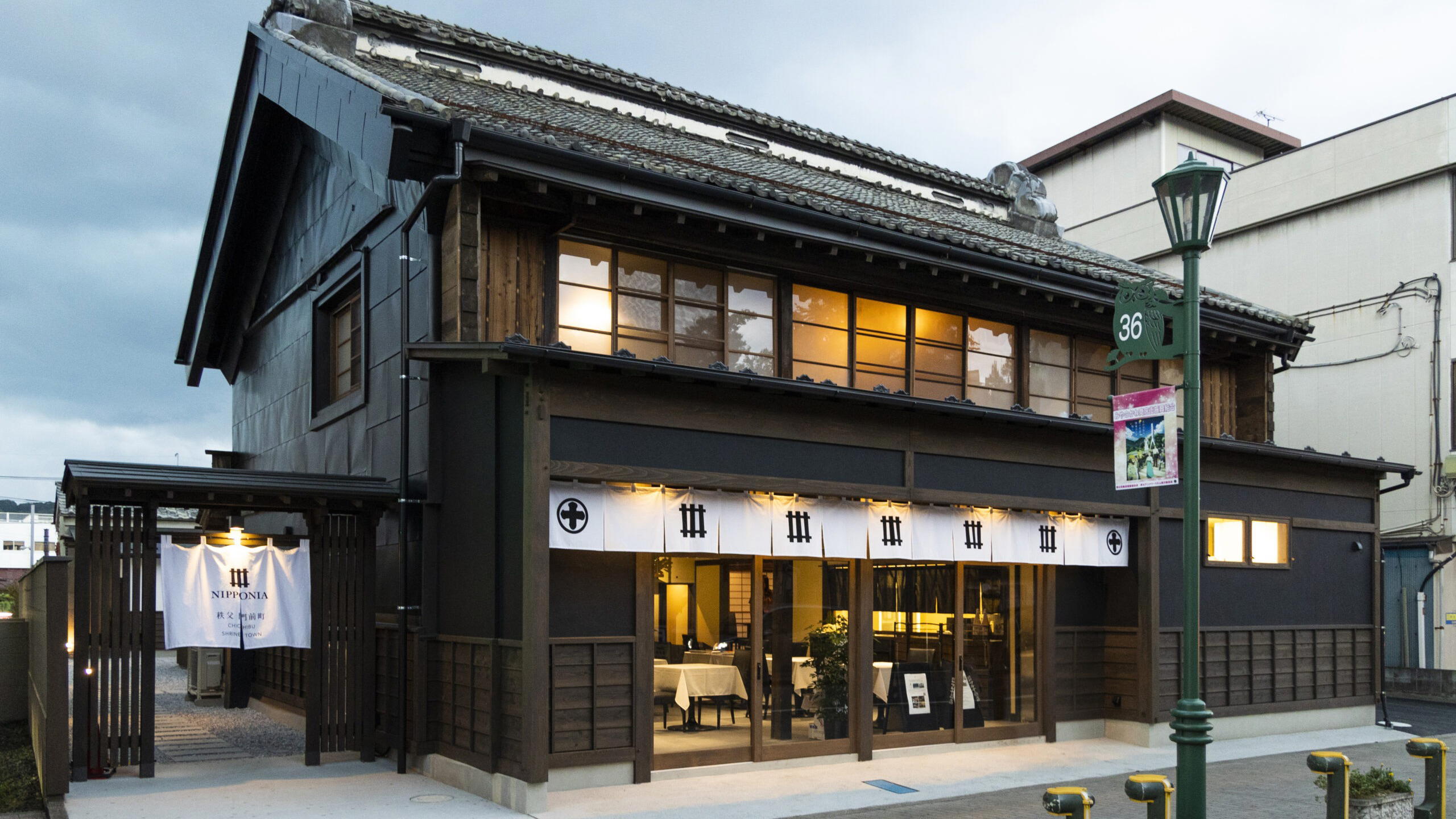
Details
- Elegant
- Intimate
- Sophisticated
- Special Occasion
- Date Night
- Sake Program
- Local Sourcing
- A La Carte
Current opening hours
- Monday
- Closed
- Tuesday
- 5:30–10 PM
- Wednesday
- 5:30–10 PM
- Thursday
- 5:30–10 PM
- Friday
- 5:30–10 PM
- Saturday
- 5:30–10 PM
- Sunday
- 12–3 PM
Hours can change for holidays and private events. Last verified .
Calm and refined atmosphere focused on the artistry of tempura preparation.