Masashi Miyajima honten

Utsunomiya’s gyoza culture is built on specialization, speed, and repetition rather than luxury signals. Masashi Miyajima honten belongs to that disciplined local tier: a counter-only dumpling house recognized in Tabelog’s Dumplings 100 for 2019, 2021, and 2024, with takeout part of the format and a price point that keeps the focus squarely on everyday craft.
Pearl is the En Primeur Club membership app — saves, bookings, and concierge access live there. Same editors, same standards.
- Address
- 4 Chome-3-1 Babadori, Utsunomiya, Tochigi 320-0026, Japan
- Phone
- +81 28-622-7058
- Website
- gyouzamasashi.com
- Directions
- Get directions
 Saves & bookings on Pearl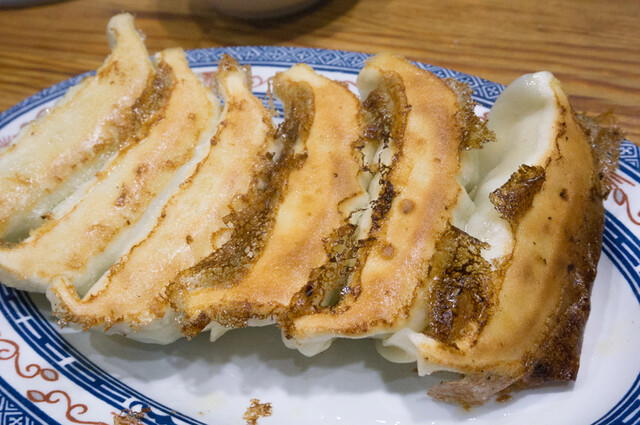
Approaching a serious gyoza counter in Utsunomiya, the mood is not ceremony. It is queue rhythm, steam, oil, counter stools, and the plain confidence of a city that has turned dumplings into civic identity. This is not the Tokyo model of spectacle by scarcity; Utsunomiya’s gyoza culture is democratic, repetitive, and fiercely comparative. Diners know what a dumpling shop is supposed to do, and minor differences in wrapper, filling, pan work, and turnover become the whole argument.
Masashi Miyajima honten sits inside that argument rather than above it. Its recognition in Tabelog’s Dumplings 100 in 2019, 2021, and 2024 gives it a credible national signal, but the deeper point is local: Utsunomiya rewards narrow focus. In a city where gyoza is not a side order but a category of travel, the serious shops tend to behave less like broad restaurants and more like specialists with one job to do cleanly.
Utsunomiya gyoza is judged by supply chain discipline, not flourish
The ingredient question matters because gyoza is unforgiving. A dumpling hides almost nothing: wrapper texture, cabbage moisture, meat-to-vegetable balance, garlic restraint or insistence, and frying consistency all show up within a few bites. In Utsunomiya, the category’s strength comes from throughput and repetition as much as recipe. High-volume dumpling shops can only hold their line if sourcing, prep, and cooking stay tightly aligned through the day.
That is why this city’s gyoza scene resists the usual luxury vocabulary. The competitive set is not built around rare seafood, cellar depth, or chef autobiography. It is built around whether a shop can keep an inexpensive dumpling feeling intentional across lunch, takeout, and counter service. Masashi Miyajima honten’s counter-only setup reinforces that discipline: the room narrows attention toward the pan and the plate rather than décor or extended hospitality theatre.
Compared with broader Utsunomiya dining, gyoza houses occupy a different register. A place such as Goku operates at a higher casual spend, while Gyo Tendo Shinboro-do ten sits closer to the same dumpling-led local conversation. Gyoza to ieba Bariron also points to how elastic the category has become, with gyoza shifting between snack, meal, and drinking companion. The useful distinction is not glamour; it is whether the format treats dumplings as the main event.
A small counter changes how the meal reads
Counter seating affects judgment. It removes distance between production and service, and it shortens the meal into a sequence of immediate decisions: order, watch, eat, leave or take away. In gyoza cities, this compression is part of the pleasure. There is little room for a kitchen to hide behind pacing or presentation. The dumplings either justify the queue and the city’s reputation, or they do not.
The Tabelog Dumplings 100 selection matters here because it places the shop within a national field of specialists rather than a general restaurant hierarchy. That field is unusually precise. Dumpling recognition rewards shops that understand category constraints: accessible pricing, fast turnover, repeat local use, and enough consistency to survive comparison by diners who may eat several versions in one day.
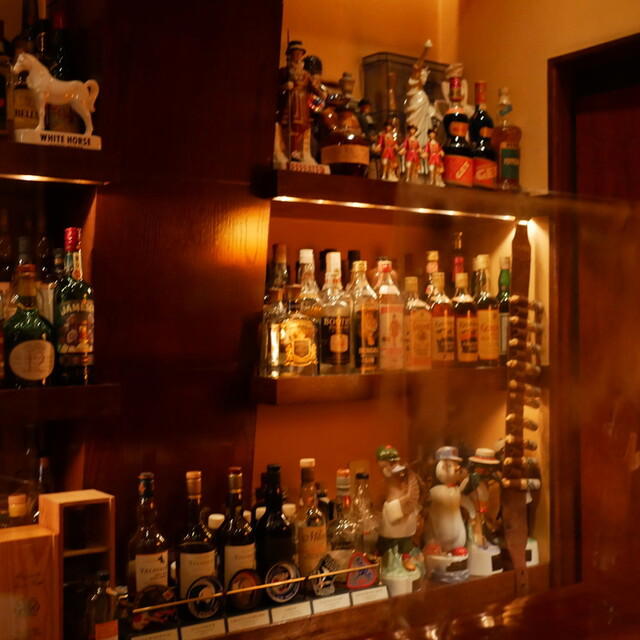
For travellers, the sharper way to read Utsunomiya is to treat gyoza as a lens on the city’s food habits. The station-area and central districts make short, focused meals easy, and the strongest route is often comparative rather than singular. Pairing a dumpling counter with noodles at Butsu no Udon or a drink-led stop such as BAR CHAMONIX shows how compact the city’s dining map can feel when approached by format instead of occasion.
How to place it in a wider Japan itinerary
Utsunomiya is often treated as a single-purpose gyoza detour, but the better read is regional specialization. Japan’s casual food culture is full of cities that take one narrow format seriously enough to make it worth travel: curry in Sapporo, coffee and café culture in Osaka, onigiri in greater Los Angeles’ Japanese-American dining pockets, and sake-bar minimalism in California. The comparison is not culinary similarity; it is the way a small format can carry identity when repetition becomes expertise.
That makes the broader planning choice simple. Use Our full Utsunomiya restaurants guide to build a compact food route, then decide whether the city is a day trip or an overnight by checking Our full Utsunomiya hotels guide. Drinking options sit separately in Our full Utsunomiya bars guide, while Our full Utsunomiya experiences guide helps frame the city beyond meals. Our full Utsunomiya wineries guide is useful for travellers mapping regional stops across Tochigi rather than only central Utsunomiya.
For a wider Japan and diaspora comparison set, EP Club’s restaurant archive ranges from -Grilled beef Sukiyaki- KAMAKURA TANUKIAN 鎌倉 たぬき庵 in Kamakura to. 鮪と炭火焼き うお炭 秋葉原店 in Tokyo.cafe in Osaka.know in Kumamoto, (Shoku) Vietnam in Kawasaki, [Curry Senmon Ten] Maruyama Kyoju. in Sapporo, Jōdo Saké Bar in Los Angeles, and Onigiri Time in Pasadena. Read against that spread, Masashi Miyajima honten is not about breadth. It is about what happens when a city asks a humble format to carry serious expectations.
Comparable Spots, Quickly
Comparable venues by cuisine and price in the same metro.
| Venue | Cuisine | Price | Notes |
|---|---|---|---|
| MasashiThis venue — the venue you are viewing | Utsunomiya Gyoza Specialty | $$ | Not listed |
| Masashi Miyajima honten | Traditional Utsunomiya gyoza counter | $ | Babadori |
| Kouraku | Gyoza and ramen house | $ | Takaragicho |
| Koran | Traditional Utsunomiya gyoza specialist | $ | near Utsunomiya Station (west side) |
| Horumon Ya Tsubotei | Japanese horumon & yakiniku | $$ | Higashi Shukugo |
| Gyoza to ieba Bariron | Utsunomiya gyoza & izakaya | $$ | Utsunomiya Station |
Recognition history
Dated appearances from independent guides and award organizations, with the underlying list record or original source where available.
Tabelog 100 #53 · No. 53
Tabelog · Tabelog 100 - Dumplings - 2024
Continue exploring
More in Utsunomiya
Restaurants in Utsunomiya
Browse all →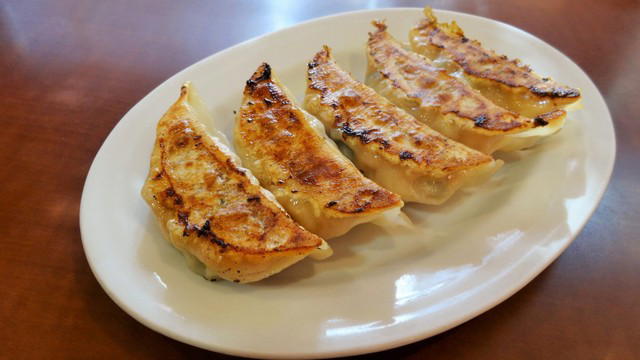
Bars in Utsunomiya
Browse all →
At a Glance
- Lively
- Classic
- Well Known
- Solo
- Casual Hangout
- After Work
- Family
- Standalone
- Local Sourcing
- Street Scene
Bright, cramped counter seating with a constant turnover of guests; the focus is on fast, no-frills gyoza in a bustling, old-school atmosphere rather than leisurely dining.