
A large-format Ebisu Chinese dining room with Tabelog 100 Chinese TOKYO recognition in 2026, Tsukushi Rou Ebisu ten belongs to a Tokyo category that values private rooms, wine service, and group-friendly precision over counter intimacy. The draw is less about chef theatre than about planning: reservations are available, the room has 146 seats, and the format suits meals where logistics matter as much as the cooking.
Pearl is the En Primeur Club membership app — saves, bookings, and concierge access live there. Same editors, same standards.
- Address
- 東京都渋谷区恵比寿南1-10-2 恵比寿32山京ビル 1F・2F
- Phone
- +81337600016
- Website
- wp.tsukushiro.co.jp
 Saves & bookings on Pearl
Approaching a house-style restaurant in Ebisu resets expectations before the first order. This is not Tokyo’s narrow counter ritual of eight seats, whispered pacing, and one fixed menu. The grammar is broader: multiple floors, private rooms, a terrace, sofa seating, wine service, and room for Chinese meals across business dinners, family gatherings, and friend groups without forcing one tempo.
That scale matters because serious Chinese dining in Tokyo often splits into two lanes: compact tasting-menu rooms with tight seating and reservation pressure, or older banquet-house logic where seafood, wine, private rooms, and a larger dining room stay central. Tsukushi Rou Ebisu ten sits in the second lane, with Tabelog 100 Chinese cuisine TOKYO selection in 2026 giving it a public marker in a category visitors can find hard to read.
Ebisu Chinese dining built for planning, not counter theatre
Ebisu is useful for polished meals without Ginza or Marunouchi stiffness. Around the station are after-work drinking, date-night restaurants, polished yakiniku, and destination dining in a compact walkable radius. In that mix, Chinese restaurants with private rooms do what omakase counters cannot: absorb party sizes, drinking habits, and levels of ceremony.
The house format is the point. A 146-seat room reduces the anxiety of Tokyo’s smaller destination restaurants and gives the meal elasticity. Private rooms are listed for four, six, eight, and groups of ten to twenty, placing the restaurant where a reservation is tied to purpose: hosting colleagues, gathering friends, or creating a meal that does not depend on identical eating speed.
That does not make it casual in price. Dinner sits in the JPY 20,000 to JPY 29,999 band, while lunch sits at JPY 3,000 to JPY 3,999. The gap is useful intelligence: lunch is a lower-commitment route into the cooking style, while dinner competes with serious Tokyo Chinese rooms rather than everyday neighborhood dining. The Tabelog score of 3.70 and inclusion in the 2026 Chinese TOKYO 100 list support that reading: this is a recognized address within its category, not a generic large restaurant trading only on convenience.
For readers mapping Tokyo by format, compare it with other lanes. 124. KAGURAZAKA (Yakitori) points toward counter rhythm and grilled skewers; 3 Chome no Curry Ya San belongs to specialist comfort; 12/10 Shinjuku ten makes sense for Shinjuku planning. Tsukushi Rou Ebisu ten is chosen for Chinese cooking in a room that handles social complexity.
What the recognition says about the cooking category
Tabelog’s Chinese TOKYO 100 list is useful because Tokyo Chinese dining has no single dominant image. The category includes Cantonese seafood houses, Sichuan heat, modern tasting menus, hotel dining rooms, regional specialists, and wine-conscious restaurants using Chinese cooking as a platform for longer drinking meals. A place marked as particular about fish, with sake, shochu, and wine available, falls into a Japanese-Chinese mode shaped by local product expectations as much as imported culinary grammar.
The drink signals matter. A sommelier is listed, and the restaurant is noted as particular about wine. In Tokyo Chinese dining, this changes how a table orders: steamed, braised, fried, and seafood-led dishes can be paced around bottles rather than a quick sequence of shared plates. Sake and shochu add a local drinking vocabulary, common in Japan’s higher-spend Chinese rooms, and help explain why these restaurants often work better for groups than solo dining.
The absence of a chef-centered public narrative also tells the reader something. Tokyo’s international dining coverage often overvalues chef biography because it packages easily. Here, the relevant editorial fact is operational: a large Ebisu Chinese restaurant with private rooms, terrace seating, take-out, pet-friendly terrace use, and formal recognition in its cuisine category. That places it closer to established hospitality infrastructure than to the new-wave chef counter.
Within Ebisu, the comparison set is instructive. Ushigoro Kan Ebisu honten occupies a lower dinner band at JPY 8,000 to JPY 9,999, while Shamo Maru is listed at JPY 10,000 to JPY 14,999. Yakiniku Dori gg sits lower again at JPY 4,000 to JPY 4,999. Those venues serve different cravings, but the spread defines the decision: Tsukushi Rou Ebisu ten is a higher-commitment Chinese meal in a neighborhood where diners can otherwise spend half as much on meat-led formats.
How to use it in a Tokyo itinerary
The smart use case is not a quick pre-bar dinner. It is a planned meal where the table wants Chinese cooking, wine options, and a room that supports conversation without tiny-counter pressure. Reservations are available, and the restaurant’s scale may make it more forgiving than smaller trophy rooms, but the 2026 Tabelog 100 selection means peak times should not be an afterthought.
Lunch is strategic for travelers who want to understand the address without committing to dinner spend. Dinner better fits hosted meals, private-room dining, and groups that value pacing. The restaurant is near Ebisu Station, practical for a night continuing toward Daikanyama, Nakameguro, or Shibuya without making dinner a cross-city transfer.
Smoking is handled through a designated area, and payments include major credit cards and QR code options, while electronic money is not accepted. Parking is listed in limited on-site form with nearby paid parking as backup, but station access makes rail cleaner for most visitors. The terrace is the only area noted for dogs, which matters more for local diners than most hotel-based travelers.
For a broader Tokyo dining plan, place this alongside . 鮪と炭火焼き うお炭 秋葉原店, 2D Cafe, and Our full Tokyo restaurants guide rather than treating all reservations as interchangeable. Travelers building a full city itinerary can also use Our full Tokyo hotels guide, Our full Tokyo bars guide, Our full Tokyo wineries guide, and Our full Tokyo experiences guide to sort the trip by neighborhood and format.
Outside Tokyo, the same logic applies across Japan and beyond: match the meal to the room, not only the cuisine label. -Grilled beef Sukiyaki- KAMAKURA TANUKIAN 鎌倉 たぬき庵 in Kamakura,.cafe in Osaka,.know in Kumamoto, (Shoku) Vietnam in Kawasaki, [Curry Senmon Ten] Maruyama Kyoju. in Sapporo, and [ki:] in Kyoto all solve different dining problems. For Japanese drinking culture abroad, Jōdo Saké Bar in Los Angeles and Onigiri Time in Pasadena belong to a separate conversation. In Ebisu, the question is simpler: when a Chinese meal needs recognition, room, and planning flexibility, this address has a clear role.
Credentials Lens
Comparable venues at the same tier for side-by-side context.
| Venue | Cuisine | Price | Awards | Notes |
|---|---|---|---|---|
| Tsukushi Rou Ebisu tenThis venue — the venue you are viewing | Luxury shark fin–focused Chinese (Ebisu flagship) | $$$$ | , | |
| 赤坂 桃の木 | Modern Cantonese Chinese | $$$$ | , | Chiyoda |
| 飘香 广尾店 | Michelin-starred Traditional Sichuan Tasting Menu | $$$$ | , | Hiroo |
| Tsugumi | Modern Chinese Tasting Menu | $$$$ | , | Minato |
| Toh-Ka-Lin | Authentic Cantonese Fine Dining | $$$$ | Minato | |
| Fureika (中国飯店 富麗華) | Traditional Shanghai & Cantonese Chinese | $$$$ | , | Higashiazabu |












At a Glance
- Elegant
- Lively
- Sophisticated
- Romantic
- Iconic
- Business Dinner
- Group Dining
- Date Night
- Family
- Special Occasion
- After Work
- Open Kitchen
- Private Dining
- Terrace
- Standalone
- Extensive Wine List
- Sustainable Seafood
- Street Scene
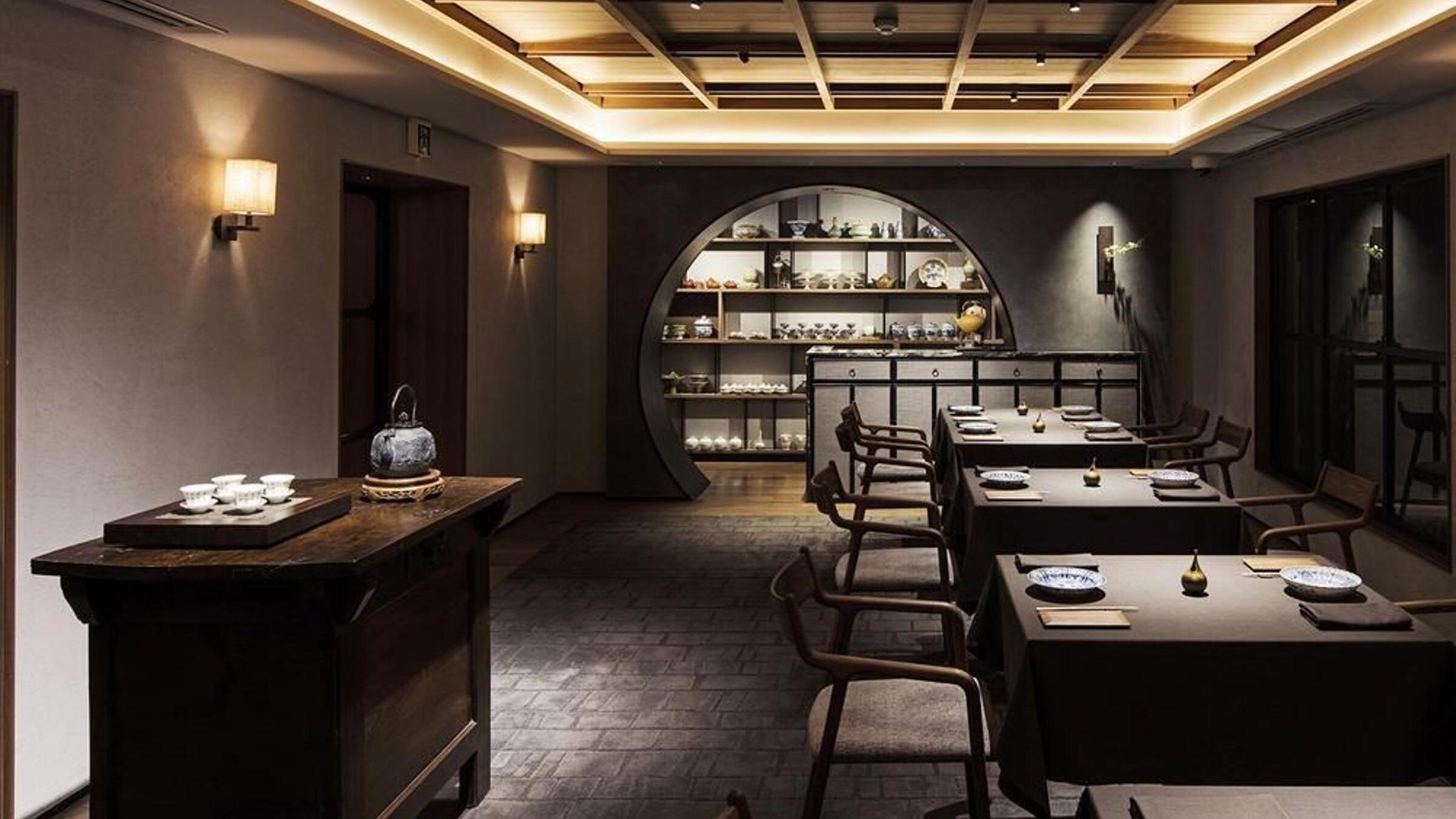
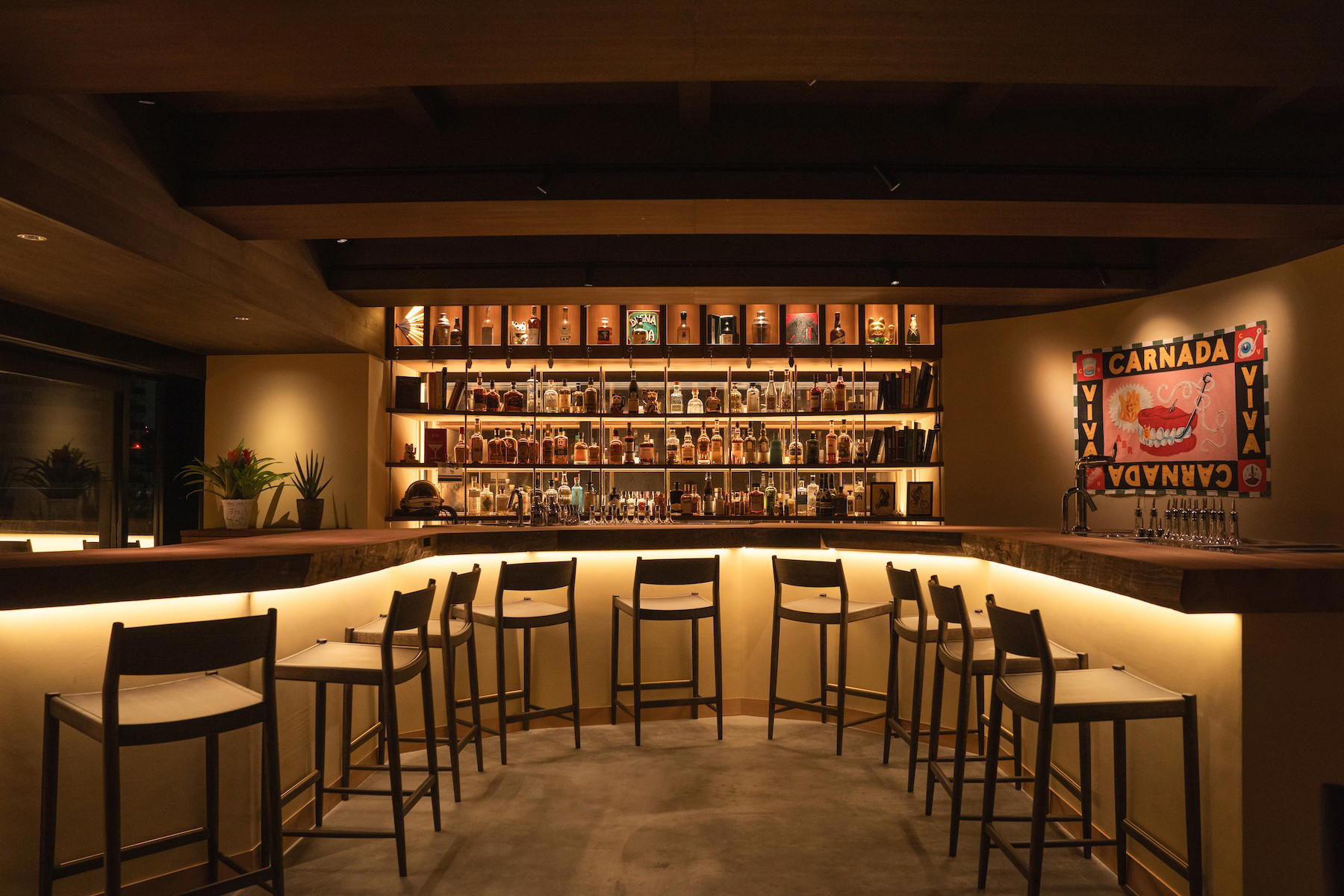
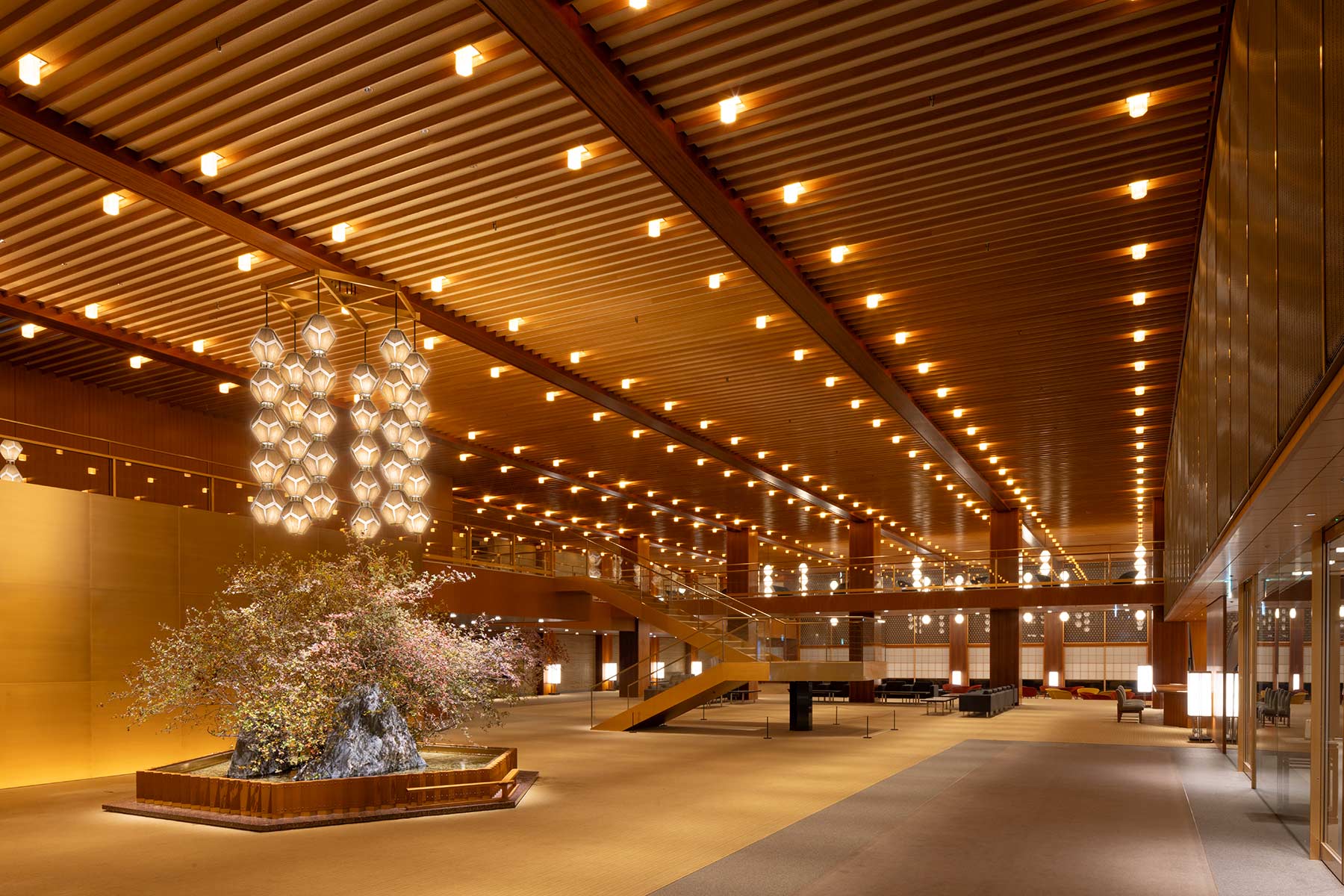
Bright, open main dining room with a lively open kitchen, moodier terrace seating at night, and calm private rooms; overall an upscale yet approachable atmosphere suited to special occasions and business meals.