Kakomura occupies a second-floor address in central Nara, placing it within the city's compact but increasingly serious dining circuit. With Nara's ancient temples drawing visitors who then search for somewhere to eat, the better small restaurants here carry a disproportionate weight. Kakomura sits in that bracket: a considered address in a city still defining its culinary identity beyond Kyoto's shadow.
Pearl is the En Primeur Club membership app — saves, bookings, and concierge access live there. Same editors, same standards.
- Address
- Japan, 〒630-8223 Nara, 角振新屋町10−2F 奈良市å ´
- Phone
- +81742241070
- Website
- kcvu500.gorp.jp
- Directions
- Get directions
 Saves & bookings on Pearl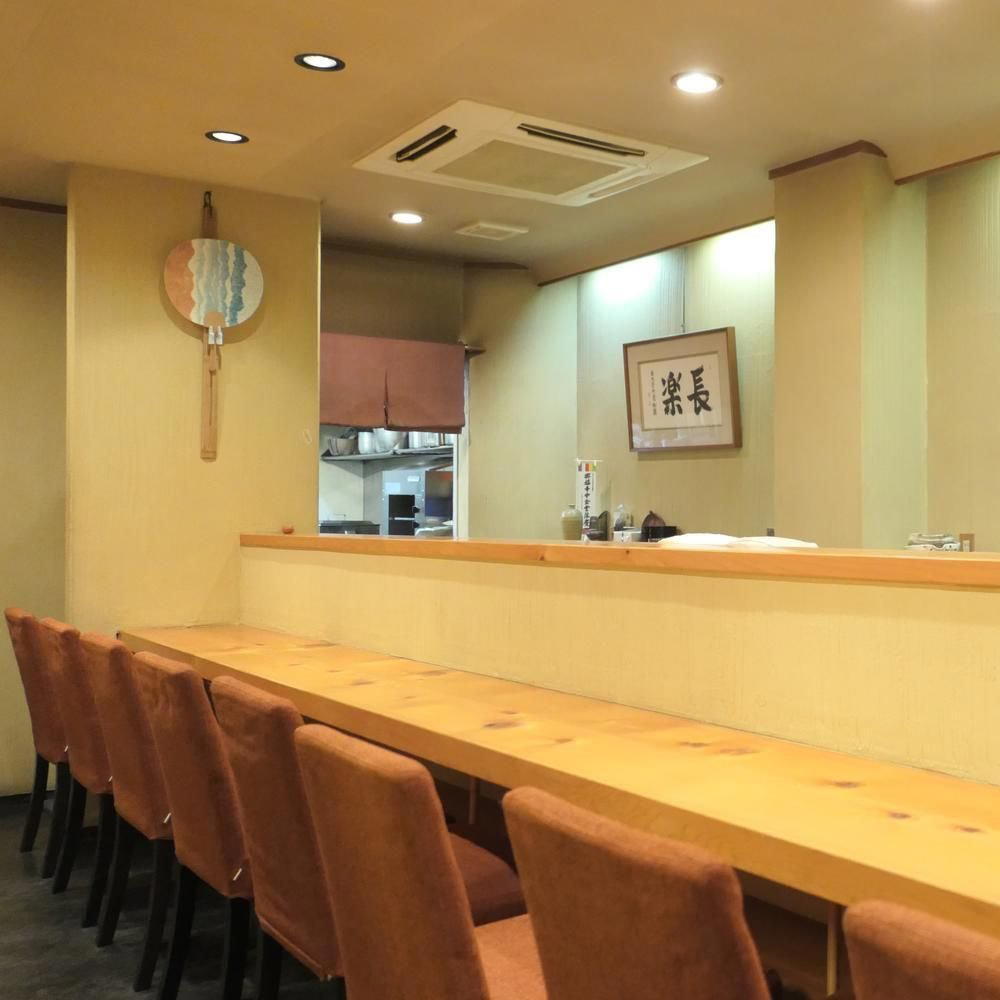
Eating in Nara: The City Between Kyoto and Osaka
Kakomura is a traditional kaiseki restaurant in Nara with a $75 per person average spend. Kyoto commands kaiseki; Osaka holds the okonomiyaki and kushikatsu vernacular; Kobe claims its beef. Nara, for all its antiquity and its status as Japan's ancient imperial capital, has historically been treated as a day-trip destination rather than a dining destination in its own right. That framing has been shifting. A small number of serious restaurants have taken root in the city, and the dining tier that sits just below Kyoto's three-star establishments is beginning to develop its own character. Kakomura operates from a second-floor address in the Nakatsuji-cho district, placing it inside the walkable core of the old city, within reach of visitors already moving between Nara Park and the central shopping streets.
The Address and What It Signals
A second-floor restaurant in Japan is rarely an accident of real estate. Counter-led and kaiseki-adjacent dining rooms across the country have long favored refined positions, both for the privacy they provide and for the quiet they impose. The street-level noise stays below; the pace of service upstairs tends to slow accordingly. Kakomura's position above what the address record identifies as a market-adjacent building in Nakatsuji-cho places it in a part of central Nara that functions as a working commercial neighbourhood rather than a purely tourist precinct, which matters for the rhythm of the meal. Visitors arriving from Nara's main temples or the deer park will find it requires a deliberate decision to seek out, rather than presenting itself on a busy tourist corridor. That kind of address tends to self-select for guests who are eating with intent.
The central zone, where Kakomura sits, holds most of the city's more serious dinner options alongside the older, more casual category.
Menu Architecture and What It Reveals
Japan's more considered small restaurants tend to make structural decisions about their menus that signal their competitive comparable set before a dish arrives. The choice between a fixed omakase progression, a kaiseki sequence, a la carte, or a hybrid format tells you whether the kitchen is oriented toward ingredient storytelling, technique demonstration, or hospitality flexibility. It also tells you what kind of guest the room is designed around.
Kakomura's specific menu format is not documented here, but the address and neighbourhood positioning suggest a compact, seasonal room. In the tier that Nara's more intentional small restaurants occupy, set menus or tightly edited offerings tend to predominate over broad a la carte selections. This mirrors patterns visible in comparably scaled dining rooms elsewhere in the Kansai region, where kitchens with limited seat counts and focused ingredient sourcing favor controlled progressions. For a sense of structural menu thinking in Kansai, restaurants like Gion Sasaki in Kyoto and HAJIME in Osaka show how tightly edited menus shape the meal. Kakomura sits within the same regional tradition, even if at a different scale and price tier.
Nara's culinary identity draws on specific regional ingredients: Yamato vegetables, prized since the Nara period for their historical cultivation near the old capital's temples and fields, appear on menus across the city's more serious dining rooms. Somen noodles, persimmon leaf sushi, and locally sourced mountain vegetables form part of the area's food vocabulary. How a kitchen assembles or declines these regional signals into a menu structure says something about its positioning: whether it is anchoring itself in local identity, speaking a broader Japanese cuisine language, or attempting a synthesis. The address and tier suggest a room where these choices are made deliberately.
Nara's Dining comparable set
The city's most discussed dining room in recent years is akordu, the Spanish-influenced restaurant that has helped position Nara as capable of hosting serious, internationally oriented cooking. That recognition has raised the profile of the broader Nara dining scene in ways that benefit smaller, less internationally profiled rooms. Oryori Hanagaki and Tsukumo represent the kaiseki and Japanese dining anchors in the city's mid-to-upper tier, while NARA NIKON and Ajinokaze Nishimura round out a comparable set that is demonstrably growing in ambition. Kakomura operates within this context, in a city where the dining tier below akordu's international recognition level is still being mapped by critics and visitors alike.
For those tracking how Kansai's smaller-city dining rooms compare against the major urban anchors, Harutaka in Tokyo and Goh in Fukuoka provide reference points for focused, high-craft dining in non-Kyoto Japanese settings. Across Japan's regional dining circuit more broadly, rooms like 三本の川制 in Nanao, 古今山乃 in Sapporo, 湖鄰庵 in Takashima, and 庭羽屋 in Nishikawa Machi demonstrate how Japan's serious dining conversation has moved well beyond its three major cities. Nara's emerging tier fits that pattern.
For comparison beyond Japan, the structural discipline of tightly curated menus in dedicated dining rooms finds international parallels at places like Le Bernardin in New York City and Atomix in New York City, both of which use menu architecture as a primary vehicle for the kitchen's argument. The approach is not culturally specific; it is a discipline that serious kitchens across different traditions have arrived at independently.
Elsewhere in Japan's regional dining picture, Birdland in Sakai and Bistro Ange in Toyohashi represent the kind of focused, locally-anchored dining rooms that have built reputations outside the major metropolitan centers, which is the category Kakomura belongs to by geography and positioning.
Planning a Visit
Kakomura's address in Nakatsuji-cho places it within the central Nara area that most visitors will already be moving through on foot. The second-floor location means the entrance will require attention; it does not present itself on street level in the way a ground-floor restaurant would. Visitors planning ahead should check directly with the restaurant for the latest booking details. For Nara visits generally, the city's serious dining rooms tend to fill on weekends and during peak temple tourism periods in spring and autumn, when cherry blossom and foliage draw significant visitor numbers. Midweek evenings at those times of year, or a full off-peak visit, typically offer more flexibility.
Standing Among Peers
Comparable venues nearby, for context on price, style, and recognition.
| Venue | Cuisine | Price | Notes |
|---|---|---|---|
| KakomuraThis venue — the venue you are viewing | Traditional Kaiseki | $$$$ | Not listed |
| じびえ井田 | Modern Japanese Gibier Fine Dining | $$$$ | Nara |
| Teppan Grill ICHO | Teppanyaki Grill | $$$$ | Nara |
| 奈良・春日奥山月日亭 | Traditional Nara Kaiseki | $$$$ | 春日野町 |
| Wagyu teppanyaki steak house restaurant Nara-park NAGOMI | Premium Wagyu Teppanyaki | $$$$ | Nara |
| ル・ボワ | French Fine Dining with Local Nara and Hokkaido Ingredients | $$$$ | Nara |
Continue exploring
More in Nara




Bars in Nara
Browse all →


Hotels in Nara
Browse all →



Wineries in Nara
Browse all →
At a Glance
- Elegant
- Intimate
- Sophisticated
- Date Night
- Special Occasion
- Sake Program
Current opening hours
- Monday
- 12–2 PM, 5:30–9 PM
- Tuesday
- 12–2 PM, 5:30–9 PM
- Wednesday
- Closed
- Thursday
- 12–2 PM, 5:30–9 PM
- Friday
- 12–2 PM, 5:30–9 PM
- Saturday
- 12–2 PM, 5:30–9 PM
- Sunday
- 12–2 PM, 5:30–9 PM
Hours can change for holidays and private events. Last verified .
Intimate setting with tatami rooms and counter seating overlooking the kitchen, emphasizing seasonal artistry and serene hospitality.