In the shadow of Nara Park's ancient deer paths and temple gates, NAGOMI occupies a specific niche in Japan's teppanyaki tradition: wagyu cooked to order on a flat iron griddle, in a setting where the ritual of the meal is as deliberate as the sourcing of the beef. For visitors moving between Kyoto and Osaka, it represents Nara's case for serious meat dining rather than a stopover snack.
Pearl is the En Primeur Club membership app — saves, bookings, and concierge access live there. Same editors, same standards.
- Address
- Japan, ã630-8212 Nara, Kasuganocho, 16 夢風ã²ãã°å
- Phone
- +81742270753
- Website
- site.locaop.jp
- Directions
- Get directions
 Saves & bookings on Pearl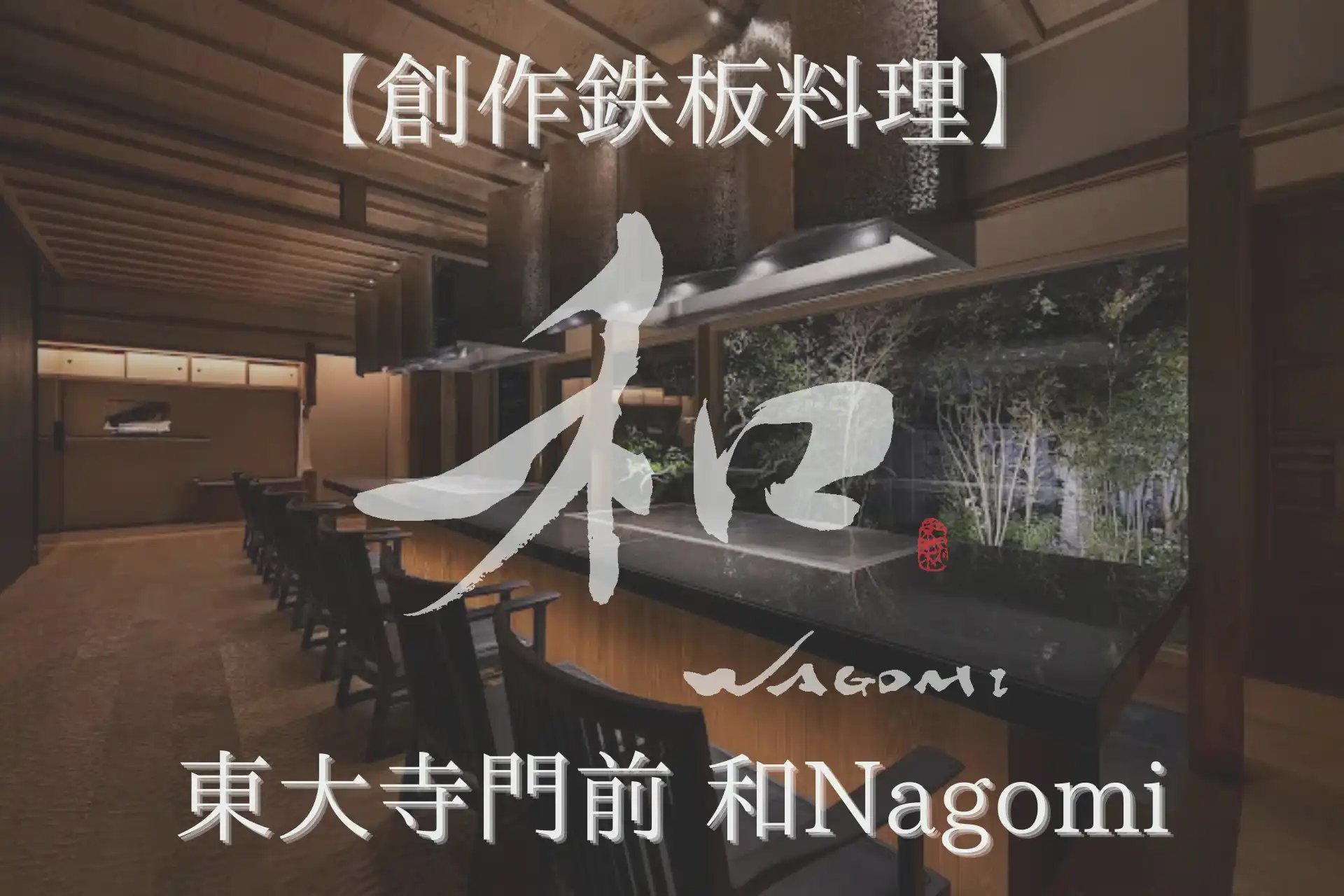
The Setting: Teppanyaki Inside the Temple City
Nara operates at a different register from Osaka or Kyoto. The city's dining scene is compact, oriented around the park district, and shaped by the expectations of visitors who arrive primarily for UNESCO heritage sites rather than restaurant reservations. Against that backdrop, a wagyu teppanyaki format carries particular weight: it signals a deliberate dining commitment in a city where most meals are transactional. NAGOMI sits at Kasuganocho 16, close enough to the park that the atmosphere of cedar and stone follows you to the table.
Teppanyaki as a format has a specific ritual logic that separates it from other Japanese meat traditions. Unlike yakiniku, where diners grill their own cuts at a tableside grate, teppanyaki centralises the cooking with a chef working on a large iron plate directly in front of seated guests. The sequence is structured: vegetables and accompaniments first, then the protein, sliced and rested with precision. The theatre is functional rather than decorative, and the leading teppanyaki counters use that proximity to communicate something about sourcing, timing, and control. In Nara, where the dining scene runs toward kaiseki formats at places like Oryori Hanagaki and Tsukumo, a teppanyaki house occupies a distinct lane.
Wagyu in the Kansai Context
Japan's wagyu geography is a serious subject. Kansai sits within reach of several of the country's most documented beef-producing prefectures: Hyogo for Kobe beef, Mie for Matsusaka, Shiga for Omi. Each carries its own grading tradition and regional identity, and restaurants operating in cities like Nara draw from whichever supply relationships they have cultivated. The quality ceiling in this part of Japan is among the highest in the country, which means the competition for serious wagyu dining extends well beyond the immediate city.
That competitive context matters when reading a teppanyaki offering in Nara. A premium wagyu counter in this region prices itself against Osaka equivalents, including the rarefied end represented by places like HAJIME in Osaka, while also competing for the same traveller moving through Kansai on a tighter schedule. The teppanyaki format, by compressing ceremony into roughly ninety minutes, suits that itinerary better than a multi-hour kaiseki progression.
For comparison elsewhere in Japan, the precision-driven end of beef cookery shows up in different formats: robatayaki counters in Sapporo like 古代山乃, or focused meat programs in regional cities. What teppanyaki does specifically is make the cooking visible and interactive, collapsing the distance between kitchen and guest in a way that other formats do not.
The Ritual of the Teppanyaki Meal
The dining ritual at a teppanyaki counter follows a recognised sequence that rewards understanding. Guests are typically seated facing the griddle, which runs at a high, consistent temperature maintained by the chef before any food appears. The opening moves involve lighter ingredients, often mushrooms, seasonal vegetables, or a small seafood course, that acclimate the palate and demonstrate the chef's control of heat zones across the plate's surface. This is not incidental: different sections of the iron run at different temperatures simultaneously, and watching a skilled teppanyaki chef manage those gradients is part of what the format asks you to observe.
The wagyu itself arrives in a specific sequence: typically seared quickly at high heat to develop crust, then allowed to rest while the chef works other elements. The cut matters as much as the grade. Sirloin, tenderloin, and ribeye behave differently on iron than they do in a pan, with fat rendering at a speed that demands attention. In Japan's upper-tier teppanyaki restaurants, the beef is served in portions calibrated to the grade, smaller slices of A5 marbled cuts rather than the larger portions common in Western steakhouse formats. The logic is satiation through intensity rather than volume.
Nara's broader dining scene offers multiple entry points into Japanese culinary traditions. Ajinokaze Nishimura and NARA NIKON each represent the Japanese format in different registers, while akordu brings a Spanish-Innovative perspective that sits at the opposite end of the city's dining ambition. A teppanyaki dinner at NAGOMI occupies its own position in that spread: specific in format, meat-centred, and grounded in a tradition that Japanese diners understand as a distinct genre rather than a subset of general Japanese cooking.
Planning Your Visit
NAGOMI is located in the Kasuganocho district, within the Nara Park area, which positions it as a viable dinner destination following an afternoon of temple or shrine visits. The park area quiets significantly after the evening deer feeding hours, making the transition from sightseeing to a seated dinner more direct than in Kyoto's busier restaurant corridors. Nara is accessible from Osaka in roughly forty minutes by express train, and from Kyoto in around thirty-five minutes, which means it fits into a day-trip itinerary for visitors based in either city. Booking ahead is advisable for teppanyaki formats across Japan generally, since counter seating is finite and the format does not accommodate late-arriving groups easily.
Gion Sasaki in Kyoto for kaiseki at the summit of the format, Goh in Fukuoka for a sense of how progressive Japanese cooking plays in a different regional city, and Harutaka in Tokyo for the capital's precision-driven counter tradition. Each represents a different argument about what serious Japanese dining looks like beyond the tourist-oriented restaurant tier.
Category Peers
Comparable venues nearby, for context on price, style, and recognition.
| Venue | Cuisine | Price | Awards | Notes |
|---|---|---|---|---|
| Wagyu teppanyaki steak house restaurant Nara-park NAGOMIThis venue — the venue you are viewing | Premium Wagyu Teppanyaki | $$$$ | Not listed | Not listed |
| ç½ | Traditional Japanese Kaiseki | $$$ | Not listed | Nara |
| Yuki Tei | Yoshoku (Japanese-style Western cuisine) | $$ | Not listed | Nara |
| 本城 | Traditional Kaiseki | $$$ | Not listed | Nara |
| Tempura Hattori | Tempura Omakase | $$$ | Michelin Plate | Nara |
| 37+1 - Sanjuhachi | Japanese-Italian Farm-to-Table | $$$ | Not listed | Yamatotakada |
Continue exploring
More in Nara




Bars in Nara
Browse all →


Hotels in Nara
Browse all →




Wineries in Nara
Browse all →
At a Glance
- Elegant
- Romantic
- Sophisticated
- Scenic
- Date Night
- Special Occasion
- Celebration
- Business Dinner
- Group Dining
- Open Kitchen
- Garden
- Private Dining
- Chefs Counter
- Sake Program
- Beer Program
- Local Sourcing
- Garden
Current opening hours
- Monday
- 11:30 AM–7 PM
- Tuesday
- 11:30 AM–7 PM
- Wednesday
- 11:30 AM–7 PM
- Thursday
- 11:30 AM–7 PM
- Friday
- 11:30 AM–7 PM
- Saturday
- 11 AM–7 PM
- Sunday
- 11 AM–7 PM
Hours can change for holidays and private events. Last verified .
Refined and serene with traditional Japanese aesthetics; teppanyaki counter offers dramatic garden views; intimate private dining rooms available with warm, welcoming atmosphere.