
Relais Chateaux Award
Our verdict
Among Nara's small but serious Western-leaning dining establishments, ル・ボワ occupies a considered address at 40-1 Noboriojicho, a part of the city where historic fabric and quiet streets create conditions that few restaurant districts in Japan can replicate. The format and offering place it in a peer conversation with the city's more architecturally and culinarily deliberate rooms, distinct from the kaiseki-dominant tier that otherwise defines premium Nara dining.

Pearl is the En Primeur Club membership app — saves, bookings, and concierge access live there. Same editors, same standards.
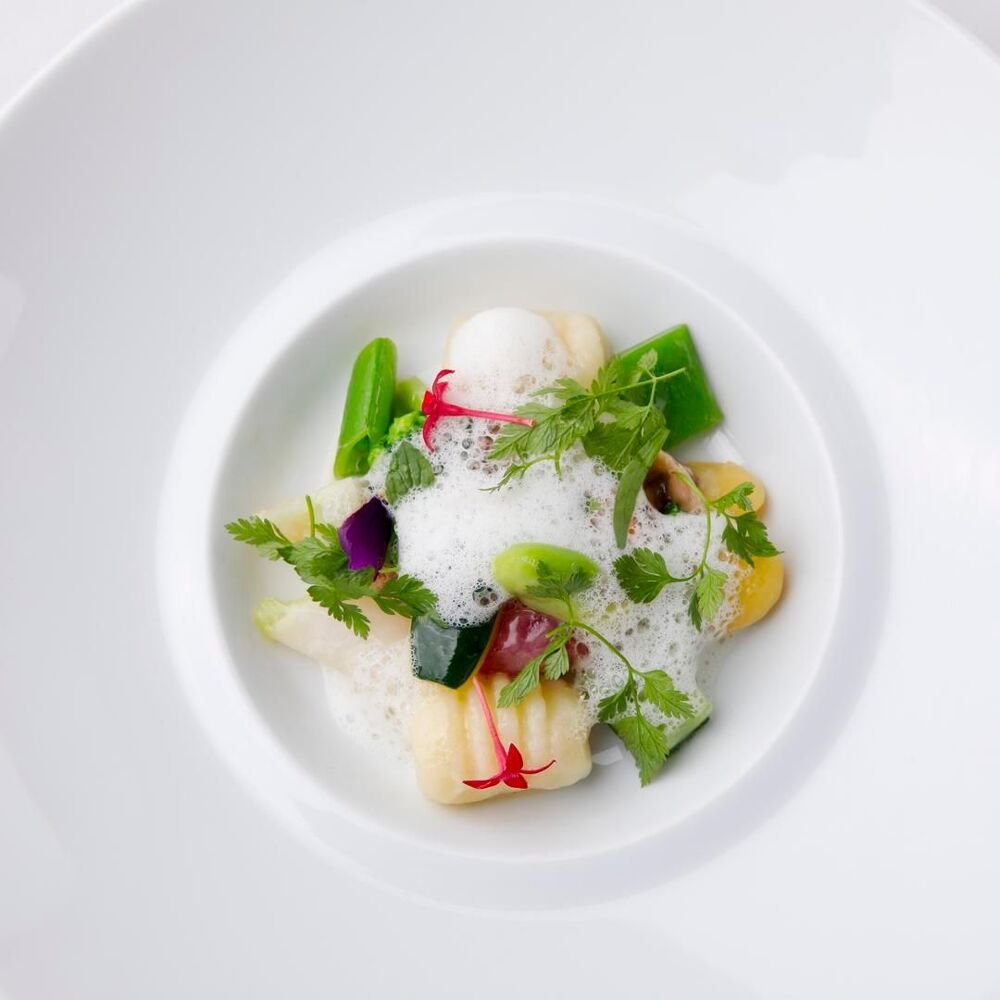
The Space as Premise
Nara's dining rooms tend to fall into one of two categories: the tatami-and-shoji formality of kaiseki tradition, or the casual neighbourhood tables that serve the city's considerable tourist footfall. The middle tier, where a room is designed with genuine intention and the architecture carries meaning, is thin. ル・ボワ sits at 40-1 Noboriojicho, a Nara address with the kind of quiet residential grain that shapes how a guest arrives before they even open the door. The approach through this part of the city, where streets narrow and the eighth-century grid softens into something more organic, functions as a decompression corridor. By the time a diner reaches the entrance, the pace has already changed.
That physical context matters more in Nara than in Osaka or Kyoto, where competing stimuli are dense enough to override any room's interior logic. In Nara, the exterior quiet allows the interior to set its own register without fighting the street. It is a structural advantage that the city's better rooms have learned to use, and it explains why design-led Western concepts have found a foothold here despite the city's traditional culinary identity.
Where ル・ボワ Sits in the Nara Dining Map
Nara's premium restaurant tier is smaller and more concentrated than Kyoto's, and the competitive set reflects that compression. The kaiseki segment is anchored by rooms operating in kaiseki and Japanese traditions, with venues like Oryori Hanagaki, Tsukumo, and Ajinokaze Nishimura defining that layer. Western and fusion concepts occupy a narrower band: akordu, operating in the Spanish and innovative register at the ¥¥¥ tier, is among the more discussed rooms in that category. NARA NIKON holds the Japanese end of the same price tier.
ル・ボワ's name, drawn from the French for "the wood," signals an orientation toward European, likely French-influenced, cooking. In a city where the forest of Kasugayama and the deer-grazed park define the visual identity as much as any temple, that reference is not arbitrary. It connects the room to a specific material and ecological character of the place rather than importing a generic Continental register.
The Architecture of a French-Inflected Room in a Japanese City
The broader pattern in Japan's secondary cities, from Kanazawa to Fukuoka to Nara, is that French-trained or French-influenced chefs have built rooms where the architecture does interpretive work. The dining room is not a neutral container for the food; it is an argument about where the cooking belongs. This pattern is visible at Gion Sasaki in Kyoto and in the structural philosophy behind HAJIME in Osaka, where the room's design and the tasting menu's ambition are calibrated against each other.
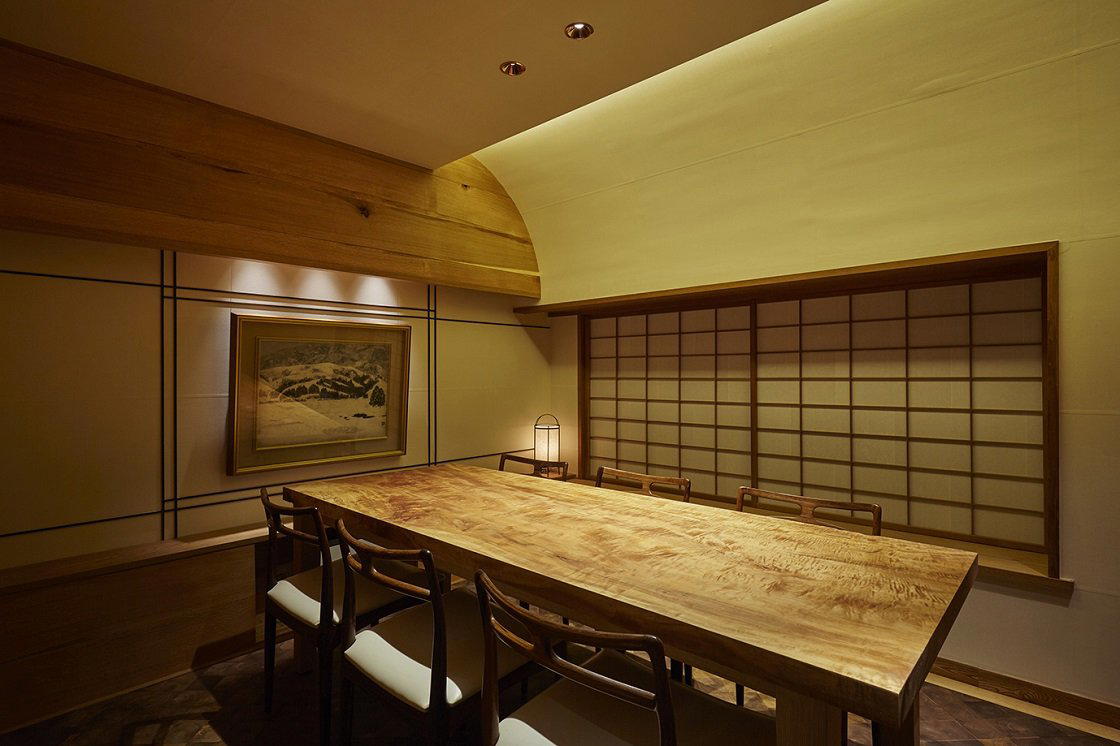
For a room with a French nominal identity in Nara, the design question is specific: how much of the French interior vocabulary, the warm timber, the close seating, the considered lighting at counter level, translates to a Japanese context without becoming pastiche? The name ル・ボワ suggests an answer that leans into organic material and natural reference rather than classical French formality. Timber, in both French country cooking and Japanese architectural tradition, carries warmth and grain and age. A room built around that overlap has a conceptual coherence that harder, lacquered, or marble-dominant interiors would not provide in this city.
Seating arrangements in rooms of this type in Japan tend toward the intimate: counters where the cooking is partially visible, tables spaced to allow conversation without eavesdropping, and a capacity that keeps service ratios high.
Nara as a Setting for Serious Dining
A pattern has emerged over the past decade across Japan's smaller heritage cities: as Kyoto's premium dining tier has tightened on availability and price, serious eaters have extended their itineraries to include Nara as a dining destination in its own right rather than a day trip from Osaka. That shift has created conditions for a more ambitious restaurant scene to develop, one that can draw on Yamato Nara's agricultural producers, its distinctive local ingredients including Yamato beef and Yoshino cedar-smoked preparations, and a customer base that arrives with genuine attention rather than passing curiosity.
The same dynamic is visible at different scales in cities like Kanazawa, where proximity to Kyoto and access to exceptional local produce have allowed a serious room like Nanao's fine dining tier to operate with a guest profile that would otherwise concentrate in the larger city. Nara is following a similar arc, and rooms like ル・ボワ are part of that argument. For context on how Japan's regional fine dining scene maps across the country, the conversations at Harutaka in Tokyo, Goh in Fukuoka, and the evolving tier at Bistro Ange in Toyohashi each illuminate a different facet of how Western-influenced cooking has embedded in Japanese regional settings.
Planning a Visit
The Noboriojicho address places ル・ボワ within the historic core of Nara, walkable from Nara Park and the main cluster of temples, which means arriving on foot from the city's central sightseeing area is a reasonable proposition. For guests travelling from Osaka or Kyoto, Kintetsu Nara Station is the standard arrival point, with the restaurant accessible in under fifteen minutes on foot from there. Given the limited confirmation on booking methods and current hours available in published data, the most reliable approach is to check current status through the EP Club's full Nara restaurants guide before planning. Rooms of this type in Japanese secondary cities often operate on reservation-only formats, sometimes with single or double seatings per evening, which means flexibility on visit dates is worth building into any Nara itinerary. For international comparison on what reservation discipline looks like at equivalent rooms, the booking patterns at Atomix in New York City and Le Bernardin illustrate the range of approaches that serious rooms at this positioning apply. Additional reference points in the Japanese regional context include Birdland in Sakai and rooms in the Takashima and Nishikawa Machi dining tiers, which operate in comparable conditions of limited capacity and place-specific identity.
Frequently asked questions
What's the vibe at ル・ボワ?
ル・ボワ occupies a position between Nara's tatami-and-shoji kaiseki tradition and its casual neighbourhood tables — a French-inflected room in a city whose dining tier is smaller and more concentrated than Kyoto's. The address on Noboriojicho places it inside the historic core, so the surroundings carry weight: temples and Nara Park are walkable, and that context shapes how the room sits in the city. Expect a considered, quieter atmosphere rather than the high-volume energy of an urban brasserie.
How do I find ル・ボワ?
ル・ボワ is located at 40-1 Noboriojicho, Nara, 630-8213, Japan, Nara.
Is ル・ボワ a good dinner option if I'm visiting Nara for the day from Kyoto or Osaka?
The Noboriojicho address is well-positioned for day-trip itineraries: it sits within walking distance of Nara Park and the main temple cluster, so a dinner reservation fits logically at the end of a sightseeing circuit. Nara has gained traction among diners based in Kyoto precisely because its restaurants offer serious cooking with far less competition for seats. Confirming last train times back to Kyoto or Osaka before booking is worth doing, as Nara's connections run on a fixed schedule.
What's the must-try dish at ル・ボワ?
What is consistent with French-influenced restaurants operating in Japan's heritage cities is an emphasis on produce-driven courses that reflect local ingredients through a French technical frame. The safest approach is to trust the kitchen's current menu rather than arriving with a fixed dish in mind.
How far ahead should I plan for ル・ボワ?
Nara's premium dining tier is compact, and rooms at this level in the Noboriojicho area fill faster than their low profile suggests. The city has attracted increasing overflow from Kyoto's tightened reservation landscape over the past decade, which has shortened availability windows across its better tables. Booking several weeks in advance is a reasonable baseline; for weekend evenings, a month or more is the safer margin.
The Minimal Set
Comparable venues nearby, for context on price, style, and recognition.
| Venue | Cuisine | Price | Awards | Notes |
|---|---|---|---|---|
| ル・ボワThis venue — the venue you are viewing | French Fine Dining with Local Nara and Hokkaido Ingredients | $100–150 | Relais Chateaux Award | Not listed |
| Chugokukusai Naramachi Kuko | Yakuzen Chinese Fine Dining | Not listed | We're Smart World 4 Radishes | Nara, Yakuzen Chinese Fine Dining |
| Teppan Grill ICHO | Teppanyaki Grill | $100–150 | Not listed | Nara, Teppanyaki Grill |
| 奈良・春日奥山月日亭 | Traditional Japanese Kaiseki | $150–200 | Not listed | 春日野町, Traditional Nara Kaiseki |
| じびえ井田 | Modern Japanese Gibier Fine Dining | $150–200 | Michelin Plate | Nara, Modern Japanese Gibier Fine Dining |
| Patisserie Chocolaterie Emera | Not listed | $10–20 | Tabelog 100 #74 | Nara, Classic French-style patisserie & chocolaterie |
Recognition history
Dated appearances from independent guides and award organizations, with the underlying list record or original source where available.
Relais Chateaux Award
Relais Chateaux
Continue exploring
More in Nara
Restaurants in Nara
All restaurants in Nara →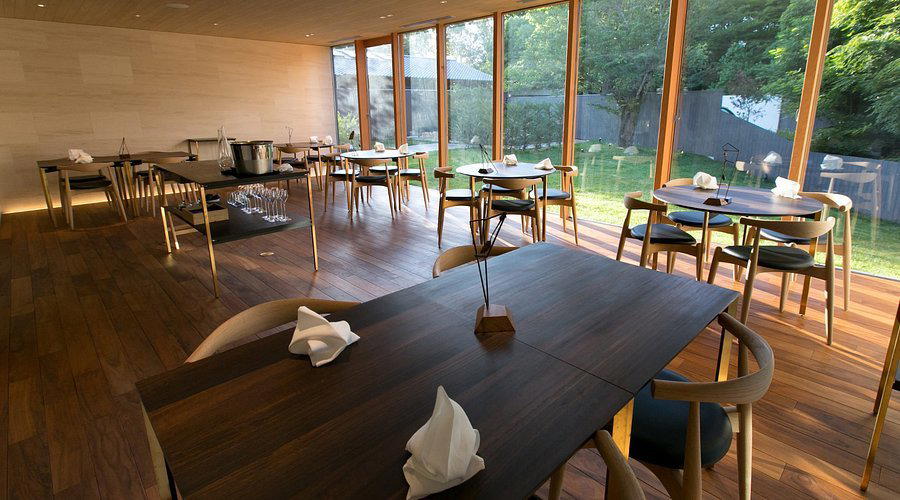


Bars in Nara
All bars in Nara →

Hotels in Nara
All hotels in Nara →


Wineries in Nara
Browse all →
ル・ボワ
The wine
- Wine program
- Curated wine list
- Extensive wine list
- Sake program
Details
- Elegant
- Sophisticated
- Intimate
- Date Night
- Special Occasion
- Hotel Restaurant
- Private Dining
- Extensive Wine List
- Sake Program
- Local Sourcing
- Prix Fixe
Current opening hours
- Monday
- 7–10 AM, 11:30 AM–2 PM, 5:30–9 PM
- Tuesday
- 7–10 AM, 11:30 AM–2 PM, 5:30–9 PM
- Wednesday
- 7–10 AM, 11:30 AM–2 PM, 5:30–9 PM
- Thursday
- 7–10 AM, 11:30 AM–2 PM, 5:30–9 PM
- Friday
- 7–10 AM, 11:30 AM–2 PM, 5:30–9 PM
- Saturday
- 7–10 AM, 11:30 AM–2 PM, 5:30–9 PM
- Sunday
- 7–10 AM, 11:30 AM–2 PM, 5:30–9 PM
Hours can change for holidays and private events. Last verified .
Elegant and graceful space ideal for leisurely enjoyment with sophisticated French dining atmosphere.