Kinozen occupies a particular position in Tokyo's premium dining tier, where the depth of the cellar and the precision of the food arrive in equal measure. The restaurant sits within a city that treats wine curation as seriously as kitchen craft, making it a reference point for those approaching Tokyo's upper dining bracket through the lens of what's in the glass.

Pearl is the En Primeur Club membership app — saves, bookings, and concierge access live there. Same editors, same standards.
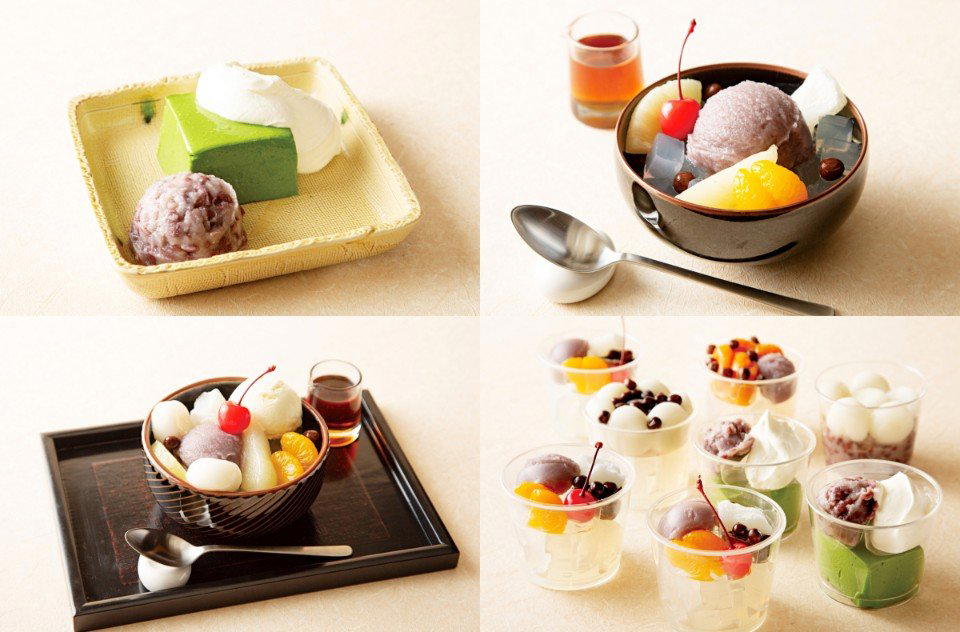
Kinozen is a restaurant in Tokyo serving Traditional Japanese Sweets, with a casual dress code and walk-in-friendly service. There is a specific quality of stillness that marks Tokyo's most serious dining rooms. Not the hush of performance anxiety, but the focused quiet of a room where the food and the wine have been chosen with the same deliberate hand. Kinozen operates within that register, in a city where the standards for both kitchen and cellar have compressed upward over the past decade to a degree that has few parallels globally.
The Scene Kinozen Enters
Tokyo's premium restaurant tier has bifurcated in a way that matters to anyone planning a serious trip. On one side sit the high-volume omakase counters and kaiseki houses that built Japan's Michelin density into the largest concentration of starred restaurants on earth. On the other sits a smaller, more curatorially self-aware cohort: restaurants where the wine list is not an afterthought appended to the kitchen's intentions but a parallel argument made with equal conviction. Kinozen belongs to this second category, and understanding that placement is the first step to understanding what the visit is actually for.
For comparison, the ¥¥¥¥ tier in Tokyo currently includes addresses like Harutaka in sushi, L'Effervescence and Sézanne in French-influenced cooking, and RyuGin anchoring the kaiseki tradition. Each of these has built a wine or beverage program that either matches or amplifies the food's ambition. The broader context is worth stating plainly: in Tokyo, a serious cellar has become a signifier of institutional intent, not optional decoration.
The Wine Argument
One illuminating lens through which to read Kinozen is curation philosophy: the logic behind what gets selected and why. Tokyo's most thoughtful wine lists tend to fall into two camps. The first is the exhaustive archive model, where depth is measured in vintage breadth and the list functions almost as a research document. The second is the considered-selection model, where a smaller, more opinionated edit makes a coherent argument about how the kitchen's food should be met in the glass.
Either approach, executed properly, demands a sommelier with genuine authority rather than credential collection. The city's leading programs, from those at Crony to the dining rooms of Osaka's HAJIME, demonstrate that the pairing conversation in Japan has moved well beyond European defaults. Indigenous sake and shochu now sit alongside Burgundy and Champagne in programs where the logic of the pairing matters more than the prestige of the label.
Japan's relationship with wine is longer and more complicated than casual visitors often assume. The country has been a significant importer of Bordeaux and Burgundy since the late nineteenth century, and the domestic wine industry in regions like Yamanashi and Hokkaido has matured to the point where domestic bottles appear on serious lists without apology. What this means practically: a well-curated Tokyo cellar in 2024 might move between a Koshu from Yamanashi, a Champagne grower, and a natural producer from the Jura across the same meal, and the internal logic holds if the sommelier has done the thinking.
What the Cuisine Asks of the Cellar
Japanese cuisine at the premium level operates on restraint. Dashi-based broths, lightly cured fish, seasonal vegetables prepared with minimal intervention, aged proteins: the flavour architecture is precise and clean rather than fat and rich. This creates a specific challenge for wine pairing that differs substantially from matching Burgundy to French cuisine. The classic European pairing instinct toward weight and complementary richness often works against Japanese food. Acidity, minerality, and low tannin become the structural requirements. This is why you see Champagne and aged white Burgundy appear so frequently on serious Tokyo lists: they meet the cuisine on its own terms.
It also explains why the leading sommeliers in Tokyo have become fluent in a broader vocabulary than their European counterparts might need. The range of textures and flavours across a multi-course Japanese meal, from ocean-driven to umami-heavy to delicately sweet, demands a cellar that can pivot with equal dexterity. Addresses across Japan like Gion Sasaki in Kyoto and Goh in Fukuoka have each developed distinct approaches to this challenge. Kinozen sits within Tokyo's restrained dining culture, where precision matters more than volume.
Placing Kinozen in Tokyo's Dining Geography
Tokyo rewards specificity of intention when you plan around the table rather than around the neighbourhood. Unlike Paris or New York, where geography clusters certain types of restaurants, Tokyo's premium dining is distributed across wards in ways that require advance research. The city's leading addresses in different traditions, whether kaiseki, sushi, or French-Japanese fusion, often sit within a short taxi ride of each other without forming obvious dining districts. This means that a visit to Kinozen is most productively planned as the anchor of an evening rather than a stop in a neighbourhood crawl.
For reference, the extended Japanese dining scene beyond Tokyo offers a useful calibration. Akordu in Nara brings a European-wine-meets-Japanese-ingredient framework that parallels what serious Tokyo kitchens are doing. Further afield, restaurants in Nanao and Takashima demonstrate that sophisticated cellar thinking has migrated well beyond the major cities. The broader point: Japan's wine-at-the-table culture is no longer Tokyo-centric, which means the standard Kinozen must meet has risen as regional competitors have sharpened their programs.
Internationally, the comparable conversation happens at addresses like Le Bernardin in New York, where cellar construction has to answer to a precise cuisine with equally specific textural requirements, or at Atomix, where Korean-influenced cooking and an ambitious wine and beverage list operate in genuine dialogue. The challenge is the same across all of them: build a program that serves the food rather than overshadowing it.
Planning Your Visit
Location: Tokyo, Japan
Cuisine: Traditional Japanese Sweets
Booking: Walk-in friendly
Dress Code: Casual
Regional Context: For broader Tokyo planning, see our full Tokyo restaurants guide
Cuisine Lens
Comparable venues nearby, for context on price, style, and recognition.
| Venue | Cuisine | Price | Notes |
|---|---|---|---|
| KinozenThis venue — the venue you are viewing | Traditional Japanese Sweets | $$ | Not listed |
| Maidreamin Shibuya Store | Japanese Maid Cafe | $$ | Shibuya |
| L'Atelier Plus | Japanese-style Western (yoshoku) bistro | $$ | Meguro |
| Fujiya Honten Nihonbashi hamacho | Modern Izakaya with French Influence | $$ | Chūō |
| Daitoryo | Traditional Izakaya - Grilled Offal & Yakitori | $$ | Taitō |
| グリル グランド | Yoshoku (Japanese-style Western Cuisine) | $$ | Taitō |

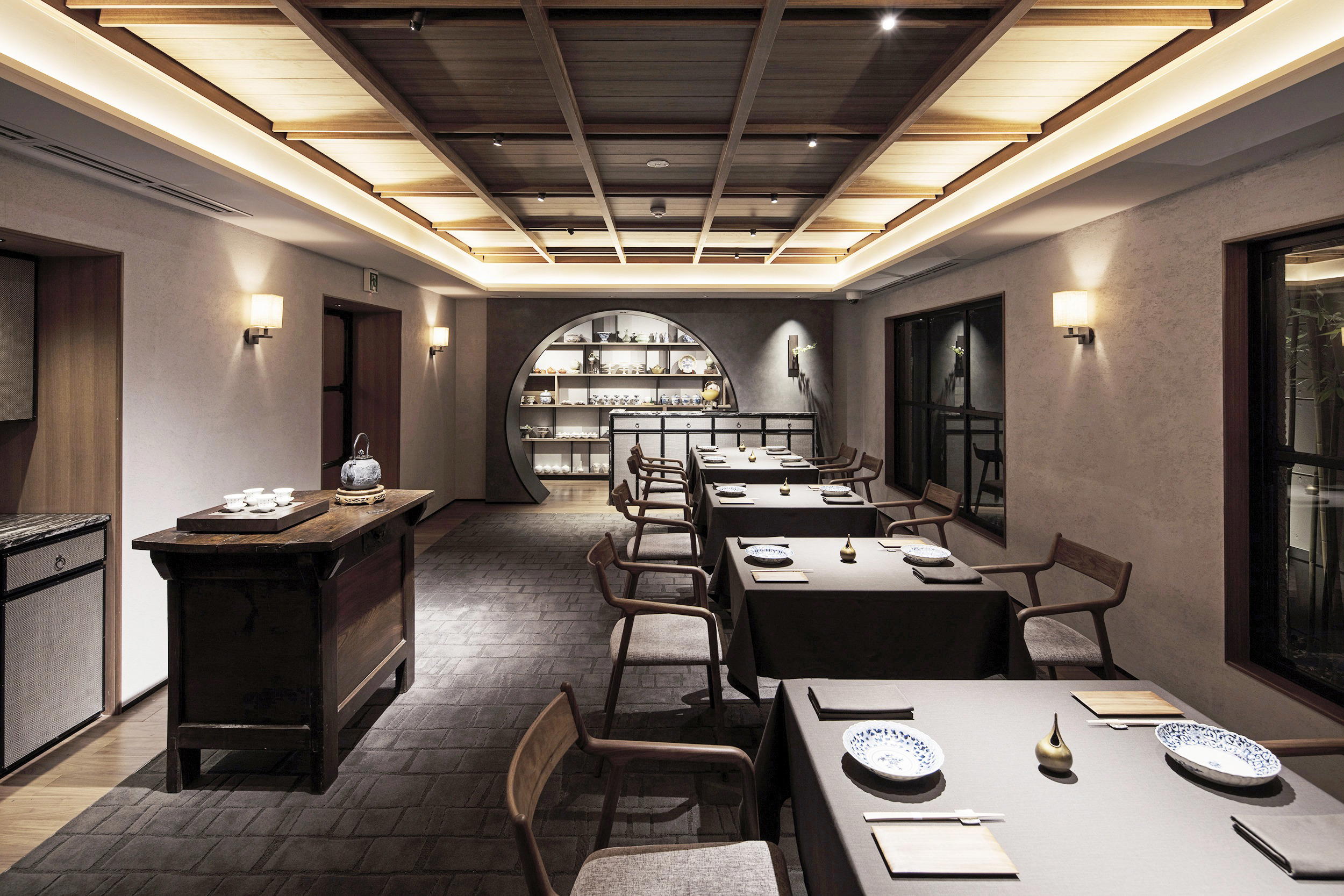

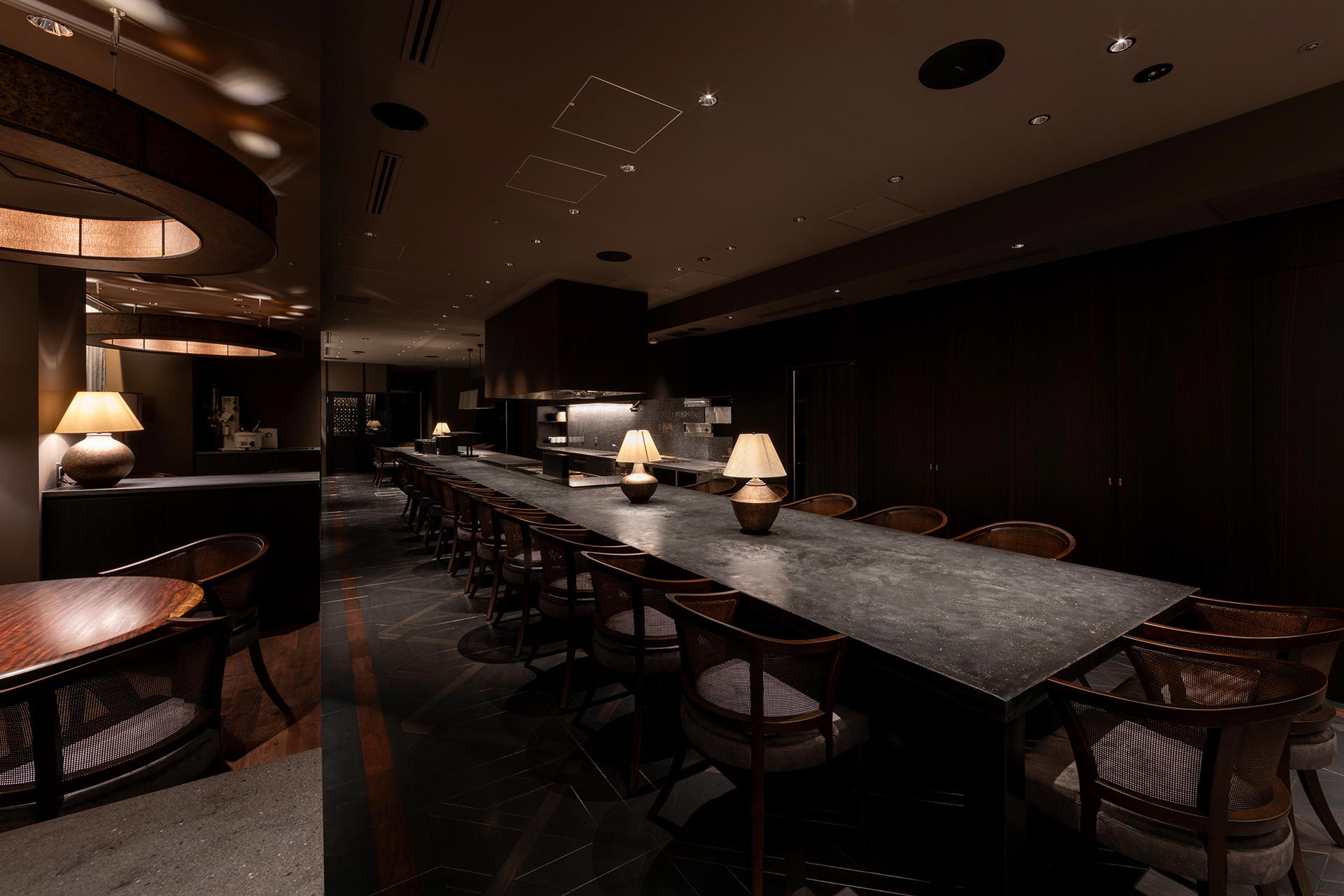


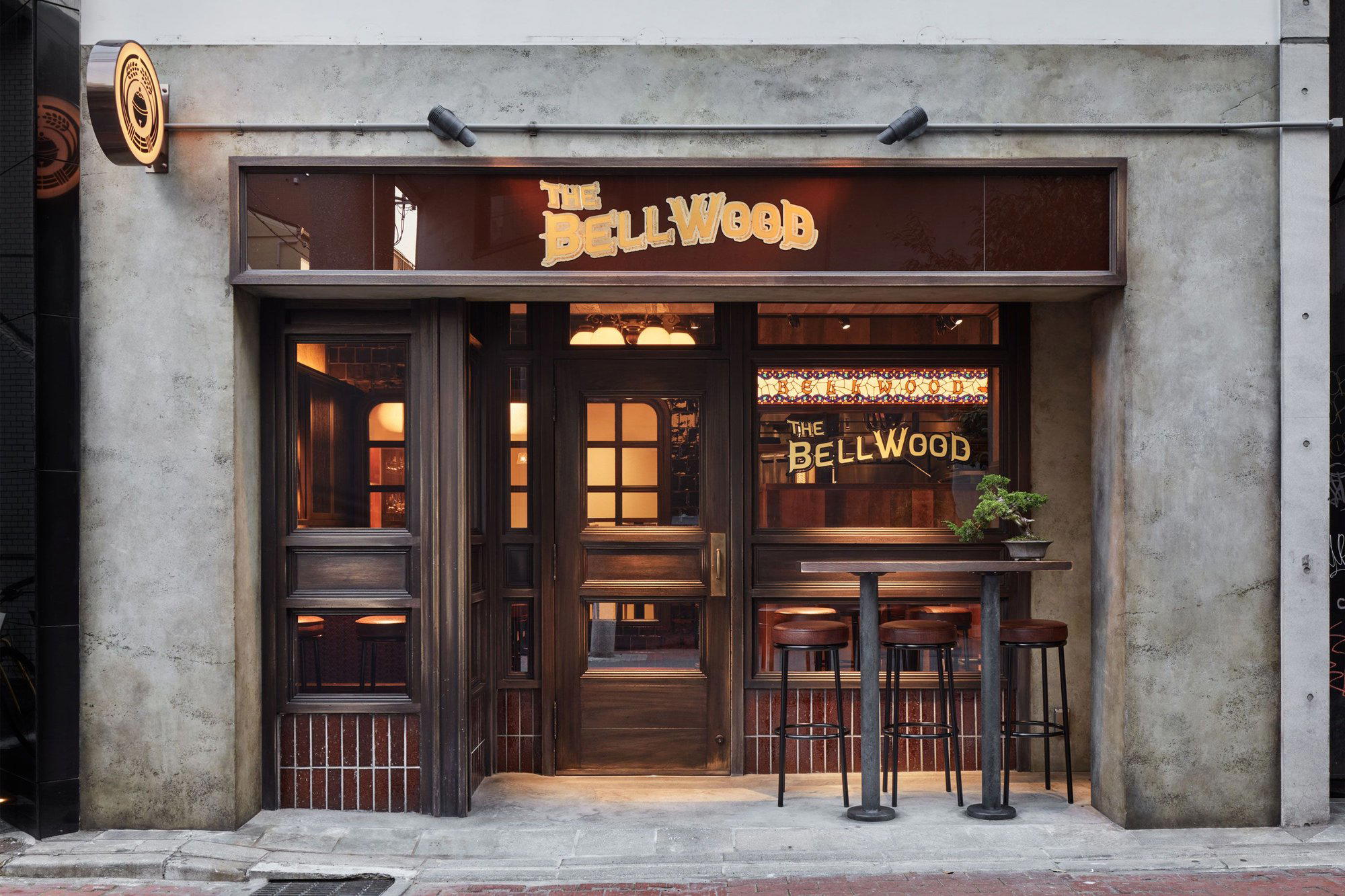



At a Glance
- Classic
- Cozy
- Intimate
- Casual Hangout
- Historic Building
Current opening hours
- Monday
- 11 AM–7 PM
- Tuesday
- 11 AM–7 PM
- Wednesday
- 11 AM–7 PM
- Thursday
- 11 AM–7 PM
- Friday
- 11 AM–7 PM
- Saturday
- 11 AM–7 PM
- Sunday
- 11 AM–7 PM
Hours can change for holidays and private events. Last verified .
Traditional Japanese atmosphere with tatami zashiki room evoking nostalgic Kagurazaka charm.