

A counter-format restaurant in Ubud capped at 14 guests, Syrco BASÈ channels Indonesian ingredients through a nine-course plant-forward menu under chef Syrco Bakker. Recognised by We're Smart for its sourcing rigour and flavour clarity, it represents a smaller, specialist tier of Bali dining where traceability and supplier relationships define the proposition rather than spectacle.
Pearl is the En Primeur Club membership app — saves, bookings, and concierge access live there. Same editors, same standards.
- Address
- Jl. Sri Wedari No.72, Ubud, Kecamatan Ubud, Kabupaten Gianyar, Bali 80571, Indonesia
- Phone
- +62 822-2712-2250
- Website
- syrcobase.com
- Directions
- Get directions
 Saves & bookings on Pearl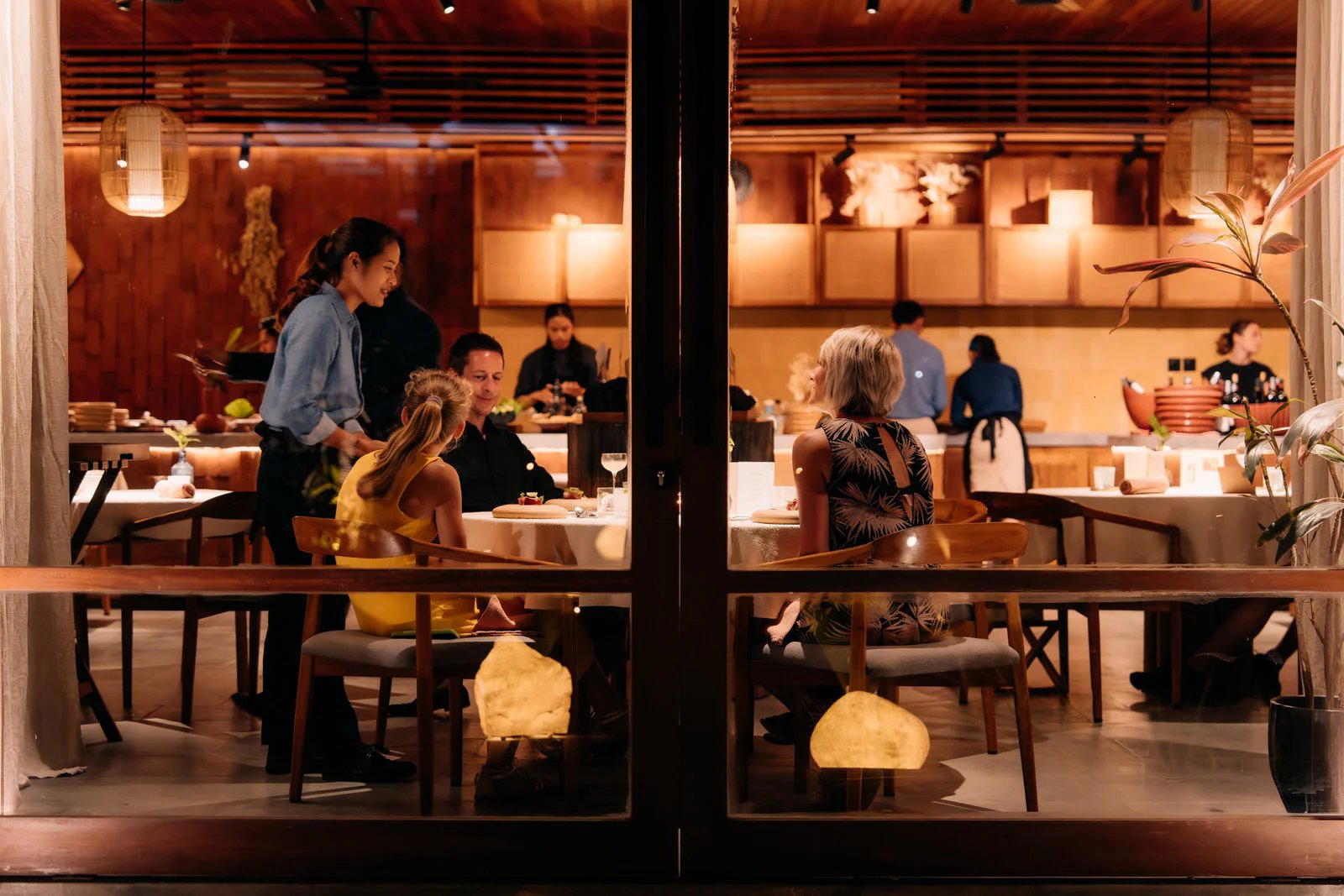
What It Takes to Get a Seat
Ubud's most talked-about restaurant tables have always required forward planning, but the smallest formats now operate on a different logic from the rest of the city's fine-dining circuit. At Syrco BASÈ on Jl. Sri Wedari, the ceiling is 14 guests per service. That number is not an aesthetic choice, it is the structural limit of a counter format built around direct supplier relationships, product traceability, and a kitchen that cannot, by design, scale beyond what those relationships can honestly supply. For travellers used to booking two weeks ahead at a mid-size restaurant, the planning calculus here is different. Treat the reservation as you would a small Kyoto kaiseki counter or a low-capacity chef's table in Copenhagen: book as far in advance as your travel dates allow, and confirm closer to arrival.
We're Smart recognised Syrco BASÈ for the quality of its products and the clarity of its flavours. That kind of recognition from a credential body focused specifically on plant-led cooking is a more precise signal than a generalised fine-dining award, it tells you what category of experience you are actually booking. The nine-course plant menu is the kitchen's primary statement.
The Format and What It Implies
Counter-format dining of this scale sits inside a broader shift in how premium restaurants across Southeast Asia are positioning themselves. The region's fine-dining tier split, over the past decade, between large-footprint destination restaurants with international wine programmes and theatrical service, and a smaller cohort of low-capacity, sourcing-led formats where the supplier is as much a part of the narrative as the chef. Syrco BASÈ belongs firmly to the second group. The 14-seat ceiling creates conditions in which every course carries the weight of that intimacy, there is no back dining room, no overflow seating, no compromise on product consistency driven by volume pressure.
Locavore NXT operates with Indonesian produce at its core and has built a comparable reputation for sourcing depth. Herbivore by Locavore addresses the plant-forward side of that same tradition with a different format. Mozaic represents the French-technique end of Ubud's tasting-menu spectrum. BASÈ does not sit between these, it occupies its own lane, where the editorial emphasis falls on Indonesian ingredient identity and the traceability of what arrives at the counter, rather than on imported technique as a primary organising principle.
Ingredients as the Argument
The kitchen's stated priorities, traceability, transparency, simplicity, and respect for the product, are a recognisable framework in global terms. The same language appears at sourcing-led restaurants from the Nordic countries to rural Japan. What makes it meaningful in Bali rather than generic is the specificity of the supply chain: the ingredients in question are Indonesian, the suppliers are local, and the flavour identity the We're Smart recognition points to is described as "Indonesia at its leading" rather than as an international fine-dining register expressed through local produce. That distinction matters. A kitchen that uses Balinese produce to approximate a European tasting-menu idiom is doing something categorically different from one that uses those same ingredients to argue for their own culinary identity.
For context within the wider Indonesian dining scene, this approach connects to a movement visible beyond Bali. Kaum in Jakarta and Kahyangan in Gondangdia both work within frameworks that foreground Indonesian culinary identity, though through different formats and price tiers. The ambition at BASÈ is closer to the counter-dining formats seen at highly allocated restaurants in other food-serious cities, places like Atomix in New York, where a small number of seats, a fixed menu, and sourcing credentials combine to create a specific kind of scarcity-driven experience. The comparison is not about equivalence but about format logic: when a restaurant caps at 14 covers and builds its menu around supplier relationships, it is making a claim about what dining at that scale can achieve that larger rooms cannot.
Chef Syrco Bakker and the Broader Question of Foreign Chefs in Bali
Bali's premium dining circuit has long involved international chefs, and the question of how a non-Indonesian kitchen lead engages with local ingredients is one the island's food media returns to regularly. Syrco Bakker's publicly stated position, pride in Bali, in the BASÈ team, and in the suppliers who shape the daily offer, frames the kitchen's identity as a collaborative one rather than an auteur exercise. In the context of a 14-seat counter where the supply chain is foregrounded, that framing is structurally consistent: a kitchen at this scale cannot hide its sourcing behind technique or presentation. The product either speaks to its origin or it doesn't. We're Smart's recognition suggests it does.
Internationally, chef Bakker has a profile in European fine dining. What is on record is the orientation of the current project: traceability and simplicity as the kitchen's stated organising principles, and a menu format that gives those principles room to operate without the noise of a larger service environment.
Ubud's Position in Bali's Dining Geography
Seminyak and Canggu remain Bali's highest-volume fine-dining corridors, with hotels like The Legian in Seminyak anchoring larger-format premium dining and restaurants like Sarong in Canggu serving a broad international clientele. Jimbaran's coastal position gives venues like Rumari a different kind of draw. Ubud operates on its own axis: inland, altitude-cooled, with a longer tradition of attracting food-serious visitors willing to plan their dining around availability rather than convenience. The address on Jl. Sri Wedari places BASÈ within Ubud's central grid, accessible from the main restaurant corridors without being embedded in the tourist-facing strip. For those whose Bali dining interests extend beyond Ubud, Ibu Oka remains one direct expression of traditional Balinese cooking at the other end of the format spectrum, and Apéritif Restaurant and Bar represents the Modern European register within the island's fine-dining tier.
Planning Your Visit
The 14-seat format means any given service has limited availability. Book as early as your itinerary allows and treat confirmation as essential before finalising surrounding travel arrangements. The nine-course plant menu is the kitchen's primary statement; those with specific dietary requirements beyond the plant-forward format should verify options at the time of booking. The address, Jl. Sri Wedari No.72, Ubud, Kabupaten Gianyar, Bali 80571, is navigable from central Ubud by short taxi or rideshare.
Cuisine and Awards Snapshot
Comparable venues nearby, for context on price, style, and recognition.
| Venue | Cuisine | Price | Notes |
|---|---|---|---|
| Syrco BASÈThis venue — the venue you are viewing | Modern Indonesian Fine Dining | $$$$ | Not listed |
| Herbivore by Locavore | Vegan Indonesian Fusion Fine Dining | $$$$ | central Ubud |
| Apéritif Restaurant & Bar | Modern Fusion Fine Dining | $$$$ | Ubud |
| Nusantara By Locavore | Modern Indonesian Regional | $$$ | Ubud |
| Room 4 Dessert | Dessert-Focused Tasting Menu | $$$$ | Kedewatan |
| Ibu Oka | Balinese Babi Guling | $$ | Ubud |
Recognition history
Dated appearances from independent guides and award organizations, with the underlying list record or original source where available.
The Best Chef Two Knives
The Best Chef
We're Smart World 4 Radishes
We're Smart World
At a Glance
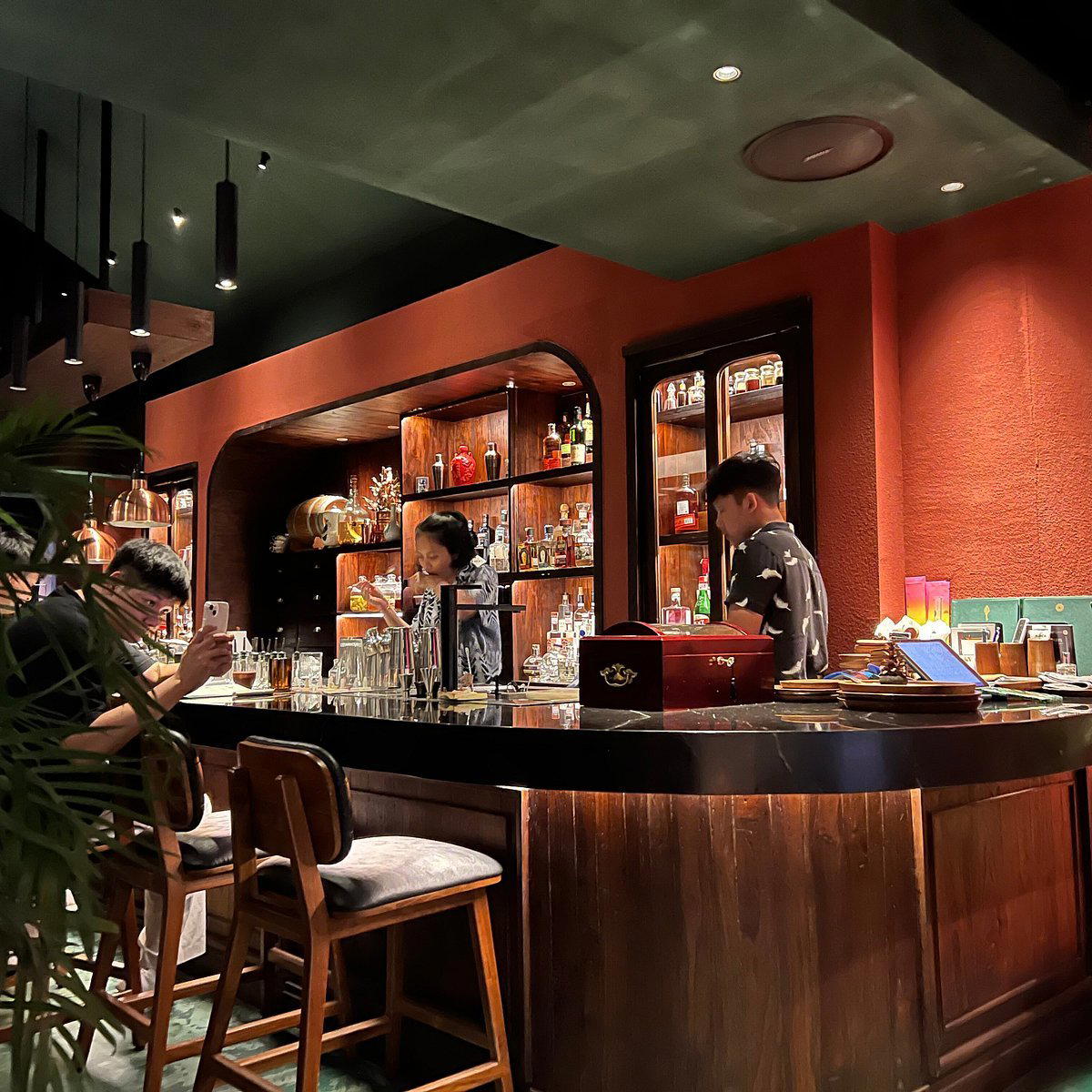
- Elegant
- Sophisticated
- Modern
- Intimate
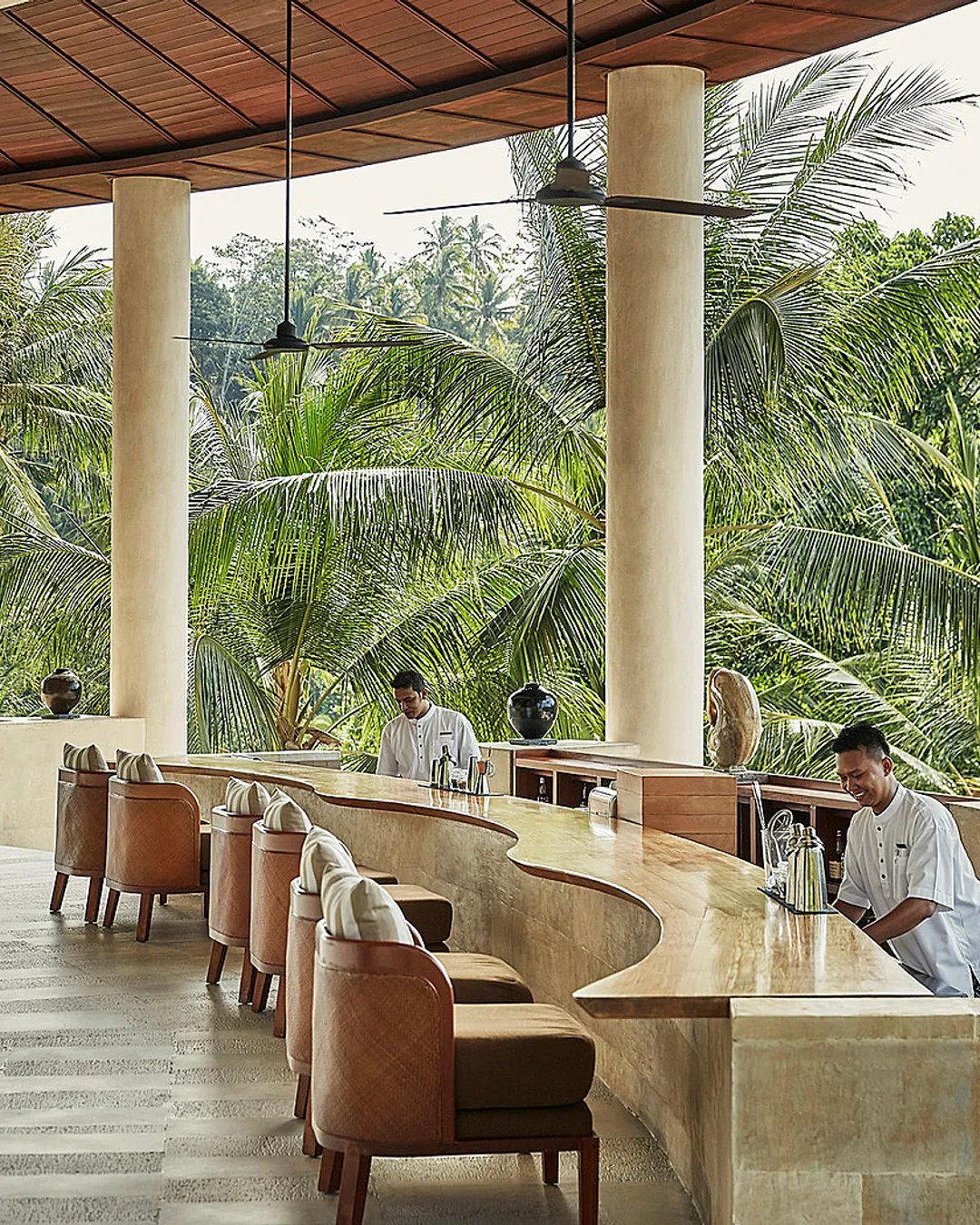
- Scenic
- Date Night
- Special Occasion
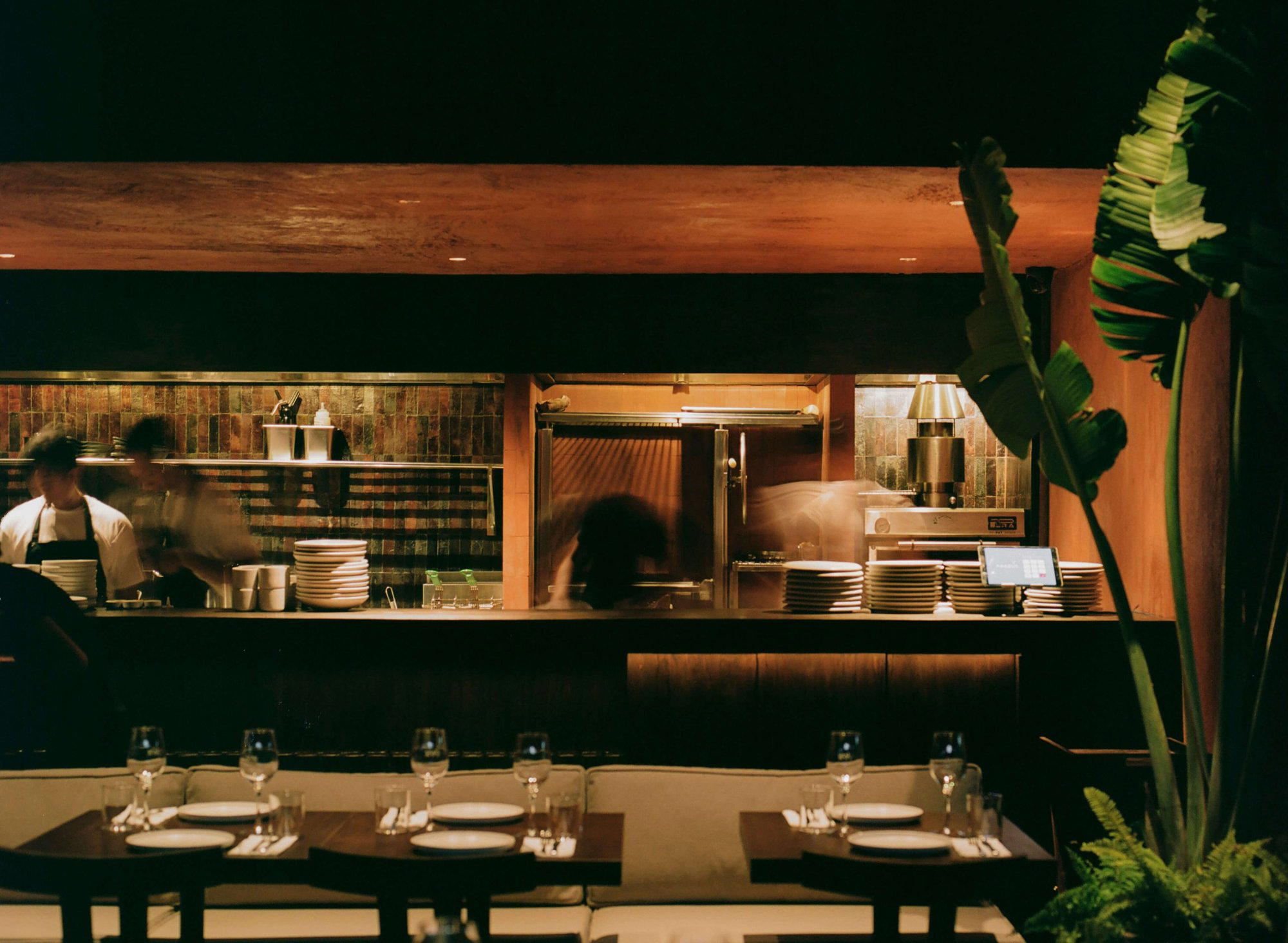
- Chefs Counter
- Open Kitchen
- Garden
- Craft Cocktails
- Farm To Table
- Local Sourcing
- Garden
Current opening hours
- Monday
- Closed
- Tuesday
- 6 PM–12 AM
- Wednesday
- 6 PM–12 AM
- Thursday
- 6 PM–12 AM
- Friday
- 12–2 PM, 6 PM–12 AM
- Saturday
- 12–2 PM, 6 PM–12 AM
- Sunday
- Closed
Hours can change for holidays and private events. Last verified .
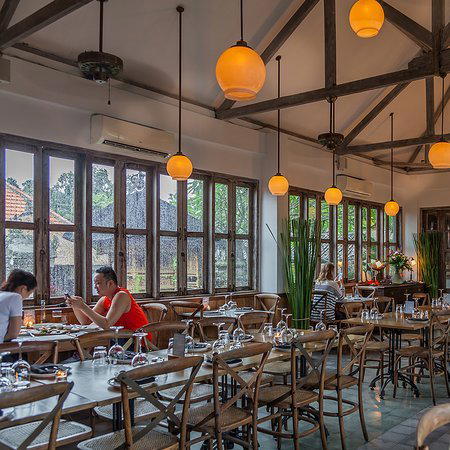
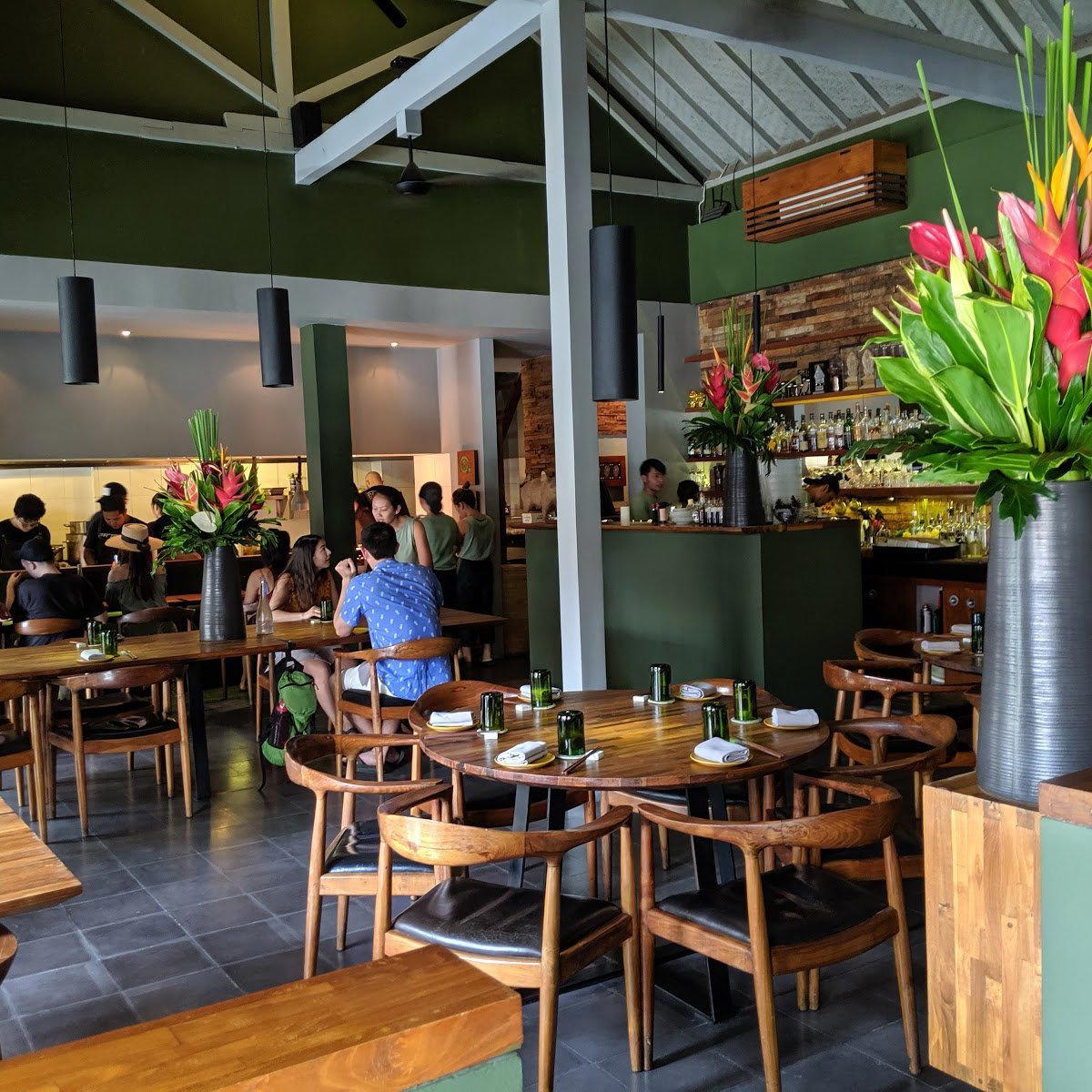
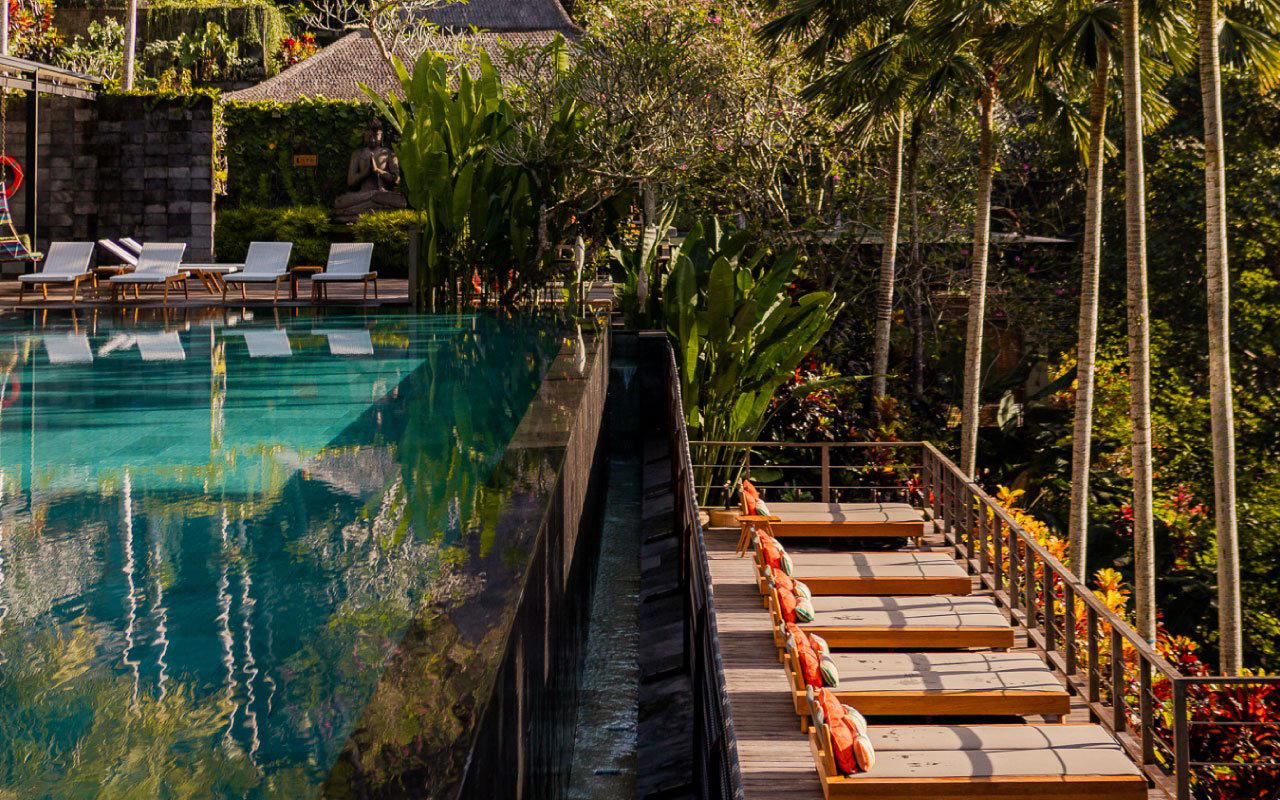
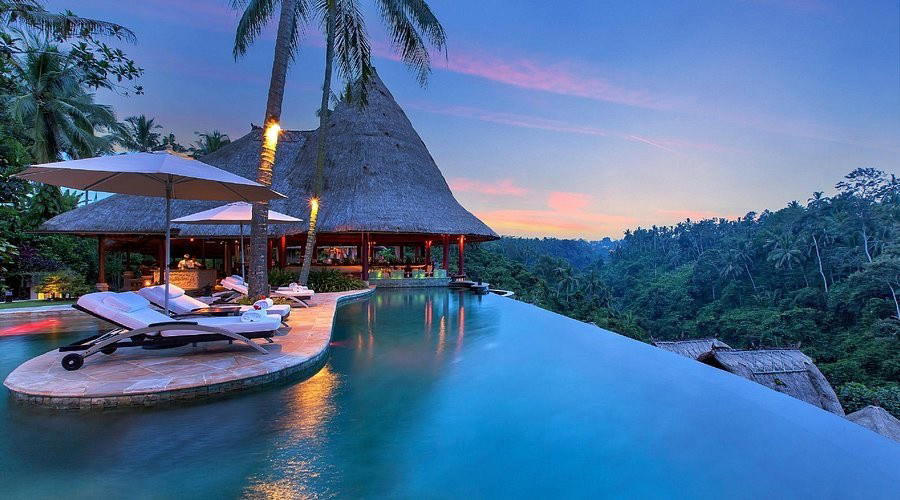
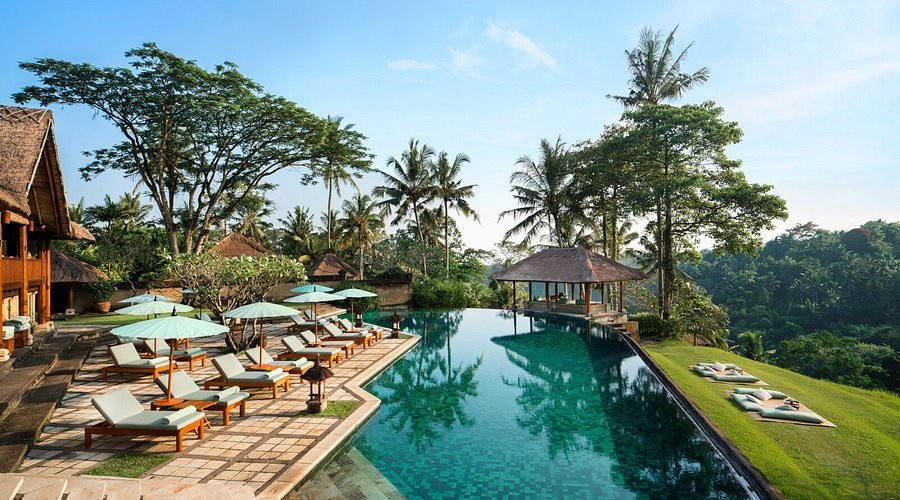
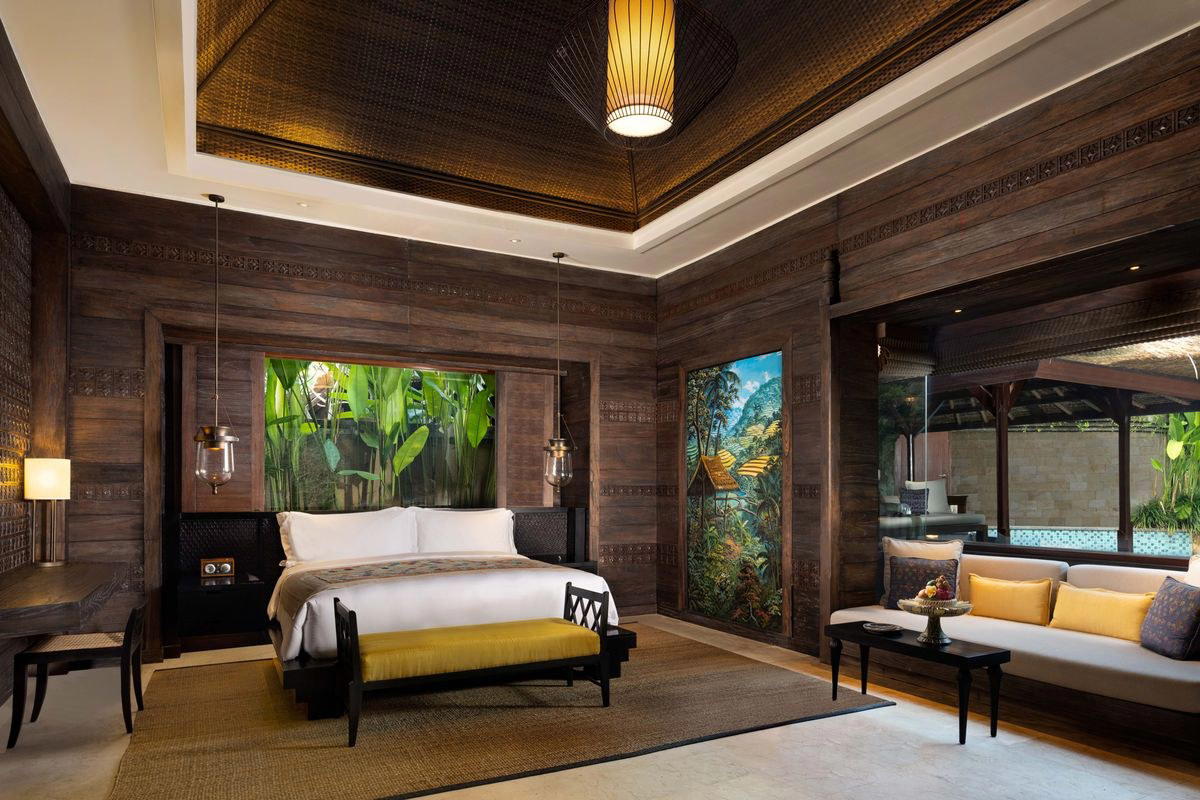
Serene and elegant with natural materials, lush garden views, open kitchen, and a calm, stylish atmosphere blending Balinese warmth and modern design.