Google: 4.7 · 220 reviews

A prix fixe beef counter in Nishiazabu where a single protein is treated as a full culinary argument. JO works through an impressive range of cuts, each prepared by a different method, from charcoal-grilled fillet to a Chateaubriand reimagined as a cutlet sandwich. The result is one of Tokyo's more focused and inventive takes on the beef tasting format.
 Discover on Pearl
Pearl is the En Primeur Club membership app — saves, bookings, and concierge access live there. Same editors, same standards.
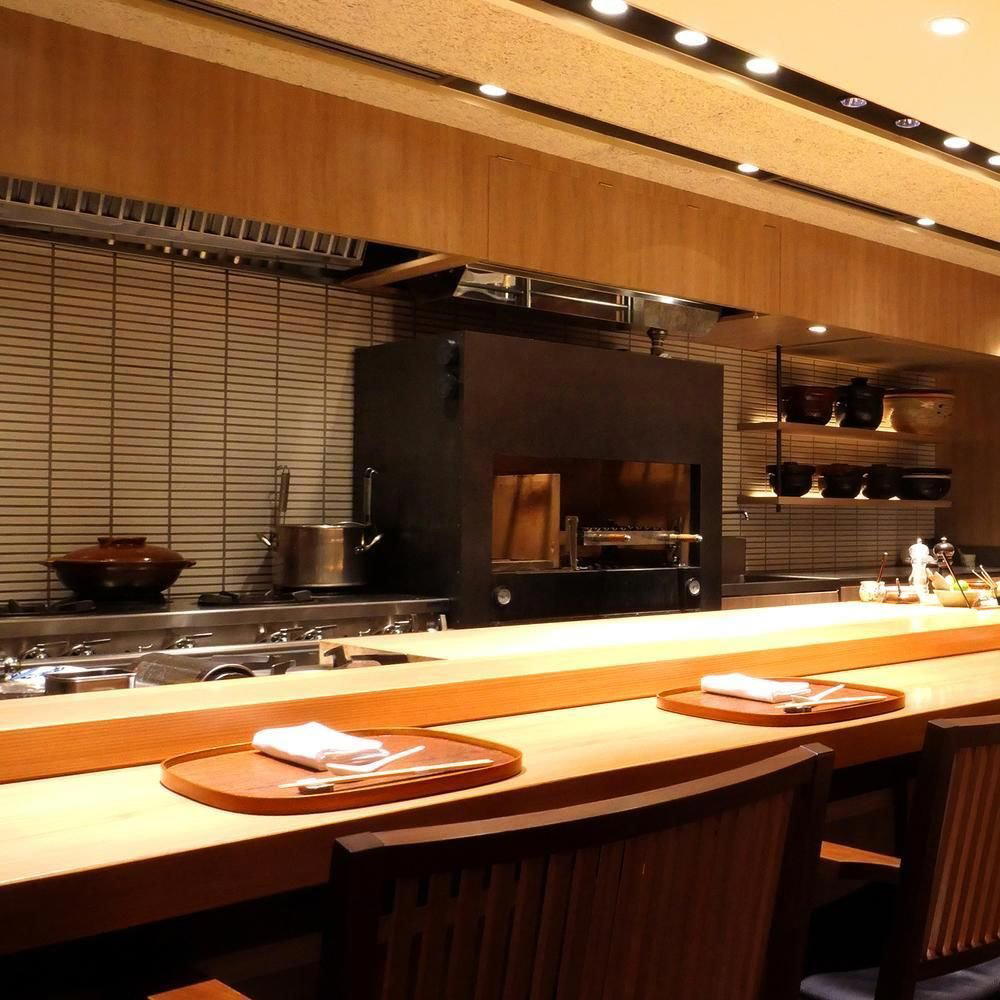
A Basement in Nishiazabu Where Beef Becomes the Whole Story
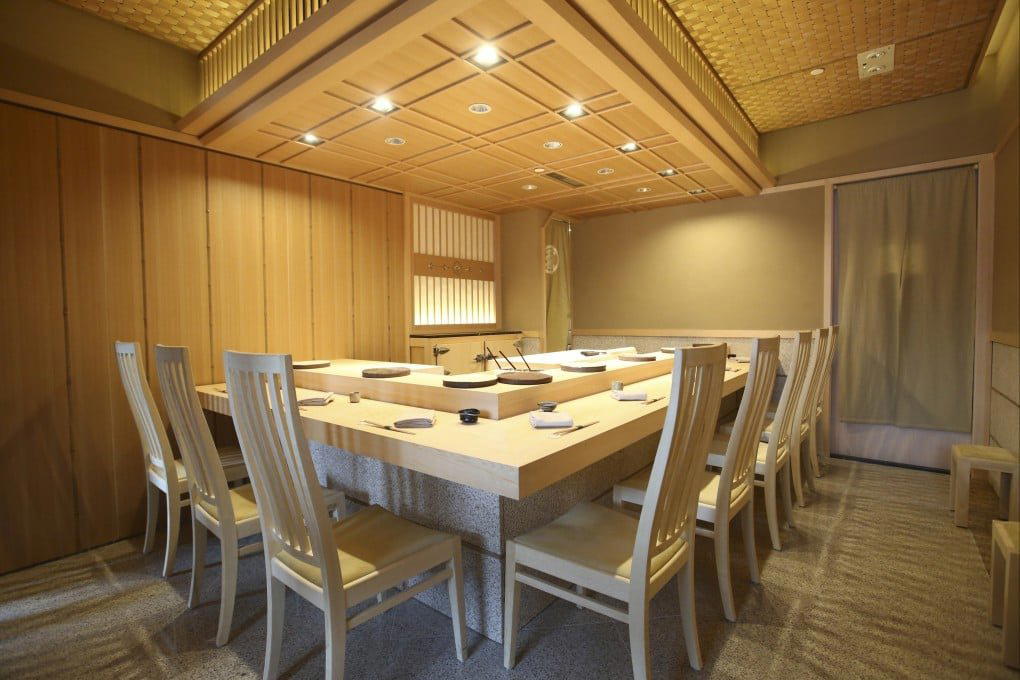
There is a particular kind of Tokyo restaurant that announces itself through restraint. No street-level signage to speak of, a staircase descending to a basement floor in Nishiazabu, and a room that makes its intentions clear through the absence of distraction. JO, at B1F, 2-24-14 Nishiazabu, Minato-ku, belongs to that register. The neighbourhood itself sets expectations: Nishiazabu sits at the quieter, more considered end of Minato-ku's dining corridor, removed from the louder energy of Roppongi and closer in spirit to the precision-led counters of Azabu-Juban. Restaurants in this pocket of the city tend to address a guest who already knows what they want.
The Case for the Single-Protein Tasting Format
Tokyo's premium tasting format has long been dominated by two poles: the omakase sushi counter, where rice and fish define every variable, and the kaiseki progression, where seasonality governs the menu's architecture. A third category has developed more quietly around the single-protein study, in which one ingredient is dissected across multiple preparations to make an argument about range, technique, and understanding. JO operates firmly inside that format, with beef as its text and the prix fixe menu as its structure. For a useful comparison, RyuGin uses seasonal Japanese produce as the connective tissue of its kaiseki progression; JO applies a comparably rigorous logic to a single animal.
The distinction between that approach and a conventional steakhouse is worth stating plainly. A steakhouse asks the diner to choose a cut and a temperature. JO removes that choice and replaces it with an editorial decision: the kitchen determines which cuts appear, in what order, and by what method, building a menu that is, according to the venue's own description, joyously imaginative and well balanced. That framing matters. Imagination inside a tightly constrained format is harder to sustain than imagination across an open menu, and the balance it requires is structural as much as culinary.
Technique as a Form of Translation
The editorial angle that JO occupies, most clearly, is the intersection of imported technique and the specific qualities of Japanese beef. Japan's cattle-rearing traditions, particularly the careful management of fat distribution and the extended finishing periods associated with premium wagyu, produce cuts with characteristics that respond differently to heat than their Western equivalents. The high intramuscular fat content in well-marbled Japanese beef means that conventional high-heat searing approaches used on leaner Western cuts can read as excessive, driving fat out of the meat rather than working with it. JO's menu appears structured to address that specific challenge cut by cut.
Searing the rump locks in flavour, the venue notes, which in the context of a less heavily marbled cut makes technical sense: the rump carries more connective tissue and benefits from surface caramelisation to concentrate its character. The slow-grilled tail, described as fragrant, draws on a preparation logic closer to low-and-slow barbecue traditions, allowing collagen to break down over time. The sirloin served shabu-shabu style, shorn of unnecessary fat, borrows from Japanese hot-pot tradition to handle a cut where fat content is high enough that brief immersion in broth controls richness better than prolonged dry heat. These are not arbitrary contrasts. They reflect a considered reading of what each cut requires.
The Chateaubriand reimagined as a cutlet sandwich is the most pointed statement on the menu. The katsu sando, in its various premium beef iterations, has become a high-visibility format in Tokyo's beef scene over the past decade, moving from casual depachika counters to tasting-menu slots where it signals confidence rather than concession. Framing the Chateaubriand, conventionally a benchmark of French fine dining beef cookery, inside a Japanese sandwich format is a deliberate piece of culinary commentary. It places technique in service of the ingredient rather than prestige hierarchy. For other examples of French training applied to Japanese contexts, L'Effervescence and Sézanne both work in that productive tension, as does Crony, whose innovative French approach has drawn consistent attention in recent seasons.
Where JO Sits in Tokyo's Premium Dining Tier
Nishiazabu's basement counters occupy a specific bracket in Tokyo's dining economy. They are not entry-level; the prix fixe format, the address, and the level of preparation described in JO's menu notes position it alongside restaurants that price against seriousness rather than footfall. For context, the ¥¥¥¥ tier in this part of Tokyo, represented by peers such as Harutaka in the sushi category, tends to mean tasting menus in the upper five-figure yen range, booking windows that open weeks or months in advance, and a service cadence calibrated to a deliberate pace rather than a quick turn.
JO's format, built around beef in the way that an omakase counter is built around fish, gives it a clear identity within a city where differentiation at the premium end requires genuine specificity. Tokyo has French restaurants, kaiseki rooms, and sushi counters in considerable number at this tier. A beef-focused tasting counter with the range and preparation logic JO describes is a narrower category. Restaurants across Japan working within similarly focused single-ingredient frameworks include HAJIME in Osaka, Gion Sasaki in Kyoto, and Goh in Fukuoka, each working within tight conceptual constraints to different effect. Further afield, akordu in Nara, Bleston Court Yukawatan in Nagano, and giueme in Akita show how Japan's regional dining scene applies similarly focused technique to local ingredients. Internationally, the discipline of letting a single protein carry an entire tasting menu is a recognised high-wire act; Le Bernardin in New York has built its identity around the same commitment to fish, while Emeril's in New Orleans demonstrates how technique-led cuisine can maintain a strong sense of place.
Planning a Visit
JO is located in the basement level of 2-24-14 Nishiazabu, Minato-ku, a short walk from the Hiroo or Roppongi exits depending on which subway line you arrive on. The prix fixe format means arriving with the menu already settled; there are no à la carte decisions to make, which simplifies the experience but also means the kitchen's pacing governs the evening rather than the diner's. Given the tier this restaurant occupies and the format it runs, booking well in advance is advisable; counters and small rooms in Nishiazabu at this level do not carry much walk-in capacity, and a single-protein tasting format requires sourcing preparation that cannot absorb last-minute covers at scale. Specific pricing, hours, and booking channels are leading confirmed directly with the venue. For broader planning across the city, our full Tokyo restaurants guide, hotels guide, bars guide, wineries guide, and experiences guide cover the full range of options across the city.
Side-by-Side Snapshot
These are the closest comparables we have in our database for quick context.
| Venue | Cuisine | Price | Awards | Notes |
|---|---|---|---|---|
| JO | The prix fixe menu is joyously imaginative and well balanced. An impressive rang… | This venue | ||
| Harutaka | Sushi | ¥¥¥¥ | Michelin 3 Star | Sushi, ¥¥¥¥ |
| L'Effervescence | French | ¥¥¥¥ | Michelin 3 Star | French, ¥¥¥¥ |
| RyuGin | Kaiseki, Japanese | ¥¥¥¥ | Michelin 3 Star | Kaiseki, Japanese, ¥¥¥¥ |
| HOMMAGE | Innovtive French, French | ¥¥¥¥ | Michelin 2 Star | Innovtive French, French, ¥¥¥¥ |
| Crony | Innovative, French | ¥¥¥¥ | Michelin 2 Star | Innovative, French, ¥¥¥¥ |

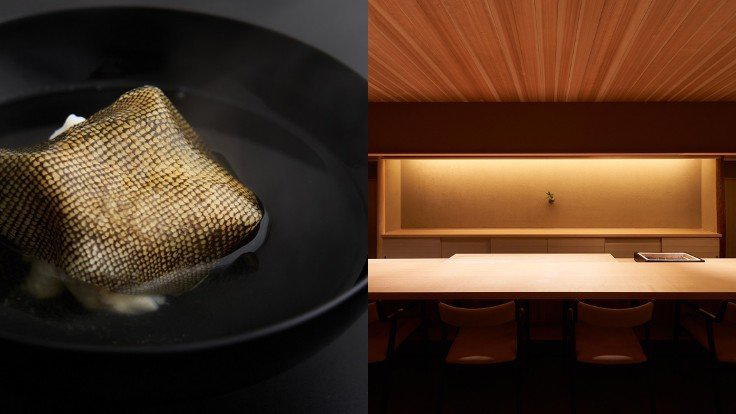
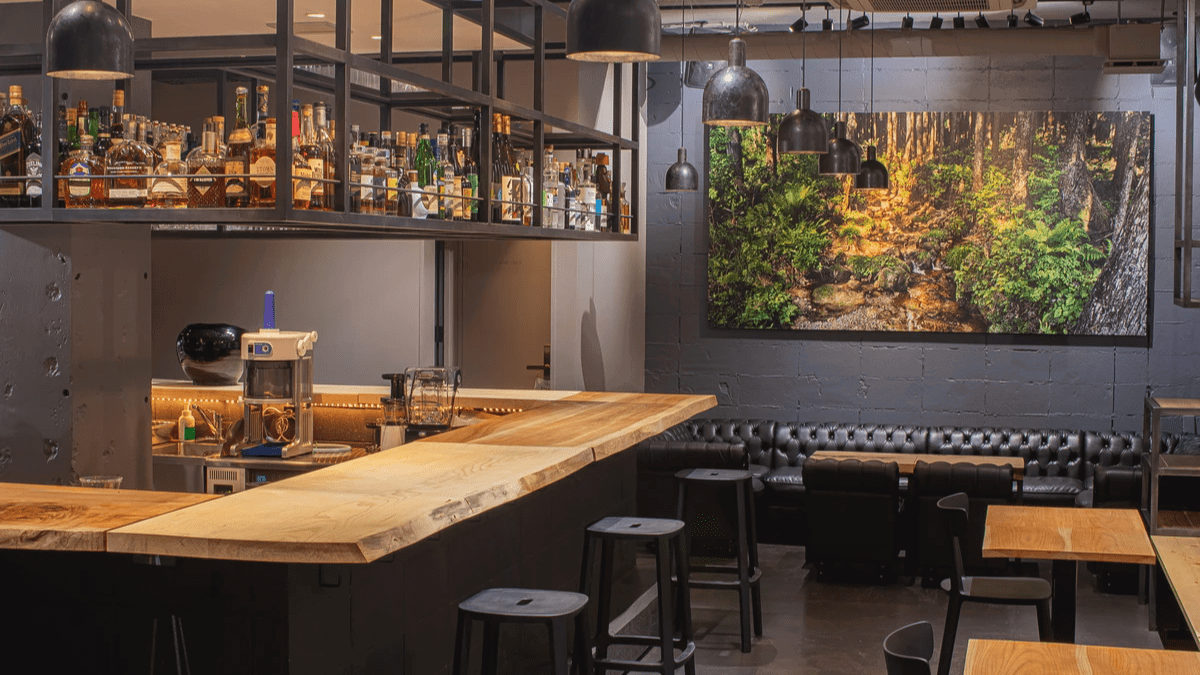
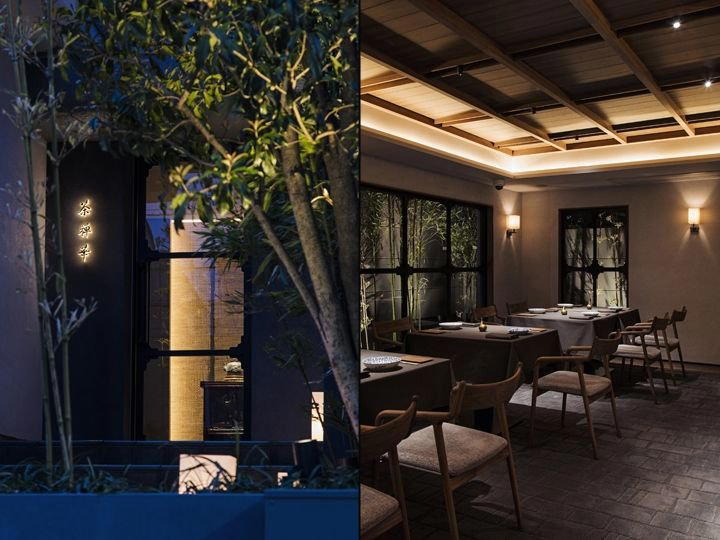







At a Glance
- Intimate
- Elegant
- Sophisticated
- Modern
- Date Night
- Special Occasion
- Business Dinner
- Chefs Counter
- Open Kitchen
- Sake Program
- Extensive Wine List
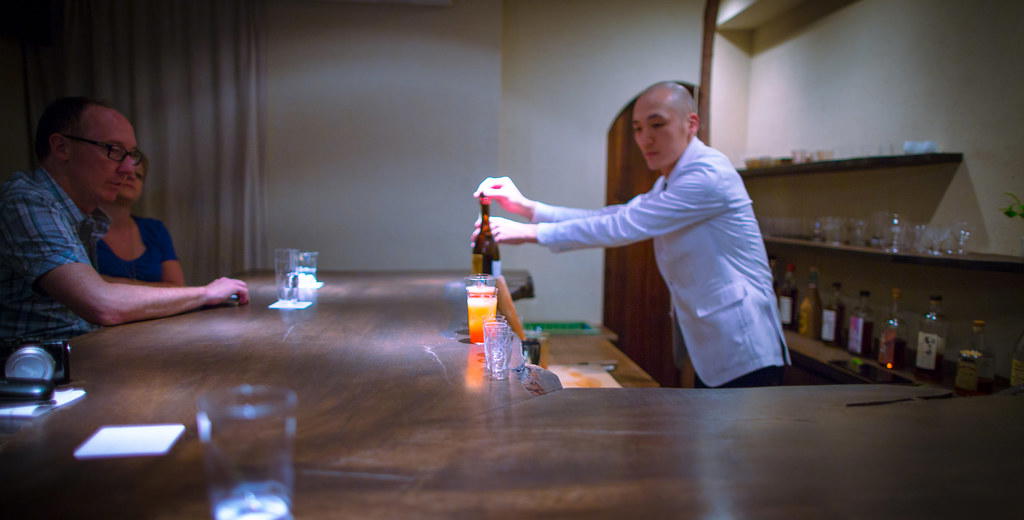
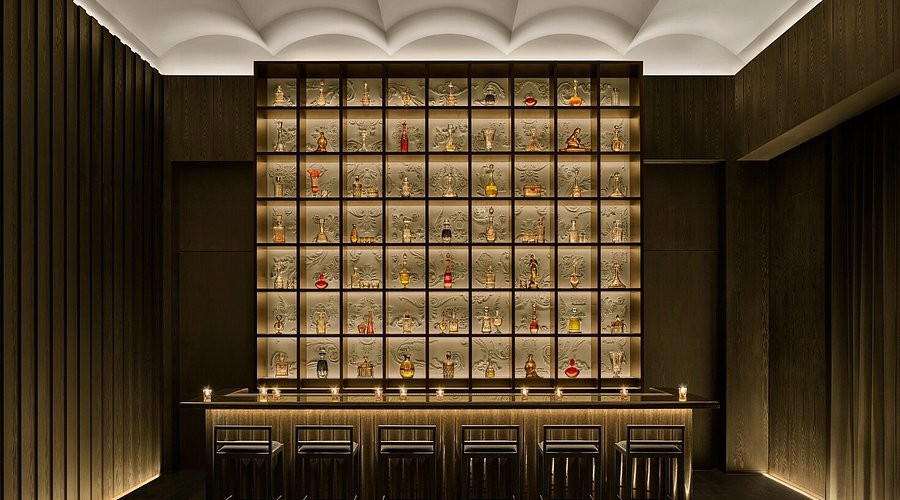
Intimate counter seating with relaxed yet refined atmosphere, warm service, and live cooking preparation.