Google: 4.6 · 244 reviews






A two-Michelin-starred restaurant in Higashi-Azabu, Crony occupies a glass-walled detached house across from a park, where Chef Michihiro Haruta serves prix fixe menus rooted in French technique and a sustainability ethos that extends from suppliers to staff. Ranked 30th on Asia's 50 Best in 2025, it sits among Tokyo's most closely watched fine-dining addresses.
 Discover on Pearl
Pearl is the En Primeur Club membership app — saves, bookings, and concierge access live there. Same editors, same standards.
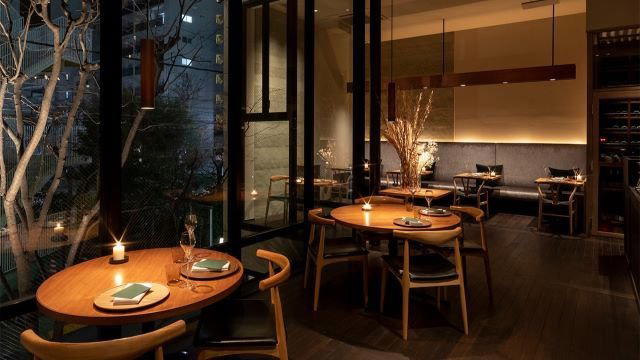
A Glass House Across from the Park
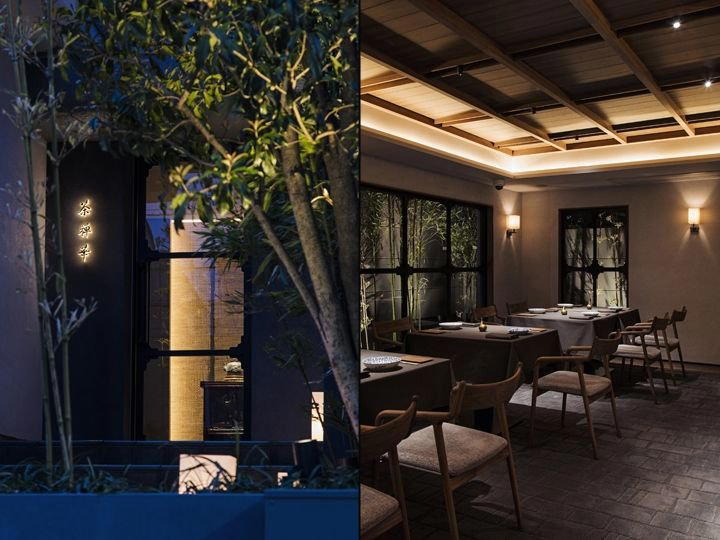
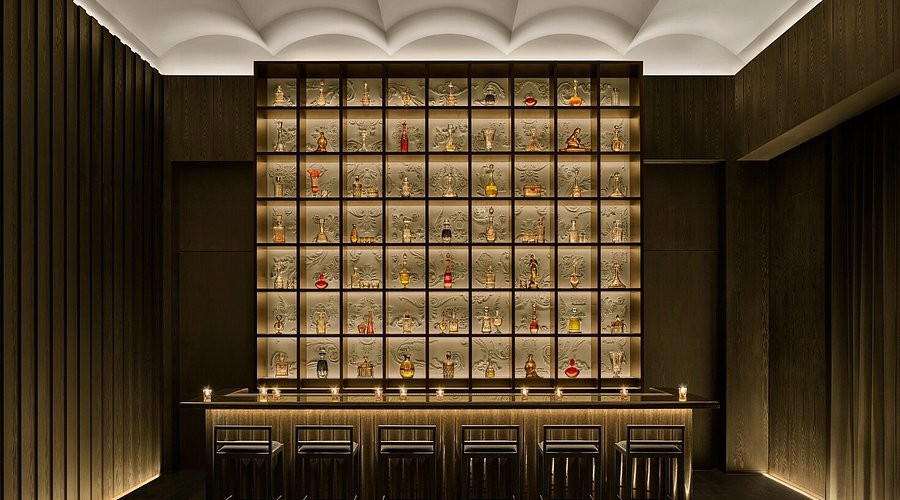
Tokyo's fine-dining rooms tend toward one of two poles: the hushed, low-lit counter buried inside a Ginza tower, or the ryokan-adjacent tatami-and-cedar aesthetic. Crony, located in the residential quiet of Higashi-Azabu, occupies neither. The building is a detached, glass-walled house positioned directly across from a park, its transparency doing the opposite of what most two-Michelin-starred kitchens attempt. Where secrecy and compression are the usual signals of seriousness, the architecture here reads as deliberate openness. You ascend a staircase adjacent to the kitchen, which means the kitchen itself becomes part of the entry sequence, and you reach a dining room with a Scandinavian interior: houseplants, warm wood tones, and a quality of natural light that shifts across a service. The interior has none of the austere minimalism that Tokyo high-end dining sometimes performs as a virtue. It feels, instead, like somewhere a small group of friends might eat well together, which is precisely the register the restaurant's name is meant to invoke.
That design choice, openness over enclosure, is a position. In a city where the black-lacquered shoji screen has become almost a shorthand for premium, a restaurant that shows you the kitchen stairs and fills its rooms with plants is making a statement about what formality is for. The glass-walled format places Crony closer in spirit to certain Nordic dining houses, or to the more relaxed strain of French-influenced fine dining, than to the tightly controlled counter experiences that dominate Tokyo's awards conversation.
The French-Japanese Position in Tokyo's Fine-Dining Map
The category of innovative French cuisine in Tokyo is competitive and internally varied. L'Effervescence operates at the forested, ingredient-narrative end of that spectrum. Sézanne at Four Seasons Marunouchi brings a more classical French lineage with a hotel dining context. Crony sits in a different position: the prix fixe format begins with tea in season, a gesture that anchors the meal in Japanese sensibility before the French technique becomes apparent. The name itself, from a concept meaning a circle of friends who will always drink tea together, signals that the cultural frame is not French-dominant but something more composite. Chef Michihiro Haruta's cooking is described as simple yet original, with vegetables often present in supporting rather than starring roles alongside meat and fish.
What that means in practical terms is a restaurant that has avoided the signature-dish identity many of its peers depend on for recognition. Compared to Den, which has built an internationally legible personality around playfulness and Japanese ingredient wit, or RyuGin, which foregrounds kaiseki's seasonal discipline with high drama, Crony operates in a quieter register. The awards record suggests this restraint has not cost it recognition: two Michelin stars held across 2024 and 2025, a rise from Opinionated About Dining's Highly Recommended in 2023 to 30th on Asia's 50 Best Restaurants in 2025, and a jump from 308th to 227th on OAD's Japan ranking in the same period. That trajectory is the most useful single data point about where the restaurant sits in Tokyo's current fine-dining arc.
Sustainability as a Structural Commitment
Sustainability in restaurant contexts has become a frequently decorative claim, cited in press releases and then visible nowhere in the actual operation. At Crony, the commitment is described as structural rather than ornamental. The sourcing philosophy prioritises local producers, the kitchen operates on a no-food-waste basis, and the ethos extends to the treatment of staff and the relationship with regular suppliers, who are considered part of the same community the restaurant's name invokes. The circle, in the restaurant's framing, includes the kitchen team, the front-of-house staff who bring dishes alongside kitchen staff, the producers, and the guests.
That service arrangement, kitchen and front-of-house staff jointly carrying dishes to the table, is worth noting not as a quirk but as a structural decision that collapses the usual hierarchy between the people who cook and the people who explain. It is a format more common in smaller Scandinavian or natural-wine-adjacent restaurants than in Tokyo's double-Michelin tier, and it reinforces the spatial logic of the room: transparency and collaboration as design values, not just talking points.
For readers interested in how sustainability operates at this level across Japan's dining culture, akordu in Nara applies a related set of principles in a regional context, and Goh in Fukuoka represents a different approach to locally-anchored fine dining in a city outside Tokyo's gravitational pull.
Where Crony Sits in the Tokyo Reservation Hierarchy
At the ¥¥¥¥ price tier with two Michelin stars and a rising Asia's 50 Best ranking, Crony occupies the same competitive bracket as Harutaka in sushi and L'Effervescence in the broader French-influenced category. These are restaurants where forward booking is standard practice and demand has moved well ahead of seat availability. The dining room's residential-scale format, a glass house rather than a ground-floor restaurant, implies a seat count on the smaller end, though no specific figure is confirmed in available data.
The address in Higashi-Azabu places Crony in Minato City, one of Tokyo's more residential and embassy-dense wards, removed from the concentration of high-end dining in Ginza or the density of Roppongi's restaurant cluster. That physical separation from Tokyo's main fine-dining corridors is consistent with the restaurant's broader positioning: a place that has earned its recognition without orienting itself toward the city's most tourist-legible dining geography.
For a broader orientation to what Tokyo's fine-dining scene currently offers, see our full Tokyo restaurants guide. Those planning wider stays in the city will also find useful context in our Tokyo hotels guide, our Tokyo bars guide, and our Tokyo experiences guide.
Japan Fine Dining Beyond Tokyo
The French-influenced fine-dining tradition in Japan extends well beyond the capital. HAJIME in Osaka represents a different strand of the same broad category, with a longer operating history and a distinct regional ingredient vocabulary. Gion Sasaki in Kyoto operates at the kaiseki end of the spectrum, where season and ceremony govern the meal's architecture. For those extending itineraries further, 1000 in Yokohama and 6 in Okinawa represent the range of high-level dining available outside the main urban triangle. Those comparing Crony's innovative French approach to what the format produces in New York will find useful reference points in Le Bernardin and Atomix, two restaurants that have reshaped what fine dining at this price tier means in a non-Japanese context. There is also a flourishing winery culture worth exploring for those pairing their dining itinerary with wine-focused visits; see our Tokyo wineries guide for current options.
Know Before You Go
- Address: 1 Chome-20-3 Higashi-Azabu, Minato City, Tokyo 106-0044, Japan
- Cuisine: Innovative French, prix fixe format
- Price tier: ¥¥¥¥
- Awards: Michelin 2 Stars (2024, 2025); Asia's 50 Best Restaurants #30 (2025); Opinionated About Dining Leading Restaurants in Japan #227 (2025)
- Google rating: 4.6 from 217 reviews
- Booking: Contact the restaurant directly; forward booking is standard at this tier and demand is strong
- Note: The restaurant is a detached glass-walled house, not a ground-floor commercial space; look for the structure adjacent to the park
Awards and Standing
A quick comparison pulled from similar venues we track in the same category.
| Venue | Awards | Cuisine | Notes |
|---|---|---|---|
| Crony | Michelin 2 Stars | Innovative, French | This venue |
| Harutaka | Michelin 3 Star | Sushi | Sushi, ¥¥¥¥ |
| RyuGin | Michelin 3 Star | Kaiseki, Japanese | Kaiseki, Japanese, ¥¥¥¥ |
| L'Effervescence | Michelin 3 Star | French | French, ¥¥¥¥ |
| HOMMAGE | Michelin 2 Star | Innovtive French, French | Innovtive French, French, ¥¥¥¥ |
| MAZ | Michelin 2 Star | Innovative | Innovative, ¥¥¥¥ |




At a Glance
- Intimate
- Cozy
- Minimalist
- Elegant
- Sophisticated
- Date Night
- Special Occasion
- Business Dinner
- Chefs Counter
- Sake Program
- Extensive Wine List
- Local Sourcing
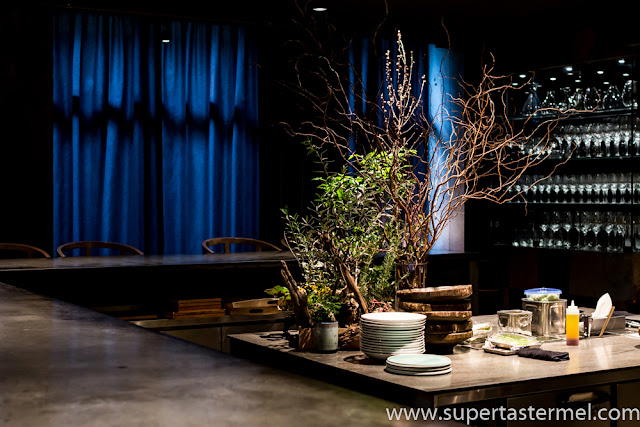
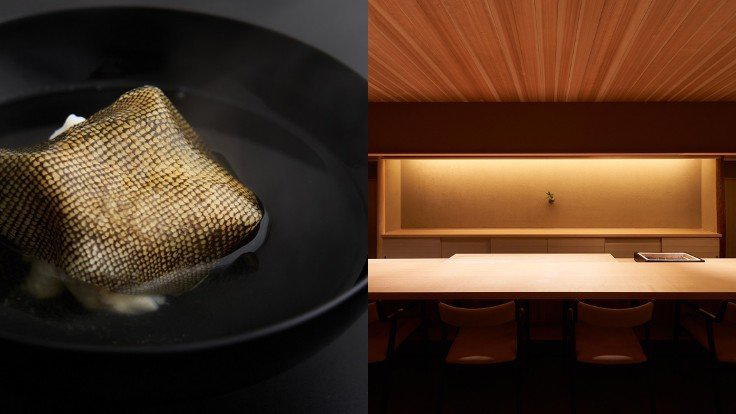
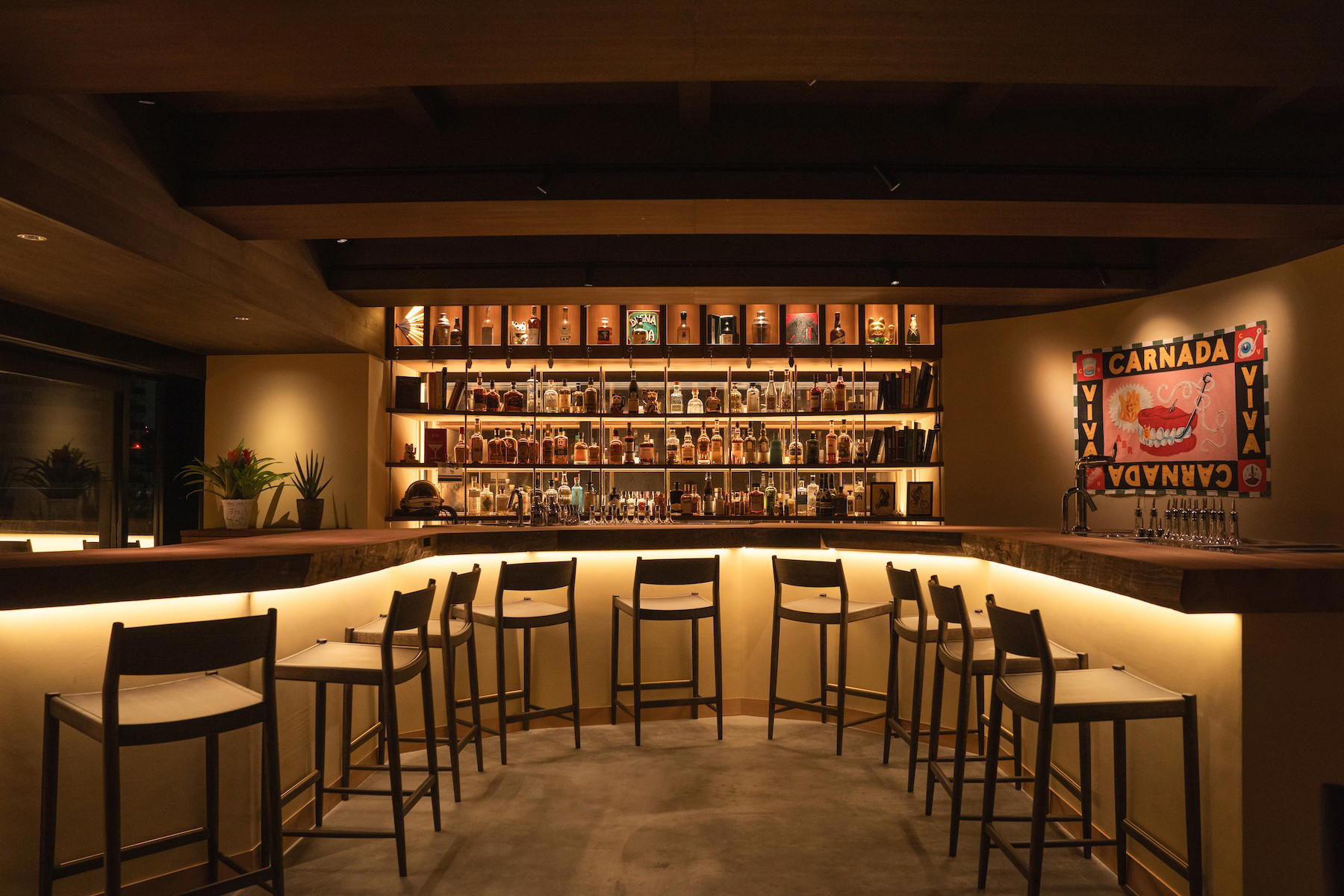
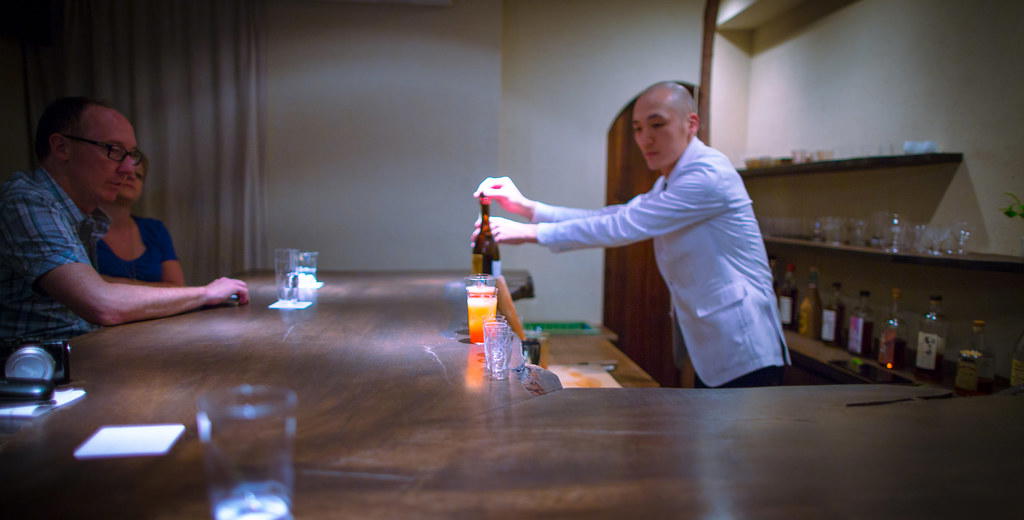
Cozy Scandinavian-style interior with minimalist aesthetic, natural wood accents, soft lighting, and an inviting, refined intimate atmosphere.