
Jia in Chaoyang brings Cantonese cooking to Beijing's Guijie dining corridor at a mid-premium price point, holding a Michelin Plate in both 2024 and 2025. It sits in a different register from the capital's Michelin-starred Chinese rooms, offering the precision of Cantonese technique without the ceremony of a tasting-menu format.
Pearl is the En Primeur Club membership app — saves, bookings, and concierge access live there. Same editors, same standards.
- Address
- 5 Guijie St, Dongzhimen, Dongcheng, Beijing, China, 100007
- Phone
- +86 10 8407 8288
- Website
- nuohotel.com
- Directions
- Get directions
 Saves & bookings on Pearl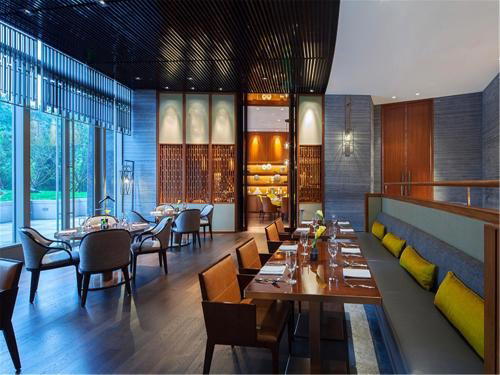
Cantonese in the Capital: What Jia Represents on Beijing's Chinese Dining Spectrum
Beijing's relationship with Cantonese cuisine is a particular one. The capital's own culinary identity runs toward roast duck, thick-sauced lamb, and the savoury assertiveness of northern Chinese cooking. Cantonese food, with its quieter seasoning, longer-cooked stocks, and premium on ingredient freshness, arrives here as a kind of transplant, one that has taken deep root across the city's mid-to-upper dining tier. Jia, on Guijie Street in Dongcheng, sits squarely within that tradition, a restaurant holding a Michelin Plate for two consecutive years (2024 and 2025) and priced at the ¥¥¥ tier, which in Beijing's current market places it above everyday dining but below the full-ceremony tasting rooms clustered in the embassy district and the luxury hotel corridors of the CBD.
Guijie itself is worth contextualising. The street runs through Dongzhimen and has historically been associated with late-night hotpot and the more casual end of Beijing's restaurant culture. A Michelin-recognised Cantonese address on this strip signals something about how the neighbourhood is shifting, premium Chinese cooking is no longer confined to hotel dining rooms or the formal enclaves of Wangfujing. Jia's presence here is part of a broader pattern in which serious Chinese restaurants are appearing in more mixed, less curated surroundings.
The Cantonese Framework: What a Meal Here Should Feel Like
Cantonese dining, at its considered end, follows an internal logic that differs from both the performance-forward tasting menus of contemporary fine dining and the communal abundance of Beijing's own banquet tradition. The movement of a proper Cantonese meal tends to be measured: cooler, texture-led preparations early, building through richer, fat-forward dishes toward something sweet and light at the close. Stock clarity, the treatment of seafood, and the seasoning discipline of the wok are the technical benchmarks against which a Cantonese kitchen is read by those familiar with the tradition.
Michelin's Plate recognition, awarded to Jia in both 2024 and 2025, signals that the kitchen meets a standard of consistent cooking and ingredient care, if not yet the level of distinction that earns a Star. In Beijing's Michelin cohort, that places Jia in a different tier from the two- and three-star Cantonese and regional Chinese rooms. For reference, Lei Garden (Jinbao Tower) operates at a higher recognition level within the capital's Cantonese category. Fu Chun Ju represents Beijing's own formal Chinese dining tradition at a comparable tier. What Jia offers is Cantonese craft at a price point that makes the cuisine accessible without stripping out the technique.
Reading the Meal: A Progression Through Cantonese Logic
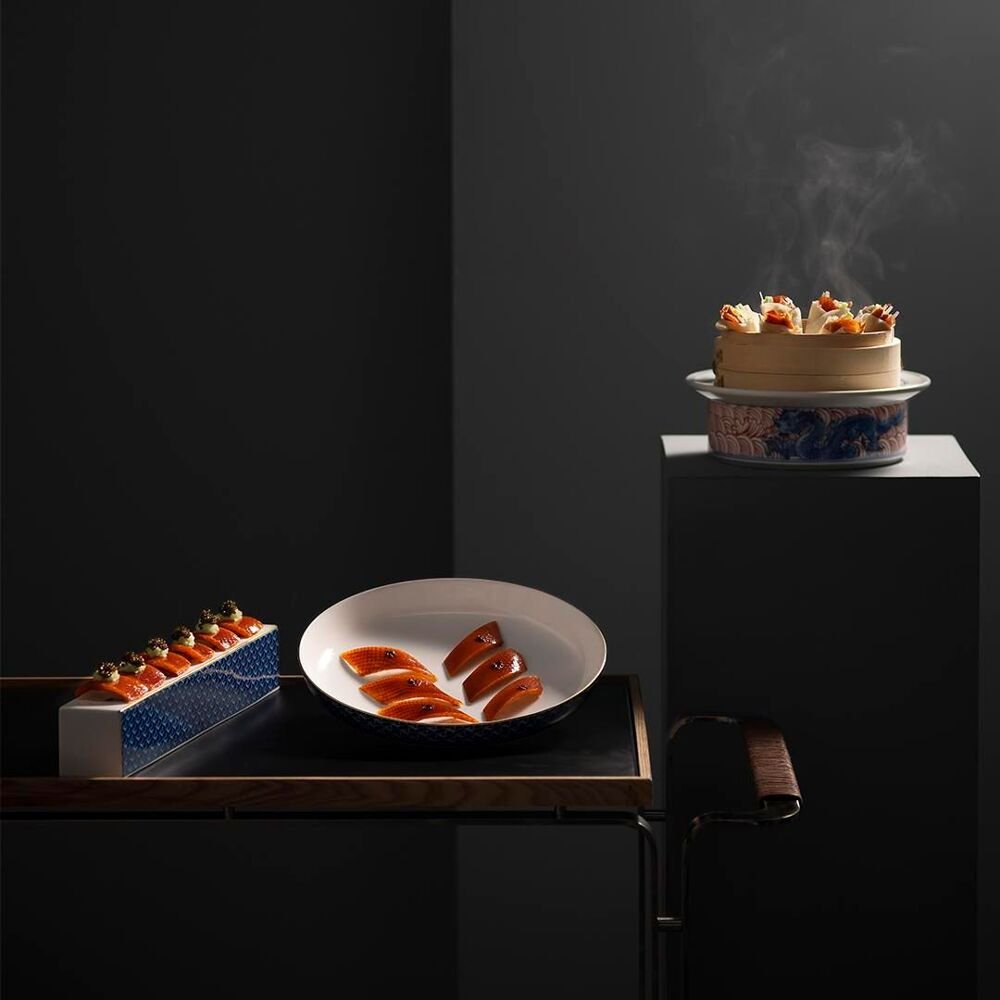
Approaching a meal at Jia with some understanding of how Cantonese sequencing works changes the experience considerably. The opening of a Cantonese meal typically involves cold preparations, roasted meats, or delicate steamed items, dishes designed to read clean and precise before the kitchen introduces richer sauces and longer-cooked proteins. Dim sum, where offered in an evening context, tends to appear as punctuation rather than prologue. The middle of the meal is where the wok work concentrates: stir-fries, braised dishes, seafood prepared to order.
At the ¥¥¥ price register, the expectation is that this sequencing holds and that the kitchen is sourcing at a level that makes ingredient quality a legible part of the meal rather than an afterthought. For those building a comparative sense of Cantonese cooking across mainland China, Xin Rong Ji in Chengdu and Ru Yuan in Hangzhou illustrate how the Cantonese template adapts to different regional contexts and expectations.
The close of a Cantonese meal carries its own logic: dessert soups, chilled sweet preparations, or pastry-adjacent items that move the palate back to neutral. At a recognised address, this final phase receives the same attention as the dishes preceding it. Treating it as optional, as many diners at non-specialist restaurants do, misses one of the more distinctive structural elements of the cuisine.
Cantonese in Beijing Against a Broader Chinese Restaurant Field
Beijing's Michelin-recognised Chinese dining field spans several distinct regional traditions. The starred rooms at the higher end, including three-star addresses and two-star entries like The House of Dynasties and Zijin Mansion, tend to occupy hotel spaces or purpose-built formal environments. Jia's mid-premium position at ¥¥¥ sits closer to the more neighbourhood-accessible tier, alongside addresses like The Beijing Kitchen (Jianguo Road), which takes a different culinary direction entirely.
For Cantonese cooking specifically, the reference points that define what the cuisine can achieve at its highest expression tend to be found in Hong Kong and Macau rather than Beijing. Forum in Hong Kong and Jade Dragon in Macau represent stronger examples from that particular register, with long records of Michelin recognition and a competitive comparable set that Beijing's Cantonese category is still building toward. Mainland addresses like Imperial Treasure Fine Chinese Cuisine in Guangzhou, Dai Yuet Heen in Nanjing, and Chef Tam's Seasons in Macau provide further reference points for how Cantonese technique travels across different Chinese cities. 102 House in Shanghai shows a different trajectory for premium Chinese dining in a comparable tier city.
Within Beijing itself, the practical question for a visitor choosing between the mid-premium Cantonese tier and the city's starred rooms often comes down to format preference: shared tables and à la carte ordering versus the more structured, higher-spend environment of a set-menu address. Jia's positioning suggests the former, which suits groups eating together rather than individuals working through a prescribed sequence alone.
Planning a Visit: What to Know Before You Go
Jia sits at 5 Guijie Street in the Dongzhimen area of Dongcheng, a district well-served by the Beijing subway and within reasonable reach of the main tourist corridors of the Second Ring Road. The Guijie location means the immediate surroundings are livelier than the hushed environs of a hotel restaurant; arriving by taxi or rideshare is direct from most central Beijing addresses. The ¥¥¥ pricing positions a meal here above casual dining but below the commitment required at a full tasting-menu address, and Cantonese meals are structured around sharing, which makes group visits natural. Booking ahead on weekend evenings is advisable given the neighbourhood's general foot traffic.
The Essentials
Comparable venues nearby, for context on price, style, and recognition.
| Venue | Cuisine | Price | Notes |
|---|---|---|---|
| Jia (Chaoyang)This venue — the venue you are viewing | Dongzhimen, Cantonese | $$$ | Not listed |
| Huai Xiang Guo Se | Not listed | $$$ | Beixinqiao, Traditional Huaiyang Fine Dining |
| Yu De Fu (Dongzhimennei Street) | Not listed | $$$ | Chaowai, Traditional Beijing Instant-Boiled Mutton Hotpot |
| Horizon | Chaoyang, Cantonese & Peking Duck | $$$ | Not listed |
| Chu Shan Si Ji | Chuiyangliu, Authentic Hubei Cuisine | $$$$ | Not listed |
| Mansion Xún | Not listed | $$$$ | Shuiduizi, Jiangsu-Zhejiang Private Cuisine |
Recognition history
Dated appearances from independent guides and award organizations, with the underlying list record or original source where available.
Michelin Plate
Michelin
Michelin Plate
Michelin


At a Glance
- Elegant
- Sophisticated
- Business Dinner
- Special Occasion
- Hotel Restaurant
Current opening hours
- Monday
- 11 AM–10 PM
- Tuesday
- 11 AM–10 PM
- Wednesday
- 11 AM–10 PM
- Thursday
- 11 AM–10 PM
- Friday
- 11 AM–10 PM
- Saturday
- 11 AM–10 PM
- Sunday
- 11 AM–10 PM
Hours can change for holidays and private events. Last verified .
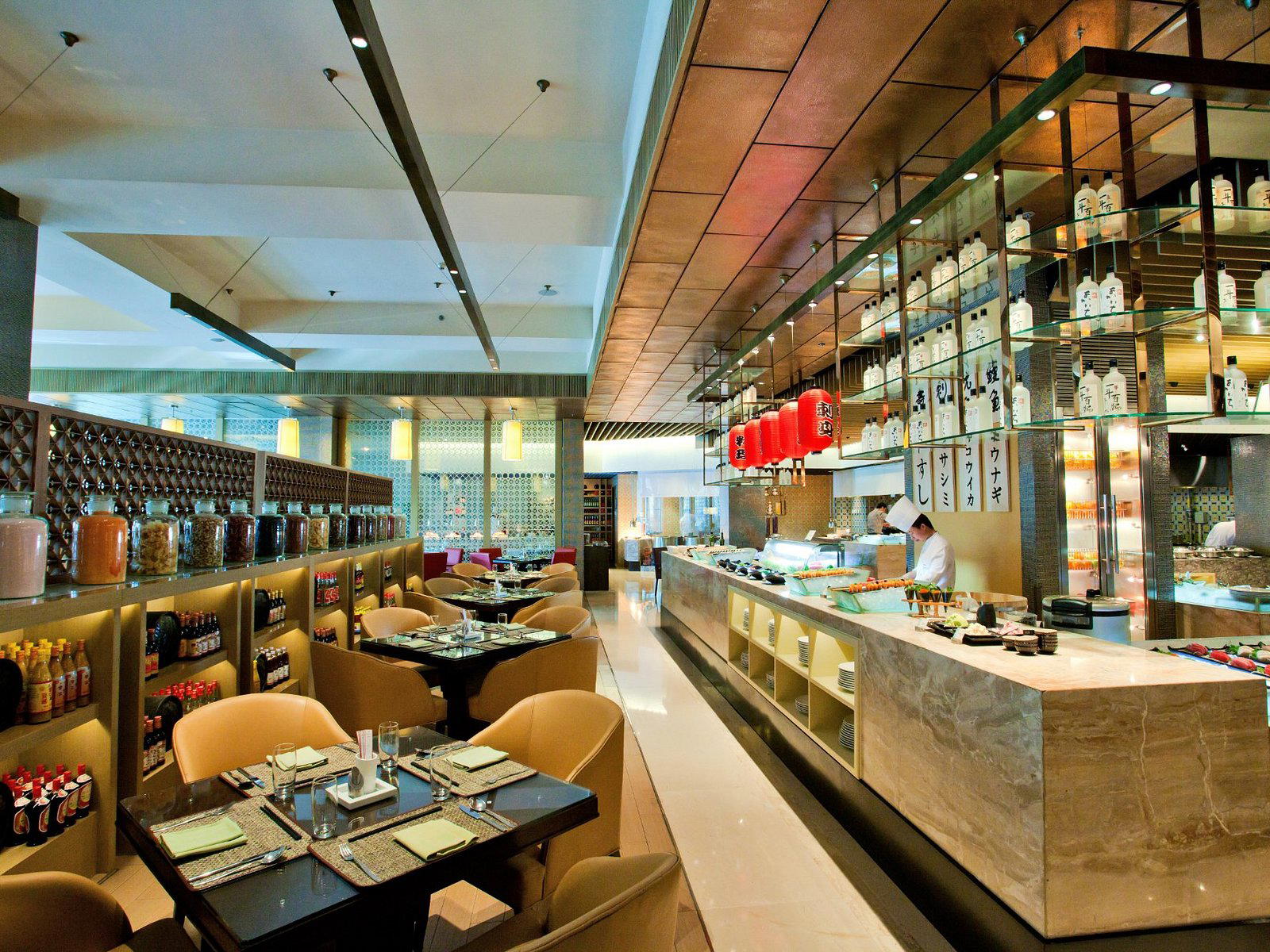
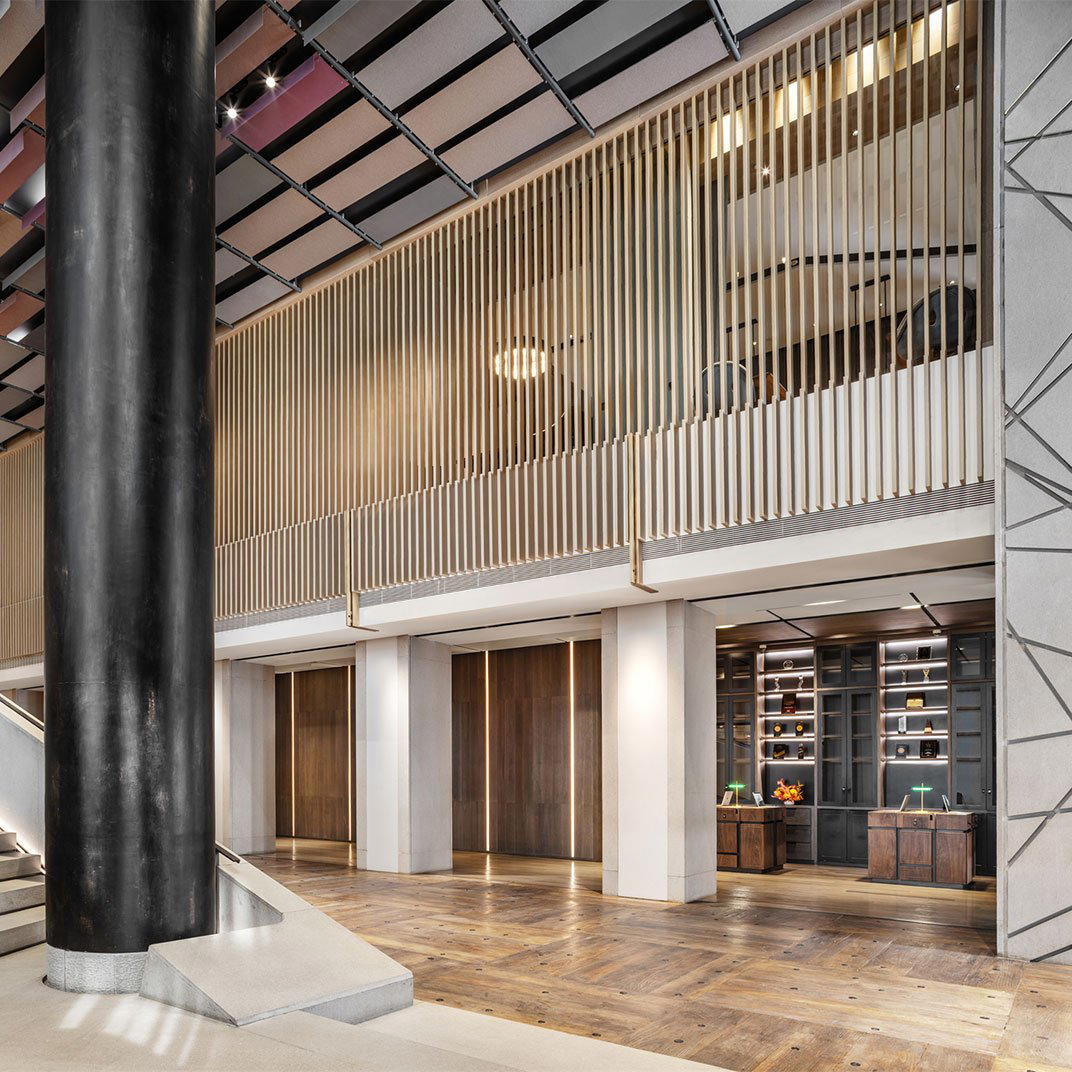
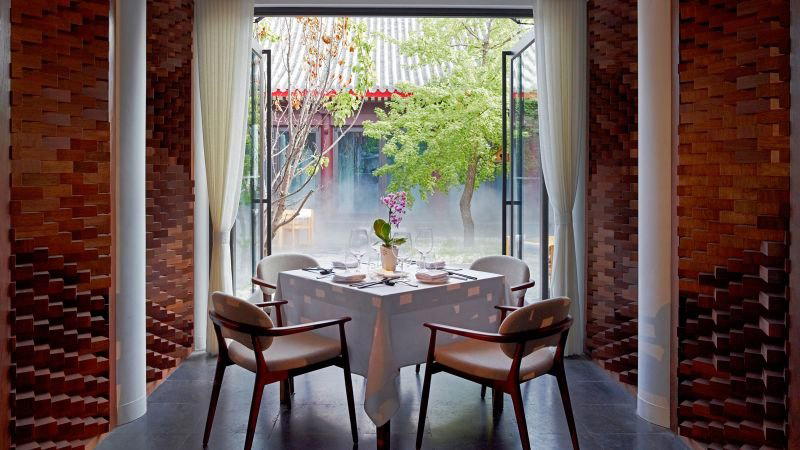
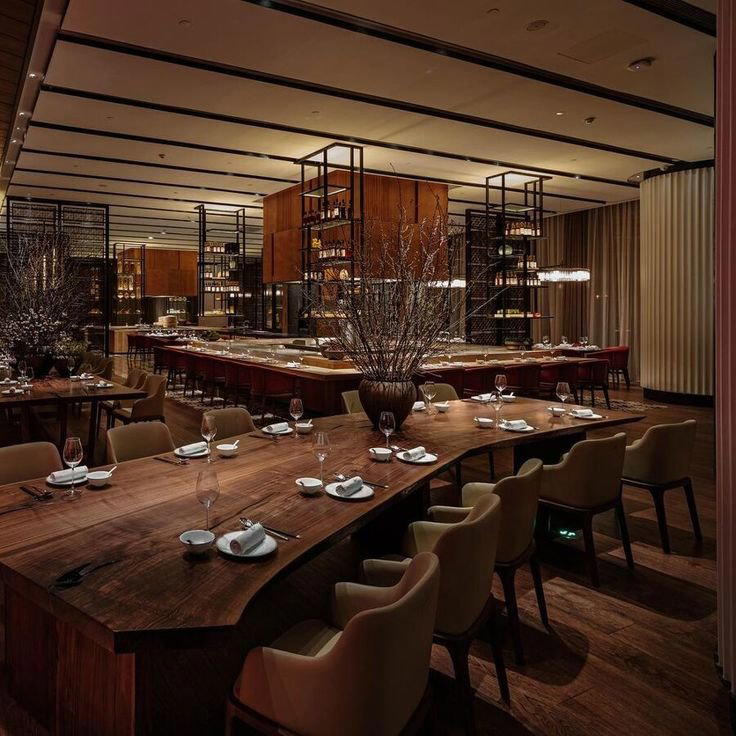
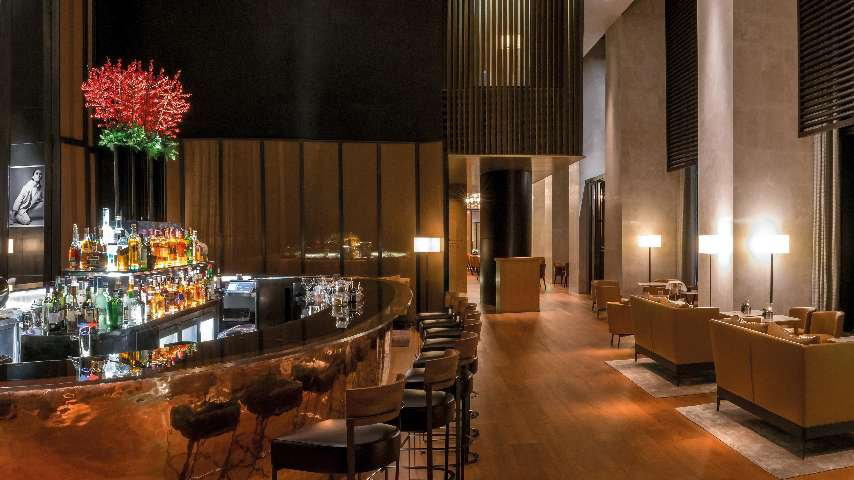
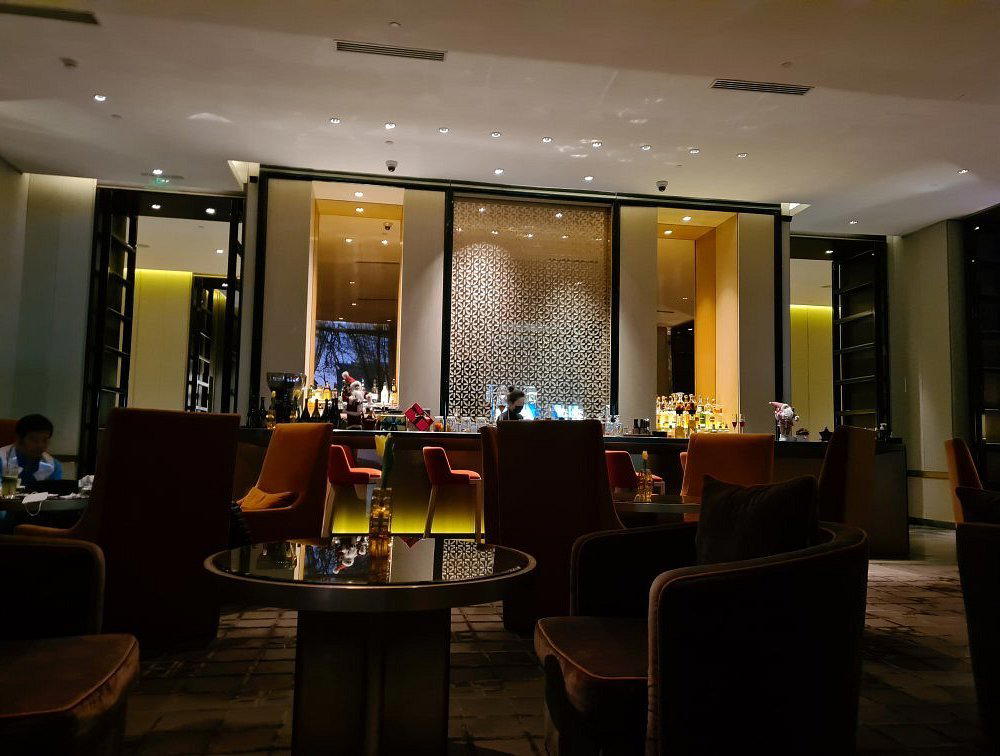
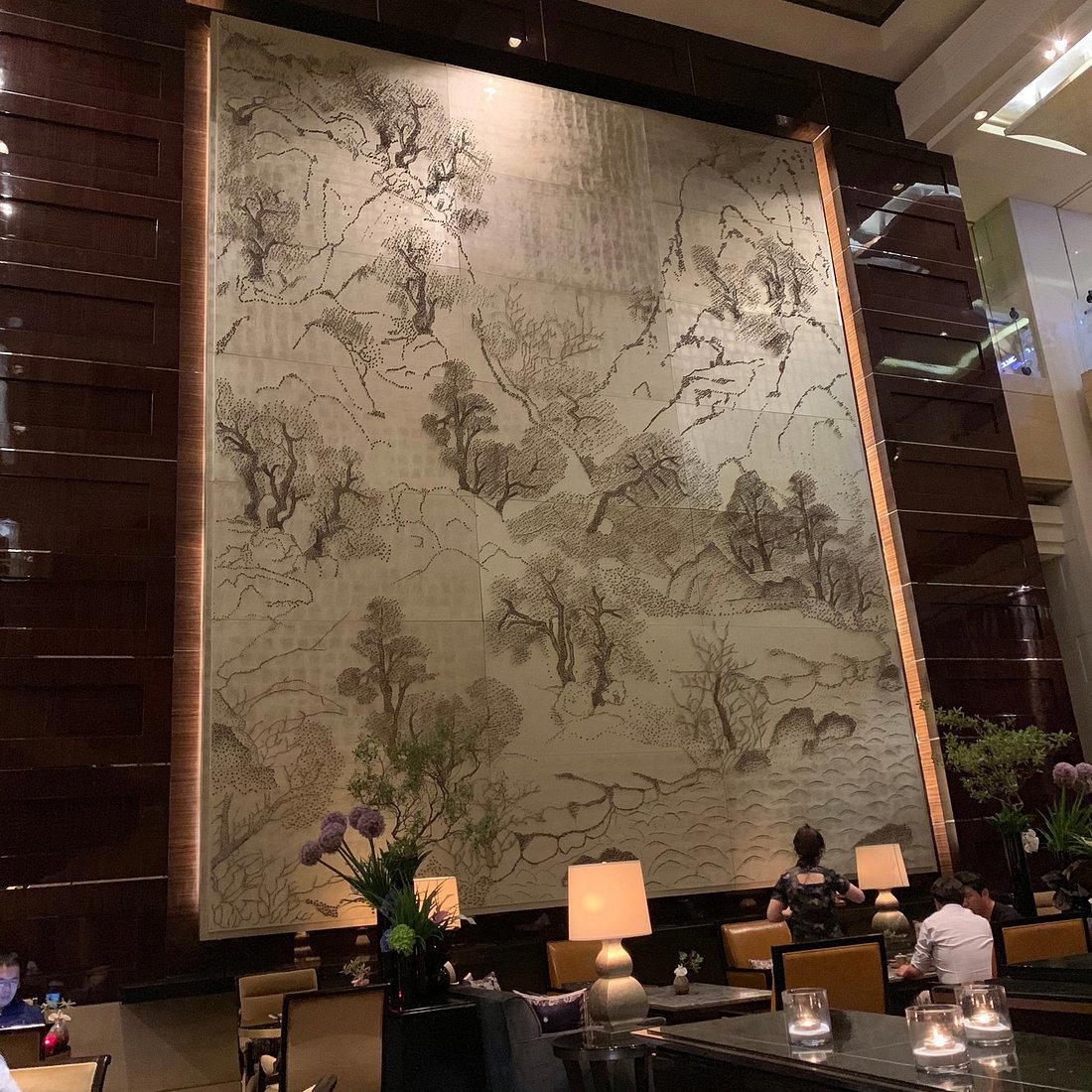
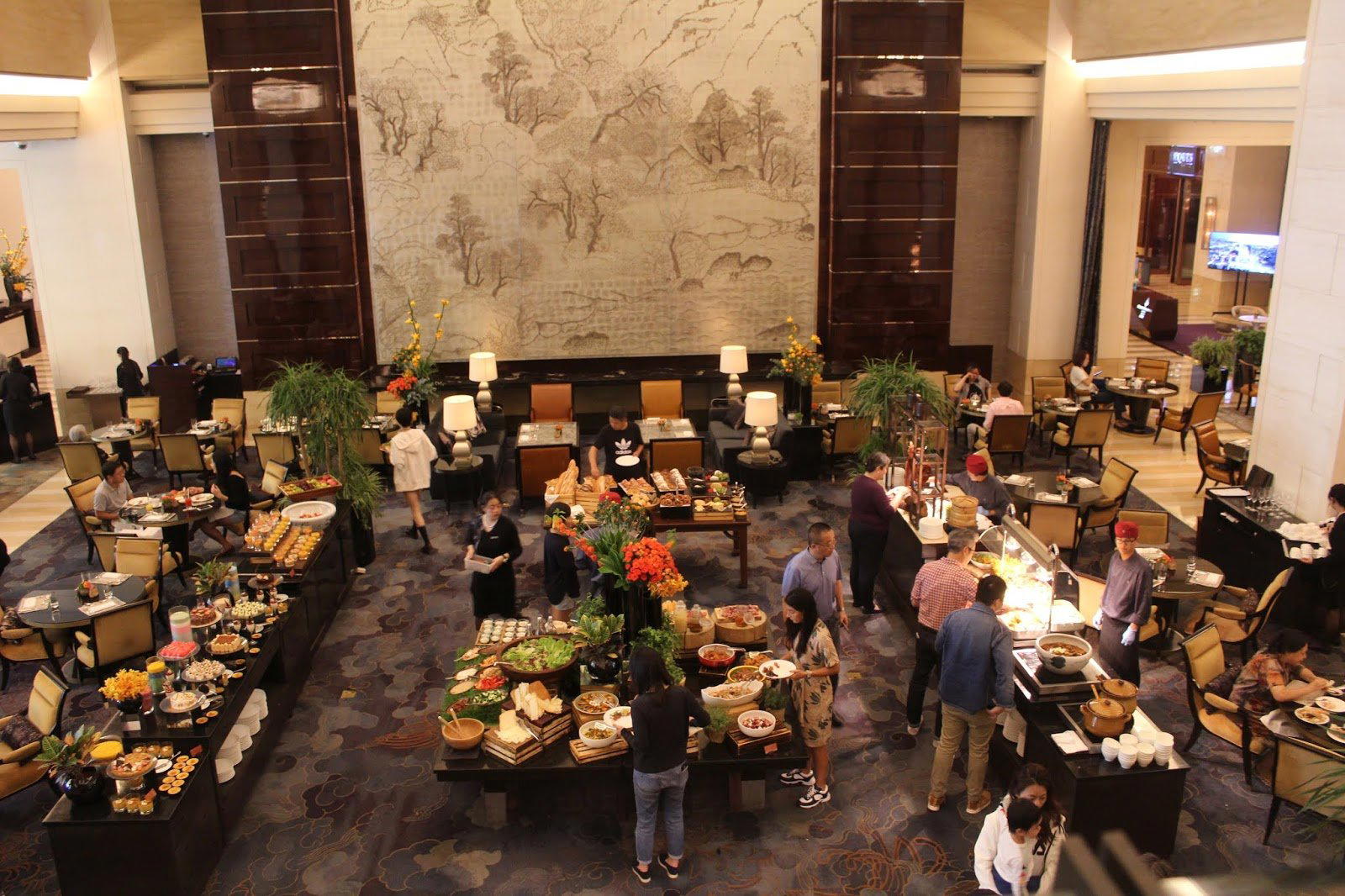
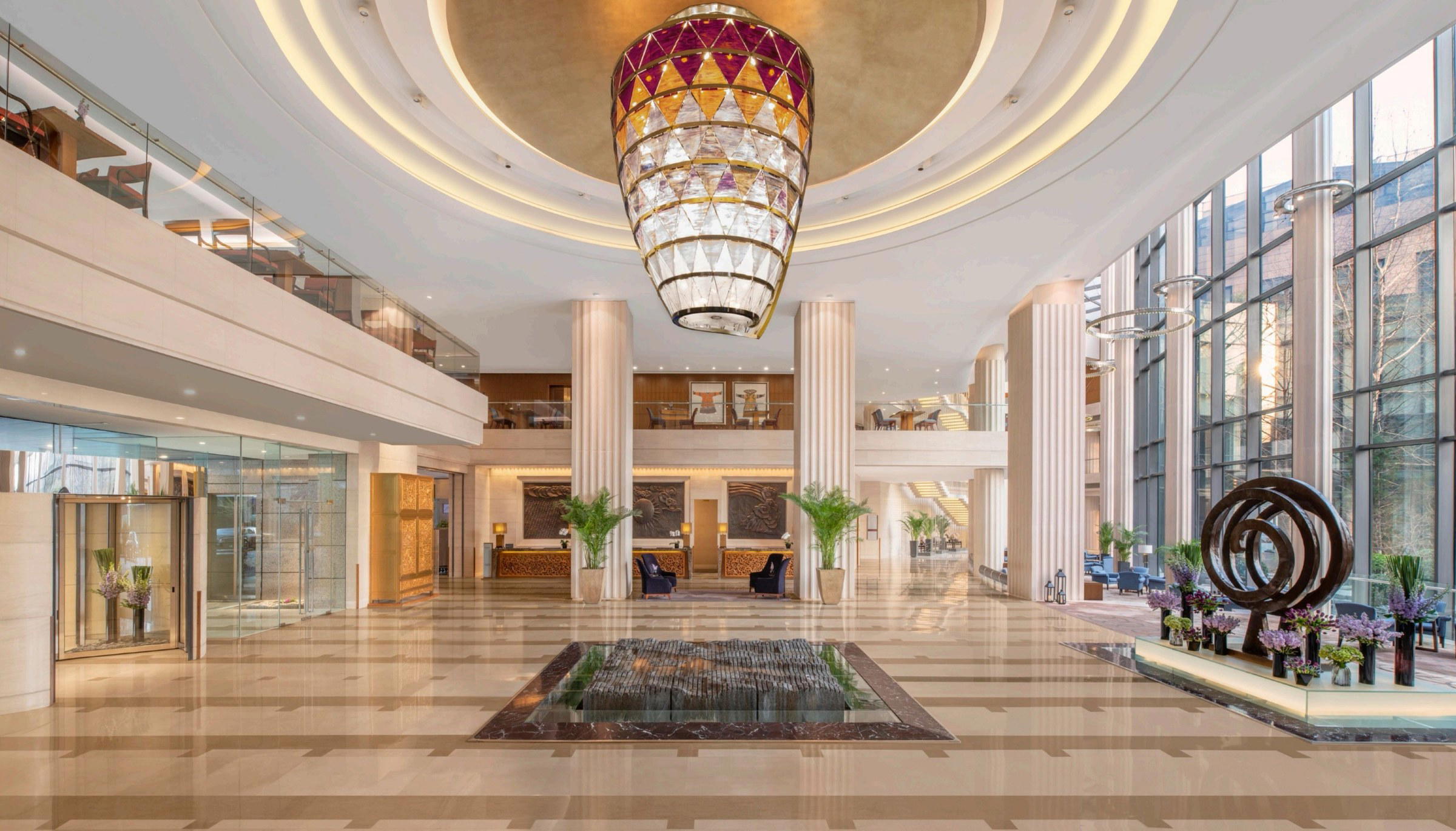
High-ceilinged room with chandeliers, ink murals, and carved wood windows creating an elegant atmosphere.