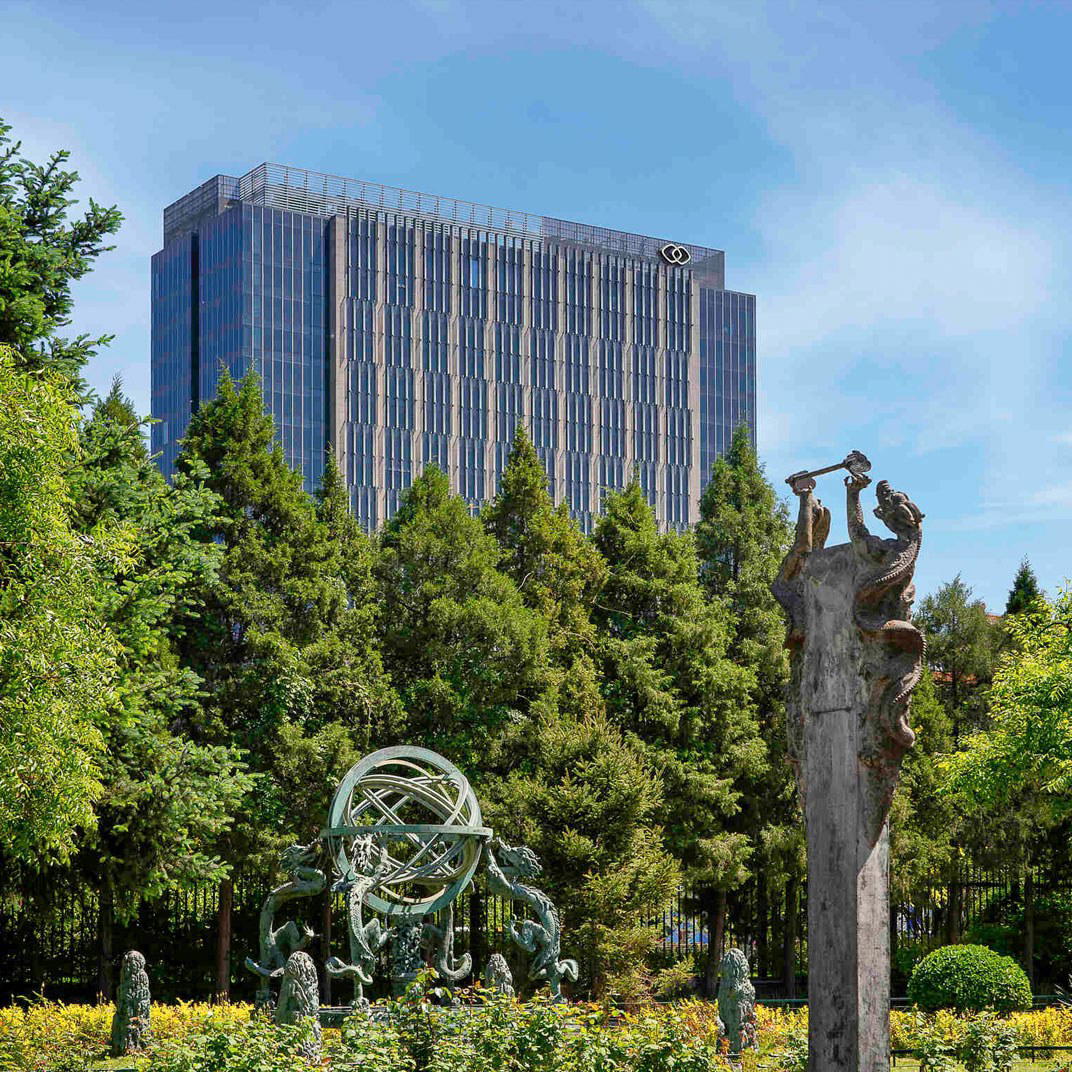

Michelin Plate · Black Pearl 1 Diamond
Our verdict
Chu Shan Si Ji brings Hubei cuisine to Beijing's Chaoyang district with enough seriousness to earn consecutive Michelin Plate recognition in 2024 and 2025, alongside a Black Pearl 1 Diamond in 2025. Positioned at the mid-to-upper price tier, it represents a rare dedicated showcase for central Chinese cooking in a city dominated by Cantonese and Beijing-style dining rooms.

Pearl is the En Primeur Club membership app, where members save venues, book tables and use the concierge.
The menu
What to order
- River Catfish in Pickled Chili Broth
- Spicy Fish Maw with Aromatic Offal
- Lotus-Root–Stuffed Pork with Hubei Rice Flour
- Lamb-and-Fish Stew
Hubei in Beijing: Why Central Chinese Cooking Is Worth Your Attention
Beijing's recognized dining scene tilts heavily toward its own imperial traditions, high-end Cantonese, and the kind of coastal Chinese cooking, Taizhou, Chaozhou, that has found a receptive audience among the capital's expense-account crowd. Venues like Xin Rong Ji (Xinyuan South Road) and Chao Shang Chao (Chaoyang) have both earned three Michelin stars in this city, representing coastal and southern Chinese traditions at the highest formal tier. Against that backdrop, Hubei cuisine, the cooking of China's central lake province, occupies a smaller, less celebrated niche. That relative obscurity is precisely what makes a dedicated Hubei room worth examining.
Chu Shan Si Ji, on East 3rd Ring Middle Road in Chaoyang, is one of the few Beijing restaurants that has staked its identity firmly on Hubei cooking and received formal recognition for it: a Michelin Plate in both 2024 and 2025, plus a Black Pearl 1 Diamond in 2025. These are not the top tier of Beijing's award rankings, Chao Shang Chao and Xin Rong Ji sit well above at three stars each, but consecutive Michelin Plate acknowledgment signals a kitchen operating with consistency and a point of view that the guide's inspectors find worth noting year on year.
The Ingredient Logic of Hubei Cooking
Hubei province is defined by water. The Yangtze River and its tributaries, Dongting Lake, and the network of smaller lakes and wetlands that give the region its nickname, the "Province of a Thousand Lakes", shape both its agriculture and its cooking. Freshwater fish, lotus root, water chestnuts, and field-grown greens are the primary building blocks of a cuisine that prioritizes clean, lacustrine flavors over the numbing heat of Sichuan or the oyster-sauce richness of Cantonese tradition.
That sourcing logic matters to understanding what a Hubei kitchen is doing. Where a high-end Cantonese room in Beijing, say, Hong Fan Qie, might anchor its identity around premium seafood sourced from coastal waters, a serious Hubei kitchen is negotiating a different supply chain: freshwater species from inland waterways, lotus root from Hubei's flood plains, preserved and fermented ingredients that encode the province's pickling traditions. In Beijing, replicating that supply chain with any fidelity requires deliberate sourcing relationships that extend back to the province itself.
The Black Pearl Guide, which runs its own independent recognition system alongside the Michelin Guide in China, awarded Chu Shan Si Ji a 1 Diamond rating in 2025. The Black Pearl system is notable for weighting Chinese culinary traditions specifically, using a separate evaluative lens from Michelin's European-origin framework. A 1 Diamond in that system, alongside a Michelin Plate, suggests the kitchen is landing with inspectors from both evaluation methodologies, a useful cross-check for a cuisine type that sits outside the mainstream of Beijing's prestige dining circuit.
Chaoyang Placement and What It Signals
The address, 61 East 3rd Ring Middle Road, directly opposite the KTV chain Melody, places Chu Shan Si Ji in the commercial fabric of eastern Chaoyang rather than in any of the district's more curated dining enclaves. This part of the third ring road is dense, functional, and heavily trafficked. It is not the setting of a destination-restaurant showcase. That positioning is worth reading accurately: it suggests a room that earns its recognition through the cooking rather than through a designed environment or a prestigious address.
For context, other recognized Beijing restaurants occupying this price tier include venues like Jingyi (Liulichang East Street) and Lamdre, the latter a Michelin-starred vegetarian room at a higher price point. Chu Shan Si Ji's ¥¥¥ pricing places it in the mid-to-upper range without reaching the ¥¥¥¥ bracket occupied by Beijing's three-star rooms.
Regional Cooking in a Capital City Context
The challenge for any regional Chinese kitchen operating in Beijing is the audience. Diners in the capital include a substantial population of domestic transplants from every province, but the dining-out culture skews toward prestige formats: Cantonese, Sichuan, and Beijing cuisine hold the most institutional recognition. Hubei cooking, despite being the home cuisine of a province of 58 million people and the city of Wuhan, remains structurally underrepresented in Beijing's formal dining tier.
That gap has begun to narrow as the Michelin and Black Pearl guides have expanded their coverage of Chinese regional traditions. Across China, a broader trend is visible: regional cuisines that once circulated only at canteen or family-restaurant level are now finding formal expression in rooms with serious kitchens and credentialed recognition. Ru Yuan in Hangzhou demonstrates what this looks like for Zhejiang cooking; 102 House in Shanghai charts a similar trajectory in a different regional register. Chu Shan Si Ji is participating in that same movement, staking a claim for Hubei cooking within Beijing's formal recognition infrastructure.
For readers planning a wider circuit of Beijing's dining scene, the city's full range of recognized restaurants, from the three-star coastal rooms to mid-tier regional specialists like this one, is mapped in our full Beijing restaurants guide. The capital's offer also extends well beyond dining: our full Beijing hotels guide, bars guide, and experiences guide cover the broader picture, and our wineries guide addresses the growing interest in Chinese wine pairing at this tier.
Planning a Visit
Chu Shan Si Ji sits on East 3rd Ring Middle Road in Chaoyang, opposite the Melody KTV venue at number 61, a useful visual landmark in a stretch of road where street-level signage competes heavily. The ¥¥¥ price range positions it below the city's most expensive recognized rooms and within reach of a dinner budget that wouldn't strain a standard business-trip expense account. For restaurants in Beijing's recognized mid-tier, reservations are advisable on weekend evenings, particularly for a kitchen with this level of dual-guide recognition in a cuisine category that attracts a specialist audience.
For comparison across China's broader fine-dining circuit, Chef Tam's Seasons in Macau, Imperial Treasure Fine Chinese Cuisine in Guangzhou, and Dai Yuet Heen in Nanjing illustrate how regional Chinese cooking is being formalized at different price points and recognition tiers across the country. Internationally, the contrast with format-driven Western fine dining, Le Bernardin in New York City or Atomix in New York City, underscores how differently Chinese regional cuisine constructs its case for seriousness: through ingredient fidelity and tradition rather than through tasting-menu architecture.
Frequently asked questions
Where is Chu Shan Si Ji located?
Chu Shan Si Ji is located at China, Beijing, Chaoyang, 61, E 3rd Ring Middle Rd, 61号麦乐迪对面 邮政编码: 100020, Beijing.
What's the pricing like at Chu Shan Si Ji?
Pricing at Chu Shan Si Ji is listed as ¥¥¥.
Does Chu Shan Si Ji have a Michelin star or similar recognition?
Chu Shan Si Ji has received recognition including: Michelin Plate (2025); Black Pearl 1 Diamond (2025); Michelin Plate (2024).
What's the must-try dish at Chu Shan Si Ji?
The kitchen's identity is built around freshwater ingredients native to Hubei province, the Yangtze River basin, Dongting Lake, and surrounding wetlands define what ends up on the plate. The Michelin Plate and Black Pearl 1 Diamond recognition in 2025 both point toward the freshwater-focused menu as the reason to visit.
Pricing, Compared
A quick peer reference to anchor this venue in its category.
| Venue | Cuisine | Price | Awards | Notes |
|---|---|---|---|---|
| Chu Shan Si JiThis venue (the venue you are viewing) | Authentic Hubei Cuisine | Not listed | Michelin Plate · Black Pearl 1 Diamond | Not listed |
| Jing | Modern French with Asian Influences | $300–500 | 1 Michelin Star · Black Pearl 1 Diamond | French Contemporary |
| Xin Rong Ji (Xinyuan South Road) | Taizhou Chinese Fine Dining | $300–500 | 3 Michelin Stars · World's 50 Best #84 | Taizhou |
| Chao Shang Chao (Chaoyang) | Modern Teochew (Chaoshan) Fine Dining | $200–300 | Michelin Plate · La Liste Top Restaurants | Chao Zhou |
| Lamdre | Modern Plant-Based Chinese Vegetarian | Not listed | 2 Michelin Stars · World's 50 Best #17 | Vegetarian |
| Jingji | Imperial Beijing Royal Cuisine | $200–300 | 2 Michelin Stars · La Liste Top Restaurants | Beijing Cuisine |
Recognition history
Dated appearances from independent guides and award organizations, with the underlying list record or original source where available.
Michelin Plate
Michelin
Black Pearl 1 Diamond
Black Pearl
Full recognition history (4 entries)
Black Pearl 1 Diamond
Black Pearl
Michelin Plate
Michelin