Jack's Steak House serves Okinawan Yoshoku Steakhouse fare in Okinawa, with tenderloin steak and taco rice suited to dinner or late-night plans.

Pearl is the En Primeur Club membership app — saves, bookings, and concierge access live there. Same editors, same standards.
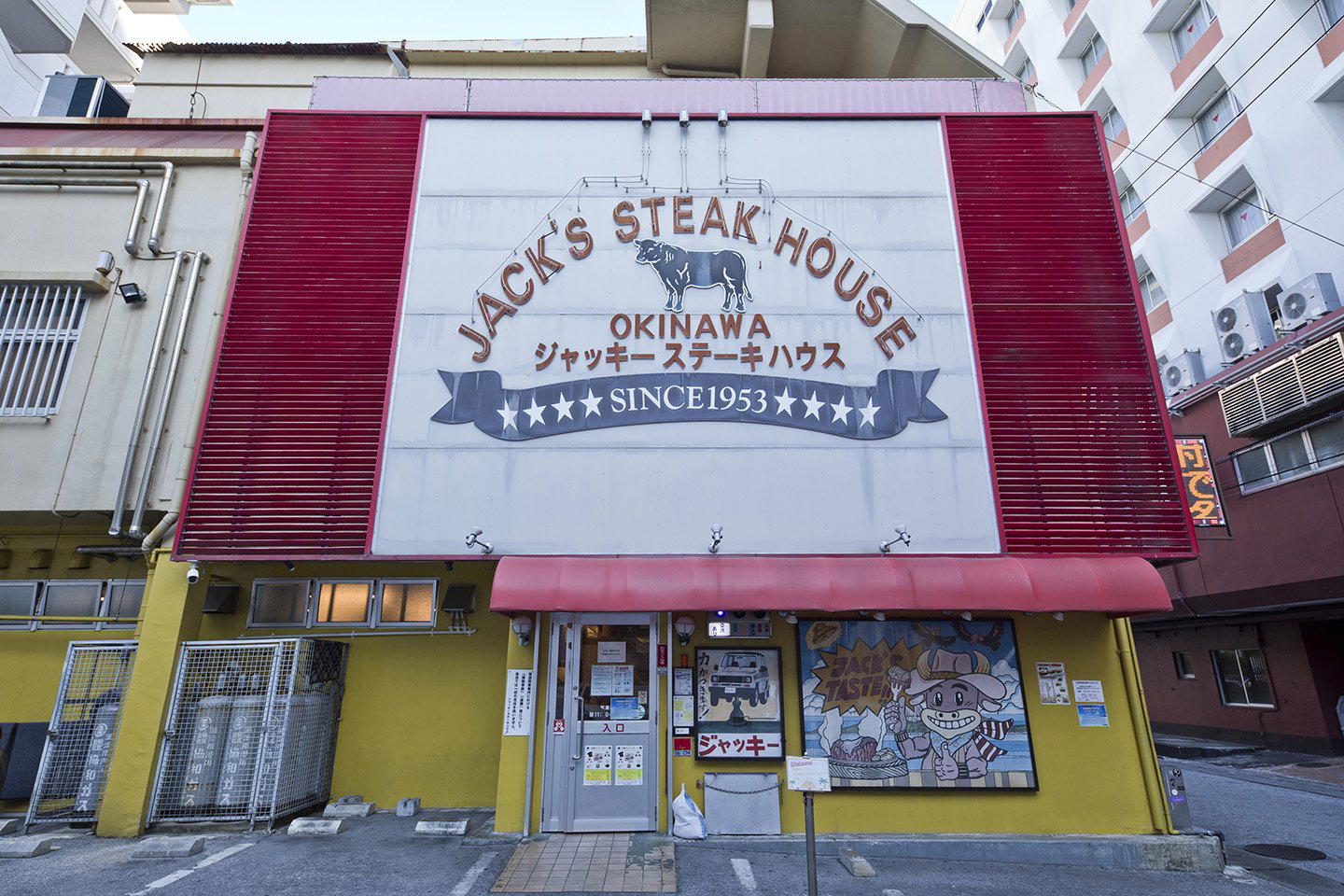
Where Okinawa Meets the American Steakhouse Tradition
There is a particular kind of restaurant that only makes sense once you understand the geography behind it. Okinawa spent decades under American administration following World War II, a period that ended formally in 1972 but left a lasting imprint on the island's food culture. The US military presence introduced cuts, cooking styles, and a carnivorous confidence to a prefecture otherwise shaped by pork-heavy Ryukyuan tradition and longevity-focused vegetable cooking. Jack's Steak House is a direct product of that crossover, and its continued presence in Okinawa tells you something meaningful about how food cultures absorb foreign influence over generations.
The Sourcing Logic Behind an Okinawan Steakhouse
The editorial question worth asking of any steakhouse in Japan is where the beef comes from and why that choice reflects something about the restaurant's identity. In mainland Japan, premium wagyu from Kobe, Matsusaka, or Omi defines the upper tier, with provenance functioning almost like appellation. Okinawa operates on a different axis. The island has its own cattle tradition, and some local producers have built a credible case for Okinawan wagyu as a distinct regional product, shaped by subtropical climate and different feed approaches. At the same time, the American steakhouse heritage embedded in venues like Jack's Steak House points to a different sourcing philosophy, one where grain-fed beef, thick cuts, and char-forward cooking matter as much as breed lineage.
This tension between local Okinawan cattle and the American-influenced format is what gives the island's steakhouse scene its particular character. You will not find it replicated in the same way at HAJIME in Osaka or Harutaka in Tokyo, where the culinary conversation belongs to a completely different tradition. Okinawa's steakhouses occupy a niche that is part American diner, part Japanese precision, and the ingredient sourcing question sits at the centre of that identity.
The Scene Around Jack's Steak House
Okinawa's dining geography is worth understanding before you book. The island's restaurant culture concentrates heavily around Naha, the prefectural capital, and the network of towns running north along the coast. Ginowan, Chatan, and the areas surrounding the American Village development have a higher density of Western-influenced restaurants than almost anywhere else in Japan outside of Tokyo's international districts. This is not accidental: proximity to military bases created sustained demand for steak, burgers, and Tex-Mex alongside the island's indigenous food traditions.
That context matters when placing the restaurant in its comparable set. Other Okinawa restaurants tracked in our guide include Captain Kangaroo, Downtown, Mexico Ginowan, and Mie, each of which reflects a different strand of the island's complicated culinary inheritance. The restaurant sits within the American-influenced steakhouse strand, a format that has survived and adapted across more than half a century on the island. Longevity at that scale in a restaurant category is not accidental; it signals that the format continues to deliver something the local market values and that visitors reliably seek out.
Okinawa Steakhouses and the Wider Japan Dining Context
Japan's restaurant culture rewards specificity. The country produces particularly focused and technically refined dining in the world, from the kaiseki precision of Gion Sasaki in Kyoto to the conceptual rigour of akordu in Nara and the seafood mastery of Goh in Fukuoka. Within that context, Okinawa's steakhouses represent something less celebrated nationally but genuinely interesting as a category: a regional format shaped by geopolitical history rather than culinary lineage.
The island's steakhouse tradition predates Japan's wagyu boom by decades. When mainland Japan was still developing the premium beef category that would eventually attract international attention, Okinawa already had a working steakhouse culture built around American appetite and supply chains. That timing means venues like Jack's Steak House carry a different kind of credential, one rooted in community continuity and cultural persistence rather than Michelin recognition or tasting-menu innovation. For context on the kind of Michelin-registered dining available elsewhere in Japan, see entries including 一本木 茗川製 in Nanao, 夕汀山乃 in Sapporo, 湖隣庵 in Takashima, 岳麓屋 in Nishikawa Machi, and Birdland in Sakai. The Okinawa steakhouse sits outside that credentialing structure, which is part of what makes it an interesting category for visitors who want to read the island's food culture historically rather than through a Michelin lens.
For comparison at the international level, the proposition of a well-sourced steakhouse in a culturally specific context echoes what venues like Le Bernardin in New York City or Atomix in New York City achieve within their own categories: the format becomes legible only when you understand the city and scene around it. And also see 6 for another angle on Okinawa's current dining range.
Planning Your Visit
Visitors approaching Okinawa's steakhouse culture for the first time should frame their expectations around the American-Japanese hybrid format rather than expecting either the kaiseki-adjacent refinement of mainland Japan's leading tables or a direct American chophouse. The island's steakhouse tradition is its own category, and entering it with that understanding makes the experience considerably more legible. Contact the restaurant directly or check current travel resources closer to your trip.
In Context: Similar Options
Comparable venues nearby, for context on price, style, and recognition.
| Venue | Cuisine | Price | Notes |
|---|---|---|---|
| Jack's Steak HouseThis venue — the venue you are viewing | Okinawan Yoshoku Steakhouse | $$ | Not listed |
| Restaurant Ardor | Okinawan-Italian Fusion | $$$ | Henza Island |
| Taco Rice Cafe Kijimuna | Okinawan Taco Rice | $$ | American Village |
| Shokusai Shubo Matsumoto | Okinawa Agu Pork Shabu-Shabu | $$$ | Matsuyama |
| Tsurukamedo Zenzai | Okinawan Shaved Ice (Zenzai) | $ | Yomitan Village |
| Miyazato Soba | Okinawan Soba | $ | Miyazato |

At a Glance
- Classic
- Cozy
- Casual Hangout
- Late Night
- Historic Building
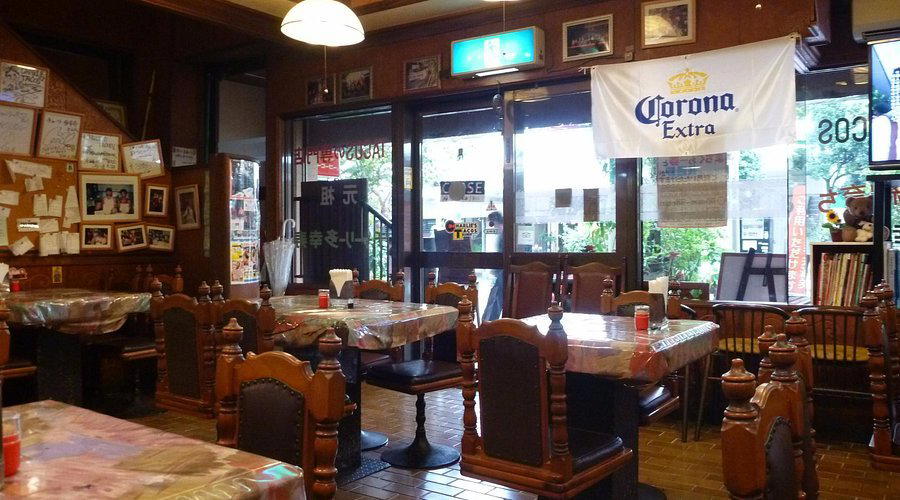
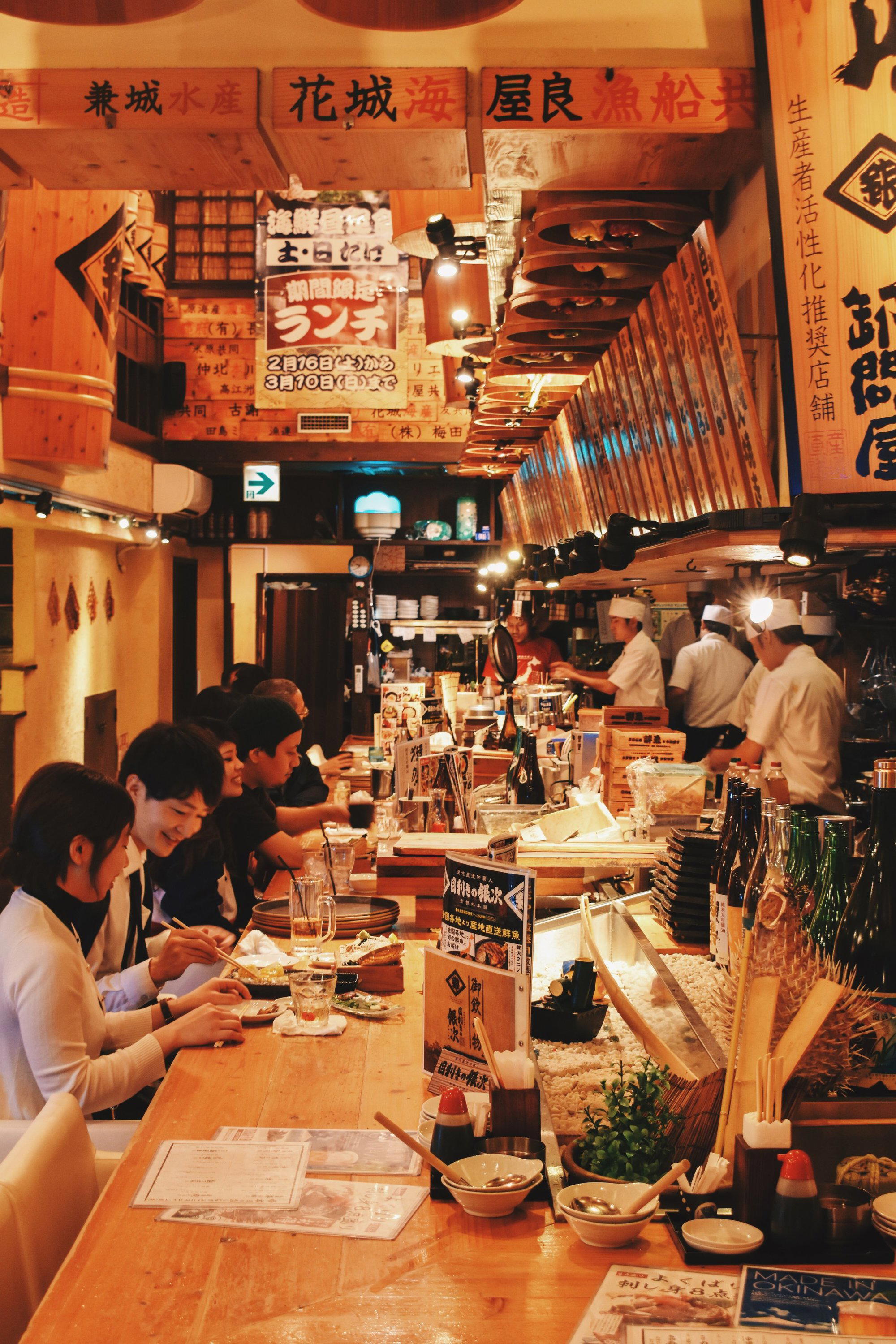
Nostalgic, retro American-style atmosphere with lively sizzle of steaks on the grill and friendly service.