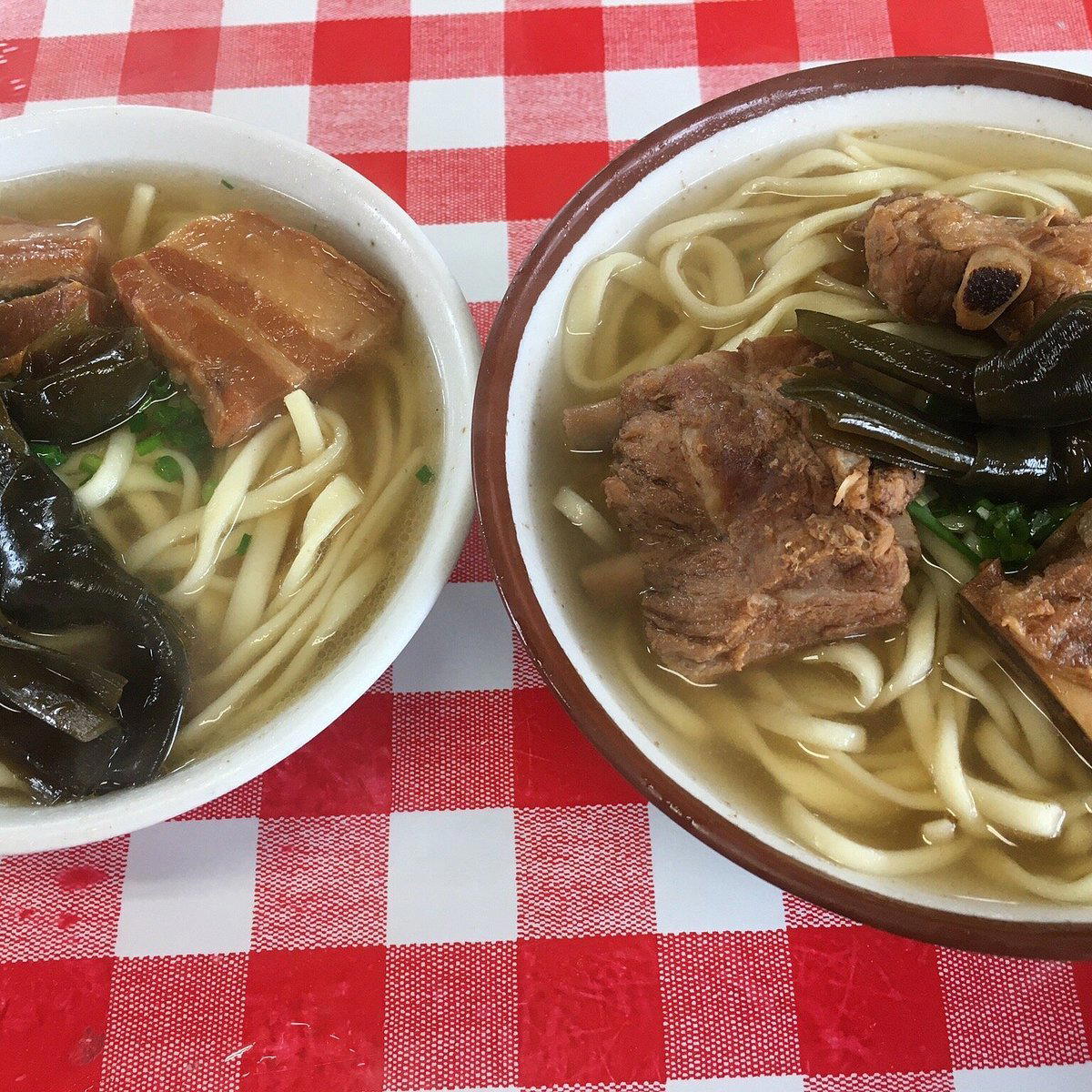
Miyazato Soba sits inside Okinawa's deeply rooted soba tradition, where hand-pulled noodles in pork-bone broth have defined local dining for generations. Distinct from mainland ramen culture, Okinawan soba occupies its own culinary category, and venues like Miyazato represent that tradition at a neighbourhood level where the food is inseparable from its place.

Pearl is the En Primeur Club membership app — saves, bookings, and concierge access live there. Same editors, same standards.
Where Noodles and Place Are the Same Thing
There is a particular kind of restaurant that only makes sense in the city where it exists. Miyazato Soba is a casual Okinawan soba restaurant in Okinawa, priced at about $6 per person. It belongs to that category. Okinawan soba is not a regional variation of mainland Japanese ramen; it is a separate tradition with its own noodle shape, its own broth logic, and its own social function. To eat it here is to eat something that the prefecture defended as a protected regional product in 1978, when the Japanese government attempted to restrict use of the word "soba" to buckwheat-based noodles. Okinawa pushed back, and won. That history is in every bowl.
Okinawa's dining character is shaped by geography and history in ways that no other Japanese prefecture quite replicates. Decades of American military presence, indigenous Ryukyuan cuisine, Chinese trade influences, and a subtropical climate that produces ingredients unlike anything on Honshu, all converge in a food culture that rewards the kind of attention that most visitors reserve for Kyoto or Tokyo. Miyazato Soba operates inside that context, not as a landmark to seek out from across the island, but as the kind of place where Okinawan soba traditions are kept at a neighbourhood register: unhurried, specific, and directly connected to where it sits.
The Soba Tradition Miyazato Sits Inside
Okinawan soba uses wheat noodles, not buckwheat, and they arrive in a broth built from slow-cooked pork bones and katsuobushi, the dried bonito that gives the stock its second layer of depth. The toppings are standardised by tradition: slices of braised pork belly or spare rib, a curl of fish cake, pickled ginger on the side. The format is democratic. There is no tasting menu, no degustation logic. A bowl of soba is a complete meal, and it is consumed at the counter or at a table without ceremony.
That simplicity is deliberate and earned. Okinawan soba is classified as a regional specialty food by Japan's Ministry of Agriculture, Forestry and Fisheries, which gives it a formal protected status that few noodle traditions in Japan can claim. Venues operating within this tradition are not just serving lunch; they are maintaining a documented food heritage. Miyazato Soba, as a named practitioner of that tradition in Okinawa, carries that context whether it advertises it or not.
For comparison: the kaiseki counters of Kyoto, the omakase rooms that Gion Sasaki in Kyoto represents, or the technically precise fine dining of HAJIME in Osaka operate through entirely different economic and cultural frameworks. Okinawan soba houses occupy the opposite end of that spectrum, where institutional knowledge is expressed through broth temperature and noodle pull rather than through tasting menus or sourcing narratives. Neither is lesser. They are different answers to the question of what Japanese dining can be.
Okinawa as a Dining City
Okinawa's restaurant offering is more varied than its reputation suggests. The island's main drag, Kokusai-dori in Naha, concentrates the tourist-facing dining, but the more durable eating happens in the residential pockets and smaller towns where local soba shops, izakayas, and family-run kitchens operate without much outward signage. The restaurant belongs to that second layer.
Okinawa also has a steak culture that traces directly to the postwar American presence. Jack's Steak House and Captain Kangaroo represent that lineage, serving cuts in a format that reads as American but has been absorbed into the local dining fabric over decades. The Mexican food presence, represented by venues like Mexico Ginowan, follows the same military-influence thread. Downtown and 6 add further texture to what is, for a prefecture of its size, a genuinely layered dining scene.
Against that cross-cultural backdrop, a soba shop committed to the Ryukyuan noodle tradition reads as an anchor point. It is not resisting outside influence; it is simply operating from a different premise.
How Miyazato Sits Against Japan's Broader Restaurant Range
Japan's most formally recognised restaurants draw from a different geography. Harutaka in Tokyo, Goh in Fukuoka, and akordu in Nara sit at the end of Japan's dining spectrum that attracts international reservation lists and award recognition. Regional soba and noodle houses rarely enter that conversation, not because of any deficiency, but because they operate under entirely different criteria: accessibility, daily ritual, and the maintenance of a local tradition rather than the construction of a singular dining event.
The restaurant is not competing with those venues. It is answering a different question: what does Okinawa eat on a Tuesday. That is an equally valid editorial subject, and in many respects a more durable one. The restaurants that define a city's character over generations are rarely the ones with international reservation queues. They are the ones where the broth has been adjusted, refined, and re-calibrated over years until it is exactly right for the room it is served in.
Japan's wider regional noodle culture, from the tonkotsu houses of Kyushu to the miso ramen of Sapporo, represented in venues tracked across the country including 古代山乃介 in Sapporo, shows how deeply place-specific noodle traditions can become. Okinawan soba belongs in that conversation as among the more formally protected examples of the form. The restaurant operates inside that tradition at a local, non-touristic register.
Planning a Visit
Okinawan soba shops typically operate at lunch hours and occasionally into early evening, with queues forming at particularly established spots by midday on weekends. The format is quick: a bowl is ordered, consumed, and finished without the extended arc of a full dinner service.
Okinawa's main island is navigated most efficiently by rental car, particularly for reaching restaurants outside Naha's central grid. Public buses connect the major corridors, but gaps between services make them less practical for a lunch-focused itinerary. Okinawan soba is as far from that model as dining gets, which is precisely what makes it worth seeking out on its own terms.
A Tight Comparison
Comparable venues nearby, for context on price, style, and recognition.
| Venue | Cuisine | Price | Notes |
|---|---|---|---|
| Miyazato SobaThis venue — the venue you are viewing | Miyazato, Okinawan Soba | $ | Not listed |
| Shokusai Shubo Matsumoto | Matsuyama, Okinawa Agu Pork Shabu-Shabu | $$$ | Not listed |
| Tsurukamedo Zenzai | Not listed | $ | Yomitan Village, Okinawan Shaved Ice (Zenzai) |
| Shop & Cafe | Yachiyo, Tofu-focused Japanese cafe | $ | Not listed |
| Mie | Not listed | $$$ | Kumoji, Traditional Okinawan Royal Cuisine |
| Ralph's Burger Restaurant | Not listed | $$ | Okinawa City, Gourmet American-style burgers |
At a Glance
- Classic
- Well Known
- Cozy
- Casual Hangout
- Solo
- Family
- Standalone
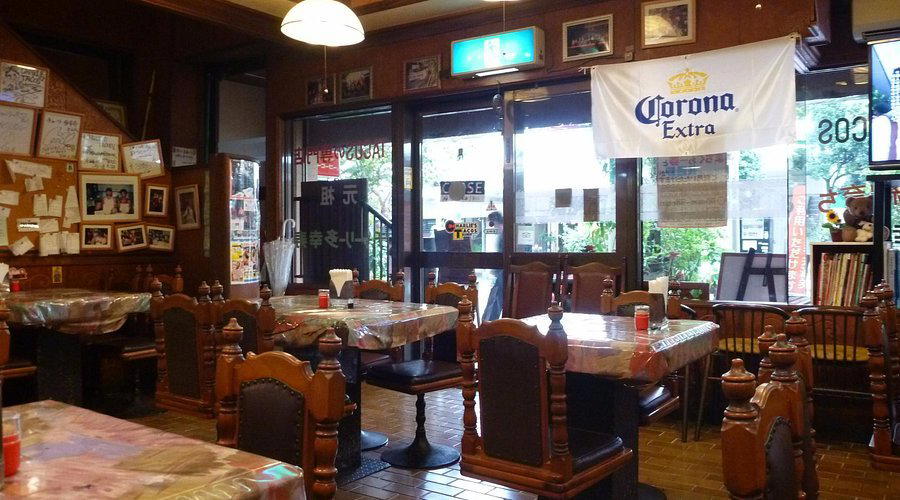
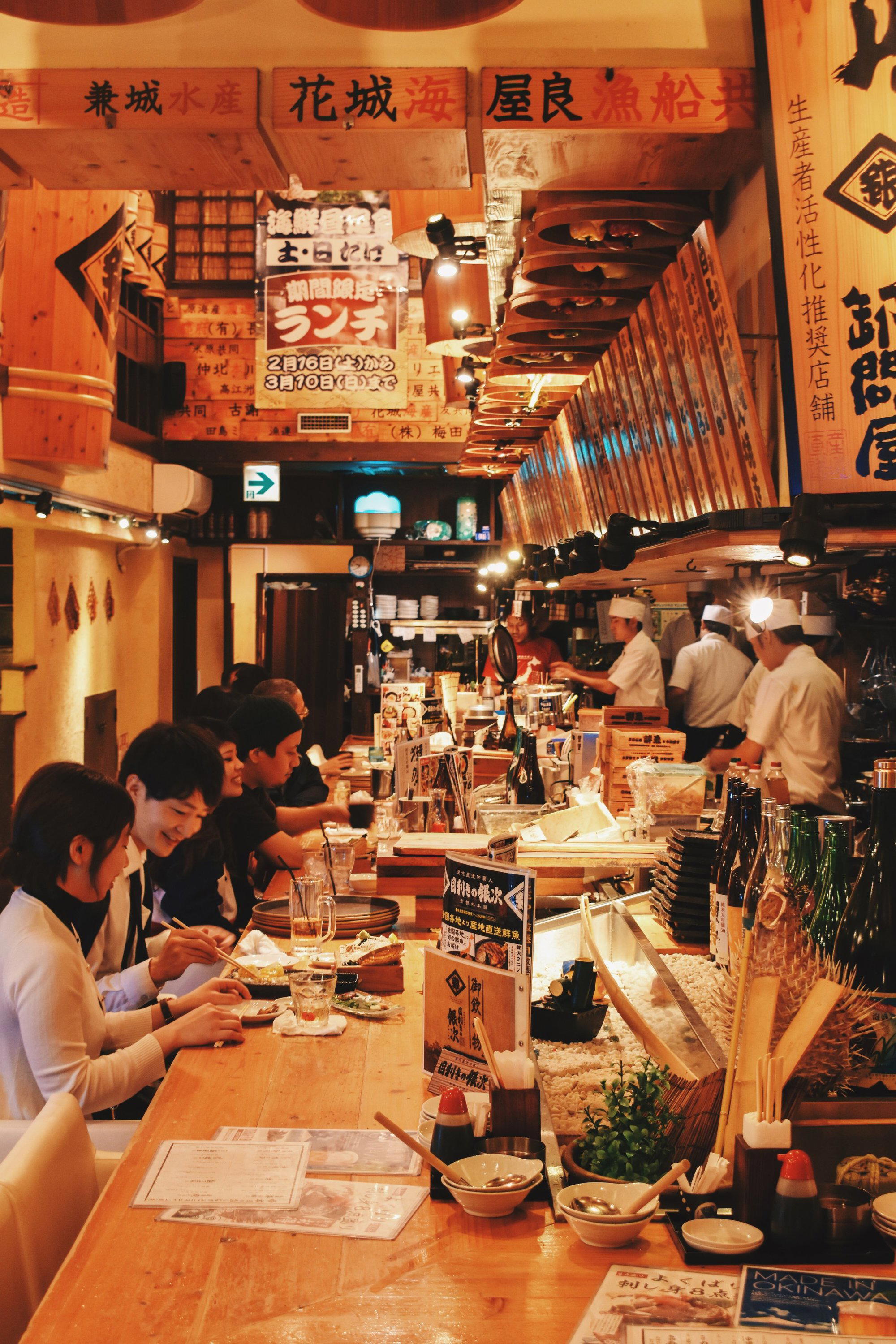
Simple, nostalgic, and local, with a large, casual interior and an old-fashioned Okinawan atmosphere.