Captain Kangaroo

Tabelog 100 #24
Our verdict
Captain Kangaroo gives Motobu’s burger scene a serious benchmark: a Tabelog Hamburger 100 selection for 2022, 2024, and 2026, with a 3.72 score and a casual ocean-view setting. It works as an Okinawa road-trip lunch rather than a formal destination meal, especially for families and travelers comparing local beef, pork, and resort-area dining at different price tiers.

Pearl is the En Primeur Club membership app — saves, bookings, and concierge access live there. Same editors, same standards.
- Address
- 930-1 Sakimotobu, Motobu, Kunigami District, Okinawa 905-0225, Japan
- Phone
- +81 980-43-7919
- Hours
- Daily 11 AM–4:30 PM
- Website
- instagram.com
- Directions
- Get directions
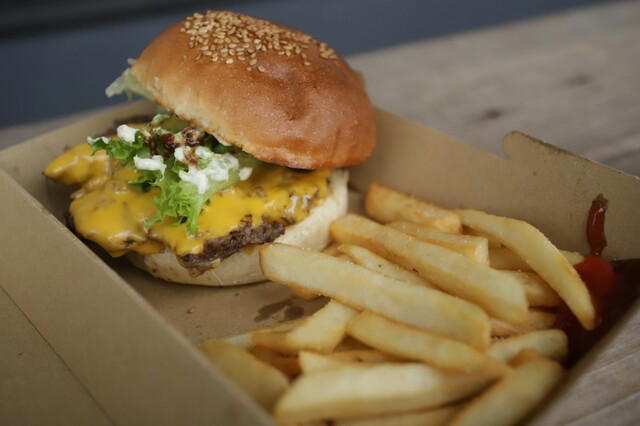
The menu
What to order
- Teriyaki burger
- Avocado tomato burger
- Fish burger
Approaching the Sakimotobu coast, the dining rhythm shifts from city scheduling to island timing: cars, sea air, daylight, and meals shaped by the road rather than the railway map. In Motobu, the burger is not an imported novelty; it fits Okinawa’s long conversation with American foodways, local produce, and casual seaside eating. Captain Kangaroo sits in that overlap: a hamburger specialist with an ocean-view setting and critical recognition that makes it more than a convenience stop between beaches and aquarium routes.
Okinawa’s premium dining often splits two ways. One is resort formality, with higher-ticket meat and seafood rooms such as Steak & Seafood Shisuku Grill or PAUL in a much higher spend bracket. The other is roadside immediacy: pork, beef, bread, tropical produce, and takeaway formats suited to a car-led prefecture. Captain Kangaroo belongs to the second camp, but its Tabelog Hamburger 100 selection in 2022, 2024, and 2026 places it in Japan’s narrower national conversation about serious burger counters and grill kitchens.
Okinawa's burger culture is about supply chains, not nostalgia
The story is sourcing logic. Okinawa has deep ties to pork, cattle, military-era American influence, and resort tourism, yet stronger burger shops do not simply copy diner templates. They translate local habits into a portable format: grilled meat, soft bread, vegetables, sauces, and structure that can handle heat, salt air, and a family table. In Motobu, lunch is often threaded through drives, ferry plans, beach stops, and northern Okinawa sightseeing rather than a long urban restaurant crawl.
Tabelog Hamburger 100 recognition matters because the category is specific. It does not reward casual-food popularity overall; it places the restaurant among hamburger specialists across Japan, including urban craft-burger shops, American-style diners, and Japanese kitchens treating the bun-and-patty form with the discipline usually reserved for ramen or tonkatsu. A 3.72 Tabelog score adds another signal, especially in Japan where ratings move conservatively and category depth matters.
That separates the meal from a resort-area fallback. In Kunigami-gun, travelers can spend several times more on beef-led dinners or hotel dining, but a hamburger specialist in the JPY 1,000 to JPY 1,999 range serves another purpose: quick, specific, ingredient-led lunch without turning the day into tasting-menu territory. For a wider read on the area’s food map, Our full Kunigami-gun restaurants guide places this casual stop alongside more formal kitchens.
The comparison with other local formats is instructive. Hawaiian Pancakes House Paanilani reflects Okinawa’s resort-breakfast and island-café lane, while pizzeria da ENZO shows how imported comfort formats become serious coastal dining when room, ingredients, and pacing fit the place. Ryuhin Onna no eki and Shimabuta Ryukyu Gyuu San Bettei point to a more explicitly Okinawan register, especially around pork and local table habits. Together, they show northern Okinawa’s casual dining is less one cuisine than formats that work with tourism, produce, and weather.
A casual room with national-category credibility
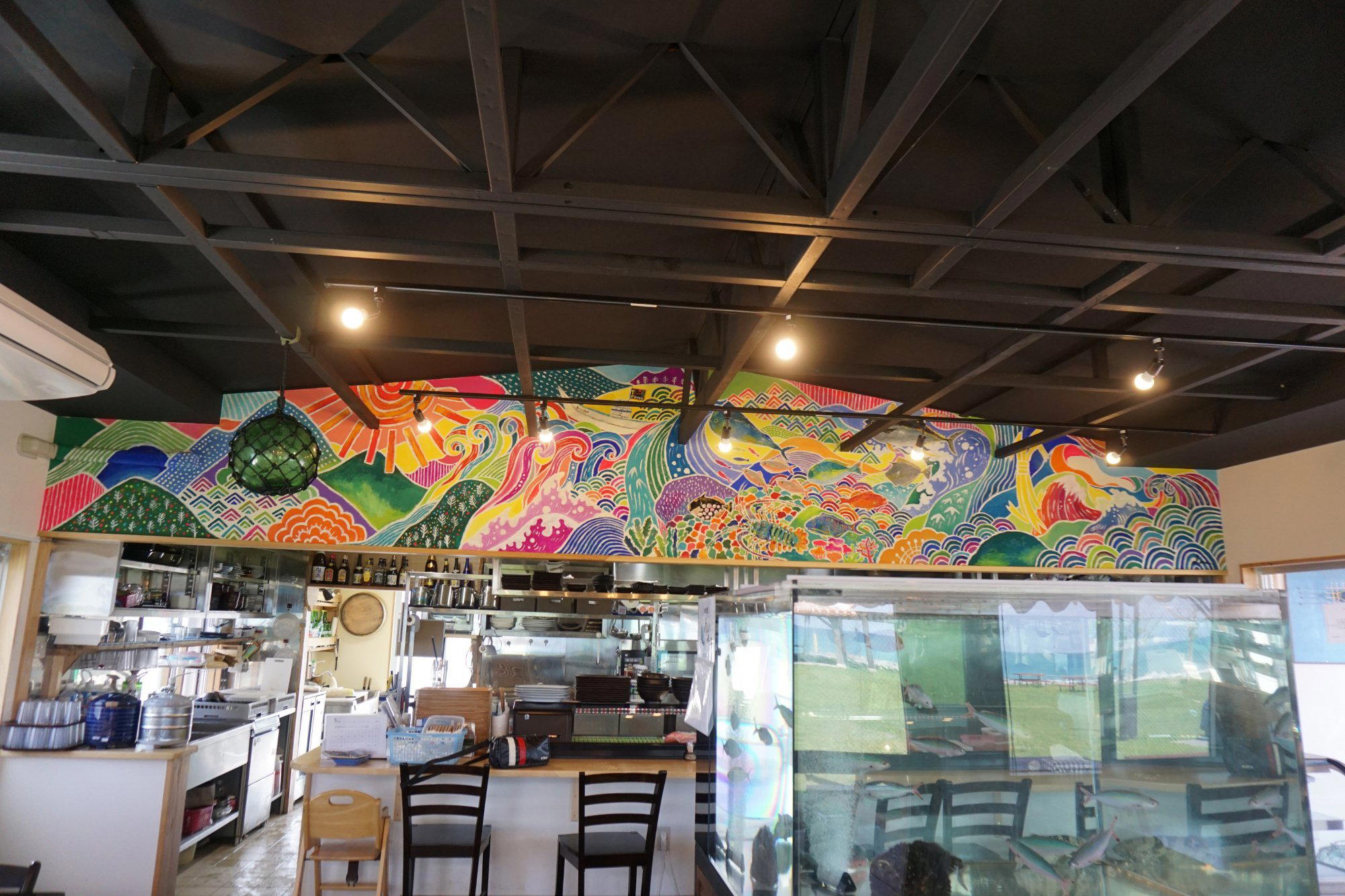
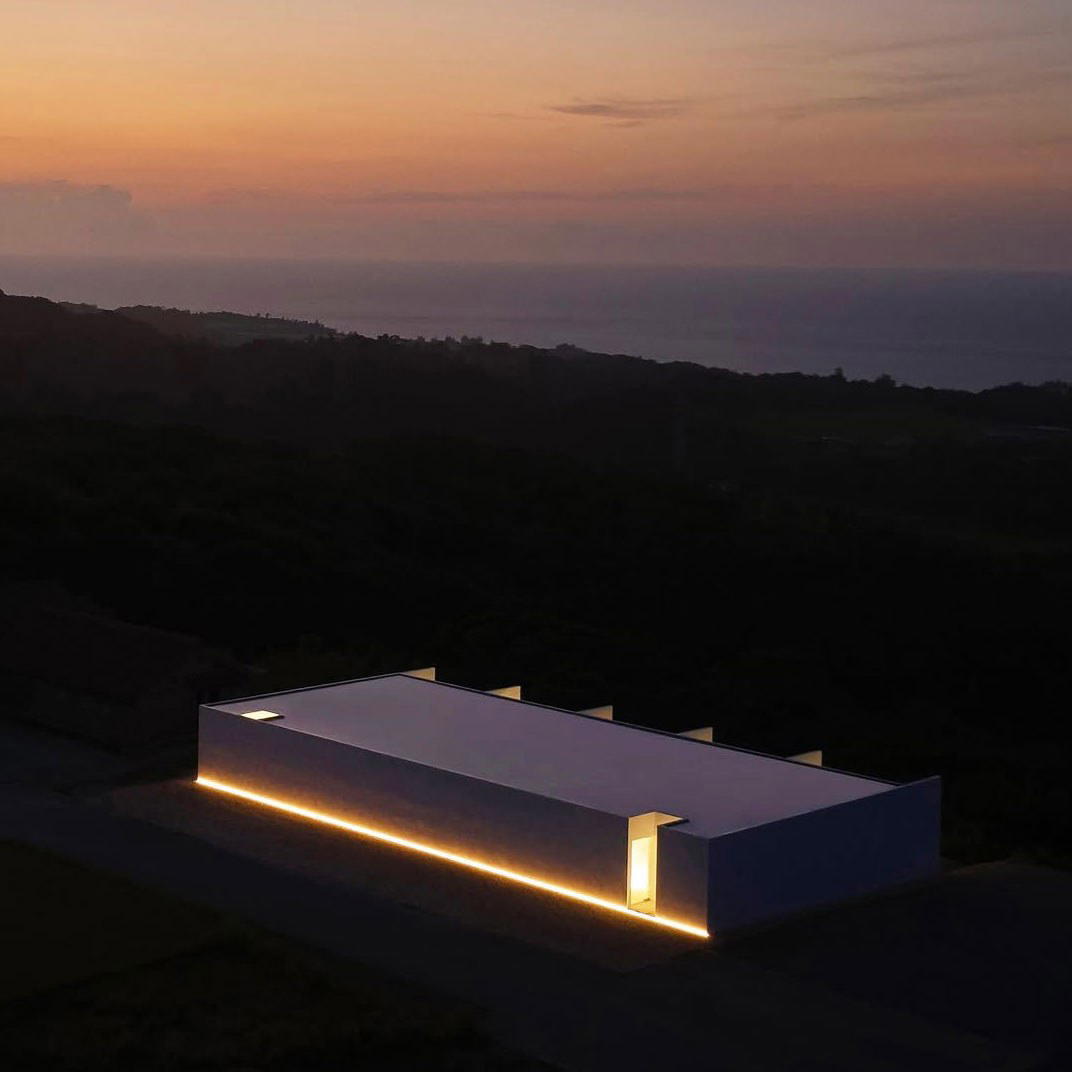
Captain Kangaroo is not solving the luxury-dining problem. Its value runs the other way: a 55-seat, non-smoking, family-friendly room with counter seating, sofa seating, free Wi-Fi, and a format that handles dine-in and takeaway. An English multilingual menu also matters in Motobu, where international visitors often travel independently by rental car and need a meal without a full Japanese dining script.
Reservations are unavailable, which suits the genre but changes the decision. This is a daylight, walk-in proposition, not a table to anchor an evening itinerary. The restaurant operates daily with a late-afternoon last order, and takeaway is available from 16:00 onward, so use it for lunch or an early portable meal rather than a late dinner plan. Parking for about 30 cars next to the store is meaningful in Okinawa, where convenience is measured by whether the stop works cleanly from the road.
Families get a stronger case than couples seeking ceremony. Children are welcomed across age groups, a kids menu is available, strollers are accepted, and the room is not built around hush or formality. It is closer to a coastal road-trip anchor than high-touch resort dining. For a full northern itinerary, the surrounding category pages are more useful than a single restaurant obsession: Our full Kunigami-gun hotels guide, Our full Kunigami-gun bars guide, Our full Kunigami-gun wineries guide, and Our full Kunigami-gun experiences guide help place this meal in the day.
How to read it against Japan's broader casual dining map
Japan’s casual-food hierarchy is unusually demanding. A hamburger shop competes not only with burger specialists but with ramen, curry, onigiri, pizza, pancake houses, izakaya grills, and regional set-meal counters, each with obsessive audiences. A category-specific award therefore carries weight: it signals performance in a crowded field, not a generic popularity badge.
For perspective, compare other Japanese casual categories beyond Okinawa. [Curry Senmon Ten] Maruyama Kyoju. in Sapporo shows how curry becomes a specialist destination without formal service;.cafe in Osaka uses a different urban café grammar;.know in Kumamoto reflects another regional city’s compact dining style. In the Tokyo and Kanagawa orbit. 鮪と炭火焼き うお炭 秋葉原店 in Tokyo, (Shoku) Vietnam in Kawasaki, and -Grilled beef Sukiyaki- KAMAKURA TANUKIAN 鎌倉 たぬき庵 in Kamakura show how tightly Japanese diners categorize meals by format and occasion.
That format discipline travels abroad differently. Jōdo Saké Bar in Los Angeles and Onigiri Time in Pasadena work from Japanese drinking and snack traditions, but the lesson is shared: casual food earns repeat attention when the format is clear, the price makes sense, and sourcing or technique gives the meal a reason beyond convenience.
Captain Kangaroo is easiest to recommend as a precise stop: a Motobu burger lunch with category credibility, a practical room, and a price point that leaves the rest of the day open. It is not for ceremony, and that is the point. Northern Okinawa rewards meals that understand movement, weather, children, parking, and appetite. This one understands that brief better than many restaurants chasing a grander identity.
Frequently asked questions
Is Captain Kangaroo okay with children?
Yes. The restaurant is marked family friendly, with children welcome, a kids menu, and stroller access. It also has 55 seats in Kunigami-gun, Okinawa.
What kind of setting is Captain Kangaroo?
It is a non-smoking, ocean-view burger spot with counter seating, sofa seating, and free Wi-Fi. The room holds 55 seats, and parking for about 30 cars sits next to the store at 930-1 Sakimotobu, Motobu.
What does dinner at Captain Kangaroo typically cost?
Pricing at Captain Kangaroo is listed as JPY 1,000 - JPY 1,999 JPY 1,000 - JPY 1,999.
When is Captain Kangaroo open?
Hours at Captain Kangaroo: Mon: 11 AM–4:30 PM; Tue: 11 AM–4:30 PM; Wed: 11 AM–4:30 PM; Thu: 11 AM–4:30 PM; Fri: 11 AM–4:30 PM; Sat: 11 AM–4:30 PM; Sun: 11 AM–4:30 PM.
What's Captain Kangaroo's location?
Captain Kangaroo is located in Kunigami-gun.
Side-by-Side Snapshot
Comparable venues by cuisine and price in the same metro.
| Venue | Cuisine | Price | Awards | Notes |
|---|---|---|---|---|
| Captain KangarooThis venue — the venue you are viewing | American Burgers | $10–20 | Tabelog 100 #24 | Not listed |
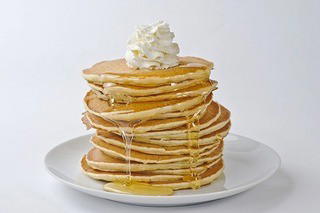
| Hawaiian Pancakes House Paanilani | Hawaiian pancake cafe | $10–20 | Tabelog 100 #40 | Onna Village (Onna-son), Seragaki |
| PAUL | Seasonal Okinawan ingredients with French and Spanish fine dining techniques | $150–200 | Tabelog 100 #75 | Bise |
| Ryuhin Onna no eki | Okinawan local market food | $10–20 | Tabelog 100 #37 | Onna-son |
| Shimabuta Ryukyu Gyuu San Bettei | Okinawan Shabu-shabu & Sukiyaki (Agu Pork & Ryukyu Beef) | $30–50 | Tabelog 100 #51 | Onna-son (Onna Village) |
| pizzeria da ENZO | Italian Pizza | $20–30 | Tabelog 100 #62 | Maeda, Onna-son |
Recognition history
Dated appearances from independent guides and award organizations, with the underlying list record or original source where available.
Tabelog 100 #24 · No. 24
Tabelog · Tabelog 100 - Hamburger - 2026
Continue exploring
More in Kunigami-gun
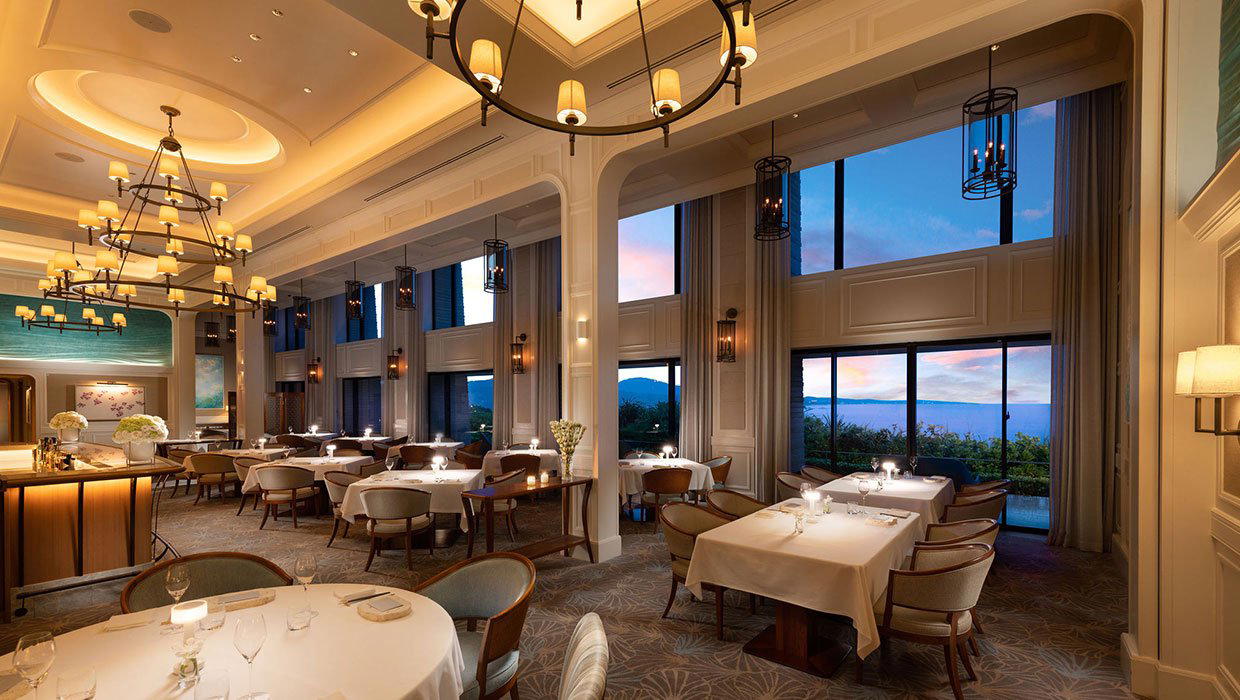
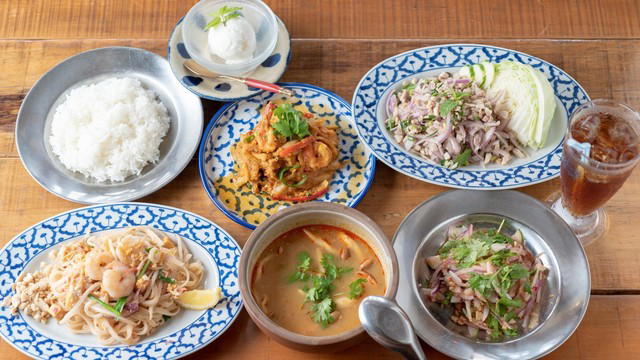
Restaurants in Kunigami-gun
Browse all →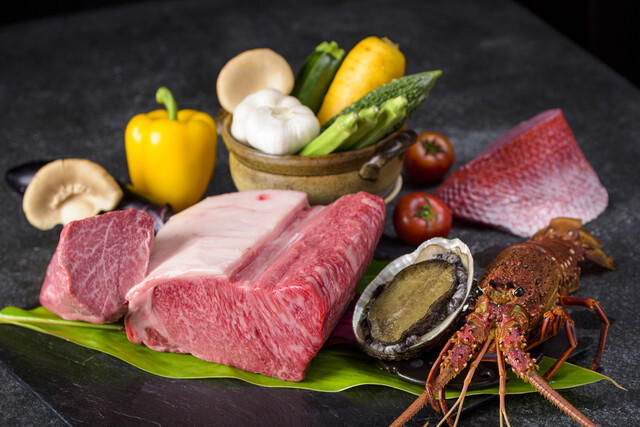
Bars in Kunigami-gun
Browse all →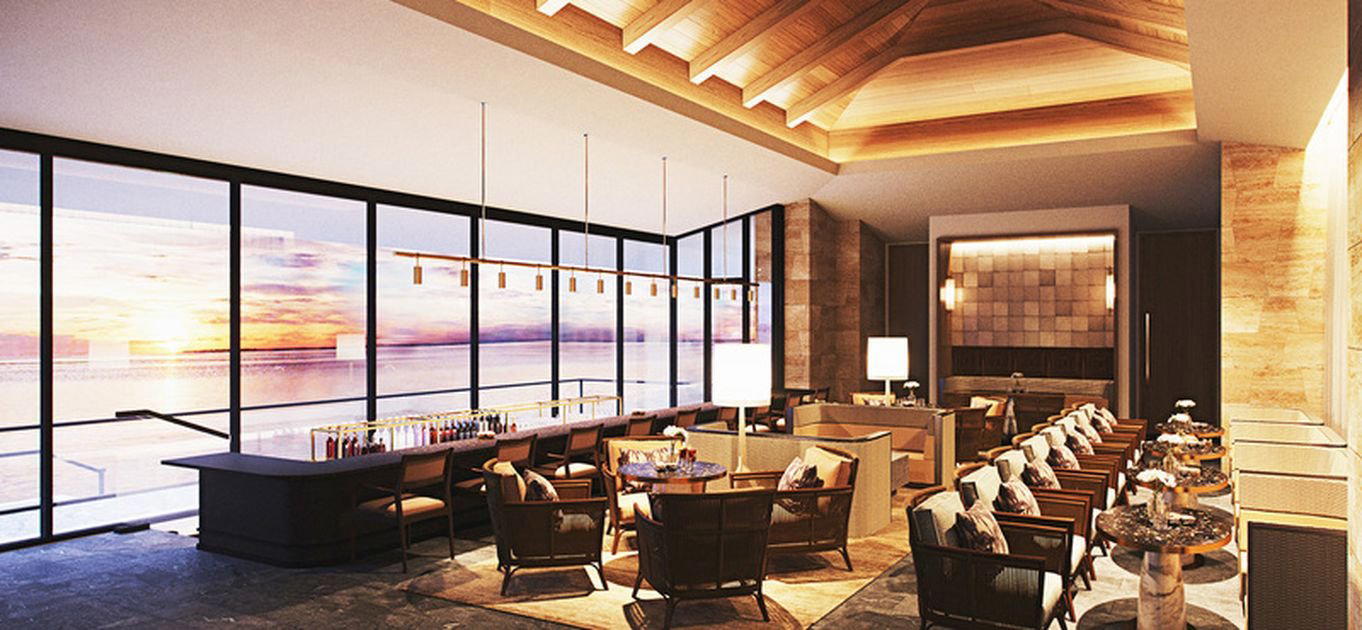
Details
- Scenic
- Casual
- Cozy
- Casual Hangout
- Family
- Group Dining
- Solo
- Waterfront
- Standalone
- Beer Program
- Waterfront
- A La Carte
- Beer
- Vegetarian Friendly
Current opening hours
- Monday
- 11 AM–4:30 PM
- Tuesday
- 11 AM–4:30 PM
- Wednesday
- 11 AM–4:30 PM
- Thursday
- 11 AM–4:30 PM
- Friday
- 11 AM–4:30 PM
- Saturday
- 11 AM–4:30 PM
- Sunday
- 11 AM–4:30 PM
Hours can change for holidays and private events. Last verified .
Bright, casual burger-joint atmosphere with a seaside setting and a lively, no-frills feel.