Our verdict
Among Okinawa's zenzai specialists, Tsurukamedo occupies a position shaped by the island's distinctive shaved-ice and sweet red bean tradition rather than the mainland Japanese dessert canon. The atmosphere draws on modest, deliberate interiors that let the craft speak without distraction. For visitors tracing Okinawa's food culture beyond the obvious, this is a useful reference point.

Pearl is the En Primeur Club membership app — saves, bookings, and concierge access live there. Same editors, same standards.
- Address
- Okinawa, Japan
- Directions
- Get directions
The menu
What to order
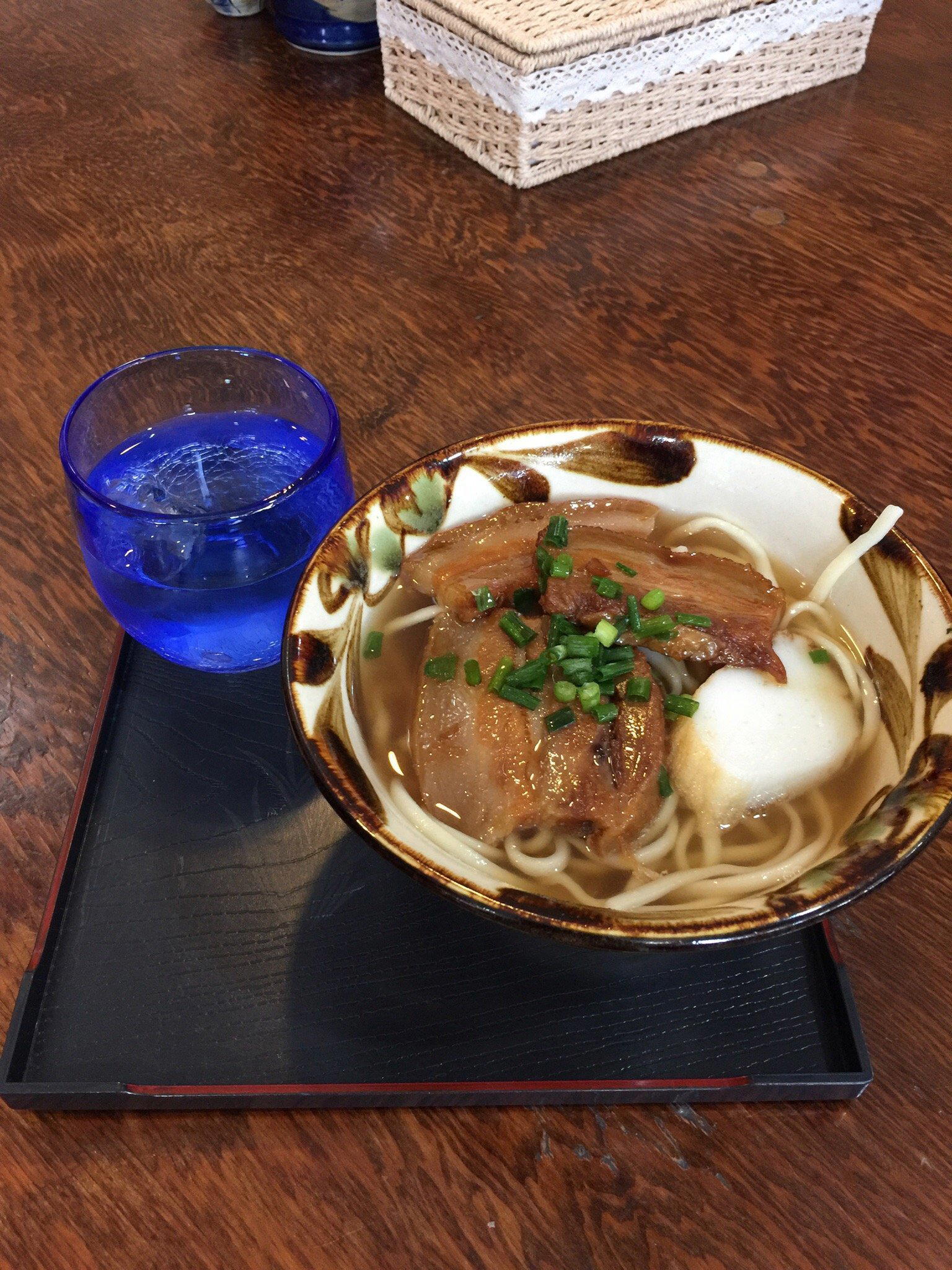
- Purple yam and brown sugar zenzai
- Ryukyu zenzai with red kidney beans
- Zenzai with beni-imo ice cream
The Physical Space as a Statement
Okinawa's dessert culture has long operated in a register distinct from the elaborate parfait counters of Osaka or the austere wagashi rooms of Kyoto. The establishments that carry the zenzai tradition here tend toward deliberate restraint in their interiors: plain wood, natural light, seating arrangements that prioritize the bowl in front of you rather than the room around you. Tsurukamedo Zenzai sits within that tradition. The physical environment signals intent before the first order arrives — this is a space organised around a specific craft, not a broader hospitality concept. That kind of focus, rare in a food scene increasingly shaped by Instagram-legible design, deserves attention on its own terms.
The architecture of a zenzai specialist differs from a restaurant in meaningful ways. Without a kitchen performance to anchor the room, the counter or table becomes the primary relationship. At places like Tsurukamedo, the seating arrangement is intimate by design rather than necessity — a format that puts the guest in direct contact with the texture, temperature, and composition of what arrives. That directness is characteristic of Okinawan zenzai culture at its more considered end.
What Zenzai Means in Okinawa
On the Japanese mainland, zenzai typically refers to a warm sweet-bean soup served with mochi. Okinawa inverts the logic almost entirely. Here, zenzai is built around kakigori, finely shaved ice, mounded over sweetened red beans and often finished with condensed milk or other island-inflected elements. The result sits closer to a shaved-ice dessert than to the soup its name might suggest to a visitor arriving from Tokyo or Osaka. This distinction matters because it places Okinawan zenzai in a separate culinary lineage, one shaped by subtropical climate, American postwar influence on local sweetness conventions, and the island's own agricultural inputs.
The tradition of kakigori-based zenzai in Okinawa traces back several decades and remains one of the prefectural food items that travels poorly, its character is tied to local bean preparations and the particular fine-shave ice texture that distinguishes the better shops from the generic. Visitors comparing the form to shaved-ice desserts encountered elsewhere in Japan, or to the Korean bingsu that shares some visual similarities, will find the Okinawan version occupies its own position. Tsurukamedo is among the names that appear consistently when that tradition is discussed in the context of Naha and its surroundings.
Placing Tsurukamedo in Okinawa's Casual Dining Pattern
Okinawa's restaurant scene divides roughly between its American-inflected casual tier and its indigenous food culture. The island's postwar history produced a food environment unlike any other Japanese prefecture: steakhouses arrived early and remain embedded in local identity, as the continued presence of places like Jack's Steak House demonstrates. Alongside that runs a parallel thread of deeply local formats, soba shops, chanpuru specialists, awamori bars, and the zenzai houses that function as afternoon anchors for residents and aware visitors alike.
Tsurukamedo belongs to the latter current. It is not a destination in the way that a Michelin-recognised counter in Kyoto functions as a destination, nor is it positioned against the international dining tier that venues like HAJIME in Osaka or Harutaka in Tokyo occupy. Its competitive set is local, the handful of zenzai specialists scattered across Naha and the central island that regulars return to for the quality of the bean preparation and the precision of the ice. Within that set, Tsurukamedo carries a reputation that places it above the casual tourist-facing operators.
Other Okinawa addresses worth holding alongside it include Captain Kangaroo, Downtown, and Mexico Ginowan, each operating in different registers of the island's casual dining range. For a broader orientation to the city's food options, the full Okinawa restaurants guide provides useful comparative context, as does the entry for 6.
Seasonal Logic
Okinawa's climate runs warm through most of the year, the prefecture sits at a latitude closer to Taiwan than to Tokyo, with meaningful heat from April through October and relatively mild winters by Japanese standards. Shaved-ice formats peak in the hotter months, when queues at the better zenzai houses extend outside and wait times become part of the experience. The shoulder period, roughly late October through March, brings shorter waits and a slightly different rhythm to the room, with the same preparation but more space to sit with it. Visitors with flexibility on timing will find the cooler months operationally easier, though the peak season has its own energy that regulars cite as part of the point.
Japan's broader culinary calendar also shapes when Okinawa draws serious food visitors. Autumn is traditionally the stronger travel window for food-focused itineraries across the country, and pairing an Okinawa trip with visits to recognised restaurants elsewhere in Japan, Gion Sasaki in Kyoto, akordu in Nara, or Goh in Fukuoka, builds an itinerary that uses Okinawa as a culturally distinct anchor rather than an afterthought.
Planning Your Visit
Because specific booking details, hours, and pricing for Tsurukamedo Zenzai are not centrally listed through the major international reservation platforms, the practical approach is to confirm current hours through local sources on arrival in Naha. Zenzai specialists of this kind typically operate afternoon-focused hours rather than full-day service, and they close when product runs out rather than at a fixed time, a pattern common to serious craft operators across Japan, from Birdland in Sakai to the small-format producers elsewhere in the country. Arriving early in the service window is the standard advice for this format.
Currency is direct: cash remains more reliable than card at smaller Okinawan operators, though this is worth checking locally. The venue does not require reservations in the conventional sense, the format is walk-in, with wait times reflecting demand on the day. For visitors cross-referencing the island's food culture against Japan's wider fine dining tier, venues like Atomix in New York City or Le Bernardin in New York City represent the opposite structural pole: high-booking-friction, prix-fixe formats built on international award recognition. Tsurukamedo operates without that apparatus, which is exactly what defines its category.
Frequently asked questions
How does Okinawan zenzai differ from the version served on the Japanese mainland?
On the mainland, zenzai is conventionally a warm dish — sweet azuki bean soup served with mochi, typically consumed in autumn and winter. Okinawa's version reverses the temperature entirely: cold shaved ice is piled over sweet beans, making it a warm-weather staple rooted in the prefecture's Ryukyuan culinary heritage rather than in broader Japanese tradition. Tsurukamedo Zenzai in Okinawa represents this local interpretation, which has its own distinct history separate from the mainland form.
What do regulars order at Tsurukamedo Zenzai?
The draw is Okinawa-style zenzai: shaved ice served over sweetened red beans, which inverts the warm-soup format familiar on the Japanese mainland. In Okinawa's dessert culture, this cold preparation is the standard, not the exception, and most visitors arriving for the first time order it as their first — and often only — choice. The simplicity of the dish is the point.
How far ahead should I plan for Tsurukamedo Zenzai?
Tsurukamedo Zenzai does not appear on the major international reservation platforms, so advance digital booking is not part of the experience. Plan around Okinawa's peak tourist windows — late spring and late summer — when demand at well-regarded local spots runs highest. Arriving early in the day during those periods reduces wait time.
What's the standout thing about Tsurukamedo Zenzai?
The venue sits within Okinawa's indigenous casual dining register, which developed separately from both mainland Japanese dessert traditions and the American-inflected food culture that shaped parts of the island after 1945. Okinawan zenzai is not a regional variation on a national dish — it is a distinct product with its own logic, and Tsurukamedo is one of the places where that distinction is clearest.
Is Tsurukamedo Zenzai allergy-friendly?
The core dish centres on azuki red beans and shaved ice, which keeps the ingredient list short. However, specific allergen information for Tsurukamedo Zenzai is not centrally published, and the venue's menu details are not available through international listing services. Visitors with serious allergies should confirm directly on arrival or through local contacts in Okinawa.
Is eating at Tsurukamedo Zenzai worth the cost?
Okinawan zenzai falls within the casual pricing tier that defines the island's indigenous food culture — this is not a high-spend counter experience. The value question here is less about price and more about whether the dish is worth seeking out as a cultural reference point, which for visitors interested in Ryukyuan food traditions, it is.
What's the best season to visit Tsurukamedo Zenzai?
Okinawa's climate sits closer to Taiwan's latitude than Tokyo's, with meaningful heat running from April through October — the conditions that make cold zenzai a practical as well as traditional choice for most of the year. The experience is most seasonally coherent during the warmer months, though Okinawa's mild winters mean the dish is available and logical well outside peak summer.
The Minimal Set
Comparable venues nearby, for context on price, style, and recognition.
| Venue | Cuisine | Price | Awards | Notes |
|---|---|---|---|---|
| Tsurukamedo ZenzaiThis venue — the venue you are viewing | Okinawan Shaved Ice (Zenzai) | $1–10 | Not listed | Not listed |
| Mie | Not listed | Not listed | Not listed | Kumoji, Traditional Okinawan Royal Cuisine |
| Yagiya | Traditional Okinawan Soba | $10–20 | Not listed | Yaese-cho, Traditional Okinawan Soba |
| Shop & Cafe | Tofu-focused Japanese cafe | Not listed | Relais Chateaux Award | Yachiyo, Tofu-focused Japanese cafe |
| BURRATA | Creative wood‑fired pizza | $20–30 | Tabelog 100 #27 | Okinawa City, Creative wood‑fired pizza |
| 6 | Innovative French | Not listed | Tabelog Bronze #3 | Dining |
Details
- Classic
- Cozy
- Casual Hangout
- Solo
- Standalone
- A La Carte
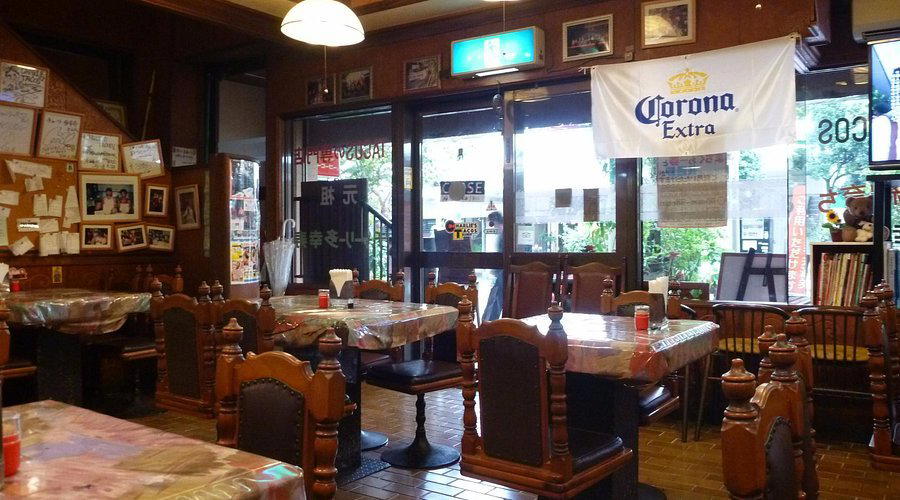
Retro Showa-era atmosphere with a small indoor eating area, nostalgic and charming.