Mie sits within Okinawa's quieter dining tier, where the rituals of the table matter as much as what arrives on it. The prefecture's distinct culinary traditions, built on ingredients and techniques that diverge sharply from mainland Japan, set the context here. Visitors who understand how to read the pace of an Okinawan meal will find the experience substantially more rewarding.
Pearl is the En Primeur Club membership app — saves, bookings, and concierge access live there. Same editors, same standards.
- Address
- Okinawa, Japan
- Website
- ryukyu-mie.com
 Saves & bookings on Pearl
Where the Meal Has Its Own Grammar
Okinawa's dining culture operates by a different set of rhythms than the rest of Japan. On the mainland, a kaiseki progression or an omakase counter imposes a clear formal structure that visitors can anticipate and prepare for. In Okinawa, the customs are subtler and often less codified for outsiders: dishes arrive in sequences shaped by local convention, not international fine-dining norms, and the pace of a meal reflects the island's broader relationship with time and hospitality. Mie is a restaurant serving Traditional Okinawan Royal Cuisine in Okinawa, where understanding the ritual of eating is often the difference between a functional meal and one that registers as something worth crossing a prefecture for.
Okinawa's food identity is genuinely distinct from the washoku canon that defines Japanese cuisine internationally. The island's historical position as the Ryukyu Kingdom, with active trade routes to China and Southeast Asia, embedded influences that never fully dissolved into mainland culinary practice. Pork features in preparations that would seem foreign in Tokyo; bitter melon, goya, appears as a central ingredient rather than a curiosity; the seasoning register leans toward soy and awamori, the island's distilled spirit, rather than the dashi-forward subtlety that defines kaiseki. Restaurants operating seriously within this tradition are not simply presenting regional comfort food: they are working within a culinary system that has its own internal logic, its own canon of techniques, and its own hospitality grammar. Mie sits inside that system.
Reading the Pace of an Okinawan Table
The dining ritual in Okinawa's more considered restaurants tends to resist the brisk turnover model that Tokyo casual dining normalizes. A meal here is expected to extend, to move through courses or shared dishes at a conversational tempo, and the expectation that the table belongs to the diner for the duration of the sitting is deeply embedded in local practice. For visitors accustomed to either the strict choreography of high-end Japanese counter dining or the rapid cycle of izakaya formats, this middle register requires some recalibration. You are not being ignored between courses; you are being given the room to exist at the table rather than being managed through it.
This approach has practical implications worth understanding before you arrive anywhere on the island. Okinawan restaurants in the mid-to-upper tier often operate on the assumption that two hours is a reasonable minimum for a full sitting. Party size matters more here than in counter formats: a solo diner and a table of four will experience noticeably different ranges of the menu, since many dishes are sized for sharing and the breadth of what you can order scales with the group. For Okinawa restaurant options across different formats and price points, our full Okinawa restaurants guide maps the scene in more detail, including comparisons between casual island staples and more structured dining rooms.
Mie in Context: The Okinawa Dining Tier It Occupies
Okinawa's restaurant scene is evaluated differently from Osaka, Tokyo, or Kyoto. Local reputation and ingredient sourcing often matter more than formal guide shorthand. In its place, the local dining hierarchy is legible through different markers: longevity, local reputation, and the degree to which a kitchen commits to Ryukyuan ingredient sourcing rather than mainland-supply defaults. Venues that survive in Okinawa's more serious dining tier tend to do so through repeat local custom rather than tourist traffic, which is its own quality indicator in a city without major international fine-dining infrastructure.
For comparison within the prefecture, the Okinawa dining scene includes a range of formats: Jack's Steak House occupies the American-influence casual tier that reflects the island's postwar history; Captain Kangaroo and Downtown represent different points on the spectrum of accessible local dining; Mexico Ginowan in the adjacent city speaks to the Latin-American culinary current that runs through the island's food culture, again a legacy of its geopolitical history. 6 represents a different register entirely. Mie operates in a space that is more considered than casual but not positioned against the formal counter formats that define Japan's highest dining tier.
Japan's Broader Fine-Dining Map and Where Okinawa Fits
For visitors arriving in Okinawa after time in Japan's major dining cities, the shift in register is immediate. The hyper-refined counter experiences available at restaurants like Harutaka in Tokyo or the structured French-Japanese integration at HAJIME in Osaka operate within an international fine-dining framework that Okinawa neither replicates nor attempts to. Gion Sasaki in Kyoto and akordu in Nara each sit within their own distinct culinary traditions, and Goh in Fukuoka maps to a regional style that shares more with mainland Japan than Okinawa does. The island's serious dining culture is best understood on its own terms: regionally anchored, historically layered, and not optimized for the expectations visitors bring from elsewhere in Japan.
Further afield in Japan's dining geography, restaurants like 一本杉川嶋 in Nanao, 夕陸奥山乃 in Sapporo, 湖隣庵 in Takashima, and 庄羽屋 in Nishikawa Machi each illustrate how Japan's culinary identity diversifies significantly once you move past the major metropolitan centers. Birdland in Sakai offers another regional counterpoint. Internationally, the French-seafood discipline at Le Bernardin in New York City and the Korean-American counter precision at Atomix in New York City both demonstrate how strongly rooted regional identities can sustain serious fine-dining programs, a model that Okinawa's better restaurants approximate in their own register.
Planning Your Visit
At about $80 per person, Mie is best approached with a reservation and current confirmation of hours before committing to a visit. The island's dining culture is amenable to walk-ins at casual formats, but any restaurant operating at a more considered level will generally benefit from a reservation, both to secure a table and to signal the kind of meal you are there for. Okinawa's dining calendar peaks during the warmer months when domestic tourism from mainland Japan increases noticeably; visiting in the shoulder season gives you a quieter room and, in many kitchens, more focused service. The island's ingredient calendar means that certain preparations are seasonal by default, so the menu you encounter in July will differ from what is available in November.
Cuisine and Credentials
Comparable venues nearby, for context on price, style, and recognition.
| Venue | Cuisine | Price | Notes |
|---|---|---|---|
| MieThis venue — the venue you are viewing | Traditional Okinawan Royal Cuisine | $$$ | Not listed |
| Shokusai Shubo Matsumoto | Okinawa Agu Pork Shabu-Shabu | $$$ | Matsuyama |
| Miyazato Soba | Okinawan Soba | $ | Miyazato |
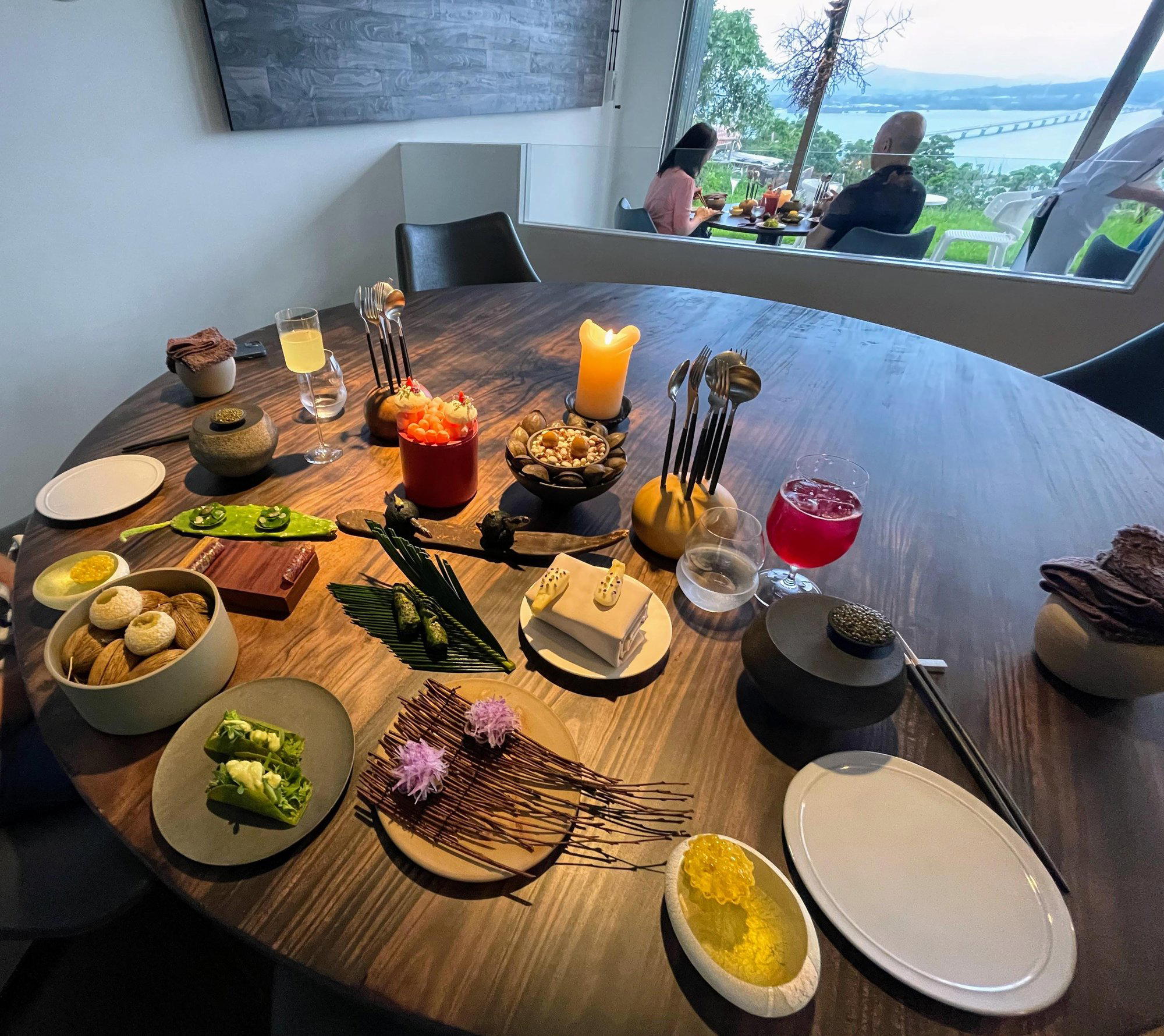
| Restaurant Ardor | Okinawan-Italian Fusion | $$$ | Henza Island |
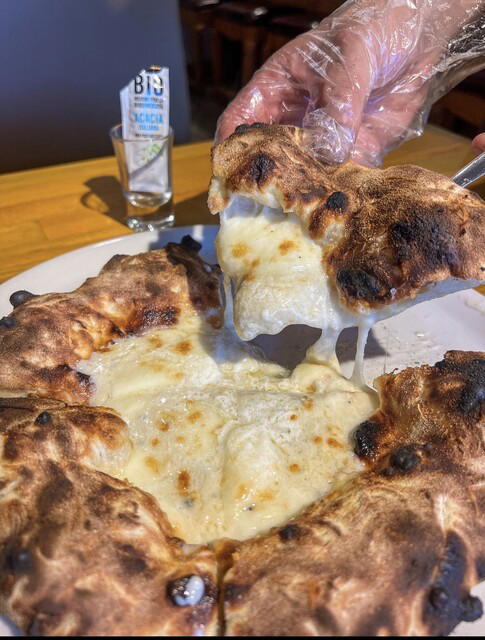
| BURRATA | Creative wood‑fired pizza | $$ | Okinawa City |
| Shop & Cafe | Tofu-focused Japanese cafe | $ | Yachiyo |
At a Glance
- Classic
- Elegant
- Intimate
- Special Occasion
- Business Dinner
- Private Dining
- Sake Program
- Local Sourcing
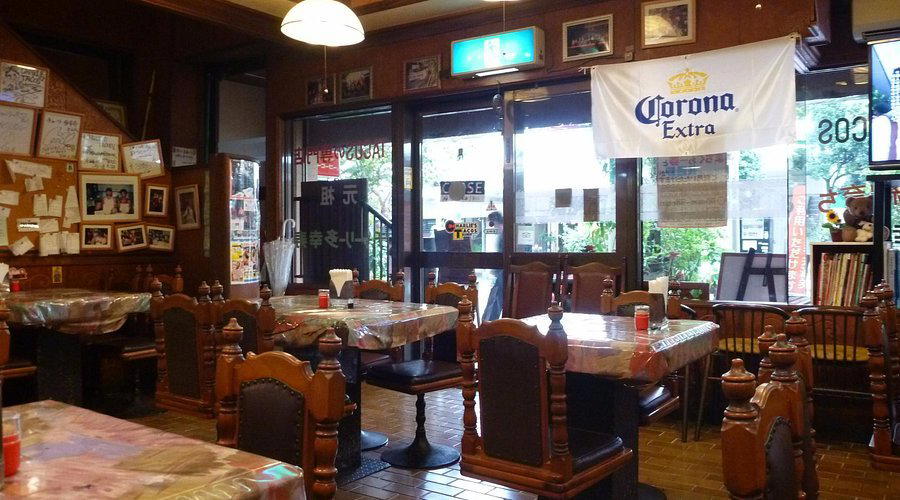
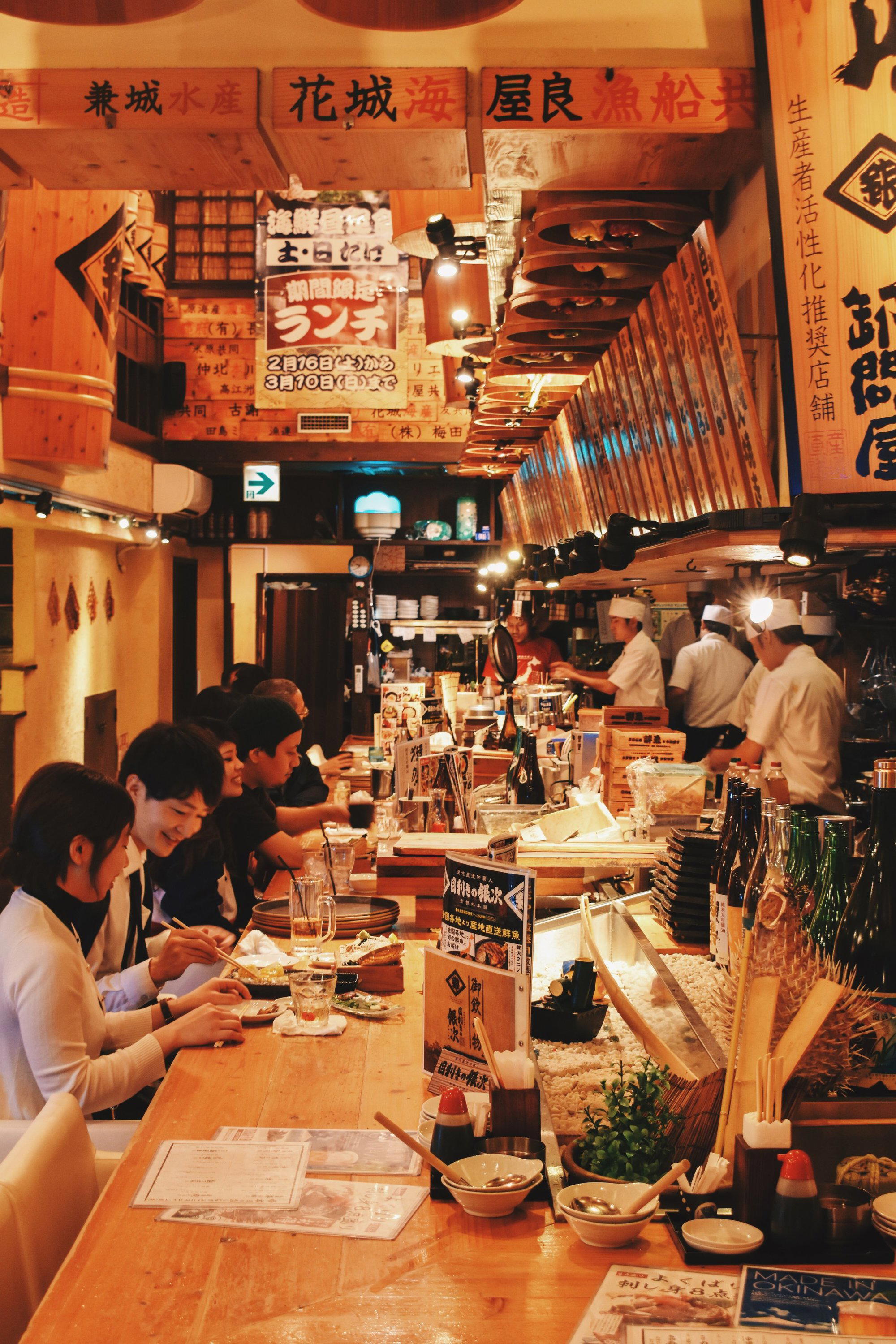
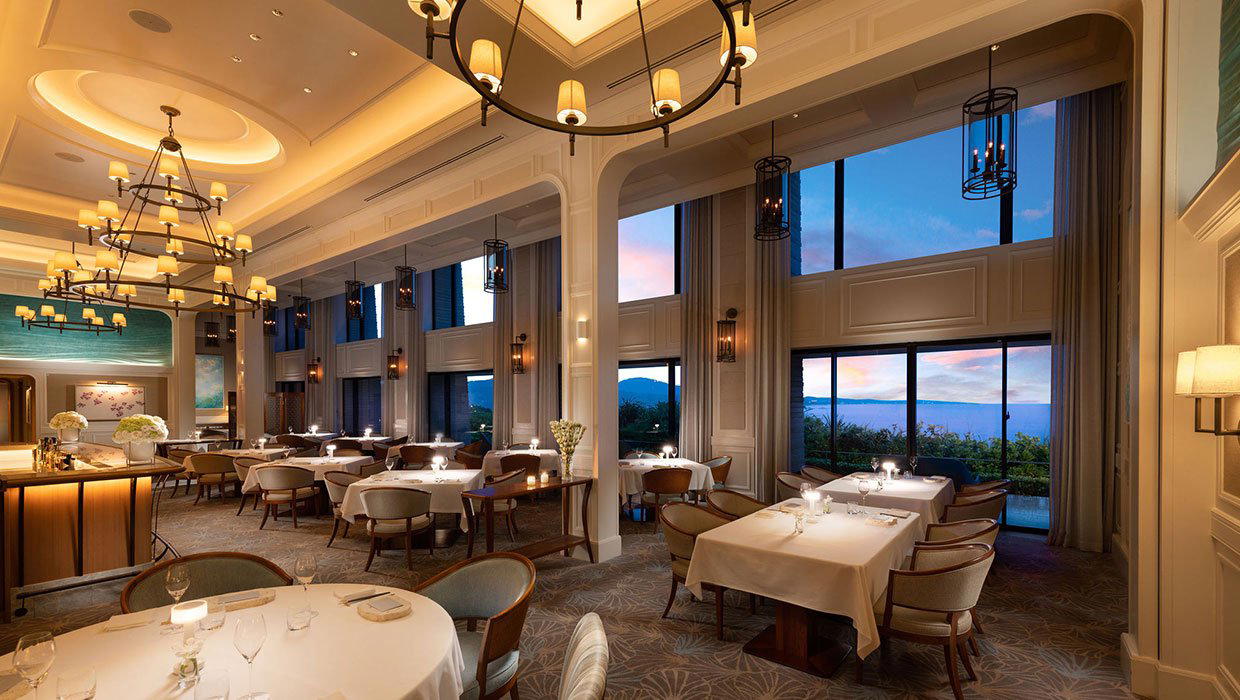
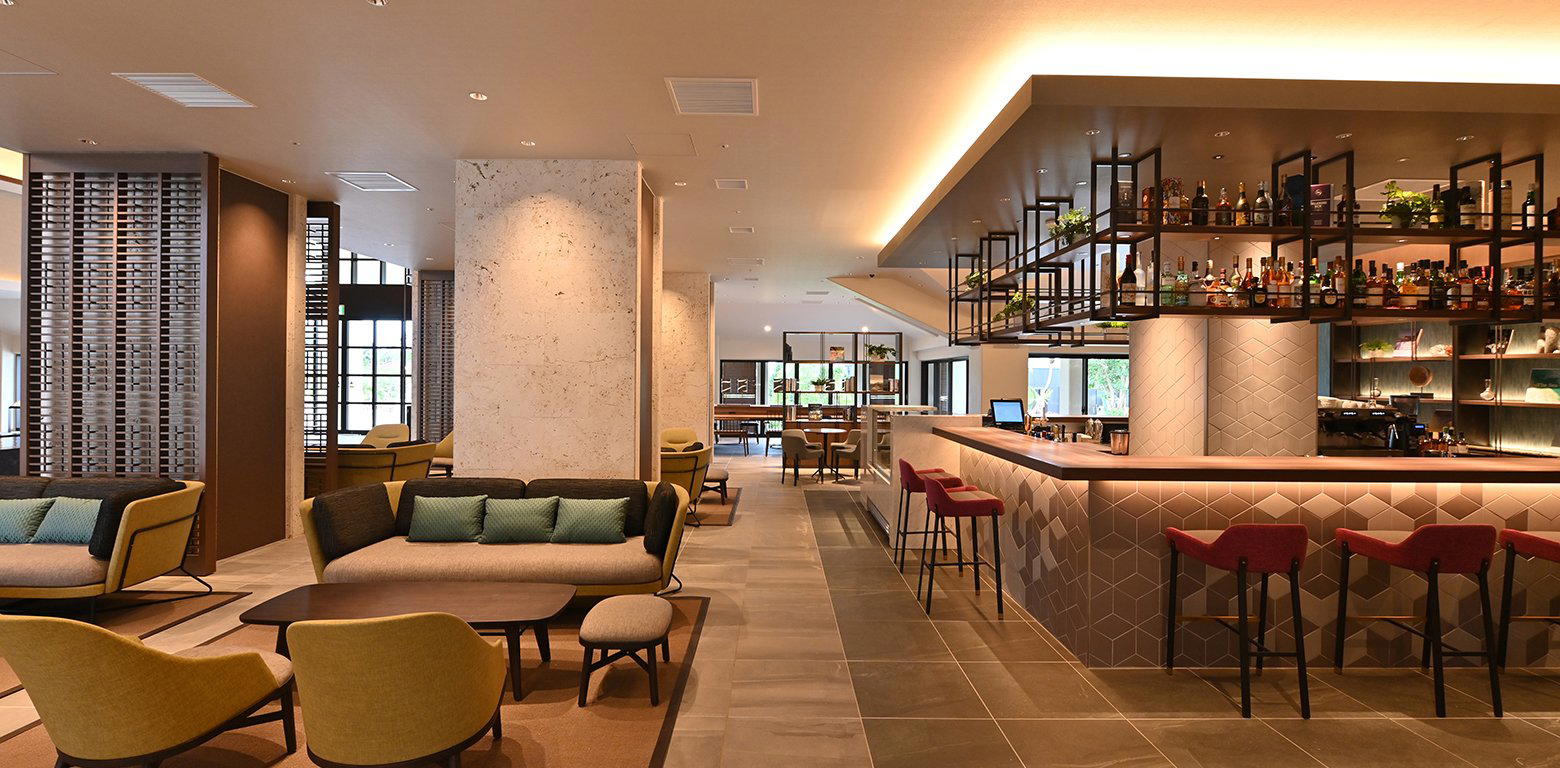
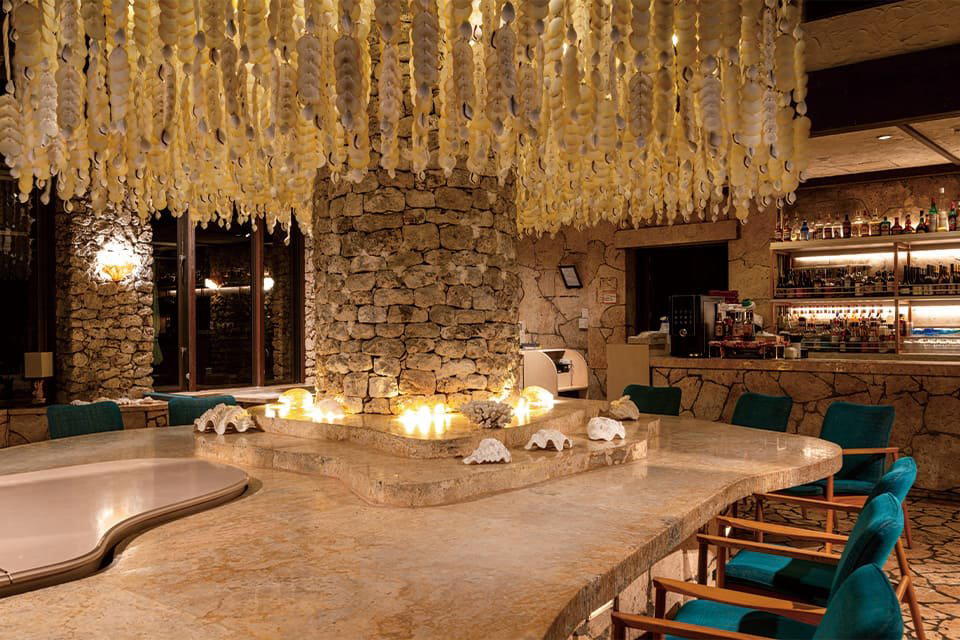
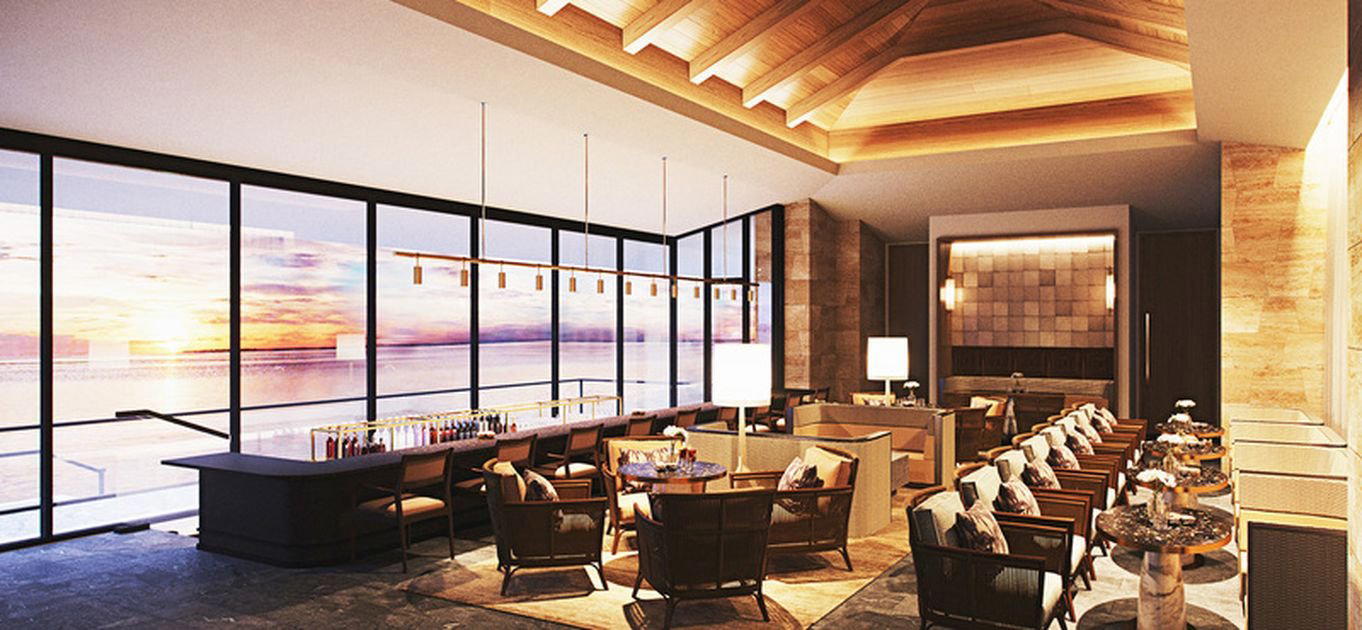
Traditional Japanese formality with tatami rooms and some Western-style seating, evoking the rich character and atmosphere of bygone days.