



La Liste Top Hotels · Star Wine List · Forbes Recommended
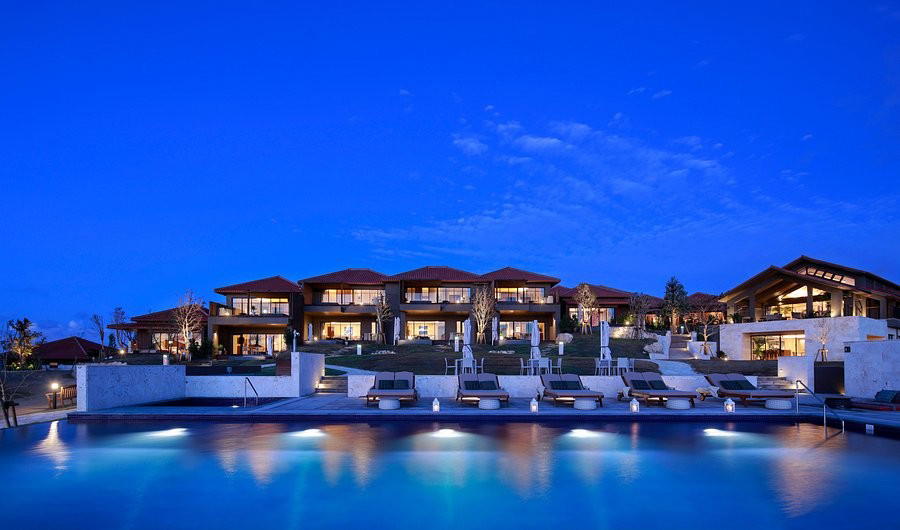
A thalassotherapy retreat within the Busena Terrace Resort on Nago Bay, The Terrace Club Wellness Thalasso operates as an adults-only enclave (13 and over) with personalised treatment plans, locally sourced Okinawan ingredients at breakfast, and beach-chic rooms overlooking the coral-clear waters of northern Okinawa. Recognised on La Liste's Top Hotels 2026 with 94 points and awarded by Star Wine List, it draws guests seeking structured rest rather than resort activity.

Pearl is the En Primeur Club membership app, where members save venues, book tables and use the concierge.
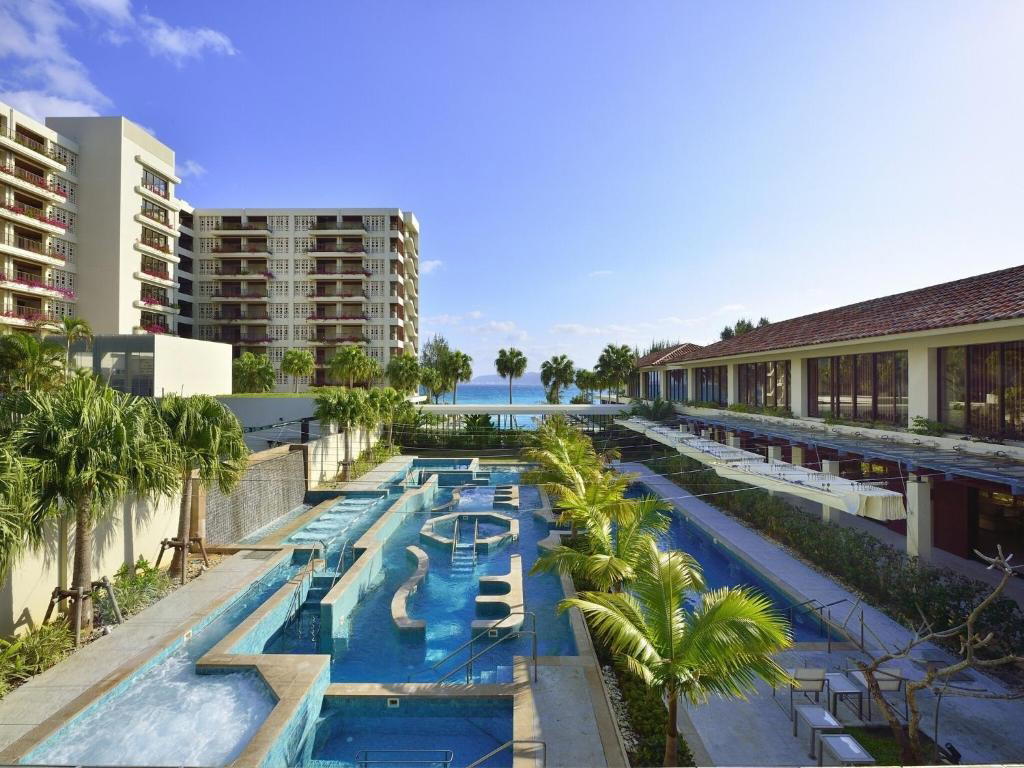
Where Nago Bay Sets the Rhythm
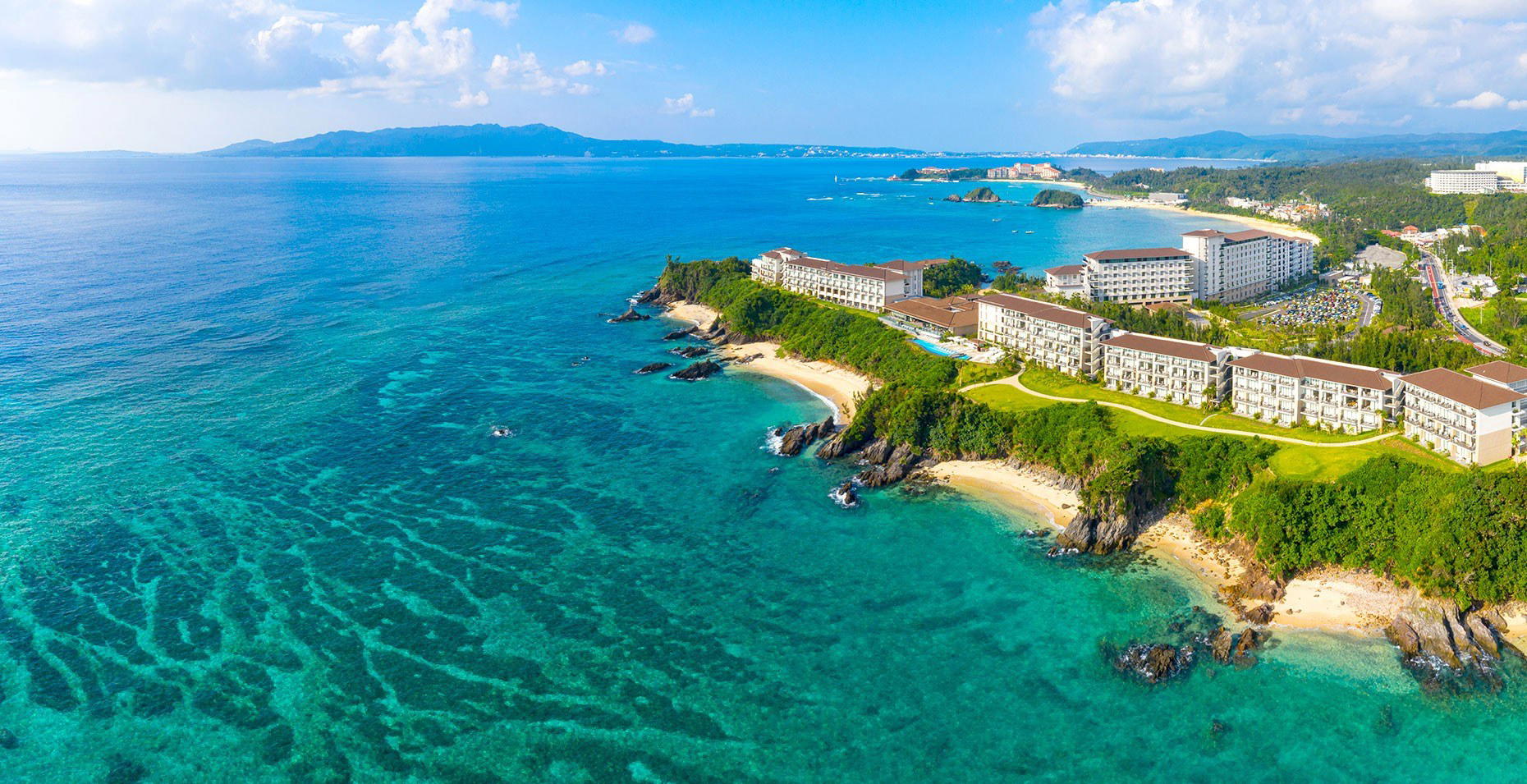
Northern Okinawa occupies a different register from the resort corridors of Naha or the party beaches further south. The coastline around Nago Bay runs quieter, the water clearer, and the coral reefs closer to the surface. Arriving at The Terrace Club Wellness Thalasso at Busena, positioned within the wider Busena Terrace Resort at 1750 Kise, the transition from expressway to ocean is deliberate and abrupt. The main resort infrastructure sits between you and the road; by the time you reach the Terrace Club's own entrance, the sensory geography has shifted entirely toward the sea.
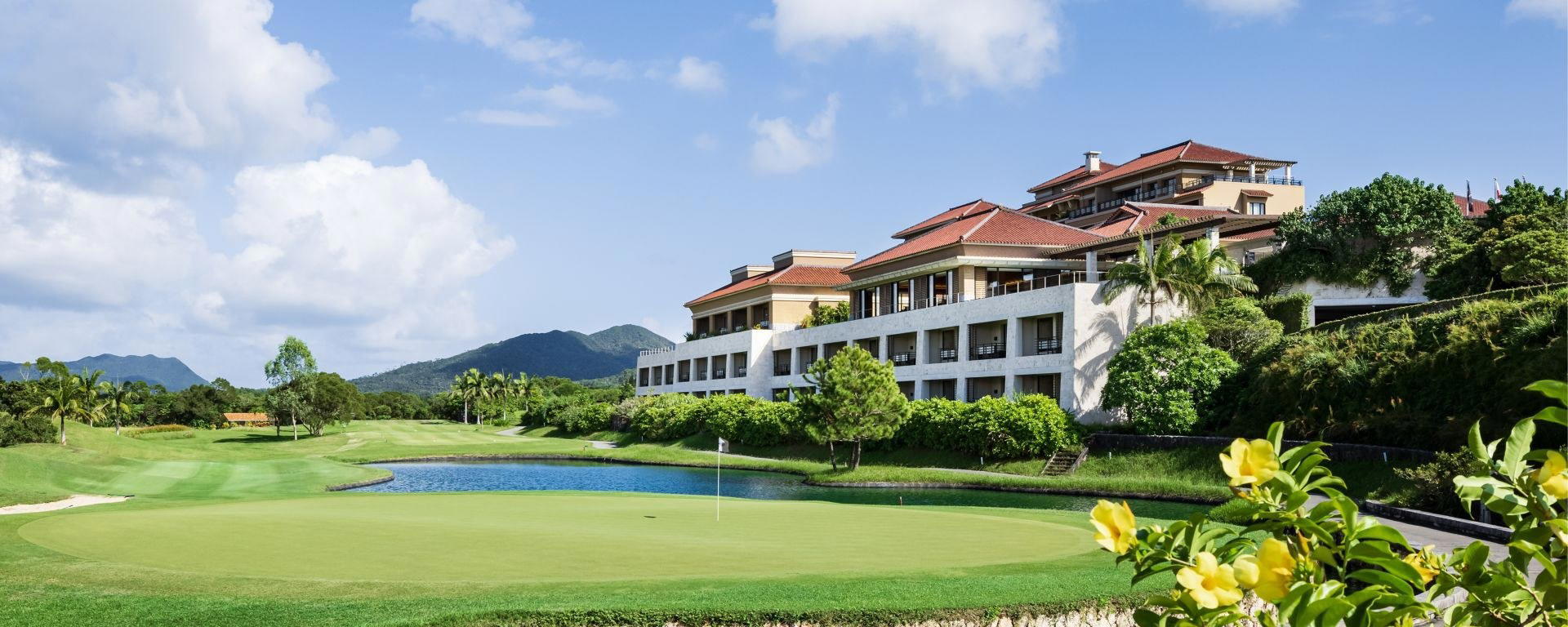
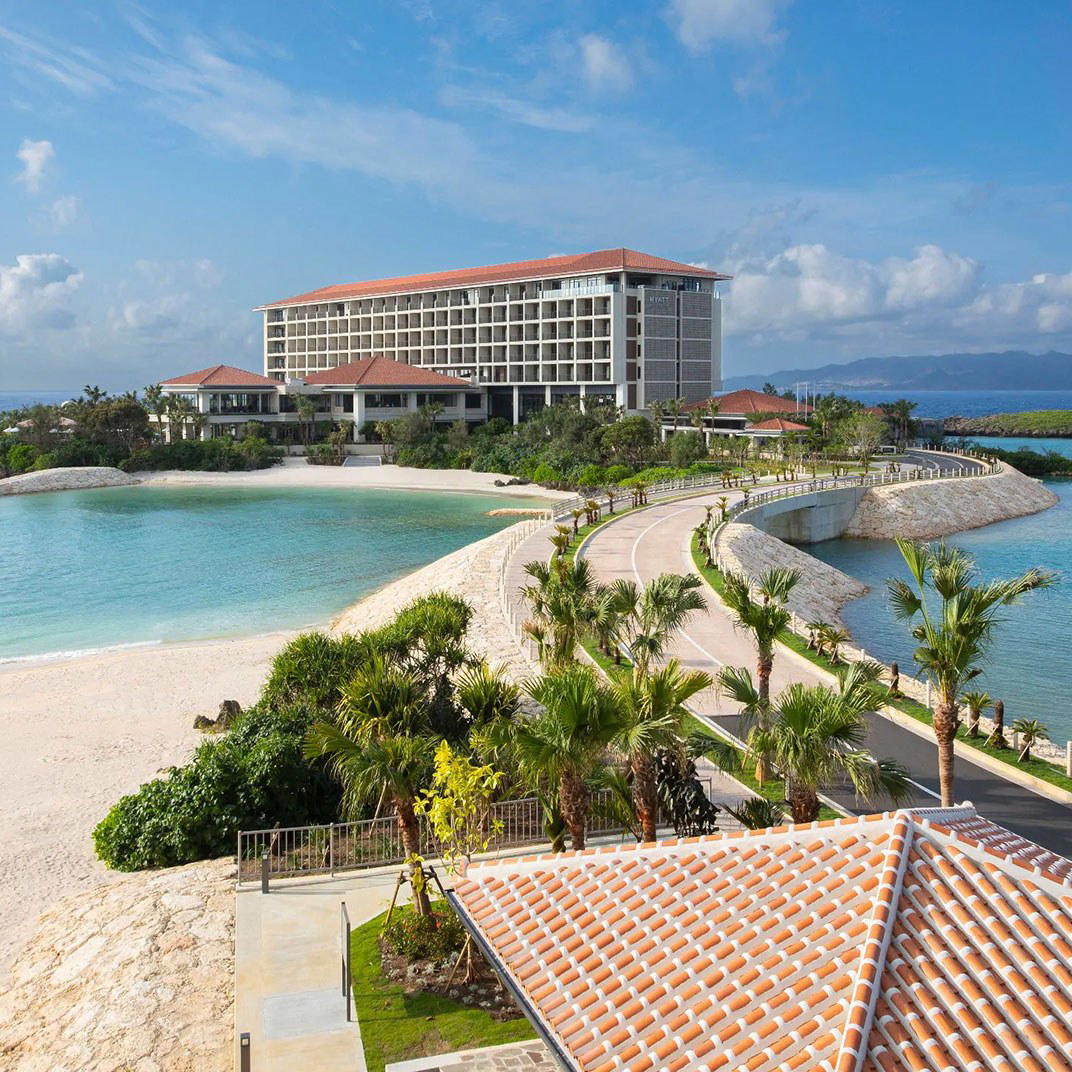
Among Okinawa's premium coastal properties, the Terrace Club operates as an adults-only enclave within a larger resort footprint, a model that allows guests to access the full facilities of the main Busena Terrace while retreating to a calmer, more contained residential environment. Properties like Halekulani Okinawa and Hyakuna Garan represent different points on that spectrum: one, a standalone luxury tower; the other, a more intimate ryokan-inflected retreat in the south. The Terrace Club sits in its own category, a wellness-specialist enclave inside a resort complex, built around thalassotherapy and structured rest. For the wider Okinawa context, see our full Okinawa restaurants guide.
The Room as a Place to Actually Sleep
The editorial angle that matters most here is not the spa, though the spa is central, but what happens inside the guest room itself. The beach-chic rooms follow a cream palette with wooden furniture, a pairing that reads less as decorative decision and more as a functional one: neutral tones and natural materials reduce visual noise in a property where the agenda is recovery. Large sliding doors are the defining architectural feature, designed to pull ocean breezes off Nago Bay directly into the room without requiring air conditioning to run at full volume.
Japan has its own logic on bed formats. Couples at Japanese luxury hotels frequently prefer side-by-side twin beds, the so-called Hollywood twin configuration, and every room at the Terrace Club is arranged accordingly. There are no king mattresses in the inventory. Travellers expecting a Western-format double should plan for this before booking, as it reflects a considered cultural positioning rather than a facilities gap. The balcony, equipped with a two-person lounger, functions as an extension of the sleeping environment: the place where guests move from active rest to passive observation, watching the light shift over Nago Bay at dusk.
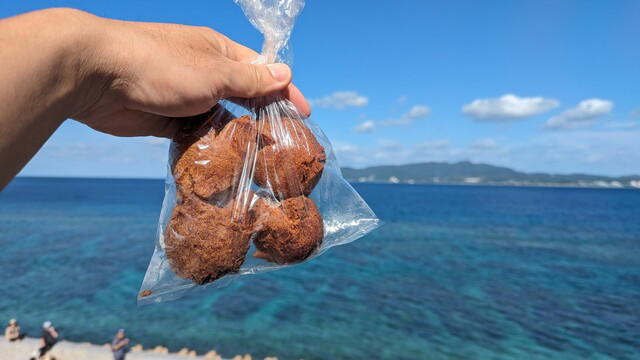
Room amenities include a Nespresso machine and a selection of herbal teas, a pairing that makes early-morning rituals self-contained without requiring a call to housekeeping. The 47-inch LCD television carries Japanese and some English cable channels, with Blu-ray movie request available for guests who prefer to wind down with something familiar. Okinawan touches are woven through the room in small, specific ways: complimentary sesame biscotti, local brown sugar, and bougainvillea bath salts. These are not decorative gestures at regional identity; they function as introductions to Okinawan ingredient culture that continue at breakfast. Ocean-view rooms add direct sightlines to the calm azure waters of the bay, which at this latitude means genuinely still water, sheltered from Pacific swells by the bay's own geography.
The Wellness Logic Behind Thalassotherapy
Thalassotherapy, the therapeutic use of seawater and marine products, has a longer European history than most Asia-Pacific spa programs acknowledge. The Terrace Club grounds its program in this tradition while connecting it to Okinawan coastal resources, an approach that gives the treatments a locational coherence that generic spa menus often lack. After an initial consultation with a therapist, guests select a customised series of treatments calibrated to their specific objectives, whether recovery from travel fatigue, stress reduction, or physical rehabilitation. The heated Thalasso spa pool operates year-round, a critical operational detail for guests considering an off-season stay: the main outdoor pool closes from November through March, but the spa infrastructure remains accessible throughout.
The property holds recognition on La Liste's Leading Hotels 2026 at 94 points, and carries a Star Wine List award for 2026, the latter an unusual distinction for a wellness property that signals the food and beverage program is taken seriously alongside the treatment offering.
Breakfast as an Introduction to Longevity Eating
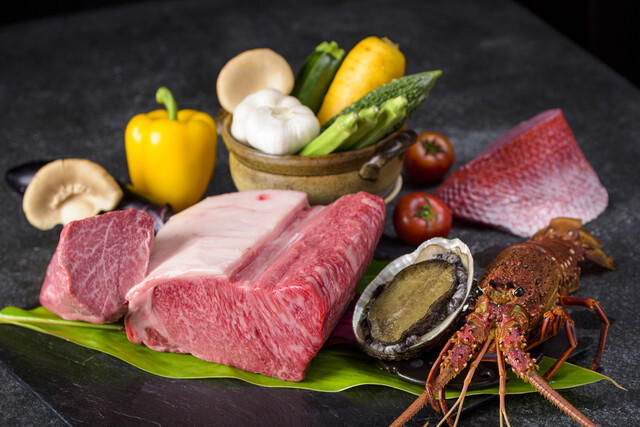
Okinawa's relationship with longevity is documented rather than mythologised. The prefecture's population of centenarians has drawn enough academic attention to generate a substantial body of research on diet and lifestyle factors. At the Terrace Club's breakfast buffet, the locally sourced ingredients that appear in that research show up in practical form: green papaya, mozuku seaweed, Okinawan spinach, and goya, the bitter gourd that Okinawans have eaten for centuries and that nutritional science has more recently examined for its metabolic properties. For guests arriving with an interest in how food and longevity intersect, the breakfast buffet functions as direct contact with that tradition rather than a curated representation of it.
The Coral Reef and What Surrounds It
Busena sits at a latitude where the reef is close enough to snorkel without a boat, though for guests who want a more structured interaction with the marine environment, the main resort runs a scuba diving center, an underwater observatory, and glass-bottomed boat tours. The Churaumi Aquarium, one of the largest in the world, is less than an hour from the resort. Nakijin Castle, a UNESCO World Heritage Site dating to the Ryukyu Kingdom period, sits within the same radius. Cape Manza is approximately a 20-minute drive south. The northern expressway provides the primary access route, making the hotel accessible without requiring a transfer into Naha's more congested southern corridors.
Okinawa's wider resort tier covers a range of formats and orientations. Fusaki Beach Resort Hotel & Villas serves families and larger groups on Ishigaki's west coast. HOSHINOYA Taketomi Island places guests inside a protected cultural landscape on the small island of Taketomi. Miyakojima Tokyu Hotel & Resorts works the Miyako island market. Each serves a different itinerary logic; the Terrace Club is specifically for guests who want the structure of a wellness program alongside a coastal setting, not a general resort stay that happens to include a spa.
Japan's broader wellness-retreat market extends well beyond Okinawa. Amanemu in Mie operates around onsen immersion and Ise-Shima's marine landscape. Sankara Hotel & Spa Yakushima positions itself against a UNESCO-listed forest. Properties like Gora Kadan in Hakone, Zaborin in Kutchan, and ENOWA Yufu in Yufu each represent different expressions of the Japanese wellness-hospitality model. Other Japan properties worth considering include Asaba in Izu, Nishimuraya Honkan in Kinosaki-cho, Araya Totoan in Kaga, Sekitei in Hatsukaichi-shi, Fufu Kawaguchiko, Fufu Nikko, Benesse House on Naoshima, and Jusandi in Ishigaki. For urban luxury in Japan, Bvlgari Hotel Tokyo and HOTEL THE MITSUI KYOTO represent the high end of city-format stays. International comparisons for spa-anchored resort formats include Aman New York, The Fifth Avenue Hotel, and Aman Venice.
Planning Your Stay
The property enforces an adults-only policy for guests 13 and over, and prohibits smoking across all facilities including guest rooms and balconies. Visible tattoos require covering as per the property's policy, which aligns with standard onsen and spa practice across Japan. The hotel operates at its highest demand during Golden Week (late April to early May), Obon (mid-August), and New Year's Eve; advance booking is advisable for any of those windows. Outside peak periods, the smaller scale of the Terrace Club relative to the main Busena Terrace resort means availability can tighten quickly as the property fills with returning guests. Guests staying at the Terrace Club access the full facilities of the main resort, including pools, tennis courts, and beach, which extends the physical footprint considerably beyond the Terrace Club's own buildings.
How It Stacks Up
Comparable venues nearby, for context on price, style, and recognition.
| Venue | Cuisine | Price | Awards | Notes |
|---|---|---|---|---|
| The Terrace Club Wellness Thalasso at BusenaThis venue (the venue you are viewing) | Luxury wellness resort with club-floor privileges and personalized service. | Not listed | La Liste Top Hotels · Star Wine List | Not listed |
| HOSHINOYA Taketomi Island | Ryukyu-inspired traditional village resort with contemporary comforts | Not listed | 1 Michelin Key | Taketomi Island |
| Fusaki Beach Resort Hotel & Villas | Sprawling tropical beachfront resort with villas and garden terraces | $200–300 | Michelin Selected · World Luxury Hotel Awards WLHA Regional Winner | Fusaki Beach |
| Miyakojima Tokyu Hotel & Resorts | Classic beachfront resort with modern updates | Not listed | Preferred Hotels Member | Maehama Beach |
| Hyakuna Garan | Japanese-Okinawan fusion with Ryukyu limestone and red tile roofs | Not listed | 1 Michelin Key · Forbes Recommended | Nanjo |
| Sankara Hotel & Spa Yakushima | Luxury eco-retreat blending modern villas with Yakushima's ancient forest. | $300–500 | 1 Michelin Key · Star Wine List | Yakushima-cho |
Recognition history
Dated appearances from independent guides and award organizations, with the underlying list record or original source where available.
La Liste Top Hotels
La Liste
Star Wine List
Star Wine List
Forbes Recommended
Forbes
Small Luxury Hotels of the World Member
Small Luxury Hotels of the World
Full recognition history (5 entries)
Forbes Recommended
Forbes

Details
- Quiet
- Elegant
- Scenic
- Sophisticated
- Intimate
- Wellness Retreat
- Honeymoon
- Romantic Getaway
- Anniversary
- Beachfront
- Infinity Pool
- Destination Spa
- Terrace
- Panoramic View
- Spa
- Pool
- Fitness Center
- Room Service
- Concierge
- Wi Fi
- Sauna
- Beach Access
- Waterfront
- Garden
- Elevator
- Wheelchair Accessible
Serene and relaxing with natural light-filled spaces, ocean views, and a tranquil wellness-focused atmosphere.