




1 Michelin Key · Star Wine List · Small Luxury Hotels of the World Member
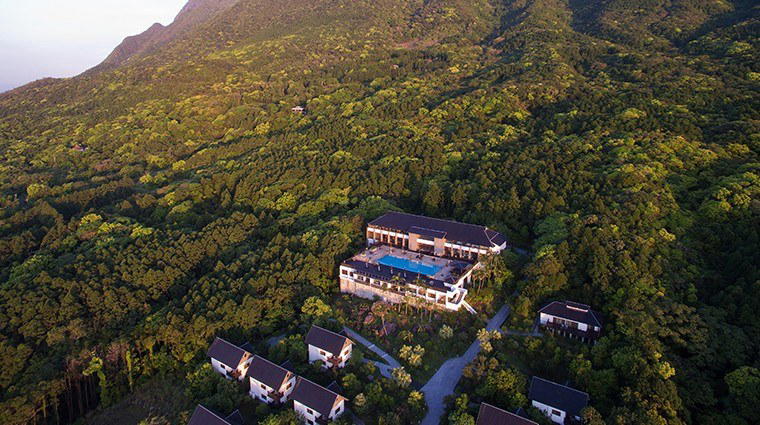
On the subtropical island of Yakushima, a UNESCO World Heritage Site off Japan's southwestern tip, Sankara Hotel & Spa occupies 29 rooms across forest and ocean-facing settings. The auberge-format property holds a Star Wine List award (2026) and a Regional Winner designation for Luxury Gourmet Hotel, with two French-influenced restaurants, a multi-discipline spa, and complimentary transfers from Anbo port and Yakushima Airport.

Pearl is the En Primeur Club membership app, where members save venues, book tables and use the concierge.
An Island That Earns Its Reputation Before You Arrive
The approach to Yakushima recalibrates expectations before you step off the ferry or the small propeller aircraft. The island rises sharply from the sea, its interior ridge topping 1,900 metres, and the density of the forest cover is the first thing most visitors register. This is not decorative greenery. Yakushima receives among the highest annual rainfall of any location in Japan, and the result is a canopy so layered and persistent that the island became the acknowledged inspiration for the ancient forest sequences in Hayao Miyazaki's Princess Mononoke. UNESCO designated it a World Heritage Site in 1993, recognising the presence of yakusugi cedar trees that pre-date most European cathedrals. The oldest confirmed specimens exceed 2,000 years. That context matters for understanding what kind of travel Yakushima demands, and consequently what kind of property makes sense here.
The Auberge Model in a Forest Setting
Japan's luxury accommodation tradition defaults to the ryokan, a format defined by tatami, floor-level living, and cuisine that is resolutely Japanese in its structure and seasonality. Sankara Hotel & Spa Yakushima operates from a different premise. The property follows the French auberge model, a country inn format centred on gastronomy and landscape rather than ceremonial ritual. Floors are for walking. The 29 rooms divide into Western-format configurations, and the overall experience positions dining and the spa as the primary indoor draws, with the island itself functioning as the wider canvas. This is a considered choice in a market where properties like Gora Kadan in Hakone and Asaba in Izu represent the deeply traditional end of the spectrum. Sankara sits in a different register: Western comfort codes, French culinary anchoring, and an explicit orientation toward the natural environment outside rather than the interior aesthetics within.
The property occupies the southeast corner of the island, a position that delivers ocean views to the Pacific on one side and forest and mountain tableaux in most other directions. The 29 rooms spread across the Samudra Villas, which offer polished-wood floors and substantial living areas in a secluded forest configuration. The room hierarchy moves through three Sankara Junior Suites with teak detailing and Asian-inspired design, up to the Sankara Suite, which carries two bedrooms, a private spa room, and an outdoor bath. At the top of the range, the Sankara Villa Suite features a wooden deck with panoramic ocean sightlines. Amenities in all categories use locally sourced materials where possible, including soap derived from island plants with a cedar scent that functions as its own sensory orientation to the place.
Dining as the Indoor Centrepiece
The auberge format places restaurants at the centre of the proposition, and Sankara operates two: Ayana and Okas. Both work within a French framework inflected with Japanese produce, a combination that reflects the island's position at the margin of two culinary traditions. Yakushima's climate, subtropical and high-rainfall, generates produce with distinctive characteristics, and the kitchens draw on local ingredients to give the French structure a regional material base. This approach to French technique applied to hyper-local Japanese sourcing has become a recognised format at the higher end of Japanese resort dining, appearing in properties from Amanemu in Mie to properties in the northern prefectures. At Sankara, the commitment is structural rather than decorative. Seasonal dishes shift with the island's harvest calendar rather than following a fixed menu rotation.
Wine program has received external recognition: Sankara holds a Star Wine List award for 2026, placing it within a specific cohort of properties where the cellar is taken seriously enough to merit specialist publication scrutiny. That credential positions the dining offer closer to destination restaurant territory than to the standard resort food-and-beverage model, where wine is an afterthought to the room rate.
The Spa: Thai Framework on a Japanese Island
Spa programs at Japanese luxury properties tend to follow one of two directions: deeply traditional Japanese treatments (onsen-led, mineral-focused) or internationally composed menus that import techniques from multiple traditions. Sankara takes the second route. The spa imports Thai treatment frameworks and aesthetics, then layers in Algologie seaweed facials, mineral body wraps, and stretching sessions. The range is deliberately broad, and the staff operate on a consultation model, helping guests select from the menu based on what they need after a day on the island's trails. This is not a passive offering; the island's terrain is demanding enough that recovery programming makes practical sense.
Properties that prioritise wellness in a comparable setting, such as The Terrace Club Wellness Thalasso at Busena in Okinawa, tend to anchor their spa identity around a single treatment philosophy. Sankara's wider menu reflects its auberge positioning: the point is flexible restoration, not a single signature modality.
Yakushima as the Real Programme
No fair assessment of Sankara separates the property from the island it occupies. The hiking network on Yakushima is extensive and well-maintained, connecting the coastal ring road to the deep-mountain yakusugi groves. Yakusugi Land, a nature park within reach of the hotel, organises guided walks ranging from 20 minutes to three hours, giving guests calibrated access to the ancient cedar stands without requiring specialist mountaineering fitness. The more committed routes into the high interior are a different proposition, but the infrastructure of marked trails means the island is genuinely accessible to most visitors. The landscape that made this a UNESCO site, the same landscape visible from every window at Sankara, is the primary reason to make the journey.
That framing applies to a broader cluster of island properties across Japan's southwestern arc. Jusandi in Ishigaki and HOSHINOYA Taketomi Island operate in the same general geography of Japan's remote southern islands, each trading on the premise that the setting is irreplaceable and the property's job is to make access comfortable. Yakushima's specific distinction, the age and scale of its forest, is harder to replicate than a beach or a reef.
Getting There and Planning the Stay
Reaching Yakushima from Tokyo involves a two-hour flight to Kagoshima followed by either a 30-minute onward flight or a three-hour ferry crossing. From Osaka, a direct flight of approximately 90 minutes to Yakushima Airport removes one leg entirely. Sankara provides complimentary pickup and drop-off for both the Anbo ferry port and Yakushima Airport, but the transfer must be reserved in advance. The hotel sits roughly 15 minutes from Anbo port and 30 minutes from the airport. For exploring beyond the immediate vicinity of the property, renting a car from the ferry ports at Miyanoura or Anbo gives substantially more flexibility than relying on the island's bus service, which connects the main villages but operates on a schedule that limits spontaneous routing. The island's main ring road is manageable by car and serves as the primary artery for reaching trailheads and coastal points.
One logistical note that affects trip planning: Sankara accepts only guests aged 15 and above, which shapes the guest profile toward adults seeking a quieter environment. Starting rates are approximately $619 per night, which positions the property in the premium-but-not-ultra-luxury bracket for Japanese island retreats. For context, the Regional Winner designation for Luxury Gourmet Hotel confirms the pricing reflects genuine programmatic depth across dining, spa, and setting rather than room specification alone.
For travellers building a wider Japan itinerary, the southern island arc pairs naturally with time in Kyoto at HOTEL THE MITSUI KYOTO or a hot-spring detour to ENOWA Yufu in Yufu. Those in the Okinawa region may also want to assess Halekulani Okinawa, Hyakuna Garan, and Fusaki Beach Resort Hotel & Villas as part of the same planning sweep. A broader look at the region is available through our full Okinawa restaurants guide.
Same-City Peers
Comparable venues nearby, for context on price, style, and recognition.
| Venue | Cuisine | Price | Awards | Notes |
|---|---|---|---|---|
| Sankara Hotel & Spa YakushimaThis venue (the venue you are viewing) | Luxury eco-retreat blending modern villas with Yakushima's ancient forest. | $300–500 | 1 Michelin Key · Star Wine List | Not listed |
| Hyakuna Garan | Japanese-Okinawan fusion with Ryukyu limestone and red tile roofs | Not listed | 1 Michelin Key · Forbes Recommended | Nanjo |
| Halekulani Okinawa | Luxury oceanfront resort with Hawaiian-Okinawan fusion. | $200–300 | 2 Michelin Keys · La Liste Top Hotels | Onna |
| The Terrace Club Wellness Thalasso at Busena | Luxury wellness resort with club-floor privileges and personalized service. | Not listed | La Liste Top Hotels · Star Wine List | Cape Busena |
| HOSHINOYA Taketomi Island | Ryukyu-inspired traditional village resort with contemporary comforts | Not listed | 1 Michelin Key | Taketomi Island |
| Miyakojima Tokyu Hotel & Resorts | Classic beachfront resort with modern updates | Not listed | Preferred Hotels Member | Maehama Beach |
Recognition history
Dated appearances from independent guides and award organizations, with the underlying list record or original source where available.
Michelin 1 Key
Michelin
Star Wine List
Star Wine List
Forbes Recommended
Forbes
Small Luxury Hotels of the World Member
Small Luxury Hotels of the World
World Luxury Hotel Awards WLHA Regional Winner
World Luxury Hotel Awards
Full recognition history (6 entries)
Michelin 1 Key
Michelin
Continue exploring
More in Okinawa
Restaurants in Okinawa
All restaurants in Okinawa →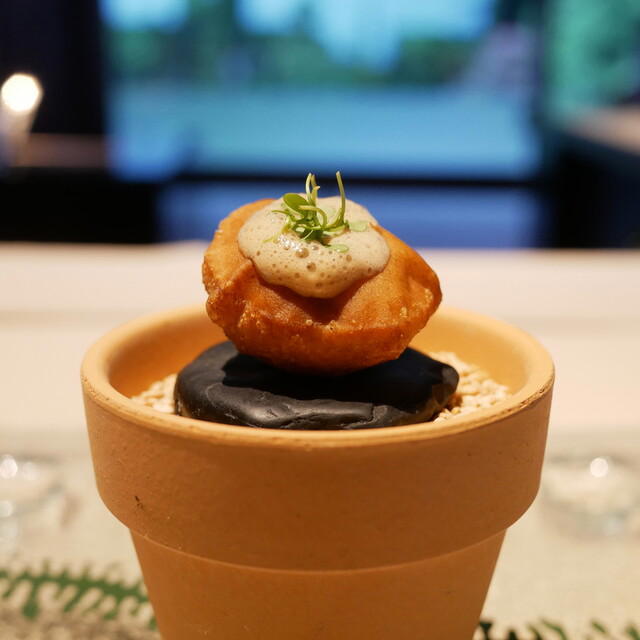
Details
- Quiet
- Elegant
- Scenic
- Sophisticated
- Intimate
- Honeymoon
- Romantic Getaway
- Wellness Retreat
- Weekend Escape
- Infinity Pool
- Destination Spa
- Panoramic View
- Private Villa
- Wi Fi
- Pool
- Spa
- Fitness Center
- Room Service
- Concierge
- Restaurant
- Garden
- Mountain
- Wheelchair Accessible
- Elevator
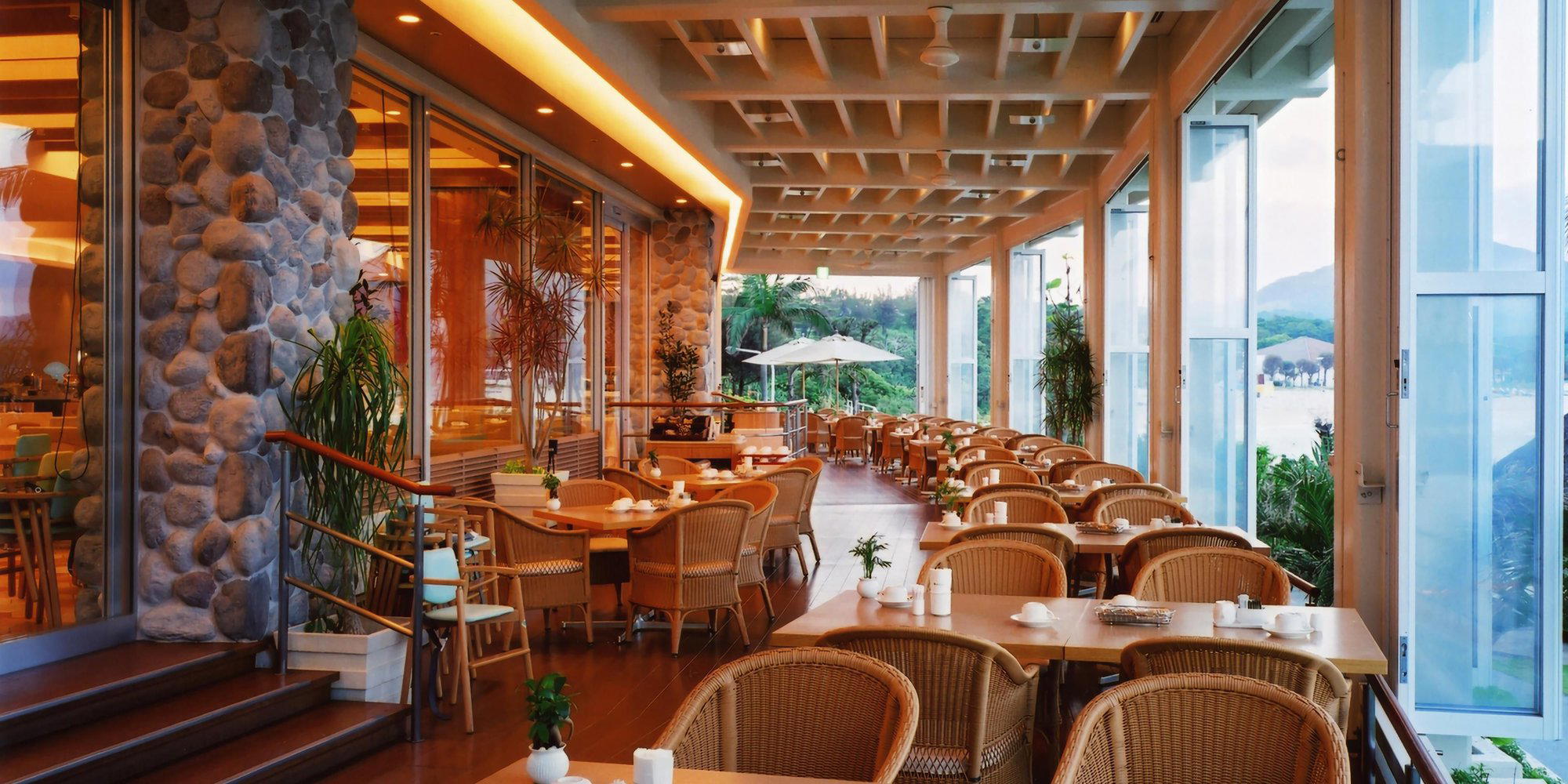
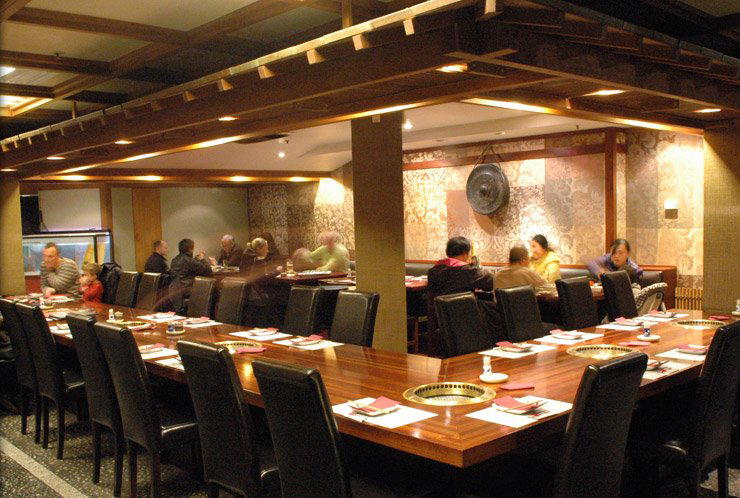
Serene and relaxing with warm lighting, earthy tones, and immersive natural surroundings fostering deep tranquility.