Our verdict
Taco Rice Cafe Kijimuna is one of Okinawa's most recognisable stops for taco rice, the island's signature fusion dish that layers taco-seasoned beef, cheese, and salsa over Japanese rice. The cafe draws a loyal local crowd who return for the no-fuss format and the dish itself, which sits at the intersection of American military influence and Okinawan everyday cooking. It belongs to a small tier of spots where the food tells the island's postwar story directly on the plate.

Pearl is the En Primeur Club membership app — saves, bookings, and concierge access live there. Same editors, same standards.
- Address
- Okinawa, Japan
- Directions
- Get directions
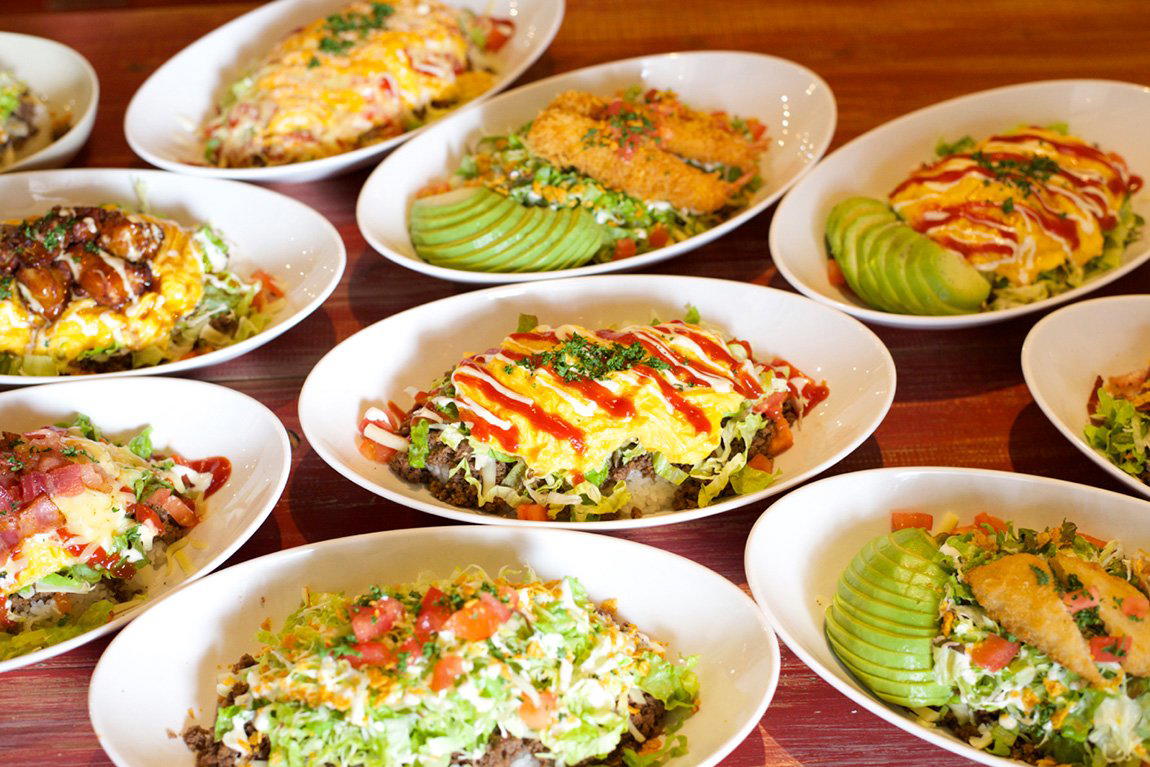
The menu
What to order
- Taco rice
- Omu-taco rice
- Teriyaki chicken taco rice
Where Okinawa's Postwar Plate Comes Into Focus
Some dishes carry more cultural freight than their ingredient list suggests. Taco rice, the Okinawan staple of taco-seasoned ground beef, shredded cheese, lettuce, tomato, and salsa served over a bowl of Japanese short-grain rice, is one of them. The dish emerged in the towns surrounding the American military bases in the 1980s, a pragmatic and genuinely tasty negotiation between two food cultures sharing the same small island. Taco Rice Cafe Kijimuna sits inside that tradition, drawing a crowd that includes longtime locals who remember eating the dish long before it appeared on any tourism shortlist.
That demographic matters. When a cafe earns a regular clientele in Okinawa specifically for a dish this tied to local identity, it signals something different from a restaurant that has packaged the dish for visitors. Regulars are the quality filter here, and they return not out of novelty but out of habit, which is a more demanding standard to meet across years of visits.
The Dish Itself: What the Regulars Know
Taco rice is deceptively simple in structure and surprisingly hard to calibrate well. The seasoned meat needs enough spice and fat to read as distinctly taco-adjacent without overwhelming the rice underneath, which functions more like a Japanese donburi base than a neutral filler. The cheese should melt partially from the heat of the meat. The salsa and fresh vegetables add acid and crunch that prevent the bowl from feeling heavy. When those ratios land correctly, taco rice is a genuinely satisfying bowl of food. When they don't, it's a confused mashup that does justice to neither tradition it draws from.
Cafes that build a loyal local following for taco rice tend to be the ones that have settled their ratios through repetition rather than reinvention. The regulars at places like Kijimuna are not coming for seasonal reinterpretations. They're coming because the bowl tastes the same as it did the last twenty times, and that consistency is a form of craft in itself. In Okinawa's taco rice category, there is no equivalent of a tasting menu evolution. The discipline is in the execution of a known form, repeated reliably.
The name Kijimuna references one of Okinawa's best-known folkloric figures, a tree spirit associated with good fortune and the sea. It's a name that signals local cultural grounding rather than pan-Japanese branding, which aligns with the cafe's positioning inside the island's everyday food culture rather than its tourist-facing restaurant tier.
Okinawa's Taco Rice Geography
Okinawa's taco rice scene is geographically tied to the towns that grew up around the American bases, particularly in the central part of the main island. The dish is everywhere on the island now, from convenience stores to upmarket hotel menus, but the cafes with genuine local credibility tend to cluster in areas with longer histories of base-adjacent food culture. Understanding which tier a given spot occupies requires knowing whether its regulars are locals eating lunch or visitors ticking off a food experience.
Kijimuna occupies the former category, which places it in a different competitive conversation from the island's more visitor-oriented dining. Okinawa has a wide range of eating options worth tracking: Jack's Steak House represents the American-influence dining tradition at its longest-running and most straightforwardly steak-focused, while Mexico Ginowan operates in the Tex-Mex-adjacent lane that also draws from the island's base-culture food history. Captain Kangaroo and Downtown round out a set of Okinawa spots that each interpret the American-Japanese food overlap differently. 6 adds another reference point in the local dining spread. For a fuller picture of where Kijimuna sits within the island's eating options, the our full Okinawa restaurants guide maps the broader field.
Okinawa Against Japan's Wider Dining Spectrum
Visitors coming to Okinawa from other parts of Japan, or arriving after time in cities like Tokyo or Osaka, will find the dining register here fundamentally different. Okinawa does not participate in Japan's Michelin culture in the way that the major mainland cities do. There are no omakase counters here operating in the same tier as Harutaka in Tokyo or kaiseki rooms with the depth of Gion Sasaki in Kyoto. The island's food identity runs in a different direction entirely, shaped by its own agricultural ingredients, its distinct Ryukyuan culinary heritage, and the postwar American presence that introduced ingredients and formats found nowhere else in Japan.
That's not a limitation. It's a different proposition. Taco rice is not competing with the multi-course precision of HAJIME in Osaka or the fermentation-led creative cooking at Goh in Fukuoka. It belongs to a category of food that Japan's fine dining circuit has no equivalent for: an island dish that emerged from a specific geopolitical and demographic history and became genuinely beloved on its own terms. Spots like akordu in Nara represent how some Japanese regional dining has moved toward European-influence fine dining, but Okinawa's most interesting food story runs in the opposite direction.
Japan's regional dining also includes strong local-food traditions at places like 一本木 佐川制 in Nanao, 古代山乃 in Sapporo, 湖鱒庵 in Takashima, 庄羽屋 in Nishikawa Machi, and Birdland in Sakai, each rooted in specific local ingredients or traditions. Okinawa's taco rice cafes occupy a comparable position: regionally specific, locally credible, and resistant to easy categorisation within standard Japanese food hierarchies. For international reference, the gap in register between Okinawa's cafe dining and the fine dining tier occupied by Le Bernardin in New York City or Atomix in New York City is as wide as any in global dining.
Planning a Visit
Given that this is a cafe-format spot with local regulars as its primary clientele, walk-in dining is the most likely format, though midday hours on weekends may bring a queue. Visiting during off-peak lunch hours on a weekday gives the most direct access to the experience the regulars describe.
Frequently asked questions
Is taco rice in Okinawa different from Mexican tacos, and where does Kijimuna fit in that tradition?
Taco rice is an Okinawan invention, not a Mexican import — it was created in the 1980s in Kin Town, near a US Marine base, as an affordable adaptation of taco ingredients served over rice. The dish became embedded in central Okinawa's food culture around the base towns and has since spread across the island. Taco Rice Cafe Kijimuna operates within that local tradition, with the 'Kijimuna' name drawing on Okinawan folklore rather than any American or Mexican reference point.
What do regulars order at Taco Rice Cafe Kijimuna?
The core order is taco rice itself: seasoned ground beef, shredded cheese, lettuce, and tomato served over white rice. Regulars in Okinawa's taco rice spots typically anchor on the base dish and judge the kitchen by how the meat is spiced and the fat-to-protein ratio holds up.
Is Taco Rice Cafe Kijimuna reservation-only?
Booking policy for Taco Rice Cafe Kijimuna has not been confirmed. Okinawa's casual taco rice cafes generally operate as walk-in venues, but hours and seating arrangements vary by location. Checking current status directly via local search before visiting is the safest approach.
What's the standout thing about Taco Rice Cafe Kijimuna?
Kijimuna takes its name from Okinawan folklore, signalling a local identity that goes beyond the dish itself. Taco rice is one of Okinawa's most culturally specific exports, born from the postwar American military presence on the island, and a cafe centred on it puts that history on the plate in a direct way. The dish's simplicity means the kitchen has nowhere to hide, which is precisely what makes well-executed versions worth seeking out.
What if I have allergies at Taco Rice Cafe Kijimuna?
Taco rice as a category typically involves wheat (seasoning blends), dairy (cheese), and meat, so those with relevant allergies should confirm ingredients directly with the venue before ordering.
Cuisine Context
| Venue | Cuisine | Price | Awards |
|---|---|---|---|
| Taco Rice Cafe KijimunaThis venue — the venue you are viewing | Okinawan Taco Rice | $10–20 | Not listed |
| 6 | Innovative French | Not listed | Tabelog Bronze #3 |
| Downtown | Not listed | $20–30 | Star Wine List |
| Captain Kangaroo | American Burgers | $10–20 | Tabelog 100 #24 |






Details
- Well Known
- Casual
- Lively
- Casual Hangout
- Solo
- Family
- Standalone
- Beer Program
- A La Carte
- Beer
No-fuss casual cafe atmosphere with conversational noise and a local-favorite feel.