Miyakojima Tokyu Hotel & Resorts

Preferred Hotels Member
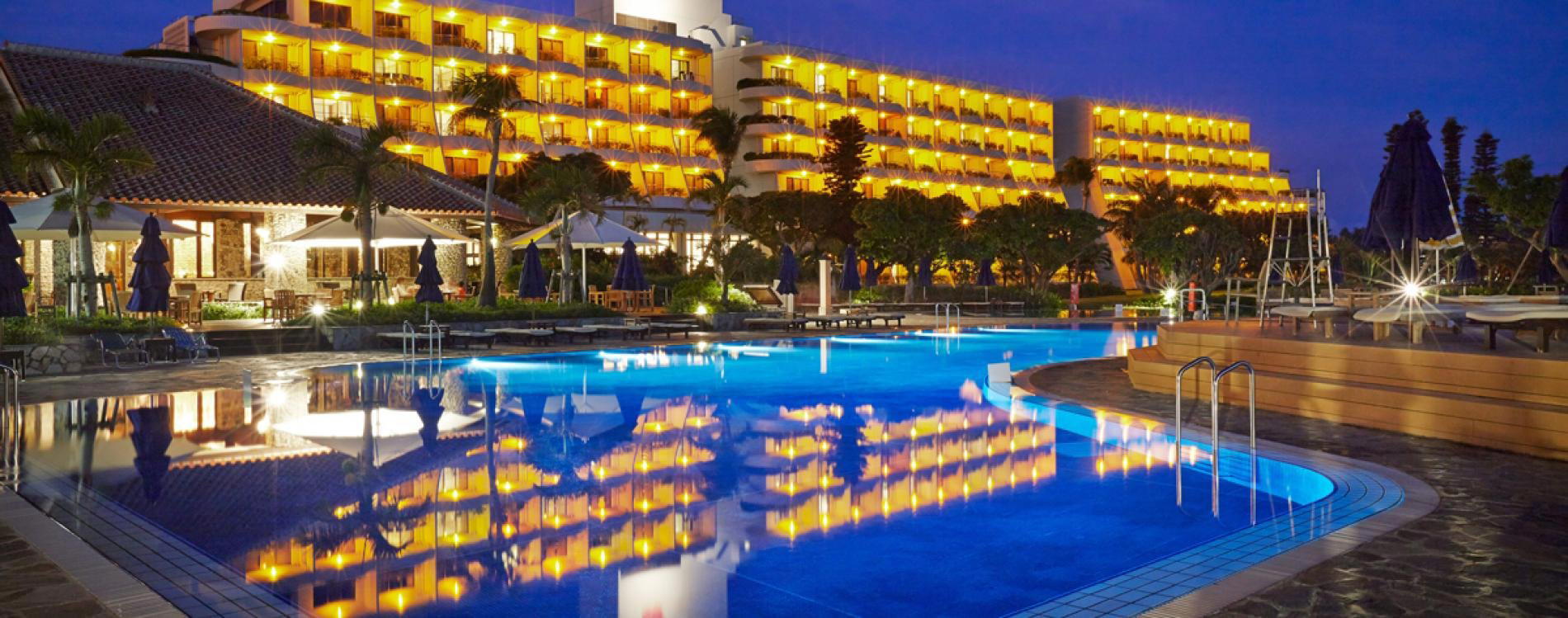
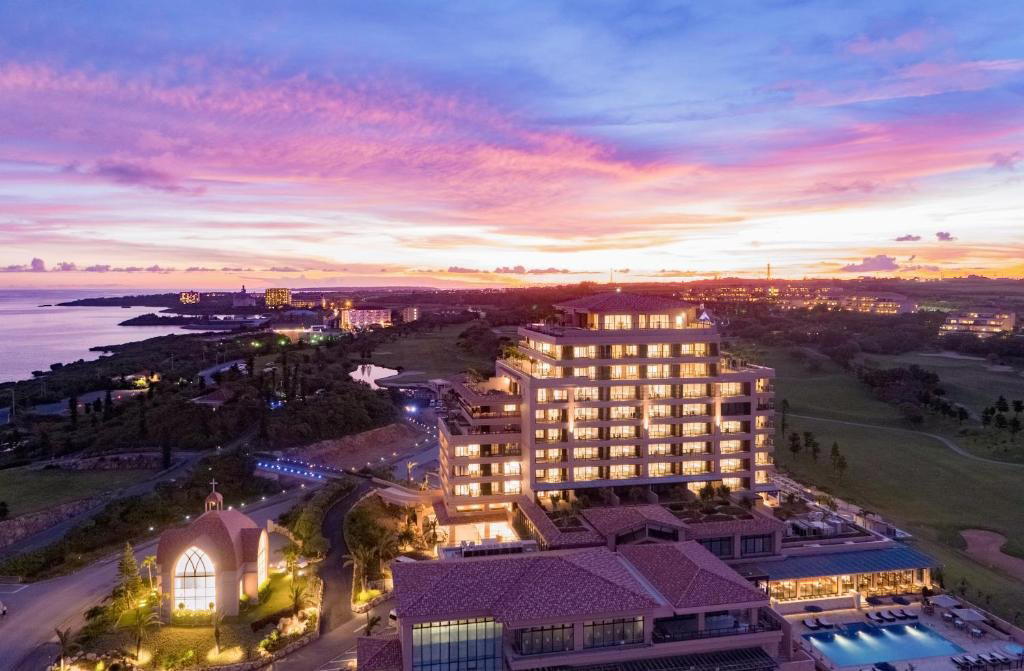
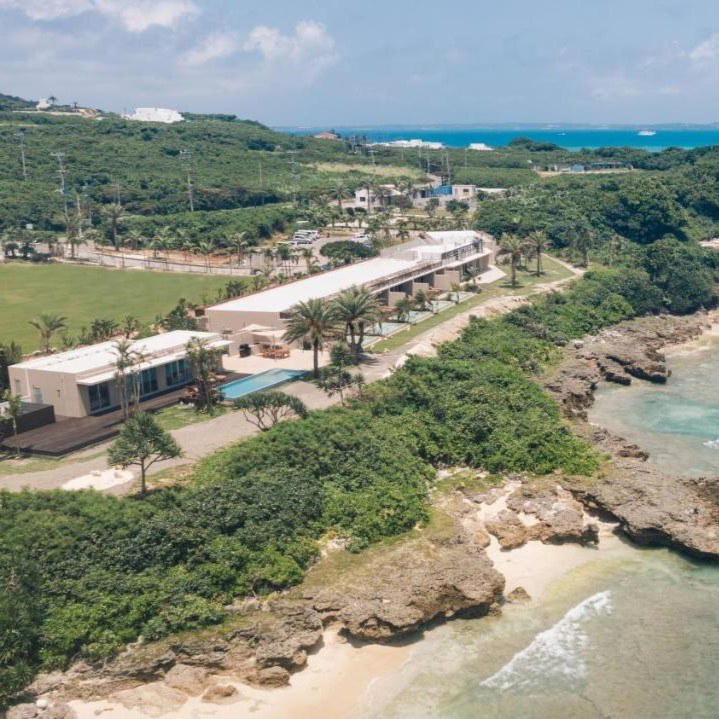
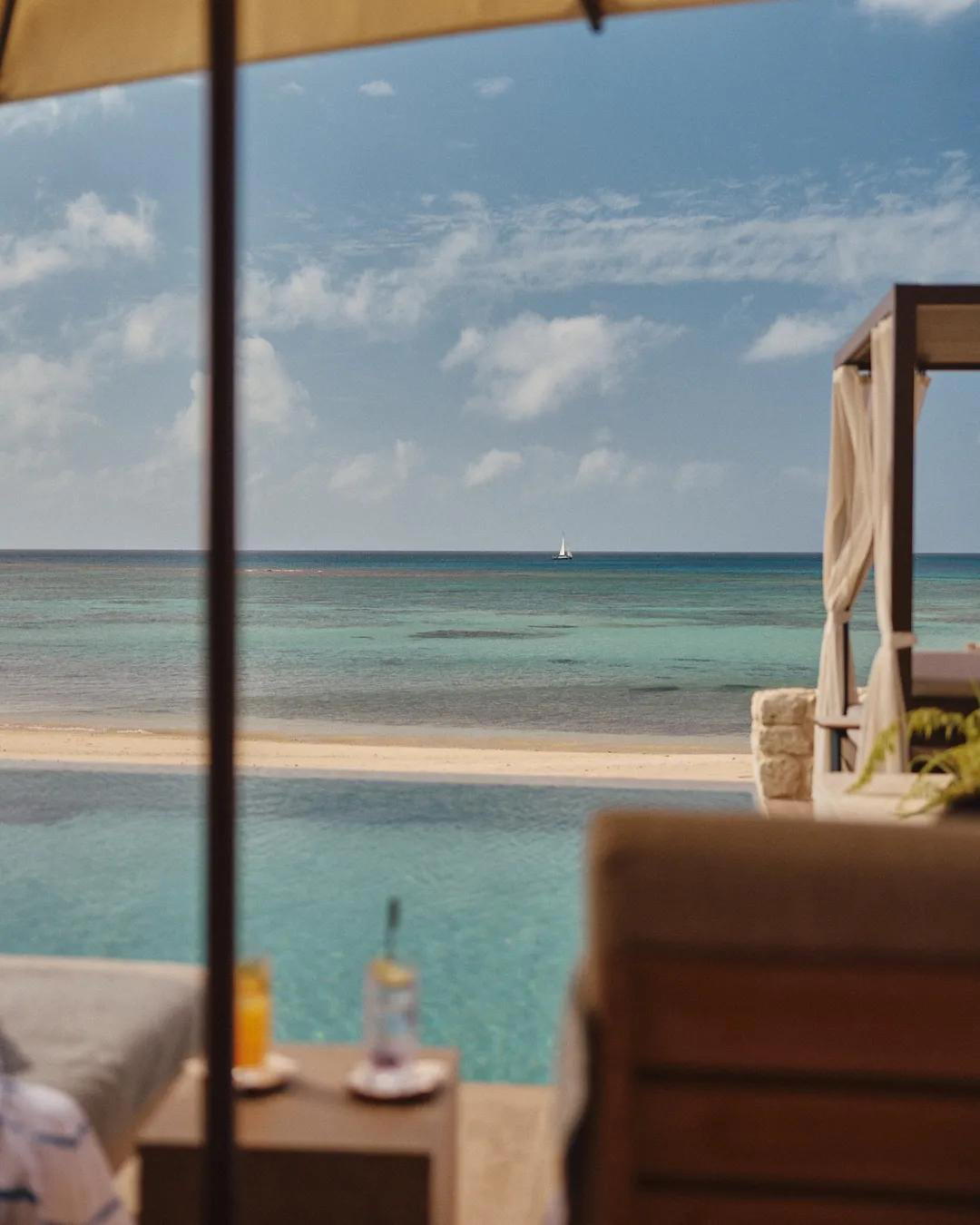
Miyakojima Tokyu Hotel & Resorts occupies a stretch of Shimoji on Miyako Island, one of the southernmost inhabited islands in Japan's Ryukyu chain. With 246 rooms, the property sits in a resort tier defined by scale and beach access rather than boutique intimacy, placing it alongside the larger full-service properties in Okinawa's premium leisure market. For travelers prioritizing the island's waters over urban proximity, the address does most of the work.

Pearl is the En Primeur Club membership app, where members save venues, book tables and use the concierge.
What Miyako Island's Address Means for a Resort Stay
Miyako Island sits roughly 300 kilometers southwest of Naha, separated from Okinawa's main island by open ocean and, until 2018, accessible only by air or ferry. The completion of the Miyako Island Road network connecting the surrounding islands changed the geometry of a stay here, but the destination's fundamental character remains the same: clear, shallow water with a visibility range that routinely exceeds 30 meters, coral shelves close to shore, and an absence of the tourist infrastructure density that defines Okinawa's main island resorts. Choosing Miyako is already a decision about how far removed you want to be from convenience.
Within that context, the Yonaha-Shimoji address of Miyakojima Tokyu Hotel & Resorts places the property on the quieter western end of the island's accommodation corridor. That positioning matters practically. Naha Airport requires a roughly 45-minute flight to Miyakojima Airport, and from there most major resort zones are within a 15-to-30-minute drive. The Shimoji address does not sit at the island's most trafficked beach point, which, depending on your preferences, reads as either a tradeoff or an advantage.
Scale as a Feature, Not a Compromise
Japanese island resort development has split into two distinct approaches over the past decade. The first favors low-key count, design-forward properties, think ryokan-adjacent formats or boutique hotels with fewer than 30 keys, where personalization and spatial restraint are the primary selling proposition. HOSHINOYA Taketomi Island and Hyakuna Garan represent that cohort within the broader Okinawa region. The second approach favors larger full-service resorts with 200-plus rooms, where the breadth of on-site amenity, multiple pools, dining formats, recreational programming, compensates for lower intimacy levels.
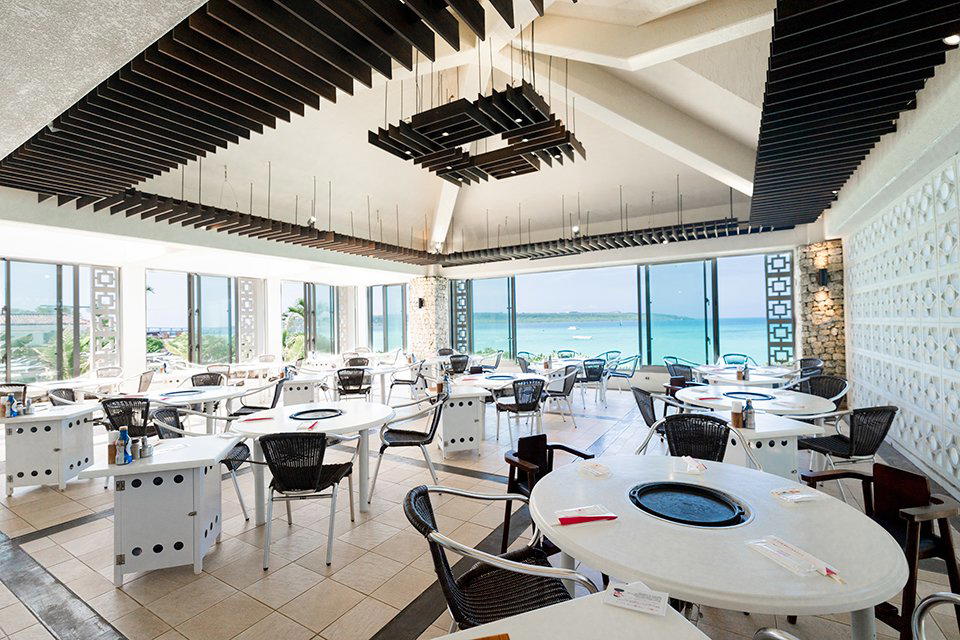
At 246 rooms, Miyakojima Tokyu Hotel & Resorts belongs to the latter category. That scale enables infrastructure that smaller properties cannot sustain: multiple restaurant formats, pools sized for genuine leisure rather than aesthetic photography, and the kind of staffing depth that keeps operations consistent across a larger guest count. For families or groups traveling together, the calculus often favors this model over the boutique alternative. For solo travelers or couples seeking concentrated quiet, properties like Sankara Hotel & Spa Yakushima or Zaborin in Kutchan operate in a different register entirely.
Within Miyako Island specifically, the 246-room count makes this one of the larger resort footprints on the island. Miyako does not have the resort density of Naha's outskirts or the Motobu Peninsula, which means even a large property benefits from the island's relatively controlled development pace. Halekulani Okinawa and The Terrace Club Wellness Thalasso at Busena operate on the main island with comparable scale but face a different competitive density around them.
The Water and What It Implies
Miyako Island's reputation in Japan's domestic travel market rests almost entirely on water quality. The island's reefs, particularly around Yabiji, one of the largest coral reef systems in Japanese waters, draw divers from across East Asia, and the shallow turquoise flats near the southern and western coasts have made the island a reference point for clear-water beach photography. A resort address on Miyako carries that association by default, but proximity to specific beach access points still varies considerably across the island's accommodation options.
For guests whose primary activity itinerary involves snorkeling, diving, or extended time on the water, the relevant logistical question is how the hotel's beach access, water sports programming, and relationship with local dive operators is structured. Miyakojima Airport is the arrival point for most international and domestic travelers, and the island's road network is manageable by rental car, which remains the most practical way to cover the distance between accommodation and the island's various beaches and dive sites. Fusaki Beach Resort Hotel & Villas on Ishigaki, the neighboring island to the southwest, offers a useful point of comparison for travelers considering which island in the Yaeyama-Miyako region leading suits their priorities.
Placing It Against Japan's Resort Spectrum
Japan's premium resort market has expanded considerably over the past 15 years, with international-brand entries in Tokyo and Kyoto, Bvlgari Hotel Tokyo, HOTEL THE MITSUI KYOTO, pulling attention toward urban luxury while island and onsen destinations have developed more quietly. Properties in the Aman network, including Amanemu in Mie, set a benchmark for nature-access resort design that has influenced how premium island properties position themselves. The traditional ryokan format, represented at its highest tier by properties like Gora Kadan in Hakone, Asaba in Izu, and Araya Totoan in Kaga, represents a parallel premium tier that operates on entirely different spatial and service logic.
Miyakojima Tokyu Hotel & Resorts sits in a distinct third category: the Japanese chain-affiliated beach resort, where the Tokyu Hotels brand signals professional operational consistency rather than boutique individualism or ryokan heritage. Travelers who value reliability, known service standards, and broad amenity coverage across a full-service property will find that framing reassuring. Travelers seeking the kind of design specificity found at Benesse House in Naoshima or the thermal programming at ANA InterContinental Beppu Resort & Spa are looking at a different tier of differentiation.
Planning the Stay
Miyako Island's peak season runs from late April through September, when water temperatures and visibility are at their most favorable for marine activities. The typhoon window, typically July through October, introduces weather variability that can affect outdoor programming and ferry connections between the surrounding islands. Booking a Miyako stay during the Golden Week holiday period in early May requires planning several months ahead, as domestic Japanese travel demand concentrates sharply during that window. The shoulder months of March-April and October-November offer improved availability and moderate weather, making them the practical choice for travelers with flexible timing.
Access to the property runs through Miyakojima Airport, which receives direct flights from Tokyo (Haneda and Narita), Osaka, and Naha. Naha serves as the regional hub for travelers arriving from elsewhere in Japan or connecting internationally. From Naha, the Miyako flight adds roughly 45 minutes. Rental car access from the airport is direct, and the island's road network, including the bridges to Irabu Island and Shimoji Island, opens additional coastal options for guests willing to drive.
For a broader read on where this property sits within the full range of Okinawa accommodation, our full Okinawa restaurants and hotels guide maps the region across island groups, price tiers, and travel styles. Travelers also comparing options in neighboring island chains should look at Jusandi in Ishigaki for a sense of how the smaller-footprint, design-led alternative operates within the same geographic region.
The Quick Read
| Venue | Price | Awards |
|---|---|---|
| Miyakojima Tokyu Hotel & ResortsThis venue (the venue you are viewing) | Not listed | Preferred Hotels Member |
| Halekulani Okinawa | $200–300 | 2 Michelin Keys · La Liste Top Hotels |
| Hyakuna Garan | Not listed | 1 Michelin Key · Forbes Recommended |
| Sankara Hotel & Spa Yakushima | $300–500 | 1 Michelin Key · Star Wine List |
| The Terrace Club Wellness Thalasso at Busena | Not listed | La Liste Top Hotels · Star Wine List |
| Fusaki Beach Resort Hotel & Villas | $200–300 | Michelin Selected · World Luxury Hotel Awards WLHA Regional Winner |
Recognition history
Dated appearances from independent guides and award organizations, with the underlying list record or original source where available.
Preferred Hotels Member
Preferred Hotels
Miyakojima Tokyu Hotel & Resorts
Featured Guides
Continue exploring
More in Miyakojima
Hotels in Miyakojima
All hotels in Miyakojima →
Details
- Scenic
- Elegant
- Quiet
- Modern
- Romantic Getaway
- Family Vacation
- Honeymoon
- Weekend Escape
- Beachfront
- Wi Fi
- Pool
- Spa
- Fitness Center
- Room Service
- Concierge
- Laundry Service
- Beach Access
- Golf Course
- Bicycle Rental
- Waterfront
- Garden
- Wheelchair Accessible
- Elevator
- Braille Menu
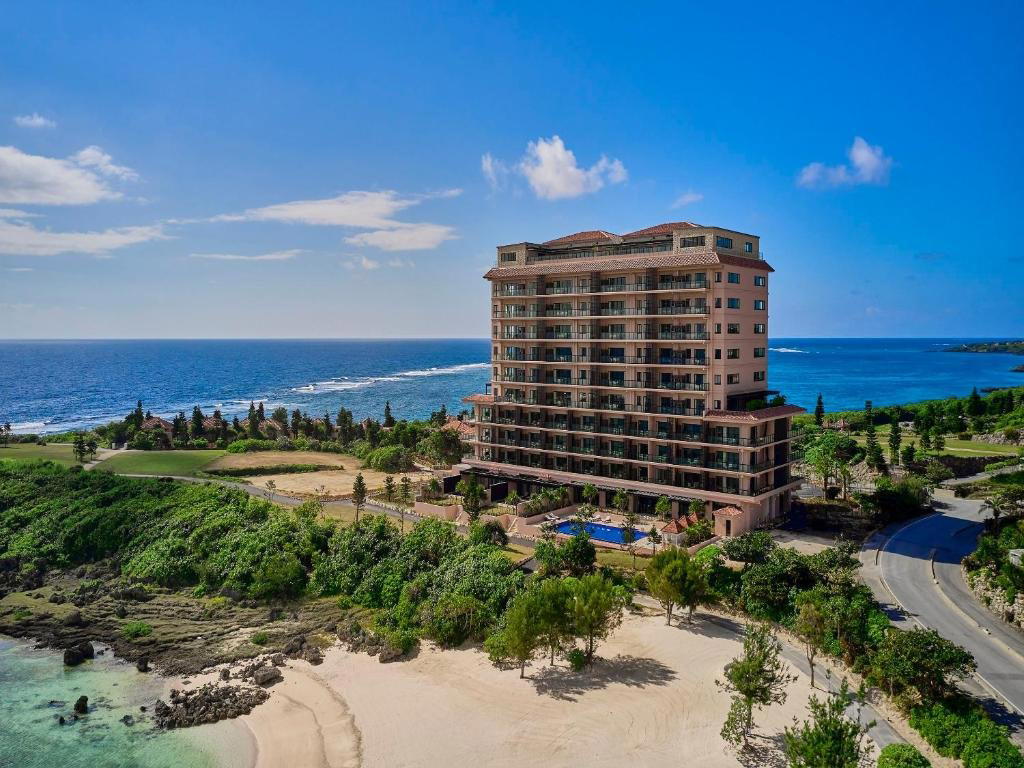
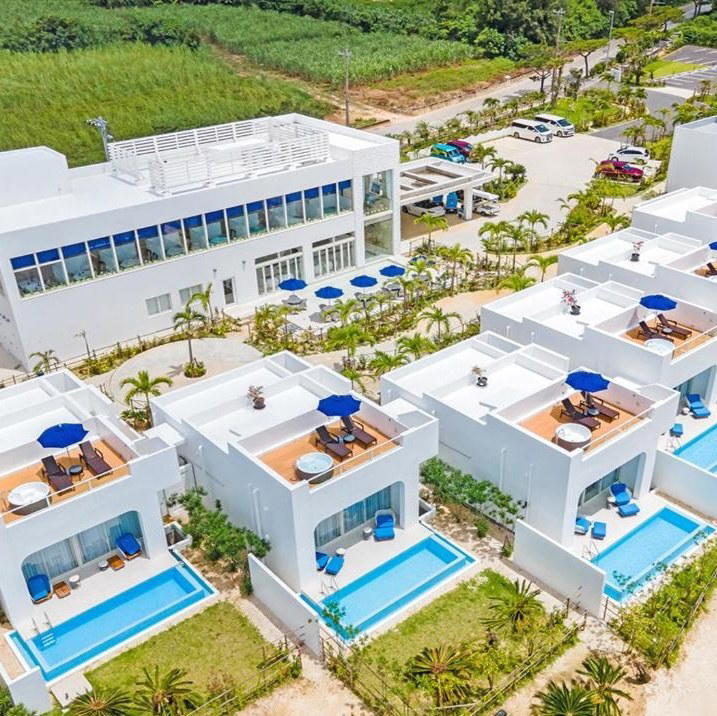
Relaxed and serene with natural light, ocean breezes, and tranquil garden and beach surroundings praised for quiet, comfortable rooms.