Our verdict
Restaurant Ardor brings a considered approach to dining in Okinawa, where the prefecture's distinct culinary identity sits apart from mainland Japanese fine dining traditions. Operating within a city still building its premium restaurant tier, Ardor positions itself for guests looking beyond the izakaya circuit. Check EP Club's full Okinawa guide for current booking and access details.

Pearl is the En Primeur Club membership app — saves, bookings, and concierge access live there. Same editors, same standards.
- Address
- Okinawa, Japan
- Directions
- Get directions
Where Okinawa's Dining Scene Sets Its Own Terms
Okinawa occupies a genuinely different position in Japan's culinary geography. The prefecture's food culture draws from Ryukyuan tradition, a long history of American military influence, and proximity to Southeast Asian trade routes — a combination that makes its restaurant scene read differently from Osaka, Kyoto, or Tokyo. Where those cities layer centuries of kaiseki refinement or Edo-period technique, Okinawa's premium dining tier is newer, thinner, and shaped by a different set of pressures. That context matters when placing Restaurant Ardor.
Across Japan's more documented dining cities, menu architecture has become a signal of intent. At HAJIME in Osaka, a single long tasting sequence frames everything around a philosophical argument. At Harutaka in Tokyo, the omakase structure delegates almost all decision-making to the chef. At Gion Sasaki in Kyoto, seasonal kaiseki pacing dictates the rhythm of an entire evening. These are not just menus — they are arguments about what a meal should do. How a restaurant in Okinawa chooses to structure its offering, given the absence of that deep local fine-dining tradition, reveals a great deal about where it is placing itself and who it is addressing.
Reading the Menu as a Positioning Statement
The editorial angle on any serious restaurant in Okinawa necessarily involves understanding what its menu architecture communicates about ambition and audience. In a city where the dominant dining culture runs toward casual Okinawan home cooking, champuru-style dishes, and the American-influenced steakhouse tradition visible at venues like Jack's Steak House, a restaurant that operates at a more considered register is making a deliberate choice. That choice shapes everything: course structure, ingredient sourcing, the ratio of local product to imported technique, and whether the menu reads as an education in Ryukyuan ingredients or as a more internationally fluent tasting format.
Japan's regional fine dining has increasingly split between two approaches. One anchors itself in hyper-local ingredient identity, a model visible at destinations like akordu in Nara or Goh in Fukuoka, where the prefecture's produce drives every decision. The other uses regional location as context but builds menus with broader technical ambition that speaks to a travelling, internationally aware diner. Okinawa's ingredients, mozuku seaweed, goya bitter melon, Agu pork, the prefecture's distinctive salt, offer rich material for either approach. The question any ambitious Okinawa restaurant must answer is how much it privileges that local vocabulary against other influences.
For diners accustomed to the kind of menu rigour found at Le Bernardin in New York City or the precision-focused Korean-American tasting format at Atomix in New York City, arriving in Okinawa requires a recalibration of expectations. The city's premium dining scene is not operating at that level of critical mass or international attention, yet. That can work in a restaurant's favour, particularly for a venue that has moved ahead of the local market without the competitive pressure that compresses menus in denser dining cities.
Okinawa's Dining Circuit: Where Ardor Sits
The Okinawa restaurant circuit that EP Club tracks spans a range from the direct American-diner heritage at Captain Kangaroo and the casual energy at Downtown to more considered options like 6 and the cross-cultural Tex-Mex inflections at Mexico Ginowan. That spread reflects Okinawa's layered identity: a Japanese prefecture with a distinct pre-annexation culture, decades of American base influence, and a growing awareness among visitors that its food scene deserves attention on its own terms rather than as a footnote to mainland Japan.
Within that circuit, Restaurant Ardor occupies a more considered register. Compared to similar regional-tier venues across Japan, from 一本杉川島製 in Nanao and 夕月山乃 in Sapporo to 湖鄰漁屋 in Takashima and 鳥羽屋 in Nishikawa Machi, the challenge for any restaurant in this tier is sustaining a quality argument in a city where the critical infrastructure (regular reviews, award attention, competitive peer pressure) is thinner than in Japan's headline dining destinations. Birdland in Sakai illustrates how a venue in a secondary Japanese city can hold its own through singular focus; that same logic applies to what Ardor is attempting in Okinawa.
Planning Your Visit
Current booking details, hours, and practical logistics for Restaurant Ardor are available through our full Okinawa restaurants guide, which is updated as venues confirm their current operation. Okinawa's dining scene is seasonal in the sense that the island's tourism patterns shift considerably between the peak summer months, when domestic and international visitors concentrate on the beaches, and the quieter winter period, when restaurants serve a more local clientele. For any serious dining reservation in a city with limited supply at the premium end, confirming well in advance of an Okinawa visit is the standard approach, the gap between supply and demand at the considered end of the market is narrow enough that spontaneous bookings carry real risk.
Frequently asked questions
Does Restaurant Ardor suit solo diners, or is it better suited to groups?
Okinawa's premium dining venues vary considerably in format, from counter-seat kitchens that work well for solo visitors to table-service rooms oriented toward groups. Restaurants at this tier in Japan routinely accommodate solo diners with counter or chef's table options where the format allows.
What do regulars order at Restaurant Ardor?
The practical approach for first-timers at Okinawa's premium tier is to follow a tasting or set menu format where offered, which in this prefecture typically reflects both Ryukyuan ingredient sourcing and the kitchen's own compositional logic. Ask staff on arrival what the kitchen is currently leading with.
How hard is it to get a table at Restaurant Ardor?
Okinawa's premium dining supply is substantially smaller than Tokyo's or Osaka's, which concentrates demand at the few restaurants operating at a considered level. Booking ahead is advisable regardless of season, and during the July-August peak or Golden Week periods, lead times extend further. check the venue's official channels for current availability windows.
What is Restaurant Ardor known for?
Restaurant Ardor sits within Okinawa's premium dining tier, a category that positions it apart from the prefecture's more prevalent casual and American-influenced dining heritage. Okinawa's food culture draws from Ryukyuan tradition, Chinese influence, and a long post-war American presence, and restaurants at this level typically make a deliberate statement about which of those registers they prioritise. EP Club tracks Ardor as part of the Okinawa circuit for that reason.
Do they accommodate allergies at Restaurant Ardor?
In Japan broadly, and particularly at restaurants operating at a premium level, communicating dietary requirements clearly at the time of booking is the standard protocol. Doing so in written Japanese significantly improves the reliability of the response.
Is Restaurant Ardor good value for money?
As a general marker, Okinawa's cost of living runs below Tokyo and Osaka, and premium dining here typically reflects that differential, meaning a comparable level of ambition often costs less than its mainland equivalent. Verify current pricing directly with the venue before booking.
What's the sweet spot for visiting Restaurant Ardor?
Okinawa's summer peak from July through August brings the highest visitor volumes, which tightens availability at the restaurants EP Club tracks. The shoulder months of April through June and September through November offer more accessible booking windows and, in culinary terms, a seasonal ingredient calendar that tends toward variety rather than peak-summer heat-driven simplicity. Spring and autumn are the periods when Okinawa's dining circuit generally operates with the most flexibility.
Awards and Standing
Comparable venues nearby, for context on price, style, and recognition.
| Venue | Cuisine | Price | Awards | Notes |
|---|---|---|---|---|
| Restaurant ArdorThis venue — the venue you are viewing | Okinawan-Italian Fusion | Not listed | Not listed | Not listed |
| Taco Rice Cafe Kijimuna | Okinawan Taco Rice | $10–20 | Not listed | American Village |
| Shokusai Shubo Matsumoto | Agu pork shabu-shabu & Okinawan izakaya | $50–100 | Tabelog 100 #19 | Matsuyama |
| Shuri Soba | Okinawan Soba | $1–10 | Not listed | Shuri |
| Mie | Traditional Okinawan Royal Cuisine | Not listed | Not listed | Kumoji |
| Jack's Steak House | Okinawan Yoshoku Steakhouse | Not listed | Not listed | Naha |

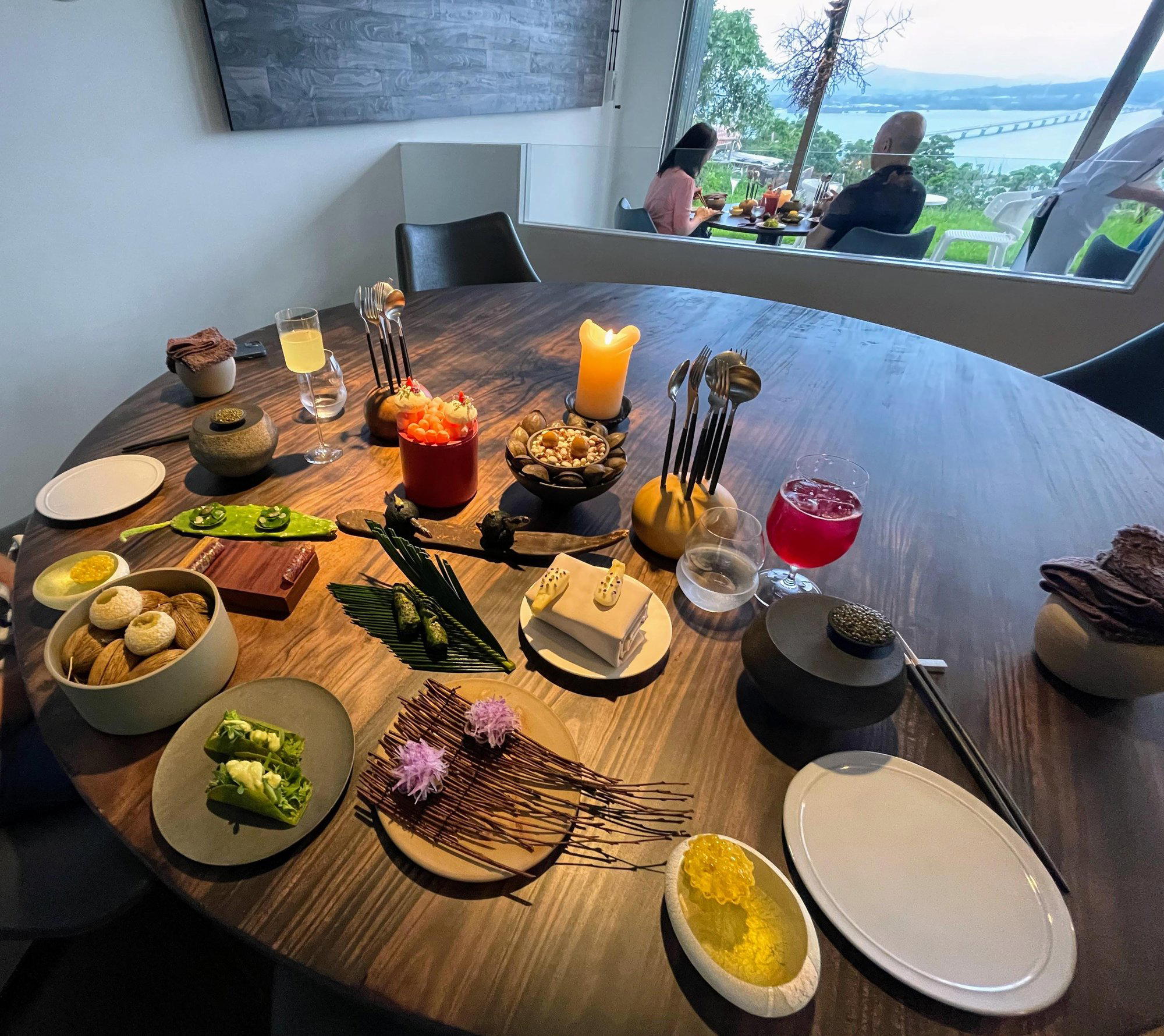
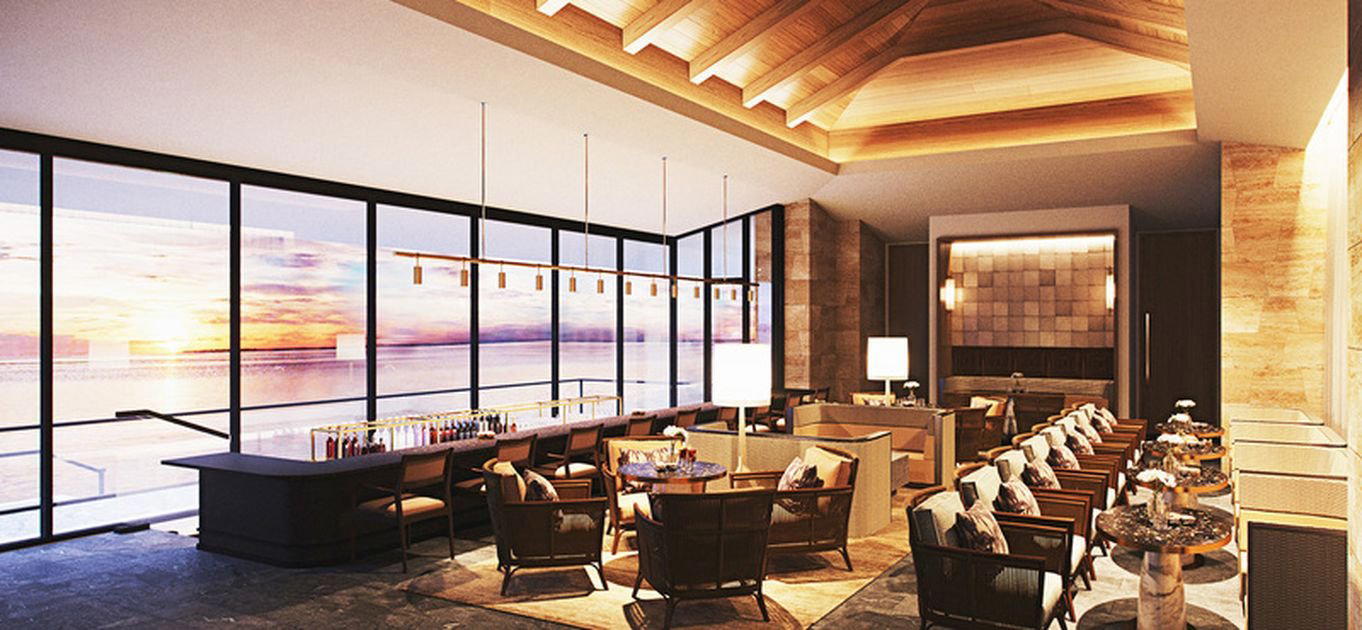


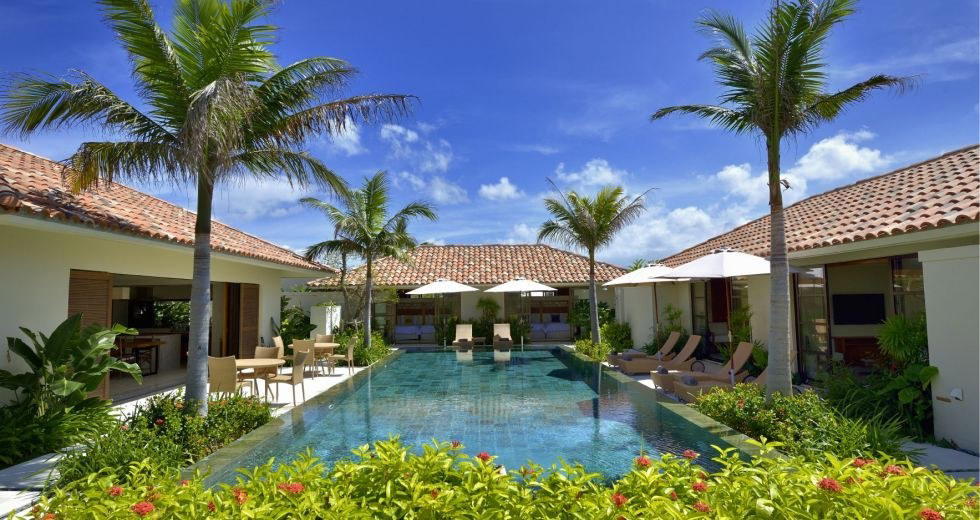
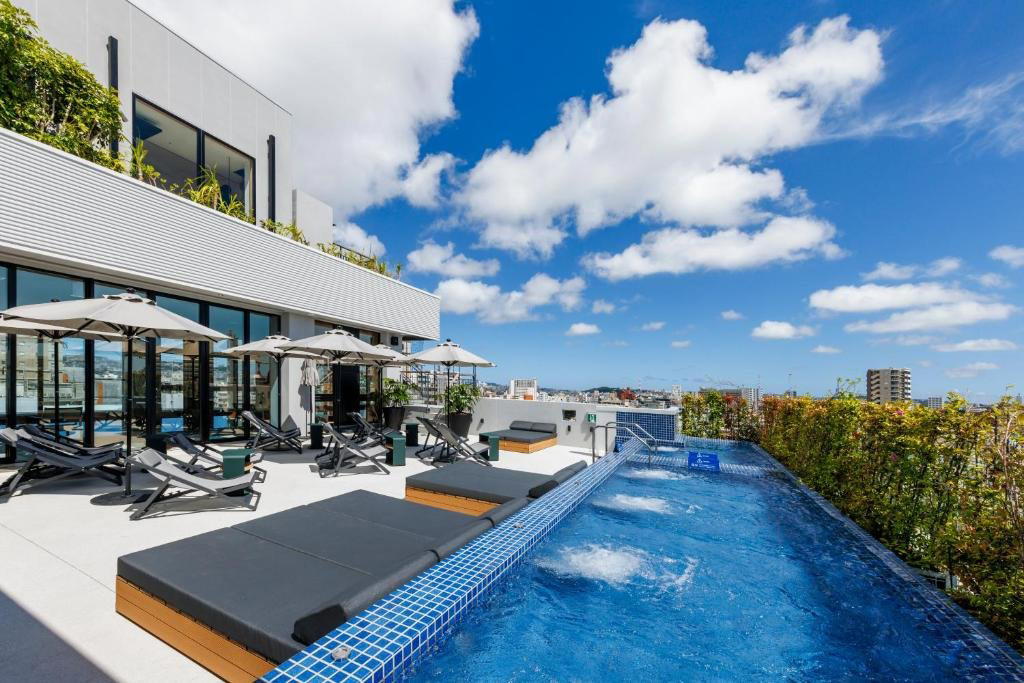

Details
- Elegant
- Modern
- Intimate
- Date Night
- Special Occasion
- Open Kitchen
- Sake Program
- Local Sourcing
- A La Carte
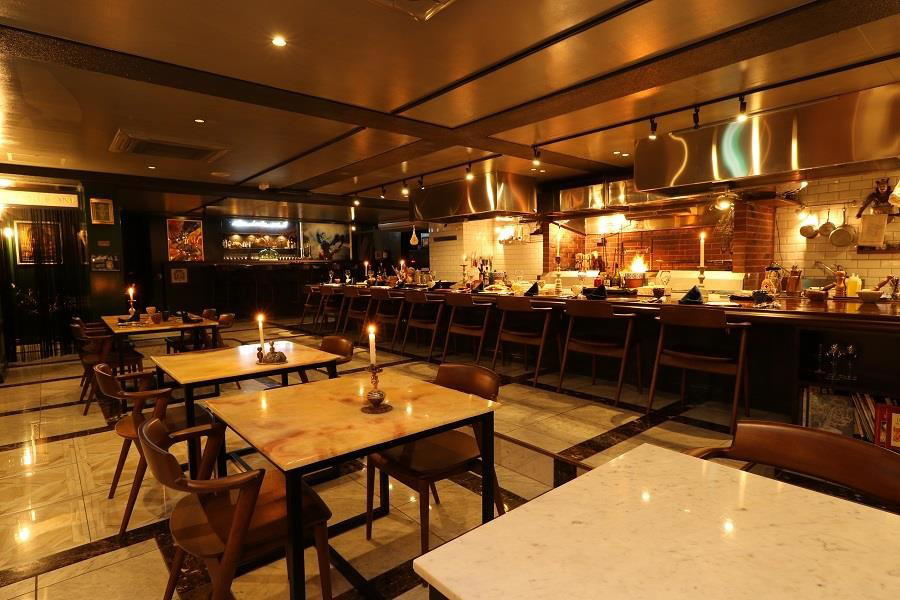
Artistic hallway leading to an open kitchen, offering a sophisticated European-style atmosphere.