Our verdict
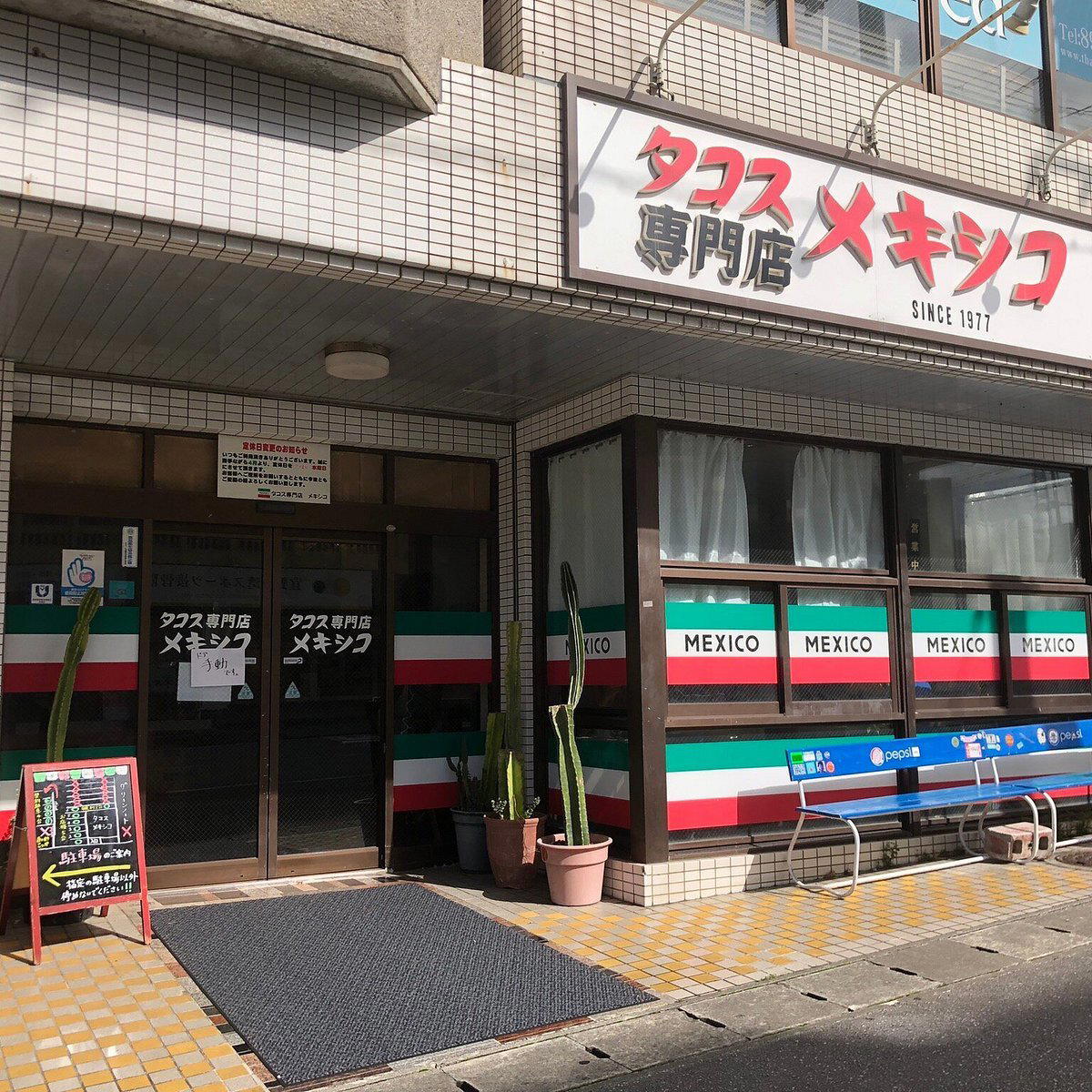
Mexico Ginowan brings Mexican cuisine to Ginowan, a mid-island city on Okinawa that sits outside the main tourist circuits of Naha and the northern resorts. Within an island dining scene defined largely by Ryukyuan tradition and American-influenced comfort food, a Mexican kitchen occupies a distinct position. For visitors working through Okinawa's broader restaurant offerings, it represents a different register entirely.

Pearl is the En Primeur Club membership app — saves, bookings, and concierge access live there. Same editors, same standards.
- Address
- Okinawa, Japan
- Directions
- Get directions
The menu
What to order
- Tacos
- Taco rice
Where Okinawa's Dining Edges Meet Something Else Entirely
Ginowan sits roughly in the middle of Okinawa's main island, between the administrative density of Naha to the south and the resort corridors to the north. The city is not a dining destination in the conventional sense: it draws fewer food-focused visitors than Naha's Makishi market district or the izakaya strips of Kokusai-dori. That geography matters when thinking about what kind of restaurant survives and builds a following here. Places that work in Ginowan tend to do so on the strength of repeat local custom rather than tourist footfall, which shapes the atmosphere inside them in ways that are immediately readable to anyone paying attention.
Mexico Ginowan operates in that context. Mexican cuisine in Japan occupies a genuinely small niche: the country's restaurant culture is extraordinarily deep in its own traditions and selective about which foreign cuisines it absorbs at meaningful scale. Cities like Tokyo and Osaka have developed Mexican dining scenes over the past two decades, but those scenes remain thin compared to Italian or French penetration. On Okinawa specifically, the presence of Mexican food has a particular logic: the island's long association with American military culture, which has shaped its restaurant economy since the postwar period, created early demand for Latin-adjacent flavours that most of mainland Japan simply didn't have. That historical thread runs through the Okinawan table in ways that set it apart from any other prefecture in the country.
The Sensory Register of a Mexican Kitchen on a Subtropical Island
There is something atmospherically distinctive about encountering the smell of dried chillies, cumin, and charred corn in a subtropical setting. Okinawa's climate, humid and warm for much of the year, is not climatically remote from the environments where Mexican cooking developed. The island's fondness for pork, bitter vegetables, and fermented condiments produces a local palate that is arguably more receptive to Mexican intensity than the cleaner, more restrained flavour profiles of, say, Kyoto or Kanazawa. That sensory overlap, though rarely discussed in formal food writing, is part of what makes a Mexican kitchen feel less incongruous on Okinawa than it might elsewhere in Japan.
The approach to Mexican food in Japan has generally followed one of two paths: Americanised Tex-Mex formats built around familiarity and volume, or more considered regional Mexican kitchens oriented toward sourcing and technique. Which path a given restaurant takes is usually legible within the first few minutes, through the smell of the kitchen, the weight of the tortillas, and the balance of heat in the sauces. These are the signals worth reading before ordering anything.
For visitors planning around Okinawa's dining calendar, the island's peak tourist season runs from late spring through summer, when domestic and international arrivals concentrate on the beaches of the Kerama Islands and the northern Motobu Peninsula. Restaurants in Ginowan, sitting outside that immediate tourist circuit, tend to operate with more consistent service rhythms across the year. That relative stability can make mid-island dining a more predictable experience than tables in high-season resort areas, where demand spikes sharply and kitchen teams are stretched.
Mexico Ginowan in Okinawa's Wider Restaurant Picture
Okinawa's restaurant scene is more layered than its beach-destination reputation suggests. The island has its own serious dining culture: Ryukyuan kaiseki traditions, a deep soba culture entirely distinct from mainland noodle forms, and a growing number of contemporary kitchens working with local ingredients like mozuku seaweed, island tofu, and Agu pork. Alongside places like Captain Kangaroo, Downtown, Jack's Steak House, Mie, and 6, Mexico Ginowan represents one of the more distinct non-Japanese options available on the island. The full picture of what Okinawa offers across cuisines and price tiers is mapped in our full Okinawa restaurants guide.
For context on how Okinawa's dining fits into Japan's broader restaurant geography, it helps to understand where the island sits relative to the country's Michelin-mapped cities. Japan's most decorated restaurant destinations remain Tokyo, Osaka, and Kyoto: Harutaka in Tokyo and Gion Sasaki in Kyoto represent the kind of deeply traditional Japanese fine dining that defines the upper tier of those cities. HAJIME in Osaka and akordu in Nara show how Japan's secondary cities have developed their own distinct fine dining identities. Further afield, Goh in Fukuoka anchors the Kyushu dining scene, while regional specialists like 一本木 皆川製 in Nanao, 夕佳山乃 in Sapporo, 湖畔荘 in Takashima, 庄羽屋 in Nishikawa Machi, and Birdland in Sakai demonstrate the depth of Japan's non-metropolitan dining culture. Internationally, the standard for cuisine-forward precision at the highest level is illustrated by places like Le Bernardin in New York City and Atomix in New York City. Okinawa's dining identity is shaped by different pressures entirely, and Mexico Ginowan sits within that island-specific logic rather than competing against Japan's fine dining mainstream.
Planning a Visit
Ginowan is accessible from Naha by car or bus in roughly 20 to 30 minutes depending on traffic, which runs heavy on Route 58 during morning and evening commute windows. Visitors staying in the Naha hotel district can reach Ginowan as a standalone midday or evening excursion without dedicating a full day. The absence of widely published booking infrastructure suggests walk-in traffic may be viable, particularly outside summer peak season, but confirming directly avoids the risk of a wasted trip.
For visitors building a wider Okinawa itinerary, Ginowan pairs logistically with stops at the Okinawa Convention Center area and the Mihama American Village in neighbouring Chatan, which gives a cleaner sense of the postwar American cultural overlay that has shaped the island's food economy and, by extension, the appetite for non-Japanese cuisines that venues like Mexico Ginowan serve.
Frequently asked questions
Does Mexico Ginowan serve food that reflects Okinawan ingredients alongside Mexican cooking?
No specific menu details confirming an Okinawa-Mexico ingredient crossover are publicly documented. That said, Mexican restaurants operating in subtropical Japan sometimes draw on local produce by necessity or design, given Okinawa's distinct agricultural output. Asking staff about any regional ingredient integration when you visit will give the clearest picture of the kitchen's current approach in Ginowan.
What should I order at Mexico Ginowan?
The kitchen's identity is built around Mexican cooking in Okinawa, which points toward dishes anchored in dried chillies, charred corn, and cumin-forward preparations. Ask staff which dishes reflect the kitchen's house direction on the day.
How far ahead should I plan for Mexico Ginowan?
Checking availability at least a few days ahead is reasonable, particularly on weekends when Ginowan's dining options fill quickly.
What makes Mexico Ginowan worth seeking out?
Okinawa has a layered restaurant culture that goes well beyond its beach-destination profile, but Mexican cooking of any seriousness remains genuinely rare on the island. Mexico Ginowan occupies that gap in Ginowan, a city between Naha and the northern resort corridors with its own active dining community. For visitors or residents wanting Mexican flavour profiles in a subtropical Okinawan context, the venue addresses a gap that few others on the island fill.
What if I have allergies at Mexico Ginowan?
Mexican kitchens commonly work with common allergens including gluten (flour tortillas), dairy, tree nuts, and shellfish, though specific ingredients at Mexico Ginowan are not publicly listed. check the venue's official channels before visiting to confirm what the kitchen can accommodate. Staff communication is the only reliable method given no published allergen menu is available.
Is Mexico Ginowan worth the price?
What the venue offers is Mexican cuisine in Okinawa, a city where that cooking tradition has very limited representation. Whether the price aligns with your expectations is best assessed by checking with the restaurant directly before visiting.
City Peers
| Venue | Cuisine | Price | Awards |
|---|---|---|---|
| Mexico GinowanThis venue — the venue you are viewing | Classic Mexican Tacos | $1–10 | Not listed |
| 6 | Innovative French | Not listed | Tabelog Bronze #3 |
| Downtown | Not listed | $20–30 | Star Wine List |
| Captain Kangaroo | American Burgers | $10–20 | Tabelog 100 #24 |



Details
- Casual
- Casual Hangout
- A La Carte
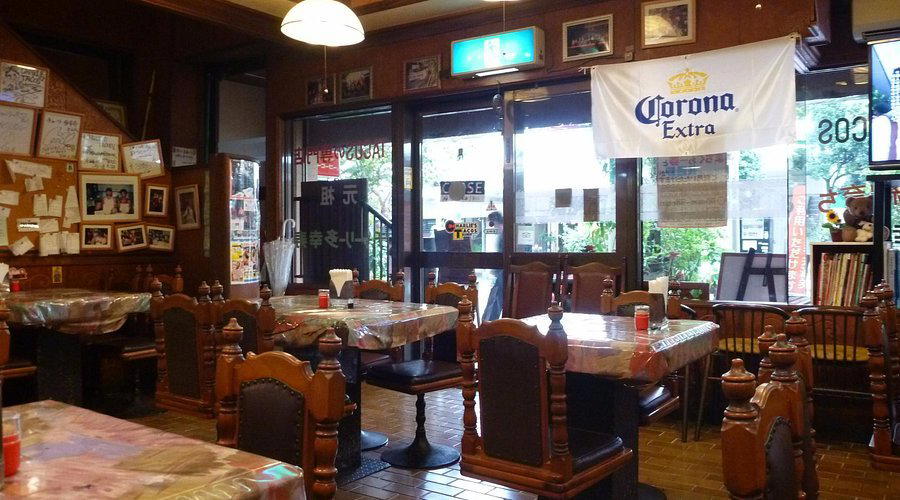
Casual counter-seating spot with a palpable Mexican atmosphere and designated smoking area.