Tabelog 100 #55
Our verdict
A fourth-floor Ginza counter with consecutive Opinionated About Dining recognition, ranked #244 in Japan in 2024 and Highly Recommended in 2023, Ishiyama operates in the quieter, less-photographed register of serious Tokyo sushi. Chef Takao Ishiyama runs lunch and dinner Tuesday through Sunday, positioning the counter as a disciplined alternative to the district's more visible omakase rooms.

Pearl is the En Primeur Club membership app, where members save venues, book tables and use the concierge.
The menu
What to order
- Otoro (Super Fatty Tuna)
- Chūtoro (Medium Fatty Tuna)
- Kuruma Ebi (Japanese Tiger Prawn)
- Uni (Sea Urchin)
- Anago (Sea Eel)
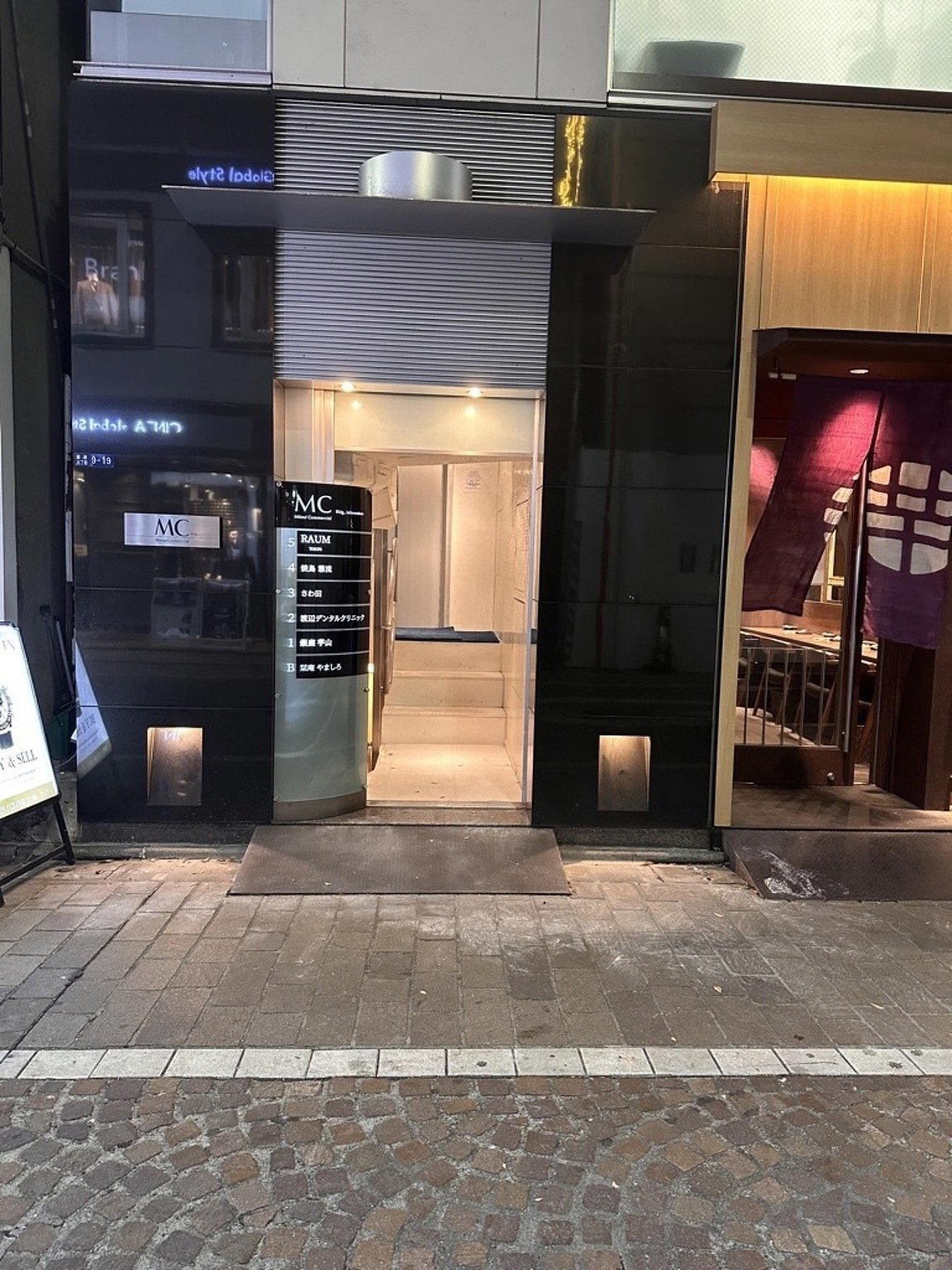
The Fourth Floor and What It Signals
Ginza's sushi geography sorts itself by floor. Street level belongs to retail and casual formats; the upper floors of narrow commercial buildings like the Morita Building on 3-chome are where serious omakase rooms quietly operate, away from foot traffic and tourist sightlines. Arriving at Ishiyama on the fourth floor, the context is immediately clear: this is a counter built for the meal itself, not for discovery theatre. That posture, unhurried, unannounced, oriented entirely around what arrives in front of you, characterises a certain tier of Ginza sushi that has remained deliberately outside the international media cycle even as the district's leading tables attract global queues.
Ginza has long operated as Tokyo's reference point for premium sushi, where counters like Sushi Kanesaka and Harutaka set the pricing and quality benchmarks against which newer rooms are measured. Within that district, a second cohort operates: counters with sustained critical recognition, consistent booking demand, and a guest profile that skews toward Tokyo regulars rather than visiting itinerary-builders. Ishiyama occupies that tier, and the Opinionated About Dining data across two years makes the positioning legible.
The Arc of an Omakase Meal
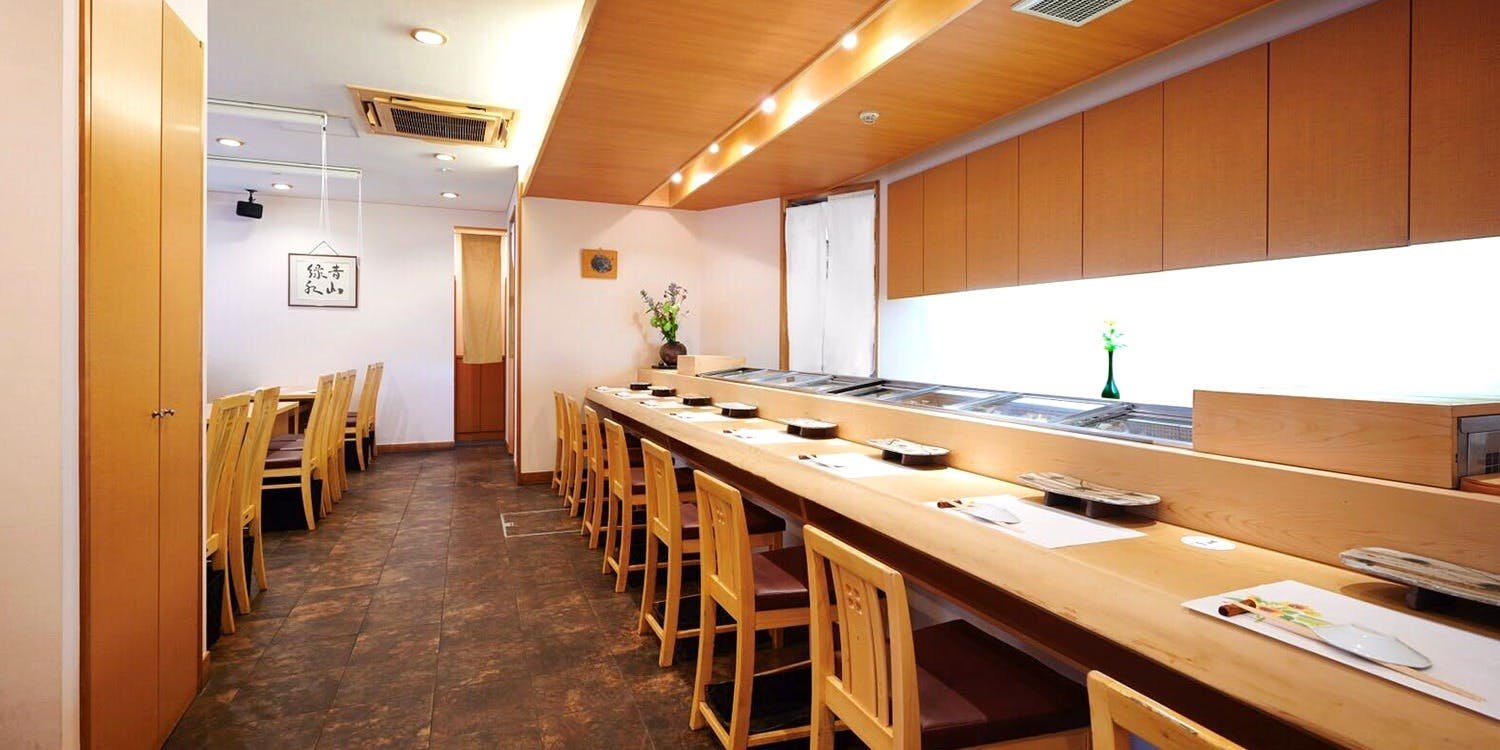
Edomae sushi at this level follows a grammar that rewards attention. The omakase format, no menu card, no individual ordering, places the sequencing entirely in the chef's hands, and the intelligence of that sequence is, as much as any individual piece, what separates one counter from another. At the Ginza counters that OAD and its contributor network track closely, the progression typically moves from lighter, more delicate preparations toward richer, more assertive ones: white-fleshed fish before tuna, kohada or shinko as palate markers, the toro cuts arriving at a point in the meal when they read as resolution rather than indulgence.
Chef Takao Ishiyama's counter follows that Edomae logic, and the OAD recognition, ranked #466 in Japan in 2024 across one list, #244 in another, and Highly Recommended in 2023, reflects a level of consistency that the OAD model, which weights repeat visits from an informed contributor pool, takes considerable time to establish. A counter doesn't reach that cluster of citations on the strength of a single strong year. The progression of recognition from Highly Recommended to a double ranking in the same calendar year suggests a counter that has been building in the awareness of serious eaters rather than arriving suddenly as a social-media object.
The lunch service, running from noon to 2pm Tuesday through Sunday, is a less common offering at this level of Ginza sushi. Many leading counters in the district run dinner-only or heavily restrict lunch capacity. A midday omakase here carries different rhythm and light, and it positions Ishiyama for a different kind of visit than the extended evening format that defines counters like Sukiyabashi Jiro Roppongiten.
Placement in the Ginza Sushi Tier
Understanding where Ishiyama sits requires understanding the stratification of Ginza sushi overall. At the apex, Michelin three-star rooms and their immediate peers command international attention and price points that function as their own filter. Below that, a set of counters operates with serious credentials but without the same global footprint, often because the chef has not pursued that visibility, or because the room is structured in a way that keeps capacity intentionally low and the guest list correspondingly local.
OAD's ranking methodology is relevant here. Unlike Michelin, which evaluates against a fixed set of criteria in a single visit format, OAD aggregates scores from frequent diners who eat across the full spectrum of serious restaurants and report back comparatively. A ranking of #244 in Japan, a country with more Michelin-starred restaurants than France, represents a meaningful position in a deeply competitive field. For context, Edomae Sushi Hanabusa and Hiroo Ishizaka operate in adjacent tiers of Tokyo's sushi scene, each with their own positioning and guest profile.
Ginza in Context: The Neighbourhood's Sushi Weight
No other district in Tokyo concentrates this density of serious sushi at the same price tier. The 3-chome and surrounding blocks of Ginza contain multiple counters that would rank among the leading handful in any other city in the world. That concentration is not accidental: Ginza's fish-market proximity through Tsukiji's legacy supply networks, the neighbourhood's business-entertainment culture, and decades of high-disposable-income clientele have created a demand environment that sustains multiple counters at premium levels simultaneously. Ishiyama operates inside that ecosystem, benefiting from its supply relationships and guest culture without requiring the same global marketing apparatus as the district's marquee names.
For visitors building a serious eating itinerary across Japan, the sushi form at this level in Tokyo represents a different discipline than the kaiseki at Gion Sasaki in Kyoto or the ambitious Franco-Japanese work at HAJIME in Osaka. Exploring further afield, Goh in Fukuoka, akordu in Nara, 1000 in Yokohama, and 6 in Okinawa each demonstrate how Japan's serious dining extends well beyond the capital. For those comparing the Edomae form across borders, Sushi Shikon in Hong Kong and Shoukouwa in Singapore represent how the tradition translates to different markets, though neither replicates the sourcing and context of Ginza proper.
For the full picture of what Tokyo's restaurant scene offers beyond sushi, see our full Tokyo restaurants guide, alongside our full Tokyo hotels guide, our full Tokyo bars guide, our full Tokyo wineries guide, and our full Tokyo experiences guide.
Planning Your Visit
Address: Morita Building 4F, 3-3-6 Ginza, Chuo City, Tokyo. Hours: Tuesday to Saturday, lunch 12–2pm and dinner 6–10pm; Sunday, lunch 12–2pm only; closed Monday. Reservations: Booking method not publicly listed, approach through a hotel concierge or a reservation service familiar with Ginza counters. Budget: Price range not published; at this tier in Ginza, plan for a spend consistent with other OAD-ranked omakase counters in the district. Getting there: Ginza Station (Ginza, Marunouchi, and Hibiya lines) is the nearest major interchange; the 3-chome address is a short walk from the station's C exits.
Frequently asked questions
Who's behind the kitchen at Ishiyama?
The chef associated with Ishiyama is Takao Ishiyama.
What are the opening hours for Ishiyama?
Hours at Ishiyama: Hours: Monday Closed Tuesday 12–2 pm, 6–10 pm Wednesday 12–2 pm, 6–10 pm Thursday 12–2 pm, 6–10 pm Friday 12–2 pm, 6–10 pm Saturday 12–2 pm, 6–10 pm Sunday 12–2 pm.
What's the signature dish at Ishiyama?
No single dish defines the counter at Ishiyama because the omakase format is built around sequence, not set pieces. Chef Takao Ishiyama controls the entire arc of the meal, with selections shifting by season and supply. Opinionated About Dining has ranked Ishiyama among its top restaurants in Japan across 2023 and 2024, a recognition that speaks to consistency of execution rather than any one standout item.
What should I expect cuisine-wise at Ishiyama?
What's the address for Ishiyama?
Ishiyama is located at Japan, 〒104-0061 Tokyo, Chuo City, Ginza, 3 Chome−3−6 森田ビル 4F, Tokyo.
| Venue | Cuisine | Price | Awards | Notes |
|---|---|---|---|---|
| IshiyamaThis venue (the venue you are viewing) | Premium Edomae Omakase | $200–300 | Tabelog 100 #55 | Not listed |
| Harutaka | Edo-Style Omakase Sushi | $200–300 | 3 Michelin Stars · World's 50 Best #76 | Sushi |
| RyuGin | Modern Kaiseki | $500+ | 3 Michelin Stars · World's 50 Best #41 | Kaiseki, Japanese |
| L'Effervescence | Modern French with Japanese Influences | $200–300 | 3 Michelin Stars · World's 50 Best #69 | French |
| HOMMAGE | Modern French with Japanese Influences | $150–200 | 2 Michelin Stars · World's 50 Best #78 | Innovtive French, French |
| MAZ | Innovative Peruvian-Japanese Fusion | $150–200 | 2 Michelin Stars · World's 50 Best #28 | Innovative |
Recognition history
Dated appearances from independent guides and award organizations, with the underlying list record or original source where available.
Opinionated About Dining Top Restaurants in Japan Recommended
Opinionated About Dining
Tabelog 100 #55 · No. 55
Tabelog · Tabelog 100 - Sushi - TOKYO - 2025
Full recognition history (5 entries)
Opinionated About Dining Top Restaurants in Japan Ranked #466
Opinionated About Dining
Opinionated About Dining Top Restaurants in Japan Ranked #244
Opinionated About Dining
Opinionated About Dining Top Restaurants in Japan Highly Recommended
Opinionated About Dining