
Our verdict
A Ginza kaiseki counter under chef Hiroshi Ishida, Mibu has held a consistent place in Opinionated About Dining's annual Japan rankings since at least 2023, moving between positions 141 and 195. Located in Chuo City's Ginza district, it sits within a tier of intimate, reservation-driven kaiseki rooms that prioritise seasonal precision over spectacle.

Pearl is the En Primeur Club membership app, where members save venues, book tables and use the concierge.
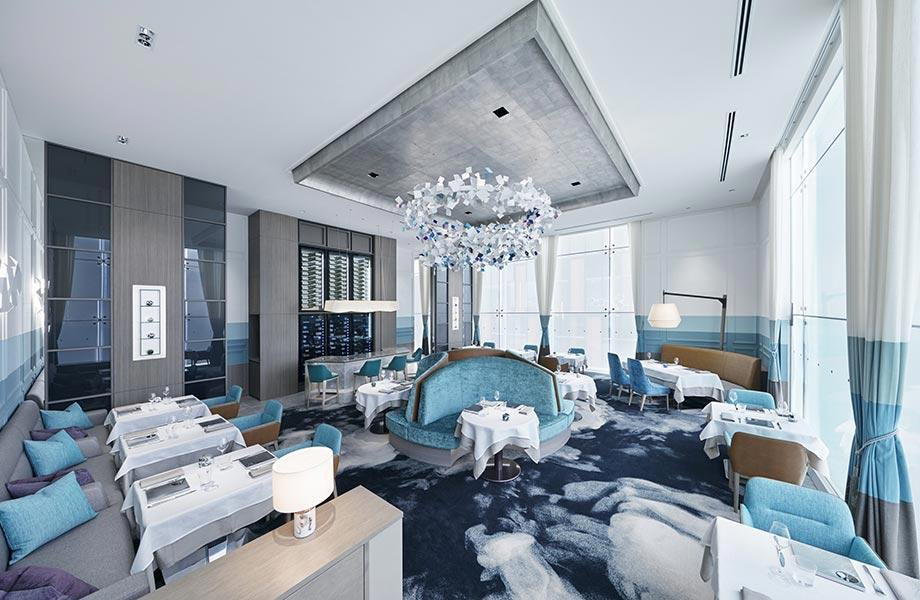
Kaiseki in Ginza: The Upper-Mid Tier and Where Mibu Sits
Ginza has long operated as one of Tokyo's most concentrated dining corridors, where high-end Japanese cuisine and elite French kitchens share the same few blocks in Chuo City. Within that corridor, kaiseki occupies a specific position: it is the format through which seasonal Japanese cooking reaches its most considered expression, a sequence of courses governed by ingredient timing, visual restraint, and the accumulated language of centuries-old culinary practice. The rooms in which it is served tend to be small, the atmosphere deliberate, and the booking windows long.
Mibu, located at 3 Chome-2-13 in Ginza's Edo Tsune Building, belongs to this category. Under chef Hiroshi Ishida, it has earned a consistent place in Opinionated About Dining's annual ranking of Japan's restaurants, listed at 141st in 2023, 161st in 2024, and 195th in 2025. That three-year trajectory is worth examining as a data point about where this room sits in a shifting competitive field. A small decline in ranked position over three years does not necessarily indicate a drop in quality; in a country where kaiseki options are expanding and voter pools evolve, it reflects the category's own increasing density.
The Seasonal Grammar of a Kaiseki Menu
Kaiseki as a format demands a specific kind of attention from the kitchen. It is not a tasting menu in the Western sense, where a chef's personal invention is the through-line. The structure is inherited: a sequence moving through appetisers, soup, grilled, simmered, steamed, and vinegared courses, with each element expected to speak to the current season through ingredient choice, cooking method, and presentation. The discipline is in restraint, in knowing what the season's produce requires and not exceeding it.
At this level in Ginza, the kitchen's relationship to that inherited structure is what separates rooms from one another. Some kaiseki counters in Tokyo have moved toward a more contemporary interpretation, shortening sequences and integrating non-Japanese ingredients. Others hold the classical form closely. Kikunoi in Tokyo and Hirosaku are among the Tokyo rooms where the format's rigour is taken seriously.
The Question of Sake and Wine in a Kaiseki Context
The editorial angle on kaiseki that receives the least attention in English-language coverage is the drinks programme. In the kaiseki room, beverage selection is not a secondary decision. The progression of courses, from delicate dashi-forward openings through richer simmered dishes toward grilled proteins, creates a specific pairing challenge that rewards a well-structured cellar rather than a standard restaurant wine list.
Sake remains the primary reference point in classical kaiseki pairings. The range within sake alone, junmai daiginjo expressions with high polish ratios for the early courses, through aged koshu or fuller junmai styles for heartier dishes, mirrors the structural logic of the meal itself. The sommelier, or in many Tokyo kaiseki rooms the chef-owner, acts as arbiter of this progression. It is a curatorial role that demands as much expertise as the kitchen.
Japanese wine has entered the picture at a growing number of serious restaurants, particularly in Tokyo, where sommeliers at rooms like Akasaka Ogino and Aoyama Jin have invested in domestic producers from Hokkaido and Nagano. Premium Burgundy and Champagne have long been present on high-end Tokyo kaiseki lists, not as cultural incongruity but because the textural logic of aged white Burgundy maps reasonably well onto certain kaiseki courses.
Ginza Against the Wider Japan Kaiseki Field
Tokyo's kaiseki scene exists in conversation with Kyoto, where the form originated and where rooms like Ifuki and Ankyu maintain the Kyoto kaiseki tradition in its most geographically rooted form. Gion Sasaki in Kyoto sits near the best of that city's serious kaiseki tier. The comparison matters because Tokyo kaiseki rooms operate differently: they draw on a wider urban ingredient network, they serve a more international clientele, and they are embedded in a dining culture that also includes destination sushi, French fine dining, and innovative formats like those at HAJIME in Osaka and Goh in Fukuoka.
Within Tokyo, Mibu's Ginza address places it in the most commercially pressured part of that conversation. The rent economics of Ginza mean that only kitchens with consistent demand remain. The OAD ranking data, across three years, confirms that Mibu maintains a recognisable position in the field. For rooms further afield in Japan, akordu in Nara, 1000 in Yokohama, and 6 in Okinawa each represent their own regional expressions of considered Japanese dining, and together they illustrate how far Tokyo's dominance of the OAD Japan list has diversified in recent years.
For additional coverage of the Tokyo dining scene, including bars, hotels, and experiences, see our full Tokyo restaurants guide, our full Tokyo hotels guide, our full Tokyo bars guide, our full Tokyo wineries guide, and our full Tokyo experiences guide. For Tokyo kaiseki adjacent to Mibu's style, Ajihiro is worth considering as part of the same research process.
Planning a Visit
Mibu is located in Ginza's Edo Tsune Building, at 3 Chome-2-13, in Chuo City. The Ginza station exits on the Tokyo Metro Ginza, Hibiya, and Marunouchi lines place the address within a few minutes on foot. As with most kaiseki rooms at this level, reservations are the expected mode of access and should be arranged in advance; the small scale of these rooms means availability is limited and last-minute bookings are rarely possible. Specific booking channels, current pricing, and hours are best confirmed directly with the restaurant, as none of these details are available in the current public record. Arriving with some familiarity with the kaiseki format, and with a clear sense of dietary restrictions communicated at the time of booking, is standard practice across Tokyo kaiseki rooms of this standing.
Frequently asked questions
What should I order at Mibu?
Kaiseki is not an à la carte format. The kitchen sets the menu based on what the season's ingredients allow, and guests follow the sequence rather than select from it. This is the structural contract of the form. Mibu's three consecutive OAD rankings confirm that the kitchen holds a credible position within the Tokyo kaiseki tier, which means trusting the sequence as served is the appropriate approach. Communicating dietary restrictions or preferences at the time of booking is standard and expected.
How hard is it to get a table at Mibu?
Tokyo's serious kaiseki rooms at the OAD-ranked level are consistently difficult to access without advance planning. The rooms are small by design, which constrains availability regardless of demand. Mibu's sustained presence in the OAD Japan rankings across 2023, 2024, and 2025 suggests a kitchen with a committed following, which means walk-in access is not a realistic expectation. Reservations should be pursued as far in advance as practicable, and any specific booking window or method is best confirmed directly with the restaurant.
Pricing, Compared
| Venue | Cuisine | Price | Awards | Notes |
|---|---|---|---|---|
| MibuThis venue (the venue you are viewing) | Traditional Kaiseki | $200–300 | Not listed | Not listed |
| Harutaka | Edo-Style Omakase Sushi | $200–300 | 3 Michelin Stars · World's 50 Best #76 | Sushi |
| RyuGin | Modern Kaiseki | $500+ | 3 Michelin Stars · World's 50 Best #41 | Kaiseki, Japanese |
| L'Effervescence | Modern French with Japanese Influences | $200–300 | 3 Michelin Stars · World's 50 Best #69 | French |
| HOMMAGE | Modern French with Japanese Influences | $150–200 | 2 Michelin Stars · World's 50 Best #78 | Innovtive French, French |
| MAZ | Innovative Peruvian-Japanese Fusion | $150–200 | 2 Michelin Stars · World's 50 Best #28 | Innovative |
Recognition history
Dated appearances from independent guides and award organizations, with the underlying list record or original source where available.
Opinionated About Dining Top Restaurants in Japan Recommended
Opinionated About Dining
Full recognition history (4 entries)
Opinionated About Dining Top Restaurants in Japan Ranked #195
Opinionated About Dining
Opinionated About Dining Top Restaurants in Japan Ranked #161
Opinionated About Dining
Opinionated About Dining Top Restaurants in Japan Ranked #141
Opinionated About Dining
Continue exploring
More in Tokyo
Restaurants in Tokyo
All restaurants in Tokyo →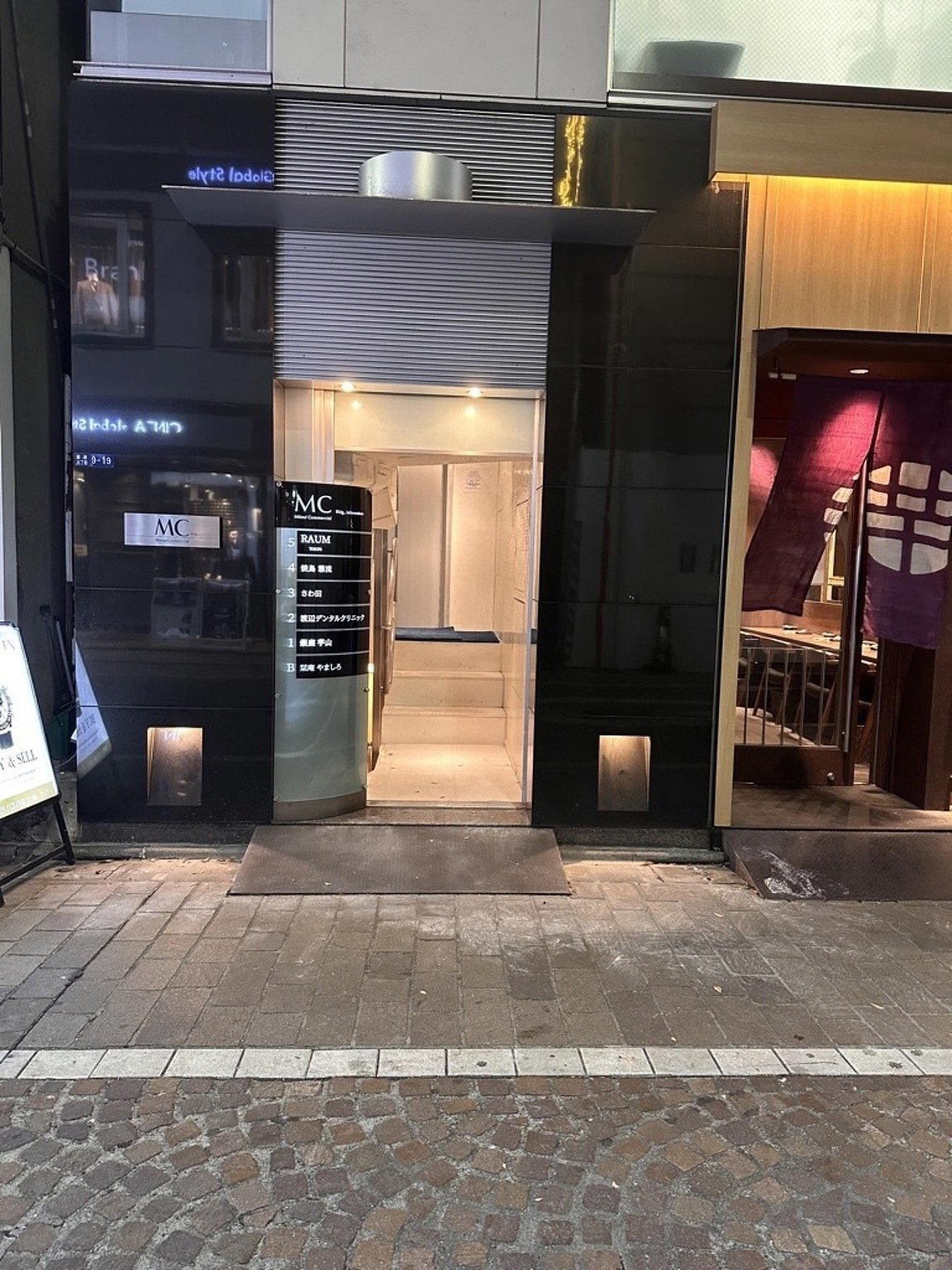

Bars in Tokyo
All bars in Tokyo →


Details
- Intimate
- Elegant
- Quiet
- Sophisticated
- Special Occasion
- Chefs Counter
- Sake Program
- Tasting Menu
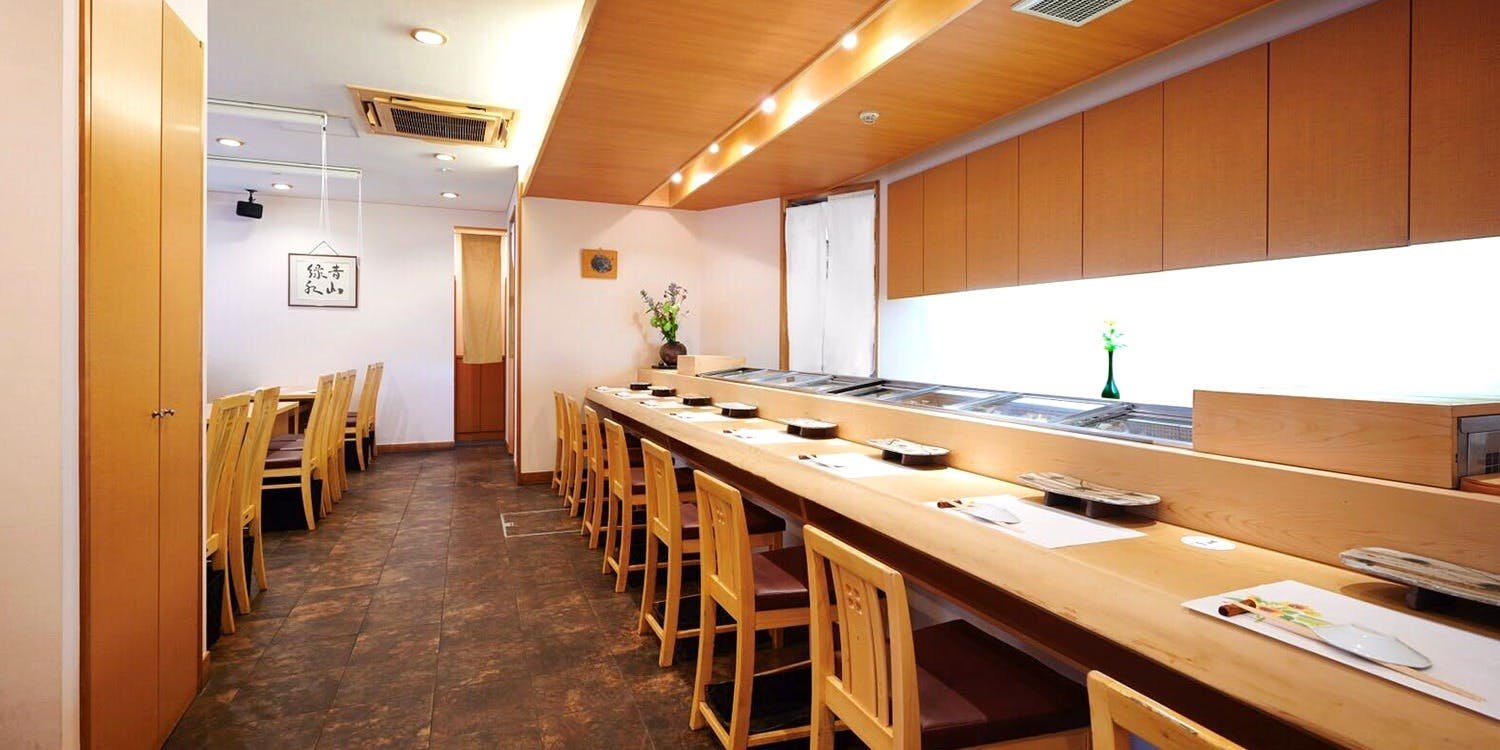
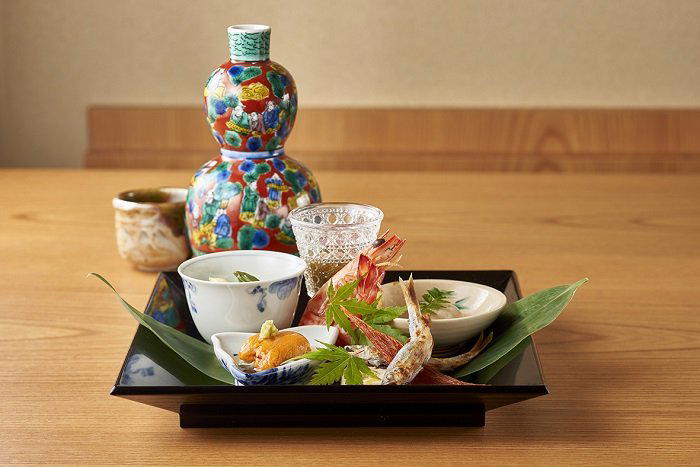
Softly lit minimalist retreat with culinary silence, relaxing space, and vessels chosen to frame the season’s voice.