Skip to Main Content
Traditional Kaiseki

Google: 4.0 · 31 reviews

← Collection
Tokyo, Japan

Seika Kobayashi

CuisineKaiseki
Executive ChefYuji Kobayashi
Price≈$200
Dress CodeSmart Casual
ServiceFormal
NoiseQuiet
CapacityIntimate
Opinionated About Dining

A kaiseki counter in Shinjuku's Arakicho district, Seika Kobayashi has climbed steadily through Opinionated About Dining's Japan rankings — from a recommendation in 2023 to #416 in 2024 and #516 in 2025 — signalling a kitchen working at serious depth. Chef Yuji Kobayashi operates within the formal seasonal tradition, in a neighbourhood better known for its intimate bars and izakayas than for destination dining.

Pearl is the En Primeur Club membership app — saves, bookings, and concierge access live there. Same editors, same standards.

Seika Kobayashi restaurant in Tokyo, Japan
About

Arakicho and the Question of Where Kaiseki Lives

Tokyo's kaiseki addresses have historically clustered around Ginza, Akasaka, and the high-rent corridors of Minami-Aoyama. Arakicho, the compact residential pocket of Shinjuku where Seika Kobayashi operates, sits somewhat apart from that geography. The neighbourhood is better associated with the kind of low-lit, counter-heavy izakayas and drinking establishments that define Tokyo's more communal, unhurried eating culture — places where the evening moves at the pace of the conversation rather than the kitchen's timetable. That Seika Kobayashi practises kaiseki within this social fabric rather than in the formal, destination-dining corridors of the city centre is worth noting. It positions the restaurant closer to the tradition of neighbourhood cooking with seasonal rigour than to the performative end of the kaiseki spectrum.

Kaiseki itself emerged from the tea ceremony tradition, and its formal structure — a sequence of small courses calibrated to ingredient, season, and technique , remains the framework within which chefs in this category build their identities. In Tokyo's current kaiseki tier, venues such as Kikunoi - Tokyo and Akasaka Ogino represent the city's upper bracket, where Michelin recognition and long reservation windows are the norm. Seika Kobayashi occupies a different position in that tier , one measured by its trajectory through independent critic rankings rather than guide stars.

A Trajectory Worth Watching

The most legible signal of Seika Kobayashi's standing comes from Opinionated About Dining, the critic-led ranking that draws on a network of serious eaters rather than anonymous inspectors. The restaurant received a Recommended listing in 2023, moved to #416 in Japan for 2024, and shifted to #516 in 2025. The directional change invites scrutiny: in a ranking where position reflects the volume and intensity of critical attention, movement in either direction reflects changes in the pool of comparators as much as the kitchen itself. What the three consecutive appearances confirm is sustained engagement from the OAD network , not a single strong performance but a kitchen that repeat visitors are returning to and recording.

That pattern of returning visits is itself a signal in the kaiseki category. The format rewards revisitation: a menu that changes with the season offers a materially different experience in April than in November, and a counter format, where the relationship between host and guest builds over multiple visits, operates on a different logic than a single-occasion destination restaurant. Comparable kaiseki addresses that reward this kind of engagement include Hirosaku and Aoyama Jin in Tokyo, alongside dedicated kaiseki houses in Kyoto such as Ifuki and Ankyu, where the seasonal logic is built into the restaurant's entire operating philosophy.

The Izakaya Influence and the Neighbourhood Register

The editorial angle on Seika Kobayashi is not purely formal kaiseki. The Arakicho context matters. The district's character , intimate, neighbourhood-scaled, with a culture of lingering over food and drink , shapes the register in which a restaurant like this operates. Japan's izakaya tradition, at its core, is about the loosening of social formality around a shared table: small dishes arrive in sequence but without rigid ceremony, sake or shochu is poured freely, and the evening's structure is negotiated between host and guest rather than dictated by a printed menu. Some of Tokyo's more compelling kaiseki addresses have absorbed this sensibility. The format remains precise, the ingredients seasonal and sourced with care, but the atmosphere is closer to the warmth of a neighbourhood haunt than to the solemnity of a destination institution.

For visitors arriving from outside Shinjuku's more tourist-facing zones, Arakicho itself offers a different experience of the city: low-rise, quiet in the early evening, with the particular density of small counters and standing bars that defines residential Tokyo's drinking and eating culture. Restaurants in this neighbourhood compete for repeat local custom rather than tourist capture, which tends to produce a different kind of hospitality. For context on the broader Tokyo restaurant scene across neighbourhoods and categories, our full Tokyo restaurants guide maps the city's dining across all tiers.

Kaiseki Beyond Tokyo

For readers building an itinerary around kaiseki specifically, Japan's most concentrated cluster of serious houses remains in Kyoto , the tradition's origin city, where seasonality and formal service remain the governing principles. Gion Sasaki in Kyoto represents the higher bracket of that scene. Outside the kaiseki category, the range of serious Japanese cooking extends across formats and cities: HAJIME in Osaka, Goh in Fukuoka, akordu in Nara, 1000 in Yokohama, and 6 in Okinawa each represent regional expressions of the same underlying precision.

Within Tokyo, the broader peer set for counter dining with serious credentials includes Ajihiro, which operates in a related format register. For those planning around food and drink across categories, our full Tokyo bars guide, our full Tokyo hotels guide, our full Tokyo wineries guide, and our full Tokyo experiences guide cover the city's full offering across verticals.

Planning Your Visit

Address: 10-17 Arakicho, Shinjuku City, Tokyo 160-0007. Hours: Monday through Sunday, 10 am to 9 pm. Reservations: Booking method not confirmed in available data; given the restaurant's OAD recognition, advance contact is advisable. Budget: Pricing not publicly listed; kaiseki at this level of critical recognition in Tokyo typically involves a set-course format , contact the restaurant directly for current pricing. Getting there: Arakicho sits within Shinjuku City, accessible from multiple metro lines serving the broader Shinjuku area. Dress: No formal dress code published, but the kaiseki format conventionally calls for smart-casual at minimum.

Frequently Asked Questions

What's the leading thing to order at Seika Kobayashi?

Seika Kobayashi operates within the kaiseki format, which means the menu is set and seasonal rather than à la carte. Specific dishes and tasting notes are not published in available data, so any guidance on individual courses would be speculative. What the OAD rankings , three consecutive years of recognition, including a #416 placement in 2024 , confirm is that the kitchen's seasonal cooking has earned sustained critical attention. Chef Yuji Kobayashi's kaiseki sequences the same logic as the broader tradition: ingredient quality, seasonal calibration, and technique are the tools, not a single signature dish. Comparable kitchens working in this mode, such as Hirosaku and the Kyoto houses Ifuki and Ankyu, reward visitors who book with an open disposition rather than a specific dish in mind.

Signature Dishes
yakizakana
Frequently asked questions

Budget Reality Check

A short peer table to compare basics side-by-side.

At a Glance
Vibe
  • Elegant
  • Sophisticated
  • Intimate
  • Classic
Best For
  • Special Occasion
  • Date Night
Drink Program
  • Sake Program
Dress CodeSmart Casual
Noise LevelQuiet
CapacityIntimate
Service StyleFormal
Meal PacingLeisurely

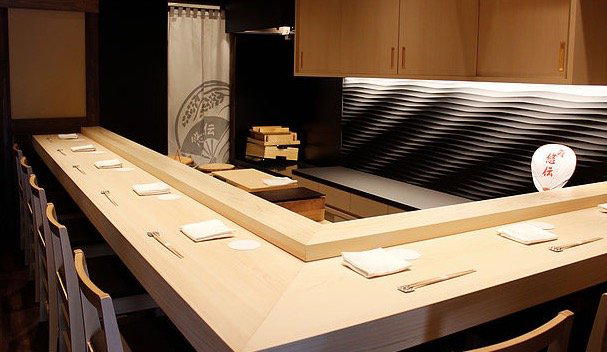
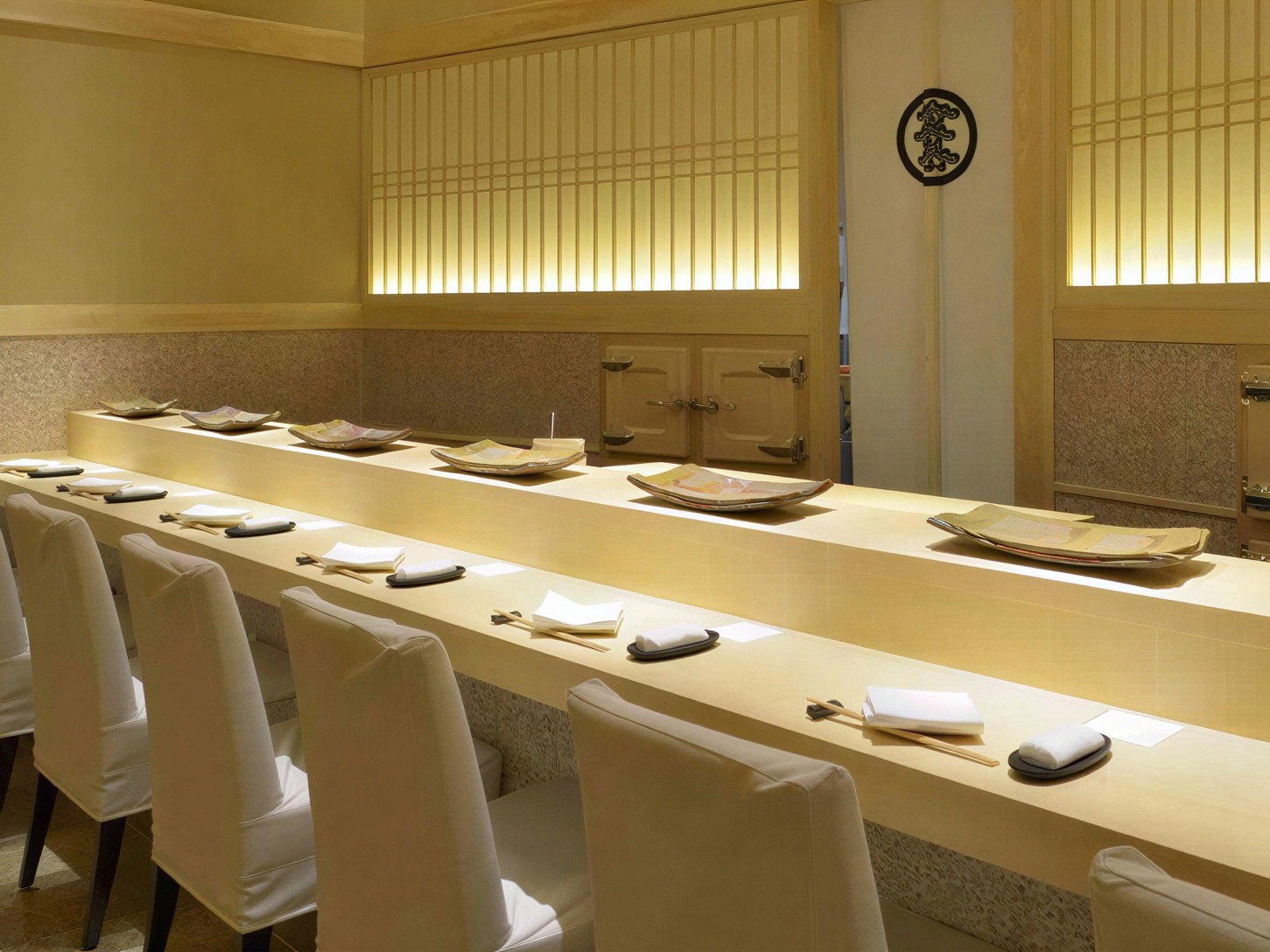
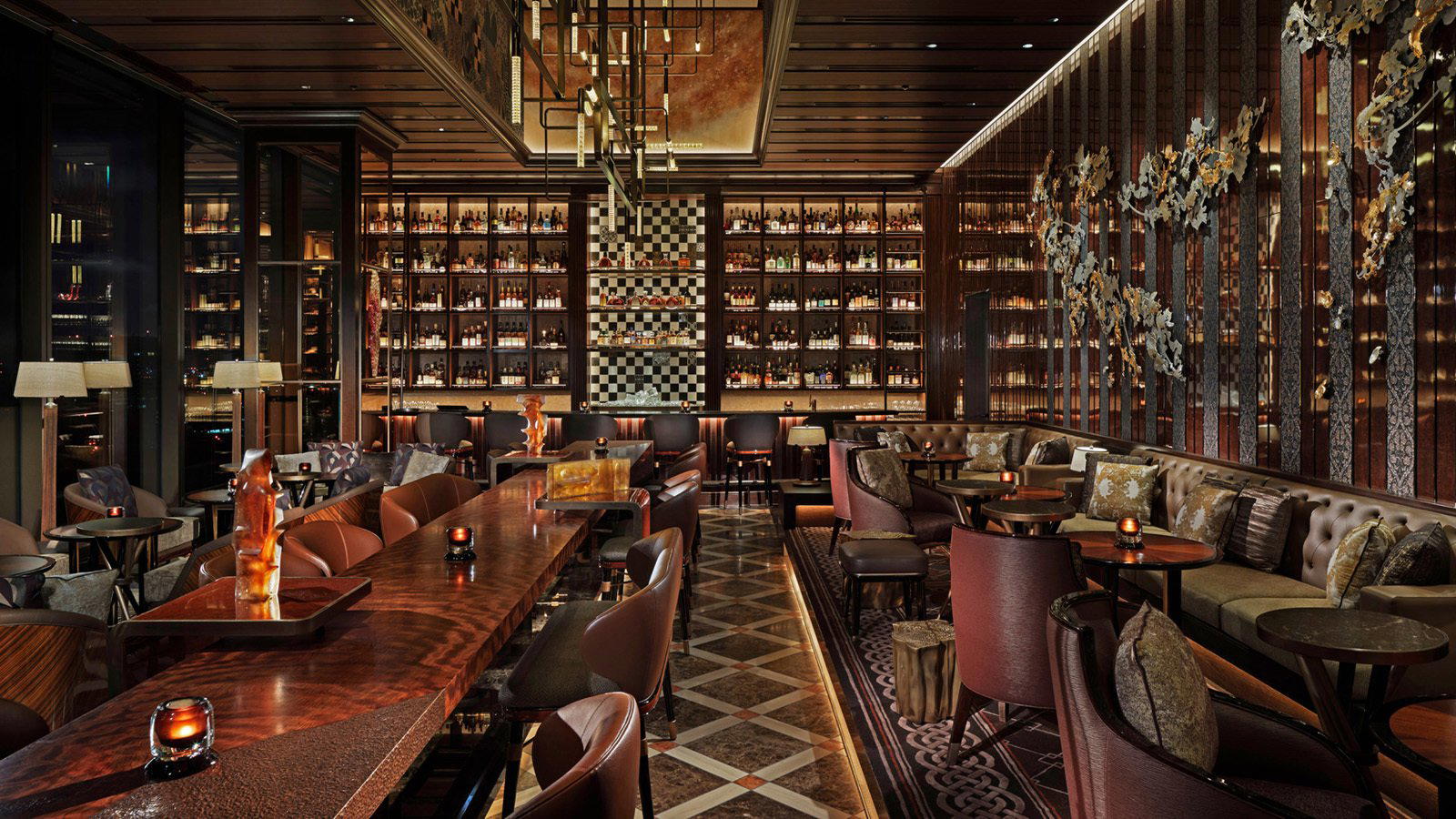
Simple, elegant atmosphere with personal ceramic collection on display, described as decent but on the boring side by some guests.

Signature Dishes
yakizakana