
Tabelog 100 #98
Our verdict
Curry Restaurant Shiba brings Chiba’s curry scene into focus through Japanese light Indian curry, a style that favors spice clarity and repeatability over weight. Its Tabelog Curry EAST 100 selections in 2019, 2020, 2023, and 2024 place it among a compact group of regional curry specialists worth reading as part of the city’s everyday dining culture.

Pearl is the En Primeur Club membership app, where members save venues, book tables and use the concierge.
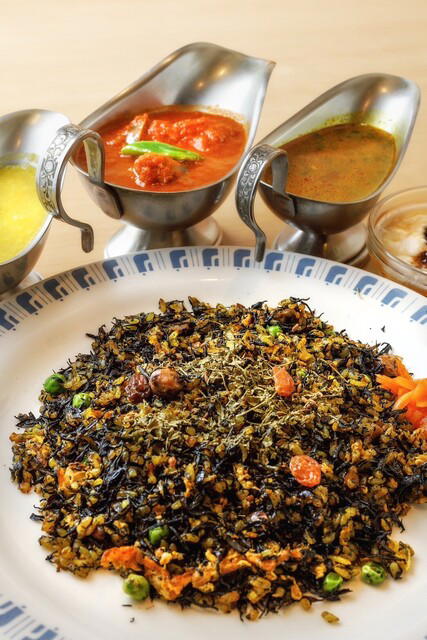
The menu
What to order
- Chicken set (red chicken curry with gluten-free fried chicken)
- Service thali with lamb spice curry
- Coconut shrimp curry
- House dal bhat-style platter
- House retort curry line (lamb spice, chicken, Bengal chicken, chana masala, vegetable)
Chiba dining is not only theatrical or formal. Across the city, the rhythm can be commuter-practical: compact storefronts, quick decisions, regulars, and restaurants built for repeat use rather than ceremony. That context suits curry. In Japan, curry specialists often show their appeal through structure rather than spectacle: calibrated seasoning, South Asian category references, and menus that can serve either a quick meal or a more deliberate curry stop.
Curry Restaurant Shiba fits that Chiba tradition, but its reputation rises above the usual neighborhood register. Tabelog selected it for Curry EAST 100 in 2024, a useful signal in a category where attention often clusters in Tokyo while suburban and regional specialists work more quietly. Its listed categories, Indian curry, Indian, and Nepalese, also show the cooking should not be read simply as generic curry-rice. The better comparison is the hybrid curry shop: a Japanese dining format shaped by South Asian spice grammar, local portion expectations, and repeatable meals.
Indian curry, Indian, and Nepalese categories in a Chiba format
The menu is best approached through its listed categories rather than through assumptions about formality or breadth. Shiba’s appeal is best read through the way Indian curry, Indian, and Nepalese category markers sit inside a practical Japanese restaurant format. In Japan’s curry culture, heaviness can be one familiar route: roux-rich plates, fried cutlets, thick sauces, and rice as anchor. This restaurant is better framed as a recognized curry specialist within Chiba, where the draw is the curry itself rather than a luxury dining narrative.
The Indian and Nepalese framing widens the vocabulary without requiring a formal tasting menu. Chiba has many kinds of casual seriousness, from sweets counters such as Kanmi Dokoro Kaede to everyday venues like Ura Musashi Ya Nishichiba honten, sushi rooms such as Sushiei, and cutlet specialists including Tonkatsu Okura. Curry’s advantage is that it can be accessible, fast enough for lunch, and distinctive at once. Shiba’s Curry EAST 100 recognition suggests it has achieved a level of distinction within that category, not just one online moment.
Chiba’s curry map also includes another Indian reference in Bengal Tiger, which gives travelers a useful point of comparison within the city. The contrast is useful without needing to force the two restaurants into the same role. Some Indian dining signals ambition through breadth, service rhythm, or a fuller evening plan. A curry specialist can signal it through focus: sauce weight, spice layering, rice compatibility, and whether the plate makes guests want to return. For a broader Chiba itinerary, the distinction is sharper than cuisine label alone; the city rewards choosing by format.
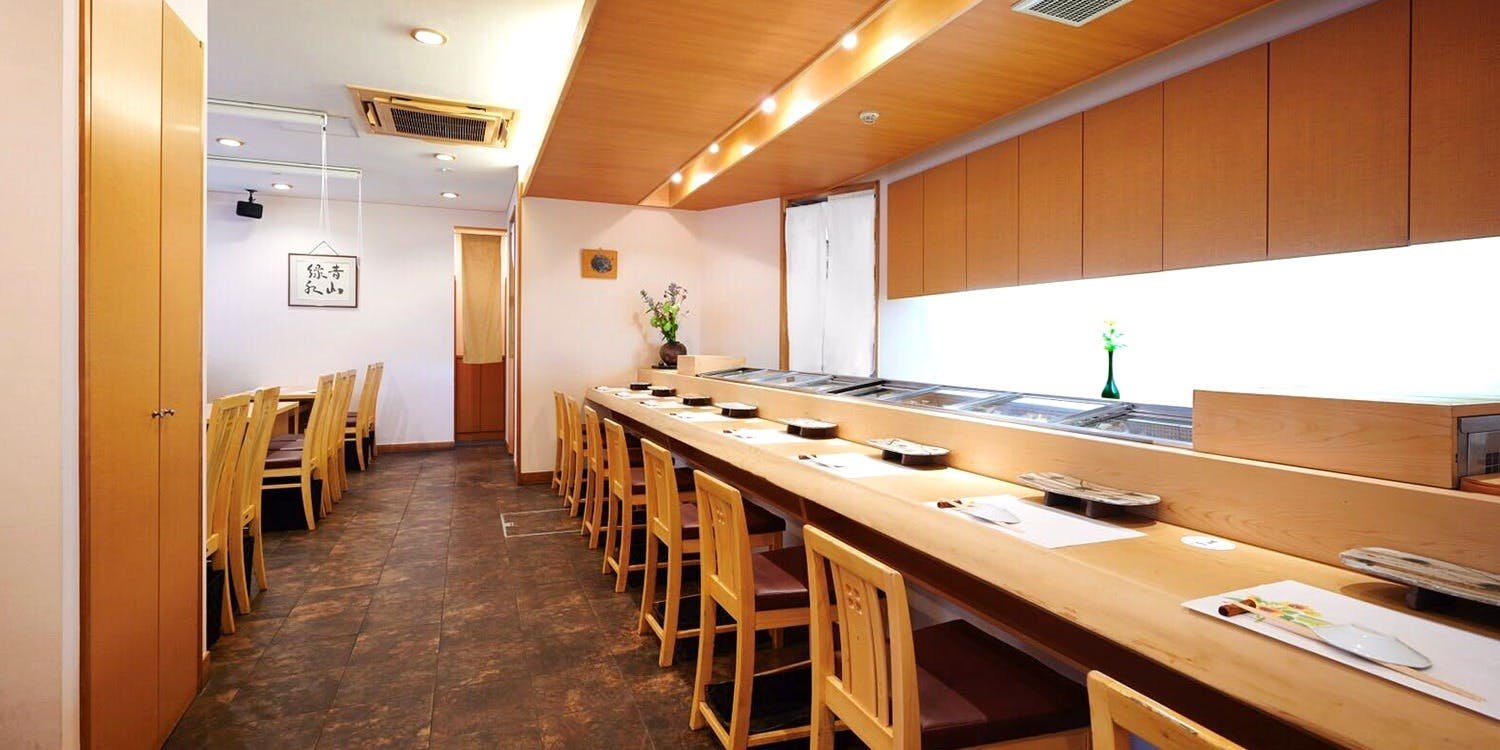
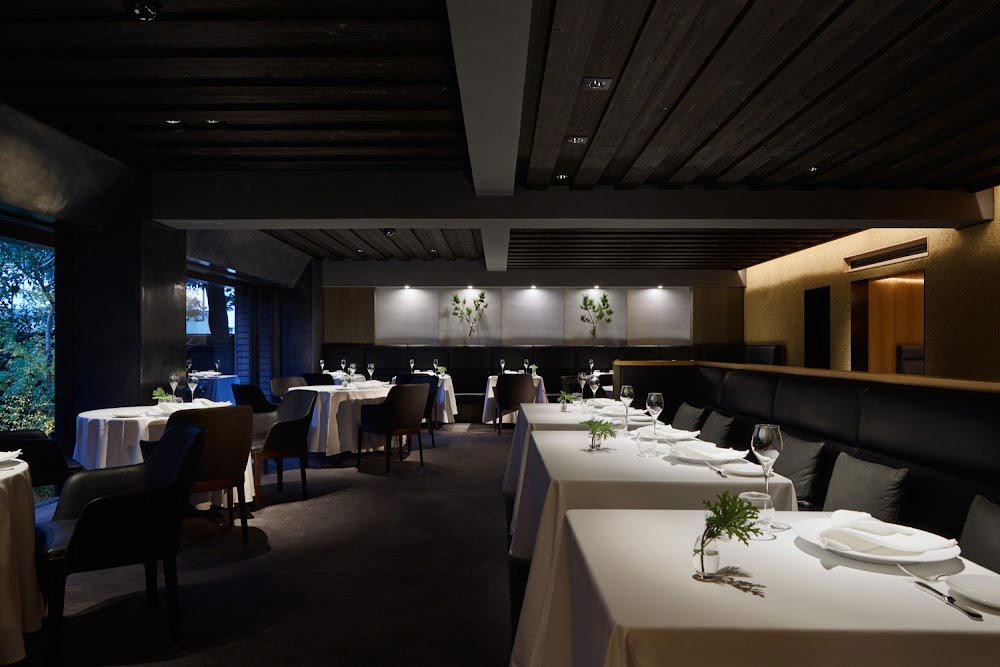
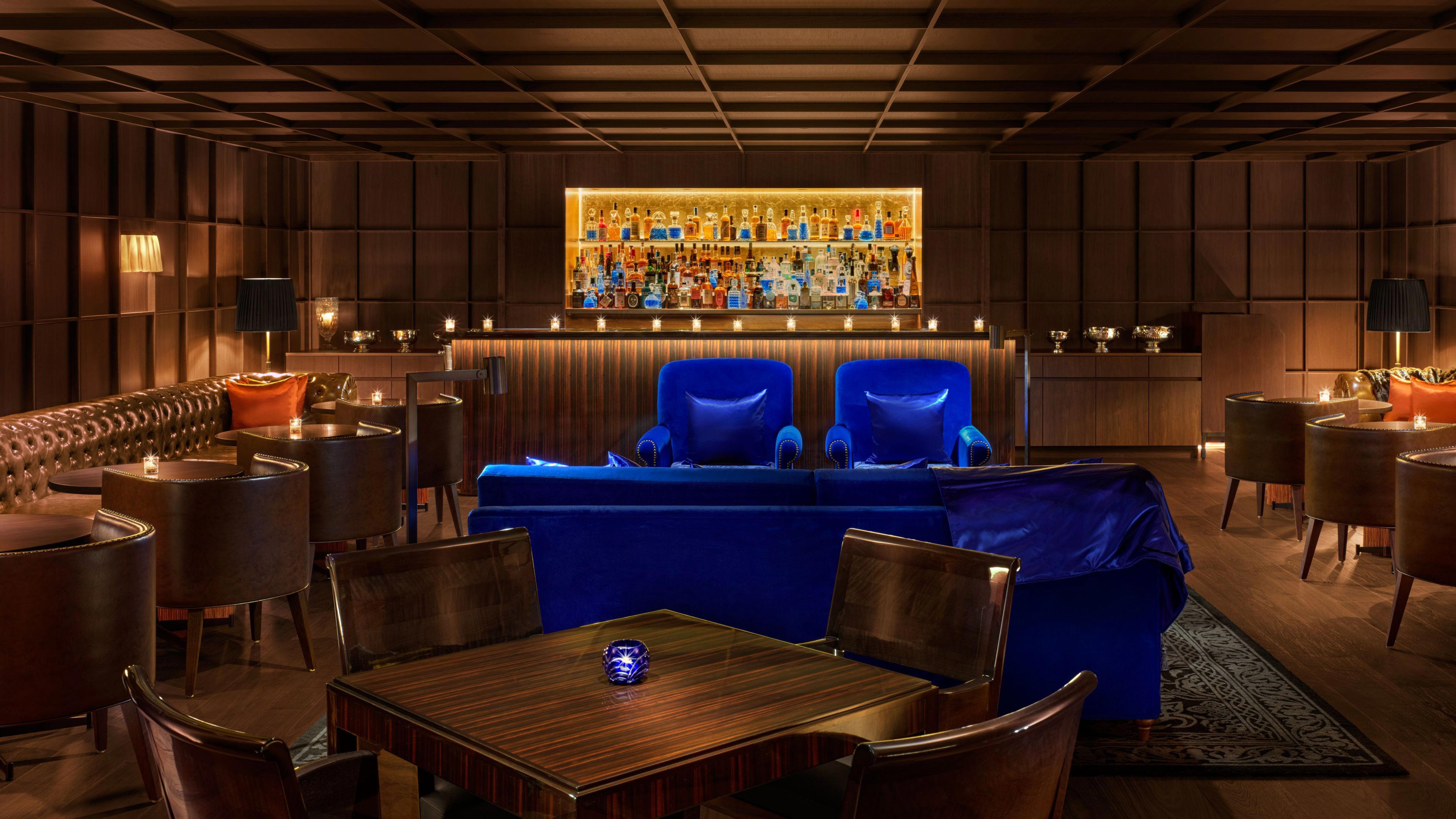
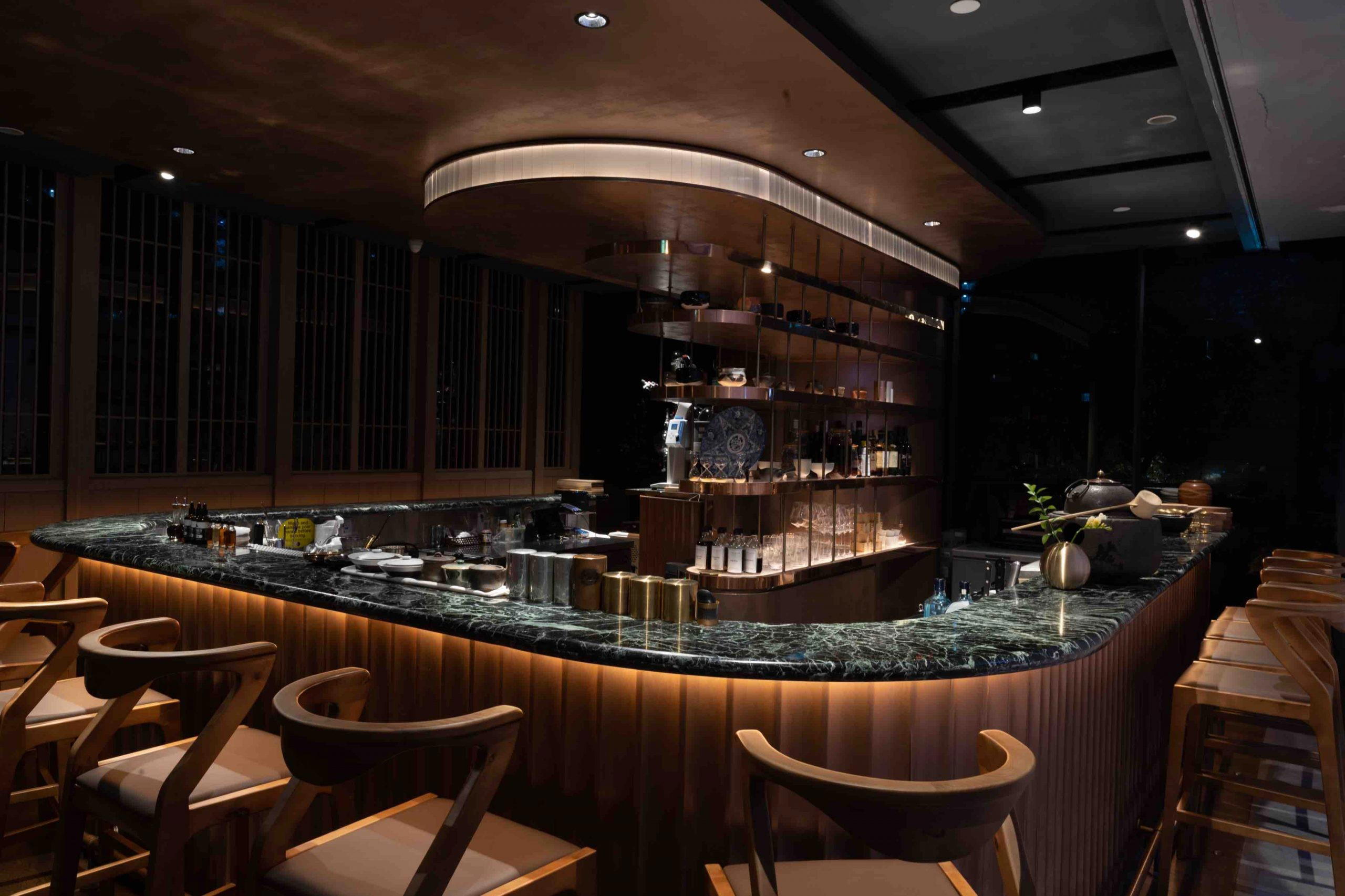
The room fits the food: direct, curry-focused, and built for repeat meals
Shiba reads as a curry specialist rather than a destination dining room built around ceremony. The appeal is practical as much as curry-focused, making it the kind of place that can work for repeat meals as well as for travelers looking for a low-key Chiba stop.
The awards data should be read carefully. Tabelog’s Curry EAST 100 is not a luxury marker; it recognizes a specific food category. For EP Club readers, that is the interest. Japan’s regional dining culture is full of restaurants whose importance is not expressed through linen, rare ingredients, or formal service. The better question is whether the format is disciplined enough to justify a detour inside the city. In Chiba, Shiba is a plausible add-on rather than a full-day commitment, especially for travelers who want a curry-focused meal without building the day around ceremony.
Menu architecture also separates Shiba from broader Chiba options. Other Chiba dining rooms pull the city in different culinary directions, from everyday cooking to more specialized formats. Curry works differently because repetition is part of the value. A meal that is accessible at lunch and still useful at dinner can become a repeat habit; clarity of purpose rather than escalation gives regulars a reason to make it routine.
How to place it in a Chiba dining day
The strongest use case is a casual curry meal with enough recognition to satisfy a food-focused traveler who does not want ceremony. Lunch especially suits the format, while dinner works for a low-key evening built around spice rather than a long progression. The listed budget supports that role: dinner is JPY 2,000 - JPY 2,999, while lunch is JPY 1,000 - JPY 1,999, keeping the restaurant in an accessible range for Chiba dining.
For travelers mapping the city by category rather than single meals, Shiba belongs in the restaurant lane of Chiba planning, not the hotel-bar itinerary. Use Our full Chiba restaurants guide for the surrounding dining field, then separate logistics through Our full Chiba hotels guide, Our full Chiba bars guide, Our full Chiba wineries guide, and Our full Chiba experiences guide. The broader Japan list can branch outward to specific formats in other cities, but Shiba’s own usefulness is local and specific: a recognized curry specialist within Chiba’s wider dining landscape.
The editorial read is simple: this is not where to look for formality or a chef-driven narrative. It is where Chiba’s curry culture becomes specific. A Curry EAST 100 selection in 2024, Indian curry, Indian, and Nepalese category markers, and an accessible curry-shop format combine into a restaurant whose value lies in disciplined everyday cooking. For a city often treated as Tokyo’s neighbor rather than its own dining subject, that specificity is the point.
Frequently asked questions
Is Curry Restaurant Shiba formal or casual?
Check the venue's official channels for current service details.
What's the pricing like at Curry Restaurant Shiba?
Pricing at Curry Restaurant Shiba is listed as dinner: JPY 2,000 - JPY 2,999; lunch: JPY 1,000 - JPY 1,999.
When is Curry Restaurant Shiba open?
Current opening hours are not provided here. Check the venue's official channels for the latest details.
What's the address for Curry Restaurant Shiba?
Chiba.
What's the signature at Curry Restaurant Shiba?
The clearest calling card is curry in the Indian curry, Indian, and Nepalese categories, paired with its Tabelog 100 Curry EAST 2024 selection.
Do they accommodate allergies at Curry Restaurant Shiba?
Those details are not published. Its listed menu categories span Indian curry, Indian, and Nepalese. Check the venue's official channels for the latest details.
Peers You’d Cross-Shop
Comparable venues by cuisine and price in the same metro.
| Venue | Cuisine | Price | Awards | Notes |
|---|---|---|---|---|
| Curry Restaurant ShibaThis venue (the venue you are viewing) | Japanese Light India curry house | $20–30 | Tabelog 100 #98 | Not listed |
| Kanmi Dokoro Kaede | Japanese sweets cafe (wagashi & kakigori) | $1–10 | Tabelog 100 #98 | JPY 999 - JPY 999 |
| Ura Musashi Ya Nishichiba honten | Iekei Ramen Shop | $10–20 | Tabelog 100 #29 | JPY 1,000 - JPY 1,999 JPY 1,000 - JPY 1,999 |
| Sushiei | Edomae Sushi Omakase | $500+ | Tabelog Silver #129 | Sushi |
| Tonkatsu Okura | Tonkatsu specialty restaurant | $10–20 | Tabelog 100 #77 | JPY 1,000 - JPY 1,999 - JPY 999 |
| Bengal Tiger | Modern Indian Fine Dining Course | $20–30 | Tabelog 100 #88 | JPY 8,000 - JPY 9,999 JPY 8,000 - JPY 9,999 |
Recognition history
Dated appearances from independent guides and award organizations, with the underlying list record or original source where available.
Tabelog 100 #98 · No. 98
Tabelog · Tabelog 100 - Curry - EAST - 2024
Continue exploring
More in Chiba
Restaurants in Chiba
All restaurants in Chiba →





Details
- Cozy
- Intimate
- Classic
- Solo
- Family
- Date Night
- Group Dining
- Casual Hangout
- After Work
- Standalone
- A La Carte
- Set Menu
- Vegetarian Friendly
- Vegan Options
- Gluten Free Options
- Halal
- Pescatarian Friendly
- Allergy Accommodating
Current opening hours
- Monday
- 11 AM–3 PM, 4:30–9 PM
- Tuesday
- 11 AM–3 PM, 4:30–9 PM
- Wednesday
- Closed
- Thursday
- 11 AM–3 PM, 4:30–9 PM
- Friday
- 11 AM–3 PM, 4:30–9 PM
- Saturday
- 11 AM–3 PM, 4:30–9 PM
- Sunday
- 11 AM–3 PM, 4:30–9 PM
Hours can change for holidays and private events. Hours as of .
Warm, homely neighborhood spot with a relaxed, cozy feel where guests linger over light yet intensely aromatic curries.