
Tabelog Bronze #447
Our verdict
Takaoka belongs to Chiba’s small-counter sushi tier, where the craft reads through restraint, pacing, and repeat recognition rather than spectacle. A 2026 Tabelog Award Bronze listing, a 4.30 score, and a six-seat counter place it in a serious bracket for diners comparing Chiba sushi with the tighter Tokyo circuit.

Pearl is the En Primeur Club membership app, where members save venues, book tables and use the concierge.
The menu
What to order
- Choshi octopus
- Choshi bonito
- Horse mackerel nigiri
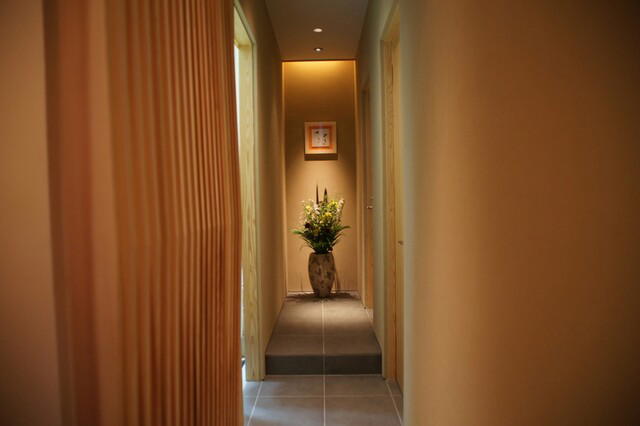
Approach Chiba’s serious sushi rooms and the city feels different from Tokyo’s Ginza theatre. The cues are quieter: a counter rather than a dining room, fewer seats than a private dinner party, and a tempo built around attention rather than turnover. In that setting, Takaoka belongs to the shokunin side of sushi culture, where repetition, correction, and discipline matter more than personality-driven storytelling.
Chiba is often treated by visitors as a gateway city, yet its better restaurants reward a different kind of itinerary. The area around Nobuto and central Chiba sits outside the international dining circuit that pulls travellers toward Tokyo, but that distance can sharpen the experience. A six-seat sushi counter has little room for ceremony performed at scale. It lives or fails on sequence, sourcing, rice, knife work, and the ability to hold a room’s concentration across an evening.
Chiba sushi in the small-counter apprenticeship tradition
Japan’s sushi hierarchy still runs on apprenticeship logic. The counter is a visible workplace, not a stage set: hands repeat learned gestures until technique becomes almost invisible. The strongest rooms in this tradition do not need long explanations to establish seriousness. Capacity, price, and recognition say plenty. Here, the format is compact, the dinner spend sits in the JPY 30,000 to JPY 39,999 band, and the counter’s scale puts the meal closer to a private exchange than a restaurant floor.
That matters because sushi at this level is less about novelty than calibration. Tokyo’s high-end counters often compete on lineage, scarcity, and address. Chiba’s serious counters operate with less international noise, which changes the reader’s decision. Compared with local sushi reference point Sushiei, this address points to the narrower, reservation-led end of the category. Against Tokyo sushi rooms such as 3110, Sushi in Tokyo, the draw is not metropolitan prestige but a more concentrated Chiba expression of the same craft values.
The awards trail gives the restaurant external weight without needing inflated language. The 2026 Tabelog Award Bronze recognition follows earlier Tabelog Award listings, including 2021 Silver and Bronze entries across multiple years, plus selection for Tabelog Sushi EAST “Tabelog 100” in 2021 and 2022. For Japanese dining, where domestic platforms often capture local consensus before international guides do, that pattern signals durability rather than a short burst of attention.
A room built for concentration, not breadth
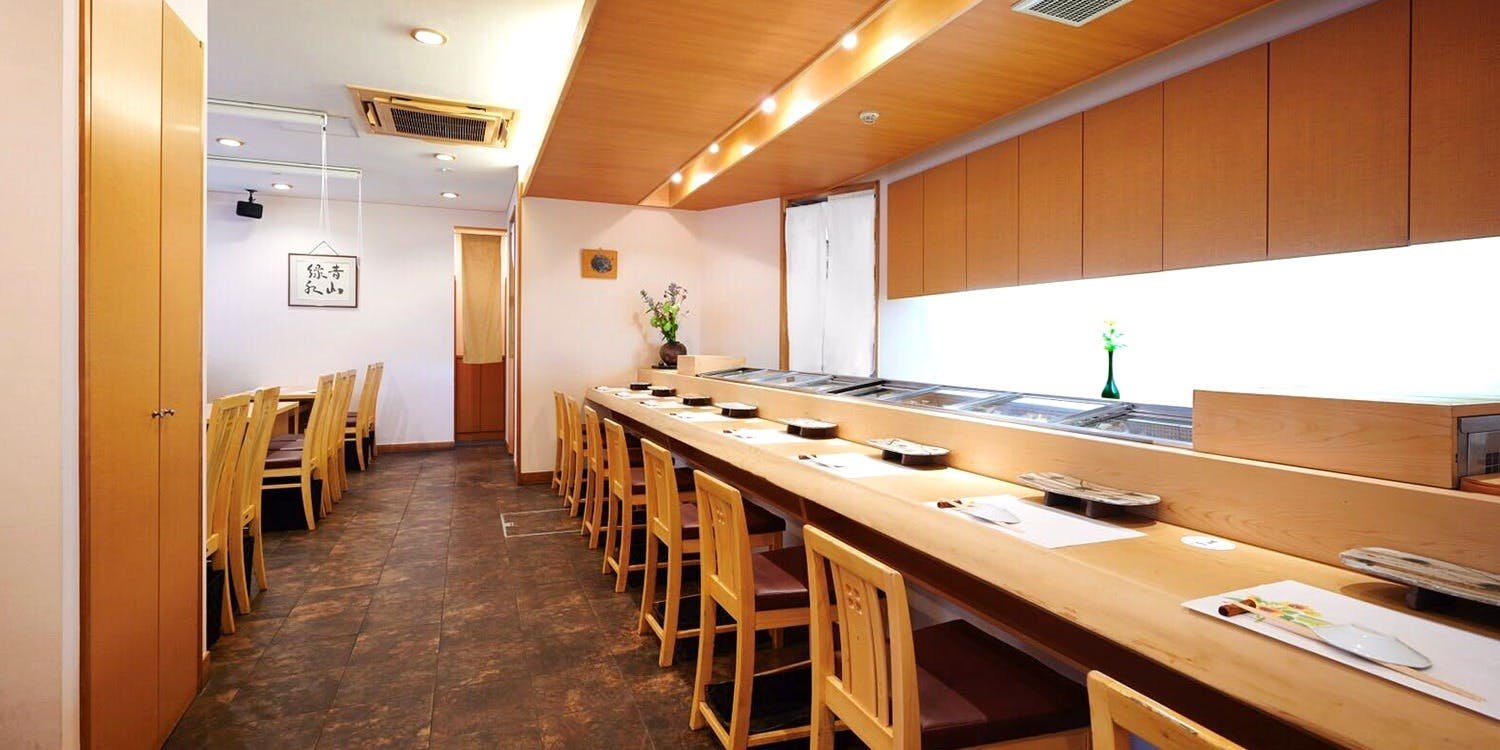
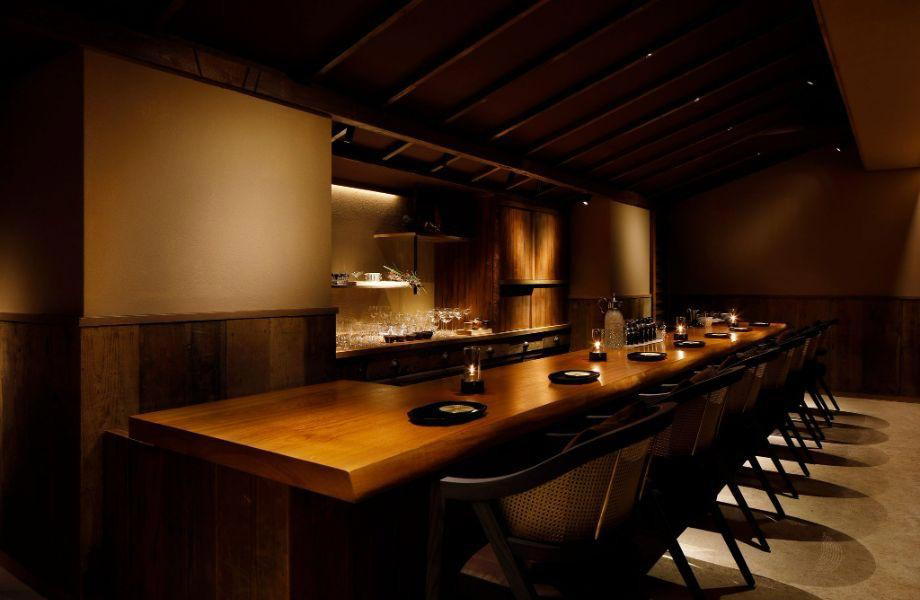
The room’s six-seat count is the operative fact. Small counters compress the distance between diner and craft, which can be thrilling for experienced sushi eaters and less forgiving for anyone expecting a loose social dinner. In a city where casual ramen, Chinese cooking, yakiniku, and izakaya formats are easy to fold into a night out, this kind of sushi asks for focus. The comparison within Chiba is instructive: BAMBOU, Bengal Tiger, Boushu En, and Chinese Komugiko Ryori Senmonten Keisen speak to the city’s range; Takaoka sits in a narrower lane, where silence, pacing, and counter etiquette are part of the value.
That lane is also why the apprenticeship frame matters. Sushi training is cumulative: rice temperature, seasoning balance, fish handling, and service rhythm are all judged by small differences. A counter with only a handful of seats gives those differences nowhere to hide. The restaurant’s stated focus on fish, sake, and shochu keeps the format aligned with traditional sushi priorities rather than a broad luxury-drinks program. The result is a meal category for diners who already understand why fewer choices can make the experience more exacting.
Chiba’s position also makes the restaurant useful for travellers building a wider Japan dining map. The city can sit between Tokyo schedules and coastal Chiba plans, but the better reason to come is editorial rather than logistical: it shows how serious sushi culture exists beyond the addresses that dominate overseas conversation. For a broader sweep through the prefecture, Our full Chiba restaurants guide gives the necessary context, while Our full Chiba hotels guide, Our full Chiba bars guide, Our full Chiba wineries guide, and Our full Chiba experiences guide help separate a single meal from a stronger trip structure.
Who should choose this counter
This is a sharper fit for solo diners and small parties than for groups seeking a celebratory room with privacy. The venue identifies solo dining as a common use case, and the absence of private rooms reinforces the counter-first character. The price band also clarifies expectations: this is not casual Chiba sushi, and it should be judged against other serious omakase-style counters rather than everyday neighbourhood shops.
The choice becomes clearer when placed against Japan’s broader dining map. Travellers looking for beef-led ritual may be better served by -Grilled beef Sukiyaki- KAMAKURA TANUKIAN 鎌倉 たぬき庵 in Kamakura; those assembling a Tokyo night can compare with. 鮪と炭火焼き うお炭 秋葉原店 in Tokyo. Osaka and regional Japan pull in other directions, from AKA to SHIRO, Sushi in Osaka to.cafe in Osaka.know in Kumamoto, (Shoku) Vietnam in Kawasaki, and [Curry Senmon Ten] Maruyama Kyoju. in Sapporo. Takaoka’s case is more specific: a Chiba sushi counter with domestic recognition, a high price floor, and a scale that makes the shokunin tradition feel unusually exposed.
Frequently asked questions
Is Takaoka a family-friendly restaurant?
It is not presented as a family-focused room. Takaoka has 6 seats, allows reservations for up to 7 guests, and is described as solo dining friendly, so it suits adults and small parties better than larger family groups.
Is Takaoka formal or casual?
Closer to formal. The venue asks guests to dress elegantly, and the six-seat counter in Chiba creates a focused dining setting rather than a casual walk-in room.
Is Takaoka focused on a specific cuisine style?
Takaoka serves Sushi cuisine.
What is Takaoka known for?
Takaoka is primarily known for Sushi in Chiba.
Quick Comparison
Nearby venues at a similar price tier for orientation.
| Venue | Cuisine | Price | Awards | Notes |
|---|---|---|---|---|
| TakaokaThis venue (the venue you are viewing) | Chiba-Style Omakase Sushi | $200–300 | Tabelog Bronze #447 | Not listed |
| Private room Yakiniku GYU CHIBA | Private-room premium Yakiniku | $100–150 | Tabelog 100 #55 | Chuo Ward |
| Gin Sushi | Edo-mae Sushi | Not listed | Not listed | Omoridai |
| Tonkatsu Okura | Tonkatsu specialty restaurant | $10–20 | Tabelog 100 #77 | Mihama-ku |
| Hanamigawa Ootomi | Yakitori using Hinai-jidori chicken | $50–100 | Tabelog 100 #88 | Makuharihongo |
| Tenpaku | Modern Tempura | Not listed | Tabelog Silver #140 | Chuo-ku |
Recognition history
Dated appearances from independent guides and award organizations, with the underlying list record or original source where available.
Tabelog Bronze #447
Tabelog
Continue exploring
More in Chiba
Restaurants in Chiba
All restaurants in Chiba →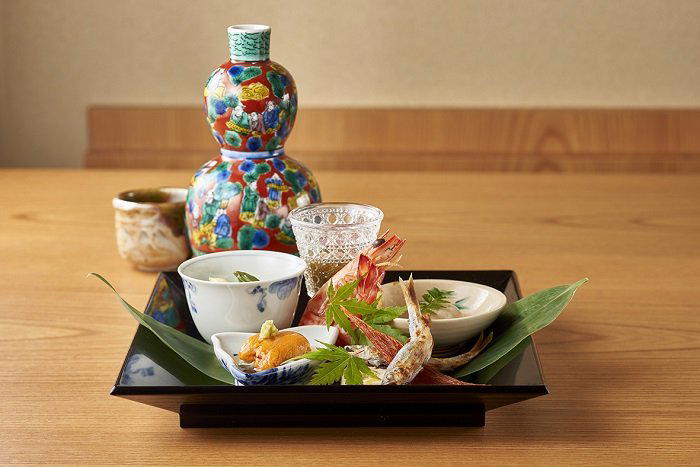




Details
- Cozy
- Intimate
- Elegant
- Date Night
- Special Occasion
- Chefs Counter
- Sake Program
- Local Sourcing
- Omakase
- Counter Dining
- Sake
Current opening hours
- Monday
- Closed
- Tuesday
- 5 PM–12 AM
- Wednesday
- 5 PM–12 AM
- Thursday
- Closed
- Friday
- 5 PM–12 AM
- Saturday
- 5 PM–12 AM
- Sunday
- 5 PM–12 AM
Hours can change for holidays and private events. Last verified .
Calm and comfortable counter seating atmosphere with polite, attentive service from the chef.