
Tonkatsu Okura belongs to Chiba’s serious everyday-food tier: a compact pork-cutlet counter and table room with Tabelog Tonkatsu 100 selections in 2022, 2024, and 2026. The appeal is not luxury positioning but precision within a familiar Japanese format, with croquette and curry sitting beside tonkatsu in a price band that keeps the meal grounded.
Pearl is the En Primeur Club membership app — saves, bookings, and concierge access live there. Same editors, same standards.
- Address
- 千葉県千葉市美浜区幸町1-15-3
- Phone
- +81433762876
- Website
- tabelog.com
 Saves & bookings on Pearl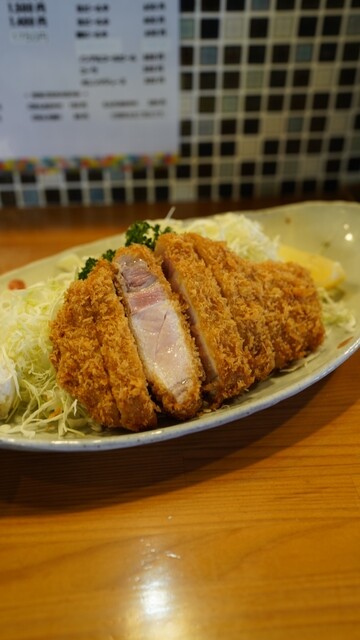
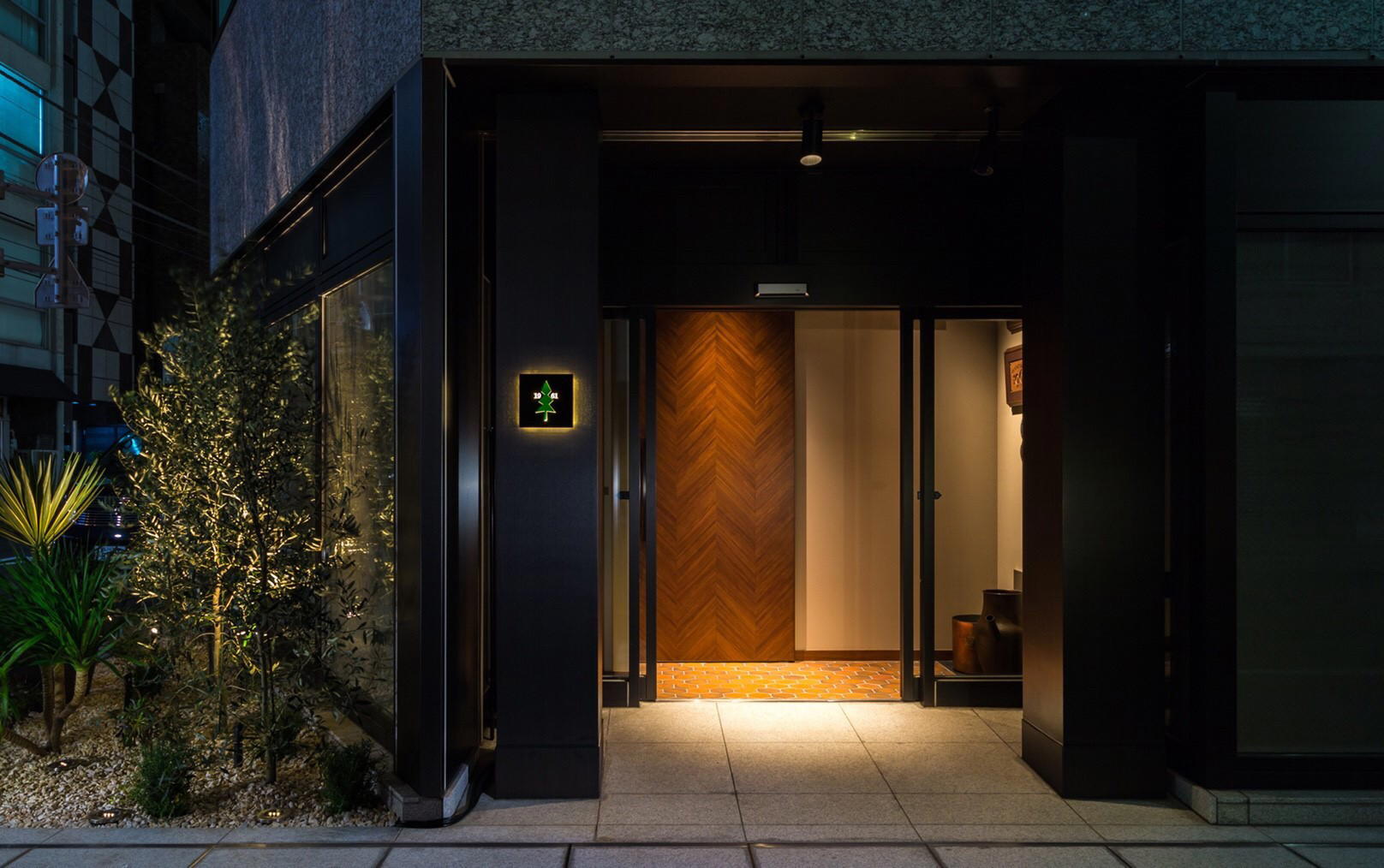
Approach the small room in Saiwaicho and the cues are practical rather than theatrical: counter seats, a handful of tables, and the quiet choreography of a tonkatsu shop built around frying, resting, slicing, and serving without ceremony. Tonkatsu in Japan is often treated as comfort food, but the serious shops operate with the discipline of a specialist kitchen. The difference is measured in timing, oil management, pork selection, cabbage cut, sauce balance, and the restraint to let a fried cutlet remain a meal rather than a performance.
Chiba’s dining culture rewards that kind of focus. The city sits close enough to Tokyo to absorb metropolitan expectations, yet its stronger everyday addresses tend to feel less concerned with spectacle. In the same city, sushi counters such as Sushiei and higher-budget destinations such as Takaoka occupy a different register, while casual specialists and genre-specific rooms carry much of the local eating identity. Tonkatsu Okura belongs to that latter camp: modest in format, serious in execution, and recognized within a national category rather than by broad fine-dining signals.
Chiba tonkatsu with national category recognition
Tonkatsu’s roots sit in yōshoku, the Japanese adaptation of Western dishes that became its own cuisine rather than a borrowed style. A breaded pork cutlet may look simple, but the format asks for exact control: panko must crisp without heaviness, pork must stay juicy, and the set-meal structure has to keep rice, cabbage, pickles, soup, and sauce in balance. In a country where single-dish specialists are judged harshly, repetition becomes the test.
The useful signal here is the Tabelog Tonkatsu “Tabelog 100” selection, which placed Tonkatsu Okura on the 2026 list after earlier selections in 2024 and 2022. That matters because tonkatsu is a crowded field across Japan, from station-area lunch counters to destination shops with long queues. Recognition in this category does not turn a cutlet shop into haute cuisine; it says the kitchen has been noticed inside a narrow, competitive tradition where small differences matter.
The listed categories also tell the story with more accuracy than a chef biography would. Tonkatsu, croquette, and curry place the restaurant within the practical Japanese lunch-and-dinner vocabulary rather than a tasting-menu economy. That combination is important culturally: croquette and curry are part of the same yōshoku family, dishes shaped by home cooking, department-store restaurants, railway dining, and postwar everyday eating. A meal here should be read through that lineage, not through the language used for omakase counters or destination kaiseki rooms.
For travelers mapping Chiba through food, this is a useful counterpoint to the city’s broader restaurant spread. Bengal Tiger operates in a far higher price band, while places such as BAMBOU, Boushu En, Chinese Komugiko Ryori Senmonten Keisen, and Cinq au Pied show how varied the city’s specialist dining can be. Tonkatsu sits differently from all of them: direct, repetitive, and unforgiving when technique slips.
A small-room format that suits the dish
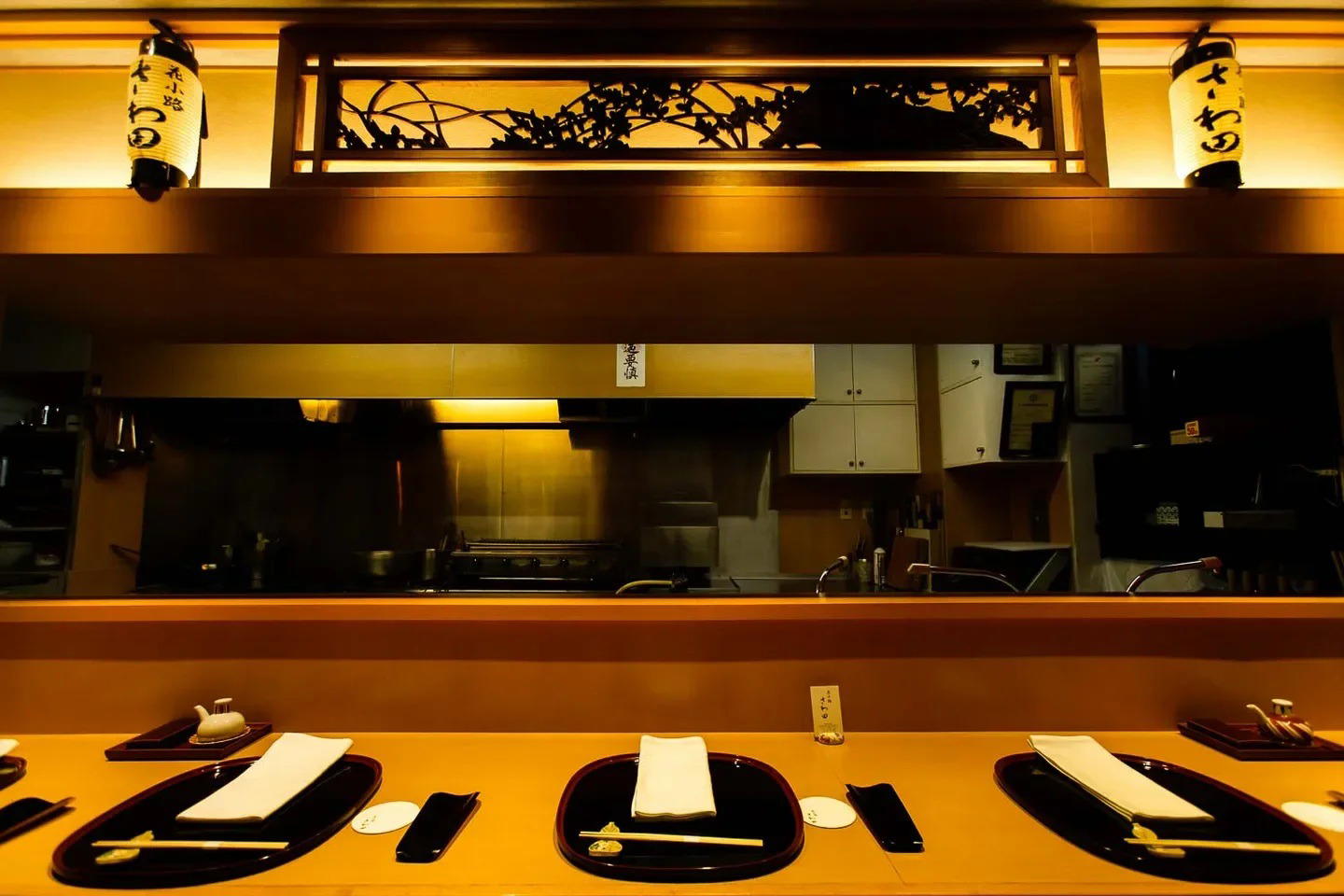
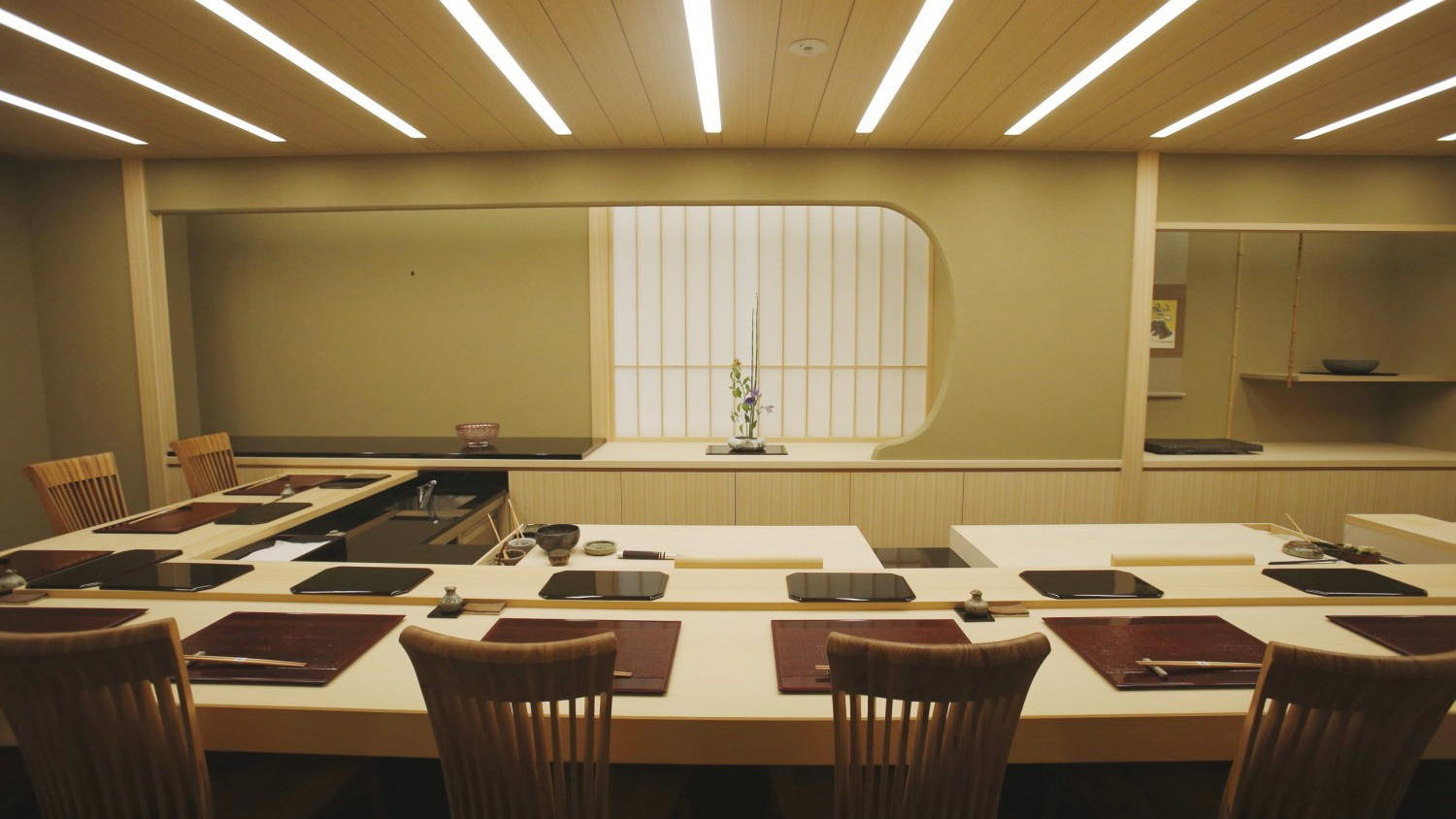
The compact scale is part of the point. Sixteen seats, split between counter and tables, keep the experience close to the kitchen rhythm. Tonkatsu does not benefit from a sprawling room; it needs short travel from fryer to plate and a pace that prevents the crust from losing its edge. Counter seating also fits the genre’s appeal. This is not a cuisine that asks diners to decode a long menu. It asks them to pay attention to heat, texture, portion, and the way rice and cabbage reset the palate between bites.
Chiba’s advantage for this kind of meal is that it can support serious specialist cooking without forcing every address into Tokyo’s reservation theater. That makes the city rewarding for visitors who build a day around neighborhoods rather than only trophy meals. The broader planning picture belongs in our full Chiba restaurants guide, with adjacent context in our full Chiba hotels guide, our full Chiba bars guide, our full Chiba wineries guide, and our full Chiba experiences guide. The pattern is clear: Chiba’s strongest meals are often genre-specific rather than grandly packaged.
That is also how Tonkatsu Okura should be judged. The value is not in a long list of choices or in a chef-led narrative. It is in whether a familiar dish is handled with enough care to justify crossing town for it. The Tabelog category selections provide the external signal; the format explains why the signal makes sense. A small tonkatsu room with repeat national recognition is a sharper proposition than a broad restaurant trying to be all things to all diners.
How to place it in a wider Japan itinerary
For visitors moving through Japan, this kind of stop adds balance to a route that can become too focused on sushi, wagyu, and tasting menus. A useful itinerary compares craft across registers: sukiyaki at -Grilled beef Sukiyaki- KAMAKURA TANUKIAN 鎌倉 たぬき庵 in Kamakura, tuna and charcoal cooking at. 鮪と炭火焼き うお炭 秋葉原店 in Tokyo, café culture at.cafe in Osaka, and regional contemporary dining at.know in Kumamoto. The through-line is not price; it is specialization.
That same lens helps when comparing Japanese food abroad. Jōdo Saké Bar in Los Angeles and Onigiri Time in Pasadena show how specific Japanese formats travel, while (Shoku) Vietnam in Kawasaki and [Curry Senmon Ten] Maruyama Kyoju. in Sapporo point back to Japan’s habit of turning imported or everyday dishes into tightly defined specialties. Tonkatsu belongs in that conversation: familiar, accessible, and technically demanding when done seriously.
The editorial read is simple. The restaurant is not the Chiba address for ceremony; it is the one for understanding how a breaded pork cutlet becomes a benchmark dish when a small kitchen repeats the same task with discipline. In a city where dining ranges from casual sweets to high-budget sushi, this is the kind of specialist room that gives the local scene its texture.
Budget and Context
Comparable venues to calibrate price, style, and recognition.
| Venue | Cuisine | Price | Notes |
|---|---|---|---|
| Tonkatsu OkuraThis venue — the venue you are viewing | Mihama-ku, Tonkatsu specialty restaurant | $$ | Not listed |
| Hiroshima Ya | Not listed | $$ | Minami Nagareyama, Hiroshima-style Okonomiyaki |
| BAMBOU | Moto Yawata, Traditional Tonkatsu | $$ | Not listed |
| Koimen Kurage | Chuo-ku, Ramen & tsukemen shop | $ | Not listed |
| Ramen Jiro Chiba ten | Chuo-ku, Jiro-style ramen shop | $ | Not listed |
| Boushu En | Not listed | $$$ | Chuo Ward, Yakiniku (Japanese BBQ) & Horumon |
Recognition history
Dated appearances from independent guides and award organizations, with the underlying list record or original source where available.
Tabelog 100 #77 · No. 77
Tabelog · Tabelog 100 - Tonkatsu - 2026





At a Glance
- Cozy
- Modern
- Solo
- Casual Hangout
- After Work
- Family
- Standalone
Small, non-smoking neighborhood spot with a stylish yet relaxed feel, counter and table seating, and a comfortable, low-key atmosphere suited to focused tonkatsu meals rather than long gatherings.