
1 Michelin Key
A 39-room modern ryokan in Gora earning a Michelin Key (2024), Fufu Hakone pairs kaiseki dining with a dual-spring onsen programme, sulfate-rich waters in the public baths, chloride-rich springs piped to private in-room soaking tubs. Less than an hour from Tokyo by train, it sits at the sharper end of Hakone's luxury ryokan tier, with bookings advised well in advance.

Pearl is the En Primeur Club membership app, where members save venues, book tables and use the concierge.
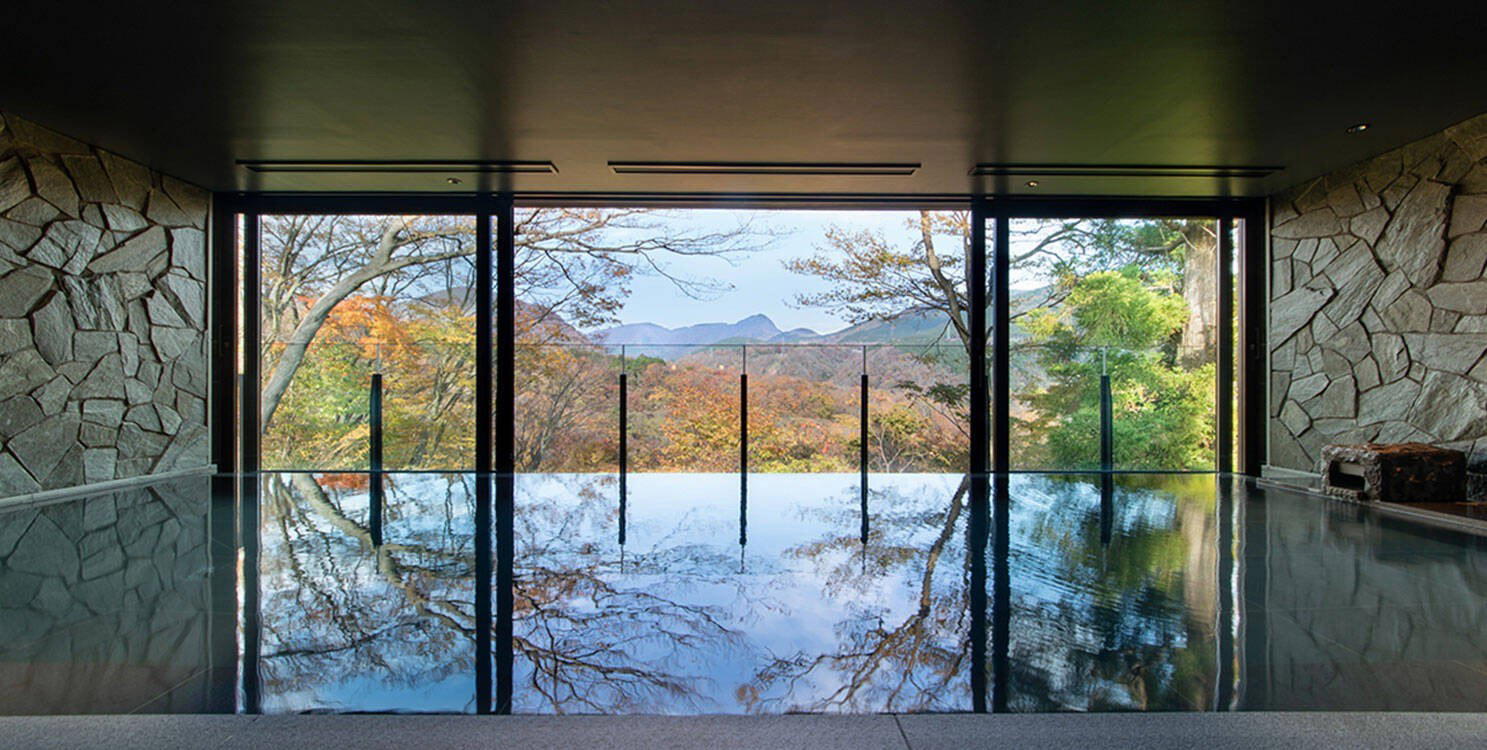
Where the Ryokan Tradition Meets a More Deliberate Modern Sensibility
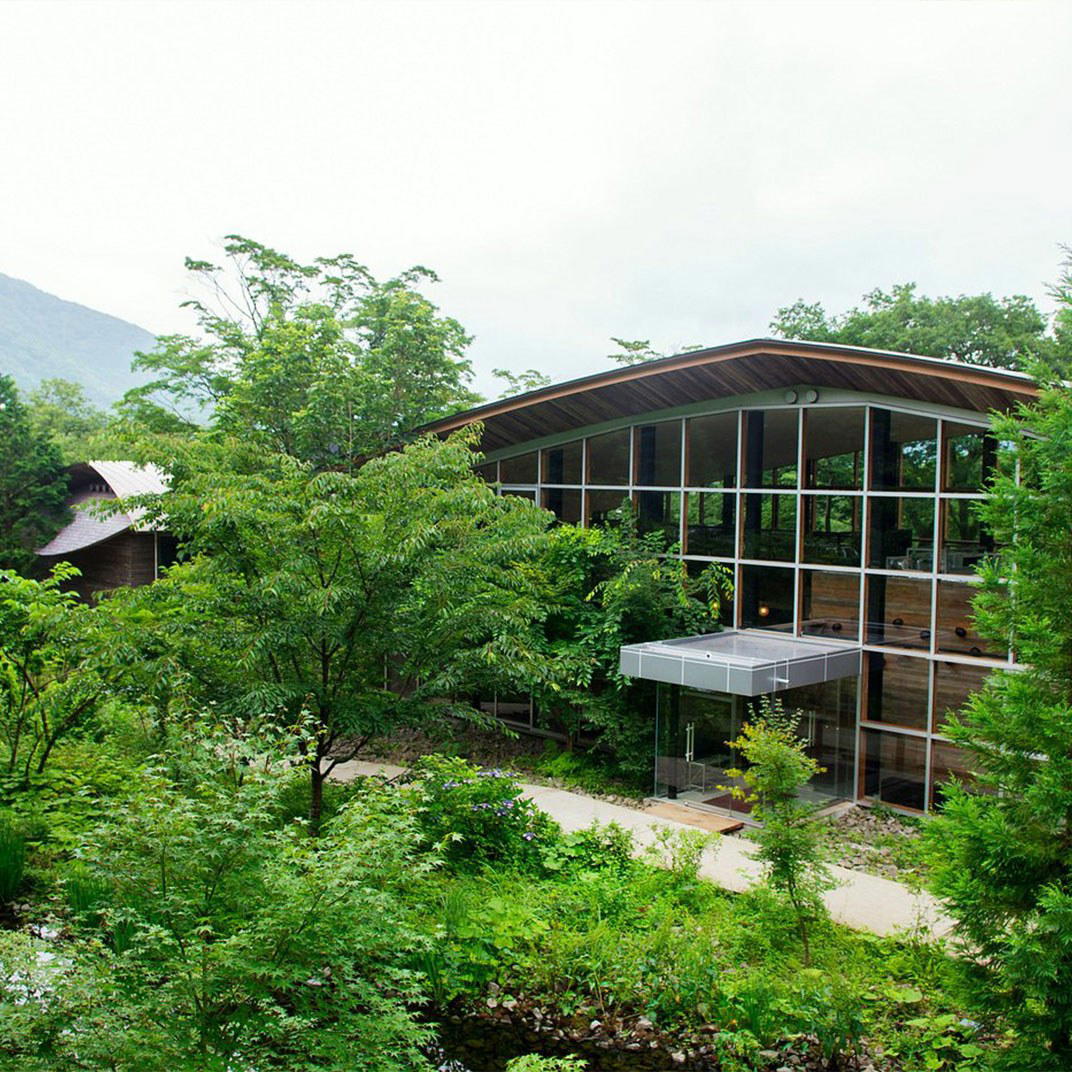
The approach to Gora by train from Shinjuku takes under 90 minutes, and the shift in register is almost physical: the noise of the city recedes, cedar ridgelines rise, and the particular stillness of a mountain onsen town asserts itself. Gora sits near the best of the Hakone Tozan Railway, one of Japan's few rack-and-pinion mountain lines, and the cluster of ryokan properties at this elevation represent some of the most considered hotel making in the country. Fufu Hakone, a 39-room property at 1320-807 Gora, operates within that context and holds a Michelin Key awarded in 2024, a designation that the Michelin Guide applies to hotels offering a compelling overall guest experience rather than restaurant achievement alone.
The FUFU brand has built its reputation across multiple destinations, including Fufu Kawaguchiko in Fujikawaguchiko and Fufu Nikko in Nikko, around a consistent premise: the formal architecture of the traditional ryokan, recalibrated for guests who want the ritual without the rigidity. In Hakone, that premise finds particularly fertile ground. The region has been a retreat destination since the Edo period, and its proximity to Tokyo means it absorbs a guest profile accustomed to high standards and short on patience for anything that performs tradition rather than delivers it.
The Dining Programme: Kaiseki as the Structural Core
In any serious ryokan, the dining programme is not a feature, it is the architecture around which the rest of the stay is organised. Kaiseki, the multi-course formal cuisine rooted in Kyoto temple cooking and later refined through the tea ceremony tradition, provides the grammar. At this tier of ryokan, the kaiseki dinner is typically the centrepiece of the evening: courses arrive in sequence, ingredients follow the season, and presentation leans on lacquerware, ceramic, and considered negative space. Fufu Hakone operates within this tradition, with lovingly crafted kaiseki dinners cited as a defining element of the property's character.
What kaiseki at a modern-interpretation ryokan like FUFU tends to offer that a more rigidly traditional property does not is a slightly lighter hand with ceremony and a greater willingness to let ingredient quality speak without the full weight of formal protocol. This is not a dilution of the form, it is a recalibration that has become increasingly common among the properties occupying the upper-middle tier of the Hakone market, where guests arrive with culinary sophistication but also want the meal to feel like an occasion rather than an examination. The kaiseki tradition is well documented across Hakone's competitive set: Gora Kadan is perhaps the most formally renowned of the area's kaiseki-centred properties, while Hakone Gora Karaku and The Hiramatsu Hotels and Resorts Sengokuhara each bring their own culinary register to the same basic format. Fufu Hakone's 2024 Michelin Key positions it within this credentialed tier rather than below it.
For guests arriving from Tokyo who want to understand how this dining tradition compares to the city's own kaiseki offer, the contrast is instructive. Tokyo kaiseki at the highest level, the sort found at Michelin-starred rooms in Ginza and Akasaka, tends toward greater technical precision and a more international wine programme. Ryokan kaiseki trades some of that precision for a sense of place: the ingredients often come from the immediate region, the sake list carries local producers, and the meal is timed to the bath schedule rather than a restaurant reservation system. Both are valid expressions of the same tradition; they serve different appetites.
The Onsen Programme: Two Springs, Two Functions
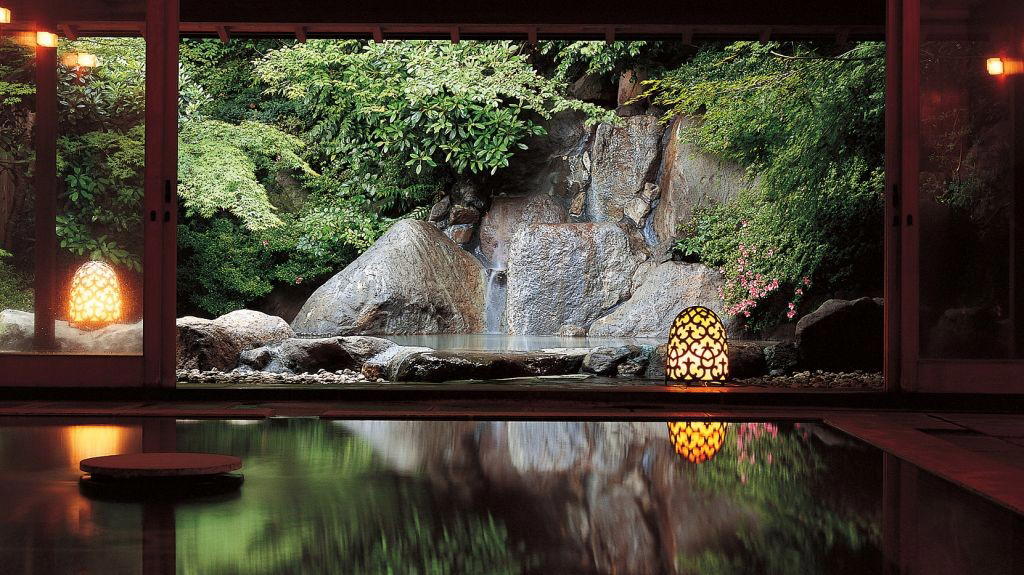
What makes Fufu Hakone's bathing offer more interesting than a standard onsen property is the deliberate separation of its spring sources by therapeutic intent. The public baths draw from a source with a high sulfate mineral concentration, a composition associated with exfoliating and clarifying effects on the skin. The in-room soaking tubs are piped from a separate chloride-rich spring, which carries moisturising properties. This is not a marketing distinction, the two spring types have measurably different mineral profiles and produce different physical responses over a soak of equivalent duration. Running both into the same property, allocated by setting rather than guest choice, gives a logical structure to the bath sequence: public onsen in the sulfate waters, private soak in the chloride spring, with the order mattering.
Hakone's volcanic geology makes it one of Japan's most mineralogically varied onsen regions. The Gora and Owakudani areas in particular draw springs from sources close to active volcanic activity, which produces water that varies significantly in temperature, pH, and mineral load across short geographic distances. Properties at this tier treat their spring credentials seriously, and the dual-source arrangement at Fufu Hakone reflects a more considered approach to the onsen offer than the single-source properties that dominate the lower-price brackets. Among Hakone's comparable properties, Hoshino Resorts KAI Sengokuhara and Nazuna Hakone Miyanoshita each approach the onsen offer as a core product differentiator rather than an amenity add-on, and Fufu Hakone sits within that same disciplined framing.
Where Fufu Hakone Sits in the Broader Luxury Ryokan Picture
The modern ryokan category in Japan has developed a clearly stratified competitive structure. At the leading sit properties where the design, dining, and onsen credentials are individually arguable as the primary draw: Zaborin in Kutchan and Asaba in Izu are examples of properties where a single element, architecture in the former, setting and tradition in the latter, becomes the organising principle. Further afield, design-led ryokan-adjacent properties like Benesse House in Naoshima and onsen-focused destinations like ENOWA Yufu in Yufu or Araya Totoan in Kaga show how the category extends across geographies and philosophies.
Within Hakone specifically, and within the Gora neighbourhood in particular, the competition is geographically concentrated and stylistically close. What distinguishes properties at this tier is less often a single headline credential and more often the calibration of the whole: how the kaiseki timing integrates with the bath schedule, how the interiors balance contemporary material choices against the spatial vocabulary of a traditional inn, and how well the guest-to-staff ratio sustains attention across a multi-day stay. At 39 rooms, Fufu Hakone operates at a scale that permits genuine service density without the intimacy of a true micro-ryokan. For other perspectives on the mountain ryokan format, Yama no Chaya offers a different reference point within the Hakone area.
Guests arriving from, or comparing against, international luxury hotel brands should note that the ryokan format operates on different assumptions. Properties like Bvlgari Hotel Tokyo or HOTEL THE MITSUI KYOTO deliver luxury through a Western-informed grammar of space and service; the ryokan delivers it through sequenced experience, material restraint, and the bath-and-meal rhythm that has governed Japanese inn culture for centuries. Neither is a compromise of the other; they are simply different propositions. The Michelin Key at Fufu Hakone signals that its execution within the ryokan grammar is at a level the guide considers worth seeking out.
Planning Your Stay
Fufu Hakone is located at 1320-807 Gora, reachable from Tokyo via the Odakyu Romance Car to Hakone-Yumoto and the Hakone Tozan Railway to Gora, a journey of under 90 minutes from Shinjuku on the fastest services. The 39-room scale means the property fills quickly on weekends and during peak foliage and blossom seasons, autumn (late October through November) and spring (late March through early May) are the highest-demand windows, and advance booking is advisable for both. Given that room availability is currently showing as sold out across some forward dates, travellers with fixed itineraries should book as early as possible. For a broader orientation to the area's dining and accommodation options, the full Hakone guide covers the competitive set in detail. Guests considering a longer Japan itinerary might also reference Amanemu in Mie or Nishimuraya Honkan in Kinosaki-cho as ryokan-tradition properties of comparable ambition in other regions.
A Pricing-First Comparison
Comparable venues nearby, for context on price, style, and recognition.
| Venue | Price | Awards | Notes |
|---|---|---|---|
| Fufu HakoneThis venue (the venue you are viewing) | Not listed | 1 Michelin Key | Not listed |
| Hoshino Resorts KAI Sengokuhara | $750–1,000 | Not listed | Sengokuhara, Hakone, Contemporary Japanese ryokan blending traditional hospitality with modern luxury and artistic expression; positioned as a creative retreat centered on art, nature, and wellness. |
| Nazuna Hakone Miyanoshita | $200–300 | Not listed | Miyanoshita, Contemporary ryokan with traditional Japanese design elements and cultural authenticity |
| The Hiramatsu Hotels & Resorts Sengokuhara | $1,000–1,500 | 1 Michelin Key | Sengokuhara, Exclusive luxury auberge-style resort centered around gourmet dining and onsen experiences |
| Yama no Chaya (山の茶屋) | Not listed | Not listed | Tonosawa, Traditional Japanese ryokan built into mountainside surrounded by bamboo and river gorge. |
| Hakone Gora Karaku | Not listed | 1 Michelin Key | Gora, Modern Japanese ryokan with luxury onsen facilities |
Recognition history
Dated appearances from independent guides and award organizations, with the underlying list record or original source where available.
Michelin 1 Key
Michelin
Full recognition history (3 entries)
Michelin 1 Key
Michelin
Michelin 1 Key
Michelin
Continue exploring
More in Hakone
Hotels in Hakone
All hotels in Hakone →
Bars in Hakone
Browse all →
Restaurants in Hakone
All restaurants in Hakone →
Wineries in Hakone
Browse all →
Details
- Romantic
- Quiet
- Elegant
- Scenic
- Cozy
- Sophisticated
- Intimate
- Minimalist
- Honeymoon
- Romantic Getaway
- Wellness Retreat
- Anniversary
- Weekend Escape
- Panoramic View
- Private Villa
- Wi Fi
- Spa
- Room Service
- Concierge
- Restaurant
- Bar
- Massage
- Mountain
- Garden
- Wheelchair Accessible
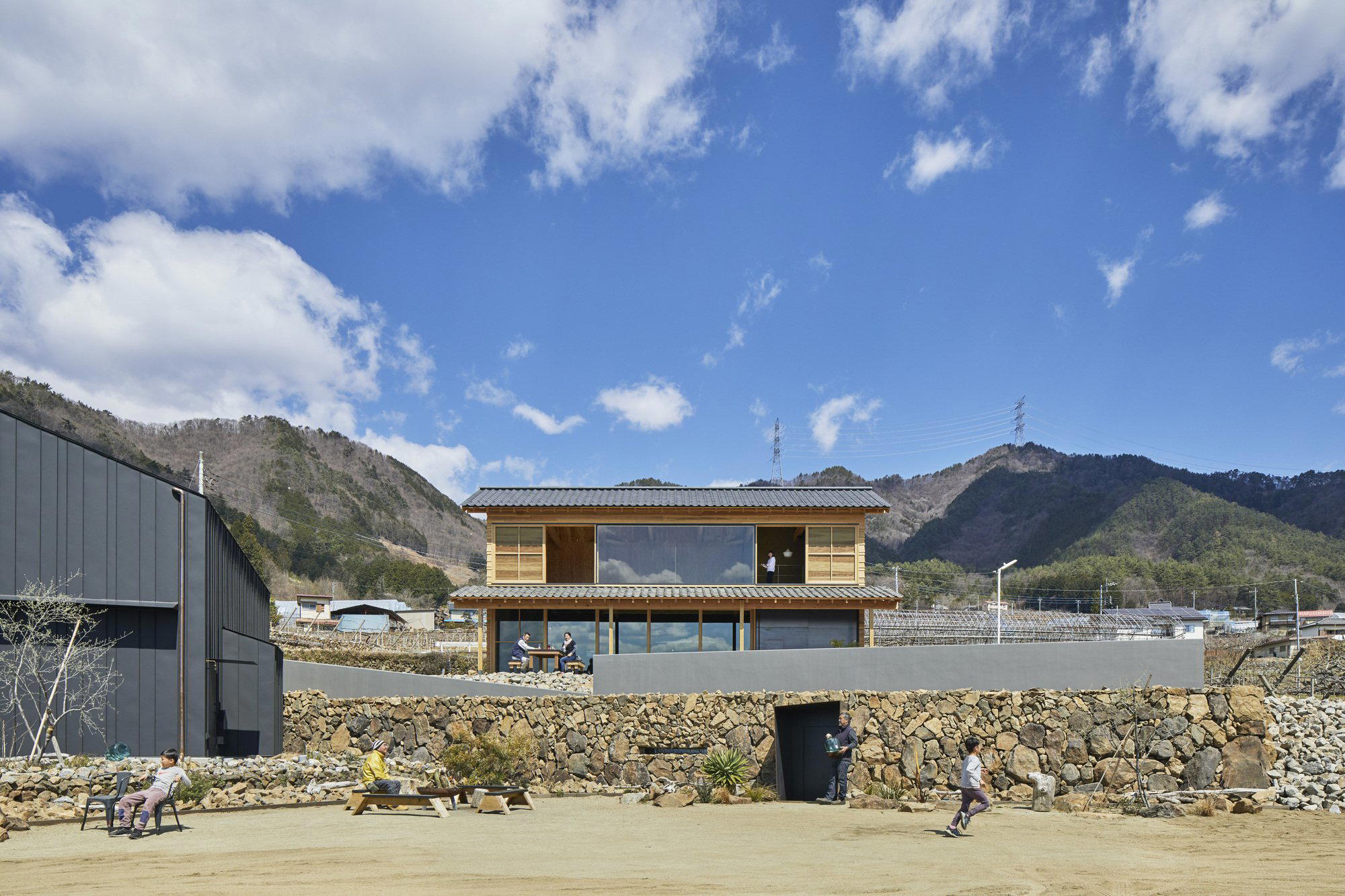
Tranquil and elegant with natural wood aromas, forest scents, soft lighting, and panoramic mountain views from baths and lounge areas, creating a serene, immersive hot spring retreat.