Our verdict
In Ebisu's quieter residential fringes, ici operates as a small-format French-influenced restaurant where the interplay between kitchen, sommelier, and front-of-house defines the experience as much as any single dish. The address, ground floor of a low-rise building on a side street off Ebisu's main drag, signals the register before you step inside: considered, low-volume, and built for repeat visitors who know what they are looking for.

Pearl is the En Primeur Club membership app, where members save venues, book tables and use the concierge.

Ebisu's Quieter Register
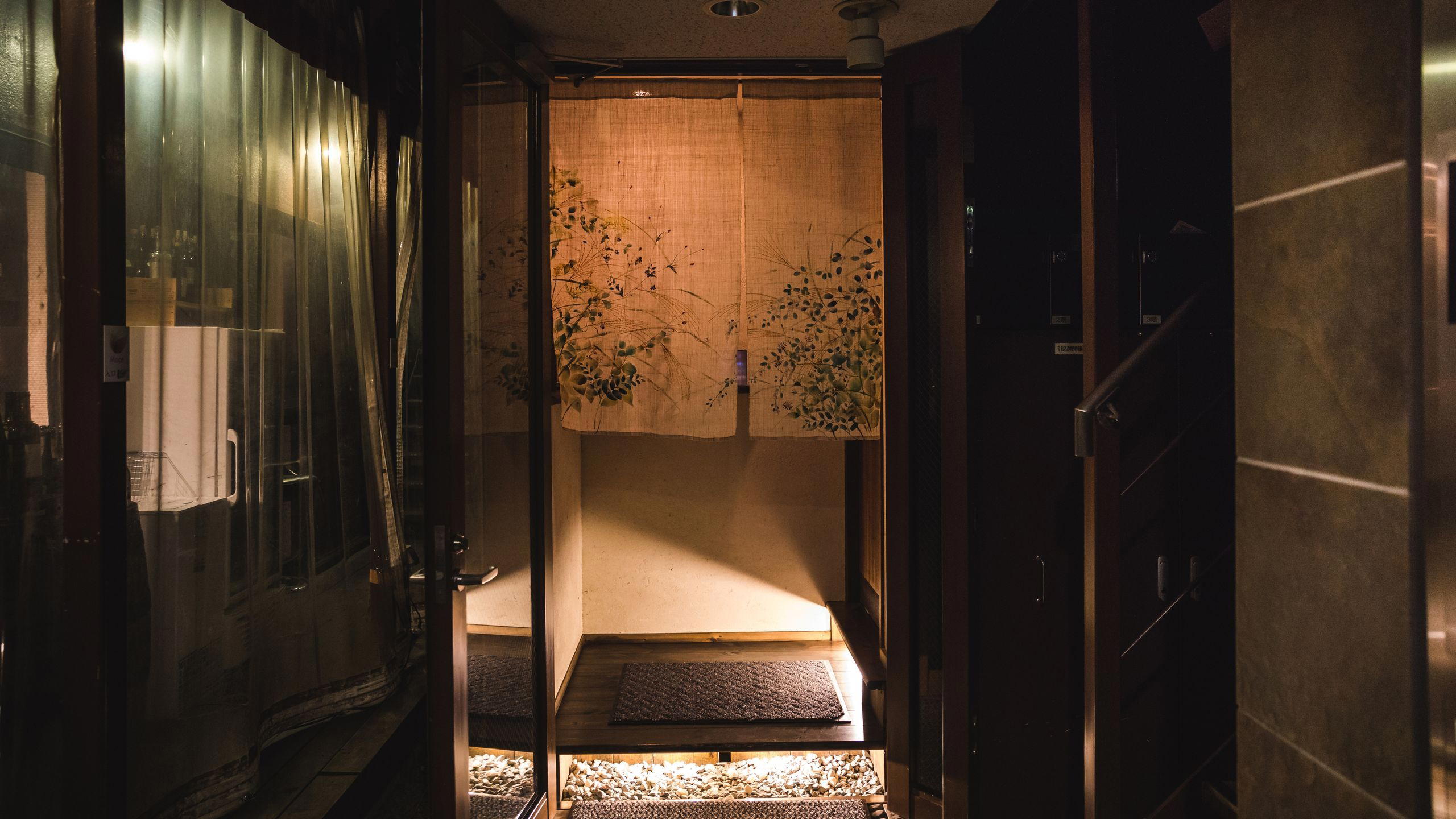
The stretch of Ebisu that runs away from the station's commercial core and toward the residential blocks of 1-chome has always attracted a particular kind of restaurant: small, self-assured, and uninterested in foot traffic. Rents are lower than Ginza or Minami-Aoyama, the clientele is local and returning rather than tourist-driven, and the format tends toward intimacy over spectacle. ici sits on that side street in the Sun Rise Villa building, ground floor, and reads from the outside exactly as it operates inside, quietly and with some deliberation.
This is a neighbourhood pattern worth understanding before booking. In Tokyo's dining geography, Ebisu occupies a middle tier between the high-ceremony formality of Ginza's Michelin-dense corridors and the more casual izakaya registers of Shimokitazawa or Nakameguro. Restaurants here tend to operate with tighter seat counts, less PR noise, and a heavier reliance on word-of-mouth among the professional and creative class that lives in the surrounding blocks. For a venue like ici, that context shapes everything: the pacing, the price positioning, the expectation that you arrive knowing what you want from the evening.
The Logic of the Team at the Table
Among the things that distinguish smaller Tokyo restaurants operating in the French or French-influenced register, a category that includes L'Effervescence, Sézanne, and the more technically hybrid Crony, is how the front-of-house and sommelier function relative to the kitchen. At the high-end of the category, this integration is total: the floor team is reading the pace of the meal, adjusting wine pours to dish timing, and acting as the primary interpreter between what the kitchen produces and what the guest understands. The experience is, in that sense, a team performance rather than a kitchen monologue.
ici, operating in a smaller-footprint format in Ebisu rather than the flagship zones of central Tokyo, exists within that broader tradition. The editorial logic of venues at this scale, and this applies as clearly to HAJIME in Osaka or Gion Sasaki in Kyoto as it does to Ebisu, is that when a restaurant is small enough that every seat matters, the service team has no room to be decorative. Each person in the room is functional, and the meal works because of that integration rather than despite the lack of scale.
Globally, this is a model that has gained ground as diners have become more attentive to the whole arc of a meal rather than just the kitchen output. Le Bernardin in New York City has long demonstrated how front-of-house fluency can define a restaurant's identity as sharply as any technique applied to protein. The more recent example of Atomix in New York City, where the educational and interpersonal role of the service team is formalized into the structure of the meal, shows the direction that format-conscious operators are pushing the model. ici, in its Ebisu context, is working within that same understanding at a more compressed scale.
Positioning Within Tokyo's French-Influenced Tier
Tokyo's French dining scene has stratified considerably over the past decade. At the leading end, multi-starred operations like L'Effervescence and Sézanne command pricing that aligns them with European peers and attracts an international reservation base. Below that, a second tier of technically accomplished, often neighbourhood-anchored French restaurants operates with lower price points, more flexibility, and a local clientele that sustains them through regulars rather than tourist conversion. Crony, with its Franco-Japanese hybrid approach, straddles the upper end of that second tier. ici appears to occupy a position within that same bracket, defined more by intimacy and service coherence than by Michelin positioning or media profile.
That placement is a deliberate choice in the Tokyo context. The venues in this tier often develop deeper relationships with their regular guests than the starred properties do, and the sommelier function in particular tends to become more personalised: the same professional is learning your preferences over multiple visits rather than managing volume. This is the model that sustains neighbourhood fine dining in cities like Paris and Lyon, and its transfer to Tokyo's residential districts, including Nara's comparable smaller-format operations and the quietly serious dining found at venues like Goh in Fukuoka, represents one of the more coherent trends in Japanese fine dining beyond the flagship cities.
For those building a broader picture of Japan's non-metropolitan dining scene, the regional spread is useful: Nanao, Sapporo, Takashima, Nishikawa Machi, Sakai, and Toyohashi each host venues that demonstrate how the team-driven, intimate dining format has spread well beyond Tokyo. The principle, that a cohesive, small team produces a qualitatively different meal than a hierarchical, volume-oriented one, holds across those geographies. Our full Tokyo restaurants guide maps this broader picture for those planning a more extended visit.
The Ebisu Approach and Its Peers
What distinguishes Ebisu from other Tokyo neighbourhoods hosting this style of restaurant is partly demographic and partly spatial. The area draws professionals in media, design, and finance who eat out frequently and have developed considered preferences rather than occasion-driven restaurant choices. They are less likely to be booking a single prestige meal on a trip and more likely to be visiting a handful of trusted rooms across a month. That changes how a restaurant like ici structures itself: the menu, the pacing, and the wine program all need to sustain repeat visits rather than perform for a single, high-stakes evening.
This pattern is visible in how the comparison venues across Tokyo operate. Harutaka in Ginza and RyuGin in Roppongi both operate at the top of their respective categories with a degree of formality that positions them as destination meals. Ebisu's dining rooms, including ici, tend to pitch at a slightly different frequency: still serious, still technically accomplished, but with the register adjusted toward the familiarity of a room that expects to see you again.
Know Before You Go
- Location: 1F Sun Rise Villa, 1-26-12 Ebisu, Shibuya, Tokyo 150-0013
- Nearest Station: Ebisu Station (JR Yamanote Line / Tokyo Metro Hibiya Line), short walk
- Booking: Reservation status not confirmed; given the venue's small format and neighbourhood positioning, advance booking is advisable
- Website: Not currently listed, verify current online presence before visiting
- Price Range: Not confirmed; contextually consistent with mid-to-upper neighbourhood fine dining in Ebisu
Frequently asked questions
Where do I go for ici?
ici is located at Japan, 〒150-0013 Tokyo, Shibuya, Ebisu, 1 Chome−26−12 サンライズヴィラ 1F, Tokyo.
How does ici differ from other French-influenced restaurants in Ebisu and Shibuya?
ici occupies a specific address on the residential side of Ebisu's 1-chome, away from the station's commercial concentration, which draws a professional neighbourhood clientele rather than a destination-dining crowd. Within Tokyo's French-influenced tier, that spatial positioning tends to produce a more intimate, repeat-visitor dynamic than comparable restaurants in higher-footfall Shibuya or Minami-Aoyama locations.
What do people recommend at ici?
Because ici operates in the French-influenced register common to smaller Ebisu restaurants, regular visitors tend to follow the kitchen's lead rather than ordering around fixed favourites. The restaurant sits on a residential stretch of Ebisu's 1-chome, which attracts a neighbourhood-loyal crowd that returns for the overall menu direction rather than a single dish. Specific current recommendations are best confirmed directly with the venue before visiting.
Is ici reservation-only?
French-influenced restaurants at this scale in Ebisu, Tokyo almost universally operate on a reservation basis, and ici fits that pattern. Given its address on the quieter 1-chome stretch away from Ebisu Station's commercial core, walk-in availability is unlikely to be reliable. Contacting the restaurant directly ahead of your visit is advisable.
What's the signature at ici?
ici positions itself within Tokyo's French-influenced tier, a category defined less by a single signature dish and more by the logic of the kitchen team and the consistency of the menu's direction. The Ebisu 1-chome location places it in a residential context that shapes a quieter, more focused style of service than found in Ginza or Minami-Aoyama counterparts. Specific signature dishes should be confirmed with the restaurant, as menus at this level typically shift with season and sourcing.
Do they accommodate allergies at ici?
Smaller French-influenced restaurants in Tokyo, including those operating in Ebisu's residential tier, generally handle dietary requirements on a case-by-case basis and require advance notice. Communicating allergies or intolerances when making a reservation at ici's 1-chome Ebisu address gives the kitchen the best opportunity to adjust. Arriving without prior notice is a risk at any tasting-format or set-menu operation.
At a Glance
Comparable venues nearby, for context on price, style, and recognition.
| Venue | Cuisine | Price | Awards | Notes |
|---|---|---|---|---|
| iciThis venue (the venue you are viewing) | Classic French Bistro | $50–100 | Not listed | Not listed |
| MAISON LANDEMAINE Azabudai | French Bakery-Cafe | $10–20 | Tabelog 100 #5 | Minato, French Bakery-Cafe |
| patisserie de bon coeur Musashikoyama honten | Shinagawa, French Patisserie | $10–20 | Tabelog 100 #31 | Not listed |
| Le Pain Quotidien Shibakouen ten | Belgian organic bakery café & restaurant | $20–30 | Tabelog 100 #85 | Minato, Belgian organic bakery café & restaurant |
| Patisserie Yu Sasage | Setagaya, French Patisserie | $10–20 | Tabelog 100 #74 | Not listed |
| Patisserie Salon de The Amitie | Shinjuku, French Patisserie Café | $10–20 | Tabelog 100 #46 | Not listed |