← Guides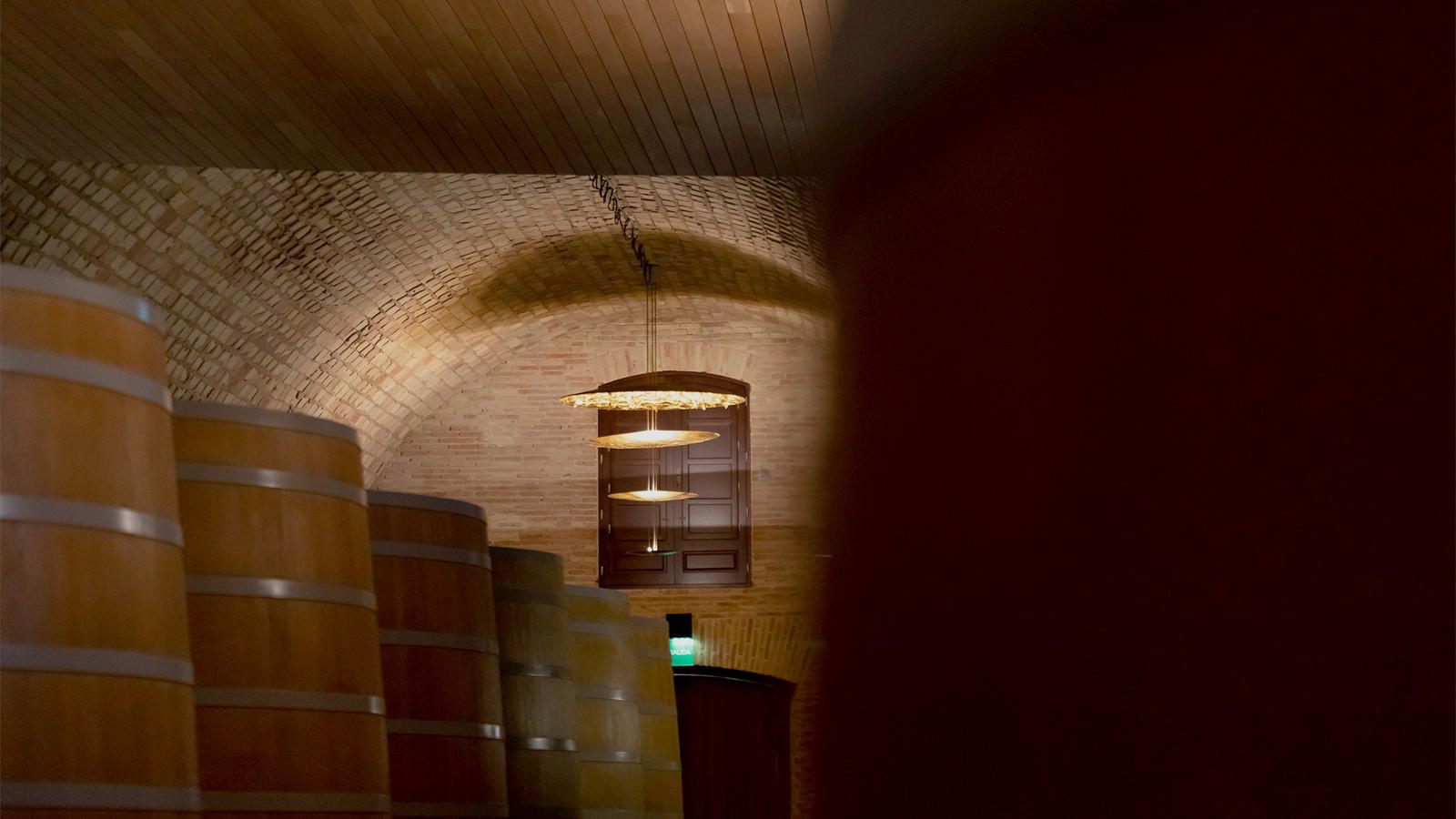
Vega Sicilia winery tours are appointment-only. Here is how collectors secure access in Ribera del Duero, what the visit covers, and when to choose alternatives.
Vega Sicilia winery tours are appointment-only. Here is how collectors secure access in Ribera del Duero, what the visit covers, and when to choose alternatives.
You can visit Vega Sicilia,1 but not by walking up to the gate. Spain's oldest continuously operating Ribera del Duero estate, the property that has been producing Único for over a century, operates by invitation and prior arrangement. The estate is not open to the public.2 Access is tightly controlled, visits are not publicly bookable through any platform. For most collectors researching Vega Sicilia winery tours, the practical route is a relationship with a specialist Spanish wine merchant or a direct approach to the estate's export team, and even then, availability is limited.
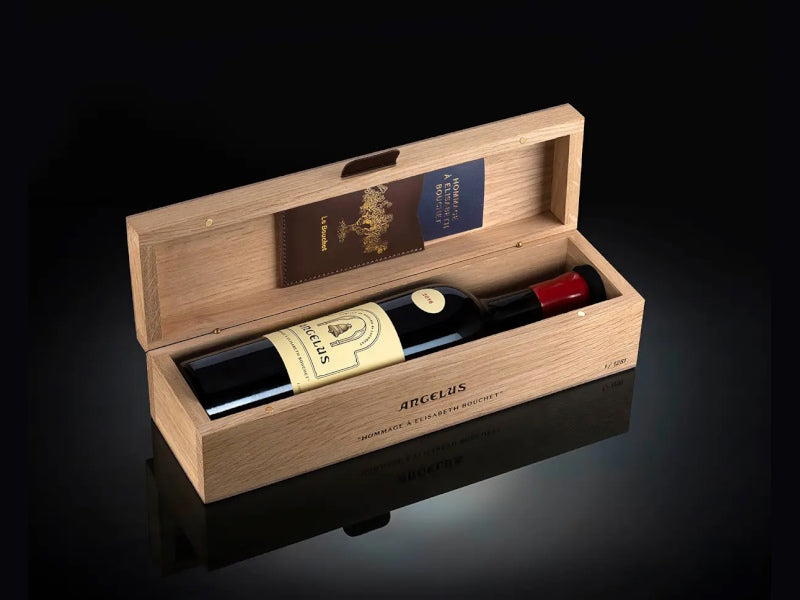
Vega Sicilia sits in Valbuena de Duero, Castilla y León, with vineyards planted predominantly to Tempranillo, locally called Tinto Fino, alongside parcels of Cabernet Sauvignon, Merlot, and Malbec that trace back to the estate's 19th-century French-influenced planting program. The winery produces three principal wines: Único, which the estate ages for an extended period before release; Valbuena 5°, aged five years; and Alión, made from a separate estate in the appellation. Most Único stock is available only on allocation to a reported waiting list of 5,000.3 For you, that means the visit request should begin with the wine, not the itinerary: show a serious connection to Único, Valbuena 5°, or Alión before asking for time at the estate.
The estate's reputation compounds the access problem. Único commands a secondary market price trajectory that rivals Bordeaux first growths, and older vintages from the 1970s and 1960s regularly appear at auction above four figures. Serious collectors, trade buyers, and journalists are often competing for the same limited visit slots. The estate prioritizes relationships with its established négociant and importer network, which means a first-time visitor without a trade introduction starts at a disadvantage.
Visit availability is not listed on any third-party platform. The estate's own website provides contact details for its export and communications teams, but does not offer a self-service booking flow. Visits are arranged on a case-by-case basis through direct correspondence with the estate or through an established importer relationship, confirm current availability and lead times directly with Vega Sicilia before planning travel around a specific date.
Trade visits, for sommeliers, buyers, and journalists, tend to cluster around the spring and autumn, when the estate is between harvest and intensive cellar work. Private collector visits, where they occur, are typically arranged weeks to months in advance. If a specific date matters, secure written confirmation from a named contact before you build a Valladolid or Peñafiel trip around it.
Three routes have a realistic track record among collectors and trade professionals:
Through your importer or specialist merchant. Vega Sicilia's allocation network is built on long-standing importer relationships. In the UK, Corney & Barrow has historically been a key partner; in the US, the estate works through a small number of fine wine importers. A merchant who buys Único allocations regularly carries relationship capital with the estate's export team. If you are a serious customer of such a merchant, asking them to facilitate an introduction is one reliable route available to a private collector.
Direct contact with the estate. The estate's website lists contact information for its communications and export departments. A well-composed, specific inquiry, naming your connection to the wines, your collection history, and a proposed visit window, is worth sending. Responses are not guaranteed, but the direct channel is not closed. Confirm all logistics, including whether any cost applies, before booking flights to Valladolid.
Structured wine travel programs. A small number of specialist wine travel operators, those focused on Ribera del Duero and Castilla y León specifically, have established relationships that occasionally yield access. These programs typically bundle the Vega Sicilia visit with other estate visits in the appellation, including Pingus, Dominio de Atauta, and Hacienda Monasterio, and carry a per-person cost that reflects the access premium. Verify independently that any operator's Vega Sicilia access is confirmed before booking.
There is no Resy page, no OpenTable listing, and no publicly available online booking surface for Vega Sicilia visits. Treat any URL purporting to be a direct booking link for the estate with caution.
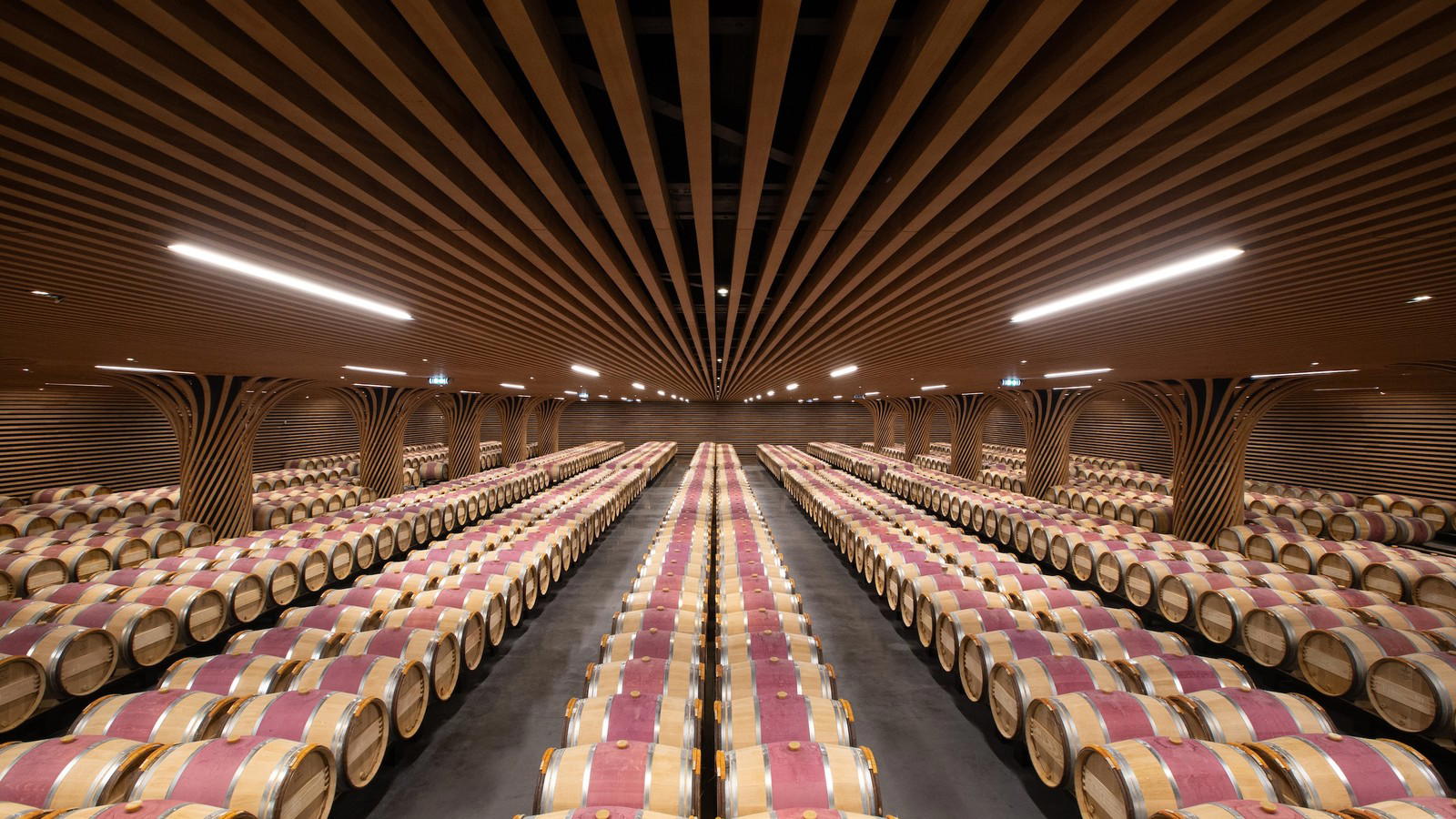
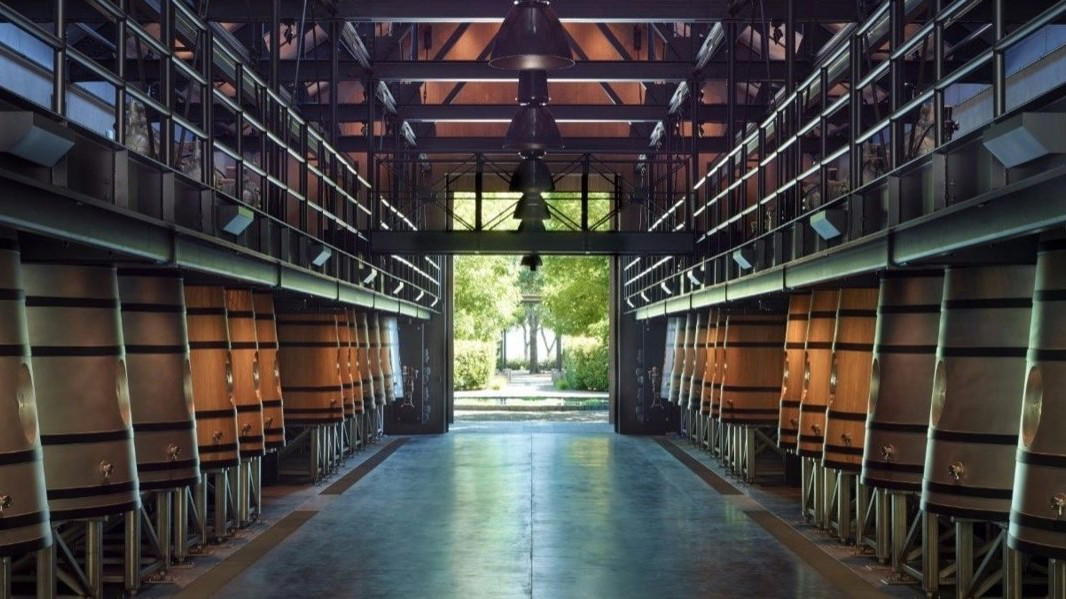
The estate's architecture is part of the experience before you taste a drop. The original 19th-century bodega buildings sit alongside more recent cellar infrastructure, and the property's scale, set against the high plateau landscape of the Duero valley, gives the visit a different register from the compact châteaux of Bordeaux. The Duero river runs close to the estate's southern boundary; the continental climate here, with its extreme diurnal temperature swings, is written into every vintage of Único.
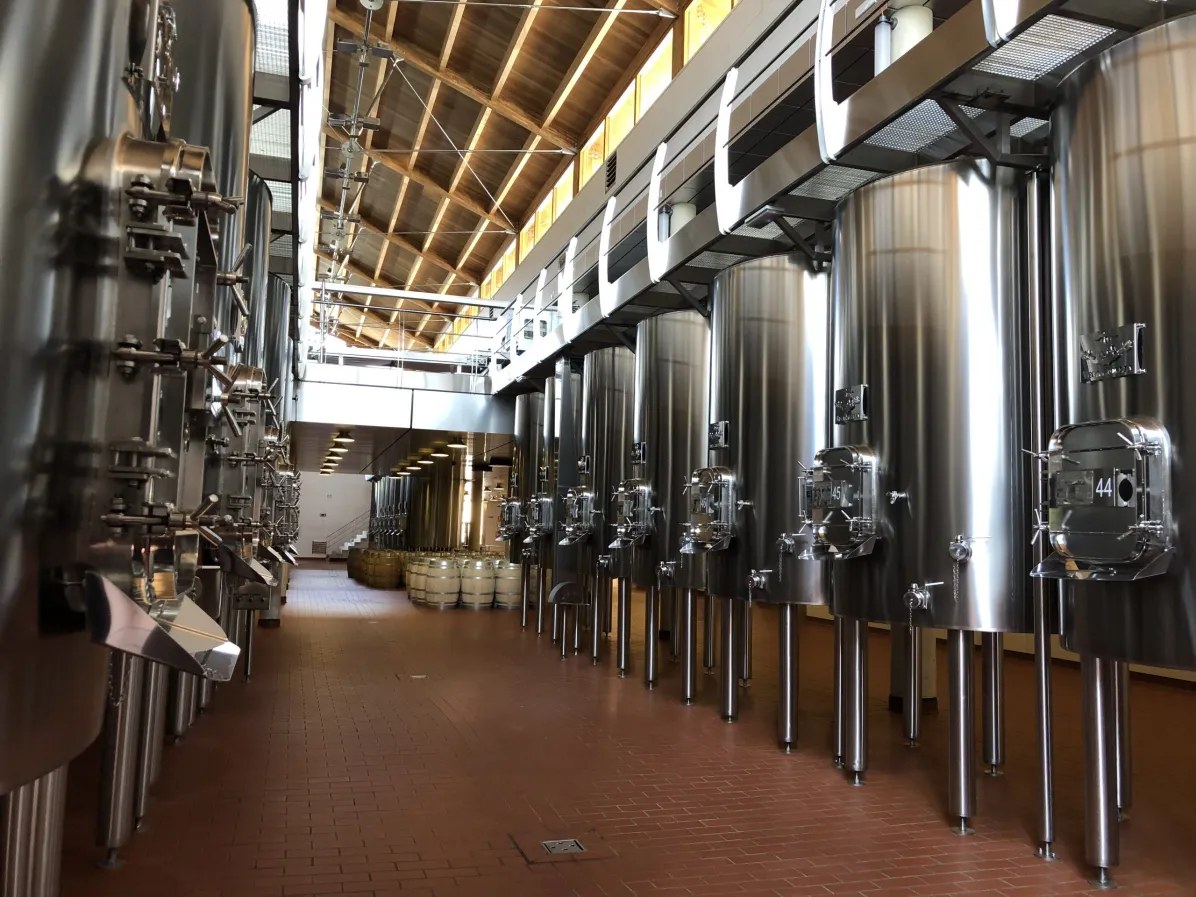
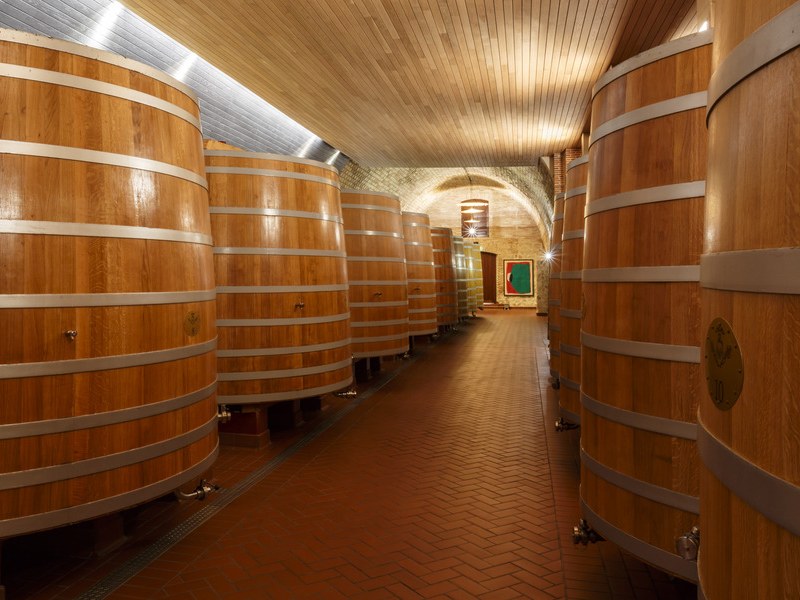
A visit can include a three-hour in-depth tour of the estate concluding with a tasting in the manor house.4 That tour covers the vineyards and the barrel cellars, where Único's extended aging program, cycling through American and French oak of varying ages before bottle aging, is visible in the sheer volume of wood, before arriving at a structured tasting. Accounts from trade visitors consistently include Valbuena 5° alongside a current release of Único, and occasionally a library vintage. If you secure the visit, taste young Único as a cellar wine rather than as a finished dining-room bottle; encountering it before fifteen or twenty years of age shows the architecture before time has softened it.
The winery gates are guarded and visitors may be kept waiting before being escorted in,2 a detail that sets the tone. This is not a consumer hospitality experience in the modern sense: no tasting room fitted out for walk-in visitors, no retail shop, no restaurant on site. It is a working winery visit, and the tone is professional. Come with specific questions about the oak program, the vintage selection process for Único, and the estate's approach to its Tempranillo-dominant blends. The winemaking team responds well to informed interlocutors.
For most collectors, the more pressing access question is not the visit but the wine itself. The Único Reserva Especial is usually only available to private customers under strict allocation,3 and the estate releases vintages on its own schedule. The extended minimum aging means that current releases carry vintages from years prior, and allocation quantities per merchant are fixed. Valbuena 5° is more accessible and serves as the practical entry point into the estate's style.
Build merchant history before the allocation window opens. Merchants who receive Único allocations distribute them to customers with a purchase record across the portfolio; buying Valbuena 5° and Alión consistently signals seriousness. Off-vintages, years where critical scores are lower but the wine is still age-worthy, are the entry point: they carry lower demand and occasionally appear on merchant lists without a waitlist. Vintage availability varies by release cycle; confirm current stock with your merchant rather than assuming any specific year is accessible.
The secondary market, Christie's, Sotheby's, Acker, and specialist platforms like Cavex or Idealwine, carries Único regularly, particularly older vintages from the 1980s and 1990s. Provenance documentation matters here; Único's value on the secondary market makes it a target for misrepresentation.
Mistakes that cost collectors access:
| Estate | Visit Difficulty | Booking Route | Tasting Format | Cost (approx.) |
|---|---|---|---|---|
| Vega Sicilia | high, invitation/trade only | Direct or via importer | Cellar tour + structured tasting | Not publicly published |
| Pingus (Dominio de Pingus) | high, Peter Sisseck rarely hosts | Trade introduction only | Vineyard + barrel tasting (rare) | Not publicly published |
| Hacienda Monasterio | Moderate, visits available by appointment | Direct contact with estate | Cellar tour + tasting | N/A, confirm with estate |
| Bodegas Emilio Moro | Low, visitor-friendly, appointments available | Estate website / direct | Vineyard, cellar, tasting room | N/A, confirm with estate |
| Dominio de Atauta | Low-moderate, small producer, appointments welcomed | Direct contact | Cellar tour + old-vine Tinto Fino tasting | N/A, confirm with estate |
Hacienda Monasterio is particularly practical alternative for a serious Ribera del Duero visit. Peter Sisseck consults here, and the estate produces structured, age-worthy Tempranillo from old vines in Pesquera de Duero. Visits are available by appointment and the estate is accustomed to hosting collectors.
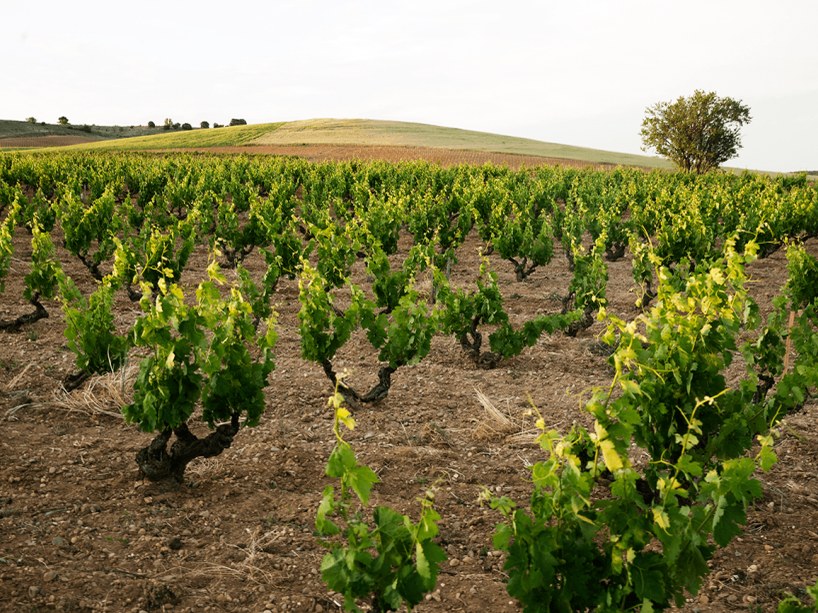
Dominio de Atauta offers something Vega Sicilia cannot: old-vine Tinto Fino from the Valle de Atauta in Soria, at elevations around 920 to 1,000 metres. The estate is small, the winemaking team is accessible, and a visit here gives you a different lens on what Castilla y León's terroir can produce beyond Tempranillo.
Bodegas Emilio Moro in Pesquera de Duero runs a more structured visitor program and is a useful orientation point for the appellation. The wines are well-made, the team is hospitable, and the visit requires no trade introduction.
If this is your first Ribera del Duero trip, use the comparison table as the itinerary filter: ask Hacienda Monasterio or Dominio de Atauta directly for appointments, and keep Vega Sicilia for the moment when the introduction is in place.
The visit makes most sense for collectors who already have a relationship with the wines, who have followed Único across multiple vintages, who understand the estate's aging philosophy, and who want to see the barrel program and the Duero valley landscape that shapes it. Arriving without context for the extended aging cycle or the estate's vintage selection history means the visit's depth is largely lost.
For a first trip to Ribera del Duero, the combination of Hacienda Monasterio, Dominio de Atauta, and a drive past Vega Sicilia's gates, the estate is visible from the road through Valbuena de Duero, is a more realistic and richer itinerary. Save the Vega Sicilia visit for when you have the introduction to make it work.
The visit is not suited to casual wine tourism, large groups, or anyone expecting a consumer hospitality format. It rewards the patient, the well-connected, and the genuinely curious about one of Europe's most singular aging programs.
Vega Sicilia is not a venue you book on a whim. The estate puts the wine and the trade relationships that sustain it ahead of visitor throughput. A visit here operates like any Bordeaux first growth, by appointment, through the right channel, with the right introduction.1 For a collector who has done that groundwork, an afternoon in the barrel cellars at Valbuena de Duero, tasting Único young against the backdrop of the Duero valley's high plateau, is one of the more distinctive experiences in Spanish wine.
The allocation list, reported at 5,000 names long,3 is the only route that reliably works for most people, and building that relationship through a specialist merchant is the practical first step, both toward the wine and, eventually, toward the visit. If the visit itself is the goal, invest in the introduction before investing in the flight. The estate rewards patience in its wines; it extends the same expectation to those who want to see where they are made. For those without the trade connection yet, Hacienda Monasterio and Dominio de Atauta offer the Ribera del Duero experience in full, and Único will still be aging quietly in its cellars when the moment to make a proper approach arrives.
It is possible to contact the estate directly, but a visit without any prior relationship or introduction is unlikely to be confirmed. The estate does not operate a public booking system, and visit slots are prioritized for trade contacts and collectors introduced through the importer network. A direct, well-composed inquiry to the estate's communications team is worth attempting, but manage expectations accordingly, and do not book travel until you have written confirmation from a named contact at the estate.
No. Vega Sicilia does not list visits on Resy, OpenTable, or any comparable platform, and the estate's own website does not carry a self-service booking flow. Any third-party site claiming to offer direct bookings for Vega Sicilia visits should be verified independently before payment. Contact the estate directly through its official website to confirm current visit arrangements.
Único is allocated through the estate's established importer and merchant network. One reliable route is building a purchase history with a specialist Spanish wine merchant who holds an allocation, buying Valbuena 5° and Alión consistently before requesting Único. The secondary market (Christie's, Sotheby's, Acker, Idealwine) carries older vintages regularly; provenance documentation is important given the wine's value.
A standard visit tasting includes Valbuena 5° alongside a current release of Único, and occasionally a library vintage. The format is not formally published and varies by visit type and the estate's schedule. The visit is a working cellar experience, not a consumer tasting room format, there is no retail shop or restaurant on site.
Hacienda Monasterio in Pesquera de Duero is especially practical alternative. Appointments are available, Peter Sisseck consults on the winemaking, and the estate produces structured, age-worthy Tempranillo. Dominio de Atauta offers a complementary perspective with old-vine Tinto Fino, Tempranillo, from high-altitude parcels in the Valle de Atauta. Both estates are more visitor-accessible than Vega Sicilia and reward a direct approach.
Get the App
Take the shortlist into the En Primeur Club app for concierge access, saved places, and the next step after discovery.
Get Exclusive AccessMore from the editors