If your idea of Sicily is all sea-glare and Aperol by the coast, Masseria Susafa (now commonly branded simply as Susafa) is a deliberate left turn.
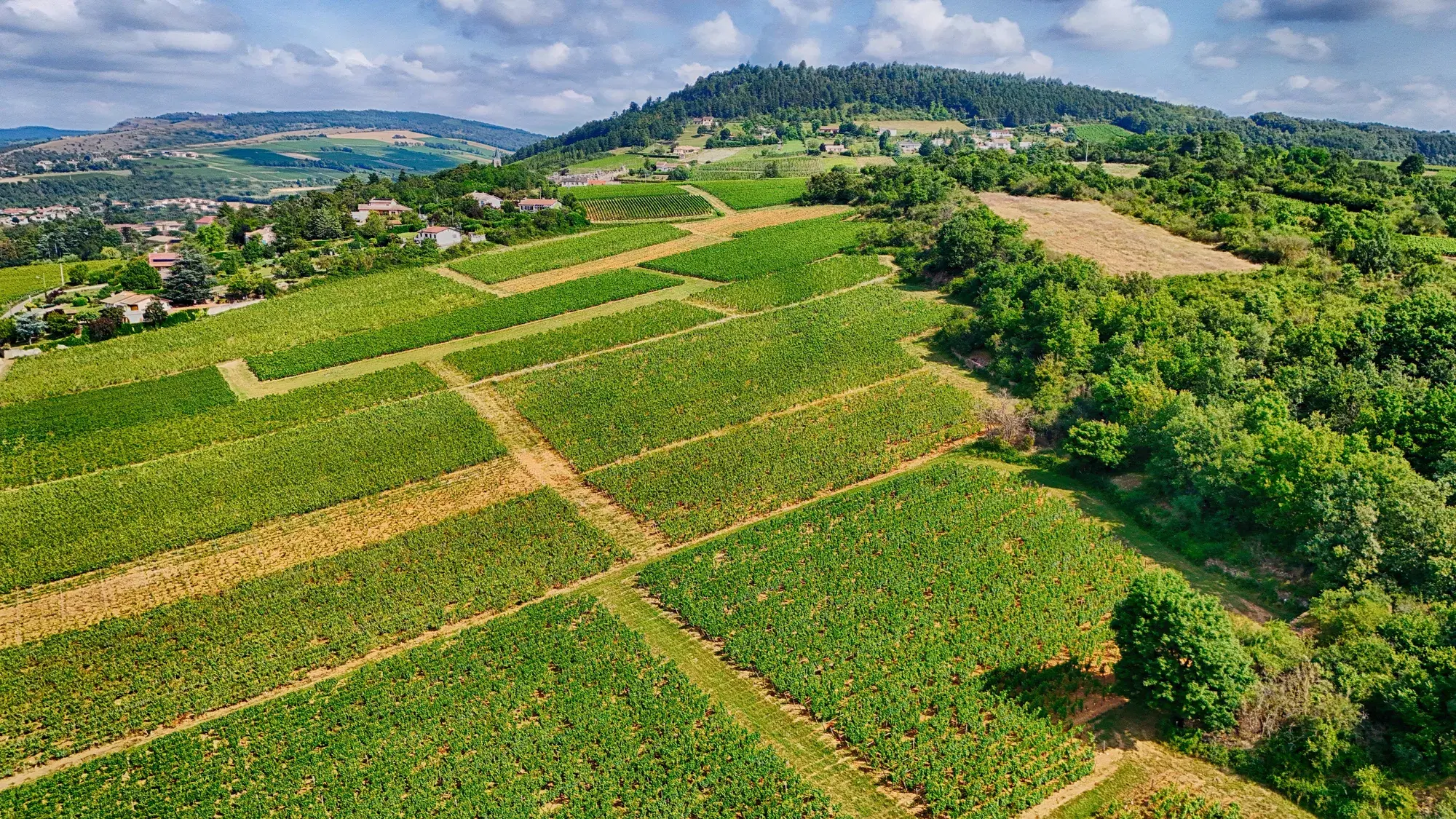
This is Sicily’s inland soul: wheat fields, orchards, slow meals, and an old stone farmhouse that has been in the care of the Saeli‑Rizzuto family for generations, reimagined as an eco-minded luxury agriturismo where the “activity” is aligning your pace with the landscape.
And yes, it’s remote. That’s the luxury asset we want to highlight for this 2026 Masseria Susafa Review. You don’t come here to tick off Palermo, Cefalù, and the Valley of the Temples in two days. You come to disconnect on purpose, to eat from the estate’s own rhythm, to join a garden walk, and to let the countryside set the tempo.
Key Details of our Masseria Susafa Review (2026):
- Where: Contrada Susafa, Polizzi Generosa (PA), Sicily, in the Palermo countryside.
- What it is: An eco retreat and countryside stay grounded in a long-running family estate.
- Room categories: The official site lists Doppia Classic, Doppia Superior, Junior Suite, Classic Suite, Superior Suite, and Deluxe Suite.
- Signature policy: The property presents itself as a sustainability-led retreat and a “slow life” experience.
- Food and activities: Cooking labs and Garden Tour experiences are part of the stay.
- Sustainability framing: Susafa explicitly describes itself as an eco retreat and an ongoing commitment to environmental and community care.
- How far from Palermo: Allow plenty of time for a countryside drive; check live directions before you travel.
Key Details for Your Stay
The location: Sicily’s interior, not the postcard coastline
Susafa sits in the rustic, hilly interior of Sicily, the kind of countryside that makes the island feel older and quieter than its beach towns. The hotel’s own framing is simple: you’re in an “old farmhouse, now a countryside retreat,” with nature celebrated through quiet spaces, seasonal ingredients, and the real soundtrack of rural life.
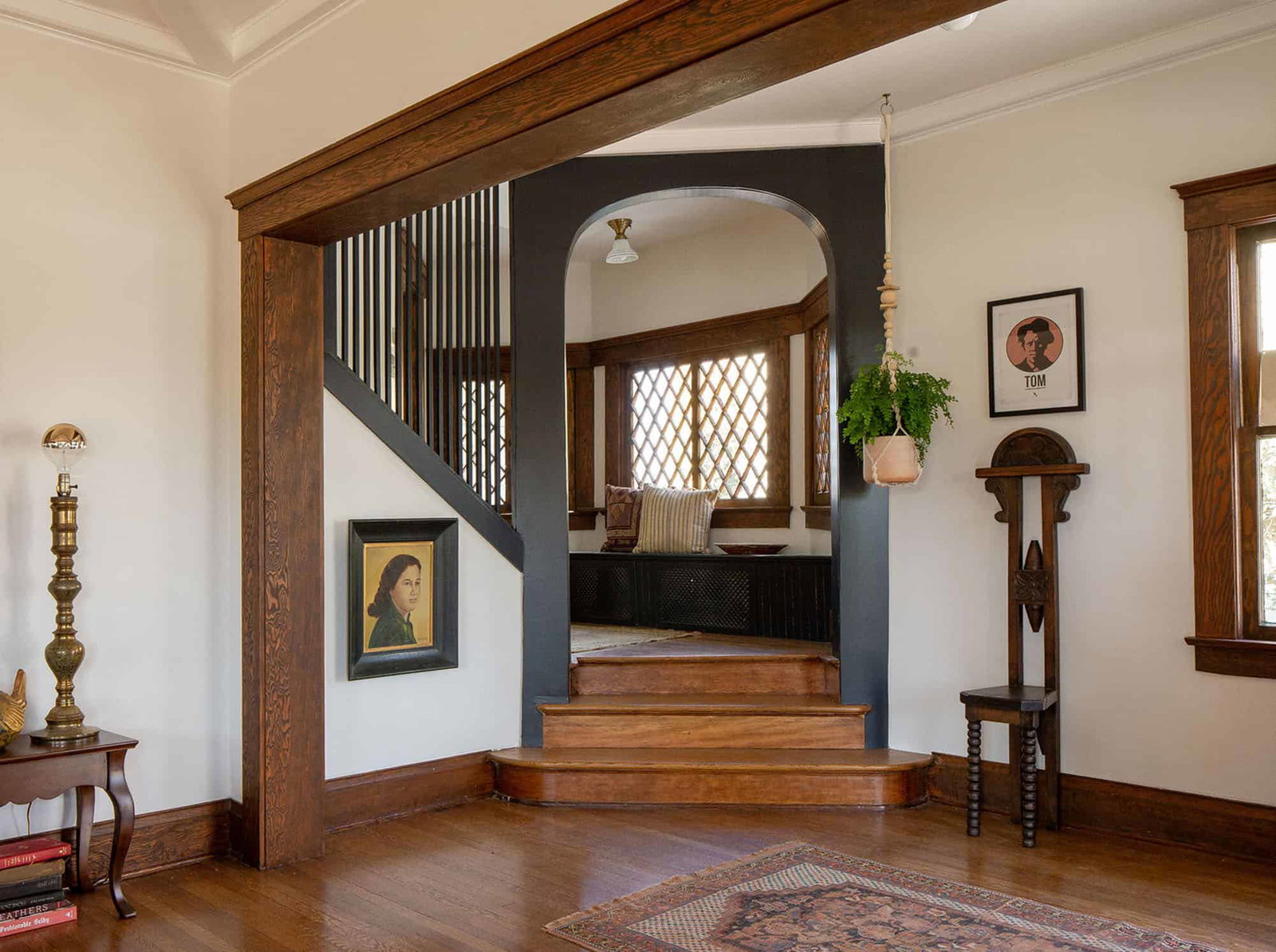
The vibe: “bucolic bliss” with a strong point of view
Susafa is not performative rustic. It’s working-farm calm, designed for adults who want their luxury to feel authentic and low-impact, not shiny.
The digital detox is not a gimmick
Susafa positions itself as a sustainability-led retreat and an invitation to slow down. That makes it a good fit for travelers who want a quieter, more grounded stay rather than a screen-heavy hotel experience.
If you need a plugged-in room setup, this won’t be your happy place. If you’re craving a mental reset, this philosophy is part of why Susafa works.
Accommodations
Farm buildings, reimagined, without sanding off the history
A big part of Susafa's charm is that the rooms aren’t “hotel rooms” in the conventional sense. The stay is organized around a small set of room categories rather than a sprawling resort inventory.
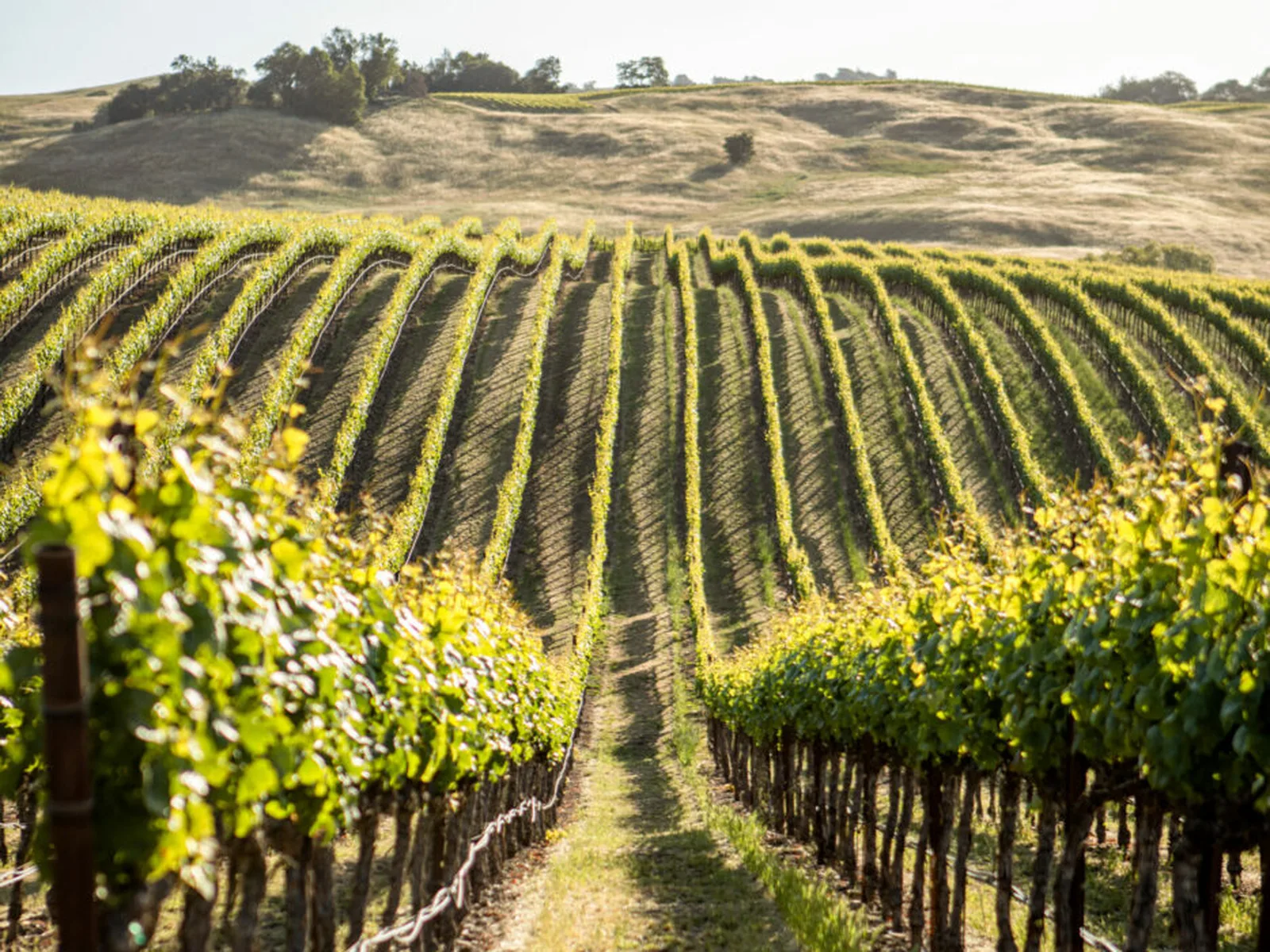
Expect:
- A countryside atmosphere rather than a conventional city-hotel layout.
- A palette that stays quietly rural rather than resorty.
- Rooms that feel more intimate than standardized.
The sustainability details show up in the materials
Susafa describes itself as an eco retreat with a continuing commitment to environmental care and community wellbeing. The emphasis is on conservation, landscape stewardship, and a slower style of hospitality.
What to book
Because the hotel is small, the “right” room choice is less about status and more about how you want to live there:
- Suites if you want more room to read, nap, and linger.
- A higher-category suite if you want the broadest, most relaxed footprint for a longer stay.
And remember: the overall concept is intentionally low-distraction.
Dining and Drinks
Farm-led dining is central to the experience
Meals are part of the estate rhythm rather than a separate hotel add-on. The official site points to products, herbs, and culinary tradition as part of the experience, and it also highlights a cooking lab approach that connects guests to the property’s food culture.
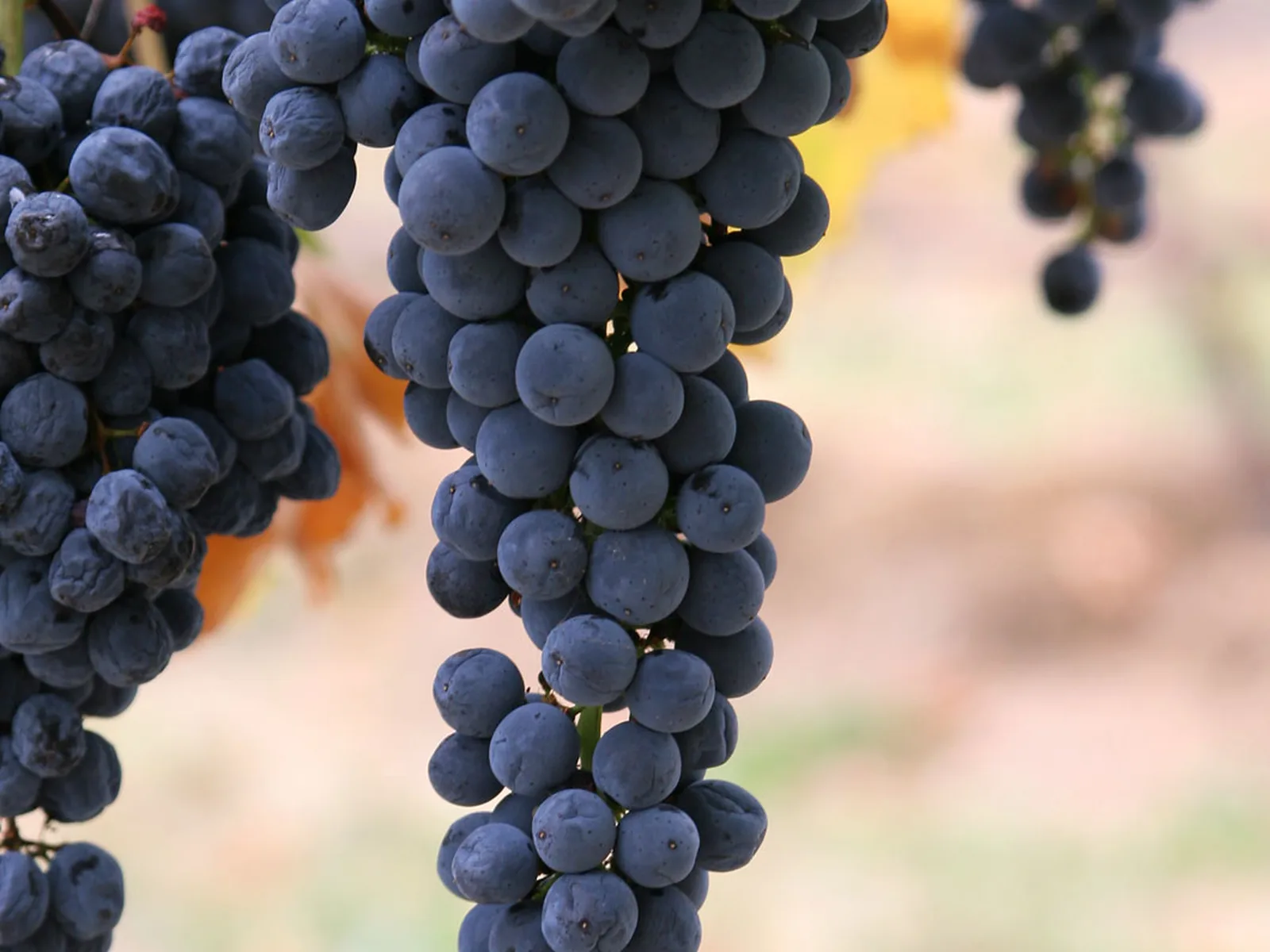
What matters here is the sense of place: orchard air, garden herbs, and a kitchen culture that leans into local ingredients and tradition rather than spectacle.
And the ingredients story is the real flex:
- Susafa emphasizes its own organic agriculture and estate-based food culture.
- Susafa also points guests toward the Garden Tour to learn more about the herbs, plants, and the property’s living landscape.
Cooking classes are a core activity here, not filler programming
Susafa runs cooking labs as part of the stay, and the hotel positions these as a meaningful way to connect with the property’s food culture.
If you want the “Susafa” version of a stay:
- book a room that suits a slower pace,
- join a cooking lab,
- take the Garden Tour,
- lean into the estate atmosphere.
Wellness and downtime
Rest here is about space and quiet
The property’s wellness appeal is less about a big resort program and more about the overall rhythm of the place: quiet rooms, countryside views, and the chance to slow down in a setting built around land rather than entertainment.
Spa expectations: simple, private, and low-key
Rather than promising a glossy wellness complex, Susafa leans into a calmer kind of retreat experience focused on the outdoors, food, and the landscape.
Sustainability and “regenerative” luxury: what it looks like in real life
Susafa's sustainability story isn’t a plaque on the wall, it’s operational:
- The hotel explicitly describes itself as an eco retreat.
- The official homepage frames Susafa as “un viaggio chiamato sostenibilità”, a journey called sustainability.
- The site highlights the Garden Tour, the estate’s food culture, and a broader commitment to environmental and community care.
This is why Susafa appeals to a specific kind of luxury traveler: someone who wants comfort and beauty, but also wants the stay to feel aligned with place.
Booking tips and practical advice
The biggest differentiator: it’s inland and quiet
Susafa is not a coastal hotel you pop in and out of. It’s a countryside destination that rewards staying put.
Price reality
Rates vary by date and room category, so check live official pricing before you book.
Frequently Asked Questions (FAQs) about Masseria Susafa
What does "regenerative luxury" actually mean at Susafa?
Unlike standard sustainability, which usually focuses on reducing harm, regenerative luxury aims to leave a positive trace on place. At Susafa, the official story is built around sustainability, landscape care, and community-minded hospitality.
Is Masseria Susafa suitable for families with young children?
The property presents itself as a quiet, low-distraction countryside retreat. Families considering a stay should check the live booking conditions and room setup directly before planning.
When is the preferred travel window for the full "farm" experience? One important point is less about a fixed month-by-month script and more about the seasonality of countryside life. Expect the experience to shift with weather, harvests, and the estate’s agricultural calendar.
Is there a spa?
Susafa’s official messaging emphasizes the retreat, the land, and the food culture more than a formal spa circuit. If wellness infrastructure matters to you, check the live listing before booking.
Besides cooking labs, what activities are available on-site?
Susafa highlights the Garden Tour as a key on-site experience, alongside the broader appeal of the property’s quiet countryside setting.
Do I need a rental car to stay at Susafa?
The property is in the countryside, so it is sensible to plan transport carefully and verify your route and transfer options in advance.
Can non-guests dine at the property? If you’re planning to visit for food or a specific experience, confirm access and reservation details directly with the hotel before you go.
Get the App
Keep the guide close to the booking moment.
Take the shortlist into the En Primeur Club app for concierge access, saved places, and the next step after discovery.
Get Exclusive AccessMore from the editors