A guide to visiting Tignanello Winery and staying at Fonte de' Medici, the home of one of the first wines in the Super Tuscan movement. We cover tastings, the Antinori lifestyle, accommodations, and how to access one of Tuscany's most private wine estates.
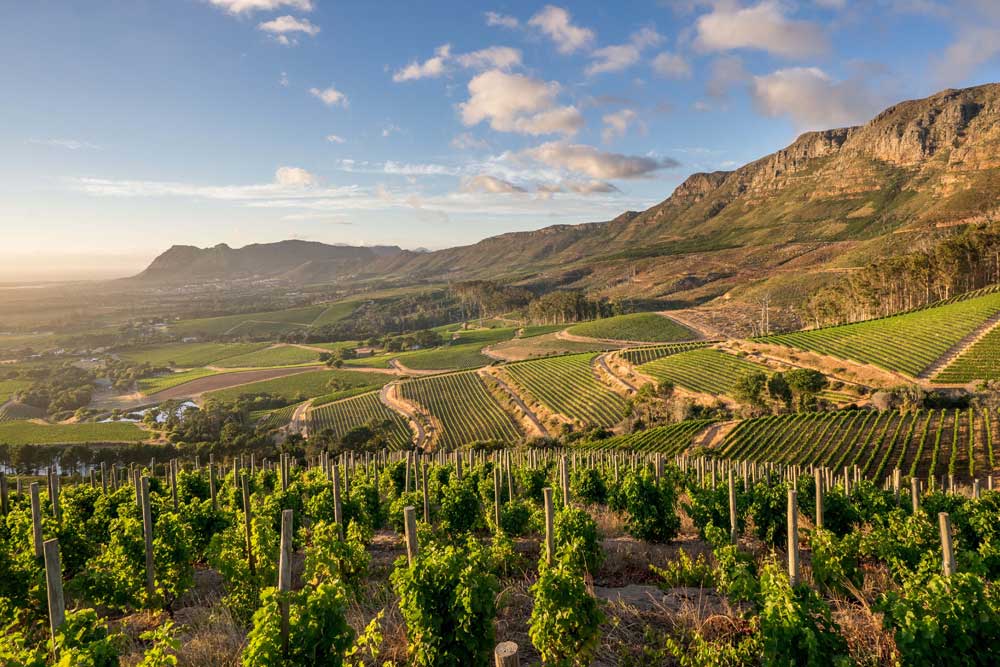
At Fonte de’ Medici, the first clue is underfoot: galestro, pale calcareous marl, and the quiet rise of vines that gave Tuscany one of the first wines of the Super Tuscan movement in the 1970s.
For the connoisseur, the collector, and the traveler shaping a 2026 itinerary, the question is not only how to taste these wines. It is how to spend time in the landscape that makes them possible.
Rather than a standard travelogue, consider it a close look at Antinori hospitality, shaped by the family’s many generations in wine. We move through the accommodation areas and their different atmospheres, the gastronomic path from rustic trattoria to abbey-side fine dining, and the practical realities of reaching one of the world’s most private viticultural estates.
In our experience, staying at Fonte de’ Medici is one authentic route for visiting Tignanello Winery as a non-trade professional. The pleasure arrives slowly: a view across the vines, the hush of the hamlet, the sense of galestro beneath every step. visits to the winery and related experiences are arranged only by request and subject to the estate’s current policies, so plan ahead and confirm directly with the team at the Tignanello Winery and Fonte de’ Medici.
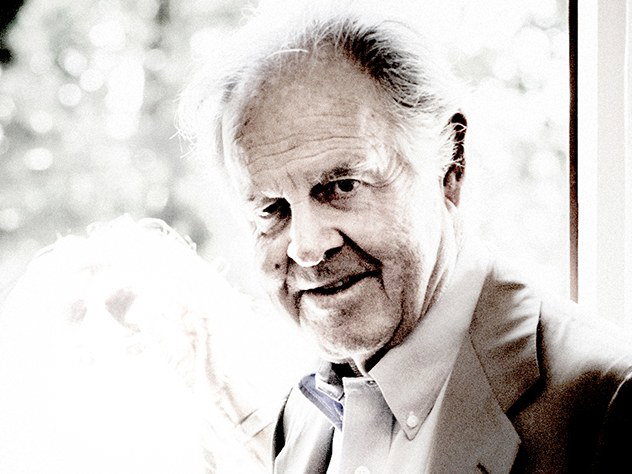
Professional portrait of an older gentleman in business attire standing by a window.
For over six hundred years, through twenty-six distinct generations, the family has maintained direct control over their production. Their survival through wars, plagues, political upheavals, including the execution of an Antinori by the Grand Duke of Tuscany in 1576 for an illicit affair with the Duchess, and economic shifts gives weight to their motto: Te Duce Proficio ("Following your guide, I flourish"). The phrase suggests heritage as a compass for future innovation, a duality you can feel at Fonte de’ Medici.
The Tignanello Winery estate itself, set between the Greve and Pesa river valleys, was not always in Antinori hands. In the 14th century, it belonged to the Buondelmonti family, powerful feudal lords of the valley. In the 17th century, a cadet branch of the Medici family, the rulers of Tuscany, acquired the property and gave it the name Fonte dei Medici (Fountain of the Medici). The Antinori family acquired the estate in the mid-1800s, already recognizing the promise of its high-altitude, calcareous marl soils.
So when you check into Fonte de’ Medici in 2026, you sleep in a hamlet connected to two of Tuscany’s defining families: the Medici, who shaped the region’s political power, and the Antinoris, who shaped its viticultural reputation.
The Super Tuscan Revolution: 1971 and Beyond
The true pilgrimage to Tignanello Winery begins with the late 20th century. By the 1960s, Chianti Classico had suffered under restrictive appellation rules requiring white grapes, Trebbiano and Malvasia, in red blends, while also encouraging high yields. The result was often thin, acidic wine. Marchese Piero Antinori worked with the well-known enologist Giacomo Tachis to break those limits.
They turned to the Tignanello vineyard, a 47-hectare parcel facing southwest, with marine marlstone soils rich in limestone and schist, as the laboratory for a new Italian standard.
The revolution rested on three bold decisions:
Elimination of White Grapes: They removed the white varietals from the blend, focusing on the power of Sangiovese.
Introduction of International Varieties: They introduced Cabernet Sauvignon and Cabernet Franc to provide backbone and longevity.
Barrique Aging: They abandoned the large, neutral Slavonian oak casks (botti) in favor of small, 225-liter French oak barrels (barriques), which imparted sweeter tannins and complex spice notes.
Part II: Fonte de’ Medici, The 2026 Comprehensive Review
As 2026 travel leans toward slow travel, hyper-local stays, and privacy, Fonte de’ Medici fits the moment. It is not a conventional hotel. It is a Country Relais, a diffused hospitality concept set within a working agricultural estate. Understanding the different accommodation areas is the key to booking well.
The Geography of the Stay: Two Areas, One Soul
The estate unfolds across the rolling hills of the Val di Pesa. The various clusters of buildings are reached by short drives or scenic walks through the vineyards, giving the property a village-like rhythm.
1. Santa Maria a Macerata: The Village Hub
The Vibe: Santa Maria feels like a tiny, self-contained medieval village. It houses the Trattoria della Fonte, the Wellness Center, the gym, and the reception office.
Accommodation Profile: The rooms here often suit those who value convenience, with breakfast, the pool, and dinner close by. Stone facades, a central square, and a small chapel anchor the village.
The Pool: The swimming pool at Santa Maria sits within a manicured garden, with wide views of the Chianti hills. It is a social space, often the setting for afternoon aperitivos.
Suitability: Ideal for families who want easy access to amenities, or couples who prefer a slightly more lively, though still quiet, atmosphere.
2. Podere Tignanello: The Sanctuary
The Vibe:Exclusive, secluded, and immersed in the vines. This cluster is closer to the Tignanello vineyard itself. It is quieter, with no restaurant traffic to disturb the silence.
Accommodation Profile: This hamlet consists primarily of apartments. The structures are traditional farmhouses, restored with terracotta floors, exposed wooden beams, and large fireplaces. Many units feature private loggias with barbecues.
The View: This is the defining feature. From Podere Tignanello, guests look out across the hills toward the vineyards that made the estate famous. The view is not generic; it is tied to one of Italy’s most recognizable terroirs.
The Pool: Podere Tignanello has its own separate swimming pool. It is typically less crowded than the Santa Maria pool, making it ideal for reading or watching the light shift over the vines.
Suitability: Well-suited for longer stays, honeymooners, or groups of friends who want the feeling of a Tuscan villa.
Accommodation Analysis: Room Categories for 2026
The inventory at Fonte de’ Medici reflects the hierarchy of a noble country estate. The restoration respects the rustic-chic aesthetic, with luxury found in materials, stone, wood, and terracotta, and in space rather than gilded ornament.
2026 Review Insight: The estate’s appeal is less about showy hotel hardware and more about atmosphere, privacy, and the sense of being embedded in the working landscape. Wi-Fi and other practical comforts may be available, but the property intentionally keeps the mood low-key and residential rather than urban-hotel polished. That balance is part of the draw for guests who want disconnection without sacrificing comfort.
Wellness and Recreation: The Art of "Dolce Far Niente"
The amenities at Fonte de’ Medici enhance the rhythm of rural life rather than distract from it.
Sports Facilities:
Tennis: An outdoor court allows guests to play amid the cypress trees. Equipment can usually be arranged on request.
Cycling: The terrain, steep inclines and gravel lanes, is challenging but rewarding. E-bikes are increasingly popular for navigating the Chianti slopes.
Swimming: Both pools are seasonal and unheated, relying on the sun. They are surrounded by quality loungers and umbrellas.
The Service Model: A Note on Expectations
For the 2026 traveler, it helps to arrive with the right expectations. Fonte de’ Medici operates as a Country Relais, not a grand city hotel.
Reception Hours: The front desk does not operate like a 24-hour urban hotel, so late arrivals should be coordinated in advance.
Autonomy: Guests are encouraged to treat the property as a home base within the estate. This self-directed style is prized by the target guest, but it can surprise those used to full-service resorts.
Hospitality Style: The staff is described as warm, attentive, and family-like. They are local experts, able to help with reservations or advise on cellar visits and nearby dining.
Part III: Gastronomy, The Antinori Culinary Ecosystem
Dining at Fonte de’ Medici follows the region’s agricultural rhythm, with the Antinori wine portfolio close at hand.
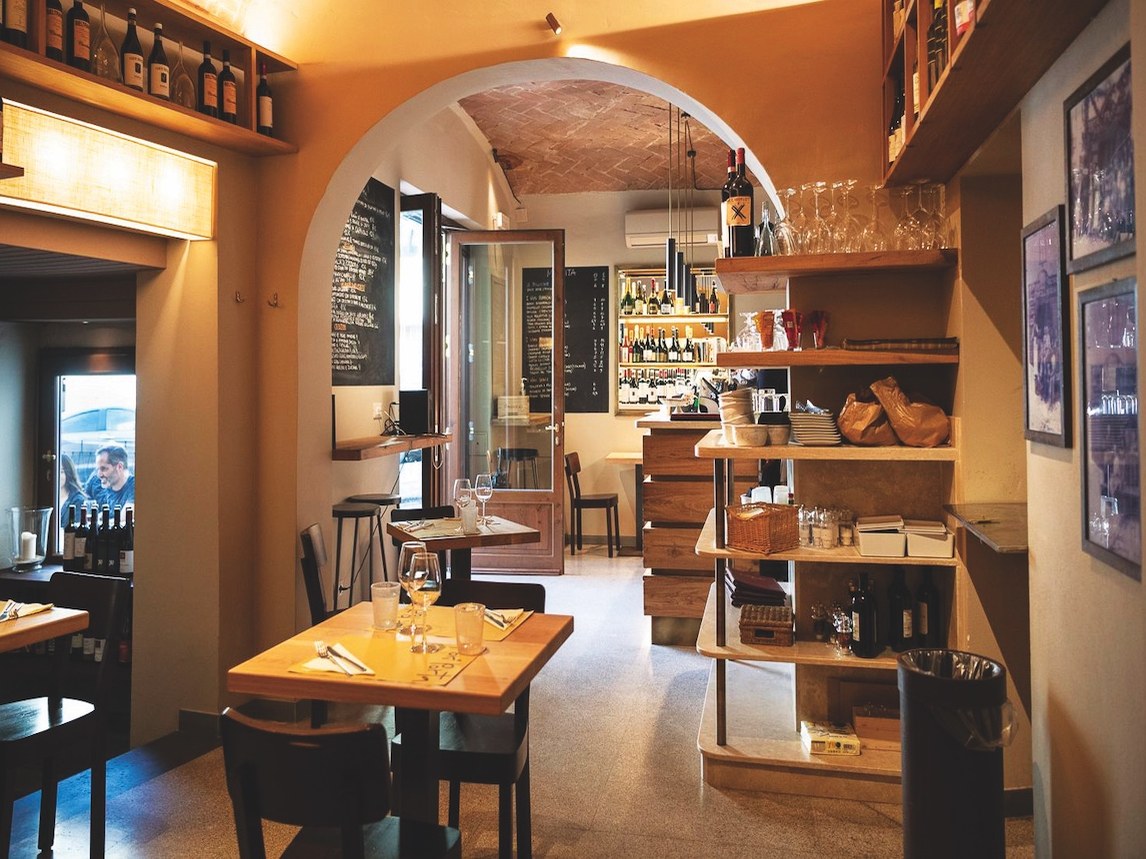
Interior dining room of a rustic Italian restaurant with warm ochre walls, arched brick ceiling, wooden tables set with wine glasses, open shelving wi.
Trattoria della Fonte: The Heart of the Borgo
Located in the Santa Maria village, Trattoria della Fonte is the estate’s casual dining venue. It serves as the kitchen for guests staying in the apartments.
Atmosphere: In summer, dining is al fresco in the village square, under the canopy of ancient trees. The mood is convivial and relaxed.
The Menu: The focus is on Cucina Povera (peasant cooking) lifted by ingredient quality.
Starters: Crostini Toscani (chicken liver pâté), Panzanella (bread and tomato salad), and local pecorino cheeses with honey.
Primi: Hand-rolled Pici with garlic and tomato (Pici all'Aglione) or Pappardelle with wild boar ragù (Cinghiale).
Secondi: The centerpiece is often the Bistecca alla Fiorentina, grilled over wood embers, or Tagliata of beef with arugula and parmesan.
Osteria di Passignano: The Fine-Dining Counterpoint
For a contrast to the rustic trattoria, make the short drive to the Badia a Passignano estate. Here, housed next to the Vallombrosian abbey, is the Osteria di Passignano, the Antinori family’s acclaimed restaurant.
The Concept: The kitchen interprets Tuscan traditions with a refined, contemporary lens.
Sample Dishes:
Pigeon 'al mattone' with quince and parsnip.
Hare Plin (stuffed pasta) with Royal sauce and trumpet mushrooms.
Scallops with radicchio and citrus fruits.
Wine Pairing: The restaurant is a natural setting for older vintages and estate wines linked to Badia a Passignano and the wider Antinori portfolio.
The Cooking School: "Your First Star" and Rustic Classes
Cooking classes are a major draw for the experiential traveler.
Rustic Classes at Fonte de’ Medici: These classes focus on home cooking, fresh pasta, pizza, and tiramisu. They are hands-on, family-friendly, and finish with lunch.
"Your First Star" at Osteria di Passignano: This is a high-level masterclass that should be confirmed directly with the restaurant, with format and pricing subject to change. It offers guests a chance to step into a professional kitchen and learn technique from the Antinori culinary team.
"Visiting Tignanello Winery" is among the more searched phrases in wine travel, yet it often leads to confusion. There are two distinct locations, and the access rules are different.
1. Antinori nel Chianti Classico (Bargino): The Public Cathedral
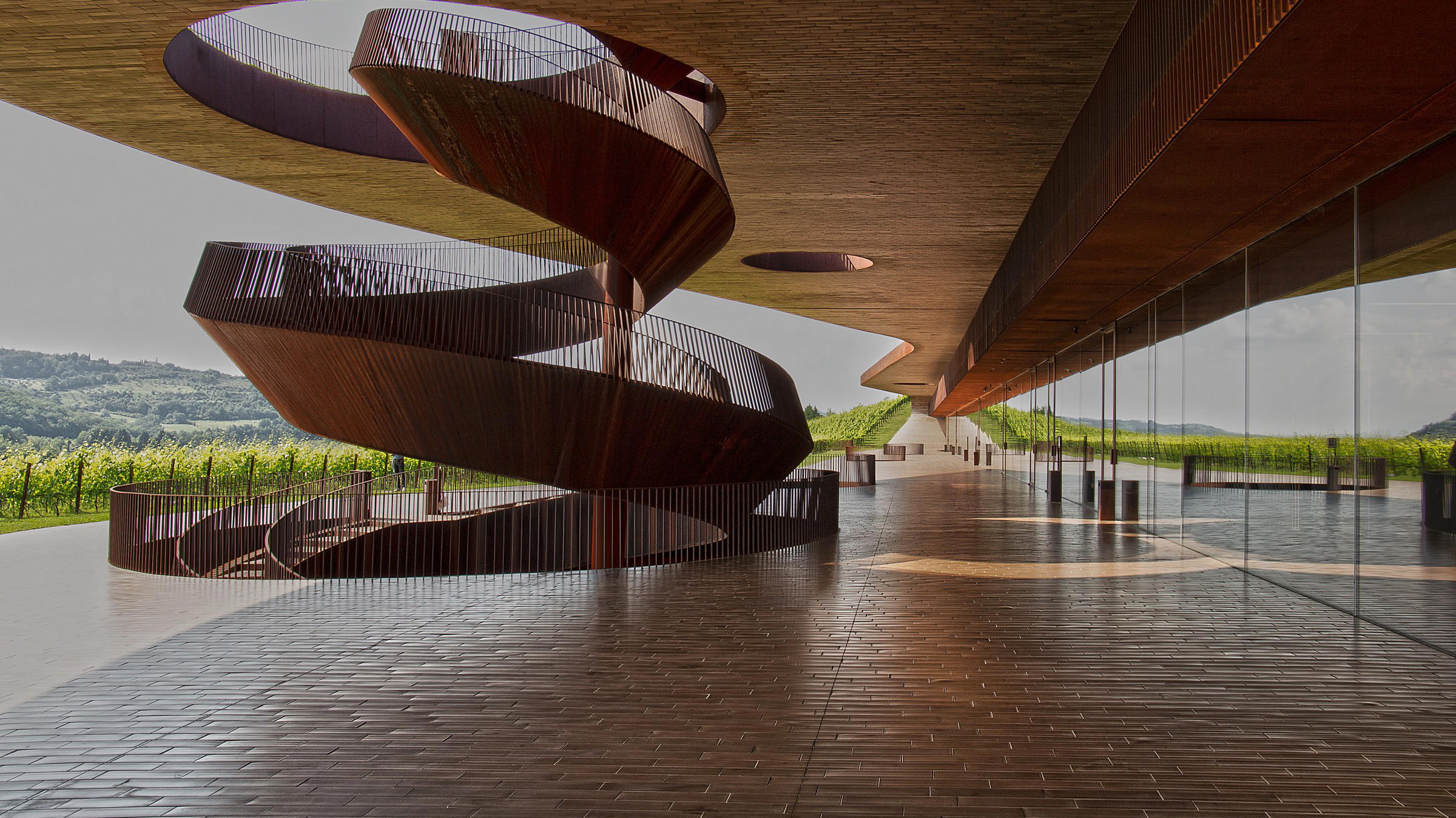
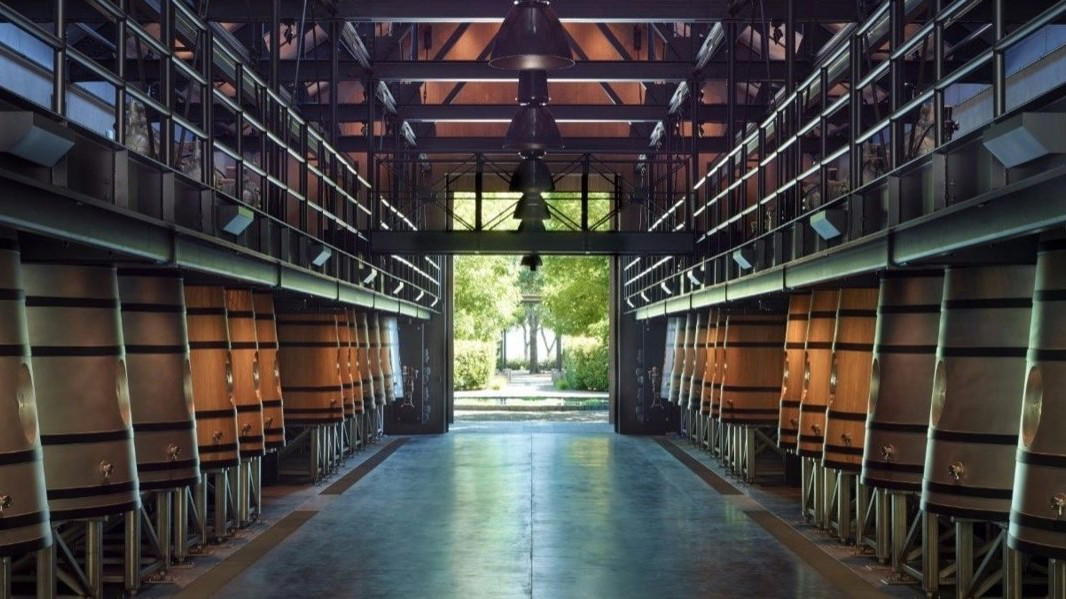
Located near Fonte de’ Medici, this facility is an architectural landmark hidden inside a hill.
Access: Open to visitors by reservation.
The Experience: Visitors can book guided tastings and cellar visits that showcase the architecture, the family history, and selected Antinori wines.
2. Tenuta Tignanello (The Historic Estate): The Private Sanctum
This is the estate adjacent to Fonte de’ Medici. It is the actual home of the Tignanello and Solaia vineyards and the historic villa.
Access: Private and restricted. It is not open for walk-in tours.
How to Enter:
Part V: Active Leisure and The Medici Route
For the 2026 visitor, physical activity and cultural discovery belong together. Fonte de’ Medici serves as an ideal trailhead.
The Via Medicea (The Medici Route)
A major development in Tuscan tourism is the promotion of the Via Medicea, a long-distance trekking route connecting the Medici Villas.
Relevance: While the main route connects Prato to Fucecchio, the network of "Medici paths" extends into the Chianti Classico. The estate of Fonte de’ Medici itself sits on historical routes used by the family to traverse their domains.
Activity: Guests can hike segments of these historical paths. The trails are marked and range from easy walks to medium-difficulty treks.
The Hiking Experience: The landscape is a mosaic of vineyards, olive groves, and deep oak forests. Hikers might encounter wild boar, deer, and pheasants. The elevation gain in the region can be significant, with broad views of the Val di Pesa as the reward.
Via Villa Tignanello Trail
A specific local trail, the Via Villa Tignanello, is a loop near San Casciano in Val di Pesa.
Details: This trail offers a medium-difficulty walk with an elevation gain worth checking on a live trail map before setting out. It is the well-suited morning activity for guests at Fonte de’ Medici.
Highlights: The trail skirts the Tignanello estate, offering photo opportunities of the vineyards without trespassing. It passes ancient farmhouses and offers views of the surrounding countryside.
Part VI: Strategic Itineraries for 2026
To take full advantage of visiting Tignanello Winery, consider the following curated itineraries.
Itinerary A: The "Super Tuscan" Immersion (3 Days/2 Nights)
Day 1: Arrival and Terroir
Afternoon: Check-in at Fonte de’ Medici and request Podere Tignanello if you want one vineyard-forward setting.
Activity: Walk the Via Villa Tignanello trail to orient yourself with the land.
Dinner: Trattoria della Fonte. Order Pappardelle al Cinghiale and a bottle of Tignanello if available.
Day 2: The Architecture of Wine
Morning: Visit Antinori nel Chianti Classico (Bargino). Book ahead and choose a guided tasting or cellar visit that suits your schedule.
Lunch: Rinuccio 1180 at the winery, if open during your visit.
Afternoon: Relax by the pool at Podere Tignanello.
Morning: Breakfast in the village square. Purchase wines from the reception if offered during your stay.
Stop: Visit the Badia a Passignano abbey area for olive oil, honey, and the cellar visit experience before heading to Florence or Siena.
Itinerary B: The "Active Epicurean" (5 Days/4 Nights)
Days 1-2: Follow Itinerary A.
Day 3: The Cooking Masterclass
Morning: "Your First Star" cooking class at Osteria di Passignano, subject to the restaurant’s current schedule.
Afternoon: Cycling tour. Rent bikes or e-bikes and ride to the village of Montefiridolfi and Santa Maria a Macerata.
Dinner: Light dinner at your apartment (utilize the kitchen/BBQ) with local charcuterie and cheese.
Day 4: The Medici Route & Florence
Day Trip: Drive to Poggio a Caiano to hike a segment of the Via Medicea and visit the Medici Villa.
Evening: Return to Fonte de’ Medici for a farewell dinner at Trattoria della Fonte.
Logistics and Booking Advice for 2026
Booking Window: For the 2026 season, book as early as you can for particularly desirable apartments, especially in peak months.
Harvest Season: Late September to mid-October is the Vendemmia. Availability is typically tighter, but the energy of the harvest is notable.
Transportation: A rental car is the easiest way to reach this part of Chianti. Public transport is sparse, so a car with GPS is helpful.
Connectivity: While Wi-Fi is available, bandwidth in the stone farmhouses can be intermittent. Download offline maps and entertainment prior to arrival.
Conclusion: The Closest Thing to a Sure Bet for Visiting Tignanello Winery
In an era of staged luxury, Fonte de’ Medici offers provenance you can walk through. To stay here in 2026 is to place yourself between the medieval guilds of Florence and modern enology, among the vines that gave rise to Tignanello. You breathe the air that cools the Sangiovese, hear the quiet of a Chianti night, and begin to understand Te Duce Proficio not as a motto, but as a way of tending land over time. For the traveler seeking a Super Tuscan immersion, there is no address more closely tied to the source.
1. Is it possible to book a visit to Tignanello Winery cellars as a private tour?
No, and this is especially common misconception. The Tenuta Tignanello estate (where the hotel is located) is strictly private and closed to the general public. There are no walk-in tastings or casual drop-in visits here.
The Exception: Access to the Tignanello estate is reserved for private arrangements and special requests, and even then it is never guaranteed.
2. Which Fonte de’ Medici location is better: Santa Maria or Podere Tignanello?
This is one important question when choosing a stay.
Choose Podere Tignanello if you want one secluded setting, wide vineyard-facing views, and a quieter pool area.
Choose Santa Maria if you value convenience and immediate access to the restaurant, spa, and reception. It has a more social village feel but less of the deep-country seclusion of Podere.
3. Can I buy Tignanello wine or book a cooking class at the estate?
Yes, but confirm current availability on arrival or in advance. Guests may be able to purchase estate wines through the property or nearby Antinori retail points, and cooking classes can often be arranged through the estate’s hospitality team or the Antinori restaurant network.
For Collectors: For broader Antinori tastings, wine shop visits, or estate-led tastings, the Antinori nel Chianti Classico site is a strong public starting point.
Cooking Classes: Ask directly about current classes at Osteria di Passignano and the estate, since formats can change.
4. What is the preferred travel window, and how far is the estate from Florence?
Fonte de’ Medici is a practical base for a Chianti stay and a useful starting point for day trips to Florence and Siena.
Harvest Season (Sept-Oct): This is one evocative time to visit. You will see active farming, tractors on the roads, and smell the fermenting Sangiovese grapes.
Summer (May-Sept): Best for using the swimming pools. If you are traveling with a pet or need any special arrangements, confirm the current policy directly with the property before booking.