← Guides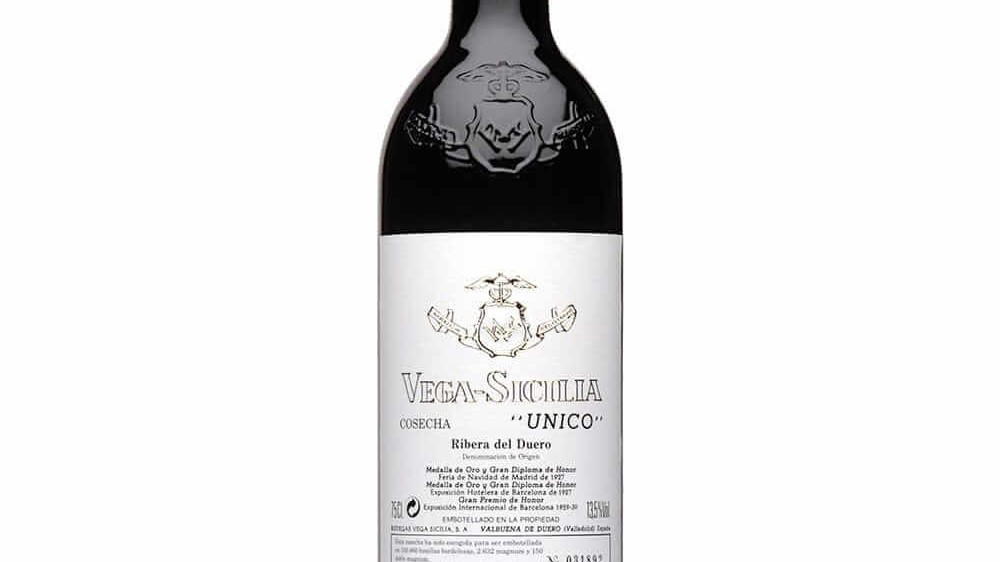
Six Vega Sicilia Unico alternatives for collectors who want Ribera depth, cellar age, or producer pedigree without chasing Unico pricing.
Six Vega Sicilia Unico alternatives for collectors who want Ribera depth, cellar age, or producer pedigree without chasing Unico pricing.
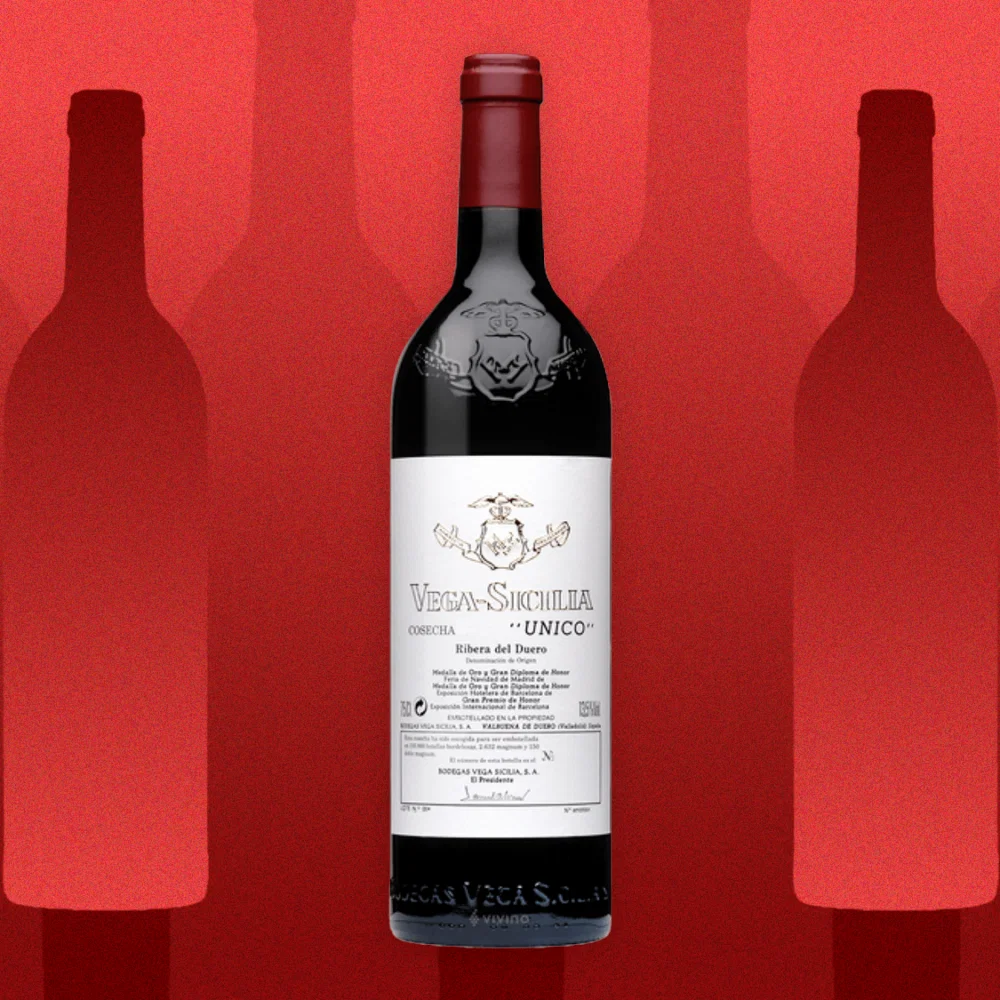
Ten years is the first luxury in Vega Sicilia Unico: the wine rests in French and American oak, then in bottle, long before any collector draws the cork. Founded in 1864 by Bordeaux-trained Don Eloy Lecanda Chaves, who returned from France with technical skill and grape cuttings, Vega Sicilia turned Ribera del Duero into one of Spain’s great fine-wine addresses. Unico first appeared in 1915 as a bold blend of Tinto Fino and Bordeaux varieties; today it remains primarily Tinto Fino, with a small proportion of Cabernet Sauvignon that shifts by vintage.
Its reputation grew after a prize-winning appearance at the 1929 World’s Fair in Barcelona, then deepened through critical praise for richness and depth. Current-release bottles now sit above $500, so the better first move is to decide what you want from the Unico experience: the same estate, another cult producer, old-vine Tinto Fino, high-altitude Ribera polish, a newer Eduardo Eguren project, or a long-aged Rioja from one of Spain’s historic names.
| Wine | Region | Style / grapes | Producer or estate | Producer / project founding |
|---|---|---|---|---|
| Tempos Vega Sicilia Alión (Vega Sicilia Unico alternatives) | Ribera del Duero | 100 percent Tinto Fino | Tempos Vega Sicilia | Vega Sicilia founded in 1864 |
| Dominio de Pingus Psi (Ribera del Duero) | Ribera del Duero | Tinto Fino, Garnacha, and local varieties | Dominio de Pingus | Founded in 1995 |
| Viña Sastre Ribera del Duero Roble (La Horra) | La Horra, Ribera del Duero | Tempranillo | Viña Sastre | Founded in 1992 |
| Pago del Cielo Celeste Reserva (Ribera del Duero) | Ribera del Duero | Tempranillo | Pago del Cielo | Founded in 2004 |
| Cuentaviñas Ribera del Duero Tinto Fino (Ribera del Duero) | Ribera del Duero | Tinto Fino | Cuentaviñas | Launched in Rioja in 2018; expanded to Ribera del Duero in 2019 |
| Lopez de Heredia Viña Tondonia Reserva (Rioja) | Rioja | Tempranillo-based Rioja red | Lopez de Heredia | Founded in 1877 |
Alión carries the Vega Sicilia connection without following Unico’s long, blended path. The cuvée is 100 percent Tinto Fino, giving you a clearer view of Ribera del Duero’s native power through the lens of the region’s most prestigious estate.
The élevage is precise and comparatively direct: 12 to 14 months in new French oak barrels from Bordeaux, followed by 15 months in bottle before release. Blackberry, plum, juicy cherry, tobacco, spice, leather, and smoke place it firmly in the bold Ribera idiom, with enough structure and polish to feel serious at the table.
At about $120, Alión is the bottle to open when the Vega Sicilia name matters but Unico’s pricing does not. Think of it less as a substitute than as a sibling with a shorter arc and a more transparent varietal focus.
Details:
Dominio de Pingus Psi is the accessible way into one of modern Ribera del Duero’s most closely watched names. Danish winemaker Peter Sisseck founded the estate in 1995, and the flagship Pingus bottling can now sell for over $1,000; Flor de Pingus sits around $115.
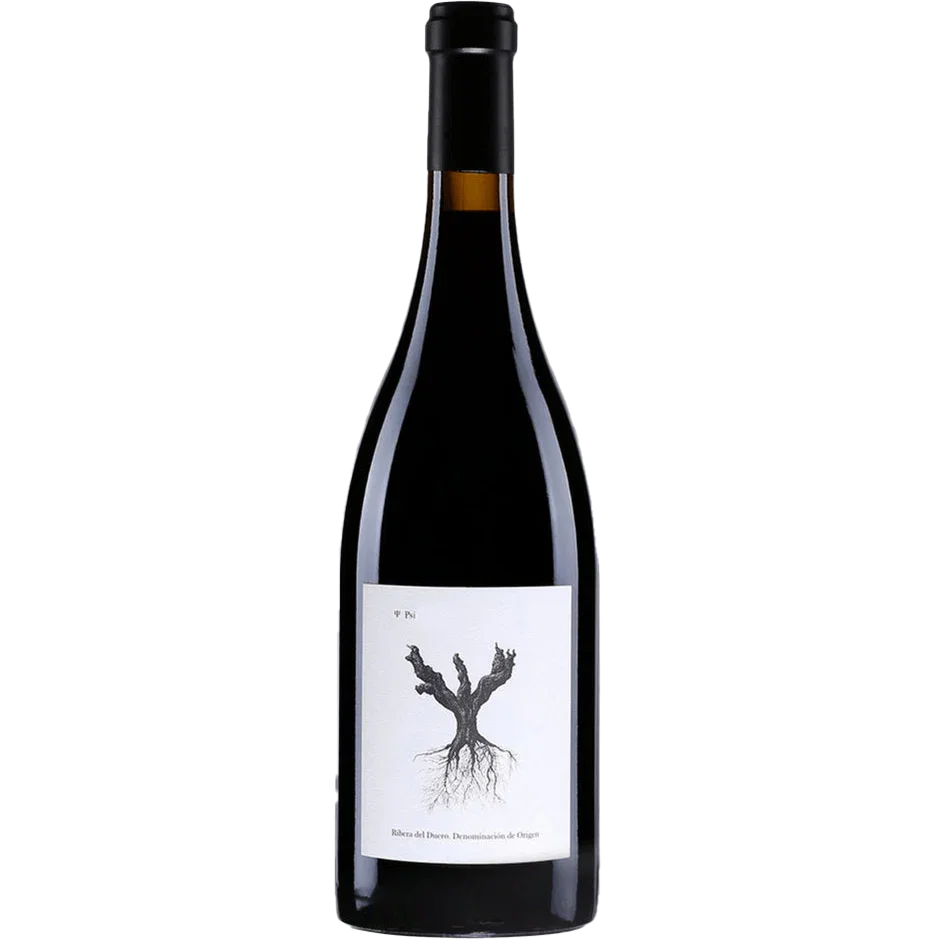
Psi is the more approachable entry point, made to showcase the potential of the region’s old vineyards. Sisseck works with old, head-trained vines in mixed plots of Tinto Fino and Garnacha, with a few local varieties included, and uses biodynamic agriculture practices. Long, gentle macerations and aging in used barrels keep the emphasis away from heavy new-oak gloss.
Black cherry, vanilla, and spice give Psi its full-bodied appeal, while the price, about $38, makes it one of the easiest ways to taste a top Ribera name without stepping into trophy-bottle territory. Choose it for old-vine character rather than Unico-style maturity.
Details:
Viña Sastre Ribera del Duero Roble gives you a family-run expression of La Horra. Jesús Sastre focuses on site-driven wines from old vines; the estate’s single-vineyard-designated bottlings are made only from vines planted before 1960.
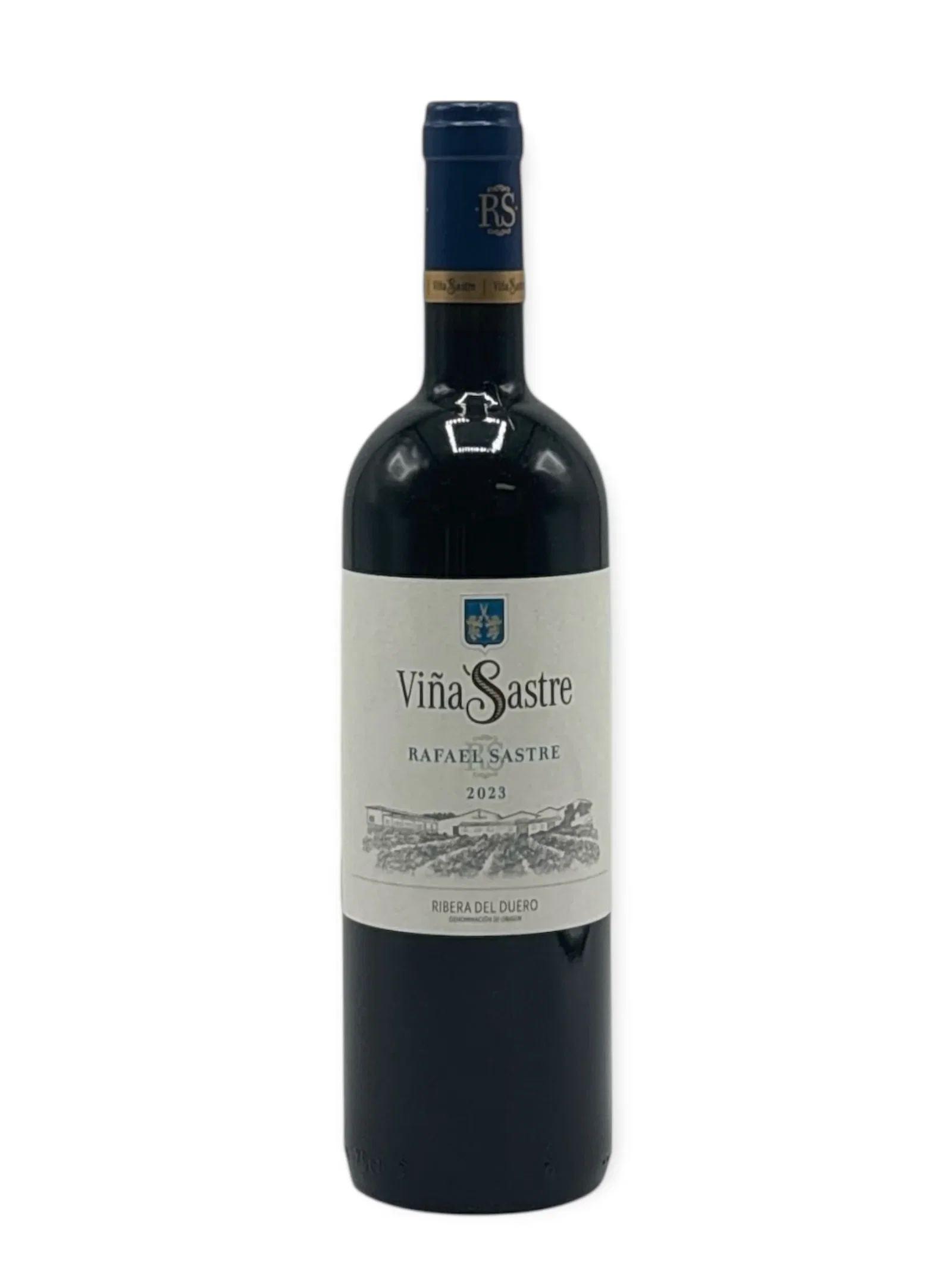
Roble honors Rafael, Jesús’s father, who founded the winery in 1992, served as his mentor, and believed in low-intervention winemaking. The wine comes from high-elevation estate vineyards, is spontaneously fermented, and spends eight months in a mix of French and American oak barrels.
The result is concentrated Tempranillo with blackberry jam, ripe raspberries, cedar, coffee beans, and smoke. At around $25, it is the bottle to pour when you want Ribera’s darker fruit and oak language before moving toward rarer bottles.
Details:
Pago del Cielo Celeste Reserva comes from vineyards nearly 3,000 feet above sea level, giving Tempranillo a more lifted, elegant frame. Pago del Cielo was founded by the Torres wine family in 2004 and produces wines across Ribera del Duero and Rueda.
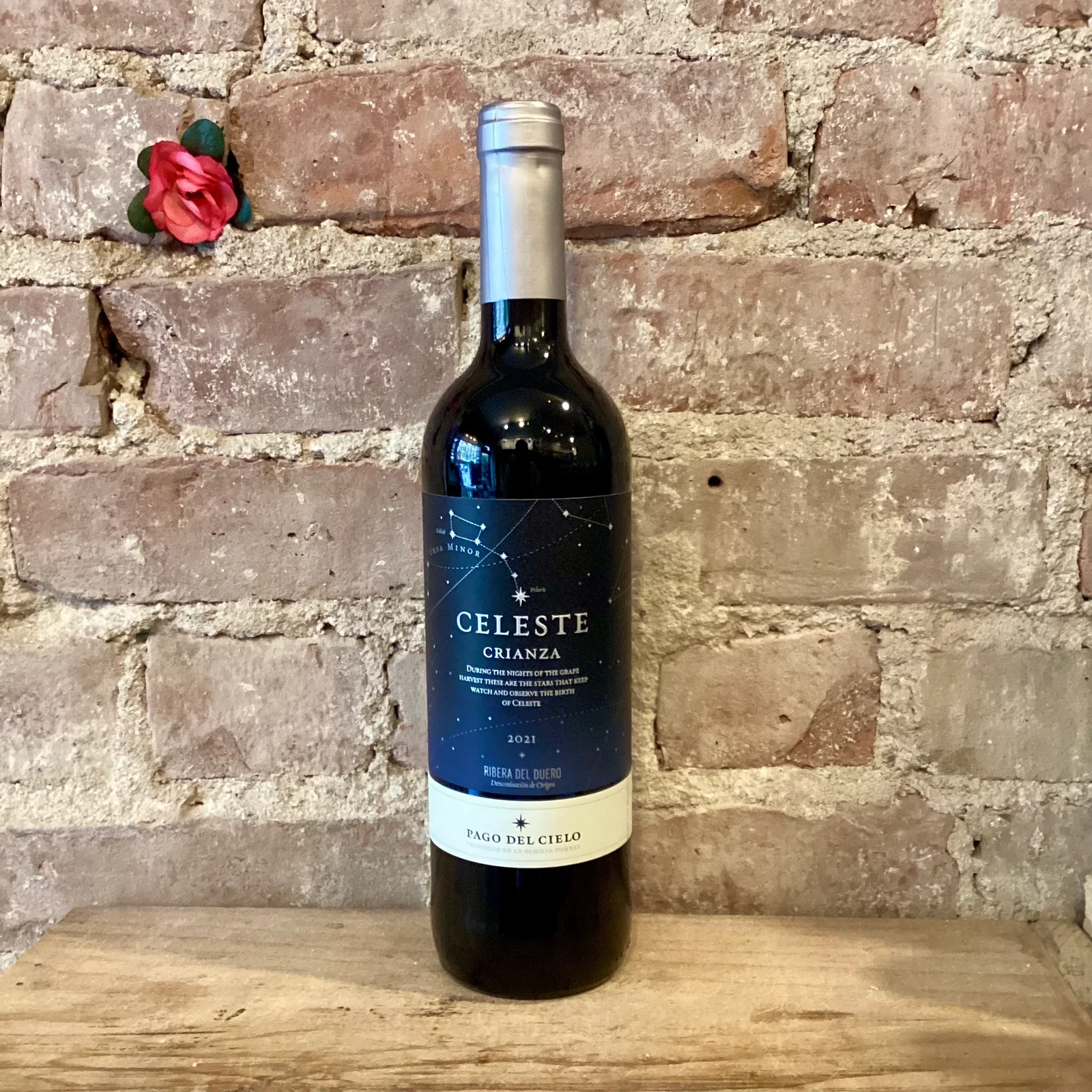
The Reserva spends a minimum of 16 months in oak, with 96 percent new French oak and 4 percent American oak barrels. That regimen builds a polished expression of ripe cherry and plum, threaded with mocha and vanilla.
Full body and Ribera del Duero’s signature intense tannic structure keep the wine anchored. At approximately $40, Celeste Reserva suits drinkers who want depth, gloss, and appellation firmness in a single bottle.
Details:
Cuentaviñas Ribera del Duero Tinto Fino brings Eduardo Eguren’s newer work into the Unico alternatives conversation. He launched the project in Rioja in 2018 after inheriting three vineyard sites from his grandfather, then expanded into Ribera del Duero in 2019 with centenarian vineyards planted along the Burgasela riverbank.
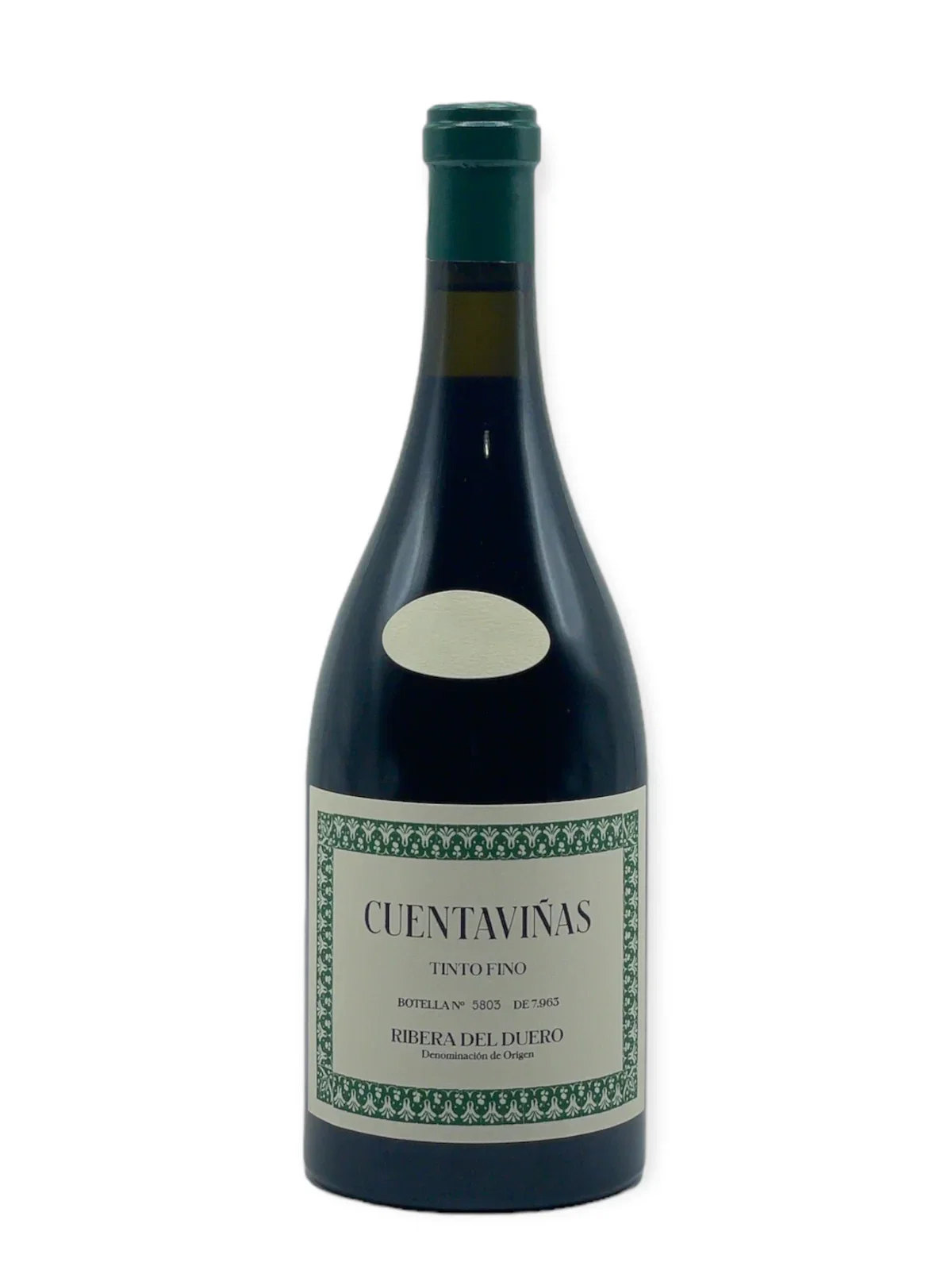
Those sites produce a deeply expressive Tinto Fino marked by mixed berries, ripe cherries, coffee beans, pepper, and spice. The wine’s appeal is not mimicry; it gives you a focused look at Ribera through a younger project with serious pedigree behind it.
At $65 a bottle, Cuentaviñas Ribera del Duero Tinto Fino sits comfortably between exploratory buying and a more formal Spanish-red pour. It is the choice for collectors who already understand the region’s classics and want to follow a name still gathering momentum.
Details:
Lopez de Heredia Viña Tondonia Reserva is the detour to take when you want mature Spanish red-wine character rather than Ribera power. Lopez de Heredia, founded in 1877, is one of Rioja’s best-known producers and one of Spain’s essential heritage names.
The recently released 2012 Viña Tondonia Reserva spent six years in American oak and another six years in bottle before release. That full twelve-year arc gives the wine the patient development collectors often seek in Spain’s grandest reds.
Available for $60 to $75 in retail shops, Viña Tondonia Reserva is one direct answer for drinkers chasing age, tradition, and Tempranillo-based complexity outside Ribera del Duero. It trades Ribera’s tannic force for Rioja’s long-aged composure.
Details:
The sharpest way to buy around Vega Sicilia Unico is to decide which part of its appeal you want in the glass. Alión brings the estate connection. Psi opens the Pingus orbit. Viña Sastre Roble speaks for La Horra and old-vine farming. Celeste Reserva adds high-altitude polish. Cuentaviñas offers a newer Tinto Fino perspective. Viña Tondonia Reserva supplies long-aged Spanish pedigree from Rioja.
Ribera del Duero will always be tied to Unico because few bottles have done more to define an appellation for collectors. A more rewarding cellar, though, is built not only from icons but from the wines that explain why those icons matter, and from the Spanish reds worth opening while the legends continue to rest.
Alión is the closest choice because it comes from Tempos Vega Sicilia and stays in Ribera del Duero. It is made entirely from Tinto Fino and offers a more direct, earlier-drinking view of the estate’s Ribera style.
The named bottles span from around $25 for Viña Sastre Ribera del Duero Roble to about $120 for Tempos Vega Sicilia Alión, with Dominio de Pingus Psi at about $38 and Cuentaviñas Ribera del Duero Tinto Fino at $65.
Lopez de Heredia Viña Tondonia Reserva is the clearest choice for mature Spanish red-wine character rather than Ribera power. The 2012 Reserva spent six years in American oak and six more years in bottle before release.
Start with Tinto Fino, Ribera del Duero’s name for Tempranillo. Unico is primarily Tinto Fino with a small amount of Cabernet Sauvignon, while Alión and Cuentaviñas focus on Tinto Fino, Viña Sastre and Celeste use Tempranillo, and Psi blends Tinto Fino with Garnacha and local varieties.
Choose Rioja when you want restraint, long aging, and Tempranillo-based complexity more than Ribera del Duero’s darker fruit and tannic force. Lopez de Heredia Viña Tondonia Reserva fits that role through historic Rioja pedigree and extended oak-and-bottle aging.
Get the App
Take the shortlist into the En Primeur Club app for concierge access, saved places, and the next step after discovery.
Get Exclusive AccessMore from the editors