Hongdae Restaurant GIT TTEUL
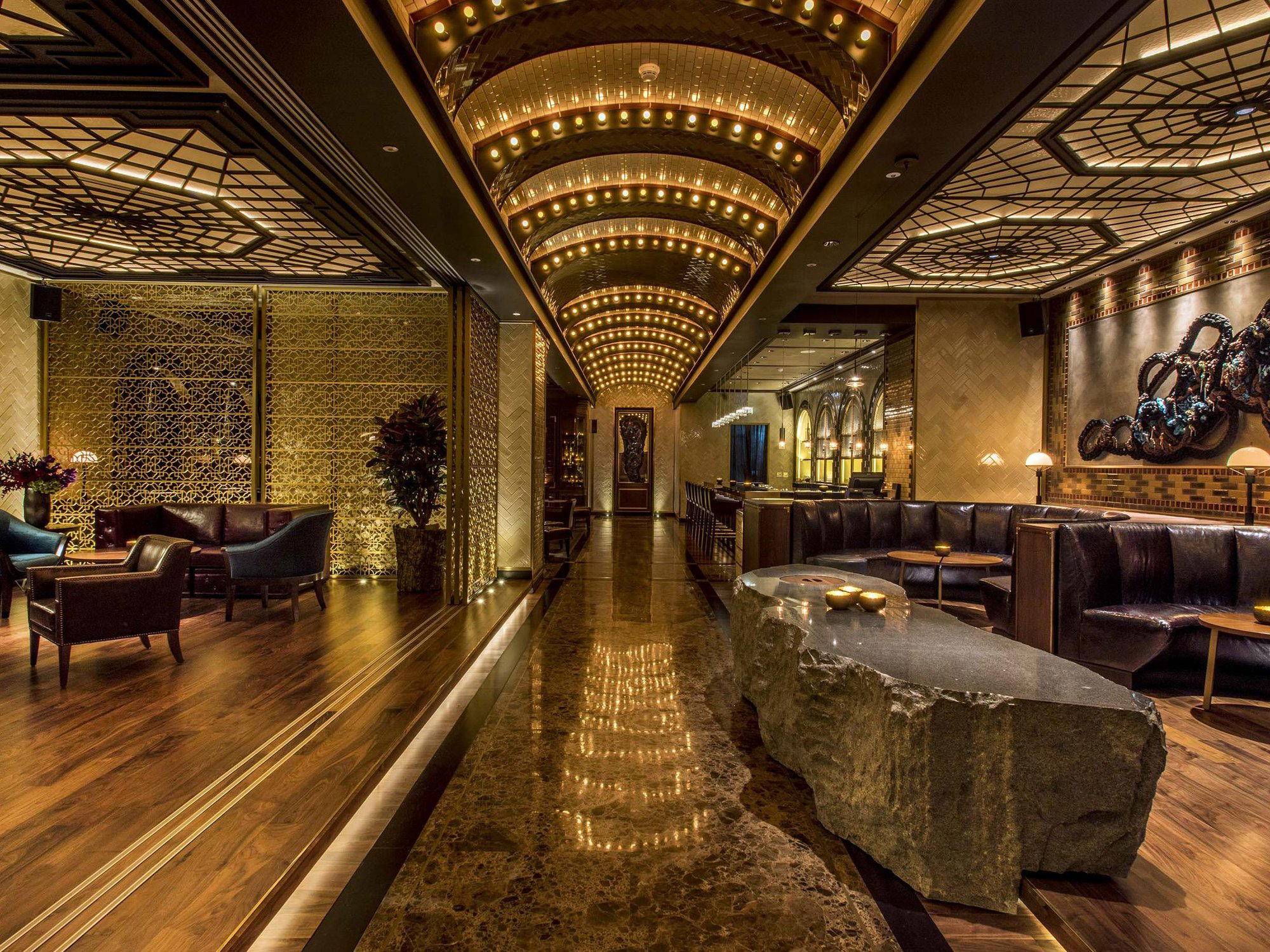
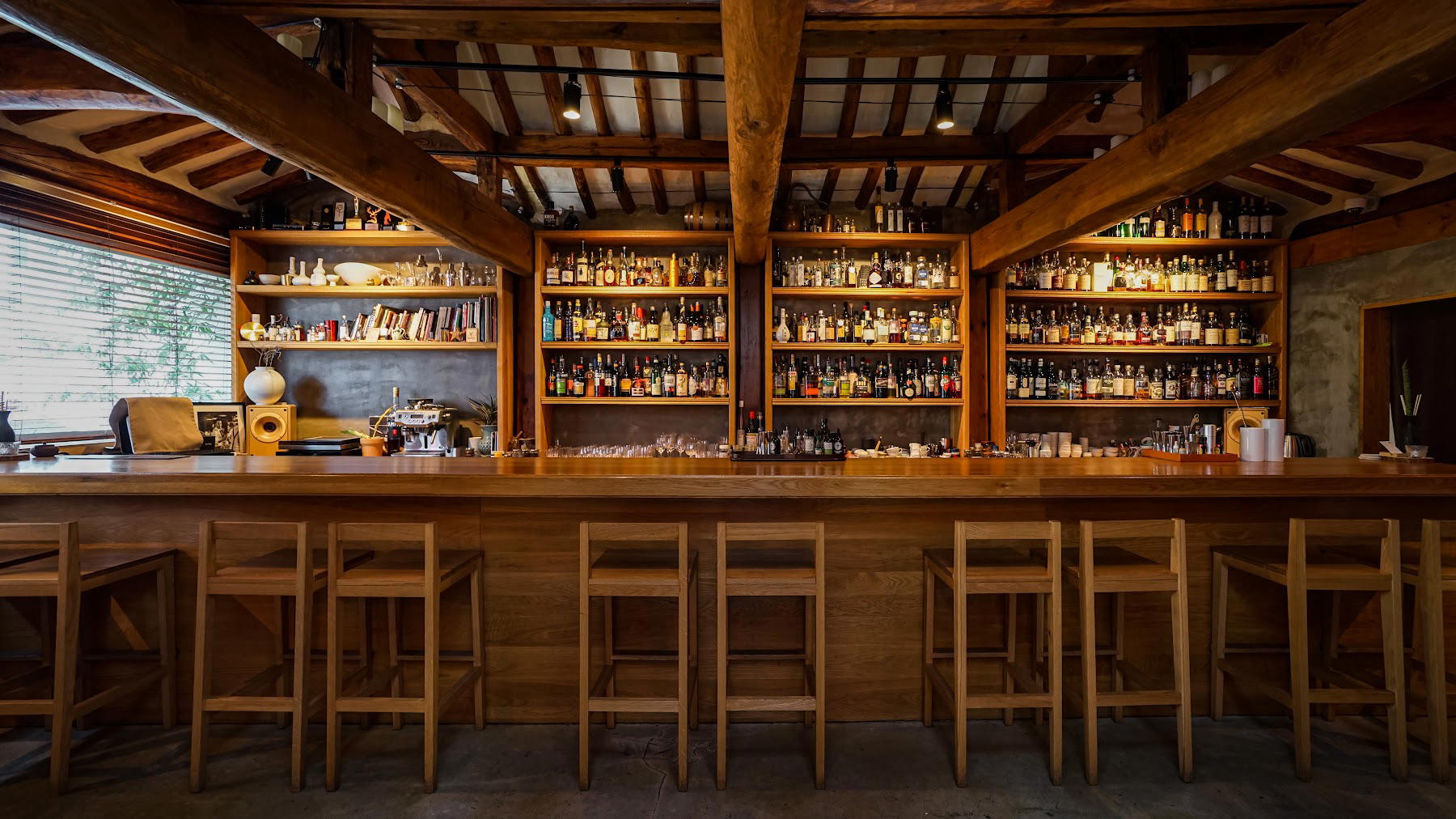
Hongdae Restaurant GIT TTEUL focuses on Korean pork BBQ, with pork BBQ with multiple sides, a casual open-kitchen setup, and beer service for dinner or late-night plans.
Pearl is the En Primeur Club membership app — saves, bookings, and concierge access live there. Same editors, same standards.
- Address
- South Korea, Seoul, Mapo-gu, Seogyo-dong, Jandari-ro 3an-gil, 27 1,2층
- Phone
- +827087776900
- Website
- naver.me
- Directions
- Get directions
 Saves & bookings on Pearl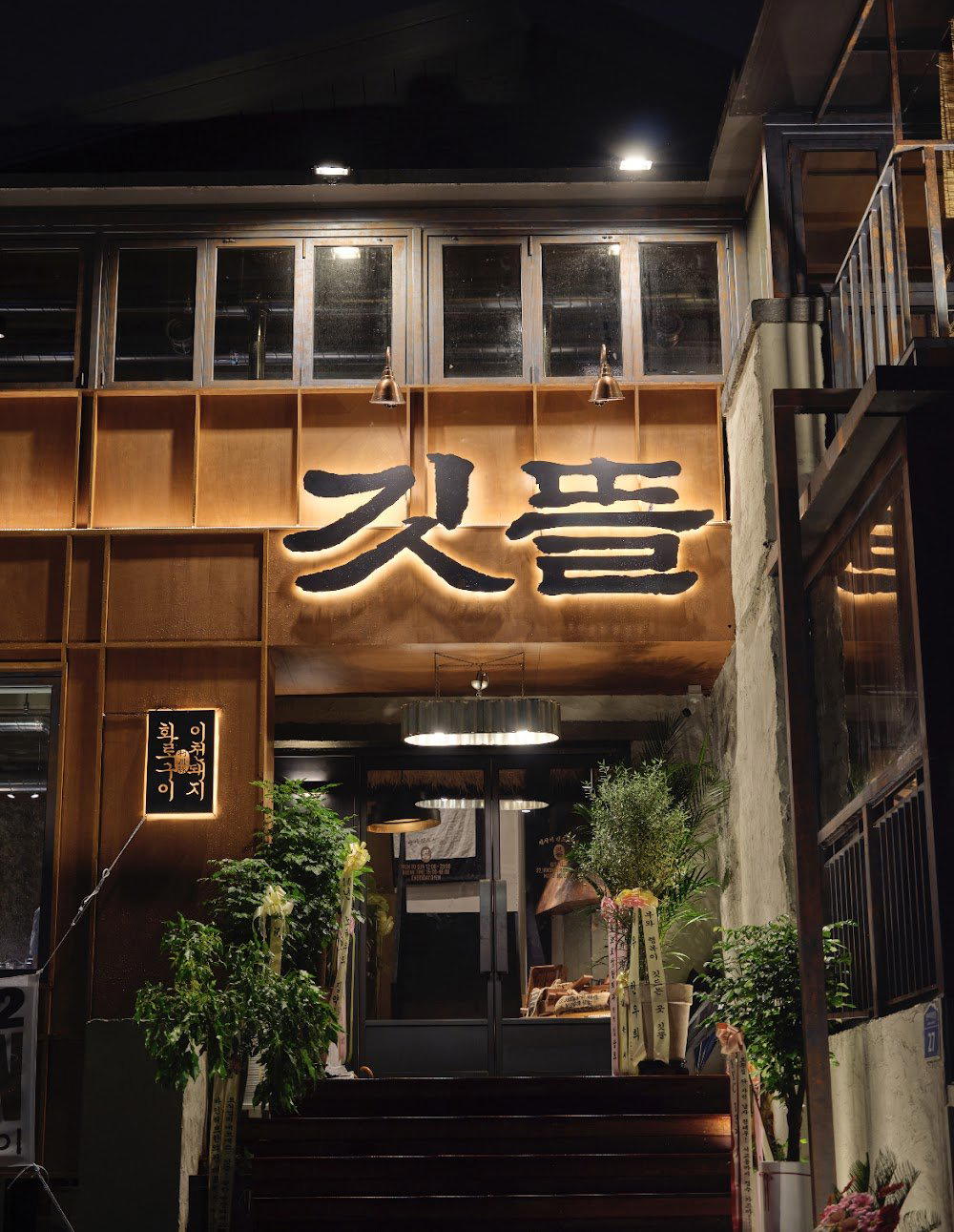
Hongdae's Street-Level Dining and the Culture Behind It
Jandari-ro, the narrow artery running through Seogyo-dong in Mapo-gu, has become one of Seoul's more concentrated strips for independent restaurants, bars, and cafes operating at the margins of the mainstream dining scene. It sits at the quieter southern edge of the Hongdae district, away from the loud main drag that draws weekend crowds, and the buildings here tend to be the kind of low-rise mixed-use structures where ground-floor commercial spaces give way to restaurants and small studios on the upper floors. GIT TTEUL occupies the first and second floors of one such building at number 27 on Jandari-ro 3an-gil, a sub-lane off the main road that requires a degree of local knowledge or a close reading of a map application to locate on a first visit.
That physical situation tells you something about how this part of the Hongdae area operates. Unlike the Michelin-flagged tasting menu rooms concentrated in Gangnam, Cheongdam, and the luxury hotel corridors, the independent restaurants of Seogyo-dong and the surrounding Mapo-gu neighborhoods tend to build their reputations through word of mouth, repeat local custom, and the kind of social media circulation that replaced older forms of food criticism in Seoul's dining conversation over the past decade.
Korean Dining Culture and What Hongdae Represents
To understand GIT TTEUL's position in Seoul's broader restaurant ecology, it helps to understand how Korean dining culture stratifies across the city's neighborhoods. Seoul's most formally recognized restaurants — places like Mingles, Jungsik, and Kwonsooksoo — operate at a register shaped by international award frameworks, tasting menus, and reservation systems that can require weeks of advance planning. They represent one pole of contemporary Seoul dining. At the other pole are the neighborhood-embedded restaurants, pojangmacha stalls, and small family-run establishments that carry the practical weight of everyday Korean food culture.
GIT TTEUL sits somewhere between those poles, in the territory that Hongdae has historically claimed: restaurants with a specific identity and local following, distinct from the prestige circuit but not purely casual either. The neighborhood's proximity to Hongik University has, over decades, cultivated a restaurant culture that prizes individuality over institutional recognition, with turnover high among some concepts and surprising longevity for others that develop real community attachment.
Korean food in this neighborhood context tends to reflect the full range of the cuisine's social registers. From banchan-centered home-style meals to grilled meat formats, from fermentation-forward preparations to the flour-based dishes that give this restaurant its name, the cooking tradition in Seogyo-dong draws on the breadth of what Korean cuisine encompasses rather than a single specialized lane. The name GIT TTEUL references tteul, a Korean term associated with gardens or yards, suggesting an orientation toward something rooted and local rather than aspirationally international. That naming register is common among a generation of Korean restaurants trying to signal authenticity through vocabulary drawn from the traditional rather than the borrowed.
Hongdae in Relation to Seoul's Wider Dining Map
For visitors to Seoul constructing an itinerary across the city's dining districts, the Hongdae and Mapo-gu area occupies a different role than Gangnam-gu or Jongno-gu. Gangnam anchors the city's highest-spending restaurant tier; Jongno and Insadong carry the weight of traditional Korean palace cuisine and formal hanok dining. Hongdae's contribution to the overall map is a creative, grassroots energy that has produced some durable independent restaurants alongside a constant churn of new concepts. Visitors who focus exclusively on the Michelin-tracked rooms in Gangnam miss a different register of Seoul food culture that is no less serious about its craft.
For context on how the innovative and contemporary Korean tasting menu scene operates, venues like Soigné and alla prima represent the more formally recognized tier of Seoul's innovative restaurant category, with the kind of booking depth and press attention that places them in a distinct competitive set. GIT TTEUL's position is different: the Hongdae neighborhood model values accessibility and local embeddedness over that kind of institutional visibility.
South Korea's regional dining scene beyond Seoul also offers useful comparison points. Restaurants like Mori in Busan demonstrate how Korean culinary identity plays out in cities where the dining culture has developed in parallel with, rather than in imitation of, the Seoul mainstream. And the Jeju Island dining circuit, represented by spots like Badang Lounge and Black Pork BBQ in Seogwipo, shows how regional ingredient identity shapes restaurant concepts differently from the urban Seoul model. For those exploring traditional Korean preparations further afield, Gyeongju Wonjo Kongguk and Hwangnam Bread and Busan Steamed Bun in Gyeongju illustrate how deep the connection between place, ingredient, and dish runs in Korean food culture outside the capital. Similarly, Gobojeong Galbi in Suwon and Doosoogobang in Suwon speak to the specific galbi and regional Korean traditions that distinguish Gyeonggi-do from the capital's restaurant scene. For a broader orientation to dining across the Korean peninsula's restaurant culture, 88돼지 in Jeju, Hinode in Seogwipo, and Dining Room in Busan add further range to the picture.
Planning a Visit
GIT TTEUL is located on Jandari-ro 3an-gil in Seogyo-dong, Mapo-gu, on the first and second floors of the building at number 27. The Hongdae area is served by Hongik University station on Seoul Metro Lines 2, Airport Railroad, and Gyeongui-Jungang Line, making the neighborhood direct to reach from most parts of the city. The sub-lane address means that first-time visitors should use a Korean map application rather than relying on international navigation tools, which can be imprecise in these narrower Hongdae back streets. As no phone number, website, or booking method is listed in currently available records, the most practical approach is to arrive in person or check for the venue's presence on Korean social platforms, where many Hongdae independent restaurants manage their reservation communications.
For the full context of what Seoul's restaurant scene offers across price tiers and neighborhoods, see our full Seoul restaurants guide. For those interested in how Korean culinary identity has been reinterpreted at the formal international level, Atomix in New York City offers a useful counterpoint, showing how the same culinary tradition translates into an entirely different dining framework, while Le Bernardin in New York City illustrates the reference point against which many Seoul fine dining rooms have defined their own approach to precision and produce focus.
How Hongdae Restaurant GIT TTEUL Seoul compares with similar nearby venues.
| Venue | Cuisine | Price |
|---|---|---|
| Ichiryu | Barbecue | ₩ |
| Jin Jin | Chinese | ₩₩ |
Continue exploring
More in Seoul
Restaurants in Seoul
Browse all →
At a Glance
- Lively
- Trendy
- Energetic
- Group Dining
- Casual Hangout
- After Work
- Open Kitchen
- Standalone
- Beer Program
Current opening hours
- Monday
- 12–3 PM, 4–10:40 PM
- Tuesday
- 12–3 PM, 4–10:40 PM
- Wednesday
- 12–3 PM, 4–10:40 PM
- Thursday
- 12–3 PM, 4–10:40 PM
- Friday
- 12–3 PM, 4–10:40 PM
- Saturday
- 12–3 PM, 4–10:40 PM
- Sunday
- 12–3 PM, 4–10:40 PM
Hours can change for holidays and private events. Last verified .
Lively and energetic atmosphere with modern Korean BBQ setup, table grilling experience, and proximity to karaoke and entertainment venues.
Know Before You Go
- Getting there
- South Korea, Seoul, Mapo-gu, Seogyo-dong, Jandari-ro 3an-gil, 27 1,2층