Mater

A Michelin Plate-recognised contemporary restaurant in Gangnam's Eonju-ro corridor, Mater sits in the mid-price tier of Seoul's competitive fine-dining scene. It operates from a basement-level space that follows a now-familiar Gangnam pattern: understated entry, concentrated cooking. Contemporary in classification, it positions below the ₩₩₩₩ bracket occupied by neighbours like Solbam and Onjium.
Pearl is the En Primeur Club membership app — saves, bookings, and concierge access live there. Same editors, same standards.
- Address
- South Korea, Seoul, Gangnam District, Eonju-ro 154-gil, 16 KR 서울특별시 강남구 지하 1층
- Phone
- +82 2-518-5879
- Website
- instagram.com
- Directions
- Get directions
 Saves & bookings on Pearl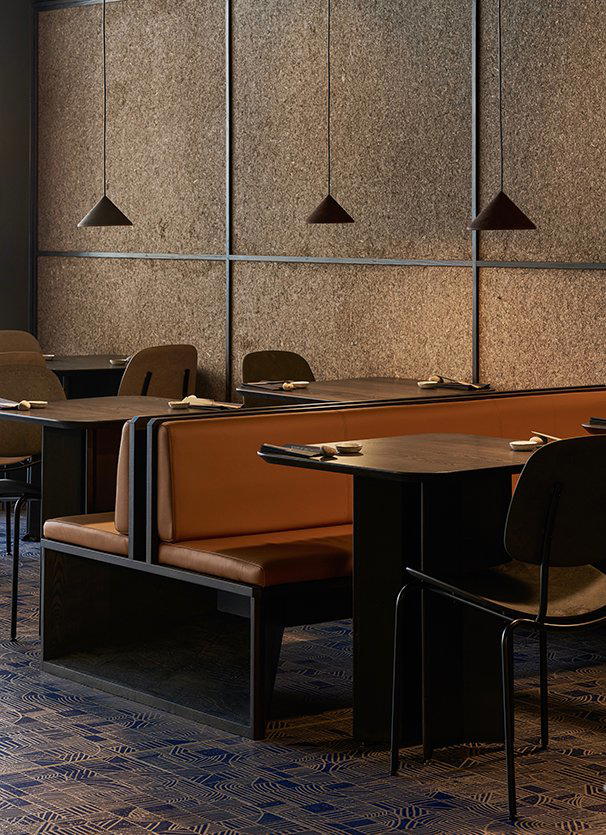
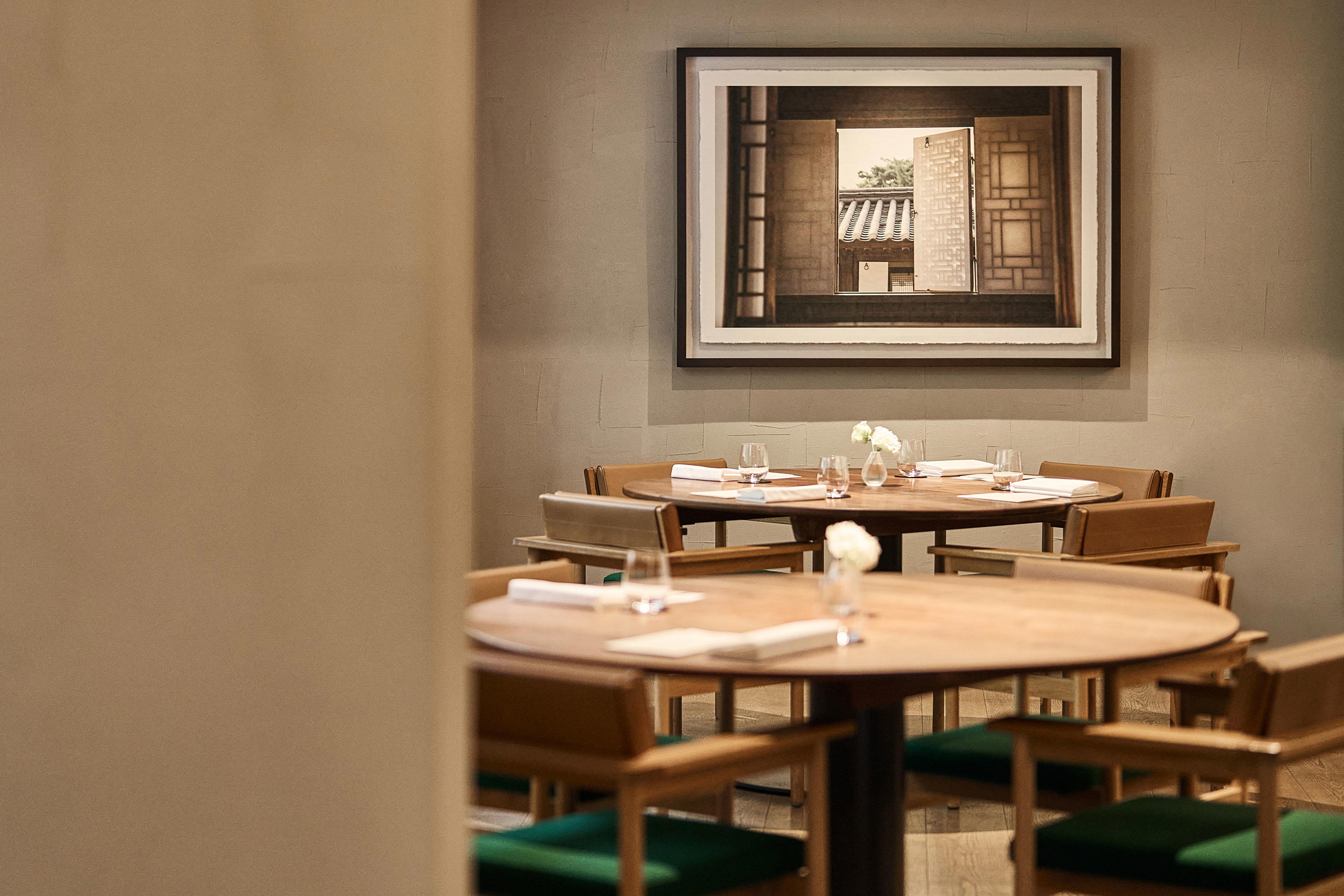
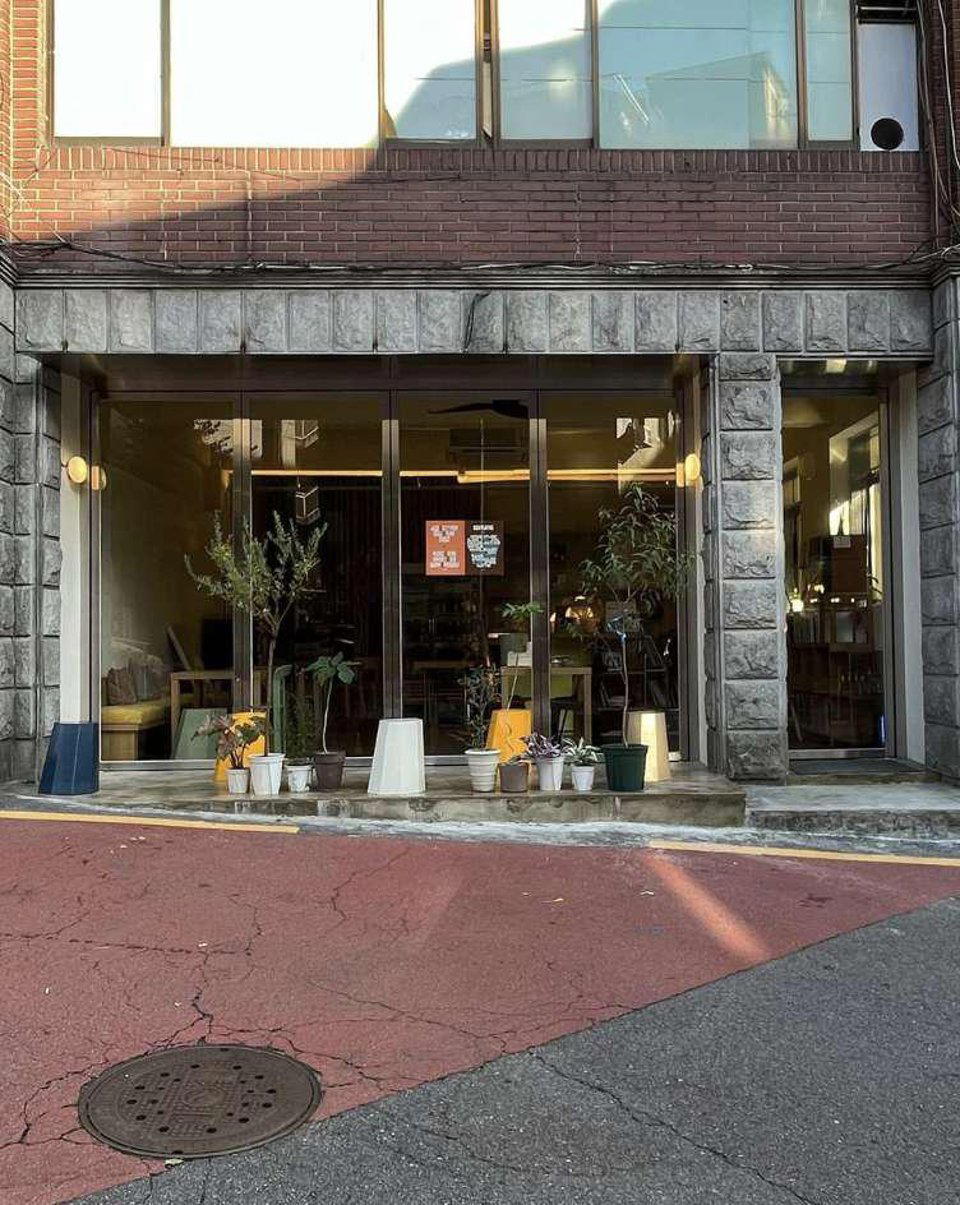
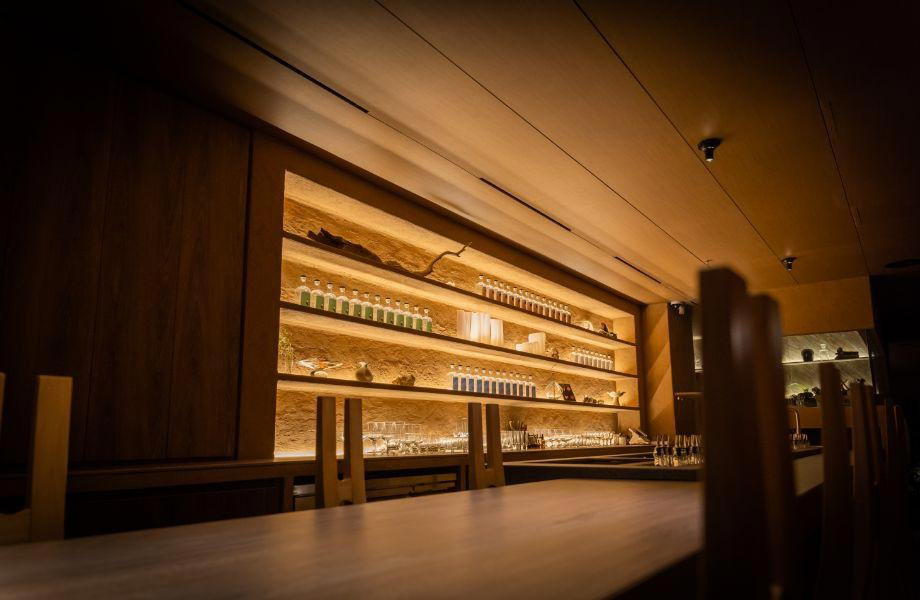
Gangnam's basement restaurants have developed a particular grammar. You descend, the street noise drops, and the room announces its priorities through what it chooses to keep quiet. Mater, on Eonju-ro 154-gil, follows that logic. The address places it in one of the district's more residential-adjacent corridors, away from the high-traffic blocks near Apgujeong, and the subterranean setting does the work of separating the meal from the surrounding city before you've ordered anything.
Where Mater Sits in the Gangnam Contemporary Tier
Seoul's contemporary dining scene has fractified sharply over the past decade. The ₩₩₩₩ bracket — occupied by venues like Solbam, Exquisine, and the Korean-French innovators at Zero Complex — represents one end of a wide spectrum. Mater prices at ₩₩, a positioning that in Seoul's current market signals intentional accessibility rather than a concession on ambition. The Michelin Plate recognition in 2025 provides independent confirmation that the cooking clears a threshold, even if it hasn't yet pushed into the star tier occupied by Jungsik or Gaon.
That mid-tier positioning is worth reading carefully. In a city where ₩₩₩₩ tasting menus have become the standard ambition signal for contemporary kitchens, staying at ₩₩ with a Michelin Plate means competing on value-to-quality ratio rather than prestige pricing. It is a different game, and one that attracts a different kind of regular: the Gangnam professional who eats at this level several times a month rather than a handful of times a year. Comparable contemporary restaurants in cities like Toronto, Alo being the obvious reference, have shown that disciplined mid-format contemporary cooking can sustain recognition over time without chasing the top-price tier. Seoul's version of that story is still being written, and Mater is one of its current chapters.
The Question of Wine at This Price Point
The editorial angle that reveals most about a mid-price contemporary restaurant in Seoul is often its wine programme. Korean dining culture has historically centred beverages around soju and makgeolli, and the shift toward wine-integrated contemporary menus has been uneven across the city's kitchens. At the ₩₩₩₩ level, houses like Kwon Sook Soo and Eatanic Garden have built wine programmes with enough depth to anchor a proper pairing progression. The question for a ₩₩ contemporary restaurant is whether the wine list scales proportionally or gets treated as an afterthought once the kitchen budget is set.
Mater's specific cellar data isn't in the public record, but the broader pattern in this segment is instructive. Seoul's most successful mid-price contemporary operators have typically solved this by focusing depth rather than breadth: a short but well-chosen list, often with a lean toward natural or low-intervention producers that align with the clean, ingredient-focused cooking that defines the contemporary Korean register. Sommelier expertise at this price tier in Seoul increasingly matters less as a formal credential and more as curatorial intelligence, the ability to build a list that enhances the food without inflating the bill. Whether Mater's programme follows that logic is something a booking will answer faster than any written account.
For context across the contemporary category globally, it is worth noting how differently wine integration plays out: Orfali Bros in Dubai and César in New York City each handle the contemporary format with distinct beverage philosophies shaped by their local licensing and cultural contexts. Seoul's contemporary kitchens operate without those external constraints, which gives a restaurant like Mater more freedom to build the list it actually wants.
The Gangnam Eonju-ro Corridor in Context
Eonju-ro and its side streets have grown into one of Gangnam's more interesting dining sub-zones precisely because they sit slightly off the main luxury axis. The neighbourhood draws a mix of local professionals and a smaller number of visitors who have done enough research to leave the Garosu-gil circuit. For a contemporary restaurant operating at ₩₩, that catchment matters: the audience is local-first, and the menu has to earn repeat visits rather than banking on the novelty factor that drives destination dining. Restaurant Allen, also in the broader Gangnam area, represents a different positioning in the French-contemporary register; Mater's Korean-contemporary identity places it in a separate but adjacent competitive conversation.
Seoul's restaurant geography rewards specificity. Understanding that geography is part of reading any Seoul restaurant accurately, and Mater's location signals its intended audience as clearly as its price tier does. For broader orientation across the city's dining range, our full Seoul restaurants guide maps the competitive sets across neighbourhoods.
Comparing Registers: Contemporary Korean Elsewhere in the Country
Seoul's contemporary scene doesn't exist in isolation. Mori in Busan and Baegyangsa Temple in Jangseong-gun represent how the contemporary and traditional registers play out differently outside the capital, where ingredient provenance and regional character tend to carry more narrative weight. Seoul kitchens, including Mater, operate against the backdrop of a city that has absorbed global technique thoroughly enough that technique alone is no longer a differentiator. What distinguishes a ₩₩ Michelin Plate contemporary restaurant in Gangnam from its peers is harder to specify without direct kitchen access, but the award itself confirms that something in the execution is working at a level above the neighbourhood average.
Planning a Visit
Know Before You Go
- Location: Eonju-ro 154-gil 16, Gangnam District, Seoul, basement level (지하 1층)
- Price tier: ₩₩, mid-range by Seoul contemporary standards, accessible relative to ₩₩₩₩ peers in the same district
- Recognition: Michelin Plate, 2025
- Booking:
- Dress code: Not specified; Gangnam contemporary convention runs toward smart casual
For supplementary Seoul planning, our Seoul hotels guide, bars guide, wineries guide, and experiences guide cover the broader city across categories.
How Mater Seoul compares with similar nearby venues.
| Venue | Cuisine | Price | Awards |
|---|---|---|---|
| Mater | Contemporary | ₩₩ | Michelin Plate (2025) |
| Goryori Ken | Contemporary | ₩₩₩₩ | Not listed |
| Aelgerizm | Contemporary | ₩₩₩ | Not listed |
| Table for Four | Contemporary | ₩₩ | Not listed |
| SIIO | Contemporary | ₩₩₩ | Not listed |
| OPNNG | Contemporary | ₩₩₩ | Not listed |
Recognition history
Dated appearances from independent guides and award organizations, with the underlying list record or original source where available.
Michelin Plate
Michelin
At a Glance
- Intimate
- Elegant
- Modern
- Minimalist
- Date Night
- Special Occasion
- Celebration
- Open Kitchen
- Standalone
- Design Destination
- Local Sourcing
Current opening hours
- Monday
- 12–3 PM, 6–10 PM
- Tuesday
- Closed
- Wednesday
- 12–3 PM, 6–10 PM
- Thursday
- 12–3 PM, 6–10 PM
- Friday
- 12–3 PM, 6–10 PM
- Saturday
- 12–3 PM, 6–10 PM
- Sunday
- 12–3 PM, 6–10 PM
Hours can change for holidays and private events. Last verified .
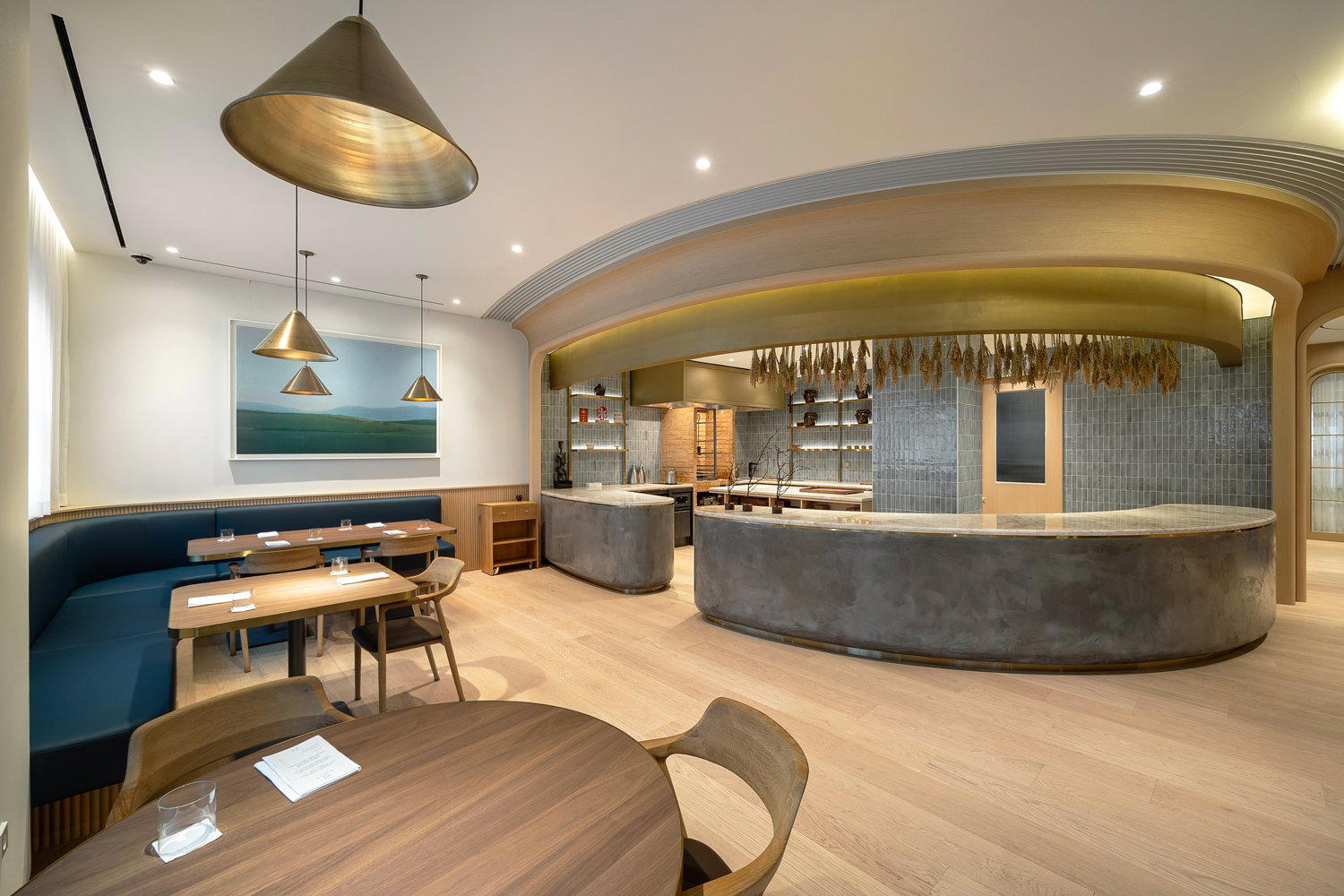
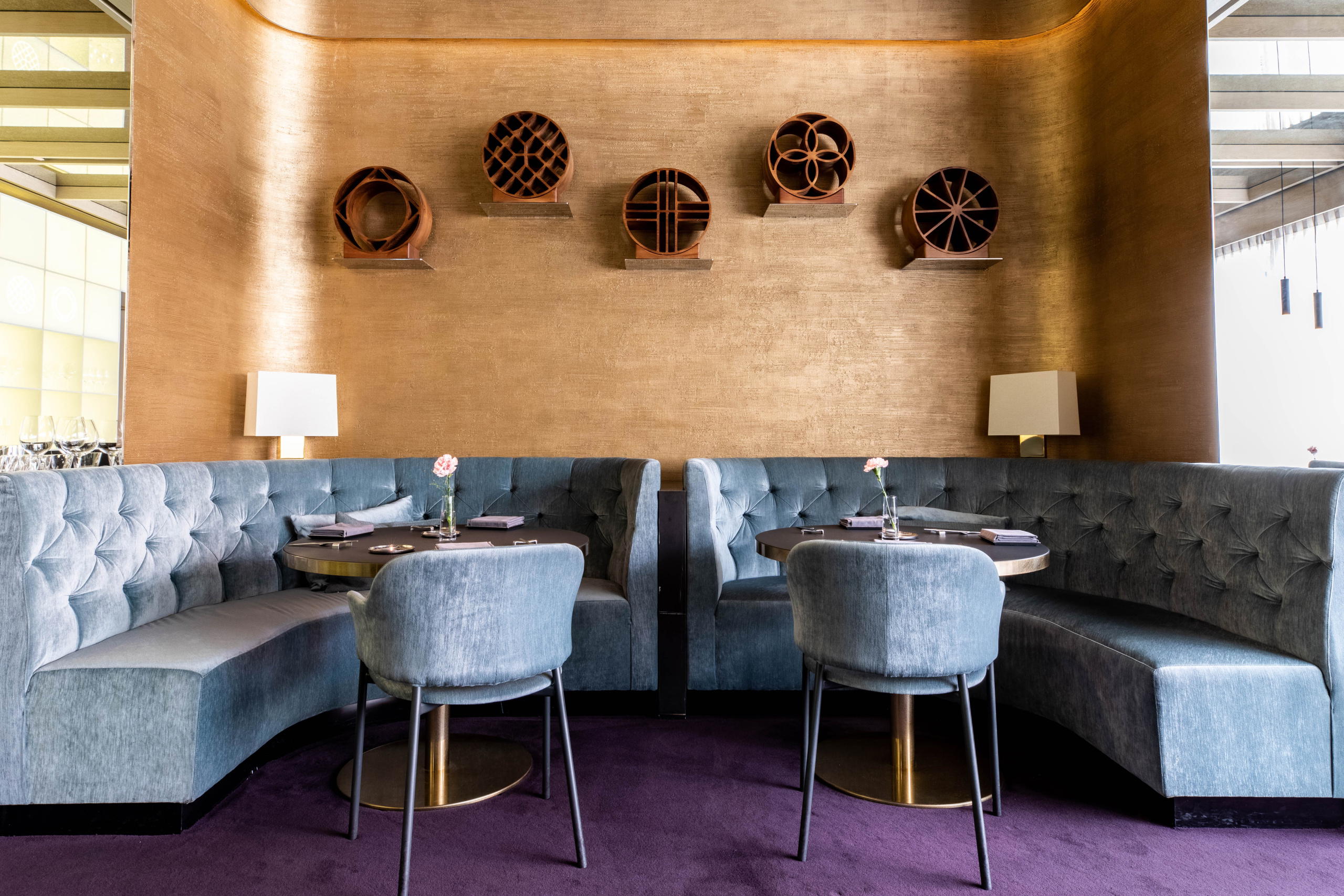
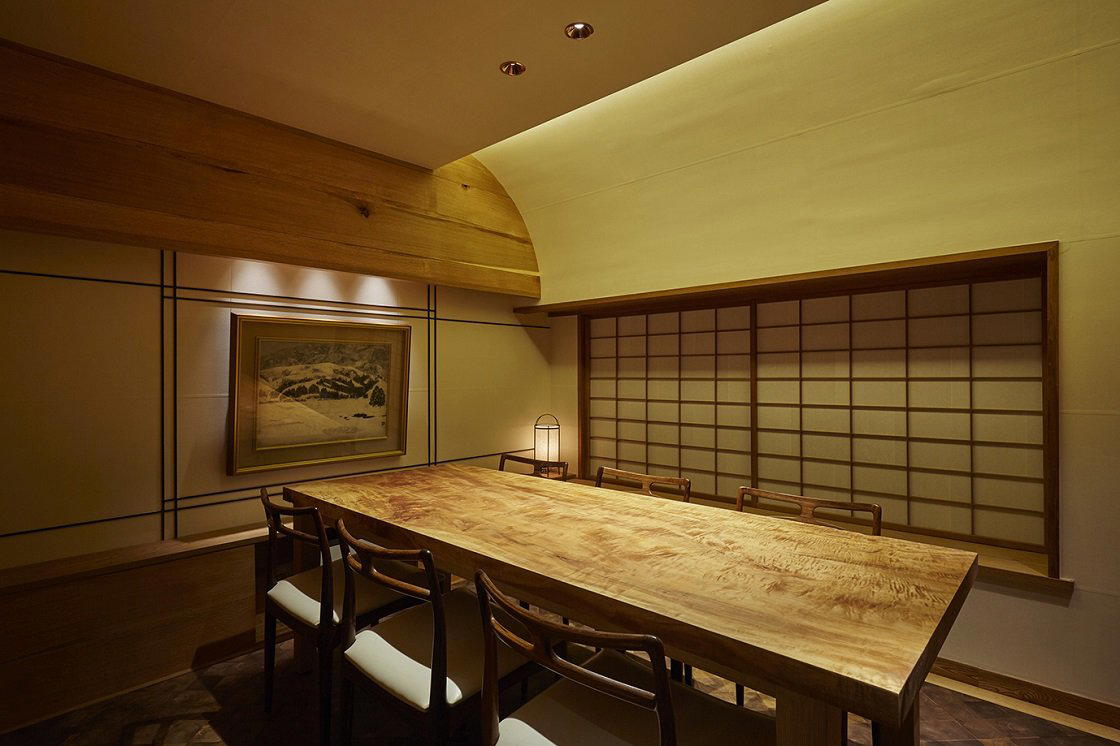
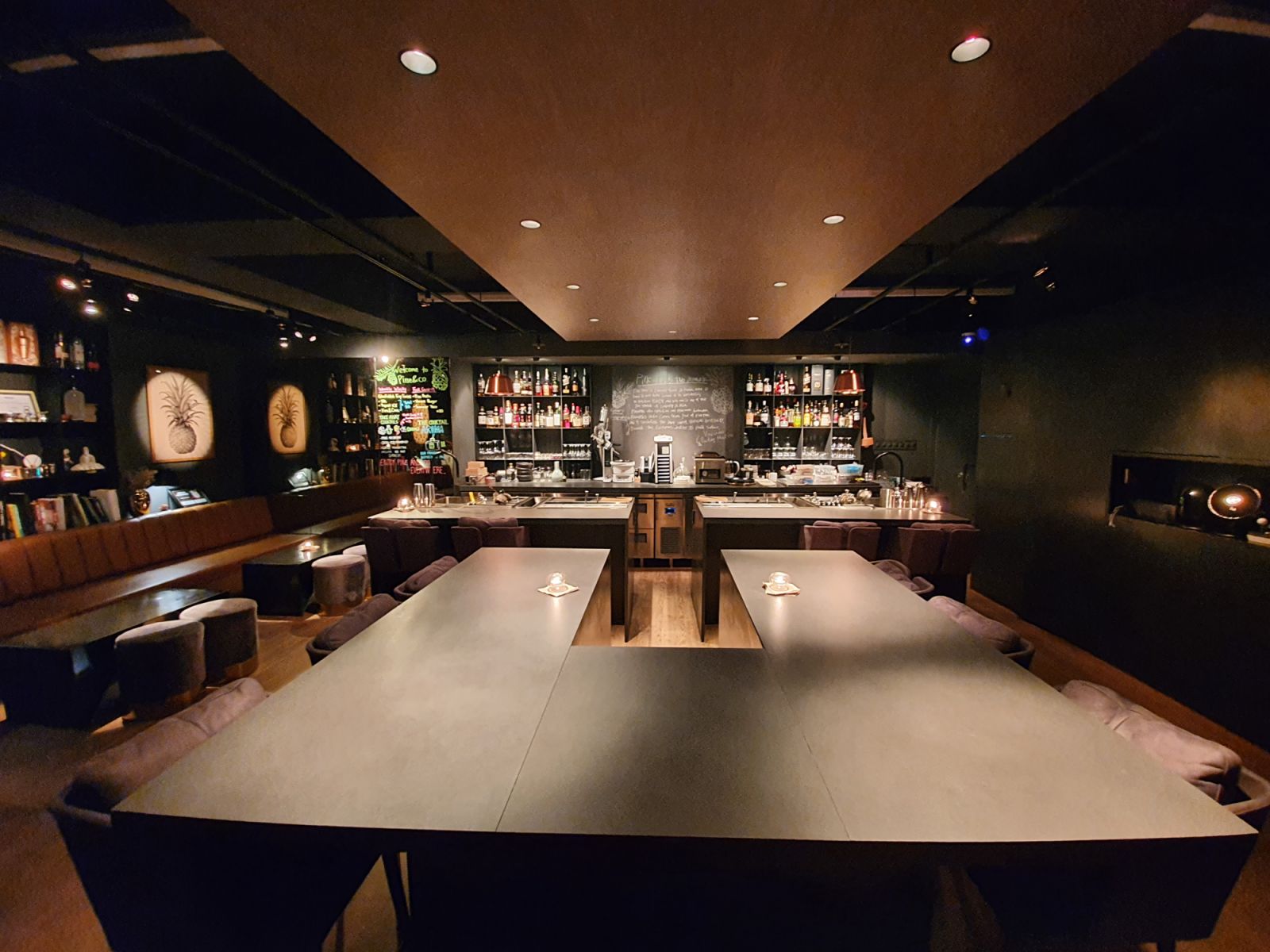
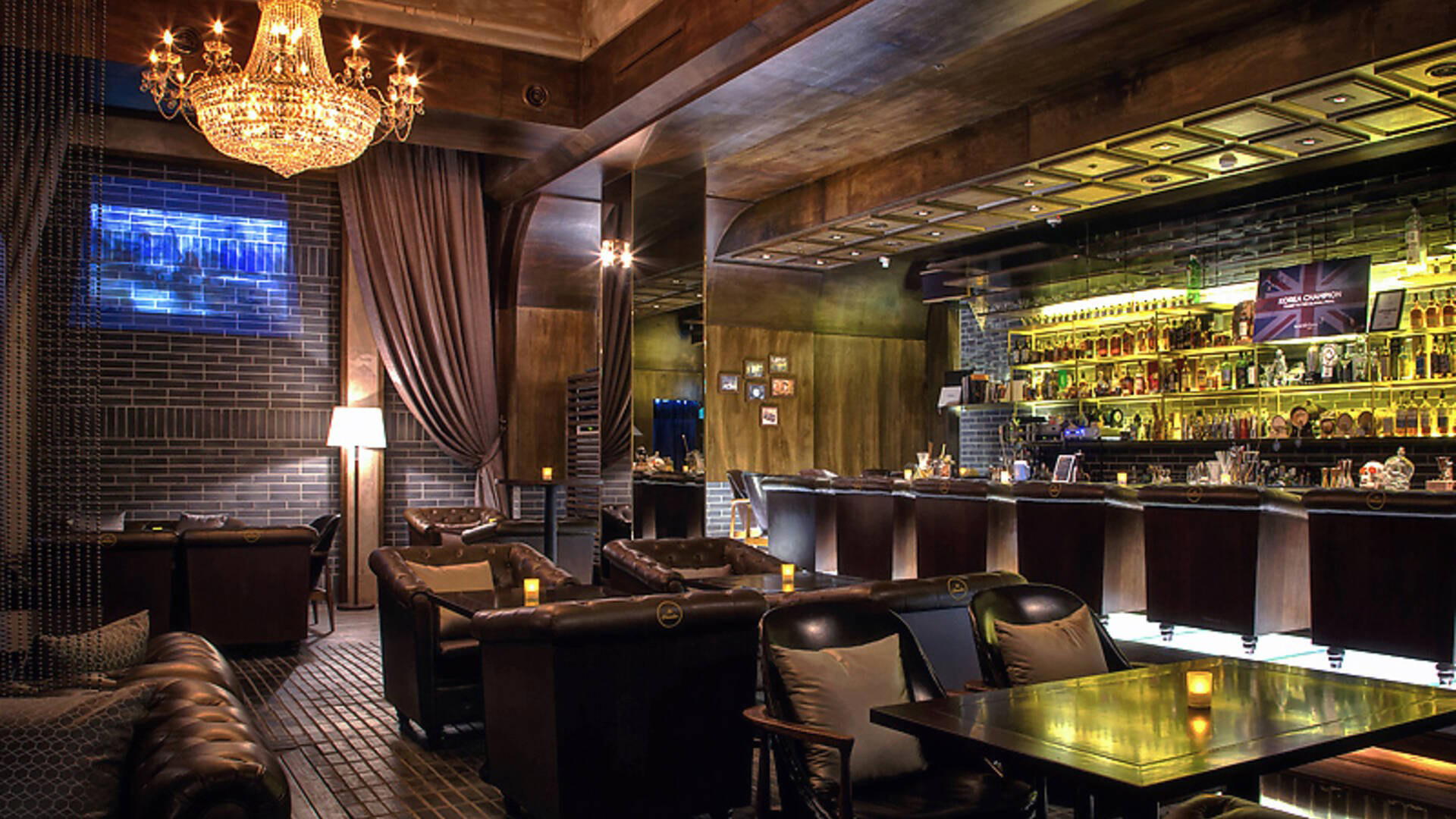
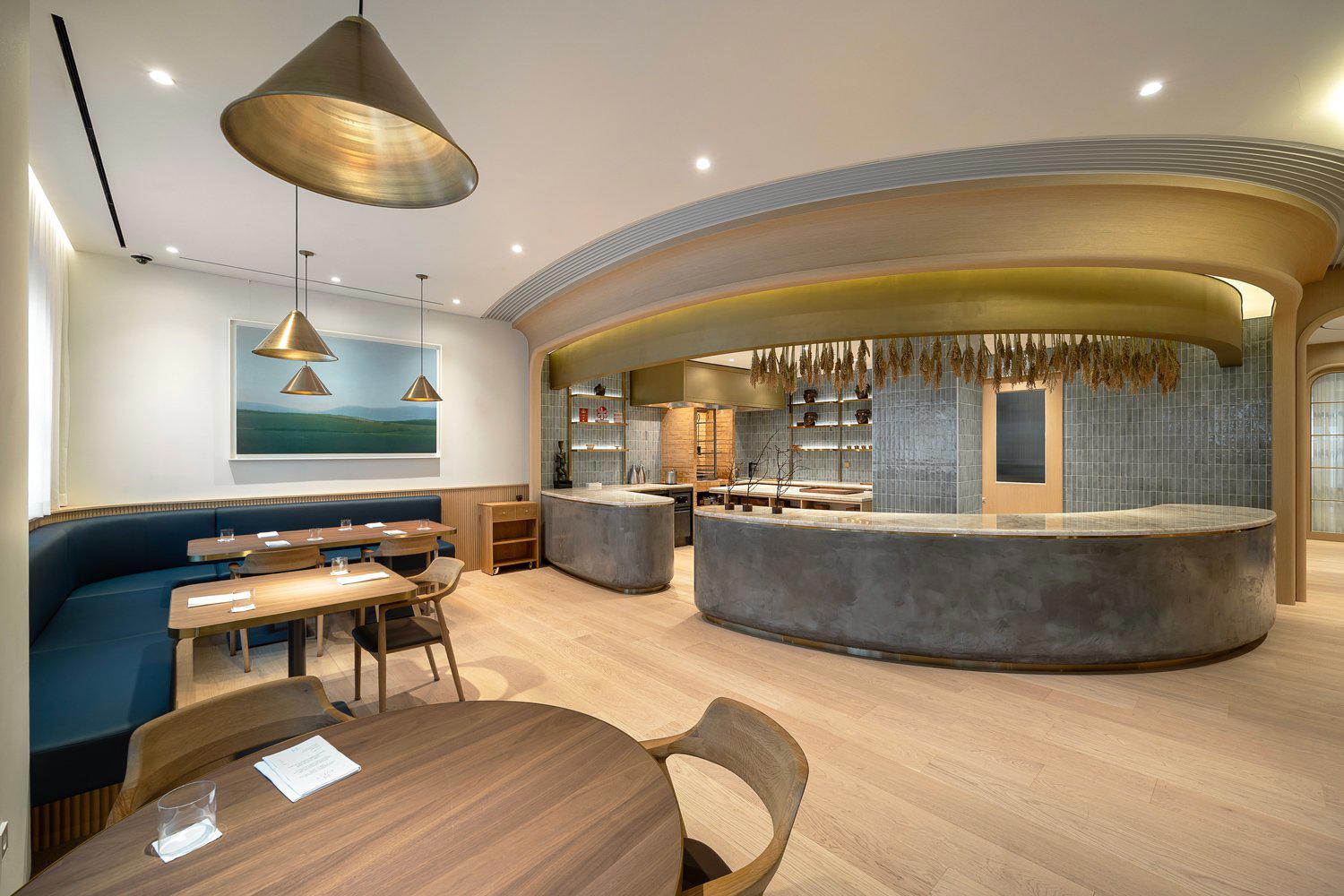
Warm, intimate setting with soft lighting and minimalist decor creating an elegant, sophisticated dining environment.
Know Before You Go
- Getting there
- South Korea, Seoul, Gangnam District, Eonju-ro 154-gil, 16 KR 서울특별시 강남구 지하 1층