Grand Hyatt Incheon

Positioned directly at Incheon International Airport, Grand Hyatt Incheon holds MICHELIN Selected status in the 2025 Korea guide, placing it in a narrow tier of airport-adjacent hotels recognised for quality rather than mere convenience. For travellers transiting or spending a night before an early departure, it offers a more considered alternative to the standard transit hotel formula.
Pearl is the En Primeur Club membership app — saves, bookings, and concierge access live there. Same editors, same standards.
- Address
- 208 Yeongjonghaeannam-ro 321beon-gil, Jung-gu, Incheon, South Korea
- Phone
- +82 32-745-1234
- Website
- hyatt.com
- Directions
- Get directions
 Saves & bookings on Pearl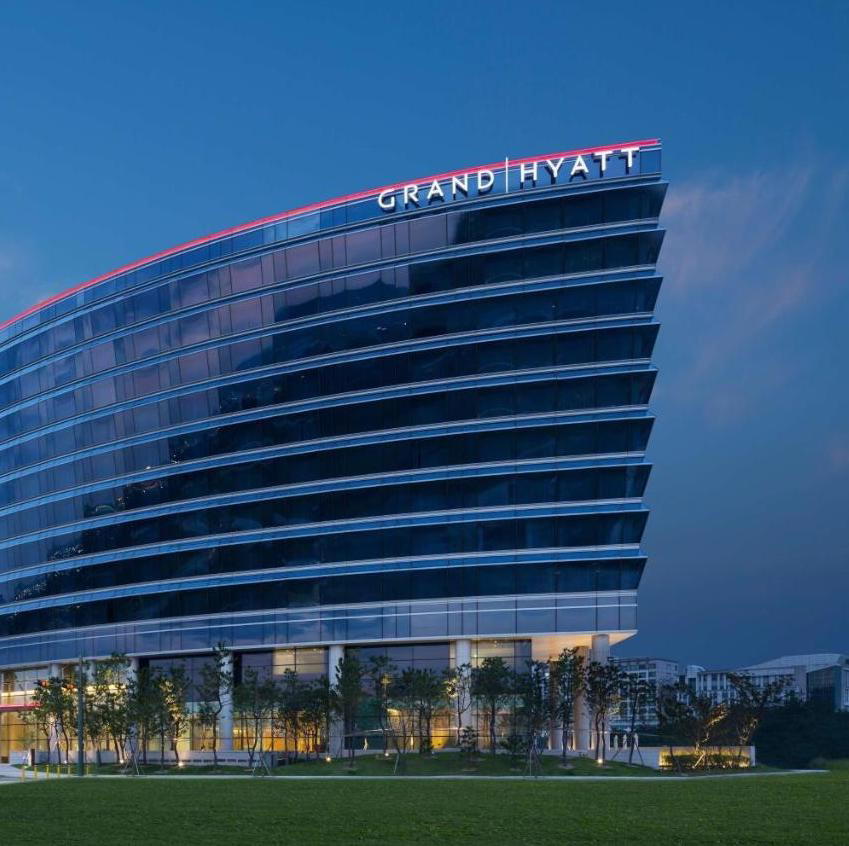
Where the Airport Becomes a Destination
Most airport hotels ask travellers to set expectations low: a bed close to the gate, blackout curtains, and a breakfast buffet calibrated for early departures. The Grand Hyatt Incheon occupies a different position in that conversation. Incheon International Airport has long functioned as one of the more ambitious transit hubs in Asia, designed from the outset to be a destination in itself rather than a holding pen between flights. The hotel sits directly within that infrastructure, and its 2025 MICHELIN Selected designation reflects how that ambition has translated into hospitality terms.
The MICHELIN Selected tier, distinct from starred recognition, identifies hotels that meet a threshold of quality and consistency. In the 2025 Korea listing, that selection places Grand Hyatt Incheon alongside a specific comparable set rather than the broader luxury market of central Seoul, where properties like Four Seasons Hotel Seoul, Fairmont Ambassador Seoul, and Banyan Tree Club & Spa Seoul compete on different terms entirely. The Grand Hyatt Incheon is not trying to replicate the Gangnam or Jongno luxury hotel experience. It is doing something narrower and harder: delivering recognised quality inside an airport complex.
The Incheon Context
Incheon's position in Korean hospitality is worth understanding on its own terms. The island sits roughly 70 kilometres west of central Seoul, connected to the mainland by bridge and to the city centre by the Airport Railroad Express, which reaches Seoul Station in around 40 minutes. For travellers arriving late or departing early, the journey time into the city makes a well-chosen airport hotel a rational decision rather than a compromise. Incheon itself has developed a modest but growing hospitality presence in recent years, with the Art Paradiso Hotel in Incheon representing the more design-led end of that local market.
The airport precinct, however, is dominated by transit logic. Hotels here are judged by how well they serve travellers whose primary relationship with the city is a boarding pass, not a tourist itinerary. Grand Hyatt's footprint in Korea extends beyond this single property: the brand operates the Grand Hyatt Jeju on Korea's largest island, while the wider Hyatt portfolio in Korea includes the Hyatt Place Gwangju and Park Hyatt Busan. Across that spread, Incheon holds a specific function: it is the entry point, the first and last impression of Korea for millions of international travellers each year.
Korean Hospitality Through a Transit Lens
Korean hotel culture has its own register, one that sits between the formal precision of Japanese hospitality and the warmer expressiveness found further south in Southeast Asia. Service in premium Korean hotels tends toward efficiency and attentiveness without theatrics, a quality that translates well in an airport setting where travellers are often operating on compressed schedules or recovering from long-haul flights. The cultural context of Incheon airport itself reinforces this: the terminal has won multiple service quality awards over the years and has set a standard that the hotel ecosystem around it has had to match.
For travellers arriving from Europe or the Americas, the hotel often functions as the decompression point: a first encounter with Korean hospitality standards before the full sensory shift of Seoul proper. Those who intend to continue their Korean travel beyond Seoul have the option to fly onward from Incheon to Jeju, where both the Grand Hyatt Jeju and JW Marriott Jeju Resort & Spa represent the premium end of island accommodation. Those heading south toward the mainland's coast might consider the The Ananti Namhae, while visitors with an interest in more remote Korean geography can reference properties like KOSMOS ULLEUNGDO or the Lotte Resort Jeju Art Villas.
Placing Incheon in the Seoul Premium Market
Central Seoul's premium hotel tier has deepened considerably over the past decade. Properties like Aman Seoul Cheongdam, Andaz Seoul Gangnam, and Conrad Seoul each occupy distinct neighbourhoods and compete on different axes: Aman on exclusivity and cultural programming, Andaz on design and creative positioning, Conrad on the business-scale infrastructure that makes it a recurring choice for corporate travellers. The Art Paradiso Boutique Hotel and Casino Hotel Seoul occupy different segments again. The hotel does not compete in that city-centre conversation. Its competitive set is defined by proximity to the airport, and within that set, MICHELIN Selected status in 2025 is a meaningful differentiator.
For travellers whose Seoul itinerary doesn't begin at Incheon, or who are weighing whether to spend a transit night at the airport versus commuting into the city, the full Seoul hotel market is worth examining. Context beyond Seoul's borders is available through properties in other Korean cities: Hotel Onoma Daejeon, Autograph Collection covers the central corridor, while the SEAMARQ Hotel in Gangwon Do and mountain-area retreats like U Retreat and Gangwon-do in Hongcheon map the country's growing interior hospitality offer.
Planning a Stay
The address at 208 Yeongjonghaeannam-ro, Jung-gu places the hotel on Yeongjong Island, the reclaimed land mass that supports Incheon International Airport. Travellers connecting through Incheon with a layover of more than six hours, or those with early-morning international departures, represent the core use case. For those comparing options at the international end of the airport hotel market, reference points like Badrutt's Palace Hotel in St. Moritz, Hôtel de Paris Monte-Carlo, and The Fifth Avenue Hotel in New York City operate at the luxury ceiling of their respective markets; the hotel's value lies in a different kind of precision, one calibrated to the transit experience rather than the destination experience. MICHELIN Selected recognition in 2025 confirms that the calibration holds.
A Minimal comparable set
Comparable venues nearby, for context on price, style, and recognition.
| Venue | Price | Notes |
|---|---|---|
| Grand Hyatt IncheonThis venue — the venue you are viewing | $$$$ | Not listed |
| Vista Walkerhill Seoul | $$$$ | 암사동, Sustainable luxury urban resort blending nature and high technology |
| Aman Seoul Cheongdam | $$$$ | Cheongdam-dong, ultra-luxury urban tower hotel |
| Mondrian Seoul Itaewon | $$$$ | 이태원동, Modern lifestyle hotel with bold, sculptural design capturing lively city culture. |
| JW Marriott Hotel Seoul | $$$$ | 잠원동, Contemporary luxury blending international style with Korean hospitality |
| Paradise Hotel & Resort | $$$$ | Jung-gu, Luxury integrated resort with entertainment and wellness. |
Recognition history
Dated appearances from independent guides and award organizations, with the underlying list record or original source where available.
Michelin Selected
Michelin

At a Glance
- Modern
- Elegant
- Lively
- Family Vacation
- Business Trip
- Rooftop Pool
- Pool
- Indoor Pool
- Spa
- Fitness Center
- Room Service
- Concierge
- Business Center
- Valet Parking
- Pool
- Indoor Pool
- Spa
- Fitness Center
- Room Service
- Concierge
- Business Center
- Valet Parking
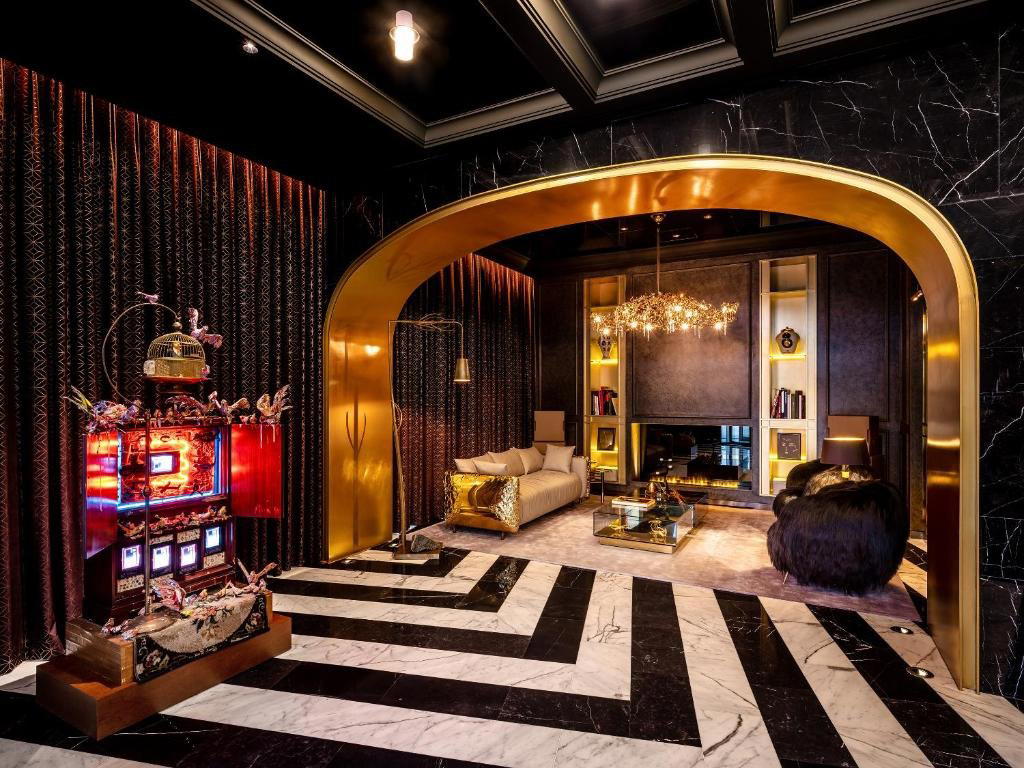
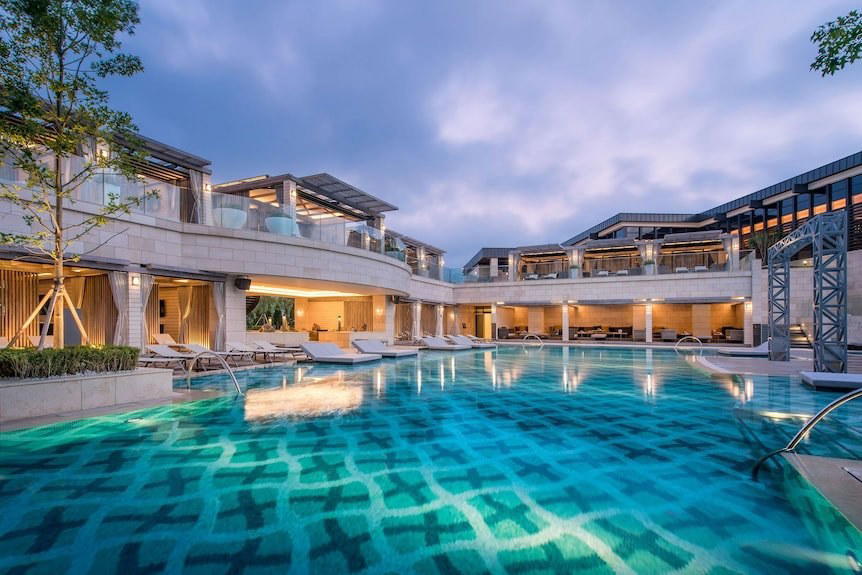
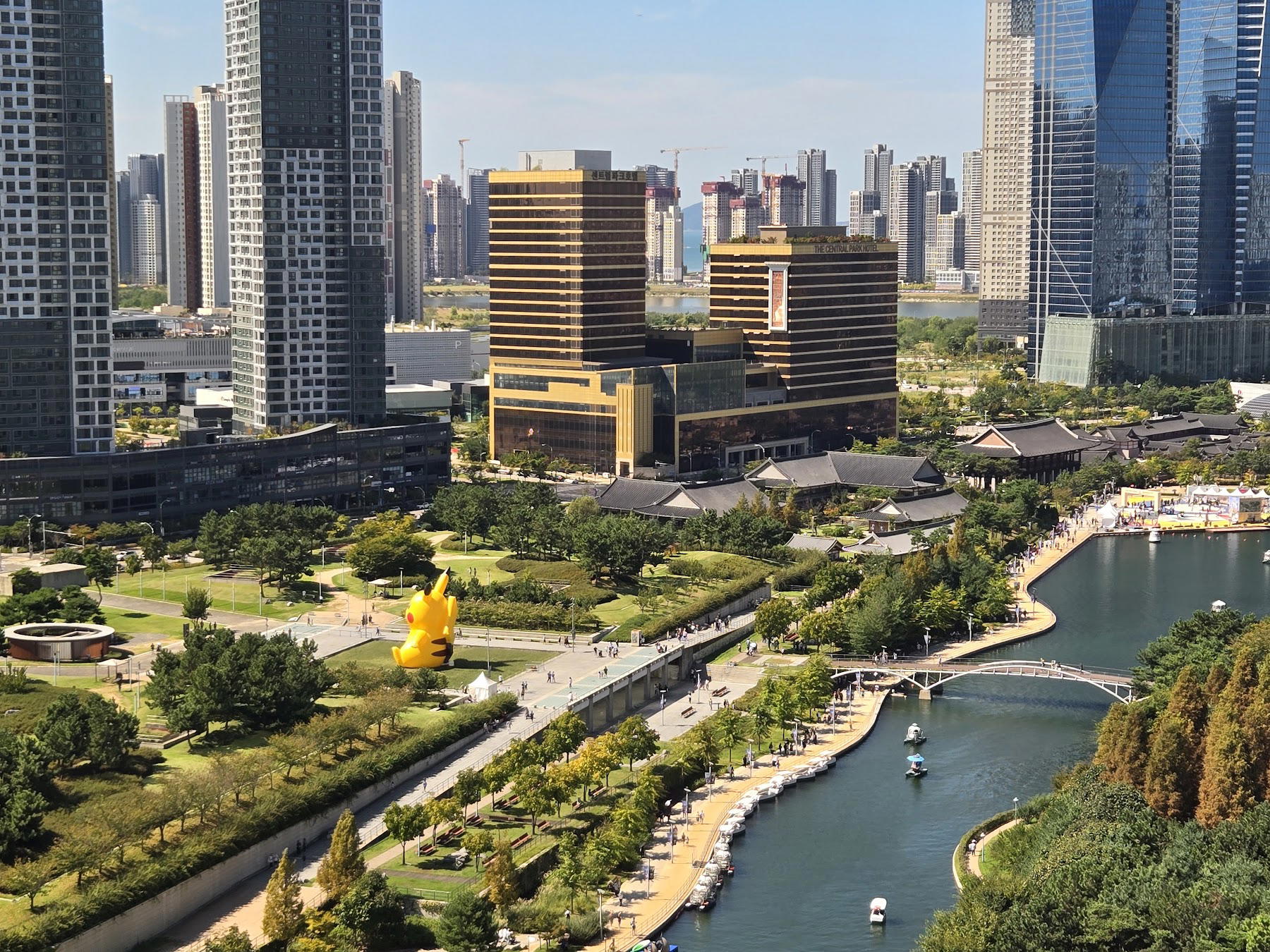
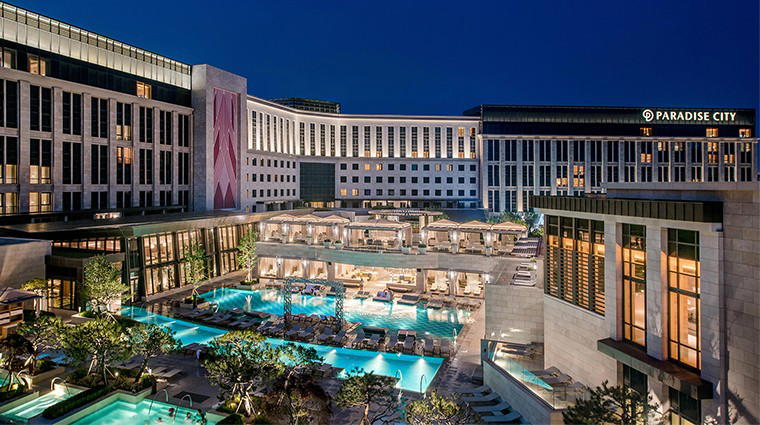
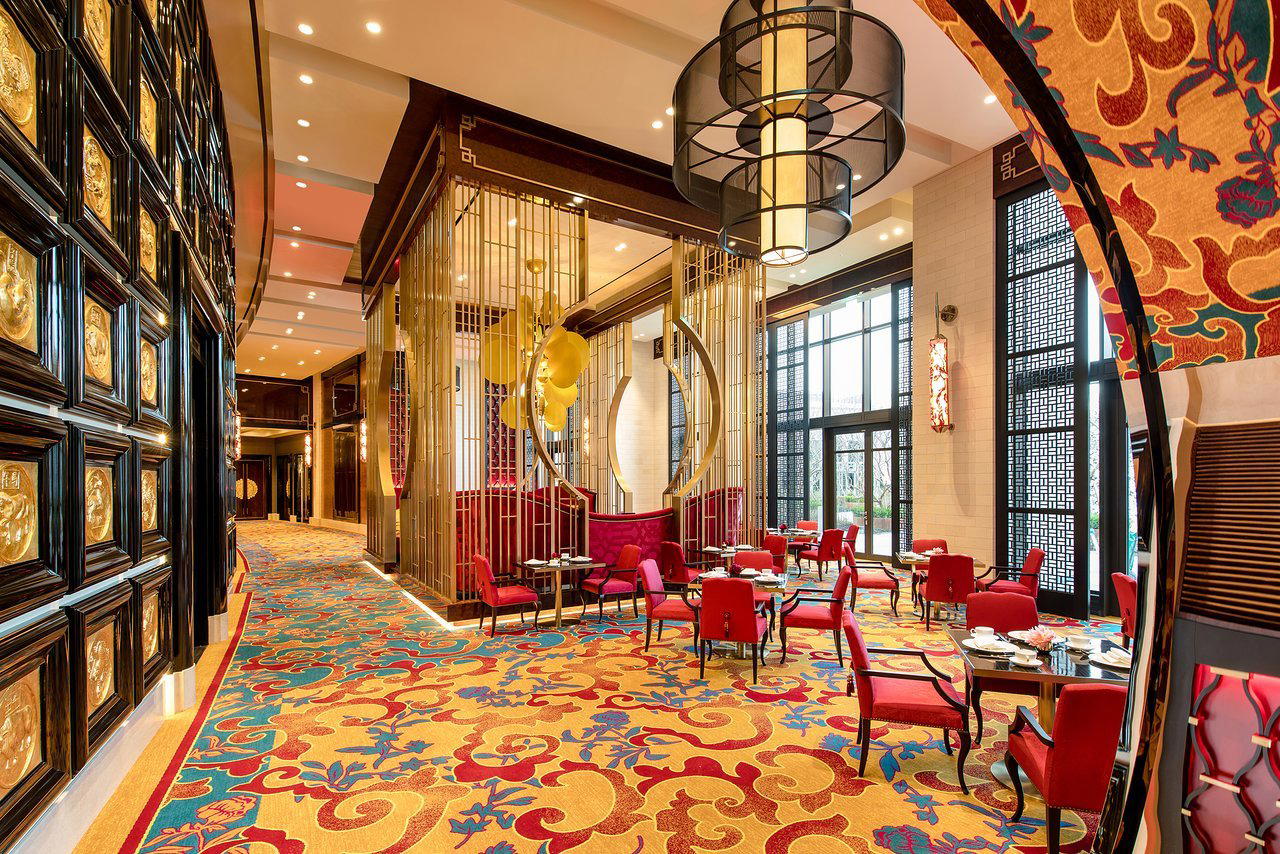
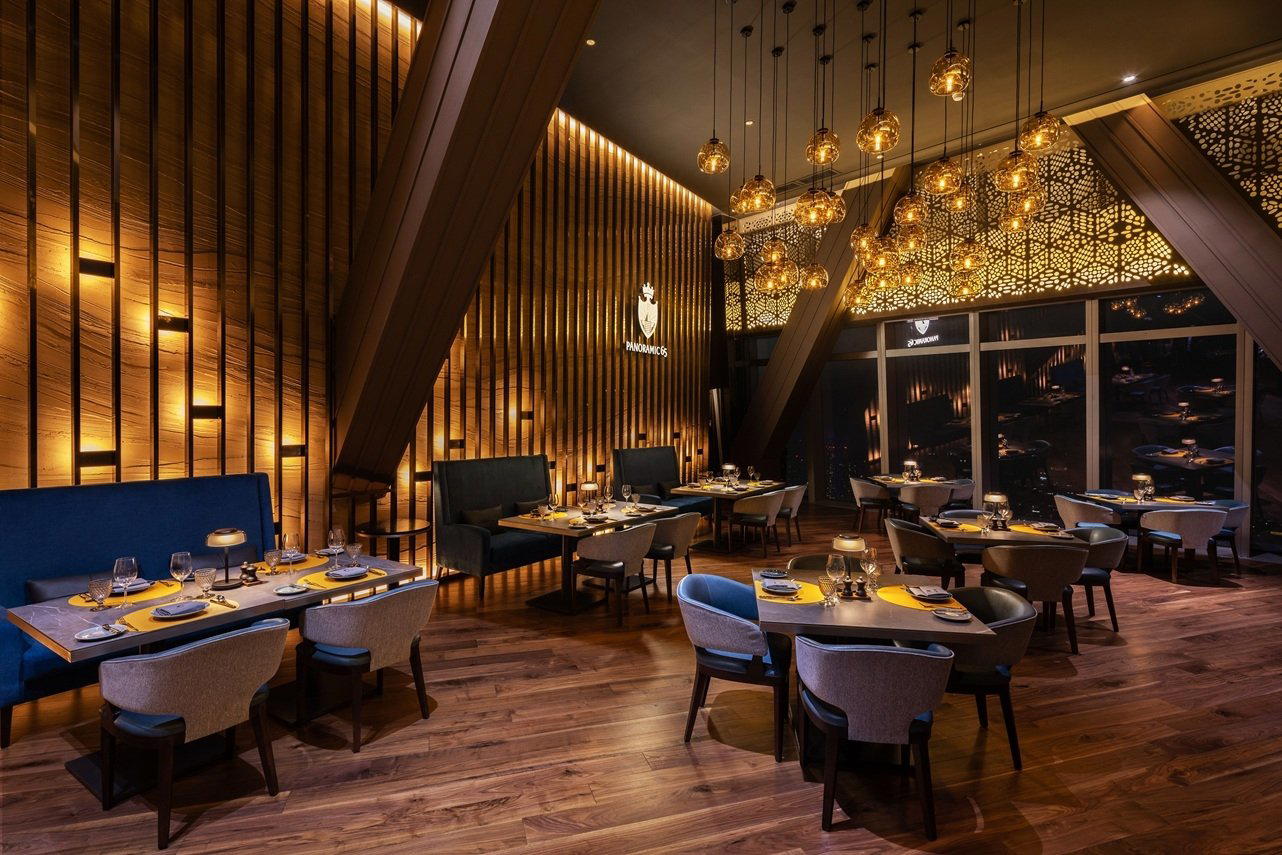
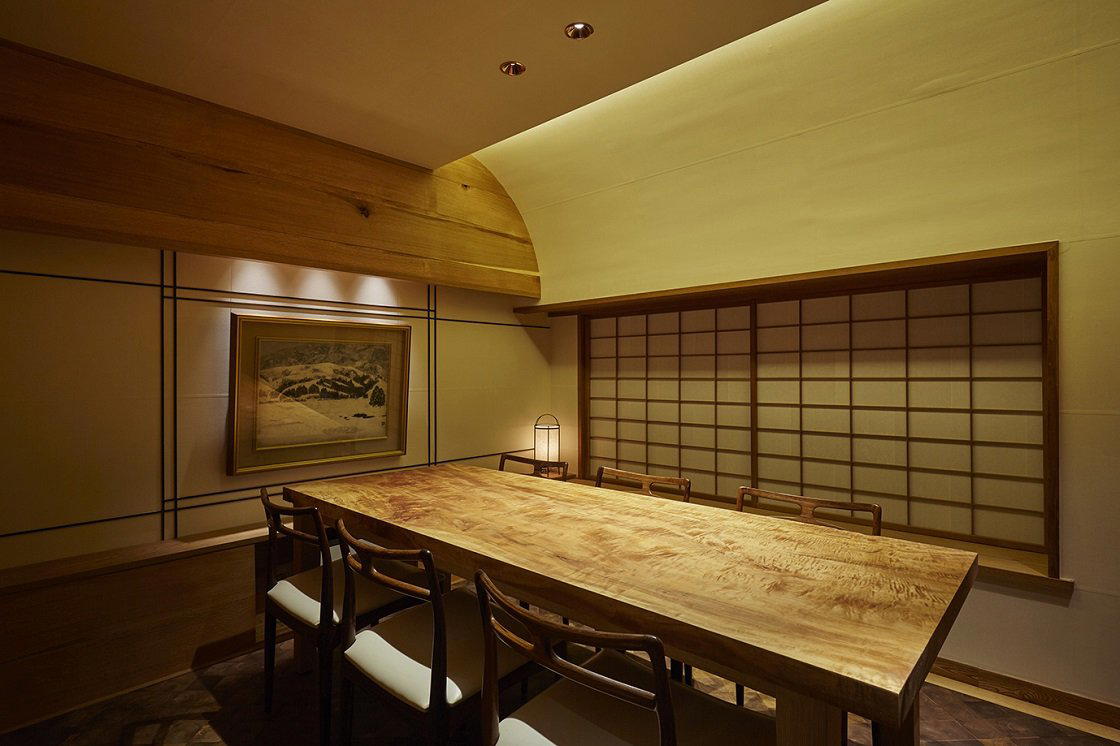
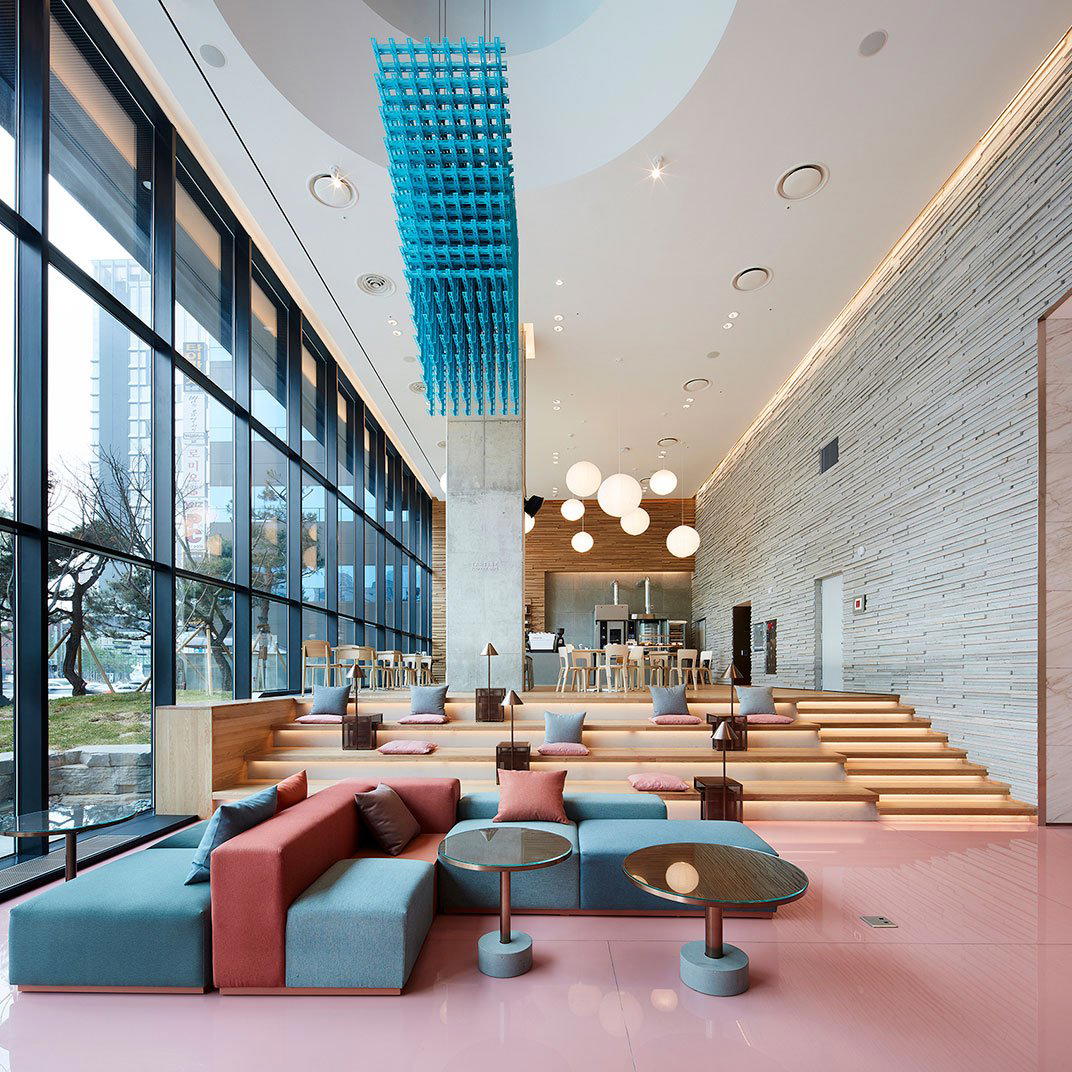
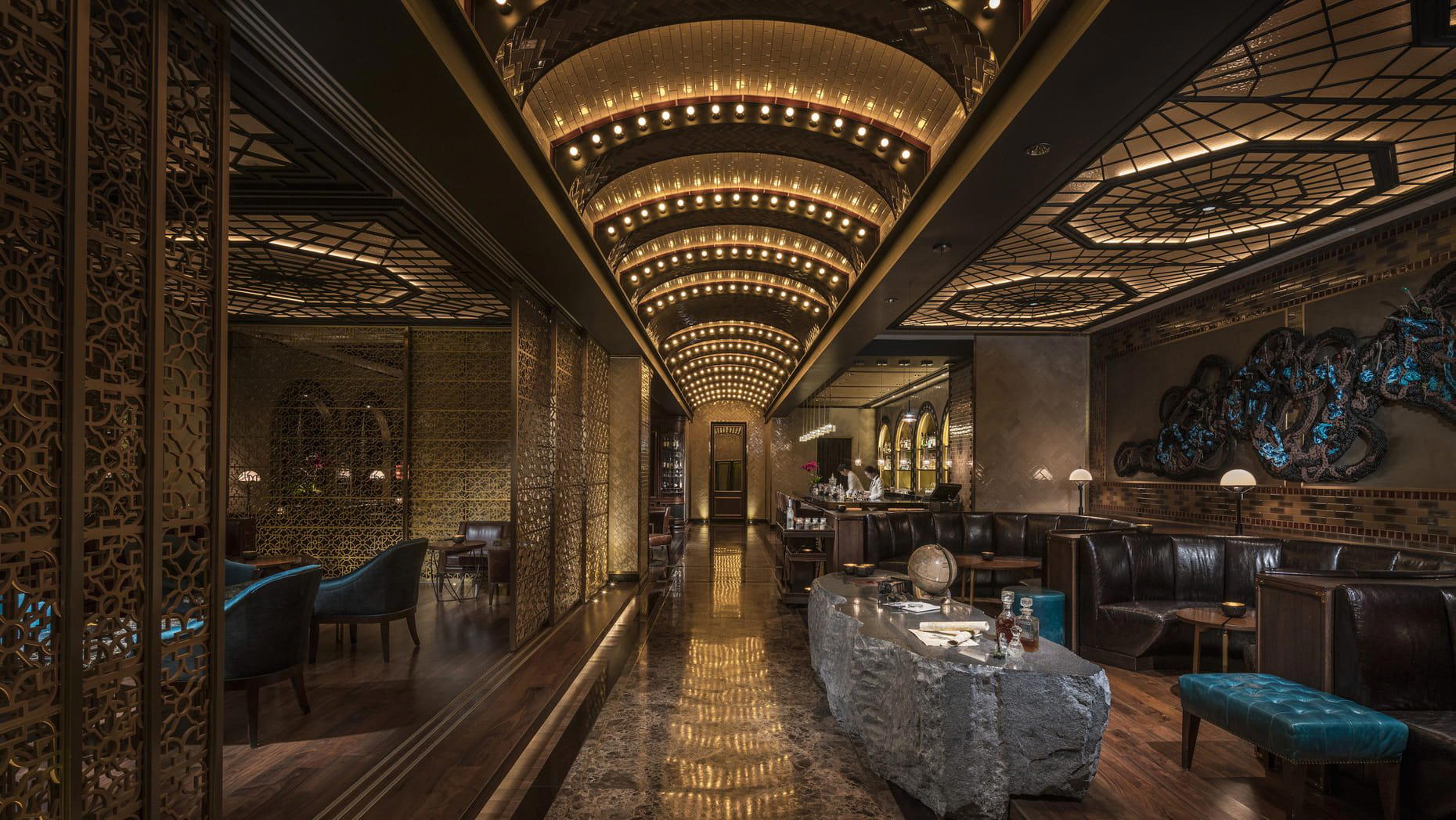
Modern and lively atmosphere blending Western sophistication and Korean tradition, with spacious rooms, elegant granite baths, and a garden-side pool oasis.