VINHO





VINHO places contemporary Korean cooking inside Gangnam’s polished dining circuit, with an open-kitchen counter, dark-toned room and a wine program that gives the meal its spine. Recognition from Michelin, La Liste and Opinionated About Dining puts it in Seoul’s serious modern dining conversation, especially for travelers comparing wine-led Korean menus rather than purely chef-counter formats.
Pearl is the En Primeur Club membership app — saves, bookings, and concierge access live there. Same editors, same standards.
- Address
- #162 Wellstone Bldg, 38 Hakdong-ro 43-gil, Gangnam-gu, Seoul, 06059, South Korea
- Phone
- +82 10-9677-2302
- Website
- restaurantvinho.kr
- Directions
- Get directions
 Saves & bookings on Pearl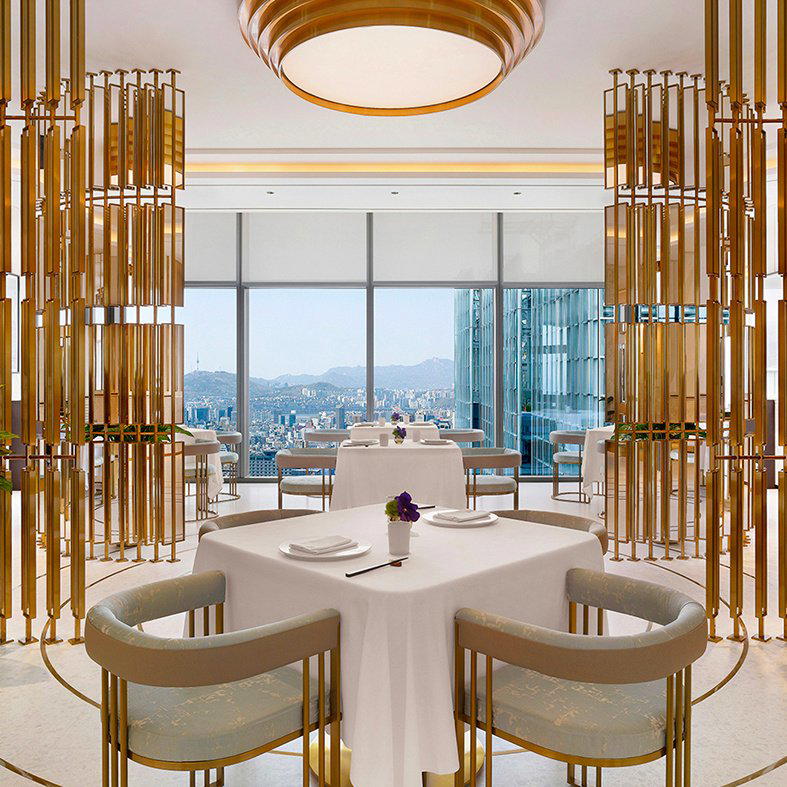
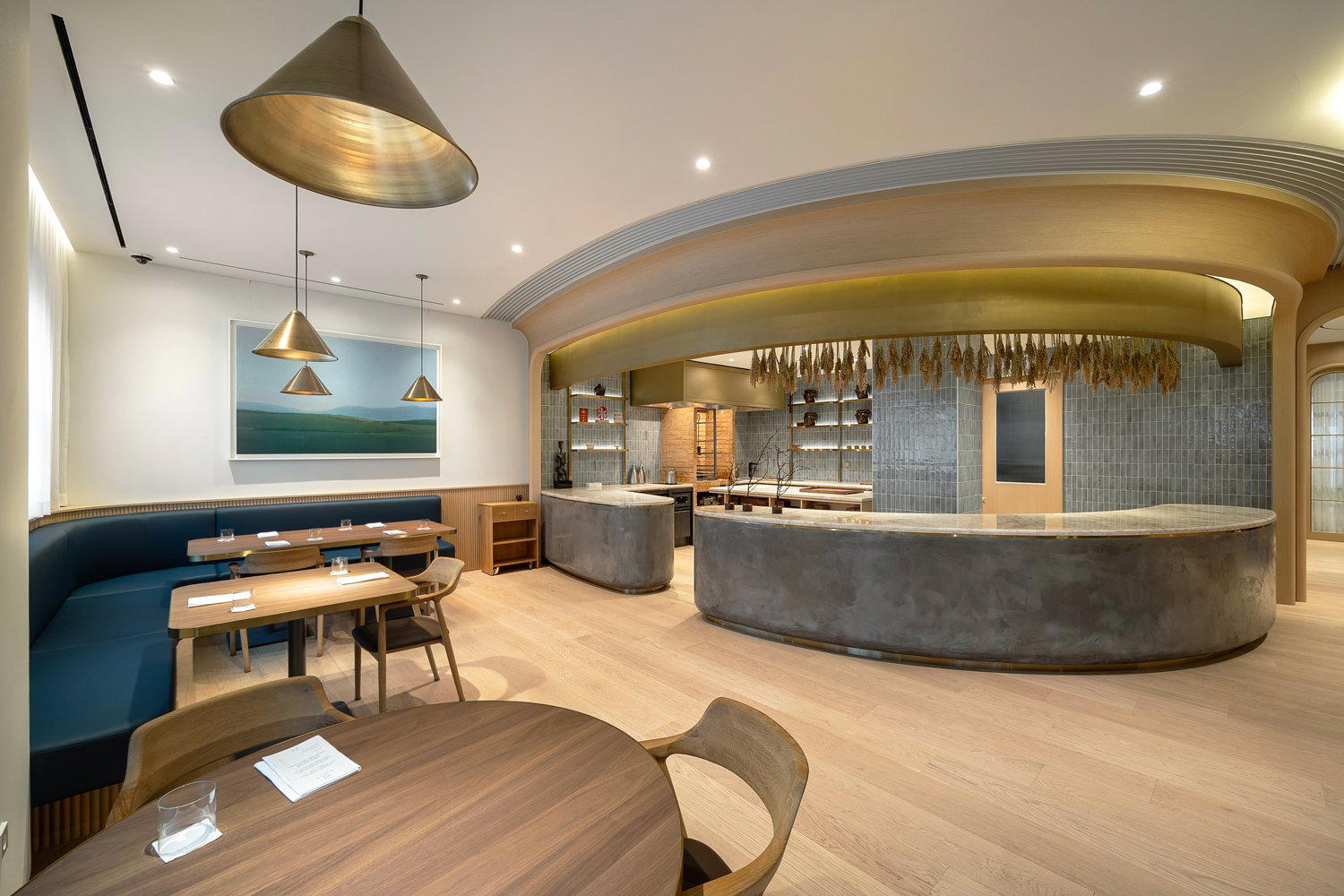
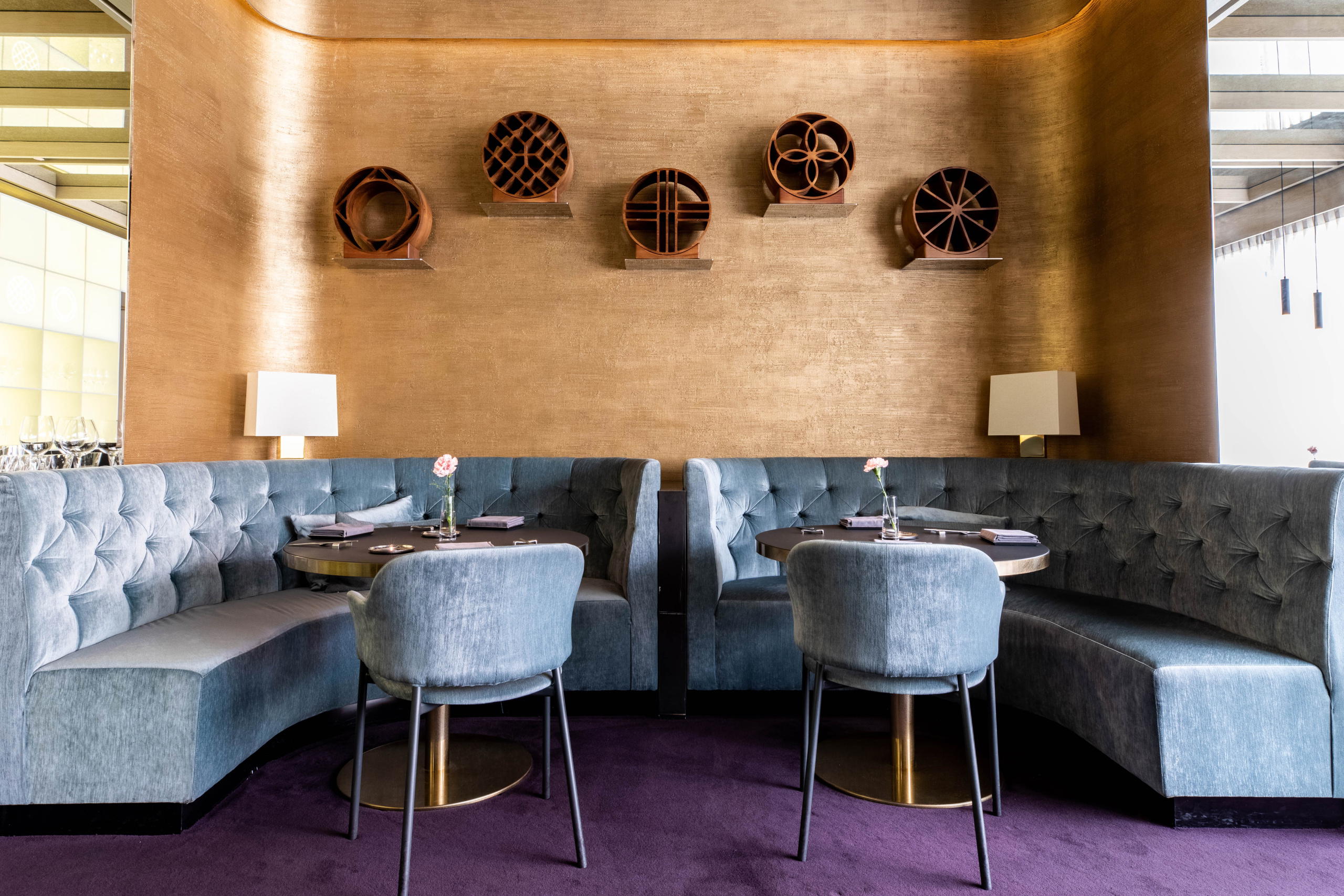
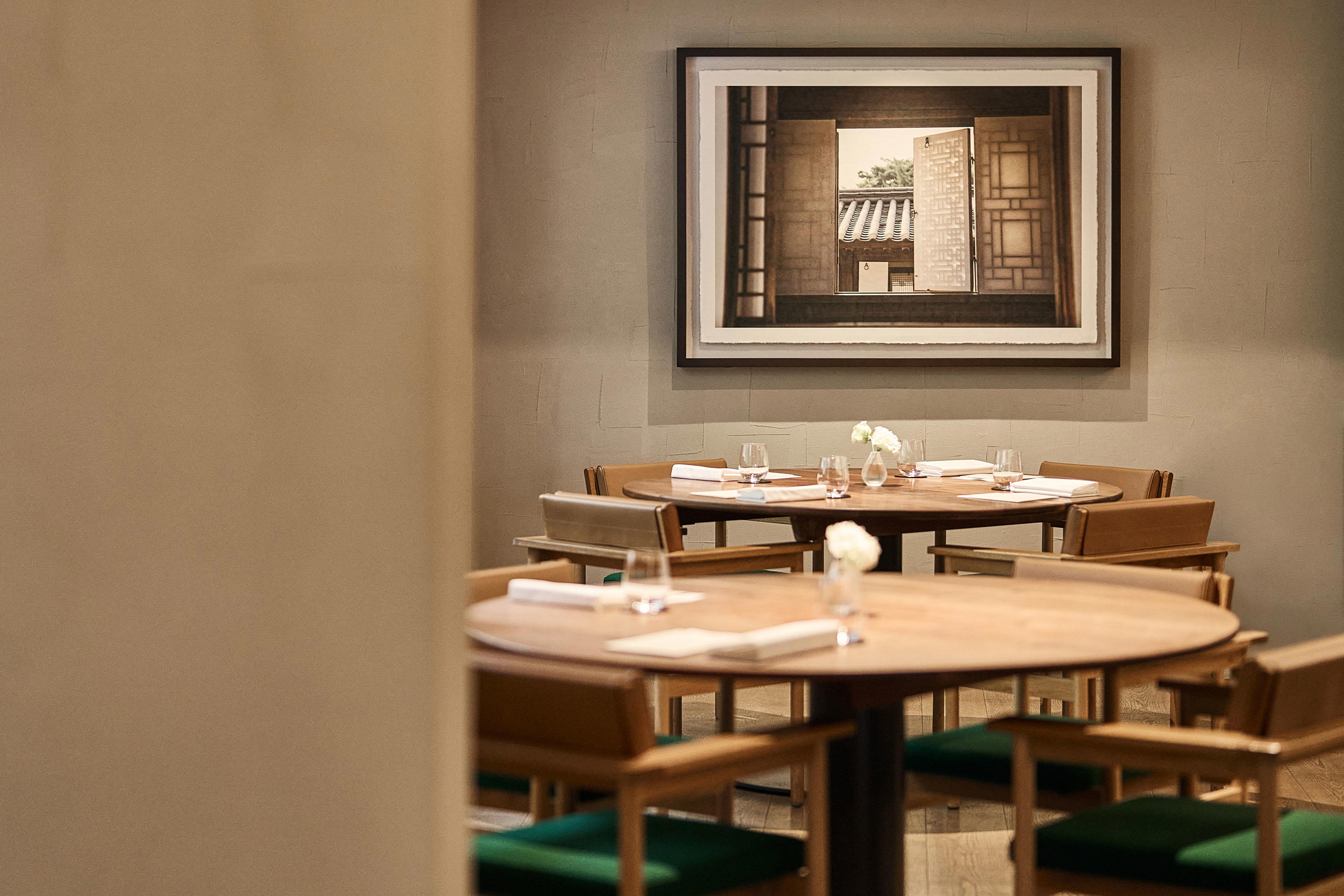
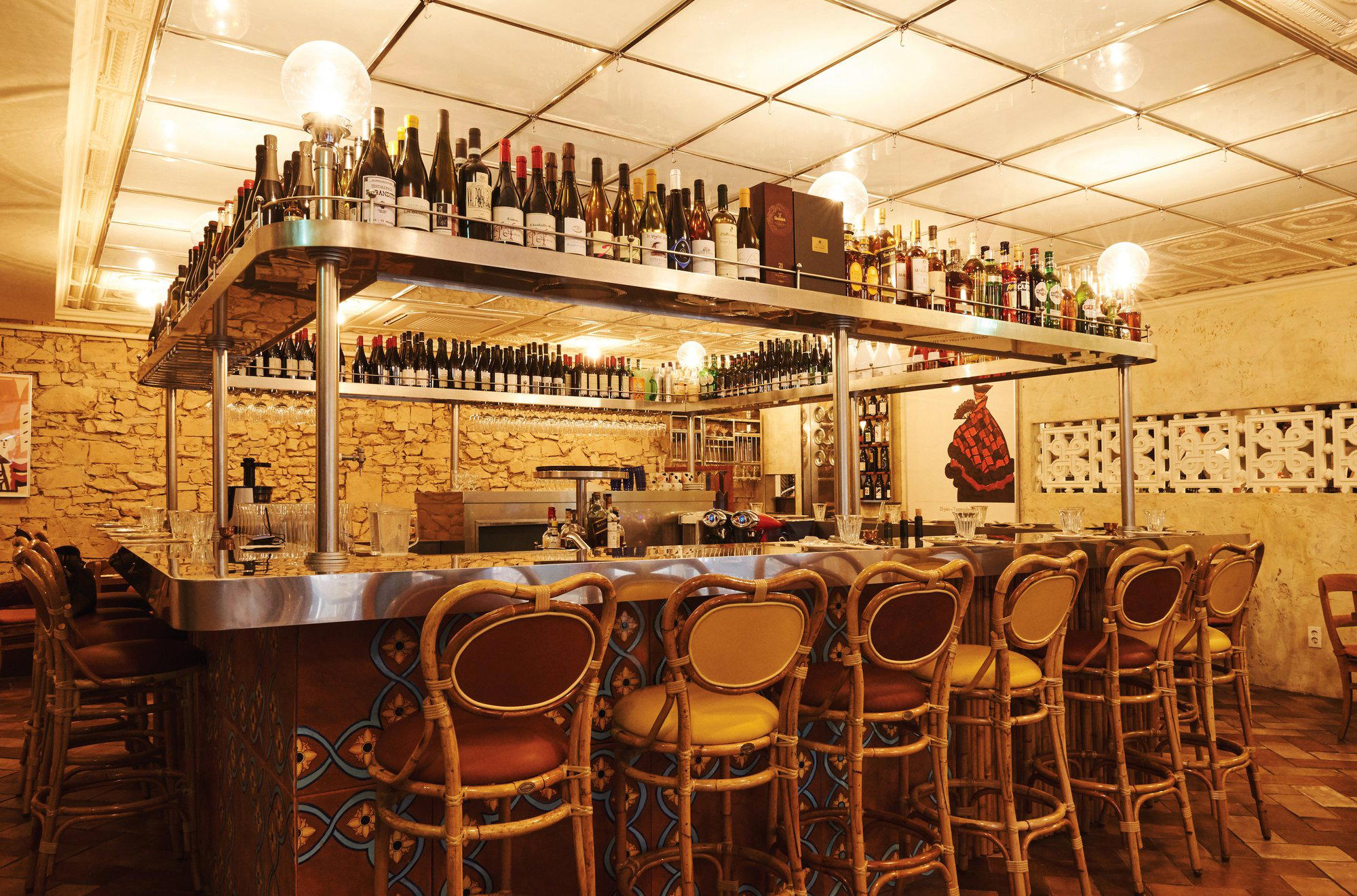
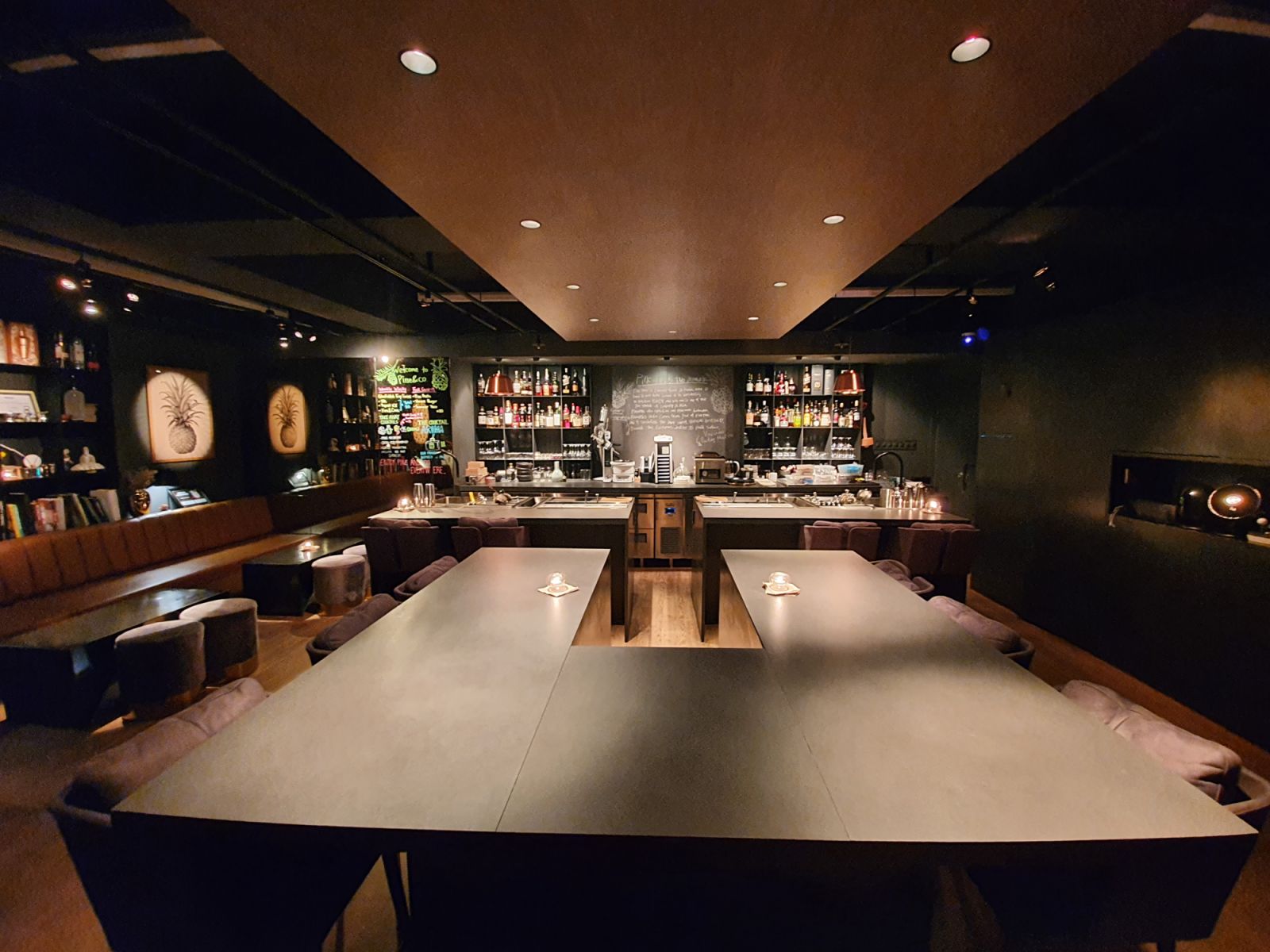
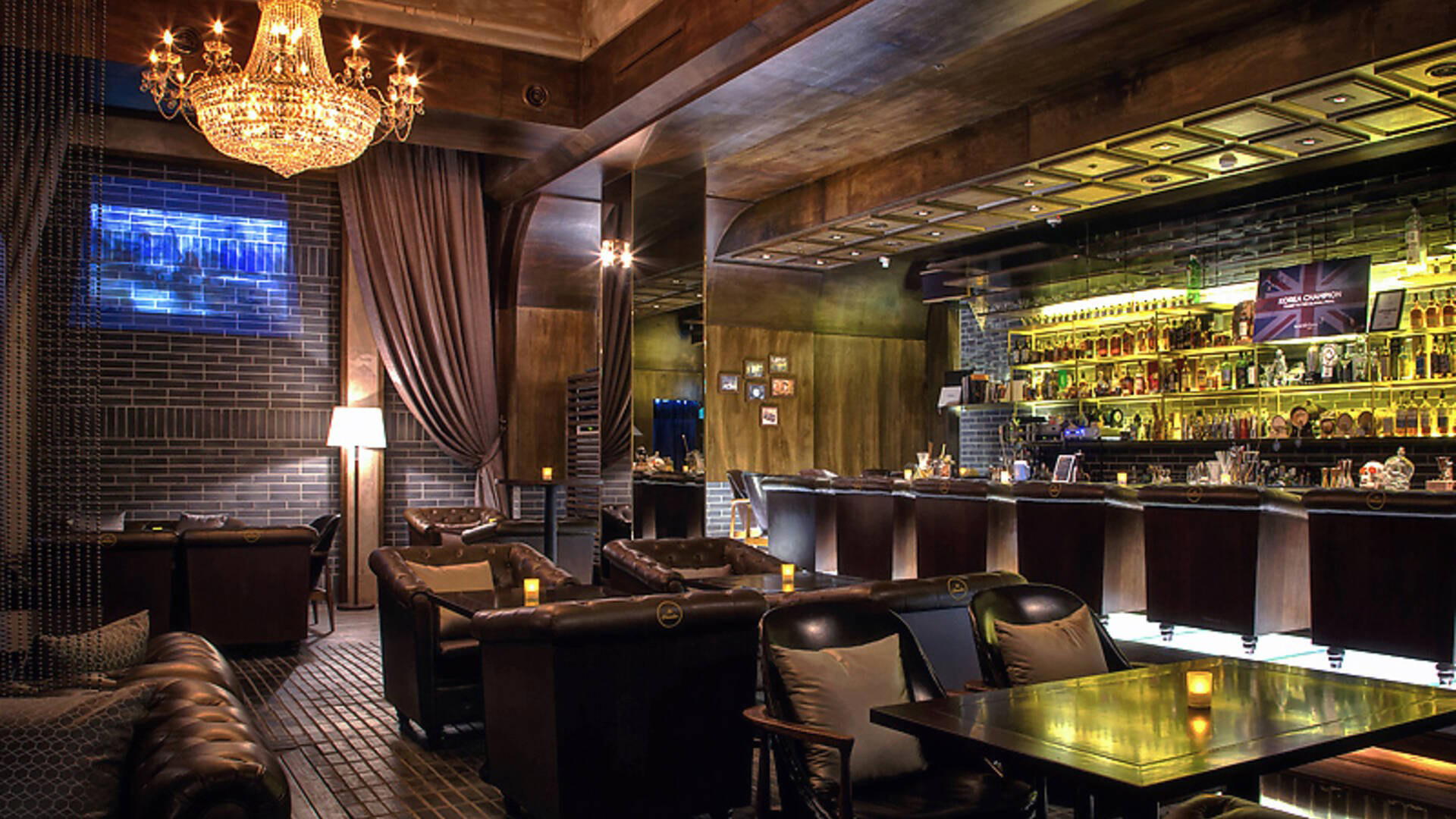
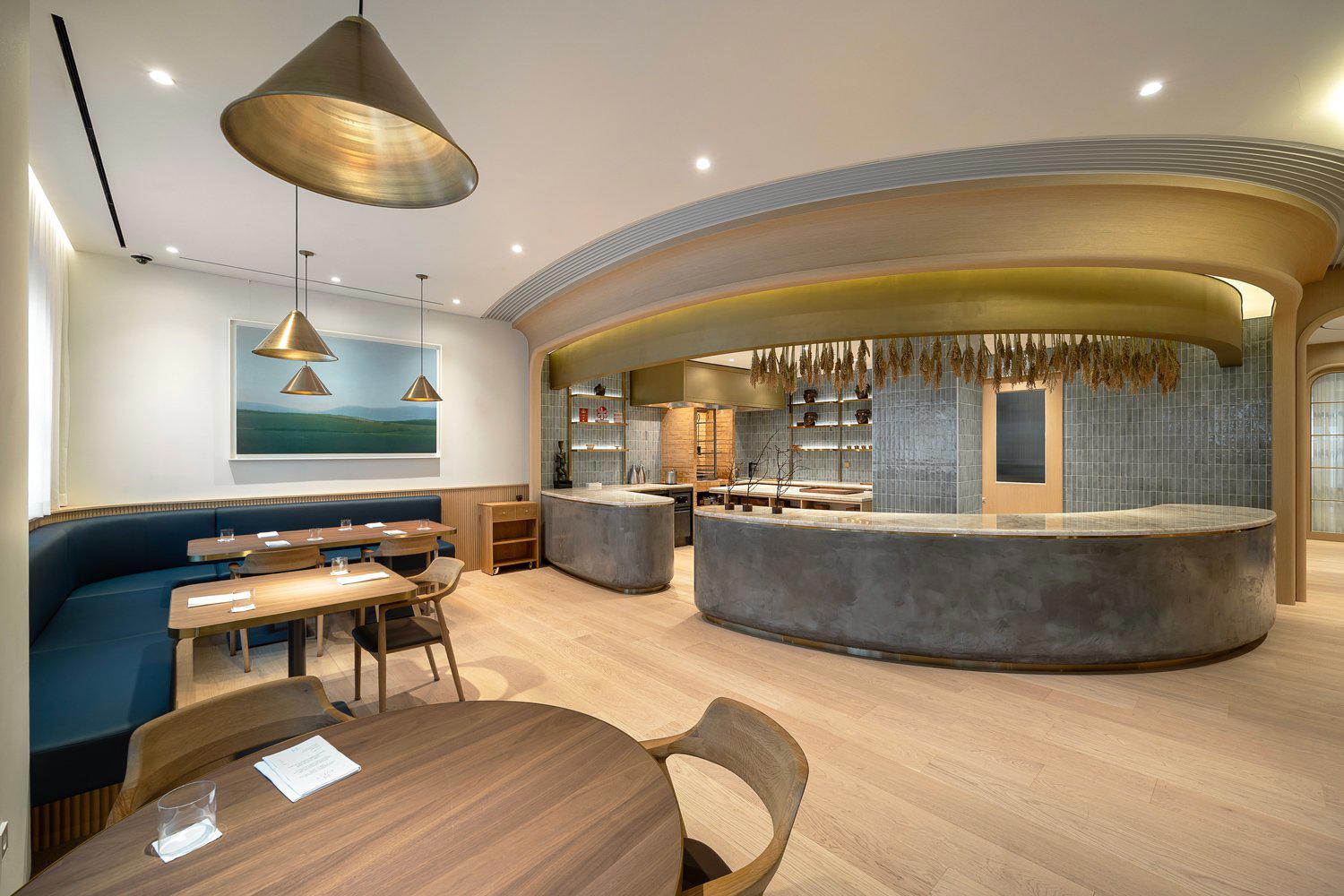
The room states its priorities before the menu: industrial-style ceiling, dark-toned counter, open kitchen and enough proximity to watch courses form without turning dinner into theatre. In Seoul, where polished dining can skew formal or severe, VINHO works a narrower lane: brighter sound, less rigid service, and a wine pairing that is not an add-on but part of the argument.
That matters in Seoul’s contemporary dining scene. Modern restaurants often split into tasting-menu houses reinterpreting tradition, minimalist technique counters and wine-forward rooms where pairing logic matters as much as plating. VINHO belongs close to the last group, setting Korean tradition, modern technique and personal interpretation against a thoughtfully curated wine pairing recommended for diners who want the glass to shape the meal.
Seoul's polished dining circuit, seen through wine
Seoul gives this restaurant its context. The city rewards precision and polish, and its diners often understand wine service as part of the meal rather than a luxury add-on. A seasonal course restaurant with a considered pairing sits differently here than in a more casual dining zone. The room must manage pacing, glassware, temperature, pairings and the social rhythm of a counter facing the kitchen.
Co-owner Chef Sung-bin Jeon gives VINHO a clear authorial line, but the experience is not built around kitchen performance alone. The open counter, easygoing service and music all matter to the way the meal lands. The structural reading is important: wine and atmosphere are built into the concept, not introduced after the food is defined.
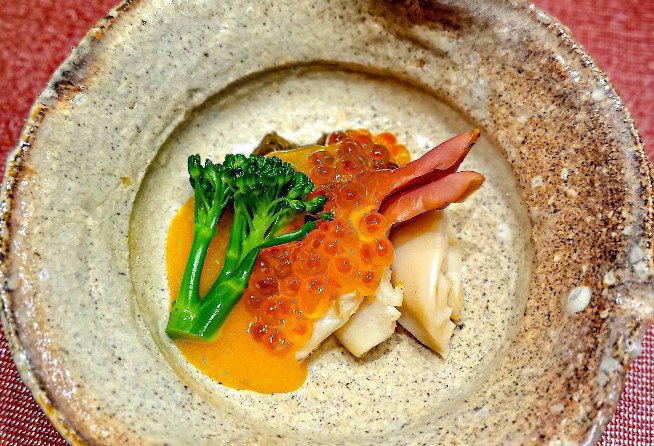
The cooking resists a narrow label. Some Seoul restaurants refine traditional forms with modern plating; others use Korean memory while drawing freely from contemporary technique. VINHO sits close to the latter. Its published description points to seasonal menus, Korean tradition, modern technique and personal interpretation, with subtle, expressive flavours and a bold minimalist aesthetic across the course format.
Recognition for VINHO is best understood through the experience described by the venue itself: an industrial-style ceiling, dark-toned counter, open kitchen, bright music and relaxed yet refined service. Those signals put the restaurant in a serious Seoul conversation, but the sharper distinction is wine. For diners comparing Seoul’s contemporary restaurants, the question is whether the meal is chef-led progression, wine-and-food dialogue or a more casual evening.
How the counter changes the meal
The elongated counter and open kitchen keep the experience from feeling sealed off. Open kitchens can make cooks performers or create quiet accountability. Here, the counter seems designed to show the kitchen while preserving a relaxed ease: guests can read the pace, follow dish assembly and still converse without solemnity.
That informality is a useful Seoul marker. The city’s tasting-menu culture can be exacting and, in higher polish rooms, often borrows from multiple fine-dining languages. VINHO’s published atmosphere, bright music, relaxed service and refined room suggest a softer model: structured and serious, but less ceremonial.
The wine pairing is the practical differentiator. A thoughtfully curated pairing tells experienced diners something before any glass is poured: the meal is intended as a dialogue rather than a sequence of dishes followed by optional drinks. For seasonal cooking that blends Korean tradition and modern technique, that can mean letting each glass shape how subtle, expressive flavours and textures register across the course experience, while leaving room for the menu’s minimalist aesthetic to stay in focus.
Seoul travelers comparing similar ambitions can choose more precisely. Aelgerizm offers another contemporary point of reference, while Goryori Ken frames a different kind of high-end meal. Other Seoul dining rooms further show how the city’s modern restaurants split between spectacle, tasting-menu structure and polished restraint. VINHO is clearest for diners who want a seasonal course experience with a serious bottle conversation attached.
Where it fits in a Seoul dining itinerary
International visitors can misread Seoul’s premium dining geography by focusing only on obvious sightseeing routes. That misses how much of the city’s restaurant culture depends on private dining, wine collectors, late dinners after work and polished rooms built for repeat locals rather than sightseeing traffic. VINHO benefits from that ecosystem. It need not behave like a destination landmark to be useful; it belongs to a city where wine-led meals with Korean reference points make commercial and cultural sense.
The itinerary logic is strongest on a Seoul trip already taking contemporary dining seriously. A first night may call for a more traditional table or a casual local meal. A later evening can absorb VINHO, where the interest lies in Korean flavours reframed through modern technique and a wine pairing that helps structure the courses. This is a planned evening, not a casual add-on between appointments.
Readers mapping the city can use our full Seoul restaurants guide for dining context, then cross-check where to stay through our full Seoul hotels guide. The same trip may include drinking rooms from our full Seoul bars guide, cellar-focused research through our full Seoul wineries guide and cultural planning from our full Seoul experiences guide.
Within South Korea, it also belongs to a wider regional conversation. Compare the capital’s contemporary polish with other regional tables across the country. The contrast is useful: Seoul’s premium contemporary restaurants often compress technique, wine and design into one room, while regional meals can draw more directly on place, produce or tradition.
For broader contemporary comparison outside Korea, other modern dining rooms show how the same broad language changes with cellar, region and dining culture. That is the useful lens for VINHO: not a generic modern restaurant, but a Seoul expression shaped by wine service, counter proximity and a clientele fluent in both.
The Short List
Comparable venues to calibrate price, style, and recognition.
| Venue | Cuisine | Price | Notes |
|---|---|---|---|
| VINHOThis venue — the venue you are viewing | 압구정동, Modern Korean Contemporary | $$$$ | Not listed |
| Bicena | Not listed | $$$$ | Jamsil-dong, Contemporary Korean Fine Dining |
| Soul | 소공동, Contemporary Korean Fusion | $$$$ | Not listed |
| YUN | 소공동, Modern Korean Fine Dining | $$$$ | Not listed |
| Muoki | 압구정동, Contemporary Fine Dining | $$$$ | Not listed |
| Sushi Matsumoto | 압구정동, Edomae Sushi Omakase | $$$$ | Not listed |
Recognition history
Dated appearances from independent guides and award organizations, with the underlying list record or original source where available.
La Liste Top Restaurants
La Liste
Michelin 1 Star
Michelin
Opinionated About Dining Top Restaurants in Asia Recommended
Opinionated About Dining
Star Wine List
Star Wine List
Michelin 1 Star
Michelin
Wine Spectator Best of Award of Excellence
Wine Spectator
Michelin 1 Star
Michelin

At a Glance
- Lively
- Modern
- Elegant
- Sophisticated
- Intimate
- Date Night
- Special Occasion
- Open Kitchen
- Chefs Counter
- Extensive Wine List
- Sommelier Led
- Street Scene
Lively communal wine-and-dine atmosphere with expansive window walls, open kitchen, elongated counter, and dynamic rock music.