Hinode
Our verdict
Located in Jeju's Jungmun resort corridor, Hinode sits within one of South Korea's most ingredient-rich coastal zones, where proximity to volcanic farmland and the surrounding sea shapes what ends up on the plate. The restaurant draws from the same regional sourcing tradition that defines serious Jeju dining, placing it in a category where provenance, not spectacle, is the primary editorial story.

Pearl is the En Primeur Club membership app, where members save venues, book tables and use the concierge.
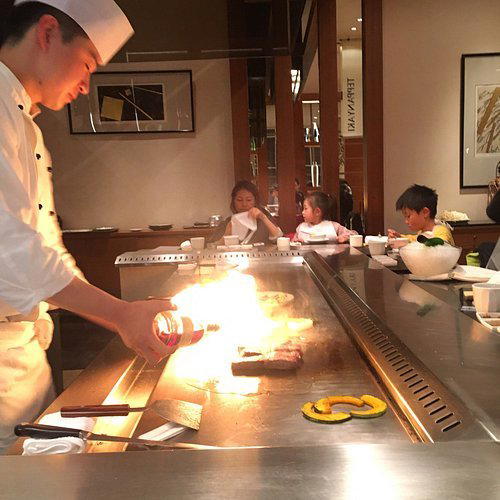
Where Jeju's Ingredient Culture Takes Shape
The Jungmun tourism belt in Seogwipo has two distinct culinary registers. There is the resort-facing tier, hotel restaurants and catch-all menus designed for visitors moving quickly through a holiday itinerary, and then there is a quieter layer of places that operate closer to how Jeju people actually eat, shaped by what grows in volcanic soil and what comes out of the water surrounding the island. Hinode (히노데), addressed on Jungmun-gwanwangno 72beon-gil in the Saekdal-dong district of Seogwipo, sits geographically within the resort corridor but is part of that second register. The address alone positions it away from the main promenade crowd, in the kind of side-street location that tends to reward the visitor willing to look past the obvious.
Seogwipo is the southern city of Jeju Island, and its dining character differs meaningfully from the more commercialised north around Jeju City. The landscape here, darker basalt coastline, citrus groves, and the windward agricultural zones feeding into the Jungmun area, generates a sourcing environment that gives attentive restaurants a material advantage. When a kitchen in this area sources seriously, the proximity to that supply chain is measurable on the plate in a way that urban restaurants on the mainland cannot replicate by logistics alone.
Jeju as a Sourcing Environment
Across South Korea, the conversation around ingredient provenance has sharpened considerably over the past decade. Restaurants like Mingles in Seoul have made Korean terroir a central editorial argument, placing fermented local ingredients alongside fine-dining technique to international recognition. That broader shift has also changed expectations at the regional level. Diners arriving in Jeju, whether from Seoul, Tokyo, or further, now carry an awareness that the island has a distinct pantry: haenyeo-harvested seafood, Hallasan-area produce, Jeju black pork, and tangerine-inflected preparations that mark a dish as specifically from here rather than generically Korean.
This creates a meaningful fork in how Jeju restaurants position themselves. Some lean into that identity aggressively, building menus around named local producers and seasonal harvest windows. Others treat Jeju ingredients as a backdrop rather than a protagonist. The distinction matters to anyone eating their way through Seogwipo with any seriousness. For broader context on Jeju's dining range, 88돼지 in 제주시 and Black Pork BBQ in Seogwipo each represent a different point on that spectrum, the former a local institution built on Jeju black pork, the latter a visitor-facing format. Hinode occupies its own position in that field, shaped by its Jungmun address and the demographic mix the area brings in.
Seogwipo also sits within the broader South Korean regional dining circuit that has been gaining critical mass. Mori in Busan demonstrated that serious dining culture is no longer a Seoul monopoly, and that pattern has extended to Jeju, where the island's geographic separation from the mainland has historically encouraged a distinct food identity rather than diluting it. The haenyeo tradition, female divers who harvest abalone, sea urchin, and various shellfish from the waters around Jeju without equipment, remains a live practice rather than a heritage performance, and its output feeds directly into the island's restaurant supply.
The Jungmun Address in Context
Jungmun as a district hosts the Lotte Hotel Jeju, the Shilla Jeju, and a cluster of international-facing amenities that push some visitors toward assumptions about the area's dining character. Those assumptions are worth resisting. The side streets off the main resort access roads contain a different density of neighbourhood eating, where the clientele skews local and Korean domestic rather than international. Hinode's position on 중문관광로72번길, a smaller junction off the main Jungmun artery, places it in this secondary layer. Nearby, 국수바다, 삼보식당, and 오는정김밥 each represent the kind of local-facing operation that defines the Seogwipo neighbourhood eating scene, as covered in our full 서귀포시 restaurants guide.
That is not a lesser argument. It is simply a different one, and Seogwipo's side-street operations tend to make it more convincingly than the resort-adjacent rooms with their international buffets and sea-view surcharges.
Contrast this with the precision-sourcing model employed by fish-focused restaurants internationally, Le Bernardin in New York City being the reference point most often cited, and the argument for paying attention to ingredient origin at the regional Korean level becomes clearer. Proximity compresses the supply chain in ways that cold-chain logistics cannot fully substitute. A Seogwipo restaurant drawing on the day's haenyeo harvest operates within a different time window than a Seoul kitchen sourcing the same product by overnight freight.
Dining Further Afield: Regional Context for Jeju Visitors
Visitors spending more than a single meal in the Jeju-Seogwipo area often extend their curiosity to other parts of the Korean peninsula's regional dining circuit. Hwangnam Bread and Busan Steamed Bun in Gyeongju, Gyeongju Wonjo Kongguk in 경주시, and Gobojeong Galbi #1 in 수원시 each illustrate how regional specificity, a particular bread, a specific bean preparation, a city's galbi tradition, functions as the editorial organising principle of Korean dining outside Seoul. Jeju fits that model well, with the island's black pork, citrus preparations, and seafood culture forming a distinct culinary fingerprint that serious regional dining should engage rather than bypass. For those considering mainland stops, Doosoogobang in Suwon, Injegol in Inje County, Market Café in Incheon, Dining Room (다이닝룸) in 부산광역시, and Badang Lounge in Jeju round out a picture of how seriously Korean regional dining has developed across the peninsula.
Planning a Visit
Hinode is located at 중문관광로72번길 75, 색달동, Seogwipo, Jeju Special Self-Governing Province (postal code 63535). The Jungmun area is most easily reached by rental car or taxi from Jeju City, with the drive taking approximately 40 minutes depending on traffic. Seogwipo's dining scene is generally busiest during the summer months (July to August) and the spring citrus and cherry blossom period, when domestic Korean tourism peaks on the island; visiting in shoulder season, late autumn or early spring, typically means shorter waits and more local-leaning clientele.
Frequently asked questions
What's the address for Hinode (히노데)?
Hinode (히노데) is located at 중문관광로72번길 75, 색달동, 서귀포시, 제주특별자치도, 63535, 서귀포시.
Is Hinode (히노데) in Seogwipo suitable for a meal away from the Jungmun resort strip?
Hinode is located at 중문관광로72번길 75 in 색달동, Seogwipo, an address within the Jungmun zone but outside the main hotel cluster anchored by the Lotte and Shilla properties. That positioning places it in the more locally oriented dining tier, which across Jeju has drawn increasing attention as travellers look beyond resort-facing menus toward kitchens shaped by the island's own ingredient culture.
What dish is Hinode (히노데) famous for?
Expect the menu to reflect what the island's sourcing environment makes available rather than a fixed signature dish.
What's the best way to book Hinode (히노데)?
No website or phone number is currently listed for Hinode at its 중문관광로72번길 75, 색달동, Seogwipo address. Visitors planning a meal there are best served by asking locally on arrival in Jungmun or checking Korean dining platforms such as Naver Map or Kakao Map, where contact details and hours are often maintained by user contributions.
What's the signature at Hinode (히노데)?
Without a published menu on record, the clearest read on Hinode's identity comes from its location in Seogwipo's Jungmun district, where restaurants outside the resort tier typically anchor their offer to Jeju's local produce cycle. The name Hinode carries Japanese-derived associations, which may point toward a Japanese-influenced approach, though this should be confirmed directly with the venue.
Continue exploring
More in Seogwipo
Restaurants in Seogwipo
All restaurants in Seogwipo →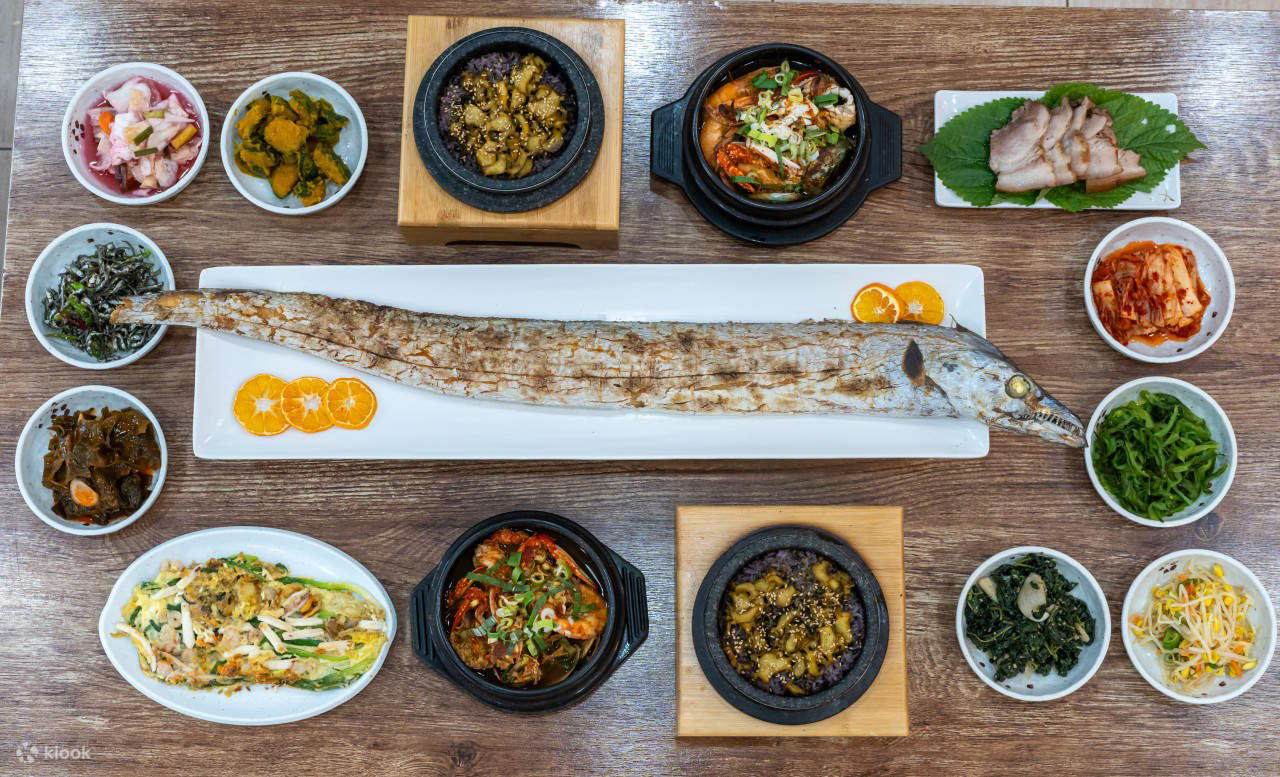
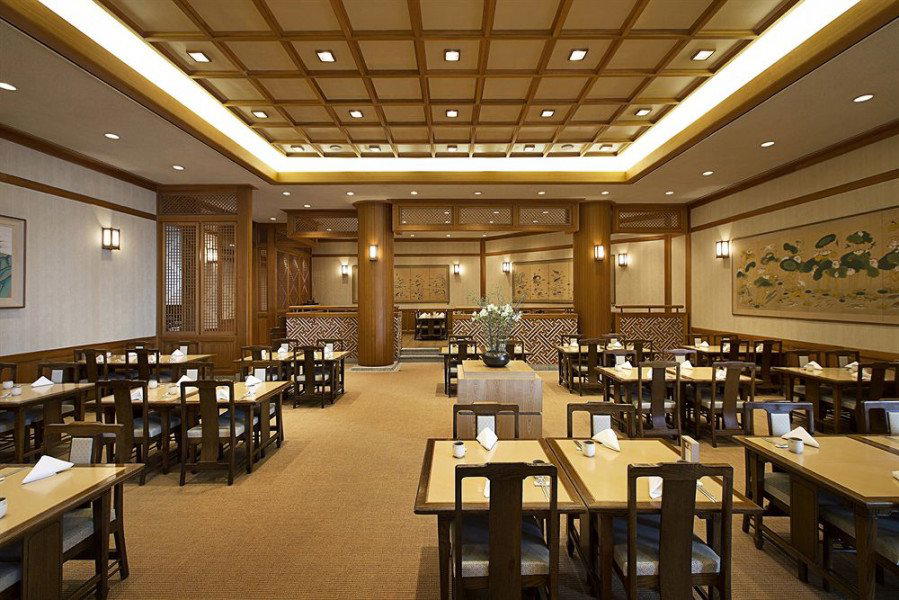
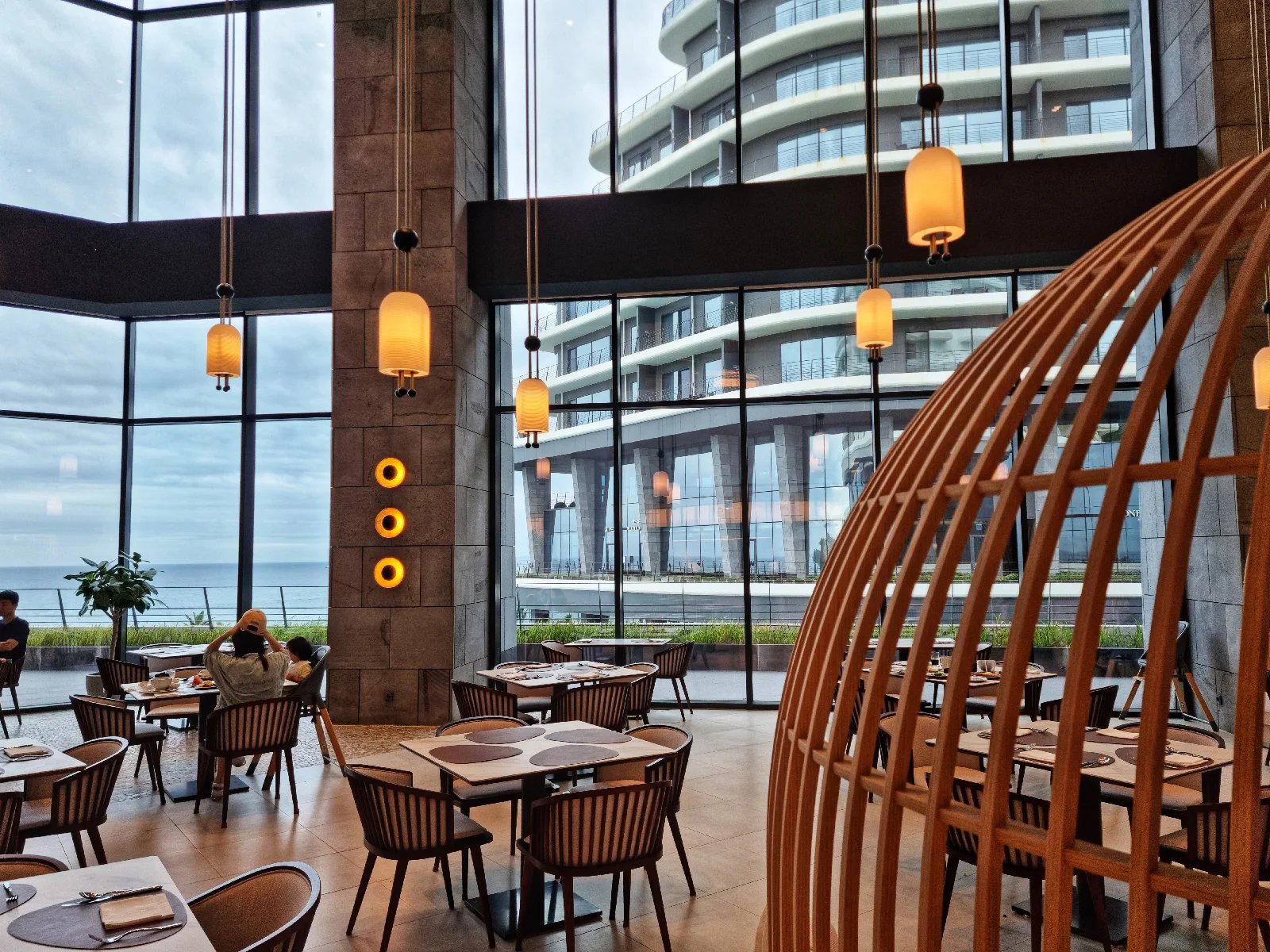
Bars in Seogwipo
All bars in Seogwipo →
Details
- Elegant
- Sophisticated
- Special Occasion
- Date Night
- Business Dinner
- Hotel Restaurant
- Standalone
- Local Sourcing
- Sustainable Seafood
- Pescatarian Friendly
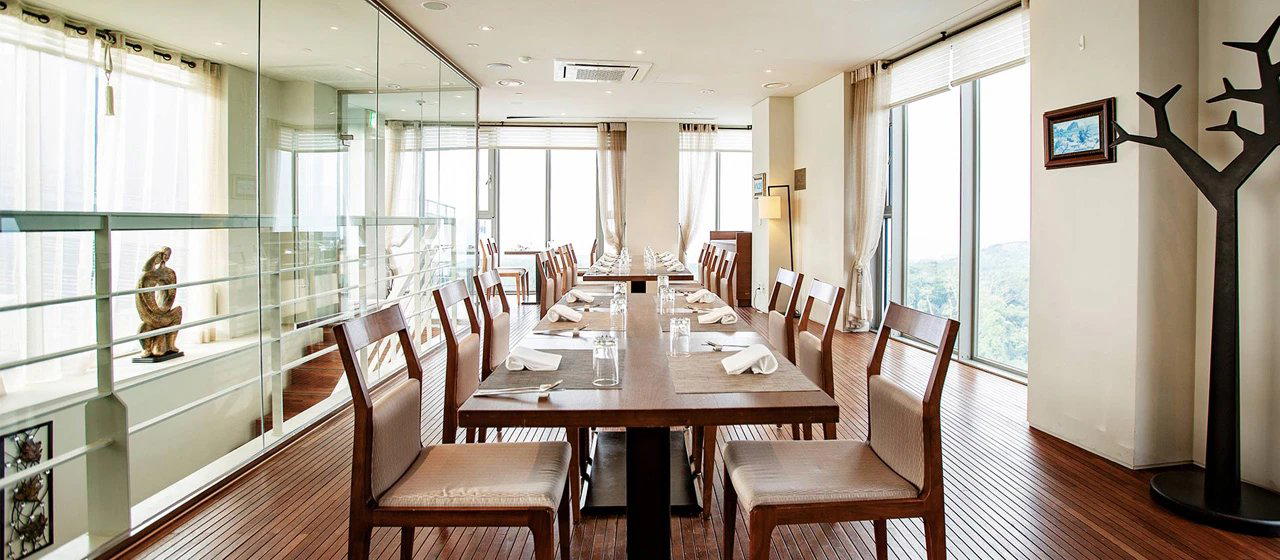
Upscale hotel fine-dining atmosphere with service described by guests as friendly.