Harald Irka am Pfarrhof - Fine Dine




1 Michelin Star · La Liste Top Restaurants · Star Wine List
Our verdict
A Michelin-starred table inside a 13th-century rectory in Styria's Sausal wine country, Harald Irka am Pfarrhof operates at the quieter, more deliberate end of Austria's fine dining circuit. The surprise menu runs five or seven courses, pairing regional and international ingredients with precision, and the converted stables offer overnight accommodation for those arriving from a distance.

Pearl is the En Primeur Club membership app, where members save venues, book tables and use the concierge.
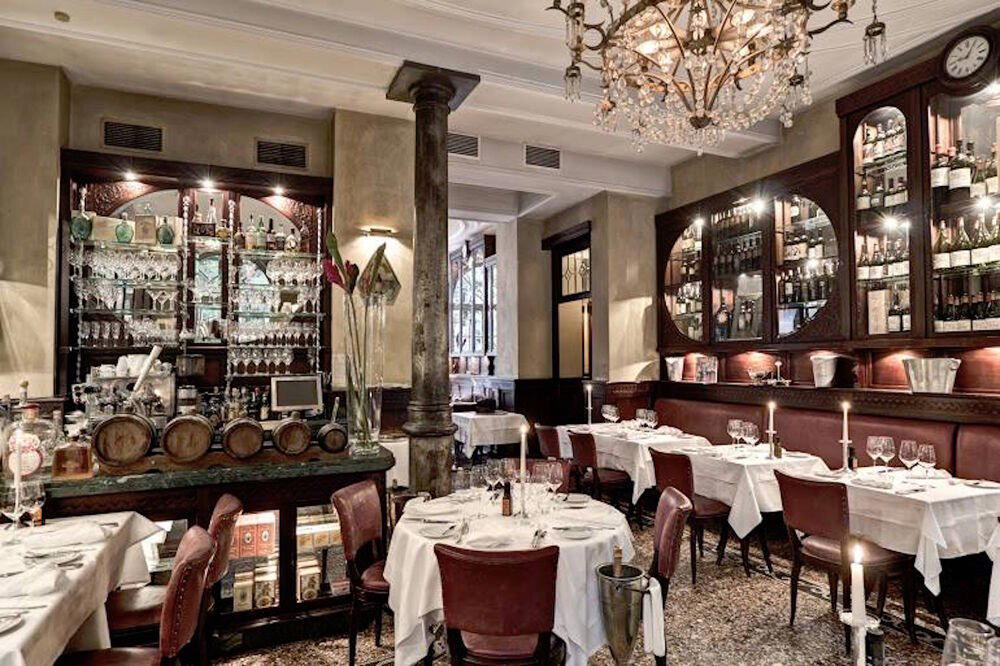
A Rectory in Sausal Wine Country
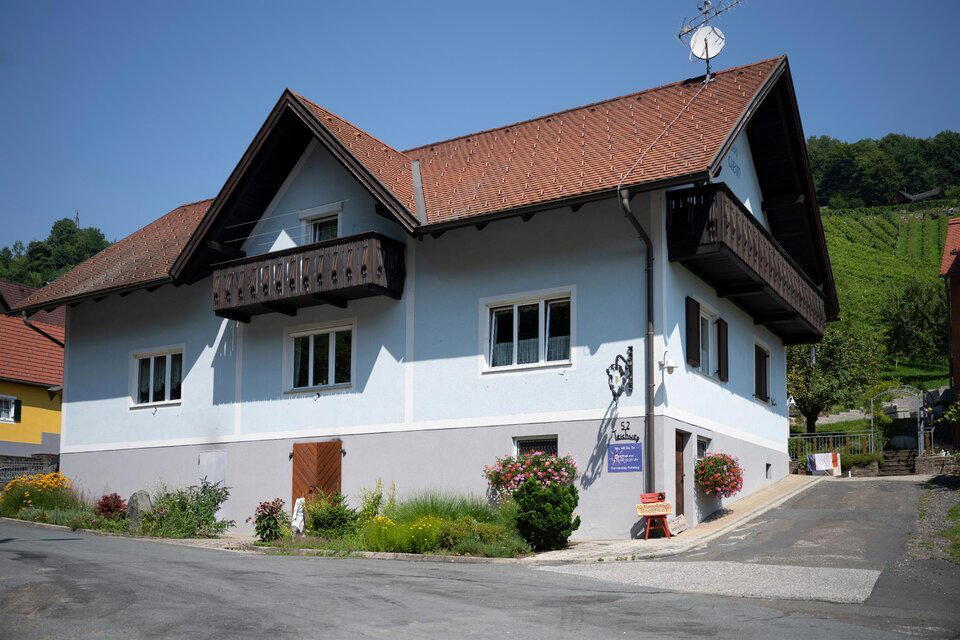
Styria's fine dining circuit tends to concentrate its ambition in the south, where the Sausal ridge and its vine-covered slopes produce some of Austria's most characterful whites. The village of Sankt Andrä im Sausal sits at the quieter end of that geography, and the setting for Harald Irka am Pfarrhof reflects that disposition entirely. The building is a historical rectory whose foundation walls trace back to the 13th century, positioned beside the parish church that has overlooked this hillside far longer than any restaurant guide has paid attention to the region. Arriving here feels less like pulling up to a destination restaurant and more like coming upon something that has always been part of the landscape, which is precisely what makes the cooking land differently than it might in a purpose-built dining room in Vienna or Salzburg.
Austria's premium restaurant tier has evolved considerably over the past decade. The country's most decorated tables, from Steirereck im Stadtpark in Vienna at the three-star level to two-star houses like Döllerer in Golling an der Salzach and Ikarus in Salzburg, largely sit in urban centres or established tourist corridors. That is not a disadvantage. It is a defining characteristic.
The Logic of the Menu
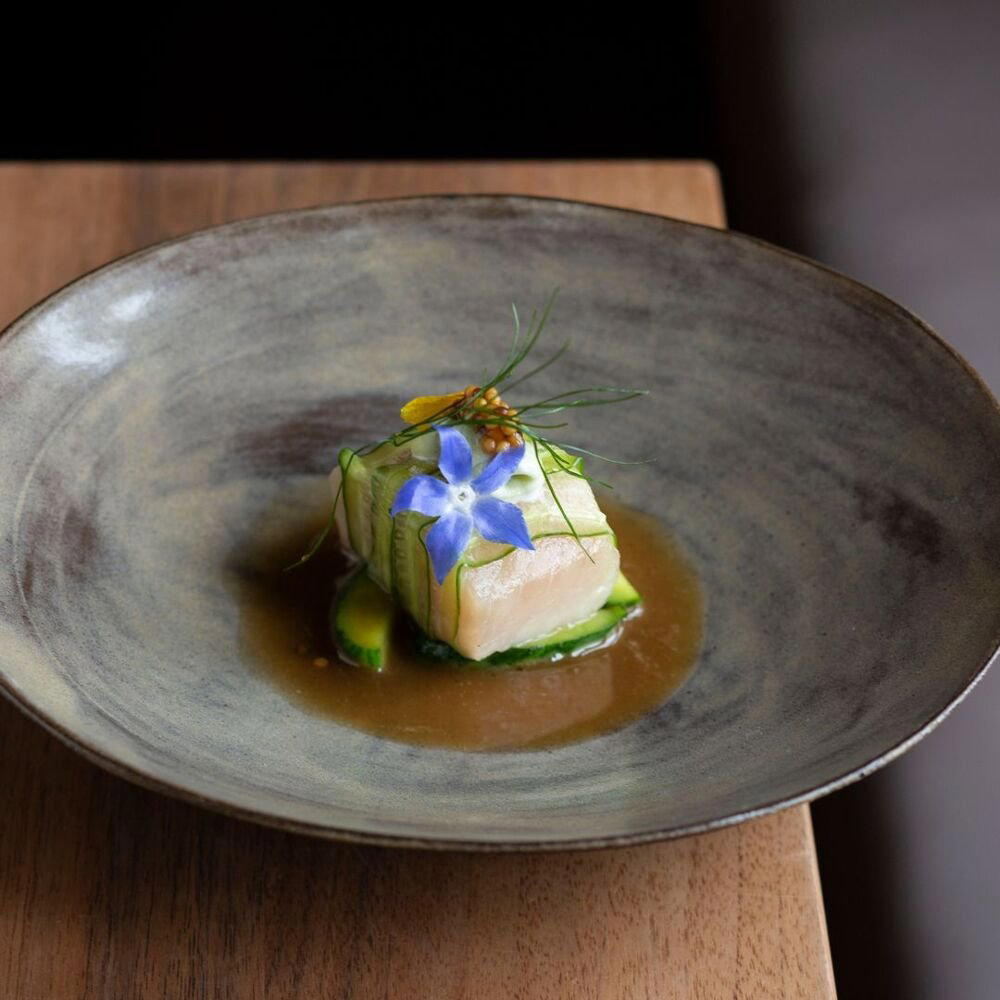
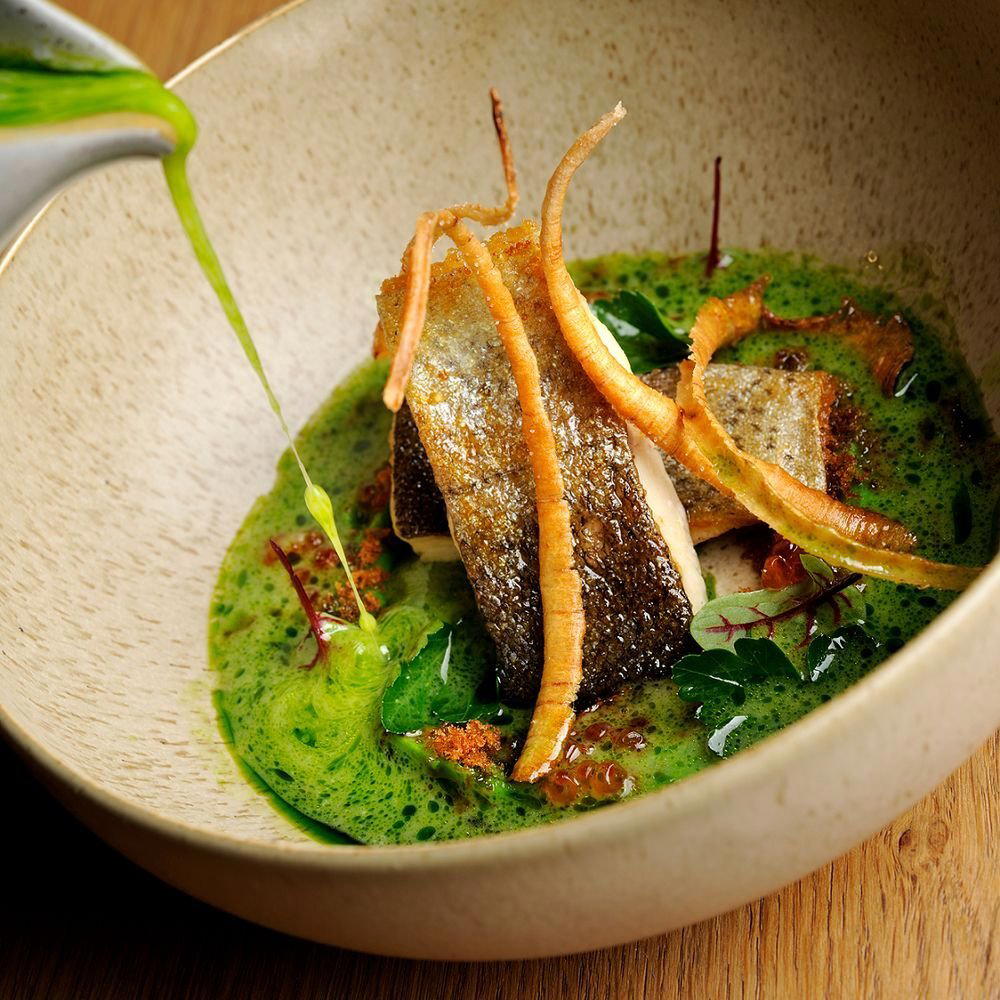
Austrian regional fine dining has moved away from the museum-piece approach of simply presenting local ingredients with technical gloss. The more considered practitioners are now doing something harder: finding genuine tension between regional product and international technique, so that neither flattens the other. At Harald Irka am Pfarrhof, that tension appears in dishes like pike-perch alongside scallops and courgette in a bouillabaisse register, or Pyrenean lamb with beans, spiced crackers, and spinach cream. The regional-international axis is not decorative; it is the structural principle of the cooking. The Michelin inspectors noted contrasts that can be subtle or bold, and precise craftsmanship as the connective tissue between those poles.
The format is a surprise menu, available in five or seven courses, bookable online as an individual ticket or in combination with wine pairings. The absence of a printed à la carte menu is a deliberate position: it places trust in the kitchen and in sommelier René Kollegger, whose wine recommendations within the pairings are described by Michelin as on-point. For a region like Sausal, that is a meaningful claim. The Südsteiermark produces Sauvignon Blanc and Welschriesling of genuine complexity, and a sommelier working with that local cellar depth has material to work with beyond generic pairing logic. The White Star recognition from Star Wine List, published in November 2025, confirms that the beverage program carries weight comparable to the food.
Styria's Broader Fine Dining Position
Understanding where Harald Irka am Pfarrhof sits requires a brief map of Austrian regional cooking at the serious end of the market. The country's Michelin-starred properties outside Vienna tend to cluster around the Alpine west (see Gourmetrestaurant Tannenhof in Sankt Anton am Arlberg, Griggeler Stuba in Lech) or the Salzburg corridor (Obauer in Werfen, Kräuterreich by Vitus Winkler in Sankt Veit im Pongau). Styria's southern wine country is a less trafficked route for international visitors, despite the region's established wine reputation and proximity to Slovenia.
This relative obscurity shapes the experience. Dining rooms in Alpine resort towns operate under a different kind of pressure, serving guests who may have limited days in the region and are moving through a curated itinerary. A table at Harald Irka am Pfarrhof tends to attract guests who have made a specific decision to be here, which changes the pace and register of service. Michelin's description of the service as agreeably relaxed yet professional captures that dynamic accurately. It is not a formal house in the Viennese sense, closer in spirit to the rural-destination model found in places like Landhaus Bacher in Mautern an der Donau, where the setting and the cooking are in genuine conversation.
For a broader sense of what Austria's fine dining circuit looks like across different regions and formats, the full Sankt Andrä im Sausal restaurants guide provides useful context alongside our guides to bars, wineries, and experiences in the area.
Harald Irka: Kitchen Formation and Culinary Position
The editorial angle favoured by EA-GN-01, tracing a chef's formation through their cooking, is worth applying carefully here, because the evidence at Harald Irka am Pfarrhof points outward as much as inward. What the Michelin record communicates is a kitchen led by Harald Irka alongside sous-chef Jan Gollinger, described as striking a balance between regional and international registers with precise craftsmanship. The cooking is not driven by a single-ingredient obsession or a regionalist manifesto. It is built on what Michelin calls cleverly devised dishes with contrasts: that is a structural description of how a trained palate organises flavour, not a marketing position.
In the context of Austrian fine dining, this places Harald Irka in the same broad tradition as chefs at houses like Ois in Neufelden or Restaurant 141 by Joachim Jaud in Mieming and Schwarzer Adler in Hall in Tirol: chefs working outside the major metropolitan circuits, building menus from what the surrounding region actually produces rather than constructing a menu that could theoretically be served anywhere. The La Liste score of 93 points across both 2025 and 2026 suggests a consistent kitchen with no sign of the volatility that can affect smaller operations.
Planning a Visit
Getting to Sankt Andrä im Sausal requires a car; the village sits in the Sausal hills south of Leibnitz, and the drive from Graz runs roughly 45 minutes depending on your route through the wine country. The address is St. Andrä im Sausal 1, and the rectory position beside the parish church makes it direct to locate. The surprise menu is bookable online, with the option to add wine pairings at the point of booking, which is the sensible approach given the strength of the Sausal wine context. For guests travelling from further afield, or those who would rather not drive after a full wine pairing, the converted stables on the property have been fitted out as guestrooms, making an overnight stay a practical option rather than an afterthought. Accommodation details are covered in the full Sankt Andrä im Sausal hotels guide.
The price range sits at €€€€, consistent with Austria's leading starred tier. Lisa Gasser leads the front-of-house operation alongside Irka in the kitchen, and the team is small by design.
For those building a wider Styrian itinerary, the wine region itself warrants time beyond the restaurant. The Sausal produces Sauvignon Blanc and Welschriesling of real depth, and several producers in the hills around Sankt Andrä operate tasting visits. Pairing a cellar visit with a dinner reservation here is a logical sequence, and the Sankt Andrä im Sausal wineries guide maps that territory in detail.
Frequently asked questions
Is Harald Irka am Pfarrhof - Fine Dine okay with children?
The venue is a Michelin-starred restaurant operating a structured surprise menu in five- or seven-course format, which is better suited to adults or older teenagers comfortable with a longer tasting experience. The setting, a converted 13th-century rectory in a quiet Styrian village, is formal enough that young children would likely find the format difficult. Families with small children should consider whether the booking structure (advance online reservation, set menus) aligns with their needs before visiting.
What should I expect atmosphere-wise at Harald Irka am Pfarrhof - Fine Dine?
The room occupies a historical rectory dating to the 13th century, overlooked by the parish church of Sankt Andrä im Sausal, a composed, unhurried setting that suits the pacing of a seven-course menu. Service is led by Lisa Gasser front-of-house and sommelier René Kollegger, whose approach Michelin describes as congenial and professionally relaxed. This is not a theatrical dining room in the urban sense; the atmosphere draws from the Sausal countryside itself.
What's Harald Irka am Pfarrhof - Fine Dine known for in terms of accolades?
Harald Irka am Pfarrhof - Fine Dine has received recognition including: Harald Irka am Pfarrhof - Fine Dine & Wirtshaus is a restaurant venue.without_translation_and hotel in Sankt Andrä-Höch, Austria. It was published on Star Wine List on November 30, 2025 and is a White Star.; La Liste Top Restaurants (2026):….
What's the signature dish at Harald Irka am Pfarrhof - Fine Dine?
Harald Irka does not operate a fixed à la carte menu with a single signature dish; the format is a surprise menu, available in five or seven courses, booked online with optional wine pairings. Michelin's entry references combinations such as pike-perch with scallops and bouillabaisse, and Pyrenean lamb with beans and spinach cream, as representative of the kitchen's approach: regional Styrian produce intersected with international ingredients. The menu changes, so specific dishes on the night are not predictable in advance.
A Quick Peer Check
| Venue | Cuisine | Price | Awards | Notes |
|---|---|---|---|---|
| Harald Irka am Pfarrhof - Fine DineThis venue (the venue you are viewing) | Modern Austrian Fine Dining | $150–200 | 1 Michelin Star · La Liste Top Restaurants | Not listed |
| Steirereck im Stadtpark | Modern Austrian Fine Dining | $200–300 | 3 Michelin Stars · World's 50 Best #33 | Creative |
| Döllerer | Modern Alpine Cuisine | $100–150 | 2 Michelin Stars · La Liste Top Restaurants | Contemporary Austrian, Innovative |
| Ikarus | Guest Chef Fine Dining | $200–300 | 2 Michelin Stars · La Liste Top Restaurants | Modern European, Creative |
| Mraz & Sohn | Contemporary Austrian Fusion | $150–200 | 2 Michelin Stars · La Liste Top Restaurants | Modern Austrian, Creative |
| Obauer | Modern Austrian Fine Dining | $50–100 | 2 Michelin Stars · La Liste Top Restaurants | Classic Cuisine |
Recognition history
Dated appearances from independent guides and award organizations, with the underlying list record or original source where available.
Michelin 1 Star
Michelin
La Liste Top Restaurants
La Liste
Star Wine List
Star Wine List
Falstaff Restaurant - 97 Falstaff Points
Falstaff
Full recognition history (7 entries)
La Liste Top Restaurants
La Liste
Michelin 1 Star
Michelin
Michelin 1 Star
Michelin
Continue exploring
More in Sankt Andrä im Sausal
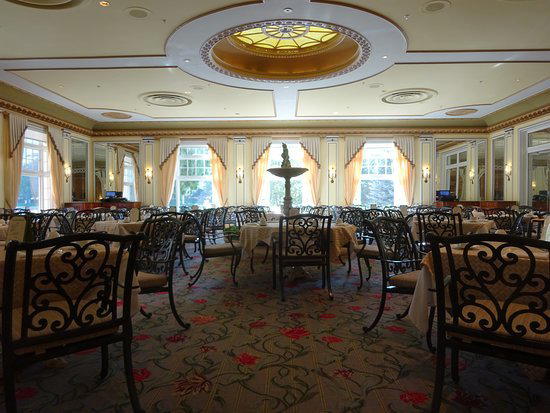
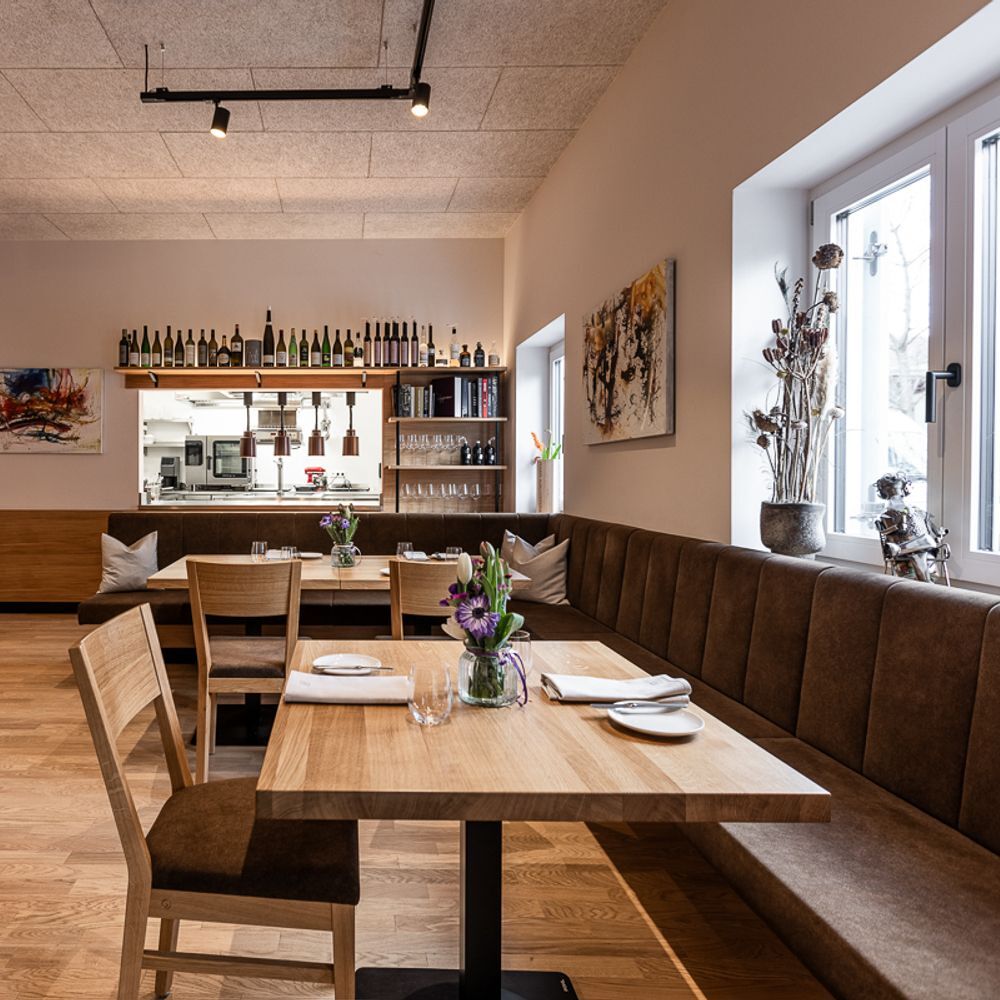
Restaurants in Sankt Andrä im Sausal
All restaurants in Sankt Andrä im Sausal →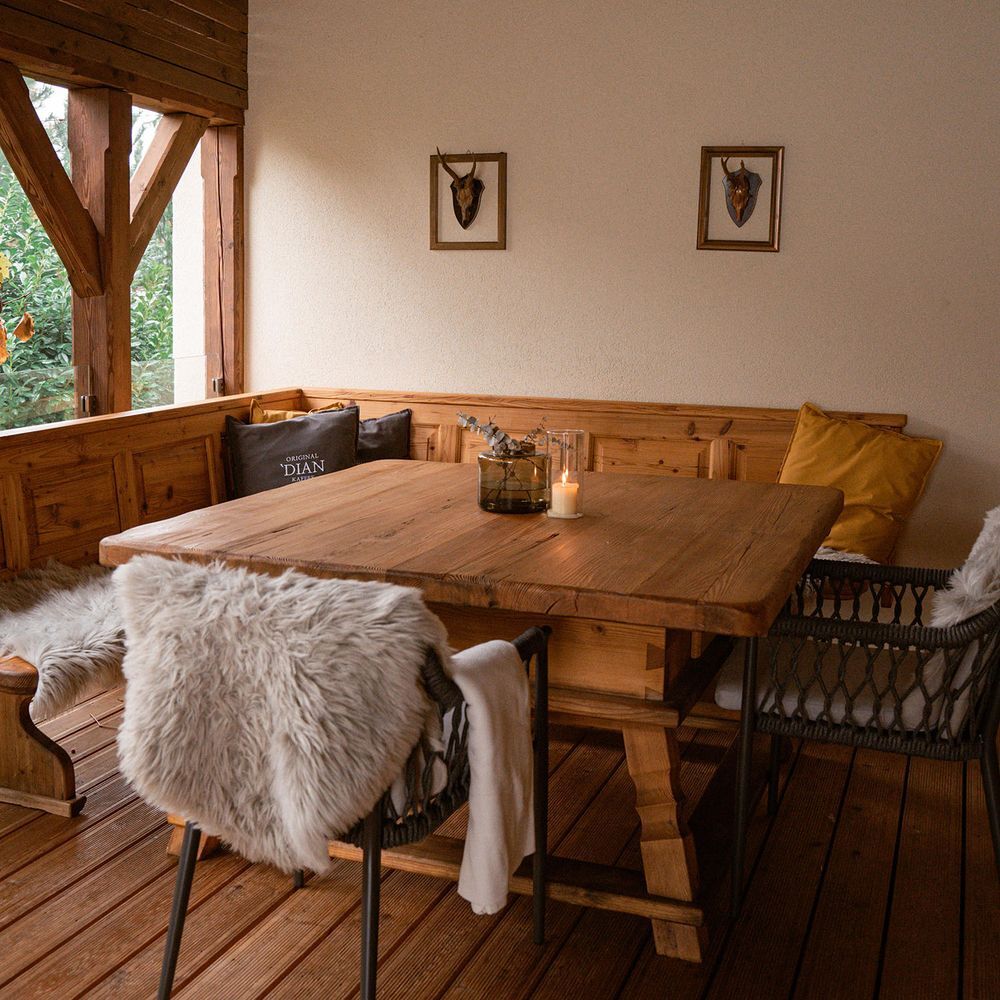
Bars in Sankt Andrä im Sausal
Browse all →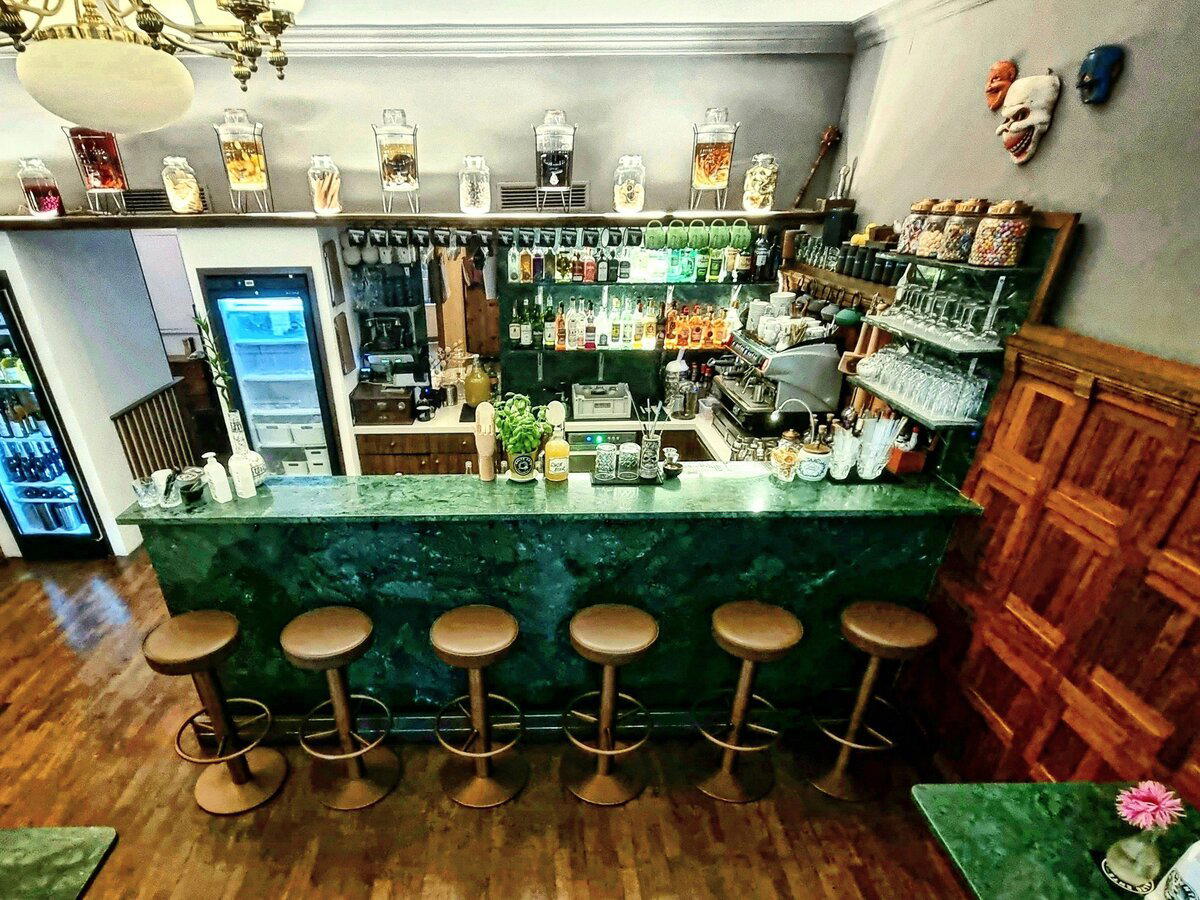
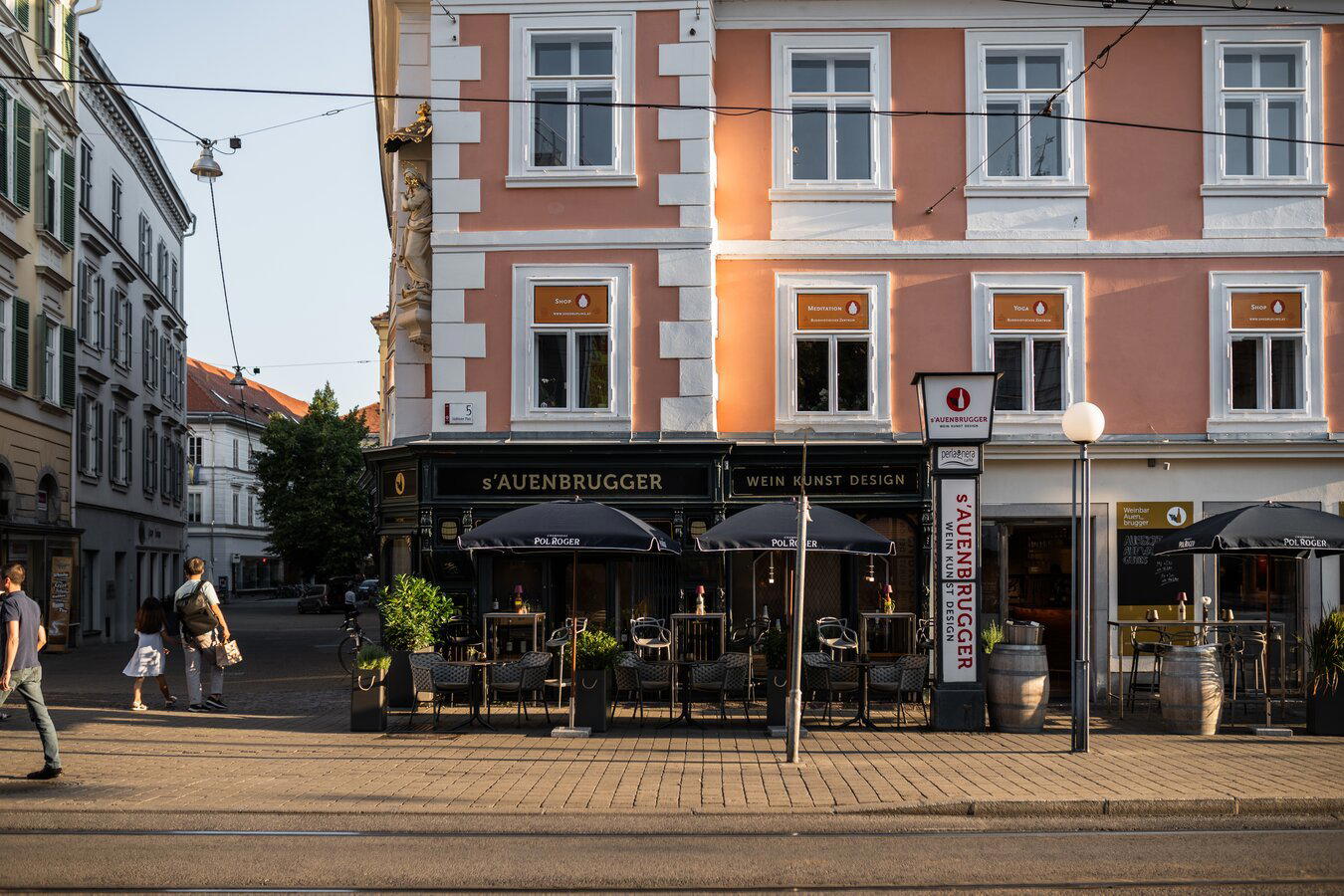
Hotels in Sankt Andrä im Sausal
Browse all →
Wineries in Sankt Andrä im Sausal
All wineries in Sankt Andrä im Sausal →

Harald Irka am Pfarrhof - Fine Dine
The wine
- Wine program
- Deep wine list
- Extensive wine list
- Sommelier-led
Details
- Elegant
- Sophisticated
- Intimate
- Cozy
- Special Occasion
- Date Night
- Celebration
- Standalone
- Extensive Wine List
- Sommelier Led
- Local Sourcing
- Tasting Menu
- A La Carte
- Vegetarian Friendly
- Gluten Free Options
Traumhaftes (dreamlike) ambiance with professional, attentive service; strict yet free culinary poetry in a gemütlich setting.