Our verdict
Positioned within the Four Seasons Hotel Hangzhou at West Lake, Jin Sha Restaurant (金沙厅) represents Zhejiang cuisine at a hotel fine-dining tier that few properties in eastern China match. The kitchen draws on the classical traditions of Hangzhou cooking, placing it in direct conversation with the city's broader revival of regional Chinese gastronomy. Advance reservations are strongly advised for weekend visits.

Pearl is the En Primeur Club membership app, where members save venues, book tables and use the concierge.

The menu
What to order
- Braised Pork Belly and Abalone
- Sanmen Crab
- Crispy Half Chicken
- Beggar's Chicken
- Crispy Pigeon Leg Stuffed with Fish Maw and Ganba Mushroom
Where Lingyin Road Meets the Logic of a Regional Menu
The road leading to the Four Seasons Hotel Hangzhou at West Lake passes through a corridor of camphor trees and temple walls that frames the approach in a way most urban luxury hotels cannot replicate. Jin Sha Restaurant (金沙厅) sits inside that property, at an address on Lingyin Road that places it closer to the Lingyin Temple complex than to the commercial dining blocks of downtown Hangzhou. That geography is not incidental: it sets a tone of remove that shapes the room's atmosphere and, more importantly, the editorial logic of the menu itself.
Zhejiang cuisine, and Hangzhou cooking in particular, has long resisted the loud register of its northern and Sichuan counterparts. The tradition prizes freshness over complexity, restraint over accumulation, and the particular produce of the region, West Lake vinegar fish, Longjing shrimp, Dongpo pork, over broader pan-Chinese borrowing. Jin Sha sits inside that tradition deliberately, rather than as a hotel restaurant that happens to serve local dishes alongside a global card. That distinction matters when you are orienting yourself among Hangzhou's better dining options.
How the Menu Is Built and What That Tells You
The architecture of a Zhejiang fine-dining menu is one of the more instructive ways to read a restaurant's actual ambition. A kitchen that takes the tradition seriously will sequence dishes according to classical logic: lighter preparations and cold appetisers early, steamed or poached proteins at the centre, richer braises and stir-fries in the later courses, with desserts that lean on red bean, sesame, or local osmanthus rather than Western pastry conventions. A kitchen that is performing Zhejiang cuisine for an international hotel audience will tend to compress that sequence, offer a fixed set menu with cosmetic local references, and de-emphasise the dishes that require the most technique or the most trust from the diner.
Jin Sha operates in the former mode. The menu at this tier of hotel dining in Hangzhou functions as a curated argument about what Zhejiang cooking can accomplish when treated with the same seriousness applied to Cantonese or Shanghainese fine dining at comparable price points. Peer context is relevant here: Ru Yuan (Zhejiang) operates at a ¥¥¥¥ price tier and represents the independent fine-dining benchmark for classical Zhejiang cooking in the city, while Guiyu (Xihu) and Hangzhou House anchor the mid-tier of the regional repertoire. Jin Sha occupies a distinct position: hotel infrastructure and service standards, applied to a menu that takes its regional identity seriously rather than treating it as local colour.
The use of Longjing tea in cooking is one of the clearest signals of that seriousness. The spring harvest of Longjing (Dragon Well tea) from the hills west of West Lake is one of China's most price-sensitive seasonal ingredients. A kitchen that incorporates it into multiple preparations, rather than using it as a garnish or branding device, is committing real sourcing cost to a regional statement. Similarly, West Lake vinegar fish, a dish that depends almost entirely on the quality of the grass carp and the acidity of the local vinegar rather than on technique, functions as a useful credibility test for any Hangzhou kitchen positioning itself at this level.
The Room and the Setting
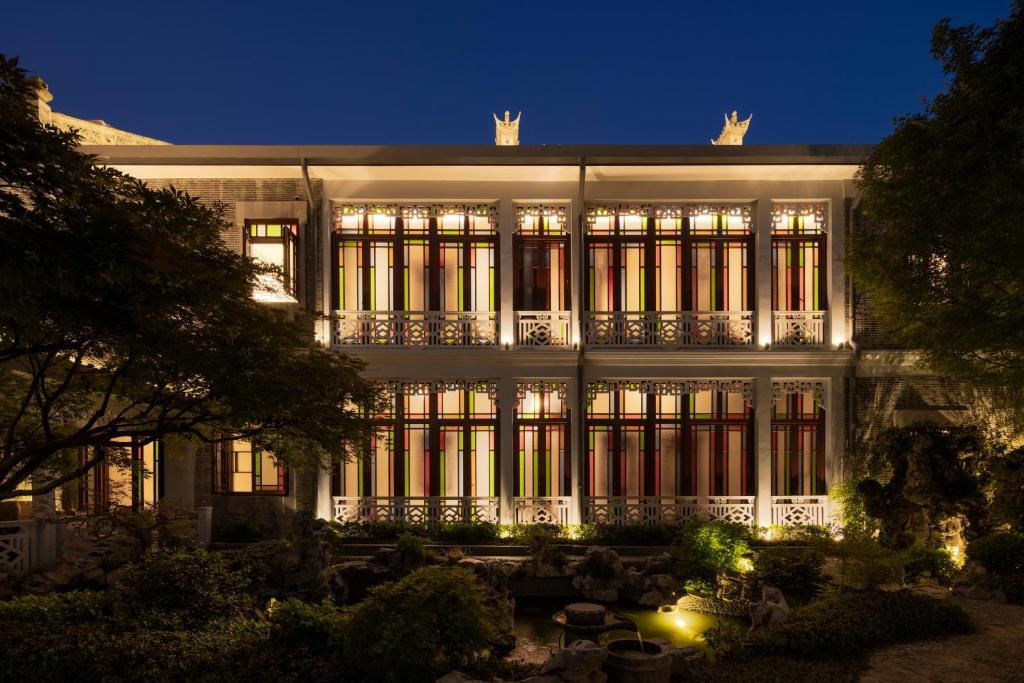
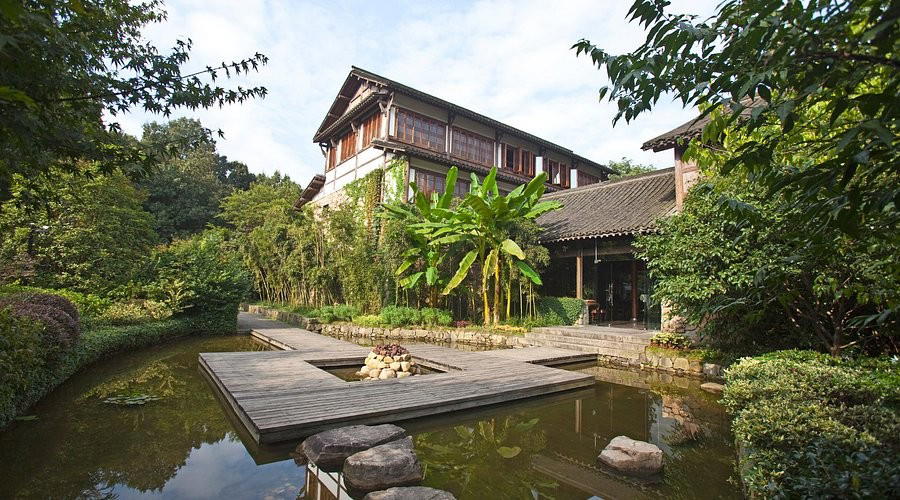
Hotel dining rooms in China's luxury tier have largely converged on a recognisable format: high ceilings, private room options for business dining, and decor that signals Chinese aesthetics through material choices rather than ornament. Jin Sha works within those conventions but benefits from the property's setting at the western edge of West Lake, where garden views and natural light are available in a way that city-centre hotel restaurants cannot offer. The physical approach, through the Four Seasons grounds adjacent to the Lingyin temple area, provides an arrival experience that few dining rooms in eastern China can match on pure atmosphere alone.
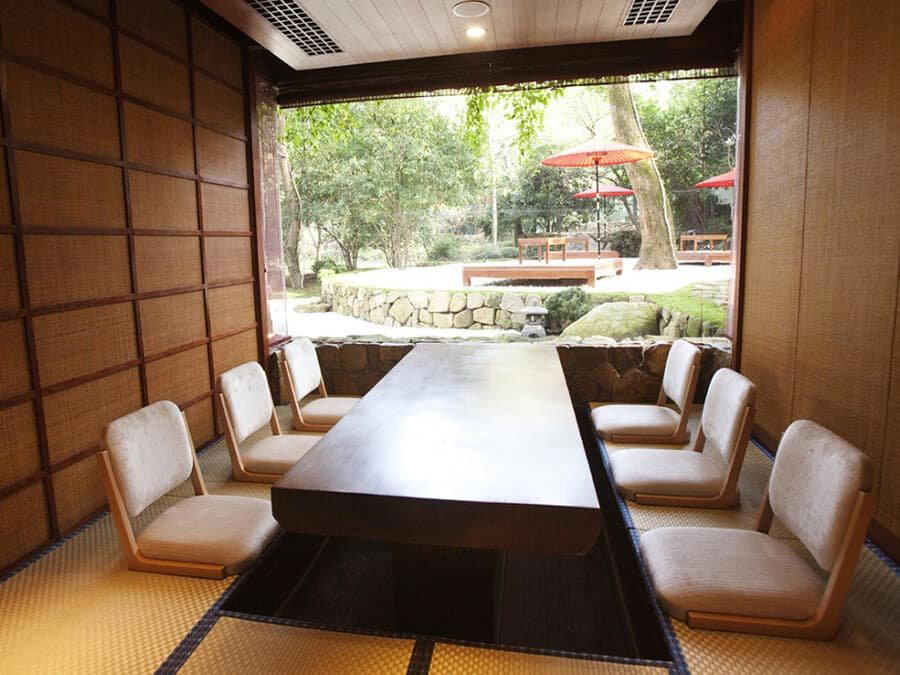
Private dining rooms are standard at this tier of hotel Chinese restaurant, and at Jin Sha they serve the dual function of accommodating business hospitality and providing a quieter format for multi-course regional menus that benefit from attentive pacing. Weekend lunch, during which dim sum or lighter Zhejiang small dishes typically feature more prominently, draws a different crowd than weekend dinner, and booking lead times differ accordingly.
Placing Jin Sha in the Wider Regional and National Picture
Zhejiang fine dining has received less international attention than Cantonese or Shanghainese cooking, but the category has been gaining ground. Across eastern China, a pattern is emerging: hotel fine-dining restaurants anchored in regional cuisine are increasingly competing with independent specialists rather than simply hosting hotel guests who want familiar comfort food. Jie Xiang Lou represents the long-established independent Zhejiang tradition in Hangzhou, while Ambré Ciel signals the innovative end of the Hangzhou dining spectrum. Jin Sha sits between those poles, with hotel infrastructure supporting a kitchen that operates with regional specificity.
The broader Chinese fine-dining comparison is useful for context. Xin Rong Ji (Xinyuan South Road) in Beijing and Xin Rong Ji in Chengdu have established a template for how Taizhou and coastal Zhejiang-adjacent cuisine can operate at serious price points in major cities. Chef Tam's Seasons in Macau and Fu He Hui in Shanghai illustrate how Chinese fine dining at hotel or luxury-adjacent settings can attract critical recognition when the kitchen commits to a clear culinary argument. For broader regional and international comparisons at the luxury Chinese fine-dining tier, Imperial Treasure Fine Chinese Cuisine in Guangzhou, Fleurs Et Festin in Xiamen, and Wenru No.9 in Fuzhou represent the range of ambition being applied to regional Chinese cooking at this tier across the country.
Planning Your Visit
Jin Sha Restaurant (金沙厅) is located at 5 Lingyin Road, Hangzhou, within the Four Seasons Hotel Hangzhou at West Lake. The Lingyin Road address places the property on the western fringe of the West Lake scenic area, accessible by taxi from Hangzhou's downtown in approximately 20 to 25 minutes depending on traffic. Reservations for weekend dinners should be made well in advance, particularly for private room bookings, which are often held by business and family groups. Hotel concierge booking is the standard channel for guests staying on property, while direct contact with the restaurant is advisable for external diners. For a full orientation to Hangzhou's dining options across all tiers and styles, our full Hangzhou restaurants guide maps the city's regional cuisine scene in depth.
Frequently asked questions
What's Four Seasons Jin Sha Restaurant (金沙厅)'s location?
Four Seasons Jin Sha Restaurant (金沙厅) is located at 5 Lingyin Rd. 杭州市, 浙江, 310013, Hangzhou.
How does Jin Sha's West Lake location compare to other Zhejiang fine-dining restaurants in Hangzhou?
Jin Sha's address at 5 Lingyin Road places it inside the West Lake scenic zone proper, adjacent to the Lingyin Temple complex, which is among China's most historically significant Buddhist sites. That geography separates it physically from Hangzhou's downtown restaurant cluster and gives the dining experience a context that street-level urban restaurants cannot replicate. Among Zhejiang fine-dining options in Hangzhou, the combination of hotel-tier kitchen infrastructure and this specific location within the scenic area is a structural distinction rather than simply a question of food quality.
What should I order at Four Seasons Jin Sha Restaurant (金沙厅)?
At a Zhejiang fine-dining counter of this tier, the strongest ordering strategy is to focus on dishes built around produce specific to the region: freshwater fish from West Lake, longjing tea-inflected preparations, and seasonal vegetables that define the Hangzhou pantry. Ask staff which items on the current menu reflect the kitchen's regional sourcing most directly. Dishes that travel well across menus, such as dongpo pork or shrimp with longjing tea, tell you the most about how the kitchen handles Zhejiang's foundational techniques.
Is Four Seasons Jin Sha Restaurant (金沙厅) reservation-only?
Walk-in availability at Jin Sha, located within the Four Seasons Hotel Hangzhou at 5 Lingyin Road, is limited during Hangzhou's spring and autumn high seasons, when West Lake tourism peaks and hotel dining rooms fill early. Booking through the Four Seasons concierge is the most reliable route. Weekday lunches outside peak season carry more flexibility, but confirming ahead remains advisable at this tier.
What do critics highlight about Four Seasons Jin Sha Restaurant (金沙厅)?
Critical focus on Hangzhou fine dining has consistently returned to two benchmarks: the fidelity of regional sourcing and the kitchen's handling of Zhejiang's lighter, sweeter flavour register relative to Cantonese and Shanghainese peers. Jin Sha, positioned inside the West Lake scenic zone on Lingyin Road, draws attention partly because the Four Seasons platform gives Zhejiang cuisine a formal fine-dining frame that is rare in this region. Zhejiang cooking has historically received less international press than its Shanghai or Guangzhou counterparts, which means the category itself is still being written into the critical record.
Can Four Seasons Jin Sha Restaurant (金沙厅) accommodate dietary restrictions?
Four Seasons hotel kitchens operate with the infrastructure to handle dietary requirements including vegetarian, vegan, gluten-free, and allergy-specific requests, provided advance notice is given at the time of reservation. At Jin Sha specifically, Zhejiang cuisine's emphasis on vegetables, tofu, and freshwater seafood means the base menu has more natural accommodation than a meat-heavy regional tradition would. Communicating requirements when booking, rather than on arrival, gives the kitchen at 5 Lingyin Road the best opportunity to prepare accordingly.
Should I splurge on Four Seasons Jin Sha Restaurant (金沙厅)?
The case for spending here is strongest if Hangzhou is your primary destination rather than a single night stopover, and if Zhejiang cooking is the reason you came. Jin Sha at the Four Seasons West Lake gives the region's cuisine a setting and kitchen scale that most Hangzhou restaurants outside the hotel tier cannot match. If your interest in Zhejiang food is limited or you are visiting West Lake primarily for the scenery, the spend is harder to justify against the city's more casual regional options.
Credentials Lens
Comparable venues nearby, for context on price, style, and recognition.
| Venue | Cuisine | Price | Awards | Notes |
|---|---|---|---|---|
| Four Seasons Jin Sha Restaurant (金沙厅)This venue (the venue you are viewing) | Zhejiang Neo-Classics with Shanghainese & Cantonese Influences | $100–150 | Not listed | Not listed |
| West Lake No.1 | Modern Chinese Fine Dining | $50–100 | Black Pearl 1 Diamond | Shangcheng District |
| Four Seasons Hotel Hangzhou at West Lake Jin Sha | Seasonal Zhejiang Fine Dining in a Lakeside Four Seasons | $100–150 | Black Pearl 3 Diamond | Xihu |
| 桂语山房高级餐厅 GuiYuShanFang | Zhejiang Fine Dining | $100–150 | La Liste Top Restaurants | Hangzhoushi |
| Hangzhou House at Amanfayun | Refined Zhejiang Cuisine | $100–150 | Not listed | Xihu |
| TUNG FU RESTAURANT | Modern Chaoshan Chinese | $20–30 | Black Pearl 1 Diamond | Xiaoshanshi |
Continue exploring
More in Hangzhou
Restaurants in Hangzhou
All restaurants in Hangzhou →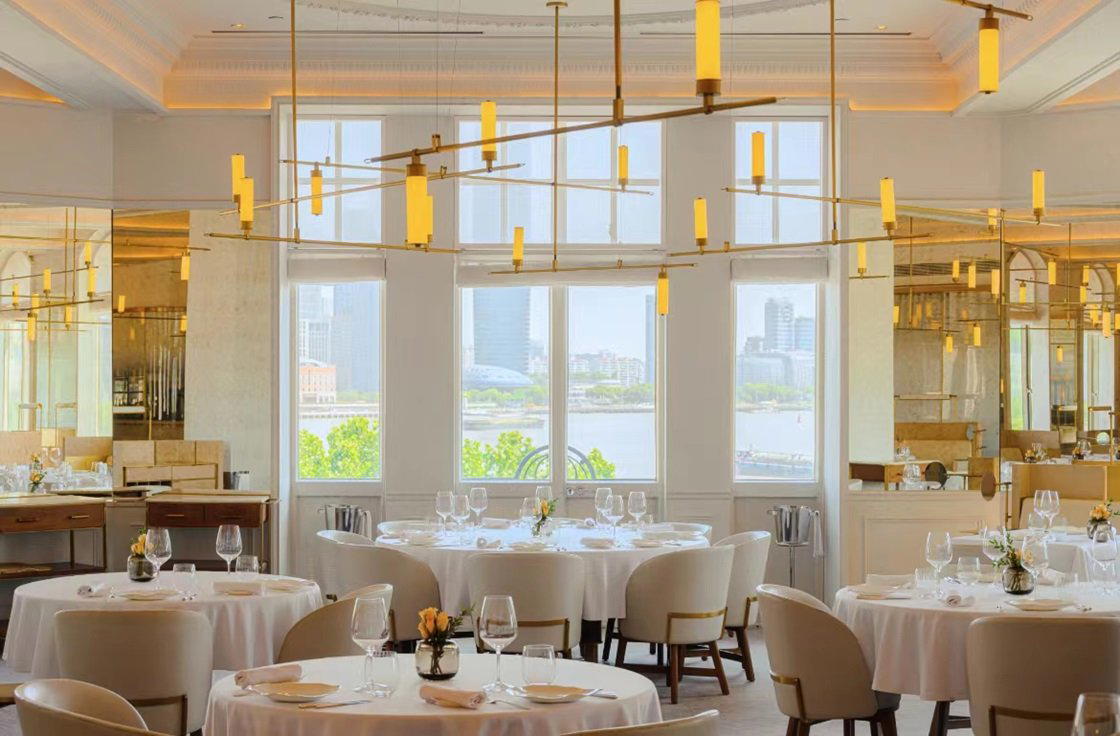
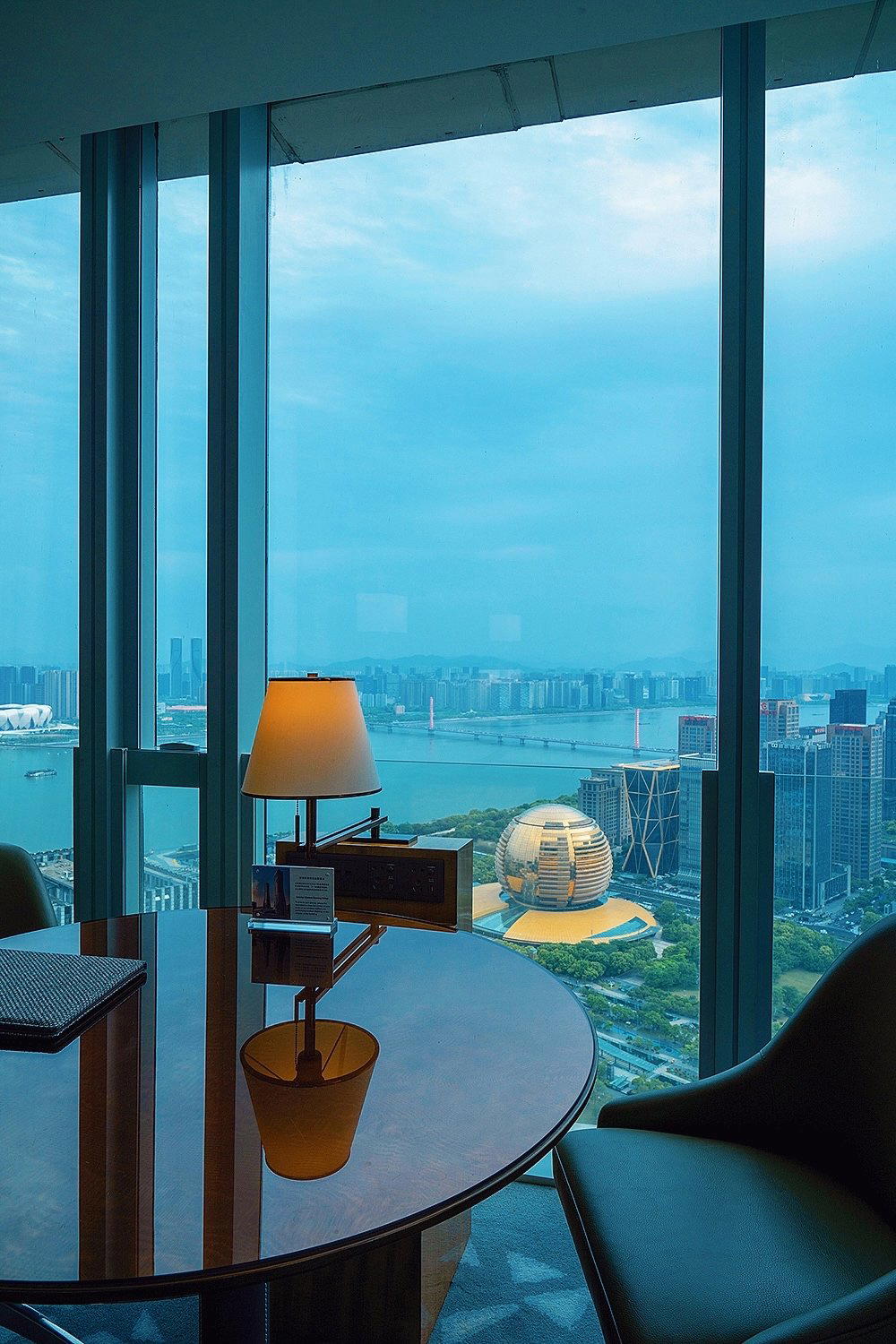
Bars in Hangzhou
All bars in Hangzhou →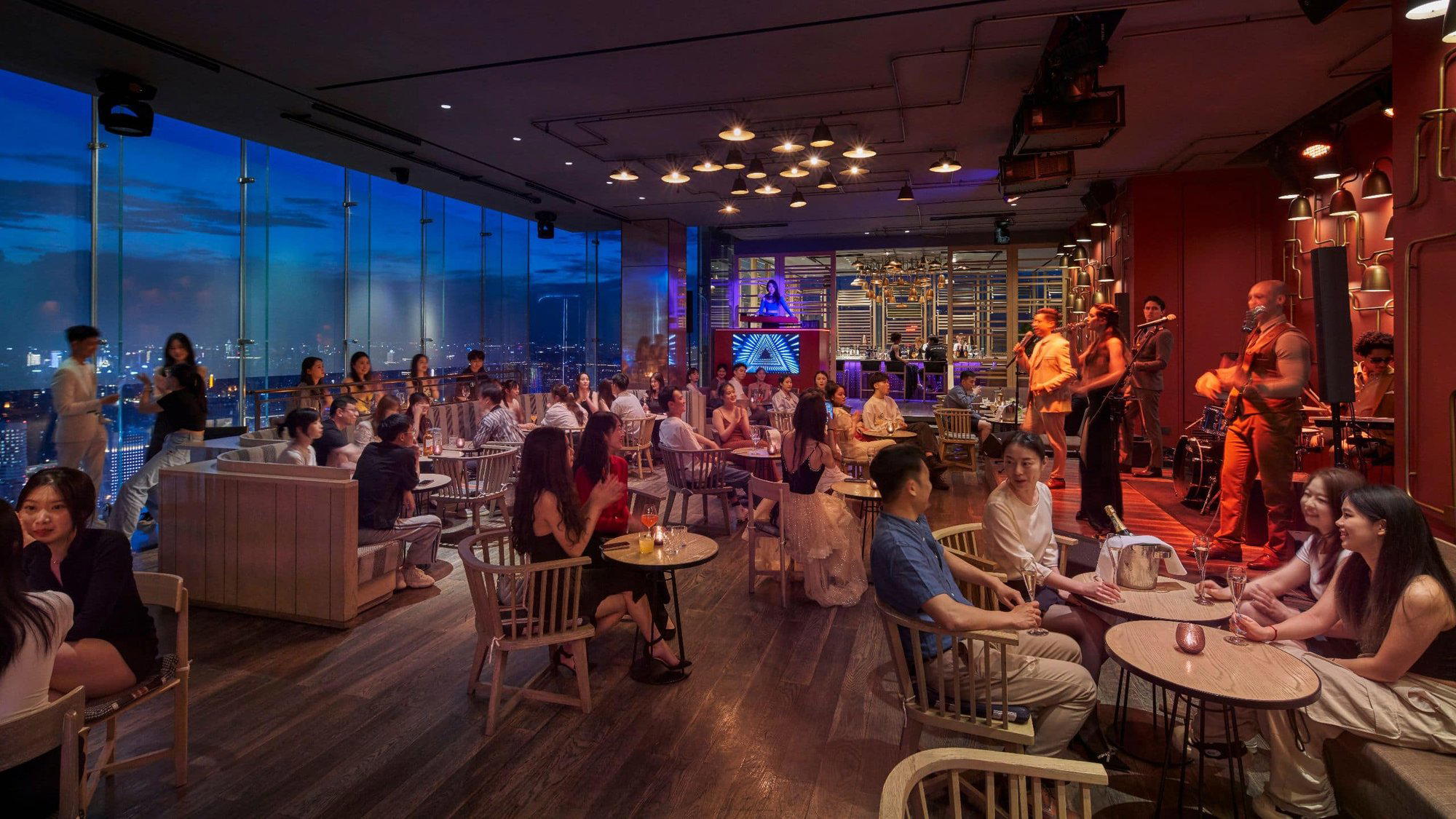
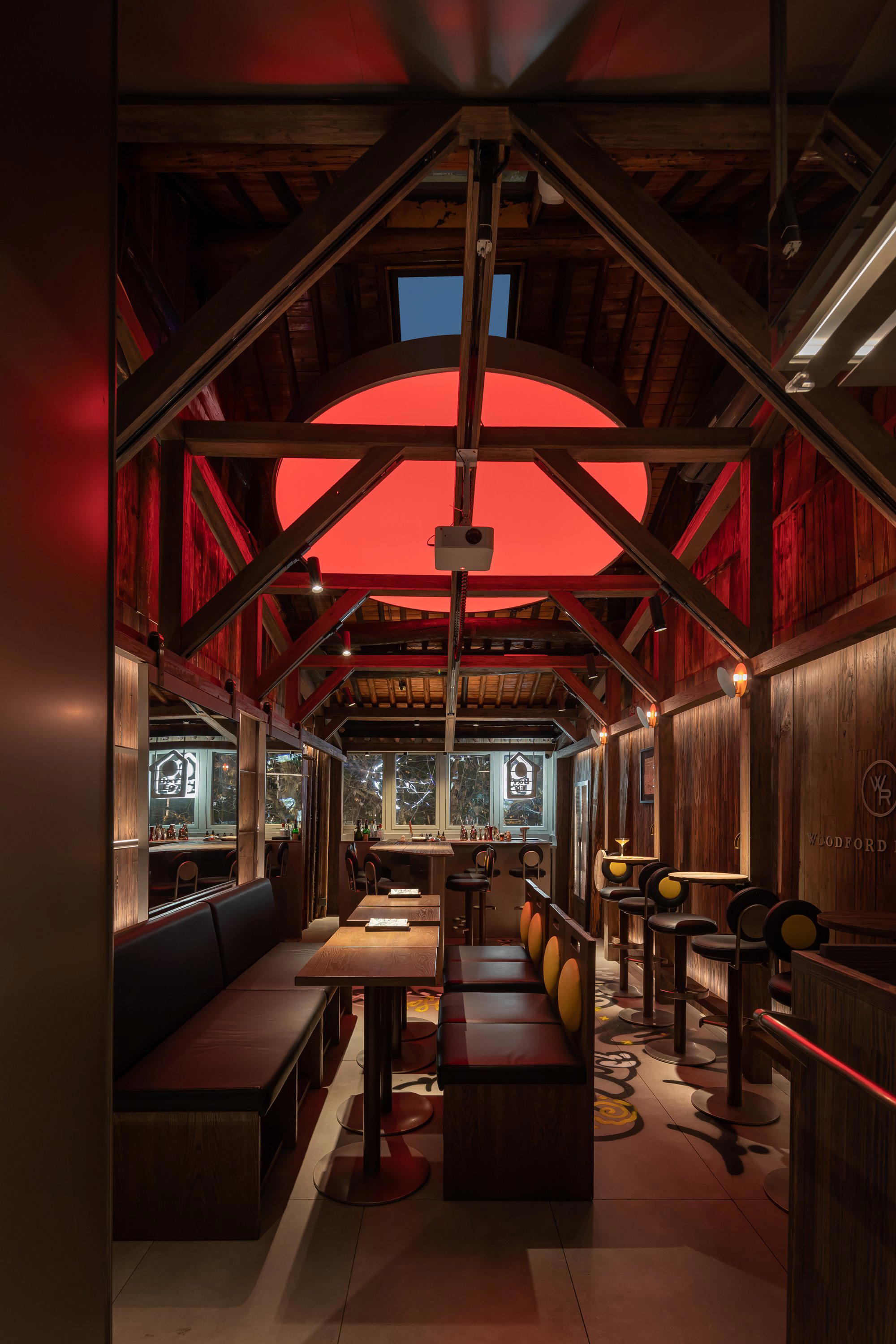
Four Seasons Jin Sha Restaurant (金沙厅)
The wine
- Extensive wine list
- Sommelier-led
Details
- Elegant
- Scenic
- Sophisticated
- Classic
- Business Dinner
- Date Night
- Special Occasion
- Group Dining
- Hotel Restaurant
- Garden
- Waterfront
- Private Dining
- Panoramic View
- Extensive Wine List
- Sommelier Led
- Local Sourcing
- Garden
- Waterfront
- A La Carte
- Family Style
- Set Menu
- Chinese Yellow Wine (huangjiu)
- Premium Wine Selection
- Fine Tea
- Vegetarian Friendly
- Allergy Accommodating
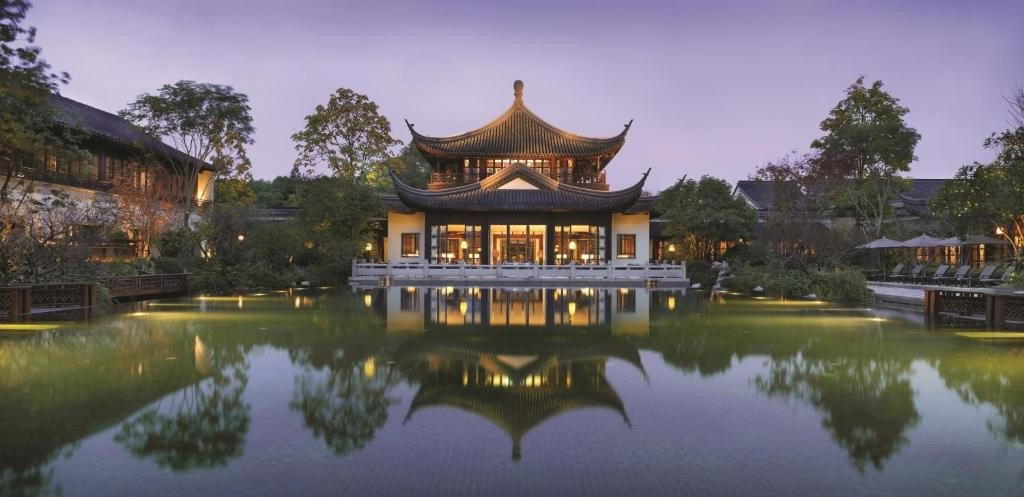
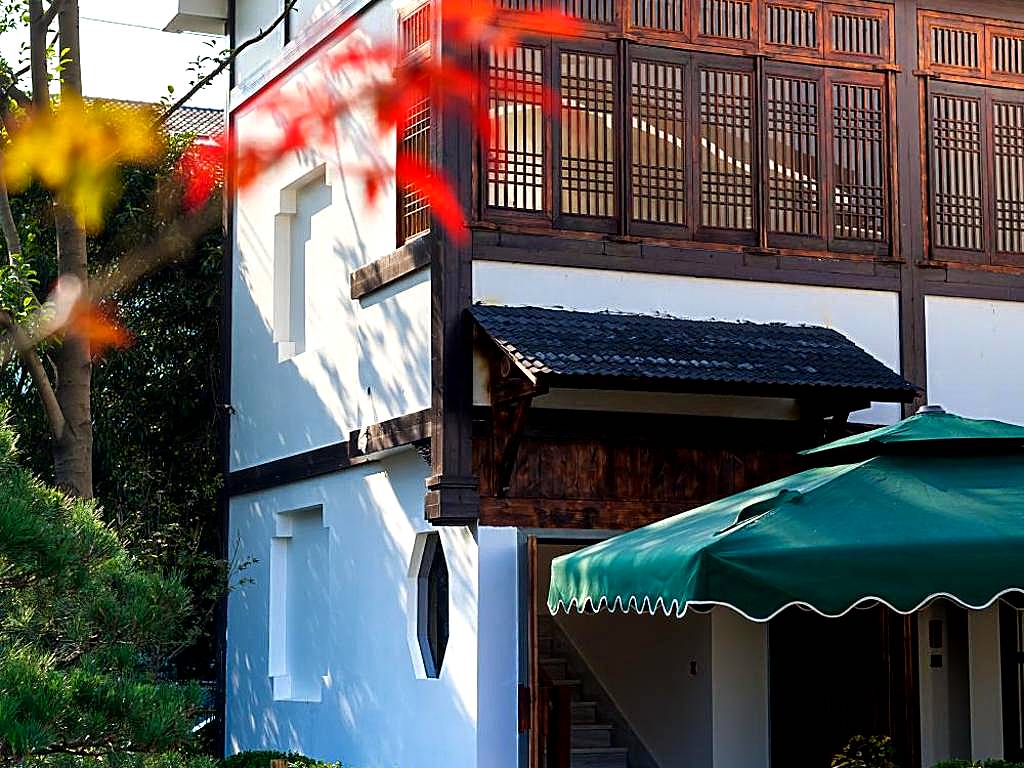
Handsome restaurant furnished in classical Chinese style with ponds and manicured gardens; modern interpretation of classic Hangzhou architecture with a wonderful patio overlooking the Four Seasons lagoon complete with koi and waterfall; lively ambience with traditional architectural elements.