
Black Pearl 1 Diamond
Our verdict
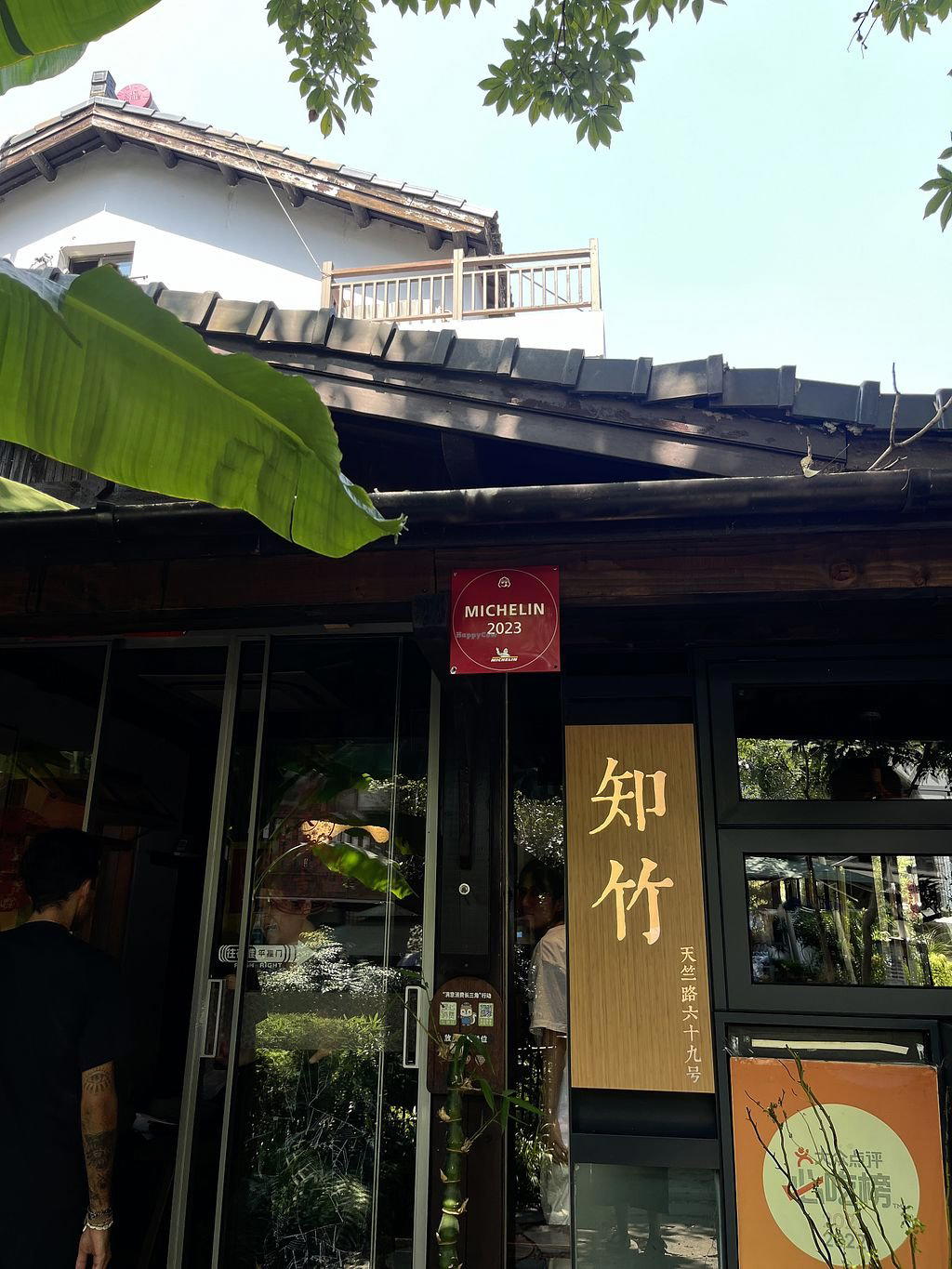
Puzhu holds a Black Pearl 1 Diamond (2025) and occupies a distinct position in Hangzhou's dining scene as a dedicated plant-based restaurant, a format still rare at this recognition tier in mainland China. Located on Dadou Road in the Gongshu district, it represents the broader shift toward ingredient-led, vegetable-forward fine dining that has gained traction across China's top-tier restaurant circuit.

Pearl is the En Primeur Club membership app, where members save venues, book tables and use the concierge.
The menu
What to order
- Tree tomato soup with seaweed
- Bamboo bird's nest and white asparagus soup
- Spring bamboo shoots with scallion oil
Where Plant-Based Cooking Meets Formal Recognition in Hangzhou
On Dadou Road in Gongshu, a district better known for canal-side warehouses converted into cultural spaces than for destination dining, Puzhu occupies a position that would have seemed unlikely even five years ago: a dedicated plant-based restaurant holding formal fine-dining credentials. The Black Pearl 1 Diamond awarded in 2025 places it inside a recognition framework, the Meituan Black Pearl Guide, China's most widely referenced domestic restaurant ranking, that historically skewed toward Zhejiang seafood, Taizhou cuisine, and Cantonese craft. A plant-based entry at this tier is not a token gesture. It signals a genuine shift in how Chinese restaurant critics are reassessing what constitutes serious cooking.
The Gongshu setting itself carries a particular atmosphere. The district runs along the Grand Canal corridor, one of the oldest continuously operational waterway systems in the world, and its newer dining addresses tend to occupy spaces with industrial bones softened by considered interior work. Approaching Puzhu, the surrounding neighbourhood is quieter than the tourist-facing West Lake quarter, which means the restaurant draws from a more deliberate visitor, someone with a specific destination in mind rather than a walk-in trade looking for proximity to a landmark.
The Sensory Register of Plant-Based Fine Dining in China
Plant-based fine dining in China operates within two distinct traditions that rarely overlap. The first is Buddhist vegetarian cooking (zhāi cài), a centuries-old temple tradition with deep roots in Zhejiang province, where monasteries have long produced vegetable preparations of considerable technical sophistication. The second is the contemporary plant-forward movement, which draws on global modernist technique and positions vegetable cookery as a creative rather than ascetic exercise. The most interesting restaurants working in this space find ways to hold both references at once, grounding the technical ambition in local ingredient logic and seasonal rhythm.
Hangzhou sits in a part of China where seasonal vegetable culture runs particularly deep. Longjing tea, bamboo shoots, water chestnuts, lotus root, and osmanthus are not decorative ingredients here, they are central to how the city eats across centuries of culinary record. A plant-based kitchen in Hangzhou drawing on these materials has access to a larder that most cities in the world cannot replicate. The sensory experience at this level of cooking tends to arrive through texture contrast and aromatic layering rather than protein-forward satiation: the slight give of fresh tofu against a sharp ferment, the fragrance of osmanthus in a cold preparation, the clean bitterness of spring shoots before the fat of a sauce resolves it.
This is the register that separates credentialed plant-based cooking from its more casual counterparts. Where a neighbourhood vegetarian restaurant might achieve freshness and simplicity, a Black Pearl-level address is expected to demonstrate technique, sequence, and an understanding of how plant-derived ingredients behave across different temperatures and preparations. The absence of animal protein as a structural anchor forces a kitchen to think harder about umami sourcing, fat delivery, and textural progression, problems that, when solved well, produce food that is formally as complex as anything at a comparable seafood or meat-led counter.
Hangzhou's Award-Recognised Dining Tier in Context
The Black Pearl 1 Diamond places Puzhu in the same recognition band as several Hangzhou addresses working in more established Chinese cuisine formats. Ru Yuan holds Zhejiang cuisine credentials at the ¥¥¥¥ price tier, while Guiyu (Xihu) and Hangzhou House anchor the city's more traditional Zhejiang dining circuit. Jie Xiang Lou and Ambré Ciel represent the innovative and crossover ends of the market.
Across China's broader fine-dining circuit, plant-based or vegetarian-forward restaurants at this level remain a small cohort. The comparison set is not other Hangzhou restaurants but the handful of plant-based and Buddhist-influenced addresses that have broken into Black Pearl or equivalent recognition across the country. That rarity is relevant to understanding what the 2025 Diamond represents: it is not simply a good score in a crowded field but a marker in a category that the guide is now taking seriously as a distinct culinary discipline.
For readers building a picture of China's awarded dining scene across cities, the regional contrast is instructive. Xin Rong Ji in Beijing, 102 House in Shanghai, and Xin Rong Ji in Chengdu each reflect their respective cities' dominant culinary identities. Puzhu reflects something different about Hangzhou: a city with a long vegetable-cooking tradition now producing a formal fine-dining expression of it. Beyond China, the trajectory of plant-forward cooking at high-end addresses, evidenced by restaurants like Le Bernardin in New York extending its vegetable repertoire and Atomix weaving Korean plant preparations through its tasting format, suggests that Puzhu is on the right side of a global shift in how serious restaurants think about their menus.
Further afield in China, Chef Tam's Seasons in Macau, Imperial Treasure in Guangzhou, and Dai Yuet Heen in Nanjing each hold their own regional credentials, but none occupies the plant-based niche that Puzhu now owns in the Yangtze Delta dining circuit.
Planning Your Visit
Puzhu sits within the broader Gongshu cultural corridor, a neighbourhood that rewards a half-day rather than a quick stop. For a full picture of where it fits in Hangzhou's dining scene, see our full Hangzhou restaurants guide. Visitors building a longer itinerary can also reference our Hangzhou hotels guide, bars guide, wineries guide, and experiences guide for adjacent programming.
Know Before You Go
- Address: 122 Dadou Road, Gongshu, Hangzhou
- Recognition: Black Pearl 1 Diamond (2025)
- Format: Plant-based fine dining
- District: Gongshu, Grand Canal corridor
- Booking: Contact details not publicly listed, check Meituan or Dianping for current reservation access
- Timing: Spring and autumn align with Hangzhou's peak seasonal produce calendar; bamboo shoot season (late February to April) and osmanthus season (late September to October) are the two periods when the ingredient larder is at its most expressive
Frequently asked questions
What's Puzhu - Plant - based's location?
Puzhu - Plant - based is located at 122 Dadou Road, Gongshu, Hangzhou, China Mainland, Hangzhou.
What awards or recognition does Puzhu - Plant - based have?
Puzhu - Plant - based has received recognition including: Black Pearl 1 Diamond (2025).
What's the must-try dish at Puzhu - Plant - based?
Puzhu does not publish a set menu publicly, so no single dish can be named with certainty. The Black Pearl 1 Diamond (2025) recognition points toward cooking that operates at a formal level, likely drawing on both Buddhist zhāi cài tradition and contemporary plant-based technique. Arriving with an open itinerary and letting the kitchen guide the meal is the logical approach here.
How hard is it to get a table at Puzhu - Plant - based?
Black Pearl 1 Diamond venues in Hangzhou at the formal end of the market typically fill weekend slots well in advance, and Puzhu's position as one of the few award-recognised plant-based addresses in the city adds pressure on availability. Booking ahead by at least a week for weekday visits and two to three weeks for weekends is a reasonable baseline. Direct contact details are not publicly listed, so enquiring through your hotel concierge or a local booking platform is the practical route.
What makes Puzhu - Plant - based worth seeking out?
The Black Pearl 1 Diamond (2025) places Puzhu in a small group of Hangzhou restaurants carrying formal third-party recognition, and it is among the few in that tier working exclusively in plant-based cooking. That combination matters: plant-based fine dining in China sits at the intersection of centuries-old Buddhist vegetarian tradition and a sharply contemporary technique set, and Hangzhou, with its deep Chan Buddhist cultural roots, is a more coherent setting for that conversation than most Chinese cities. Gongshu's position as a district of converted cultural spaces adds context without distraction.
City Peers
Comparable venues nearby, for context on price, style, and recognition.
| Venue | Cuisine | Price | Awards | Notes |
|---|---|---|---|---|
| Puzhu - Plant - basedThis venue (the venue you are viewing) | Plant-Based Chinese Fine Dining | $100–150 | Black Pearl 1 Diamond | Not listed |
| 桂语山房高级餐厅 GuiYuShanFang | Zhejiang Fine Dining | $100–150 | La Liste Top Restaurants | Hangzhoushi |
| Pu Zhu | Modern Vegetarian Chinese | $200–300 | Michelin Plate | Hangzhoushi |
| Seven Villas | Modern Zhejiang (Jiangnan) | $100–150 | Relais Chateaux Award | Hangzhoushi |
| 1913 | Modern Hangzhou Cuisine | $50–100 | Michelin Plate | Yuhangxian |
Recognition history
Dated appearances from independent guides and award organizations, with the underlying list record or original source where available.
Black Pearl 1 Diamond
Black Pearl
Full recognition history (2 entries)
Black Pearl 1 Diamond
Black Pearl
Continue exploring
More in Hangzhou
Restaurants in Hangzhou
All restaurants in Hangzhou →
Bars in Hangzhou
All bars in Hangzhou →
Details
- Quiet
- Elegant
- Cozy
- Scenic
- Sophisticated
- Minimalist
- Date Night
- Business Dinner
- Special Occasion
- Celebration
- Garden
- Private Dining
- Craft Cocktails
- Zero Proof
- Local Sourcing
- Garden
- Tasting Menu
- Set Menu
- Zero Proof
- Craft Cocktails
- Vegetarian Friendly
- Vegan Options
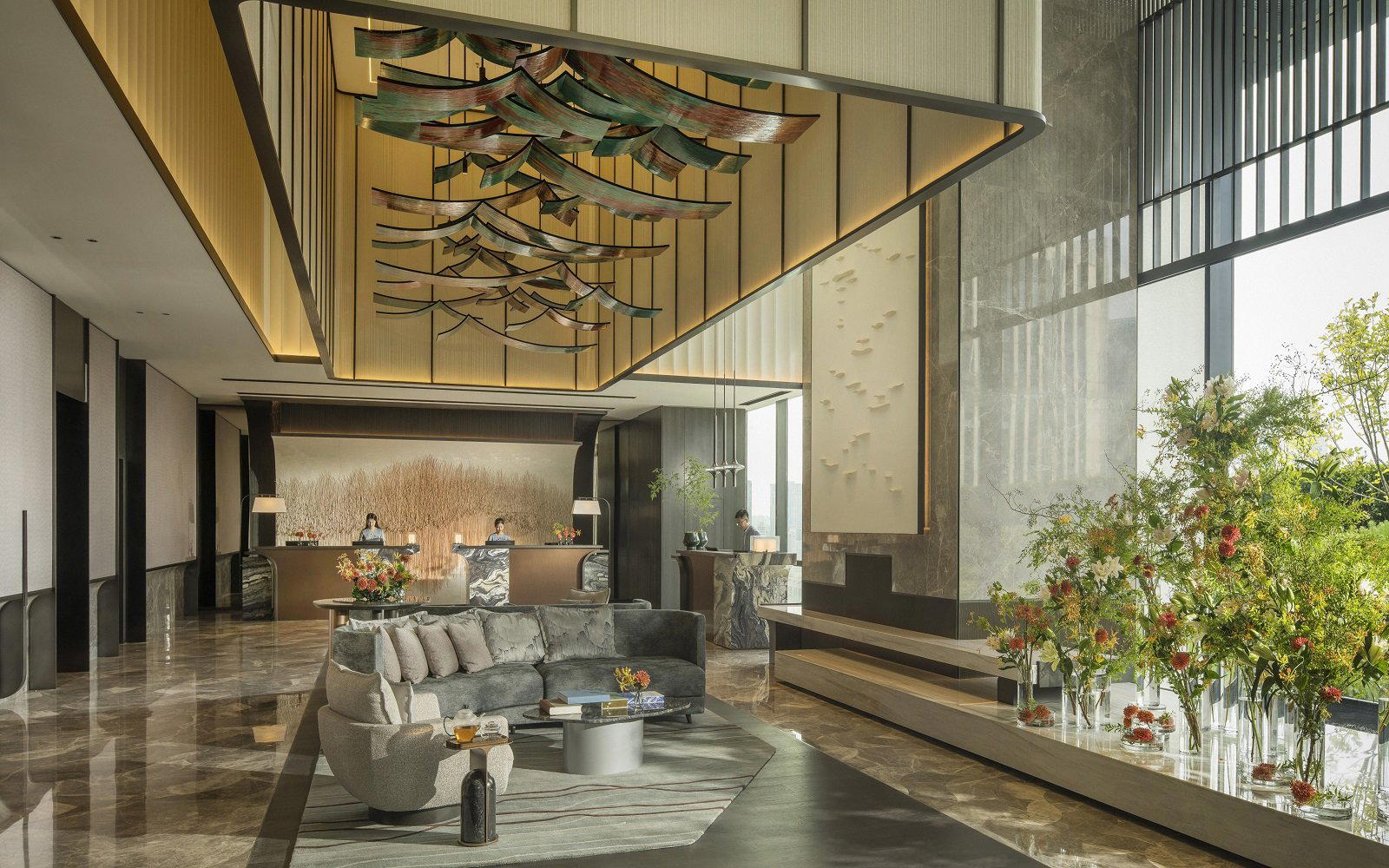
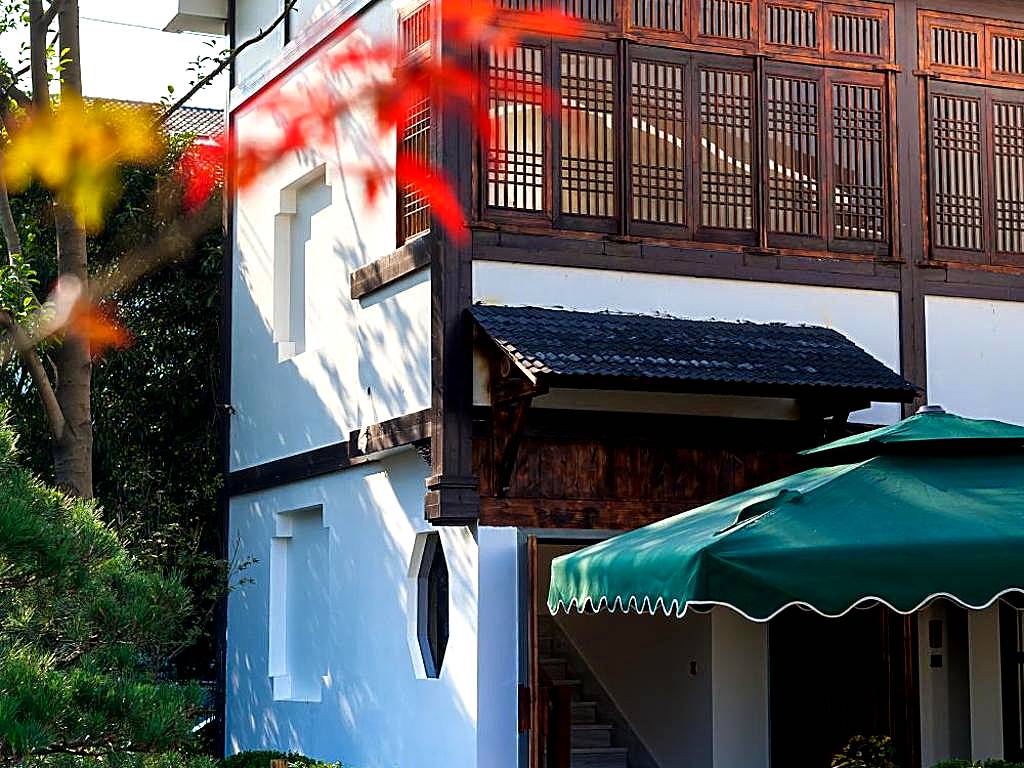
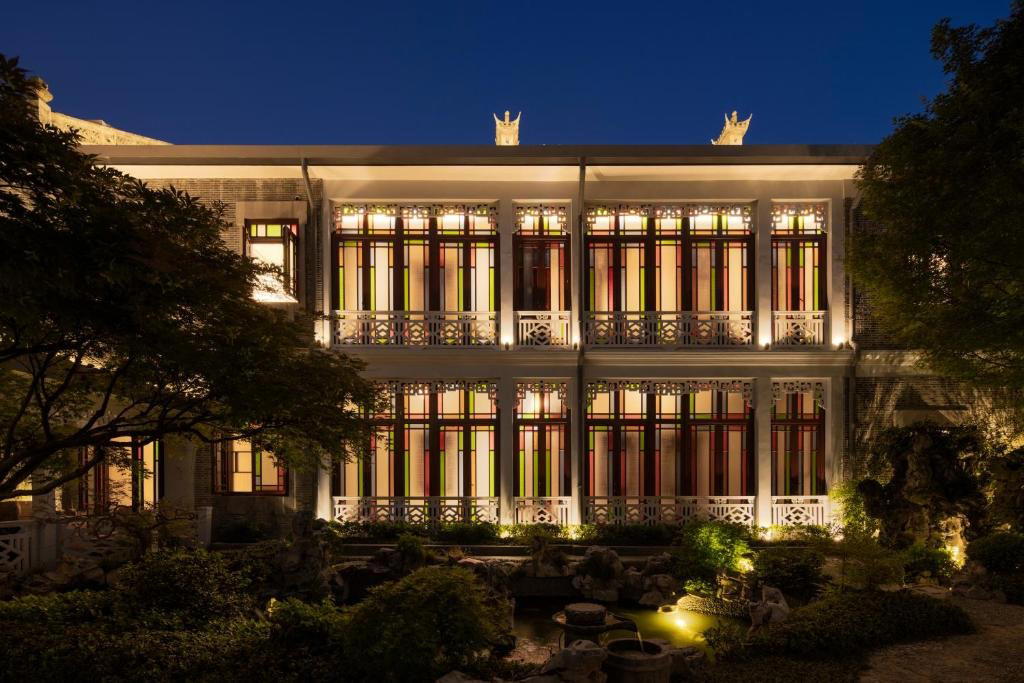
Warm and inviting natural materials, calm sightlines to landscaped garden, daytime natural light transitioning to softer evening lamps, creating a peaceful Zen-like atmosphere.