
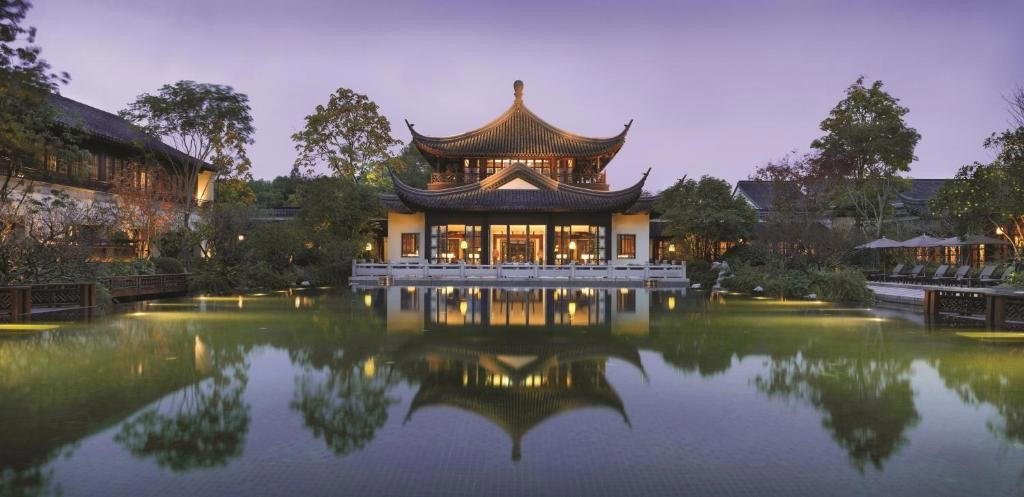
Positioned within the Seven Villas resort on Bapanling Road near West Lake, Jiexianglou earned 92 points on the 2026 La Liste ranking, placing it among China's most recognized Zhejiang fine-dining addresses. The setting, refined gardens above the lake basin, frames a cuisine rooted in the classical Hangzhou tradition, making it a reference point for anyone tracing the depth of eastern Zhejiang cooking.
Pearl is the En Primeur Club membership app — saves, bookings, and concierge access live there. Same editors, same standards.
- Address
- China, Zhejiang, Hangzhou, Xihu, Bapanling Rd, 1号紫萱度假村内 邮政编码: 310007
- Phone
- +86 571 8797 5858
- Directions
- Get directions
 Saves & bookings on Pearl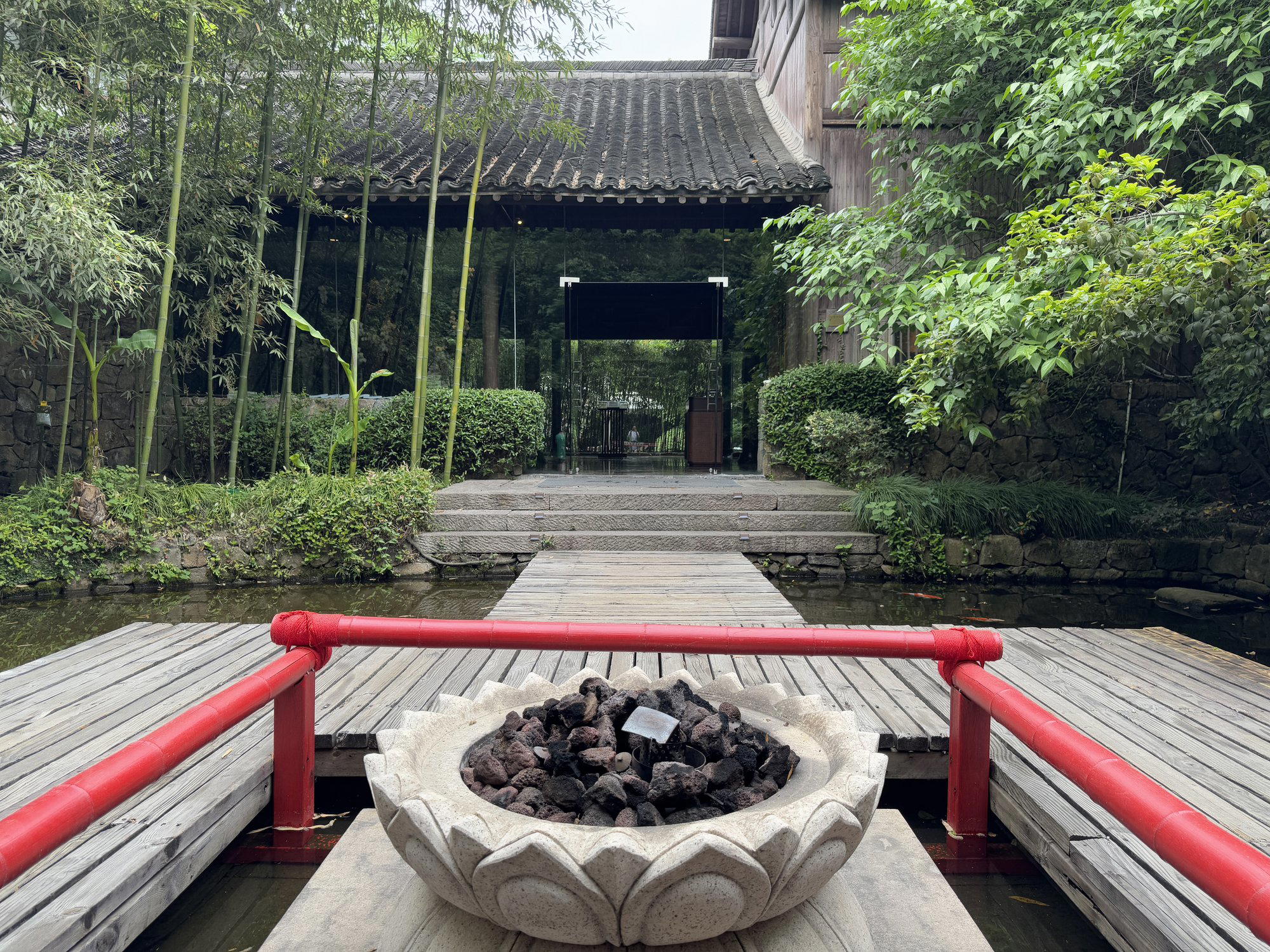
A Garden Above the Lake
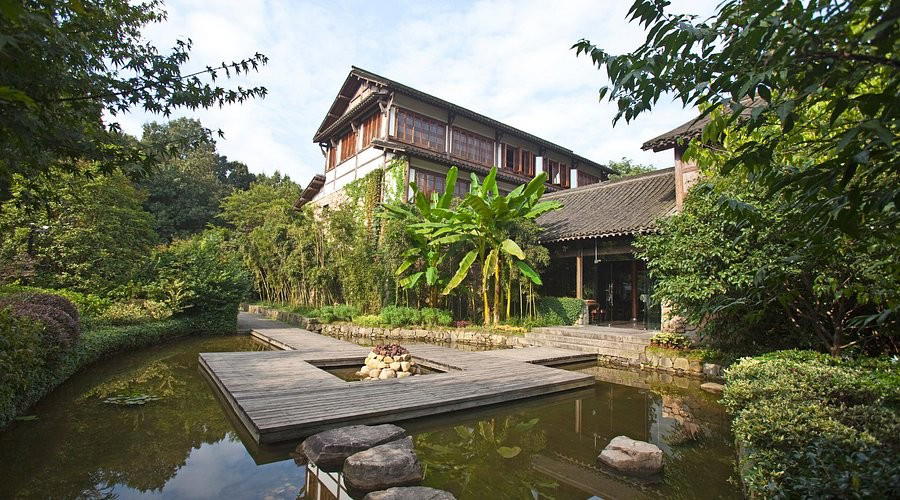
Hangzhou's premium dining tier has long divided between city-floor restaurants built for accessibility and hillside retreats that treat the journey as part of the proposition. Jiexianglou at Seven Villas is a restaurant in Hangzhou, China, serving Modern Jiangnan Cuisine. Jiexianglou at Seven Villas sits firmly in the second category. Set within the Zixuan resort complex on Bapanling Road in the Xihu district, the approach alone signals an intent toward separation from the urban grid. The forested slope above West Lake has housed private estates and Buddhist retreats for centuries, and the decision to anchor a serious restaurant here is not incidental. It places the meal inside a particular register of Hangzhou hospitality, one where landscape and cuisine are understood as continuous rather than independent.
That continuity is not merely aesthetic. The relationship between Hangzhou's table and its surrounding terrain, its freshwater sources, its cultivated hills, its seasonal rhythms, has defined Zhejiang cuisine for generations. A restaurant at this elevation and in this setting inherits expectations about sourcing, seasonality, and restraint that operate as a kind of silent contract with the guest.
Zhejiang Cuisine and the Ethics of Proximity
Few regional Chinese cuisines encode environmental logic as explicitly as Zhejiang cooking. The style prizes freshness above transformation, using light techniques including blanching, steaming, and brief stir-frying to preserve the character of ingredients rather than overlay them. This is not minimalism for its own sake. It is a practical response to a region where river fish, lotus root, bamboo shoots, dragon well tea, and lacquer-red freshwater crab arrive in short seasonal windows. To cook them heavily would be to waste them.
That underlying philosophy maps directly onto what sustainability practitioners now call low-intervention cuisine: sourcing close to the kitchen, using the whole ingredient, timing the menu to what is actually available rather than what the calendar says should be available. Hangzhou's Longjing tea harvest, concentrated in the spring weeks before Qingming, produces the same kind of tightly bounded seasonal pressure as a European truffle window or a Nordic berry season. Restaurants operating at the premium end of the Zhejiang tradition, places like Ru Yuan with its two Michelin stars and ¥¥¥¥ positioning, or Guiyu (Xihu) working the same Xihu-district terrain, build their credibility in part on how precisely they honor those windows.
Jiexianglou operates within this tradition. At that scoring tier, proximity sourcing and menu honesty are not optional virtues; they are baseline expectations.
The Resort Setting as Environmental Argument
Premium resort restaurants embedded in natural sites carry an implicit responsibility that city-floor addresses do not. The forest, the lake view, the garden paths between pavilions: these are the backdrop against which every sourcing decision is either credible or contradictory. Internationally, the pattern is well established. Properties that build on ecological assets tend to attract scrutiny about whether their kitchen practices match their landscape rhetoric.
The Seven Villas complex on Bapanling Road occupies a hillside setting near West Lake. That designation has progressively tightened what can be built and operated in the surrounding hills, raising the bar for properties already established in the zone. For a restaurant inside such a property, the alignment between menu origin, waste handling, and the protected terrain outside the window is not a marketing choice. It is the operating condition.
This is the frame in which Jiexianglou's recognition carries particular weight. For Zhejiang cuisine at this address, the argument is about restraint, provenance, and the intelligence of not overcooking what the valley already does well.
Positioning in Hangzhou's Fine-Dining Tier
Hangzhou now supports a layered premium restaurant scene. Local diners already understood those distinctions: Jie Xiang Lou in the city proper, Hangzhou House, and Ambré Ciel with its innovative positioning each occupy different niches within the broader Hangzhou fine-dining map. Jiexianglou at Seven Villas competes in a slightly different register, one defined less by urban visibility and more by destination commitment.
Guests do not arrive here by accident. The Bapanling Road address requires intent, a car or arranged transfer, and the time to sit within the resort's logic rather than rush through a meal between other appointments. That friction is a feature of the format, not a flaw. It is the same structural choice that distinguishes destination restaurants across China, from Xin Rong Ji in Chengdu to Dai Yuet Heen in Nanjing, where the remove from the city center is calibrated to slow the pace of the meal and anchor the guest more fully in a single environment.
Compared to Hangzhou's Zhejiang peers, Jiexianglou sits within an internationally legible scoring band. La Liste's methodology draws on a wide base of guide sources and aggregates them into a single score, meaning a 92 reflects sustained performance across multiple evaluating bodies rather than a single panel's view. That is a different kind of validation from a Michelin star, but it is not a lesser one. For a restaurant whose setting and cuisine are both deeply rooted in a specific geography, an aggregated score that rewards consistency and coherence has a certain logic to it.
Planning a Visit
Jiexianglou sits within the Seven Villas resort at 1 Bapanling Road, Xihu district, Hangzhou. The hillside location means the practical advice is consistent: arrange transport in advance, either through the resort or a private hire, rather than relying on street-hail options at the summit of the road. Timing matters here more than at city-center addresses. Spring, when Longjing tea is in harvest and West Lake's freshwater ingredients are at their most active, is the period when Zhejiang cuisine at this level is performing closest to its own ideal. Autumn offers a parallel window with different ingredients, including river crab season, which runs from September through November.
Booking ahead is advisable for any visit, particularly during those seasonal peaks and for weekend evenings when the resort draws both hotel guests and day visitors from Hangzhou proper. Reservations are handled through the resort directly or through concierge intermediaries. Guests staying elsewhere in Hangzhou will find the transfer direct from the lakeside hotel corridor, though the drive up into the hills adds fifteen to twenty minutes depending on starting point.
Those planning a wider China itinerary might cross-reference the format against 102 House in Shanghai or Xin Rong Ji on Xinyuan South Road in Beijing for a sense of how destination-format Chinese fine dining plays across different city contexts.
Accolades, Compared
Comparable venues nearby, for context on price, style, and recognition.
| Venue | Cuisine | Price | Notes |
|---|---|---|---|
| Jiexianglou at Seven VillasThis venue — the venue you are viewing | Modern Jiangnan Cuisine | $$$$ | Not listed |
| CHIU by Howard | Modern Chaoshan Fine Dining | $$$$ | Qianjiang New Town CBD |
| Puzhu - Plant - based | Plant-Based Chinese Fine Dining | $$$$ | Hangzhoushi |
| 如院 | Modern Zhejiang | $$$$ | Xihu |
| MANSHU KAISEKI | Modern Japanese Kaiseki | $$$$ | Yuhangxian |
| TUNG FU RESTAURANT | Modern Chaoshan Chinese | $$ | Xiaoshanshi |
Recognition history
Dated appearances from independent guides and award organizations, with the underlying list record or original source where available.
La Liste Top Restaurants
La Liste
At a Glance
- Elegant
- Quiet
- Intimate
- Sophisticated
- Scenic
- Special Occasion
- Date Night
- Business Dinner
- Private Dining
- Garden
- Local Sourcing
- Garden
Current opening hours
- Monday
- 10 AM–10 PM
- Tuesday
- 10 AM–10 PM
- Wednesday
- 10 AM–10 PM
- Thursday
- 10 AM–10 PM
- Friday
- 10 AM–10 PM
- Saturday
- 10 AM–10 PM
- Sunday
- 10 AM–10 PM
Hours can change for holidays and private events. Last verified .
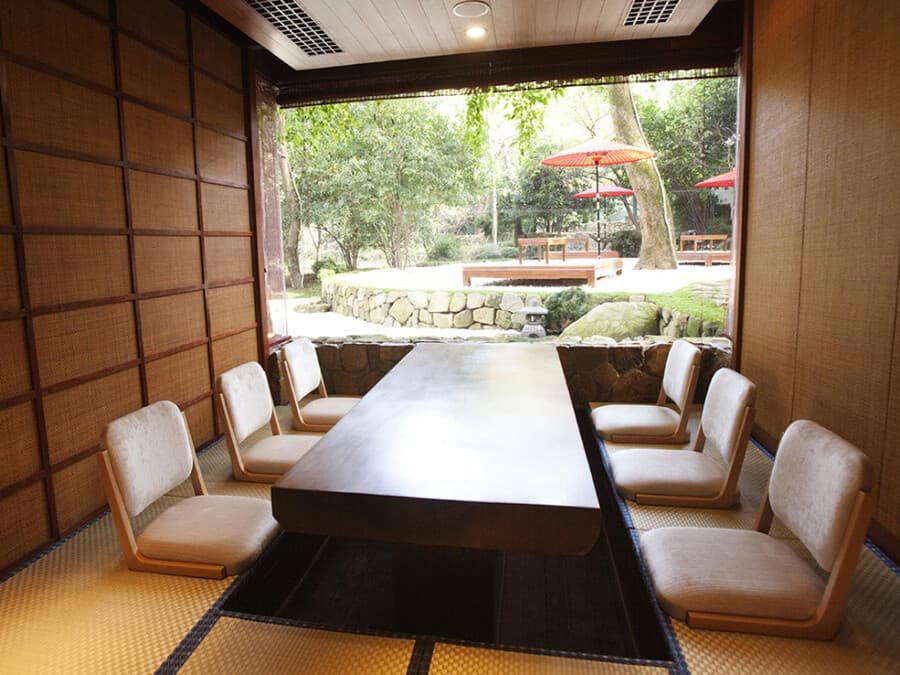
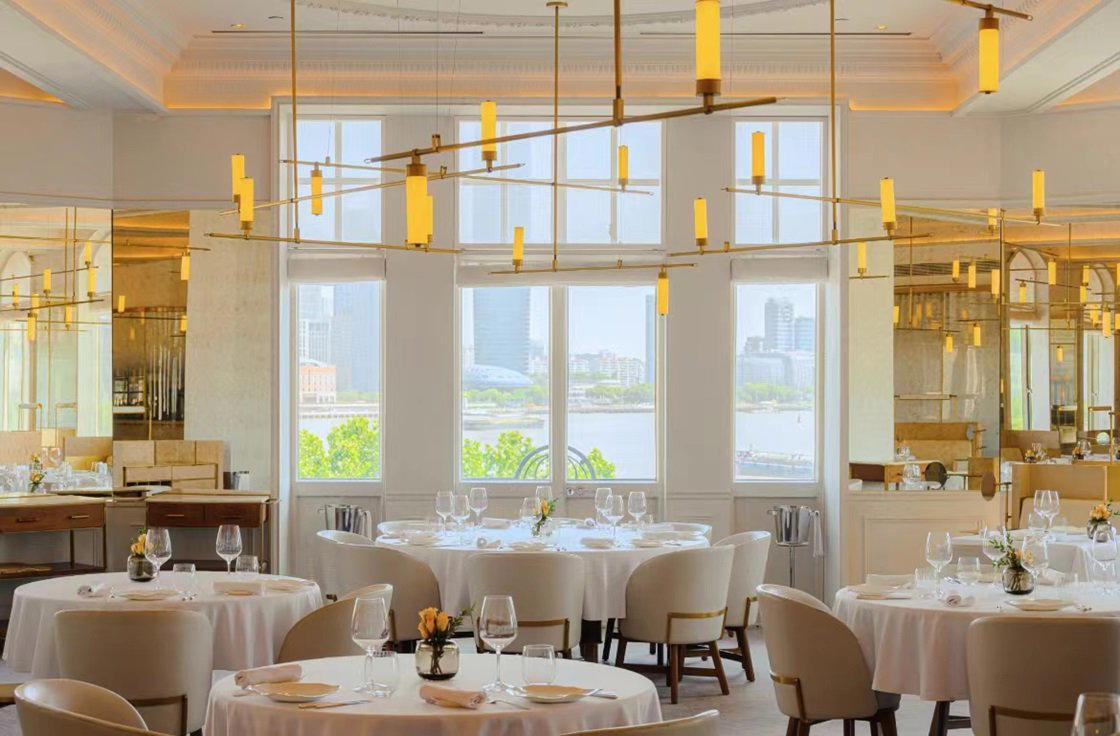
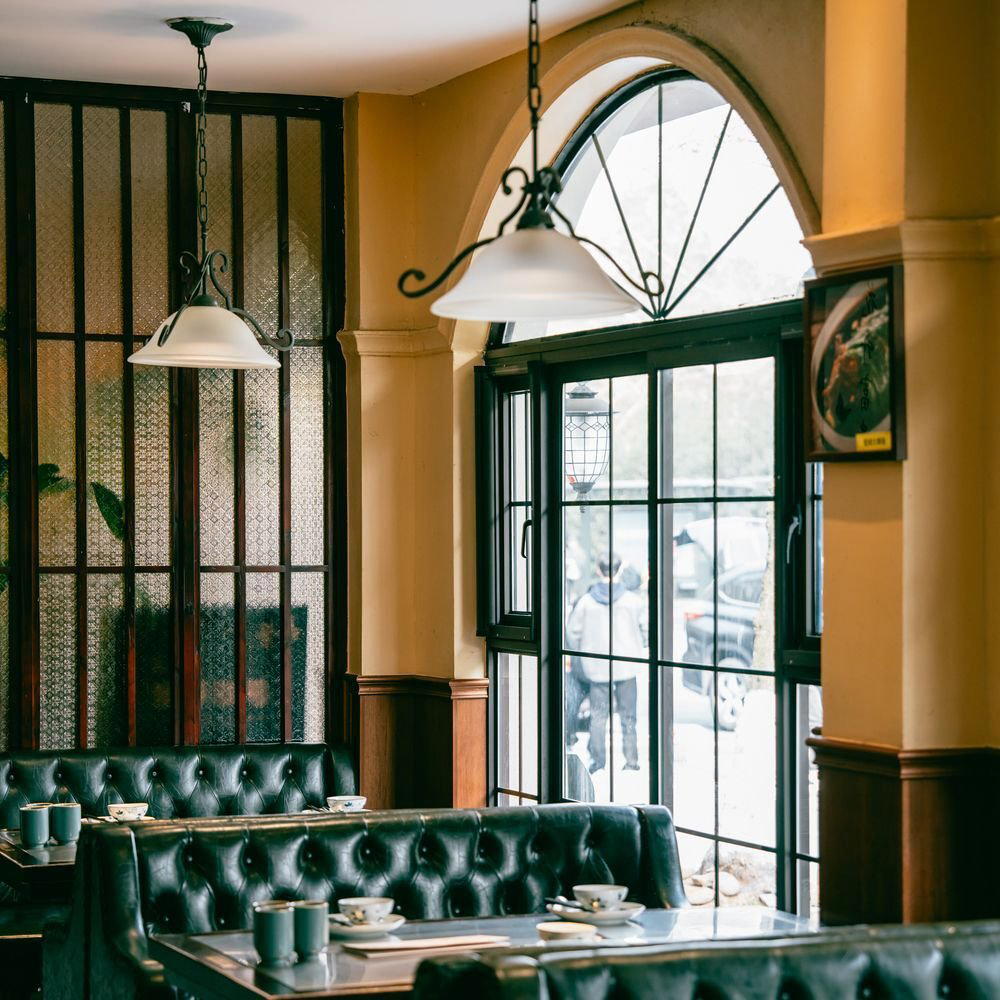
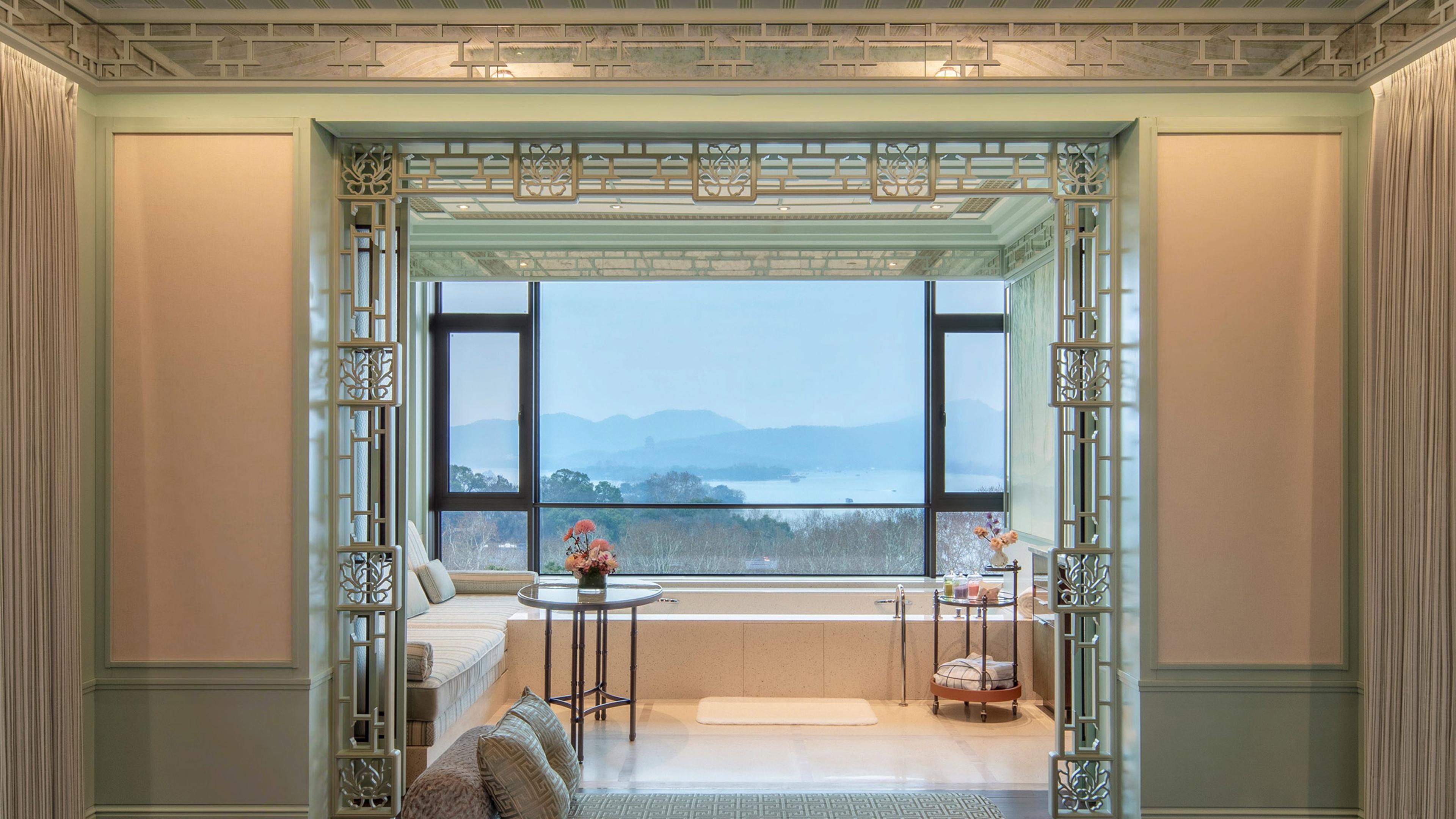
Serene and tranquil bamboo forest atmosphere with elegant traditional Chinese decor blending natural surroundings and understated luxury.