







1 Michelin Star · World's 50 Best #85 · La Liste Top Restaurants
Our verdict
Jin Sha at Four Seasons Hangzhou at West Lake holds a Michelin star, a Black Pearl 3 Diamond rating, and a La Liste score of 92 points in 2026, placing it among the most decorated Zhejiang-cuisine tables in mainland China. Chef Wang Yong's kitchen spans Hangzhounese, Shanghainese, and Cantonese registers, anchored by seasonal seafood and regional classics treated with measured contemporary refinement. The 34-seat garden terrace, shaded by oaks and willows, is among the most considered dining settings in the city.

Pearl is the En Primeur Club membership app — saves, bookings, and concierge access live there. Same editors, same standards.
- Address
- 5 Lingyin Road, Xihu District, Hangzhou, Zhejiang Province, China 310013
- Phone
- +86 571 8113 5188
- Website
- fourseasons.com
- Directions
- Get directions
The menu
What to order
- Braised pork belly with abalone
- Clay-baked crispy chicken
- River shrimp with Longjing tea
- Steamed black truffle dumplings
Setting the Scene: A Classical Garden as Dining Room
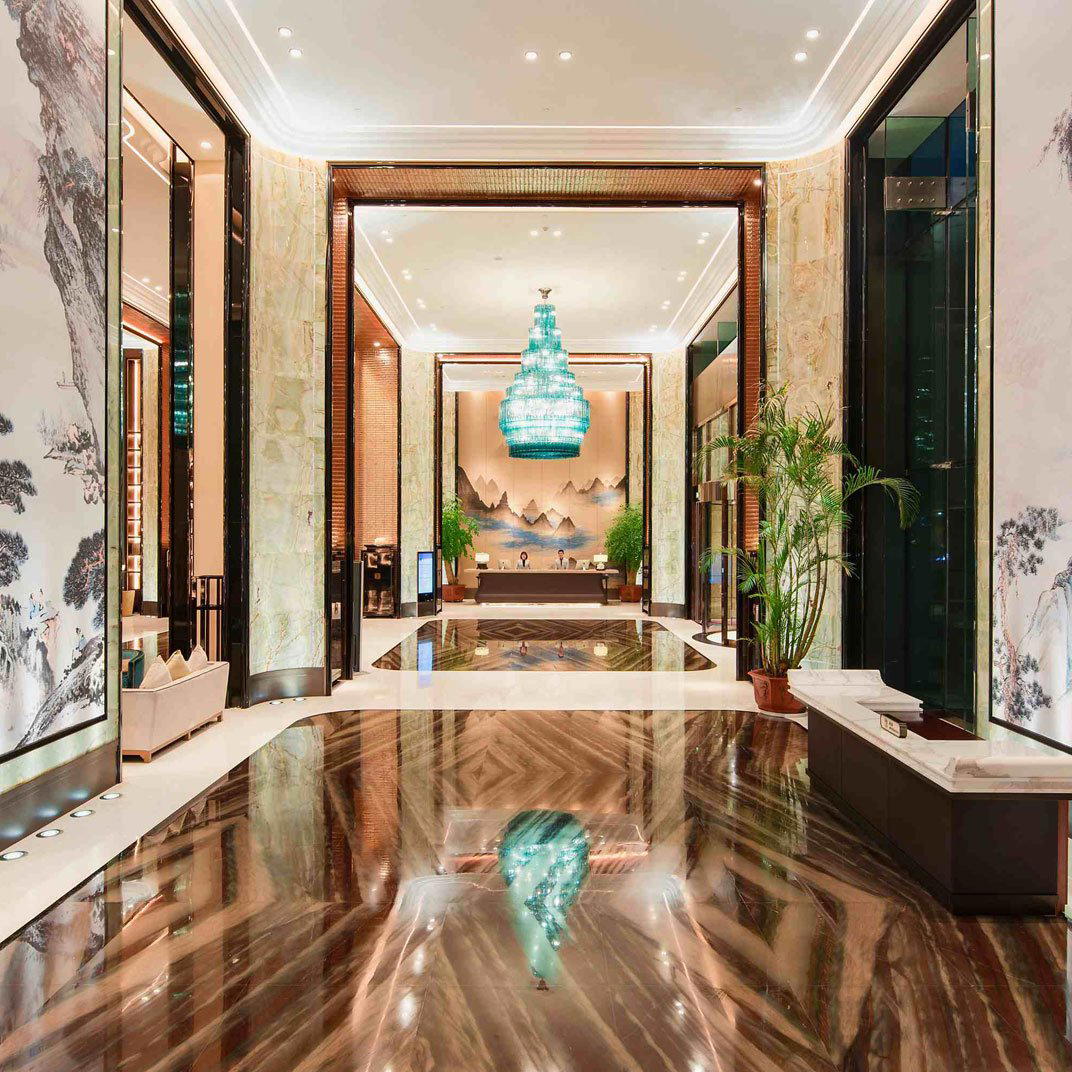
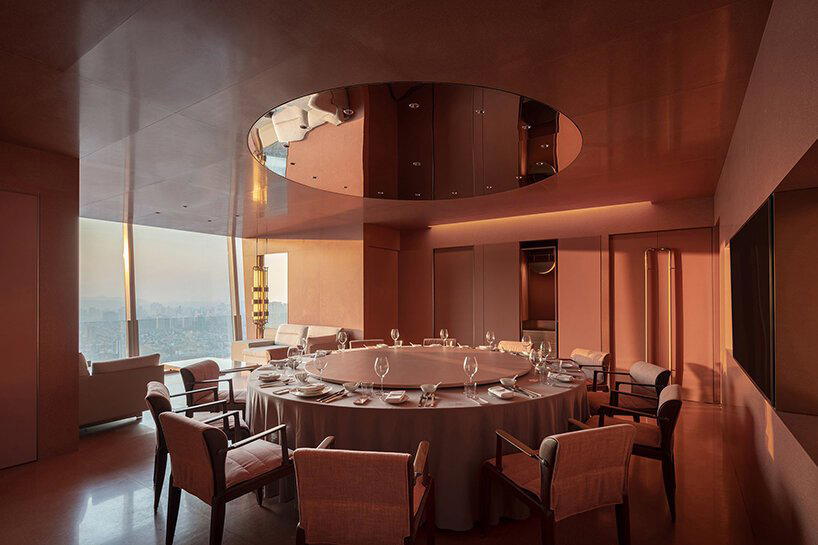
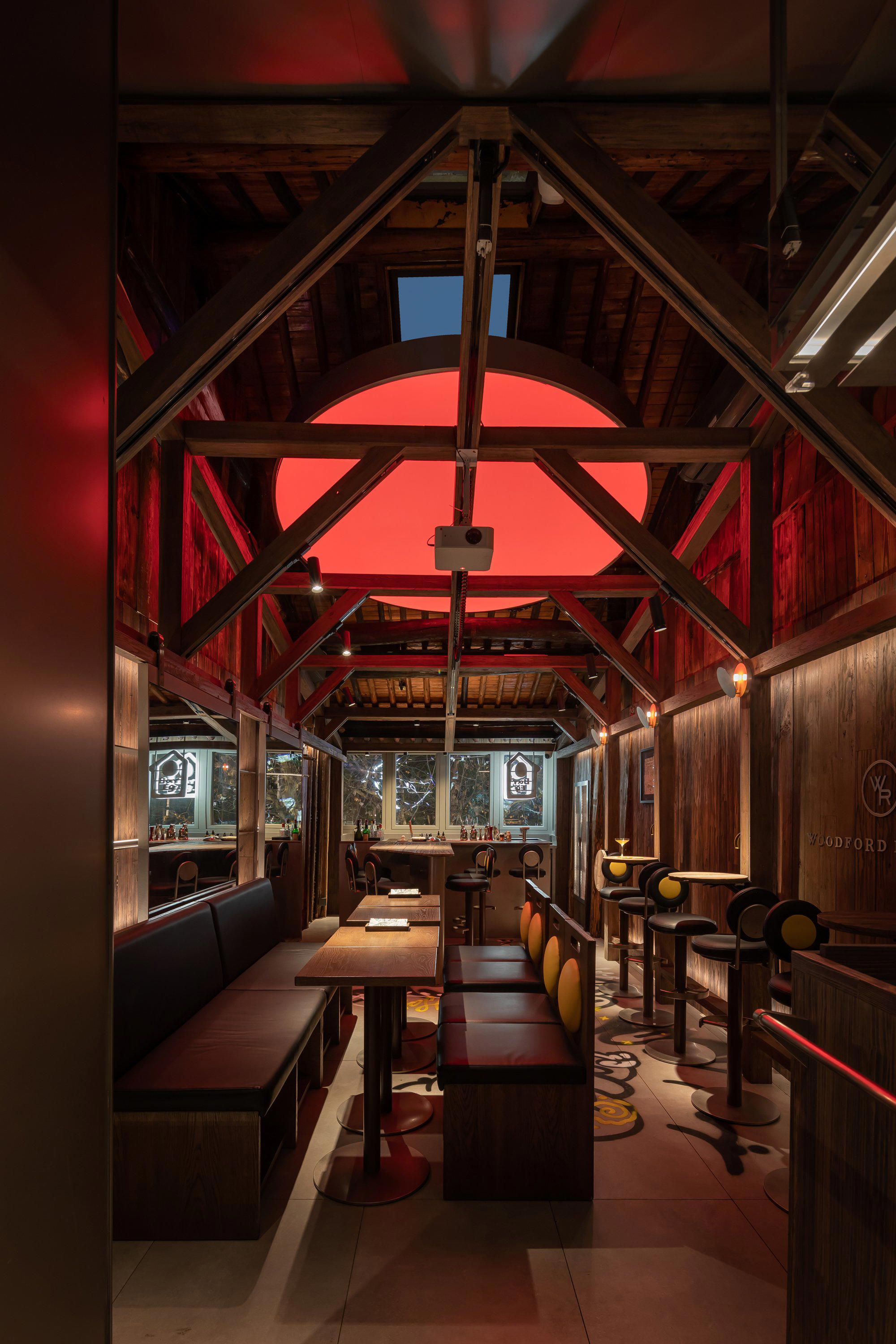
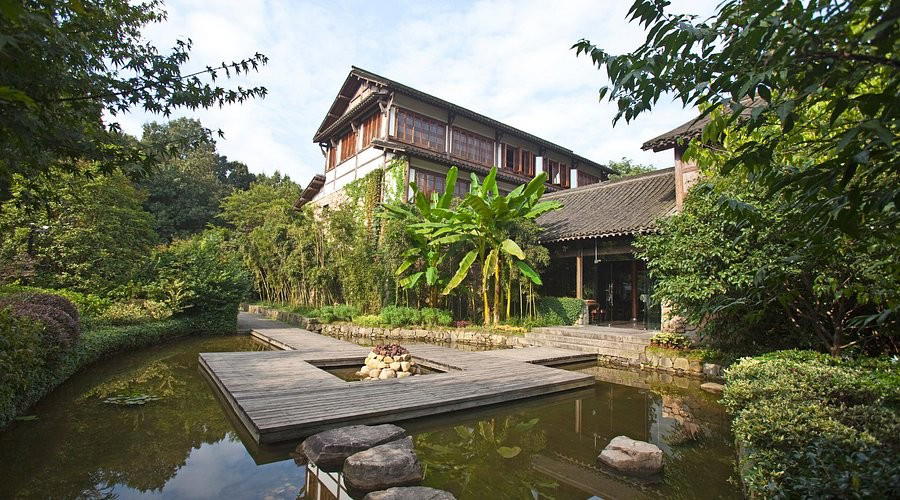
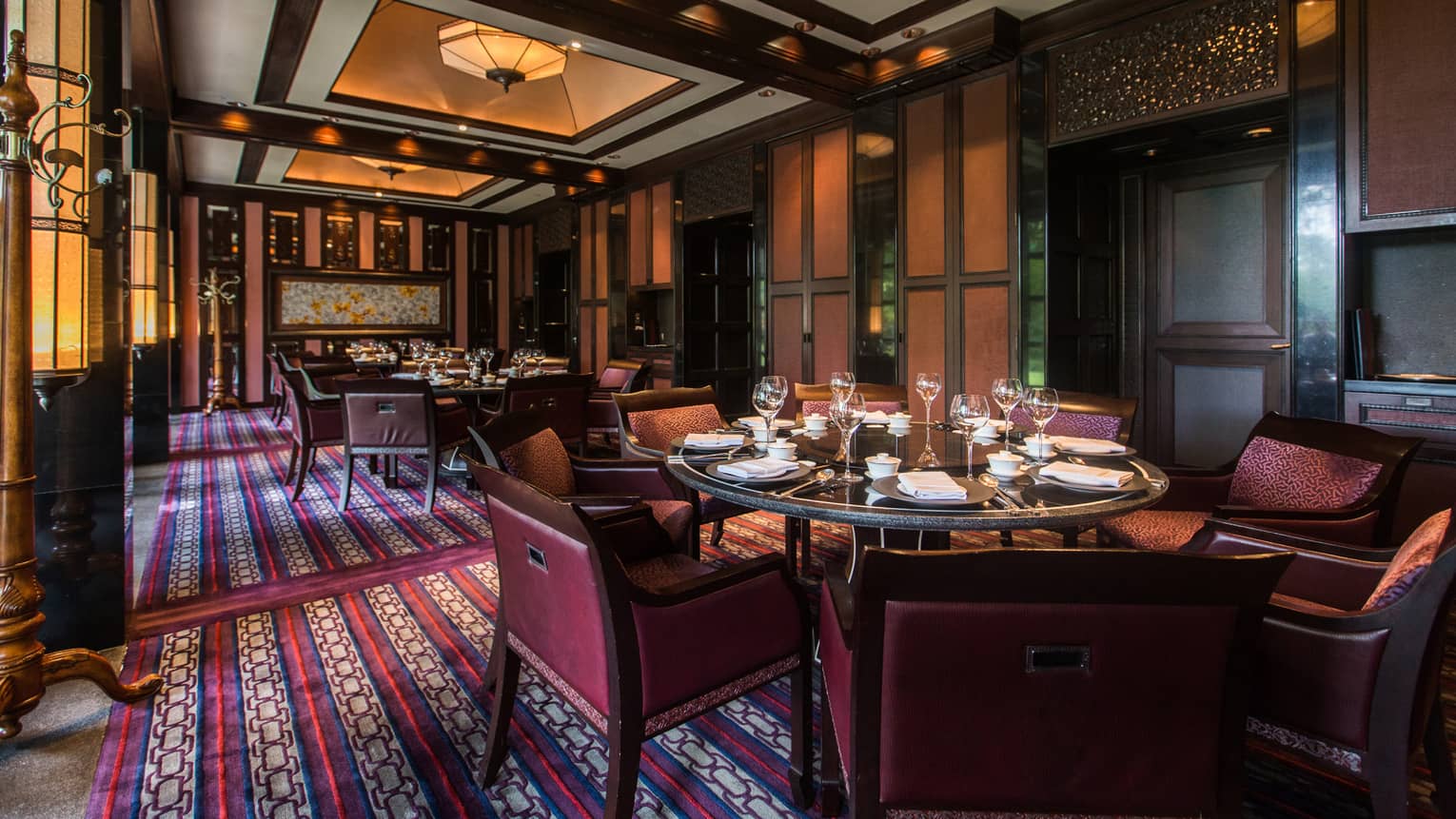
West Lake's luxury hotel corridor has long operated on a different set of expectations than the rest of Hangzhou's dining scene. Here, where water, willow, and classical Chinese architecture converge, restaurants are asked to carry the weight of setting as much as cuisine. Jin Sha, the principal dining room of the Four Seasons Hotel Hangzhou at West Lake, answers that brief with one of the most deliberate spatial arrangements in the city: 34 outdoor seats shaded by oaks and willows, eleven stand-alone private dining pavilions with floor-to-ceiling windows, and a manicured classical Chinese garden threading the whole composition together. The outdoor terrace, in fair weather, is the seat most worth angling for. Light filters through the canopy, garden views press against the glass of the pavilions, and the formal geometry of the grounds gives the meal a frame that no interior room could replicate.
This kind of environment is not incidental to the dining proposition. Across the premium tier of Chinese fine dining, whether at Ru Yuan in Hangzhou or at the more urbane formats you find at 102 House in Shanghai, the architecture of the experience has become as legible a quality signal as the food itself. Jin Sha sits squarely in that tradition.
The Award Record and What It Signals
Jin Sha's recognition history tracks the kind of upward trajectory that reflects genuine kitchen consistency rather than a single-year spike. The restaurant holds a Michelin star (2024), a Black Pearl 3 Diamond (2025), an Opinionated About Dining ranking of 53rd in Asia for 2025 (up from 48th in 2024 and 38th in 2023, indicating some fluctuation in a deeply competitive field), and a La Liste score of 92 points in 2026, improving from 91 points the prior year. Across three independent rating systems spanning French, American, and Chinese critical frameworks, the restaurant registers consistently in the decorated tier.
That spread of recognition matters because each system weights different things. La Liste's scoring tends to reward the full experience, including setting, service, and cellar alongside cuisine. OAD rankings lean heavily on repeat-diner feedback from a culinary-professional base. Black Pearl applies a Chinese critical lens with particular attention to ingredient sourcing and regional authenticity. For a restaurant presenting Zhejiang, Shanghainese, and Cantonese cooking in a luxury hotel context, landing across all three frameworks in the same tier suggests the kitchen is performing consistently against divergent criteria.
The Drink List: Huangjiu, Longjing Tea, and What Else to Know
The editorial angle here deserves some elaboration, because Jin Sha's beverage program represents one of the more thoughtful pairings propositions in Hangzhou fine dining. The restaurant's drink list spans Huangjiu, teas, and wines, and the sequencing of those categories says something about the kitchen's intent. Huangjiu, the fermented grain wine produced across the Yangtze Delta region, is the traditional accompaniment to Zhejiang cuisine: its earthier, rounder profile reads against braised pork and river seafood in ways that European wine rarely manages with the same coherence. A restaurant that keeps a considered range of Huangjiu on the list is making a statement about culinary authenticity that goes beyond the food menu.
The tea program anchors equally firmly in local identity. Hangzhou's Longjing tea, grown near the hotel itself, appears both in the glass and on the plate. The kitchen uses it in the cooking: sautéed river shrimp prepared with Longjing is considered one of the restaurant's anchor Hangzhounese dishes. As a drink, Longjing in the early-season harvest carries a vegetal, umami-adjacent quality that pairs logically with delicate steamed preparations. The lobby lounge, recommended while waiting for a table, serves it alongside Valrhona hot chocolate, which sits at the opposite end of the register but speaks to the hotel's awareness of a mixed international clientele.
For those interested in how beverage curation at this level compares across China's fine-dining circuit, the approach here rhymes with what you find at Xin Rong Ji in Beijing and Xin Rong Ji in Chengdu, where regional spirit and tea integration into pairing programs has become a marker of culinary seriousness.
What the Kitchen Does
The menu at Jin Sha spans three regional Chinese traditions: Hangzhounese, Shanghainese, and Cantonese. That breadth is not unusual for a luxury hotel restaurant serving an international clientele, but the kitchen's execution tilts clearly toward the local. The Hangzhounese repertoire carries the most weight: river shrimp with Longjing, braised pork belly with abalone (a preparation that is described as rich without heaviness), and the seasonal hairy crab program that runs each autumn. Hairy crab appears in at least three formats: boiled whole, in steamed dumplings, and braised with bean curd.
The contemporary dimension comes through in specific ingredient upgrades rather than structural reimagining. Steamed vegetable dumplings are augmented with black truffles. Street-food formats like cong you bing (Shanghainese scallion pancakes) are treated with the sourcing and technique discipline of a fine-dining kitchen. The logic is to honor the form while sharpening the material, a mode of refinement more calibrated than the wholesale reinvention you'd find at, say, Ambré Ciel on Hangzhou's innovative contemporary side.
Dessert program receives particular attention: twelve-plus options including Longjing pudding, red bean cheesecake, and housemade ice cream in ginger, honey, and walnut flavors. The range and specificity here exceeds what most Chinese fine-dining kitchens invest in the final course, and it reads as a deliberate positioning choice. Compared to Zhejiang-focused peers like Guiyu (Xihu), Hangzhou House, and Jie Xiang Lou, Jin Sha occupies the hotel fine-dining tier with a price point (¥¥¥) that places it below Ru Yuan's ¥¥¥¥ bracket but in the same range as most of the credentialed competition.
Seafood section is the kitchen's most reliable register: razor clams, king prawns, river shrimp, cod, and scallops appear in varying preparations across sautéed, steamed, poached, and fried formats. For readers who arrive from a context of seafood-forward fine dining internationally, the sensibility here is less maximalist than somewhere like Le Bernardin in New York City and more grounded in regional ingredient identity, with technique in service of the product's origin rather than its transformation.
Seasonal Timing and the Hairy Crab Question
Autumn is when the restaurant's seasonal logic becomes most legible. Hairy crab season runs roughly October through December in the Yangtze Delta, and Jin Sha builds a multi-format program around the ingredient during that window. Visiting specifically for this is a reasonable travel decision: the combination of the lakeside garden setting in autumn light, the crab preparations across multiple textures and cooking methods, and the Huangjiu pairing program amounts to one of the more coherent expressions of Hangzhou's seasonal food culture available at the luxury end of the market. Outside of that window, the menu rotates with the season, which means a summer visit will lean more heavily into river seafood and lighter preparations.
Planning Your Visit
Jin Sha is located at the Four Seasons Hotel Hangzhou at West Lake, 518 Meishan Road, Xiaoshan District. Reservations for weekday lunch and dinner are not strictly required, but weekend dim sum fills in advance and should be booked ahead. The eleven private dining pavilions are suited to groups and should be reserved specifically when booking. The restaurant skews toward business dining and couples rather than families with young children; the hotel's own guidance notes that younger children are better served by the dumpling-making and arts-and-crafts programs the property runs separately, with babysitting available. If there is a wait for a table, the lobby lounge serves Longjing tea and Valrhona hot chocolate.
For those extending a Hangzhou visit beyond the table, our full Hangzhou hotels guide, bars guide, wineries guide, and experiences guide cover the broader city. For comparison across China's decorated fine-dining circuit, Chef Tam's Seasons in Macau, Imperial Treasure Fine Chinese Cuisine in Guangzhou, and Dai Yuet Heen in Nanjing provide useful peer reference. For a more experimental frame of reference in Korean fine dining at a similar award tier, Atomix in New York City illustrates a parallel logic of tradition refined through ingredient precision.
What Should I Order at Jin Sha?
The most grounded ordering strategy anchors on the Hangzhounese seafood and the seasonal program. River shrimp sautéed with Longjing tea is the dish most clearly rooted in the restaurant's geographic identity and the one most inspectors single out as a reference point for the kitchen's approach. In autumn (roughly October through December), the hairy crab preparations take priority: the boiled whole version is the most direct expression of the ingredient, while the steamed dumplings offer a more architectural take on the same flavor. The braised pork belly with abalone is the kitchen's most-cited land-based preparation. For the dessert course, the Longjing pudding maintains thematic consistency with the meal's regional logic. The Huangjiu list is worth engaging with rather than defaulting to wine, particularly for the seafood and braised courses.
Frequently asked questions
What price level is Jin Sha?
Pricing at Jin Sha is listed as ¥¥¥.
What cuisine category does Jin Sha fall under?
What awards or recognition does Jin Sha have?
Jin Sha has received recognition including: La Liste Top Restaurants (2026): 92pts; Opinionated About Dining Top Restaurants in Asia Ranked #53 (2025); Serving traditional Shanghainese, Cantonese and Hangzhounese cuisine with a contemporary flair, Four Seasons Hotel Hangzhou at West ….
What should I order at Jin Sha?
River shrimp sautéed with Longjing tea is the dish most consistently cited as the kitchen's Hangzhounese signature, and the one that best reflects what Jin Sha does with local sourcing. If visiting between October and December, the hairy crab program spans boiled preparations, steamed dumplings, and a braised bean curd version. The dessert list runs more than a dozen options, with housemade ginger, honey, and walnut ice creams alongside a Longjing pudding — worth treating as a course rather than an afterthought. Cong you bing (scallion pancakes) shows how the kitchen handles street fare at a Michelin-starred register.
Same-City Peers
| Venue | Cuisine | Price | Awards | Notes |
|---|---|---|---|---|
| Jin ShaThis venue — the venue you are viewing | Modern Zhejiang Fine Dining | $50–100 | 1 Michelin Star · World's 50 Best #85 | Not listed |
| Xin Rong Ji | Taizhou Cuisine | $50–100 | 1 Michelin Star · La Liste Top Restaurants | Taizhou |
| 28 Hubin Road | Modern Zhejiang Fine Dining | $50–100 | Michelin Plate · La Liste Top Restaurants | Zhejiang |
| Ru Yuan | Modern Hangzhou Fine Dining | $150–200 | 2 Michelin Stars · World's 50 Best #10 | Zhejiang |
| L'éclat 19 | French-Chinese Fusion Fine Dining | Not listed | 1 Michelin Star | French Contemporary |
| Song | Ningbo Chinese Fine Dining | Not listed | 1 Michelin Star | Ningbo |
Recognition history
Dated appearances from independent guides and award organizations, with the underlying list record or original source where available.
Michelin 1 Star
Michelin
World's 50 Best Asia's Best Restaurants #85
World's 50 Best
La Liste Top Restaurants
La Liste
Opinionated About Dining Top Restaurants in Asia Ranked #44
Opinionated About Dining
Wine Spectator Award of Excellence
Wine Spectator
Full recognition history (15 entries)
Black Pearl 3 Diamond
Black Pearl
Forbes 4-Star
Forbes
La Liste Top Restaurants
La Liste
Michelin 1 Star
Michelin
Opinionated About Dining Top Restaurants in Asia Ranked #53
Opinionated About Dining
Tatler Listed in Best Restaurants Asia-Pacific
Tatler
The Best Chef Two Knives
The Best Chef
Michelin 1 Star
Michelin
Opinionated About Dining Top Restaurants in Asia Ranked #48
Opinionated About Dining
Opinionated About Dining Top Restaurants in Asia Ranked #38
Opinionated About Dining